Best Time to Visit Seville: An Honest Month-by-Month Guide
Seville's climate is one of the most extreme in Western Europe for a major city. This guide breaks down every month by temperature, rainfall, crowds, and events so you can choose the timing that actually fits your trip.
Tickets & tours
Live prices and dates from our booking partner. If you book, we may earn a commission at no extra cost to you.
TL;DR
- Spring (March to May) and early autumn (late September to October) offer the most comfortable temperatures for sightseeing, with average highs between 20°C and 26°C.
- Summer (July and August) regularly exceeds 37°C during the day. It is manageable but demanding, and best reserved for heat-tolerant travellers.
- Semana Santa and the Feria de Abril are transformative experiences, but accommodation prices spike sharply — book months in advance. See our guides to Semana Santa in Seville and the Feria de Abril for what to expect.
- Winter (December to February) is the quietest and cheapest period. Temperatures average around 10–12°C, and most major sights are far less crowded.
- Rainfall is not evenly spread across the year: summer is almost completely dry, while November through February sees the bulk of Seville's annual precipitation.
Understanding Seville's Climate Before You Book
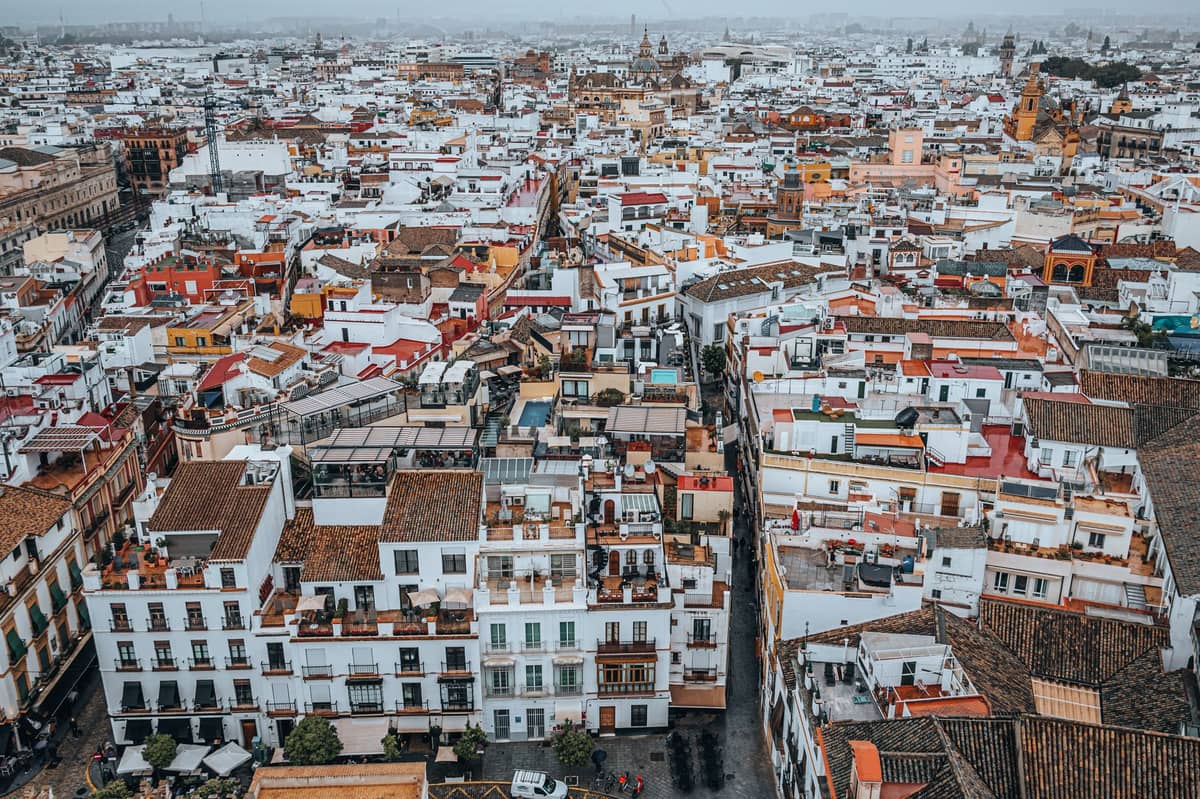
Seville sits at roughly 37°N latitude in Andalusia, southern Spain, at barely 9 metres above sea level. Its Köppen classification is Csa — a hot-summer Mediterranean climate — which in practice means very hot, almost rainless summers and mild, occasionally wet winters. The annual average temperature hovers around 19–21°C, which sounds pleasant until you realise that single average conceals January lows near 6°C and August daytime highs that routinely hit 37–38°C.
Annual rainfall totals around 540–550mm, but the distribution matters far more than the total. June, July, and August together receive barely 5–10mm combined. December is typically the wettest month, with around 75–99mm. This seasonal split means your experience of Seville in February and your experience in July are effectively two different destinations with different logistics, costs, and physical demands.
⚠️ What to skip
Do not assume Seville is comfortable year-round. Summer heat in July and August is serious: sustained daytime highs above 35°C are normal, not exceptional. Exploring on foot between 11am and 5pm in August without a clear heat strategy — shade, hydration, midday breaks — is genuinely unpleasant and potentially risky.
Spring (March to May): The Most Reliable Window
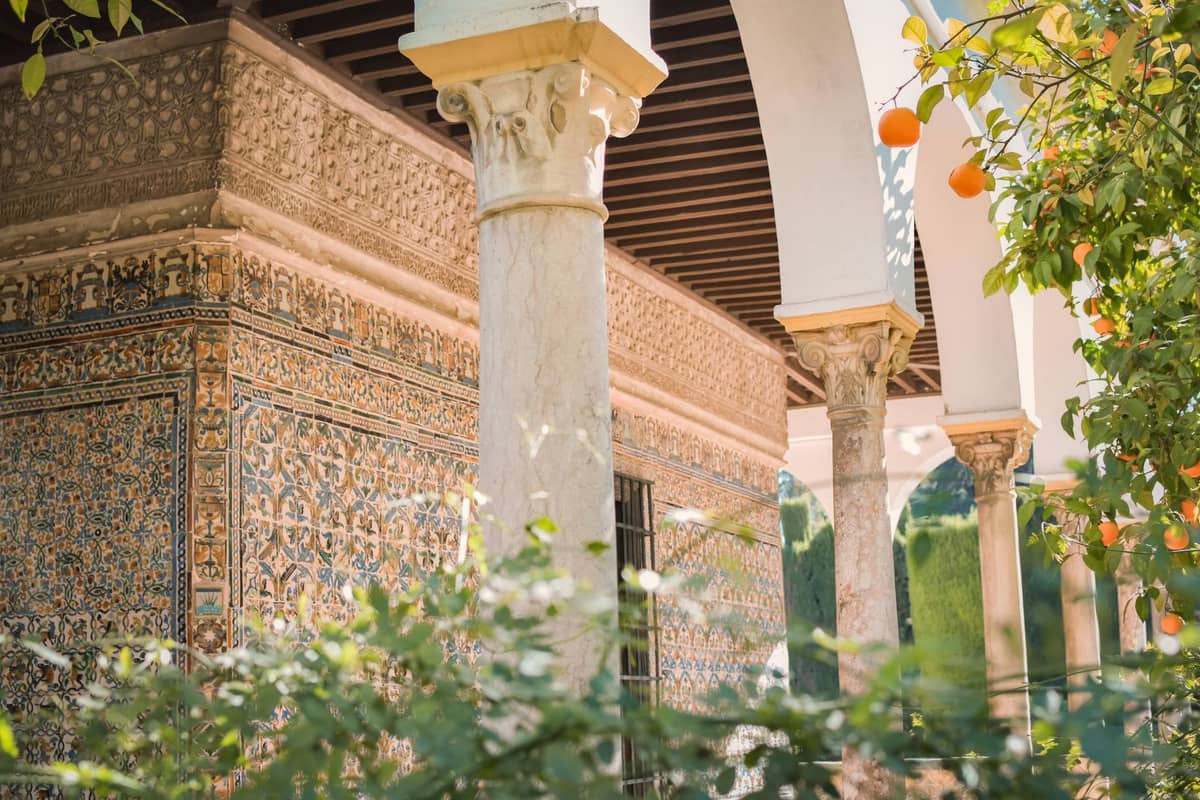
March through May is when Seville performs at its most photogenic and physically approachable. Temperatures climb steadily from around 15°C average in March to roughly 22°C by May, with daytime highs reaching the low-to-mid 20s. Rainfall decreases as spring progresses — March and April still see occasional showers, but May is largely dry. The city's orange trees are fragrant, outdoor terraces are full, and most attractions are operating at full capacity.
The catch is that spring also contains Seville's two biggest annual events. Semana Santa (Holy Week) falls in late March or April depending on the year, with major processions filling the streets for an entire week. The Feria de Abril follows roughly two weeks later, running for six days of casetas, horses, and flamenco dresses. Both events are extraordinary to witness, but they push hotel prices to their annual peak and create genuine logistical complications around bookings, transport routes, and restaurant availability.
💡 Local tip
If you want spring weather without the event crowds, aim for the first two weeks of May. Temperatures are warm but not punishing, prices return to normal levels, and the city is still lively without the extreme compression of Semana Santa or Feria weeks.
- March Average 15°C, moderate rainfall possible. Good for sightseeing, lower prices, fewer crowds than April.
- April Average 18°C, Semana Santa and Feria de Abril both typically fall here. Peak prices, exceptional atmosphere if you plan ahead.
- May Average 22°C, rainfall drops sharply. Arguably the single most practical month to visit Seville.
Summer (June to August): Hot, Dry, and Not for Everyone
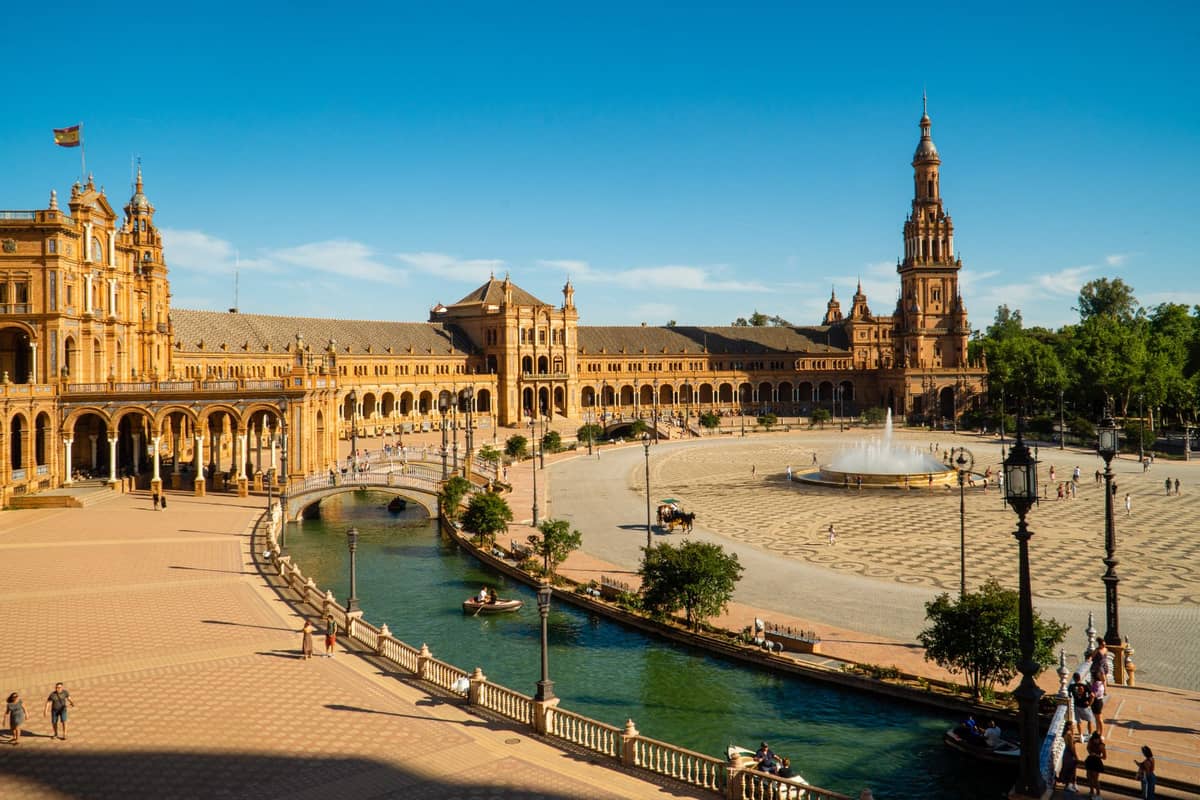
Seville in summer is Europe's hottest city that most tourists actually visit. Average temperatures in July and August sit around 28–29°C, but those are 24-hour averages — daytime highs of 36–38°C are routine, and highs above 40°C occur several times each summer. Sunshine exceeds 12 hours a day. Rainfall is essentially zero.
This is not an exaggeration designed to discourage you. Plenty of people visit Seville in August and have excellent trips — but they do so by treating the midday hours as siesta time, starting sightseeing before 10am, and planning evenings heavily. The city itself adapts: locals eat late, streets come alive after 9pm, and the evening paseo along the Triana riverside or around the Alameda de Hércules is genuinely enjoyable once temperatures drop after sunset.
On the positive side: summer is also when prices for accommodation drop relative to spring, because international leisure demand is partly offset by the city's reputation for heat. You will also find fewer queues at major monuments than in April. If you are already committed to a summer visit, June is the most forgiving month — highs are typically in the low-to-mid 30s rather than the high 30s, and the evenings remain warm without being stifling.
✨ Pro tip
Book accommodation with air conditioning confirmed in the listing — not just 'climate control' as a vague feature. In July and August, the difference between a room with proper AC and one without is not a comfort issue but a sleep issue. Also prioritise buildings with thick walls (old townhouses in Santa Cruz tend to stay cooler than modern blocks).
Autumn (September to November): The Underrated Alternative
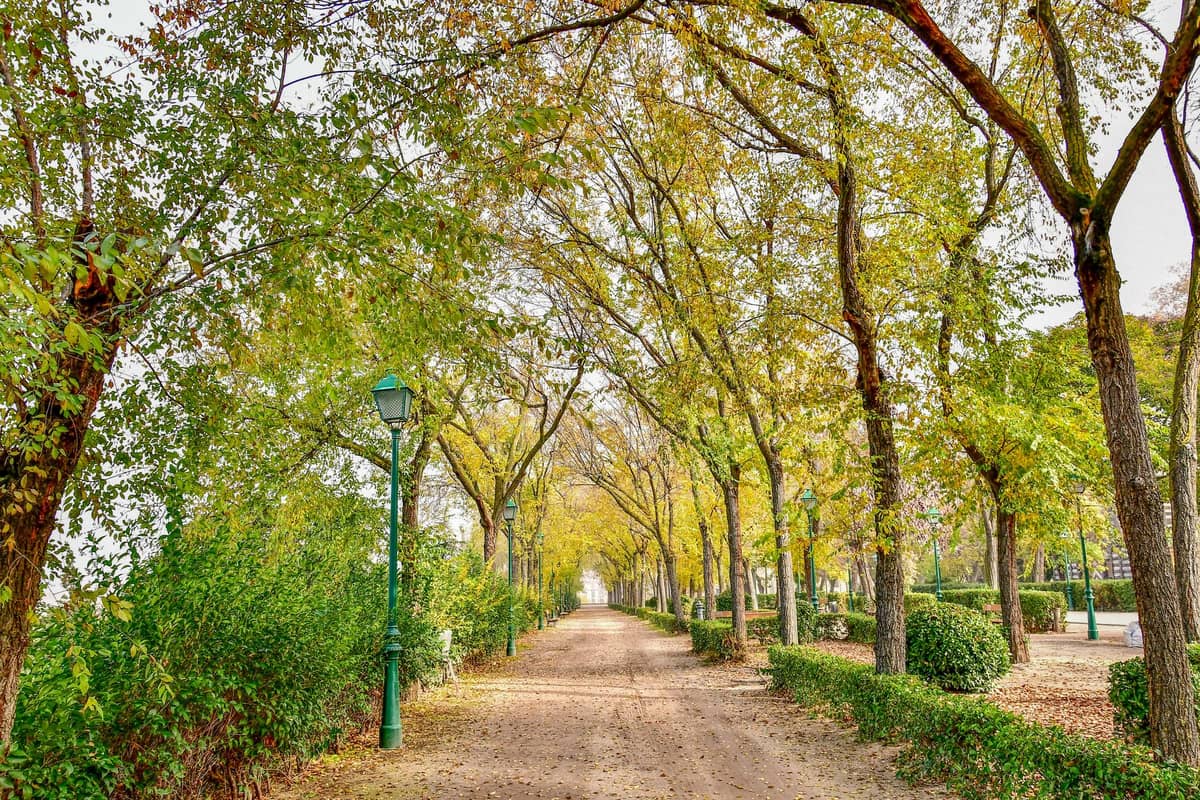
September is essentially a continuation of summer in terms of heat: average temperatures sit around 25°C and daytime highs can still reach the low 30s in early September. By October, things change meaningfully — averages drop to around 21°C, highs settle in the comfortable mid-20s, and Seville starts to feel like the city in travel photographs again. Crowds thin out noticeably after the first week of October, prices ease, and the light in late afternoon turns warm and golden.
October is arguably the most underappreciated month in Seville. It combines genuinely pleasant sightseeing weather with far lower tourist density than spring. The Real Alcázar and Seville Cathedral are considerably easier to navigate without the spring crowds. Rainfall begins to tick upward in October and November, but the pattern is typically short afternoon showers rather than sustained grey days.
November brings cooler temperatures averaging around 15°C and more frequent rain, but it also brings very quiet streets, low hotel rates, and a more local character to the city. If you are comfortable with the possibility of a rainy day or two and prefer to see Seville without competing for pavement space, late October through mid-November is a serious option.
Winter (December to February): Quiet, Affordable, and Genuinely Pleasant
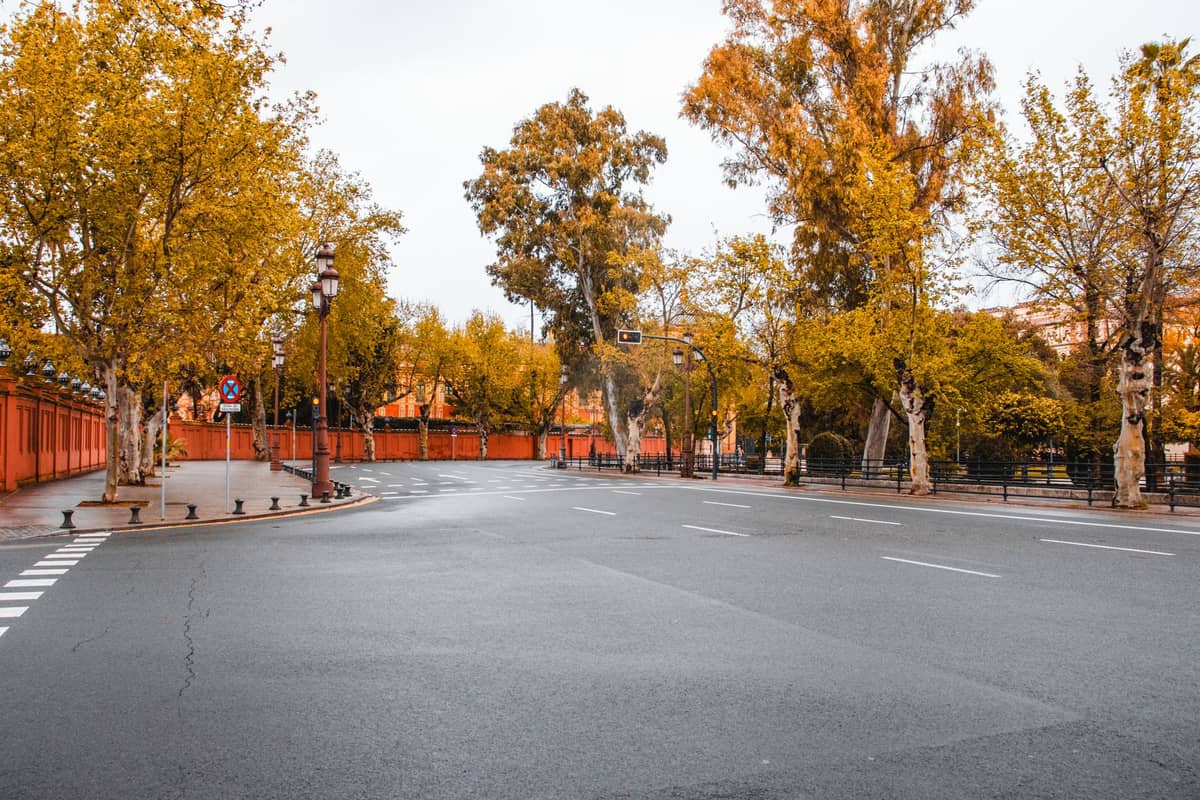
Seville's winters are mild by the standards of most European source markets. Average temperatures sit between 10°C and 12°C, with daytime highs around 16°C in January. Snow is extremely rare in the city — most winters see none at all. What you do get is the highest rainfall of the year: December is typically the wettest month (around 75–99mm), and November through February collectively account for a large proportion of the annual total.
Winter is the best time to visit Seville for budget travellers. Hotel prices in January and February are significantly lower than spring or autumn, and major sights like the Plaza de España and the Museo de Bellas Artes are largely free of queues. The city's bar and restaurant culture is fully operational year-round, and winter evenings in tapas bars around Santa Cruz or the old town are as good as any other season.
- December Wettest month but festive atmosphere with Christmas lights and markets. Prices start low, rise slightly around Christmas and New Year.
- January The quietest month of the year. Average high around 16°C. Excellent for museums, monuments, and unhurried sightseeing. Best hotel rates.
- February Similar to January but often with almond blossoms appearing on day trips. Carnival (Carnaval) typically falls in February and brings some street life back to the city.
Key Events That Should Influence Your Timing
Two events dominate Seville's tourism calendar so completely that your decision to visit during them — or specifically to avoid them — should be an active choice rather than an oversight.
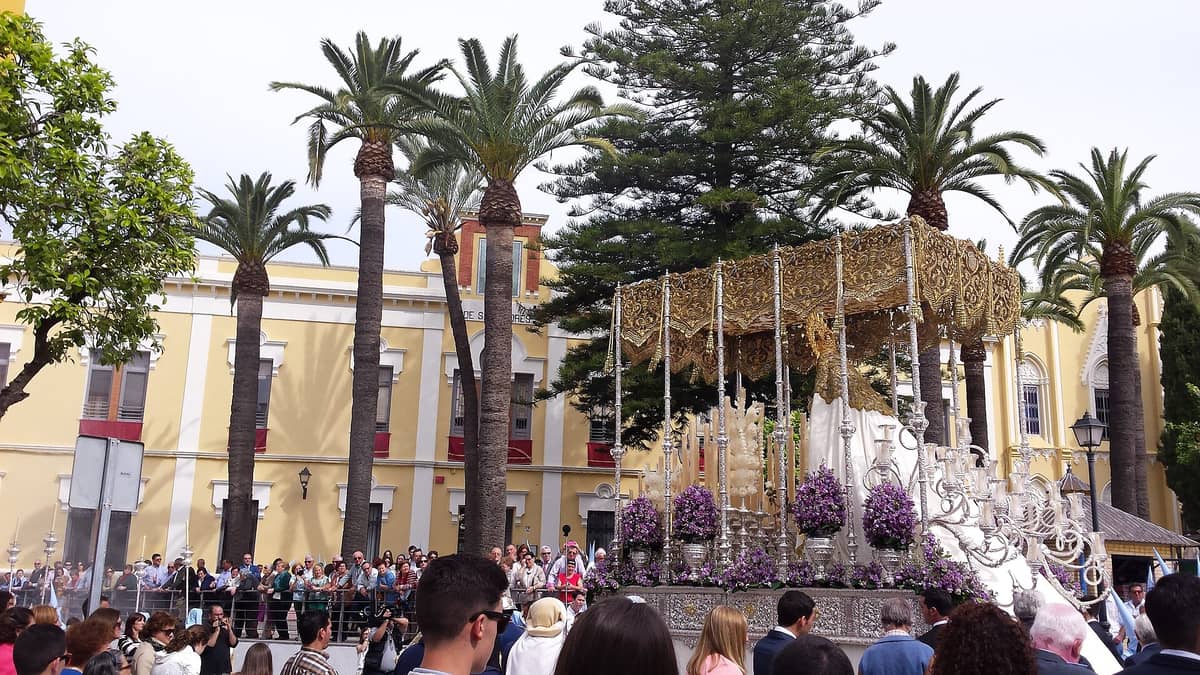
Semana Santa, the week-long Holy Week procession cycle from Palm Sunday to Easter Sunday, is one of the most visually intense public events in Europe. In 2026 it ran from 29 March to 5 April. Dates shift annually based on the ecclesiastical calendar. The processions involve elaborately decorated floats (pasos) and brotherhoods (hermandades) moving through the city streets at night, drawing hundreds of thousands of spectators. Accommodation books out many months in advance, and prices during that week reach their annual high. See the full Semana Santa guide for practical details on viewing, transport, and logistics.
The Feria de Abril follows approximately two weeks after Easter. In 2026, it is scheduled for 21–26 April. This is a private fair in character — most of the large casetas (marquee tents) are invitation-only for members of specific social or professional groups — but the fairground atmosphere, the horses, the flamenco dresses, and the public areas are accessible and worth seeing. Again, book accommodation early. The Feria de Abril guide explains how to actually experience the fair as a visitor rather than watching from the outside.
ℹ️ Good to know
Beyond the two headline events, Seville has a full calendar: Carnaval in February, the Bienal de Flamenco (even-numbered years, September), various neighbourhood fairs throughout the autumn, and sporting fixtures at both Estadio Ramón Sánchez Pizjuán (Sevilla FC) and Estadio Benito Villamarín (Real Betis). If you follow football, check fixture dates before booking — local derbies affect the city's atmosphere and accommodation significantly.
Quick Month-by-Month Summary
- January Avg high ~16°C. Very quiet, cheapest rates, occasional rain. Best for budget travellers and museum-focused trips.
- February Similar to January. Carnaval typically falls here — a lively but manageable event. Almond blossom day trips possible.
- March Warming to ~19°C. Crowds building, good balance of weather and price. Occasional showers.
- April Peak season. Semana Santa and Feria de Abril. Highs around 22°C, exceptional atmosphere, top prices.
- May Avg high ~26°C, dry and warm. Excellent overall — arguably the single best month for most visitors.
- June Avg high ~32°C. Heat increasing, crowds starting to thin. Still manageable if you plan shade and timing carefully.
- July Avg high ~37°C. Intense heat, nearly zero rain. Works for heat-tolerant visitors willing to embrace the siesta model.
- August Similar to July. Quieter monuments than spring despite heat. Evening culture is excellent.
- September Avg high ~32°C early, falling to ~26°C by end of month. Transitional — increasingly pleasant as the month progresses.
- October Avg high ~24°C. One of the best months overall. Mild, uncrowded, good prices, beautiful light.
- November Avg high ~19°C, noticeably wetter. Quiet and cheap. Good for slow travel and those comfortable with variable weather.
- December Avg high ~16°C, wettest month. Festive atmosphere around Christmas. Prices low except during the holiday period itself.
For a broader picture of how timing affects your itinerary, the complete guide to things to do in Seville covers the major attractions across all seasons, while the neighbourhood-by-neighbourhood accommodation guide will help you choose the right base for your travel dates.
FAQ
What is the best time to visit Seville for good weather without extreme heat?
May and October are the two months that most consistently offer warm, sunny weather without the extreme heat of summer. May averages around 22–26°C with minimal rain; October averages around 21–24°C with mostly clear skies and only occasional showers. Both avoid the peak crowds and prices of the Semana Santa and Feria de Abril period.
Is Seville too hot to visit in July and August?
It depends on your tolerance. Daytime highs routinely exceed 37°C in July and August, which makes midday sightseeing genuinely uncomfortable and potentially dangerous if you are not careful about hydration and shade. Many visitors manage it successfully by starting early, taking a long midday break, and concentrating activity in the evenings. If you have flexibility, June or September are meaningfully cooler alternatives.
How far in advance should I book for Semana Santa or Feria de Abril?
For both events, 6 months in advance is a reasonable minimum and 9–12 months is safer for good availability. Central hotels within walking distance of procession routes sell out within days of dates being confirmed. If you are booking late, look at hotels in Triana or Nervión rather than the historic centre — prices will be lower and the city is walkable.
Is Seville worth visiting in winter?
Yes, with realistic expectations. January and February are among the quietest months, with daytime temperatures around 16°C, low hotel prices, and minimal queues at major attractions. The main downside is rain — particularly in December and January — and shorter daylight hours. For visitors who prioritise art, architecture, and food over sunshine and terraces, winter is a legitimate and underused option.
What month is cheapest to visit Seville?
January is typically the cheapest month for accommodation. February and November are also consistently low-cost. Prices rise in March as spring approaches and peak sharply during Semana Santa and Feria de Abril in April. Summer prices vary: July and August can sometimes be cheaper than April despite being hotter, because the heat deters some visitors.
Tickets & tours
Live prices and dates from our booking partner. If you book, we may earn a commission at no extra cost to you.
Planning a trip? Discover personalized activities with the Nomado app.