Best Things to Do in Seville: The Definitive Guide
Seville, the capital of Andalusia, packs more history, architecture, and street life into a walkable city than almost anywhere in Spain. This guide covers the essential things to do in Seville, with accurate ticket prices, seasonal advice, neighborhood breakdowns, and clear assessments of what's worth your time.
Tickets & tours
Live prices and dates from our booking partner. If you book, we may earn a commission at no extra cost to you.
TL;DR
- The Real Alcázar and Seville Cathedral are the two non-negotiable sights — book both online in advance to skip queues and avoid sellouts, especially in spring and autumn.
- Spring (March–May) and autumn (late September–October) offer the best temperatures for sightseeing; summer daytime highs regularly exceed 35°C, making outdoor exploration genuinely uncomfortable.
- Seville is highly walkable — the Cathedral, Alcázar, Santa Cruz, and the Setas are all within 15 minutes of each other on foot.
- Cross the river into Triana for ceramics, food markets, and flamenco — it's a different tempo from the tourist centre and well worth an afternoon.
- If you're visiting during Semana Santa or Feria de Abril, plan around procession routes and expect accommodation prices to spike significantly — see our best time to visit Seville guide for full details.
The Cathedral and Giralda: Seville's Most Important Monument
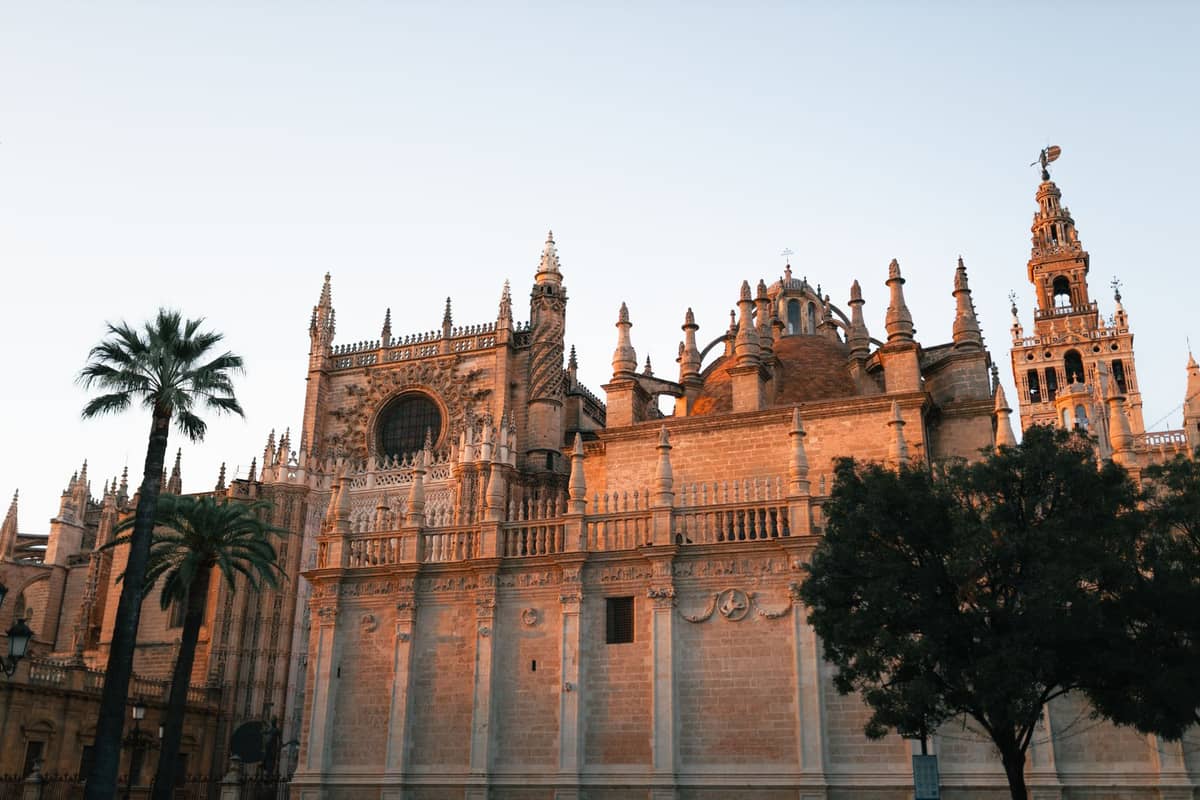
The Seville Cathedral is the largest Gothic cathedral in the world and one of the few places in the city that genuinely lives up to its reputation. Construction began in 1401 on the site of a former mosque, and the scale inside is staggering: soaring vaulted ceilings, Christopher Columbus's tomb, and room after room of altarpieces and religious art. The adjoining Giralda tower, originally a minaret, offers a ramp-based climb to the top with sweeping views over the old city.
Tickets cost €13 online or €14 at the box office for general admission; reduced tickets (seniors 65+, students up to 25, and several other categories) are €7 online or €8 at the door. Children under 13 accompanied by an adult enter free. There is a free public visit window on non-holiday Sundays from 16:30 to 18:00, but it requires mandatory online reservation and fills up fast. Standard visiting hours are Monday to Saturday 11:00–18:00 and Sunday 14:30–19:00. Always verify hours before your visit at the Seville Cathedral page, as closures during Semana Santa significantly restrict or eliminate tourist access on certain days.
⚠️ What to skip
During Semana Santa (Holy Week), the Cathedral operates under heavily restricted schedules and closes to tourists on several key days. If you're visiting in late March or early April, check the cathedral's official website well in advance — a sellout ticket on the wrong day means no entry.
Real Alcázar: The Palace That Earns Every Superlative
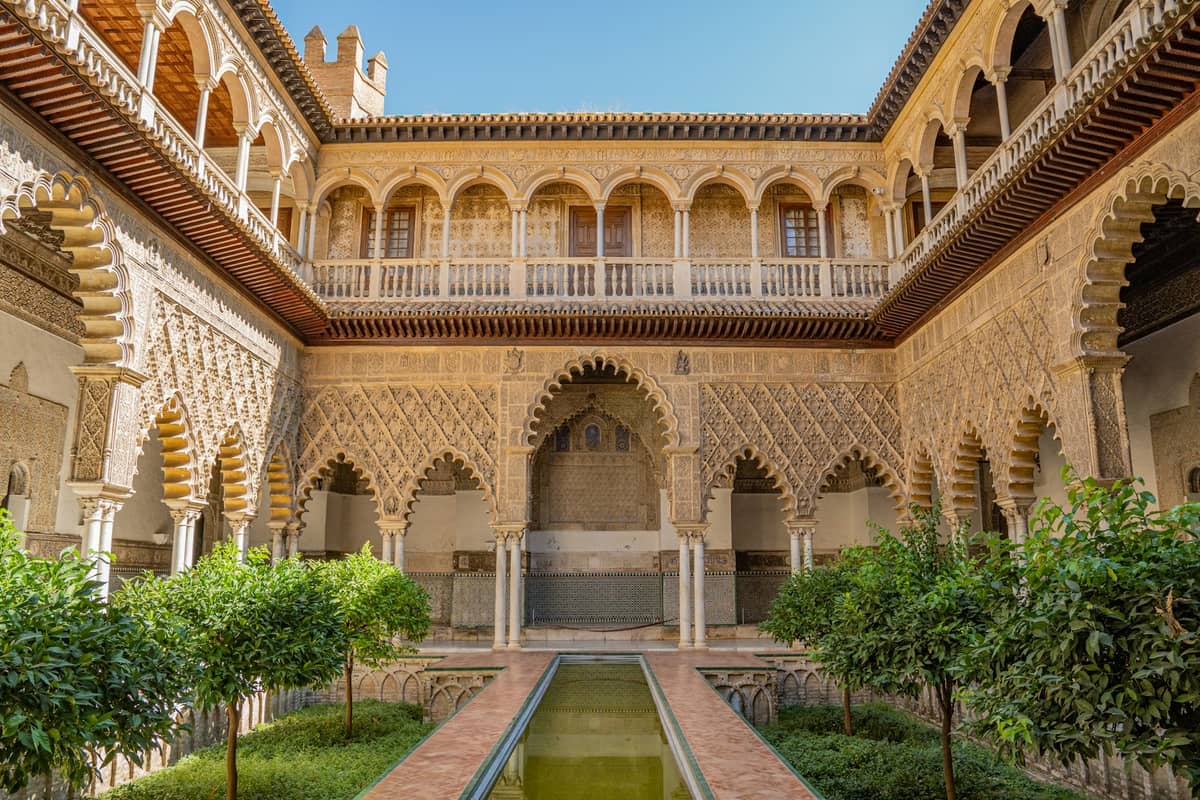
The Real Alcázar of Seville is a living royal palace — Spain's monarchs still use parts of it when in the city — and one of the finest examples of Mudéjar architecture anywhere in the world. Unlike the Cathedral, which rewards patience and quiet contemplation, the Alcázar rewards wandering. The tiled courtyards, ornate archways, and layered history (Moorish, Christian, Renaissance) mean you can spend two to three hours here and still feel like you've missed something.
General admission is €15.50. Adding the Cuarto Real Alto (Royal Upper Rooms) costs an extra €5.50 and is worth it for the additional historical context — book that supplement when purchasing your main ticket. Reduced tickets are available for €8. The Alcázar opens daily at 09:30, closing at 17:00 from October through March and at 19:00 from April through September. On certain Mondays, a free last-hour visit is available with strictly limited slots; these go quickly through the official website. Do not buy Alcázar tickets from third-party resellers — the official site is the only authorized sales channel, and unauthorized vendors operate in the surrounding streets.
✨ Pro tip
Book the first entry slot of the day (09:30) for the Alcázar. Tour groups arrive in force from 10:30 onward, and the most photogenic courtyards — particularly the Patio de las Doncellas — become crowded. The garden section stays quieter throughout the morning.
Neighborhoods Worth Exploring on Foot
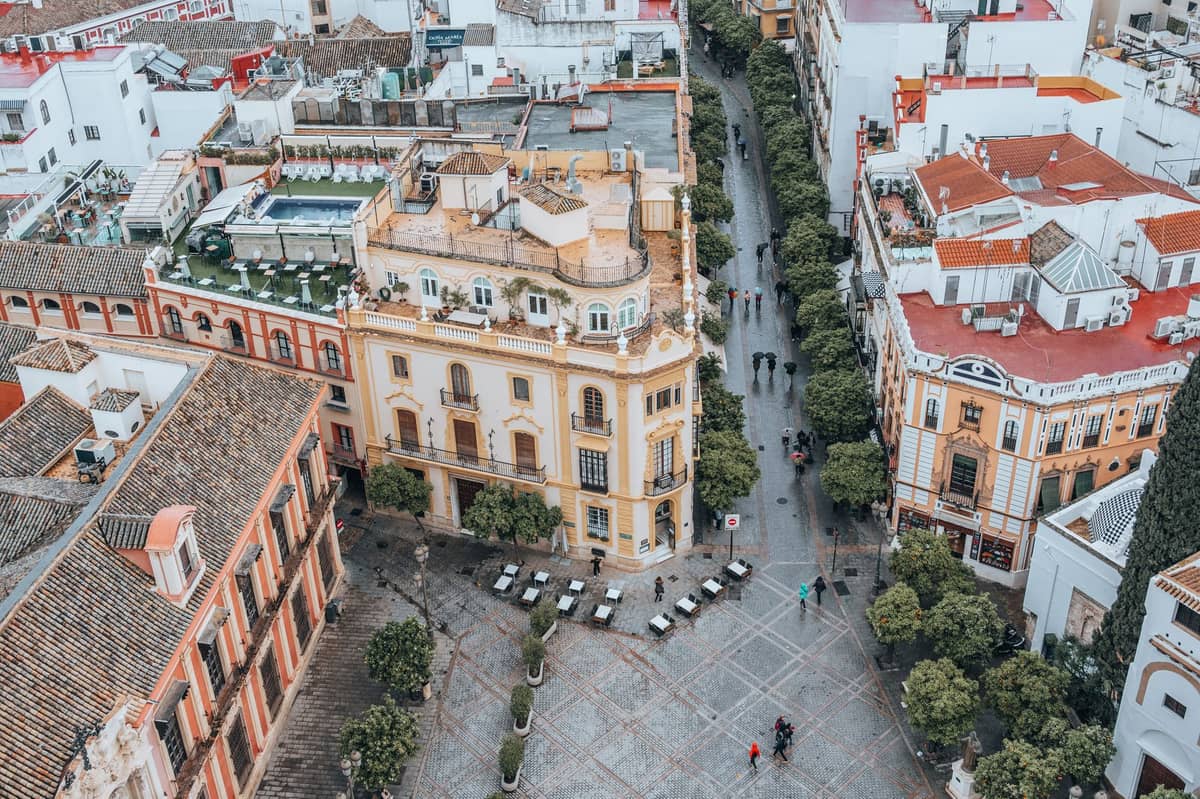
Seville's historic core is compact enough to cover on foot, but each neighborhood has its own character. Santa Cruz, the former Jewish quarter immediately east of the Cathedral, is the most visited area in the city. The narrow whitewashed lanes, orange trees, and small plazas are genuinely atmospheric, though the restaurants here skew toward tourist-trap territory. Walk through it, but eat elsewhere.
Cross the Puente de Triana and you're in a different Seville entirely. Triana is the city's ceramics district, historically associated with Romani communities and the origins of Seville's flamenco tradition. The Mercado de Triana is one of the better food markets in the city — smaller and less self-consciously touristic than the nearby Lonja del Barranco. The Centro Cerámica Triana tells the story of the district's tile-making heritage with well-curated exhibits built around an excavated original kiln.
North of the historic centre, La Macarena is where the city feels more lived-in and less polished. The Basílica de la Macarena houses the Virgen de la Macarena, Seville's most beloved religious image and the centerpiece of the most emotionally charged Semana Santa procession. The Calle Feria runs through the area and hosts a long-standing street market on Thursday mornings — a good place to see the neighborhood at its most local.
- Santa Cruz Best for: wandering the medieval street grid, reaching the Cathedral and Alcázar. Avoid: eating at the first restaurant you see — prices are high and quality is inconsistent.
- Triana Best for: ceramics shopping, the food market, flamenco bars, and riverside views back toward the Torre del Oro. Cross via the Puente de Triana for the best approach.
- La Macarena Best for: the Basílica, the ancient city walls (Murallas de Sevilla), and the Thursday flea market. Quieter and more authentic than the tourist core.
- Parque María Luisa Best for: the Plaza de España, the park itself, and the archaeology and folk art museums. Allow half a day; it's further south than it looks on maps.
Unmissable Sights Beyond the Big Two
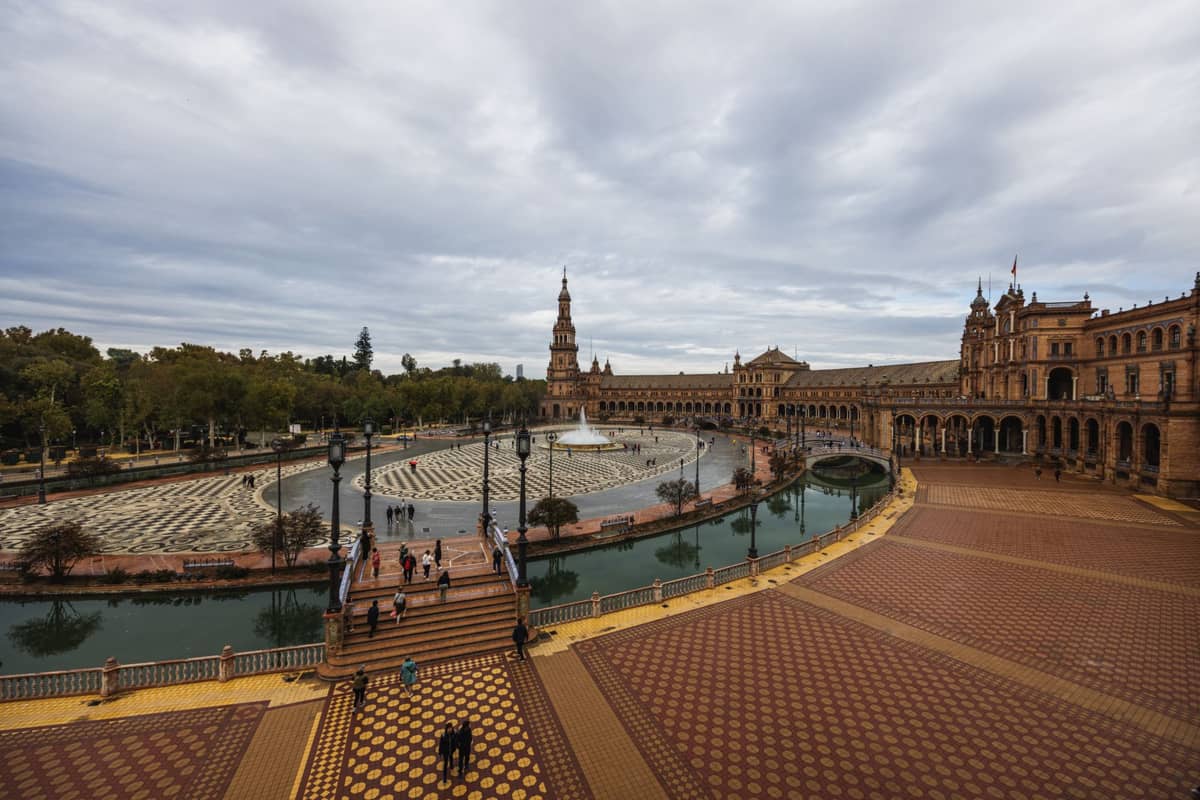
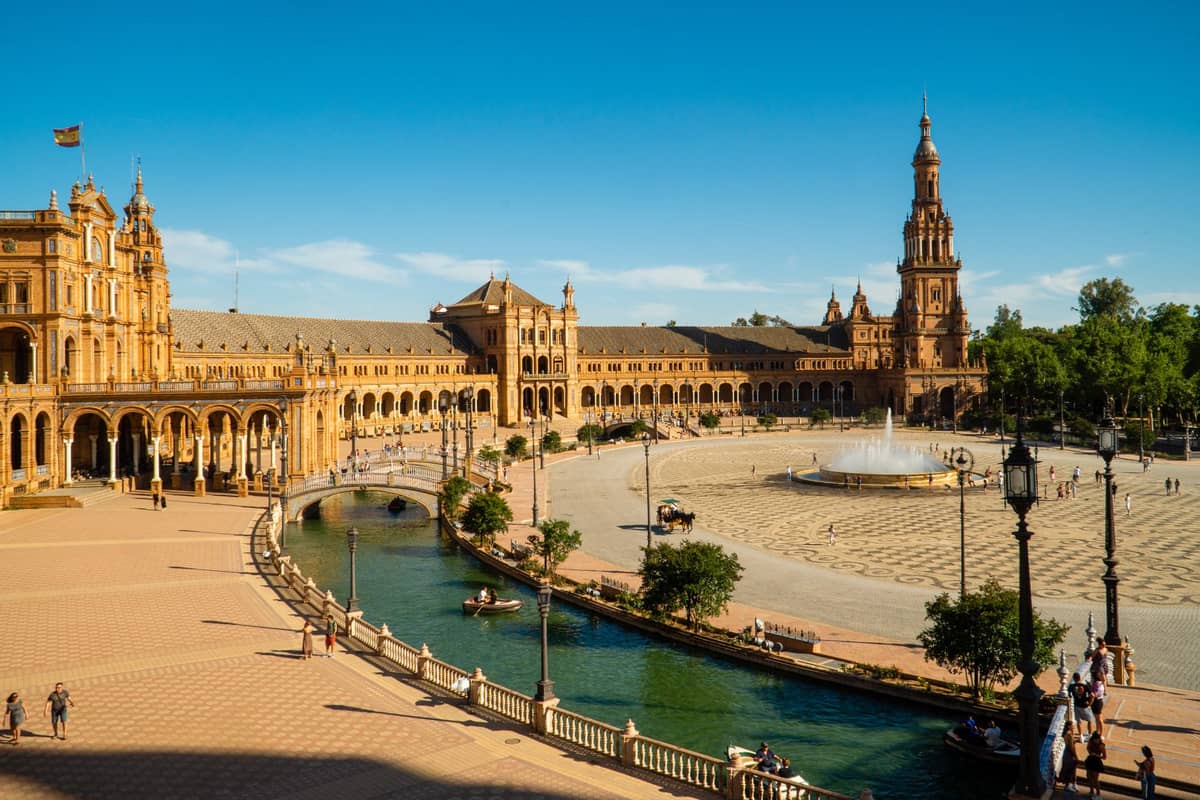
The Plaza de España in Parque María Luisa is one of the most architecturally dramatic public spaces in Spain. Built for the 1929 Ibero-American Exposition, the semicircular building and tiled canal stretch on a scale that surprises first-time visitors. It is free to enter at any time. Go early in the morning before tour buses arrive, or in the evening when the light softens.
The Setas de Sevilla (officially Metropol Parasol) is a giant wooden structure in Plaza de la Encarnación that divides opinion locally but offers some of the best rooftop views in the city, including a walkway at canopy level. Admission to the rooftop walkway currently starts at around €16 and includes the full Setas experience (mirador and associated installations). The Roman ruins preserved in the basement museum are a bonus most visitors overlook.
The Torre del Oro is more rewarding from the outside than inside; the naval museum it houses is modest. But the riverside walk along the Guadalquivir between the tower and the Real Maestranza bullring is one of the most pleasant strolls in the city, especially at sunset. For flamenco, the Museo del Baile Flamenco in Santa Cruz offers context on the art form before you see a live show — and the evening performances there are intimate and well-produced.
Seasonal Events That Define the City
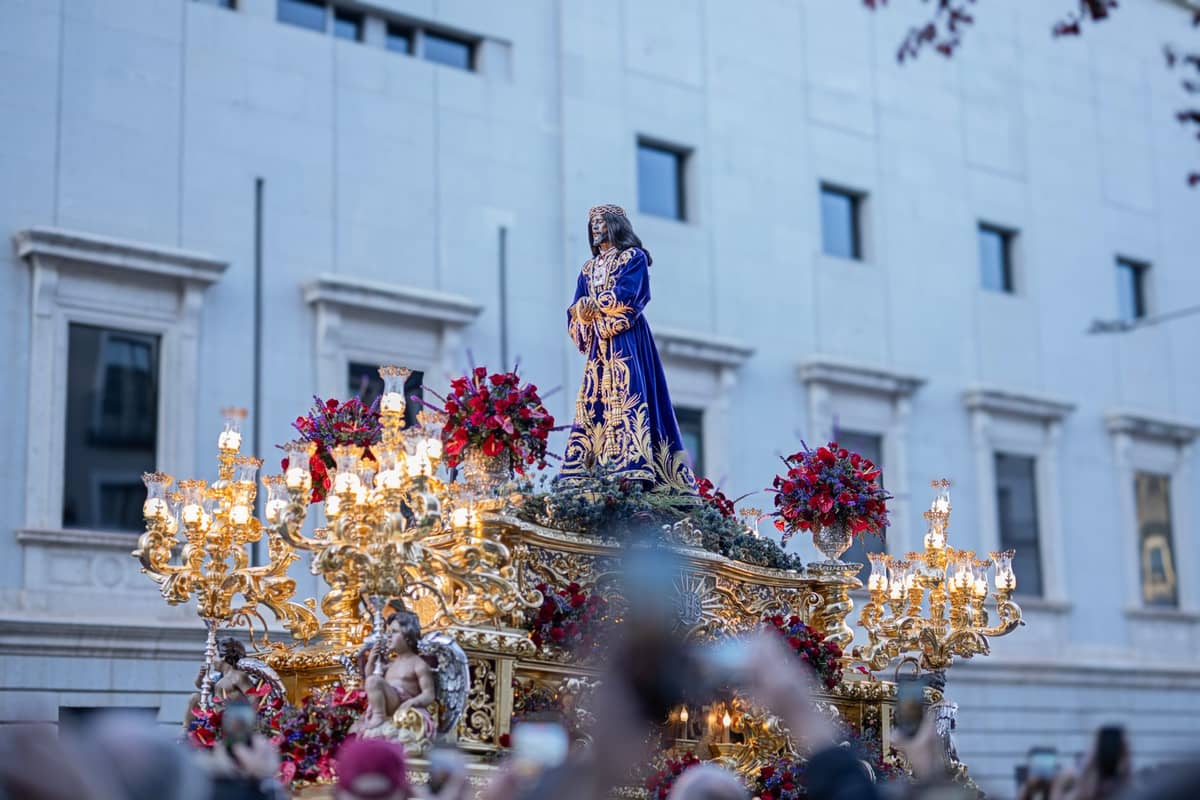
No guide to things to do in Seville Spain is complete without addressing the two major annual events. Semana Santa (Holy Week) transforms the entire city for eight days before Easter. More than 60 brotherhoods carry elaborately decorated floats through the streets in candlelit processions that can last until 2:00 or 3:00 in the morning. In 2026, it runs from 29 March to 5 April. This is genuinely one of the most extraordinary urban spectacles in Europe, but it brings enormous crowds and significantly disrupts transport, restaurant access, and tourist site opening hours.
Two weeks after Easter, the Feria de Abril shifts the city's energy completely. The fairground in Los Remedios fills with hundreds of private tents (casetas), flamenco dancing, sherry, and horses in a week-long party that is overwhelmingly attended by Sevillanos rather than tourists. Getting inside a caseta as a visitor requires an invitation from a member, though the fairground promenade and public casetas are accessible to all. Both events require booking accommodation months ahead.
ℹ️ Good to know
Seville's climate follows a Mediterranean hot-summer pattern (Köppen Csa). Spring averages rise from around 15°C in March to 22°C in May; summer daytime highs regularly reach around 36°C in July and August with almost no rainfall. Autumn (October: average 21°C) is a practical alternative to spring with fewer crowds at major sites.
Practical Information: Getting There, Getting Around, Staying Oriented
Seville Airport (IATA: SVQ) sits approximately 9–10 km northeast of the city centre. The EA airport bus connects the terminal with Santa Justa train station and Plaza de Armas roughly every 20–30 minutes; the journey takes around 35 minutes and costs approximately €6 per single trip (verify current fares before travel, as these change). Taxis from the airport run roughly €25–35 depending on time of day and luggage supplements, with a journey time of 15–25 minutes in normal traffic.
Within the city, the historic centre is best explored on foot — the Cathedral, Alcázar, Santa Cruz, and the Setas are all within a 15-minute walk of each other. The MetroCentro tram connects Plaza Nueva with San Bernardo and is useful for reaching the southern districts. TUSSAM buses cover the wider city, and Uber and Cabify both operate in Seville for longer trips or late-night journeys. For a proper orientation of the city's layout and districts, the getting around Seville guide covers all transport options in detail.
- Currency: Euro (EUR). ATMs are plentiful throughout the city centre.
- Language: Spanish (Castilian). English is widely spoken in tourist areas and hotels.
- Electricity: 230V, Type C/F sockets (Europlug/Schuko). UK and US visitors need adapters.
- Tipping: not mandatory. Rounding up or leaving small change is customary in restaurants and taxis.
- Emergency services: dial 112 for police, fire, or ambulance.
- Tap water is potable throughout Seville's municipal supply.
- Dress code: modest attire (covered shoulders) required for entry to churches and the Cathedral.
- Visa: Spain is Schengen; EU/EEA citizens enter freely. Many nationalities including US, Canada, Australia have 90-day visa-free access. Verify current requirements before travel.
If you're planning a first visit and wondering how to structure your time, the 3 days in Seville itinerary is a solid starting framework. For travelers on a tight budget, many of Seville's most rewarding experiences — the Plaza de España, Parque María Luisa, the riverside walk, La Macarena's streets — cost nothing. The free things to do in Seville guide pulls those options together in one place.
FAQ
What are the best things to do in Seville in 2 days?
Prioritize the Real Alcázar and Seville Cathedral on day one — book both online in advance and arrive at opening time. Spend the afternoon in Santa Cruz and walk the riverside to the Torre del Oro. On day two, visit the Plaza de España in Parque María Luisa in the morning, then cross into Triana for lunch at the Mercado de Triana and an afternoon exploring the ceramic shops and riverside. End with a flamenco show in the evening.
How much does it cost to visit the main attractions in Seville?
The Seville Cathedral costs €13 online (€14 at the door); the Real Alcázar costs €15.50 general admission (€8 reduced). The Plaza de España and Parque María Luisa are free. The Setas de Sevilla rooftop walkway currently starts at around €16. Budget approximately €45–55 per person for the main paid sights, plus meals and transport.
When is the worst time to visit Seville?
July and August are the most challenging months for most visitors. Average daytime highs reach 37–38°C, outdoor sightseeing is genuinely uncomfortable between 11:00 and 17:00, and crowds remain high at major sites. If you visit in summer, shift your schedule to early mornings and evenings and accept that midday will be spent indoors.
Is Seville walkable, or do you need public transport?
The historic core is very walkable — all the main sights between Santa Cruz and the Setas are within a 20-minute walk of each other. Triana requires crossing the river (a 10-minute walk via Puente de Triana). For Parque María Luisa and the Plaza de España, it's a 25-minute walk from the Cathedral or a short bus or taxi ride. Public transport becomes useful mainly for reaching the airport, the Macarena in hot weather, or the Nervión district.
Can you visit Seville as a day trip from another Spanish city?
Yes, and many travelers do — particularly from Madrid or Málaga via high-speed AVE trains, which reach Seville's Santa Justa station in around 2.5 hours from Madrid. However, a day trip gives you time for only two or three sights. The Real Alcázar alone warrants two to three hours, and the Cathedral another two. If you can manage an overnight stay, you'll see significantly more and at a better pace.
Tickets & tours
Live prices and dates from our booking partner. If you book, we may earn a commission at no extra cost to you.
Planning a trip? Discover personalized activities with the Nomado app.