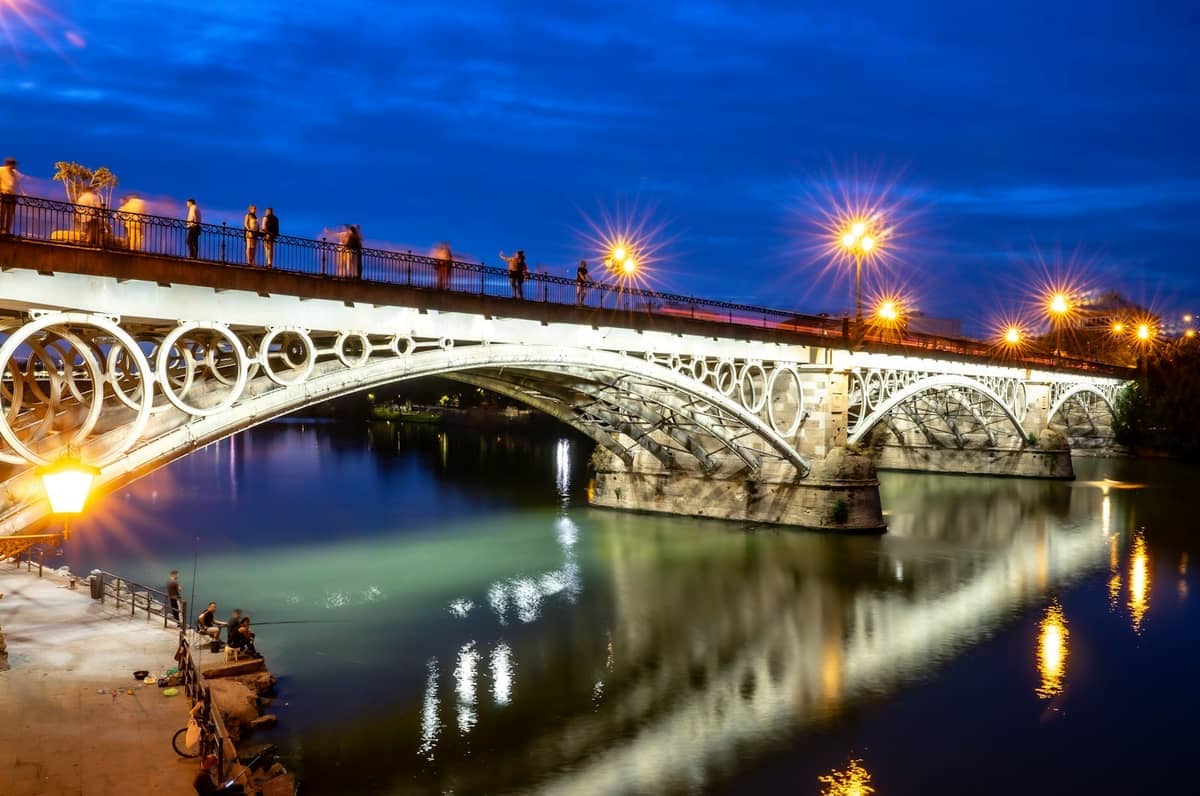
Triana is Seville's most characterful neighborhood outside the old city walls, sitting on the west bank of the Guadalquivir River and fiercely proud of it. Known for its flamenco roots, ceramics tradition, and working-class identity, it offers a convincing counterpoint to the tourist-heavy historic centre — with excellent food, a proper market, and a riverside strip that comes alive at night.
Triana has always considered itself a world apart from the rest of Seville, separated by the Guadalquivir and backed by centuries of its own traditions. This is the neighborhood that gave flamenco some of its deepest roots, produced generations of ceramics masters, and built an identity so strong that locals have long called it the 'independent republic of Triana.' Cross the Puente de Isabel II and the city feels different within half a block.
Orientation: Where Triana Sits and How It Connects
Triana occupies the west bank of the Guadalquivir River, directly facing Seville's historic centre across the water. Its eastern edge is defined by the river itself, running from the Puente de San Telmo in the south to the Puente del Cristo de la Expiración in the north. Inland, the neighborhood transitions into the broader district of Los Remedios to the south and merges with residential streets heading northwest.
The main gateway is the Puente de Triana (Puente de Isabel II), a 19th-century iron bridge that connects Triana directly to the El Arenal district and, from there, to the Cathedral and Alcázar. Plaza del Altozano sits at the Triana end of this bridge and functions as the neighborhood's symbolic entrance — a small square with benches, street sellers, and a constant flow of pedestrians. Almost everything worth seeing in Triana is within a 15-minute walk of this square.
The spine of the neighborhood is Calle San Jacinto, which runs south from Plaza del Altozano and is lined with shops, bars, and the kind of everyday commerce that marks a genuine residential neighborhood. To the east, the riverfront promenade (Calle Betis) faces back toward the historic skyline, offering one of Seville's best views across the water. To the west, the streets quietly become more suburban. Neighboring Los Remedios begins just south of Triana's main area and has a noticeably different feel — wider avenues, mid-20th-century architecture, and less foot traffic from visitors.
ℹ️ Good to know
Triana is not served by a metro station on its own side of the river. The nearest Metro de Sevilla stop is Plaza de Cuba on Line 1, on the eastern bank, from which it's a short walk across the bridge. Most visitors arrive on foot from the historic centre, which takes around 10-15 minutes from the Cathedral area.
Character and Atmosphere: What Triana Actually Feels Like
Triana operates on a different rhythm from the historic centre. Early mornings belong almost entirely to locals: the Mercado de Triana receives its deliveries, older residents do their shopping along Calle San Jacinto, and café terraces fill with people on the way to work. There's little tourist infrastructure to speak of before 10am, which is part of the appeal.
By midday, the neighborhood settles into a slow Andalusian pace. Ceramics workshops open their shutters along the side streets off Calle Alfarería — the name translates as 'pottery street' and it earns it. Azulejo tiles cover building facades, fountains, and shop signs throughout the area, and the tradition of hand-painting them is still practiced here, not just sold as nostalgia. The afternoon light hits the riverfront in a way that makes the whitewashed buildings glow orange-gold, especially in spring and autumn.
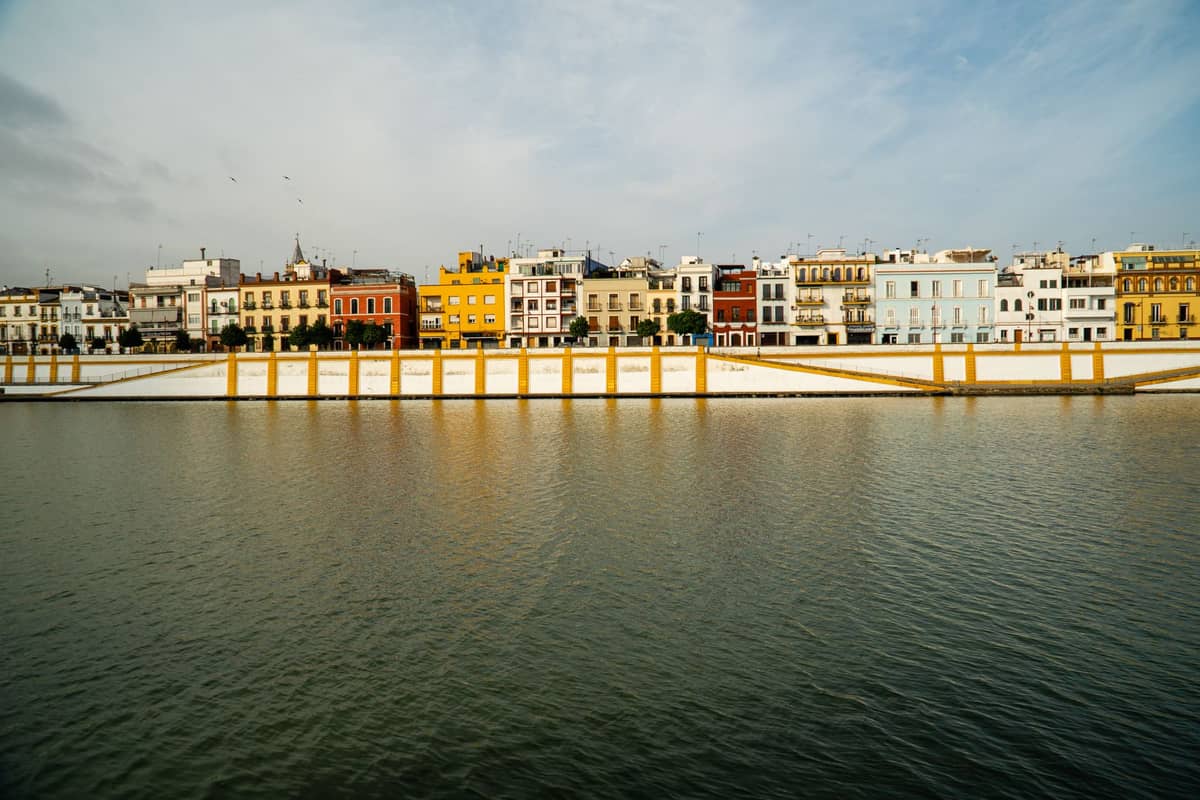
Evenings shift the neighborhood's center of gravity to Calle Betis, the promenade running along the riverbank. This is where Triana shows its most photogenic face: bars and restaurants spill out toward the water, the Seville skyline with the Torre del Oro and Cathedral dome is reflected in the Guadalquivir, and the temperature finally drops to something manageable. On weekends, the promenade stays busy until well past midnight, with a crowd that's roughly half local and half visitors.
The flamenco connection here isn't decorative. Triana's Roma community historically settled in the streets between the river and Calle Castilla, and the neighborhood produced major figures in both flamenco and bullfighting across the 19th and 20th centuries. You'll find commemorative plaques on buildings and the occasional peña flamenca (private flamenco club) that has been operating for generations. It's less prominent on the surface than in Santa Cruz, but the roots run deeper.
💡 Local tip
If you want to see Triana at its most local, come on a weekday morning. The market is in full operation, the ceramics workshops are open, and the bar at the corner of Calle San Jacinto will be serving breakfast to the same regulars it has served for years.
What to See and Do in Triana
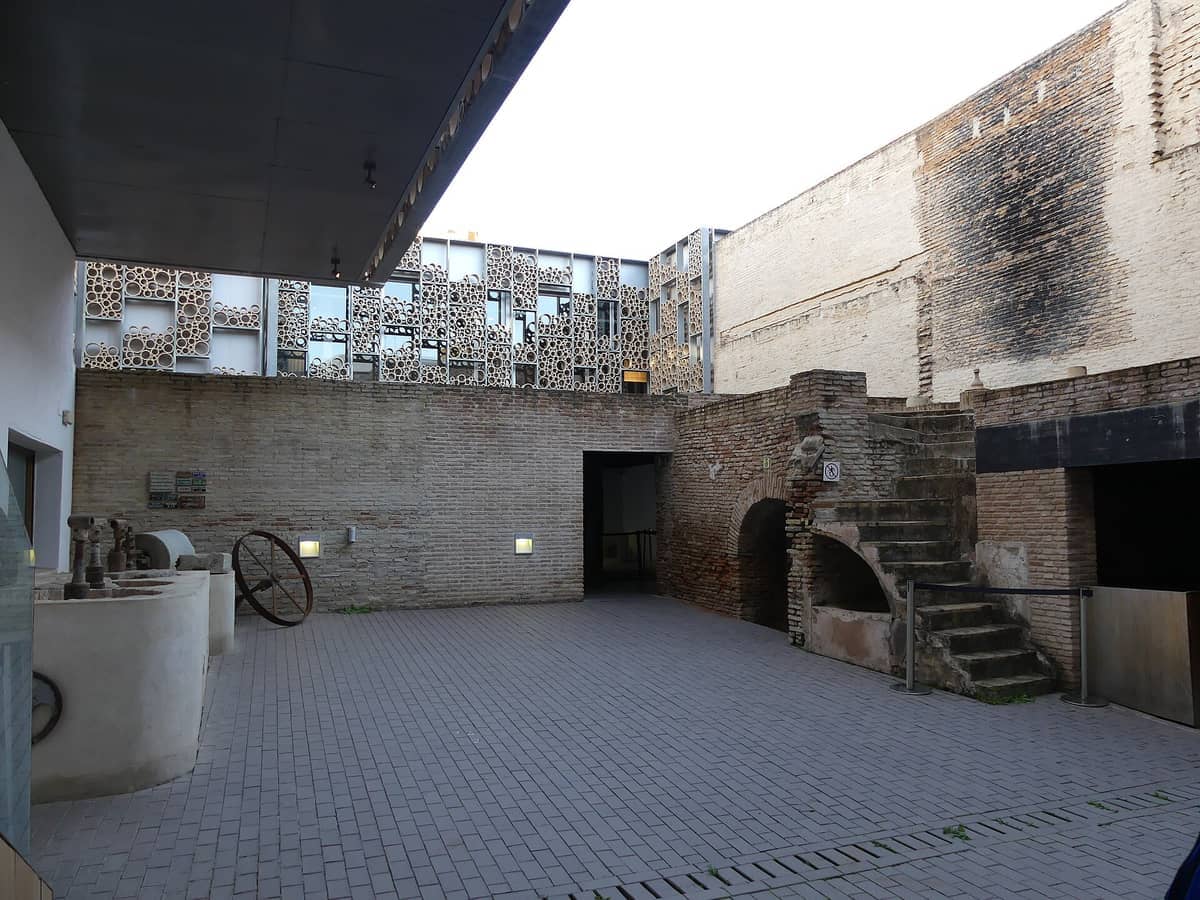
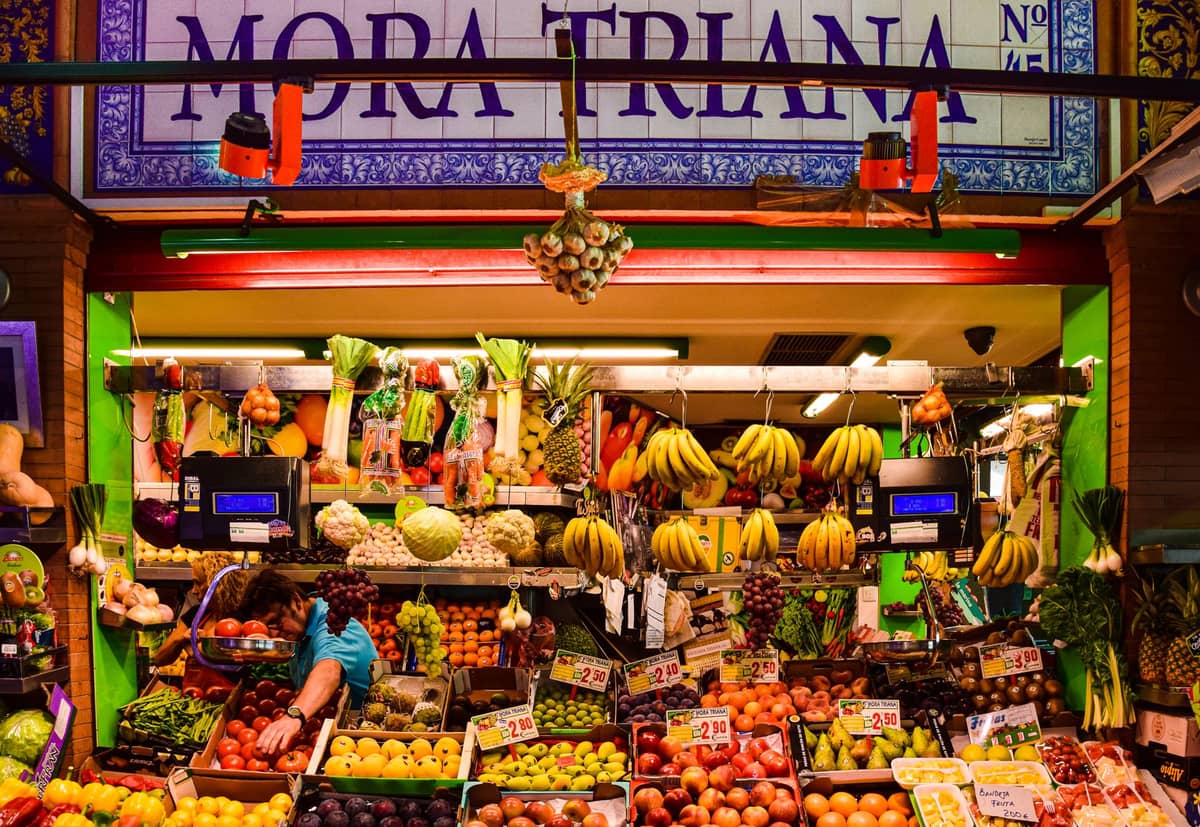
The Mercado de Triana is the neighborhood's social and culinary anchor. Built on the site of the Castillo de San Jorge, the market operates inside a structure that preserves the castle's foundations. The ground floor is a working food market with stalls selling fish, meat, cheese, and produce; the upper level has bars and small restaurants where you can eat beside locals doing their weekly shopping. It's open every morning except Sunday and is one of the more authentic market experiences in the city.
Directly beneath the market, the Castillo de San Jorge has been converted into a free-entry interpretation centre covering the history of the Spanish Inquisition, which operated here from the 15th century. It's a sobering exhibition and usually uncrowded, making it one of the more interesting hours you can spend in Triana if history is your interest.
For ceramics, Calle Alfarería and the surrounding streets are where to look. Several workshops still produce hand-painted azulejos in the traditional Triana style, with the distinctive blue, green, yellow, and white color palette that you'll recognize from buildings across the whole of Seville. The Centro Cerámica Triana provides context for this tradition with displays of historic tilework and documentation of the kilns that once lined the riverbank. It's a small but well-put-together museum that doesn't require more than an hour.
The riverside walk along Calle Betis is worth doing at least twice — once during the day for the view of the Torre del Oro and the Cathedral dome across the water, and once after dark when the lights of both banks reflect in the river. The bridge itself, Puente de Triana, is also worth pausing on — it's a beautiful piece of 19th-century ironwork and the most historically significant of Seville's river crossings.
Mercado de Triana: food market with an attached interpretation centre for the Castillo de San Jorge
Centro Cerámica Triana: museum covering the neighborhood's pottery tradition
Calle Alfarería and Calle Antillano Campos: streets with working ceramics workshops and showrooms
Calle Betis: riverfront promenade with views back toward the historic centre
Plaza del Altozano: the main square at the bridge entrance, with benches and street life
Local peñas flamencas: private clubs with occasional public performances — check schedules locally
Eating and Drinking in Triana
Triana has a genuinely good food scene that rewards wandering away from the riverfront. Calle Betis is the most visible eating strip and it has some excellent spots, but it also attracts the most visitors, so prices are higher and booking is often needed on weekends. If you're after something more representative of everyday Seville eating, Calle San Jacinto and the side streets off it are a better bet. For broader context on what to eat across the city, our guide to Seville's food scene covers the full picture.
The neighborhood's classic tapa is the espinacas con garbanzos — spinach with chickpeas, seasoned with cumin and paprika, and found on almost every traditional bar menu here. Pescaíto frito (batter-fried fish) is another staple, and you'll find it done well at the smaller bars rather than the larger restaurant terraces. Flamenquín, a rolled pork loin dish, also shows up regularly on menus in this part of Seville.
For breakfast, the bars along Calle San Jacinto serve the standard Sevillian combination of toast with olive oil and tomato (tostada con tomate) alongside strong coffee. This is where locals eat, which means prices are genuinely low and the quality is solid. Most places open by 7:30am and the morning crowd is real — this is not a reconstructed experience for tourists.
Evenings on Calle Betis can feel festive from around 9pm onward. Several of the bars here have terraces directly facing the river, and the competition for a table with a view is real on warm evenings. Wine, vermouth, and cold beer are the standard orders. A few spots specialize in gin-tonics, which have become a Seville-wide trend over the past decade. The nightlife here runs late but is not as intense as in the Alameda de Hércules area — it's more about eating and drinking well than dancing.
⚠️ What to skip
Calle Betis fills up fast on Friday and Saturday evenings, especially in spring and early autumn. If you want a riverside table at a specific bar, either arrive by 8:30pm or make a reservation. Walk-ins become difficult after 9:30pm on weekends.
Getting There and Around
The most direct route from the historic centre is on foot across Puente de Triana (Puente de Isabel II), which connects the El Arenal district directly to Plaza del Altozano. From the Real Maestranza bullring in El Arenal, the bridge is a 5-minute walk. From the Cathedral, allow 12-15 minutes on foot. This walk is one of Seville's better approaches to a neighborhood: you cross over the river with the whole of the old city behind you, and Triana opens up ahead.
By metro, the closest station on Line 1 is Plaza de Cuba, which sits on the east bank just south of the bridge. From the station exit, cross the adjacent bridge and you're at the southern edge of Triana in under 5 minutes. Metro de Sevilla Line 1 connects Plaza de Cuba to the rest of the network, including the main Santa Justa railway station.
TUSSAM city buses serve the neighborhood from multiple directions. Several lines run along Avenida de la República Argentina, the main avenue on the western side of Triana, connecting it to Los Remedios to the south and the city centre to the north. Within Triana itself, the neighborhood is compact enough to navigate entirely on foot — the distance from Plaza del Altozano to the southern end of Calle Betis is less than 1 kilometre.
Cycling is a practical option: Seville has one of Spain's most developed urban cycling networks, and the routes along the riverbank are flat and well-marked. Bike hire is available near the historic centre. For a full rundown of transport options across the city, see the guide to getting around Seville.
Where to Stay in Triana
Triana is a genuinely good base for visiting Seville, particularly if you want to be within walking distance of the historic centre while sleeping somewhere with real neighborhood texture. It suits travelers who are comfortable navigating a residential area and don't need to be immediately adjacent to the main sights. For a wider comparison of Seville's neighborhoods as bases, the where to stay in Seville guide covers the tradeoffs in detail.
Accommodation options in Triana range from small boutique hotels and locally-run hostels to short-term rental apartments, which are well-suited to the neighborhood's residential character. The streets closest to Calle Betis and the riverfront are the most atmospheric but also the noisiest on weekends — the bar noise from the promenade carries further than you might expect on warm evenings. Streets one or two blocks inland, around Calle San Jacinto and the side streets heading west, are quieter and still very well located.
The neighborhood is best for independent travelers, couples, and anyone with a strong interest in food, ceramics, or flamenco culture. Families with young children will find it manageable, as the streets are flat and there's plenty of outdoor space along the river. It's less suited to first-time visitors who want everything within a few minutes' walk: the Cathedral, Alcázar, and main museums are 15-20 minutes on foot, which is fine for most people but worth knowing in advance.
Honest Assessment: Triana's Drawbacks
Triana is not the kind of neighborhood that overwhelms visitors with unmissable sights. There is no single attraction here on the level of the Cathedral or the Real Alcázar, and if your priority is ticking off major monuments, you'll exhaust Triana's formal sights within half a day. Its real value is in the quality of time spent rather than the number of checkboxes ticked.
The ceramics scene, while genuinely interesting, has become more commercial in recent years. Some of the shops along the main streets sell mass-produced tiles from outside Seville, so if you're looking for authentic locally-made work, it takes a bit more attention to find it. The Centro Cerámica Triana and the older workshops are reliable; the gift shops near the bridge entrance are less so.
Weekend evenings on Calle Betis can tip toward overcrowded during peak season, particularly in April and May around Semana Santa and Feria de Abril, and again in September and October when temperatures allow outdoor drinking until late. The neighborhood handles it better than Santa Cruz, but it's worth acknowledging that 'local Seville' can be hard to access on a Saturday night in high season.
As a broader note: Triana's identity is inseparable from the Roma community that shaped its flamenco and cultural traditions, but that community is now a small fraction of the neighborhood's current population, which is mostly middle-class Sevillian. The flamenco heritage is real and historically documented, but the living culture you encounter on the streets today is less visible than the history suggests. For a deeper engagement with flamenco in the city, the guide to flamenco in Seville is the better starting point.
TL;DR
Triana sits on the west bank of the Guadalquivir, 10-15 minutes on foot from the Cathedral, and is best reached via Puente de Triana from the El Arenal district.
The neighborhood is strongest for food, ceramics, riverside atmosphere, and flamenco heritage — not for major monuments. Plan a half-day minimum, a full day if you want to eat well and explore properly.
Best suited to independent travelers and food-focused visitors who want real Sevillian neighborhood life alongside easy access to the historic centre.
Avoid Calle Betis on Friday and Saturday nights if you want a quiet dinner — book ahead or arrive before 9pm during spring and autumn.
Not the right base for travelers whose priority is immediate proximity to the Alcázar, Cathedral, or main museum district — those are better served by staying in or near Santa Cruz.
Three days is enough time to cover Seville's greatest landmarks, explore its best neighbourhoods, and eat and drink well without rushing. This day-by-day itinerary gives you practical routes, current ticket prices, and the kind of logistical detail that makes the difference between a smooth trip and a frustrating one.
Seville makes an ideal home base for a week in Andalusia. With high-speed rail to Córdoba in under 45 minutes and buses to Granada in 3 hours, you can cover the region's highlights without changing hotels. This guide breaks down exactly how to structure 7 days, what to prioritize, and what to skip.
The journey from Barcelona to Seville covers roughly 830 km across Spain. This guide breaks down every transport option, from the high-speed AVE train to budget flights, with practical tips on cost, comfort, and what awaits you in Andalusia's capital.
Seville's skyline is defined by bell towers, domes, and gilded facades accumulated over eight centuries of Christian, Moorish, and Renaissance building. This guide covers the city's finest religious architecture, from UNESCO-listed giants to intimate neighbourhood churches that most visitors walk straight past.
Seville delivers more than its size suggests when it comes to museums. From world-class fine art and Moorish palaces to ceramics, naval history, and flamenco, this guide covers the best museums in Seville across every interest and budget.
Seville's climate is one of the most extreme in Western Europe for a major city. This guide breaks down every month by temperature, rainfall, crowds, and events so you can choose the timing that actually fits your trip.
Seville rewards those who look up and climb high. This guide covers the city's best panoramic viewpoints, from iconic tower climbs to riverside vantage points and rooftop terraces with sweeping skyline views.
Seville sits at the heart of Andalusia, putting some of Spain's most compelling destinations within easy reach. This guide breaks down the best day trips from Seville by travel time, transport options, and what you actually get for the effort — including which ones are genuinely worth the journey and which ones need an overnight.
Seville's Feria de Abril is one of Europe's great street festivals: six days of flamenco dresses, horses, sherry, and late nights on a purpose-built fairground. This guide covers everything from how to get in without an invitation to what things actually cost, when to go, and what to wear.
Seville is the spiritual home of flamenco, and navigating its shows requires more than a hotel concierge recommendation. This guide breaks down the best tablaos, what to expect, how much to pay, and how to avoid the tourist traps, so you leave with a genuine experience of one of Spain's most powerful art forms.
Seville is one of Europe's most rewarding cities to explore on a tight budget. Many of its greatest sights offer free entry on specific days, and its parks, plazas, churches, and neighbourhoods reward hours of walking without spending a cent.
Seville is one of southern Spain's most walkable cities, but knowing which transport option to use, and when, can save you real time and money. This guide covers everything from landing at SVQ airport to hopping trams through the historic centre.
Seville is the capital of Andalusia and one of Spain's most architecturally rich cities, but it's not right for every traveller or every season. This guide breaks down what the city genuinely delivers, where it falls short, and exactly when and how to visit to get the most from it.
The Madrid to Seville route is one of Spain's most travelled corridors, and three competing high-speed rail operators now make it faster and cheaper than ever. This guide breaks down every option, from budget OUIGO tickets to overnight buses, with practical tips on timing, pricing, and what to expect on arrival.
Seville's Semana Santa is one of the most intense religious spectacles in the world, drawing hundreds of thousands of visitors each spring. This guide covers the full schedule, the key brotherhoods, how to secure Carrera Oficial seats, when to go for smaller crowds, and everything else you need to experience Holy Week properly.
Attending a Sevilla FC home match is one of the most authentic experiences Seville, Spain offers. This guide covers how to buy tickets, get to the stadium, pick the right seat, and make the most of match day — without the rookie mistakes.
Seville rewards those who look beyond the Cathedral and Alcázar. These 18 off-the-beaten-path experiences reveal aristocratic palaces, forgotten Roman cities, local markets, and baroque masterpieces that most visitors walk straight past.
Autumn is arguably Seville's most underrated season. Temperatures drop from summer extremes, crowds thin out after peak season, and the city's streets become walkable again. This guide breaks down exactly what to expect each month, from weather data to practical tips.
Spring is Seville's most dramatic season, combining mild weather with two of Europe's biggest festivals. This guide breaks down exactly what to expect each month, when to book, and how to navigate the crowds.
July and August in Seville mean scorching temperatures regularly above 35°C, occasional heatwaves above 40°C, and almost zero rain. This guide gives you the strategies, timing, and specific attractions to make summer work in your favor rather than against you.
Seville in winter is mild, uncrowded, and genuinely good for sightseeing. This guide covers the real weather, the seasonal events worth planning around, what to pack, and how to make the most of Andalusia's capital between December and February.
Seville nightlife runs on Andalusian time: dinner at 22:00, bars at midnight, clubs after 02:30. This guide covers the best neighborhoods, rooftop bars, nightclubs, flamenco shows, and practical details on dress codes, pricing, and the noise regulations that shape the scene.
Seville (Sevilla) is one of southern Spain's most rewarding city breaks, and it doesn't have to be expensive. This guide breaks down real daily costs, free entry windows at major monuments, the cheapest ways to get around, and the exact seasons when prices drop significantly.
Seville is lined with tens of thousands of bitter orange trees, yet almost no one eats the fruit. This guide explains the history, seasonality, and surprising uses of the Seville orange, plus what visitors actually experience walking beneath these famous trees.
Seville rewards shoppers who know where to look. This guide covers the best shopping streets, markets, and authentic products to buy in Sevilla, from azulejos and flamenco accessories to olive oil and vintage finds at El Jueves.
The journey from Seville to Córdoba is one of Andalusia's easiest and most rewarding travel connections. This guide covers every option: high-speed trains that take under an hour, budget buses, and guided day trips, with practical tips on costs, booking, and what to do once you arrive.
The journey from Seville to Málaga is one of the most popular routes in Andalusia, with trains taking as little as 2 hours. This guide breaks down every option — train, bus, and car — with real prices, scheduling advice, and the honest tradeoffs between each.
Both Seville and Granada rank among Spain's most compelling cities, but they offer very different experiences. This guide breaks down the key differences across sightseeing, atmosphere, budget, logistics, and timing so you can choose the right destination or plan both.
From a world-class aquarium and a theme park with a water area to horse-drawn carriage rides and riverfront parks, Seville rewards families who plan well. This guide covers the top kid-friendly attractions, current pricing, seasonal timing, and practical logistics so you can skip the guesswork.
Seville, the capital of Andalusia, packs more history, architecture, and street life into a walkable city than almost anywhere in Spain. This guide covers the essential things to do in Seville, with accurate ticket prices, seasonal advice, neighborhood breakdowns, and clear assessments of what's worth your time.
Seville is one of the most walkable cities in southern Spain, with its major monuments clustered within a compact historic core. This guide covers the best self-guided walking routes by neighbourhood, current entry prices for the Alcázar and Cathedral, seasonal timing advice, and the practical details most visitors overlook.
Seville has one of Spain's most distinctive food cultures: paid tapas ordered gradually, cold soups in summer, and markets that close by mid-afternoon. This guide covers the dishes you need to try, where to find them, how much to pay, and what to skip.
Choosing where to stay in Seville shapes your entire trip. This guide breaks down every major neighbourhood by location, atmosphere, price range, and who it suits best — so you can book with confidence.