Seville on a Budget: How to Visit Without Overspending
Seville (Sevilla) is one of southern Spain's most rewarding city breaks, and it doesn't have to be expensive. This guide breaks down real daily costs, free entry windows at major monuments, the cheapest ways to get around, and the exact seasons when prices drop significantly.
Tickets & tours
Live prices and dates from our booking partner. If you book, we may earn a commission at no extra cost to you.
TL;DR
- Budget travellers spending €50–65 per day can cover accommodation, transport, food, and key sights without cutting corners on quality.
- Several major monuments including the Real Alcázar offer timed free-entry windows each week — check official sites and plan around them. See our free things to do in Seville guide for a full breakdown.
- The historic centre is compact and walkable — most travellers can get by with the €6 airport bus and almost no other paid transport.
- Spring festivals (Semana Santa and Feria de Abril) spike accommodation prices dramatically; January, February, and July–August offer the lowest rates for the same core experiences.
- Timing your visit right makes the biggest single difference to your budget — read the best time to visit Seville for a season-by-season cost comparison.
What Does Seville Actually Cost? A Realistic Daily Budget
Seville sits in a comfortable middle ground for European city breaks: cheaper than Madrid or Barcelona, but not as rock-bottom as some Eastern European capitals. The city rewards travellers who understand where the value is, and penalises those who wander into tourist traps without a plan.
- Budget traveller (€50–65/day) Hostel dorm or basic private room, tapas at local bars, public transport, and free or discounted sightseeing. Achievable with planning, especially outside peak season.
- Mid-range traveller (€90–130/day) Private hotel or apartment, sit-down restaurant meals, paid entry to major monuments, occasional taxi. Comfortable without extravagance.
- Self-catering apartment Private rooms on short-stay platforms average around €60 per night; entire apartments start closer to €100–200 per night depending on location and season.
Food is where Seville genuinely overdelivers. The tapas culture here means standing at a bar and eating well for €3–6 per round is normal, not a compromise. A caña (small beer) plus a free tapa at old-school bars in Triana or La Macarena costs less than a coffee at a tourist café near the Cathedral. Lunch menus (menú del día) at neighbourhood restaurants typically run €10–14 for three courses including bread and a drink — this is consistently the best-value meal of the day.
💡 Local tip
The menú del día is only available at lunch (typically 14:00–16:00) and isn't advertised to tourists the way dinner menus are. Ask for 'el menú' when you sit down — the answer tells you quickly whether a place is genuinely local or tourist-facing.
Getting to and Around Seville Without Overpaying
Seville's airport (SVQ, Aeropuerto de Sevilla) sits roughly 9–10 km from the city centre. The cheapest way into the city is the EA airport bus, which connects the terminal to Santa Justa station, Puerta de Jerez, and Plaza de Armas. The single fare is currently around €6, with a return ticket advertised at approximately €8. Journey time runs about 35 minutes. Buses run roughly every 20–30 minutes. A taxi covers the same distance in 15–25 minutes depending on traffic, but costs €25–35 — four to five times more. Unless you're arriving late at night with heavy luggage, the bus is the obvious call.
Once you're in the city, the honest answer is that you may barely need public transport at all. Seville's historic core — the Cathedral, Alcázar, Santa Cruz quarter, Triana, Plaza de España, and the riverfront — is all walkable. The distances that feel far on a map take 15–20 minutes on foot. That said, urban TUSSAM buses are cheap when you do need them: €1.40 per single trip paid on board, or around €0.40–0.50 per trip with the rechargeable Tarjeta Multiviaje card. Metro single tickets range from roughly €1.40–1.90 depending on zones. A short-term transport pass can make sense if you plan to cross the city repeatedly; check current tourist card options and prices before you buy.
⚠️ What to skip
Transport prices in Seville have changed in recent years and will likely continue to shift. Always verify current fares via TUSSAM and Metro de Sevilla official sites before you travel — the figures quoted here are accurate as of mid-2025 but should be treated as approximate.
Free and Discounted Sightseeing: Where to Focus
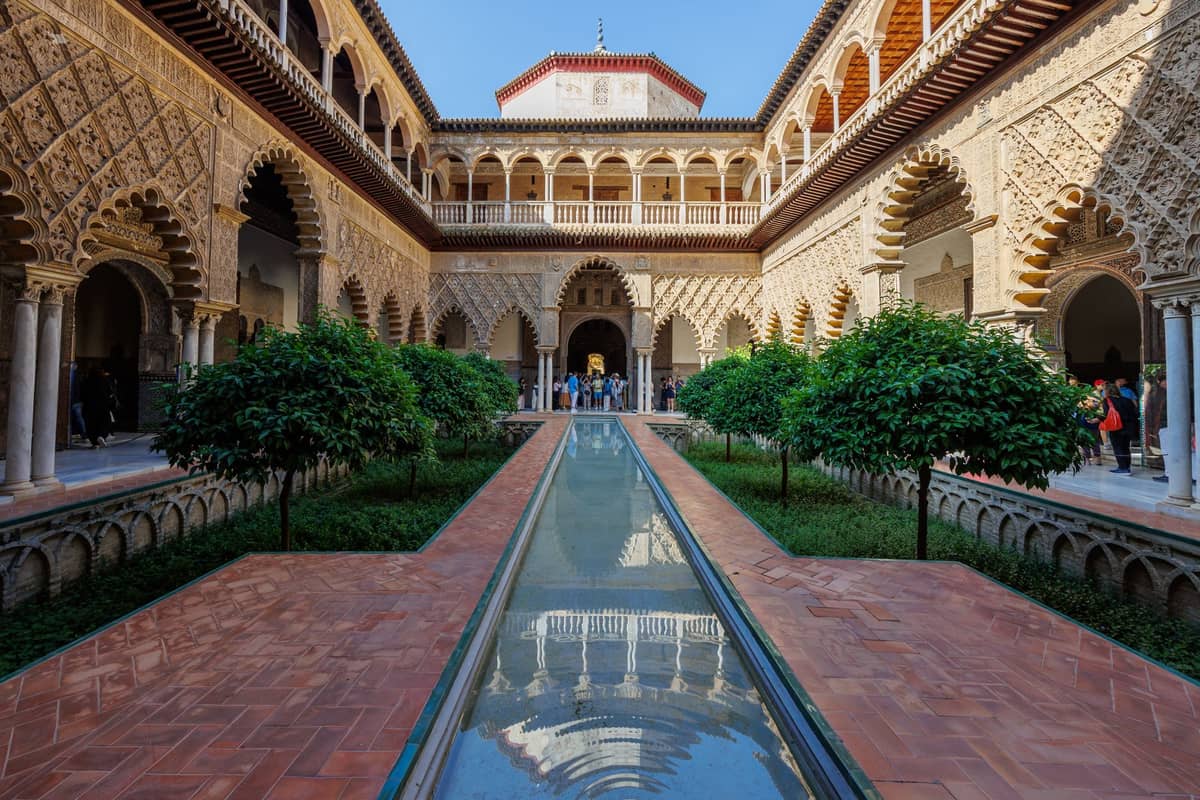
The most impactful budget move in Seville is planning your monument visits around free-entry windows. Several major sights offer timed free-admission slots on a weekly basis — typically in the late afternoon. The Real Alcázar, for example, offers free entry during a one-hour window on Monday evenings, with the specific slot varying by season (around 18:00–19:00 from April to September, and 16:00–17:00 from October to March). Slots like this fill up fast. Arrive at least 30 minutes early or, where possible, book a free-entry timed ticket online in advance. See our guide to free things to do in Seville for a current list of these windows across different attractions.
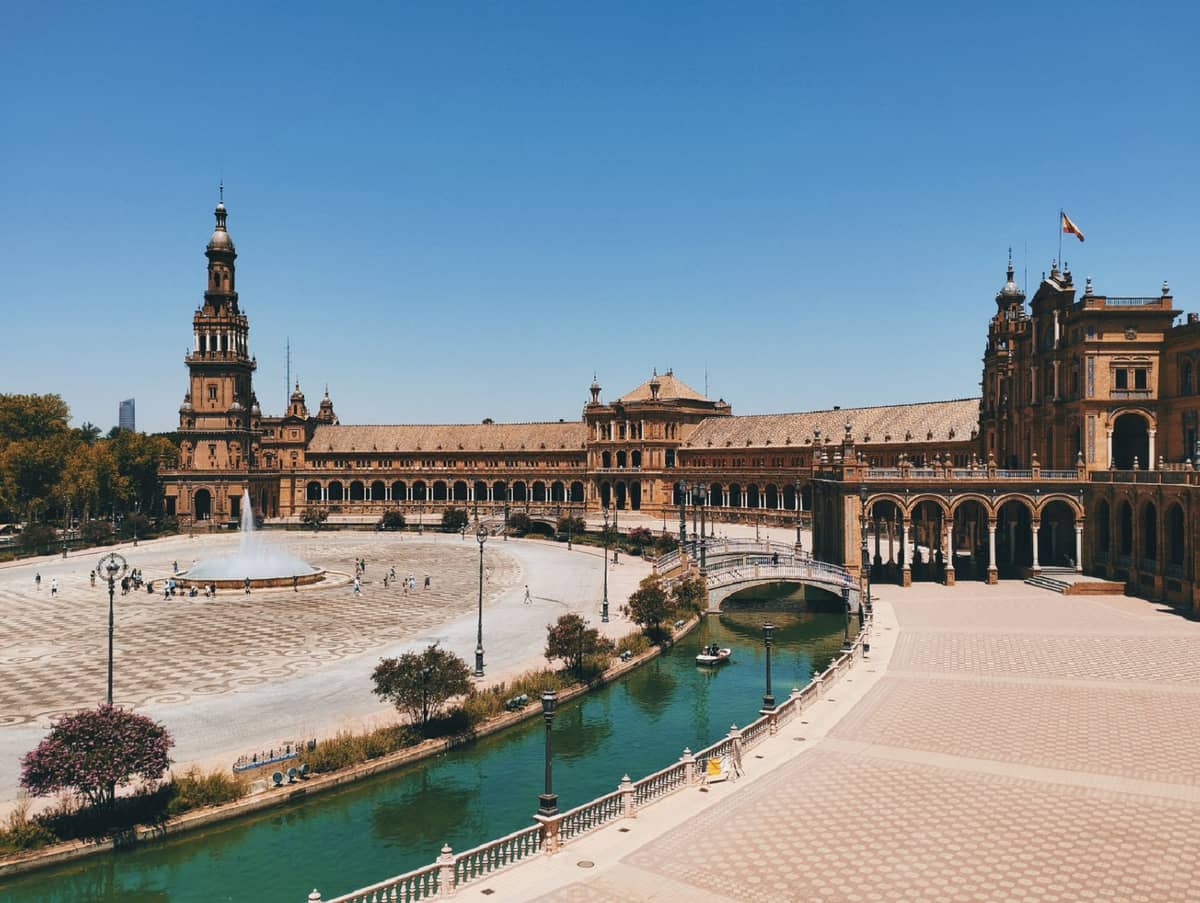
Beyond timed windows, several key experiences cost nothing at any time. Plaza de España is free to enter and worth at least an hour. The riverfront promenade along the Guadalquivir, the streets of Santa Cruz, and the Alameda de Hércules require only your time. The Basílica de la Macarena charges a modest entry fee for its museum but the church itself is often free. Many of Seville's finest churches — San Salvador, Santa Ana in Triana, San Luis de los Franceses — are either free or charge under €5.
- Plaza de España: free, no ticket needed
- Parque de María Luisa: always free to enter
- Triana riverfront and Mercado de Triana: free to explore
- Alameda de Hércules: free public space, good for evening atmosphere
- Torre del Oro exterior and riverbank: free
- Iglesia de San Salvador: check for free entry hours or low-cost entry
- Setas de Sevilla (Metropol Parasol) ground level: free; mirador charges around €6–8
For paid sights, buying tickets online in advance almost always saves money and definitely saves time. The Real Alcázar and Seville Cathedral both experience long queues during peak hours. An online booking avoids both the queue and the risk of selling out, which happens on busy spring weekends.
When to Visit for the Best Value
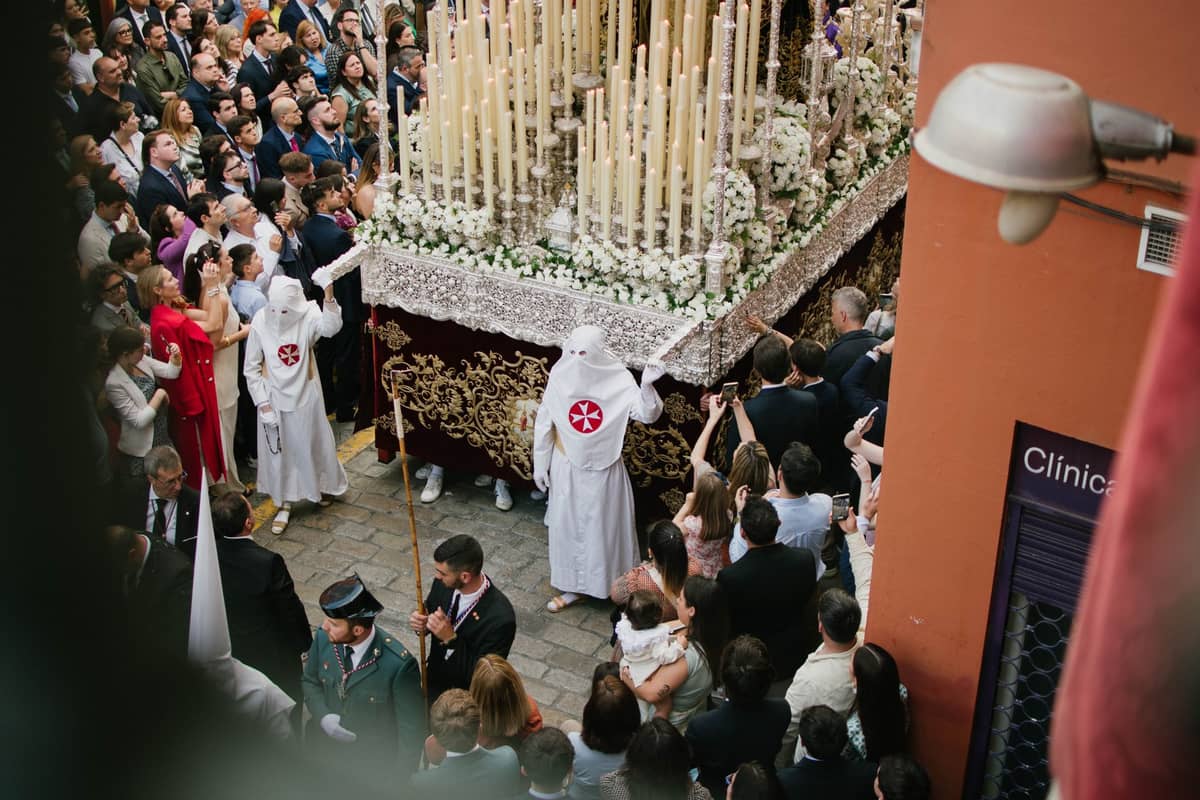
Timing is the single biggest lever on your Seville budget. The city's two major spring festivals — Semana Santa (Holy Week, March or April) and Feria de Abril (two weeks after Easter) — drive accommodation prices to their annual peak. Hotel rates during Semana Santa can triple compared to the weeks immediately before or after. If you want the cultural spectacle, plan well ahead and budget accordingly. If you want Seville at its most affordable, avoid both.
January and February are the cheapest months overall: mild temperatures (daytime highs around 16–18°C), short queues at monuments, and accommodation at its lowest. Some smaller bars and restaurants close for holidays, but the city is far from shut. Seville in winter is genuinely underrated for budget travellers. July and August are also cheap for flights and hotels — Seville is one of the hottest cities in continental Europe in summer, with daytime highs regularly above 35–36°C, which deters many tourists. If you can handle the heat (early mornings, long siestas, late evenings), the savings are real.
October and early November offer a strong balance: pleasant temperatures, lower prices than spring, and none of the festival premiums. Seville in autumn is particularly good for walking-focused itineraries, since the heat has broken but the city hasn't yet shifted into its quieter winter mode.
ℹ️ Good to know
Seville's climate is Mediterranean hot-summer (Köppen Csa), with nearly all rainfall concentrated between October and April. December is typically one of the rainiest months. Summer is almost entirely dry — so if budget is your priority over comfort, July and August offer the cheapest rates alongside guaranteed sunshine.
Eating and Drinking Without the Tourist Tax
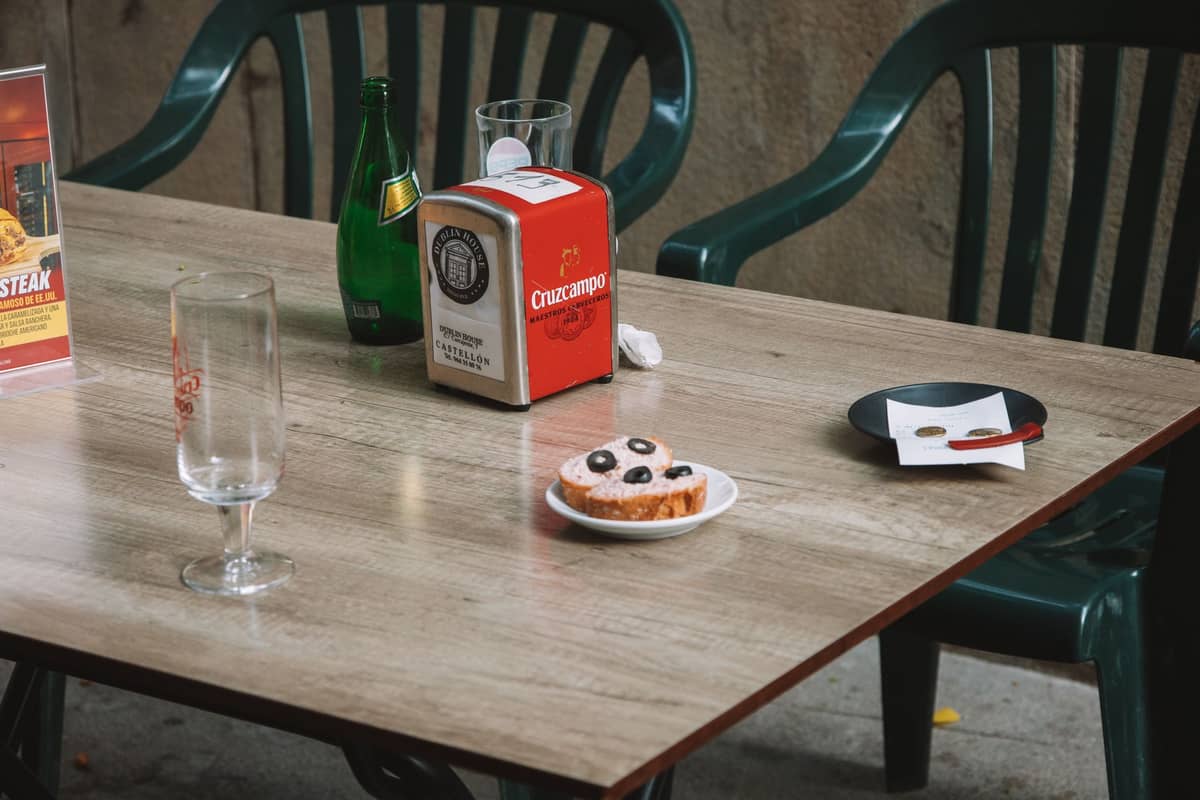
The key rule in Seville is simple: move one street back from the major monuments and prices drop noticeably. Bars around the Cathedral and on the main Sierpes shopping street charge tourist prices. The same plate of jamón or salmorejo costs significantly less two blocks away in a bar serving locals.
Triana is the neighbourhood that consistently delivers good value alongside genuine character. The Mercado de Triana is a working food market, not a tourist food hall, and the bars surrounding it cater to neighbourhood regulars. La Macarena, further north, is even less frequented by tourists and has some of the best-value tapas bars in the city. Avoid the terrace restaurants along the riverfront near the Torre del Oro at dinner — they are almost universally overpriced relative to quality.
- Caña (small beer) at a local bar: €1.50–2.50
- Tapa at a traditional bar: often free with a drink, or €2–4
- Menú del día (3-course lunch with drink): €10–14
- Grocery shopping at Mercadona or Lidl: significantly reduces daily food spend
- Coffee at a local café (café con leche): €1.20–1.80
- Tourist café near major monuments: expect to pay 30–50% more for the same
Practical Tips That Make a Real Difference
Book the Real Alcázar and Cathedral online before you arrive. Both can sell out during spring, and the queues at the box office during busy periods waste time you could spend elsewhere. If you're planning a structured itinerary, the 3-day Seville itinerary maps out which sights to prioritise and in what order, which helps avoid unnecessary backtracking and taxi costs.
Tipping is not mandatory in Spain and locals rarely tip more than rounding up the bill or leaving small change. In a bar, leaving nothing is entirely normal. In a sit-down restaurant for good service, 5–10% is generous. Don't let anyone make you feel obligated otherwise.
Spain uses Type C and Type F (Schuko) plugs at 230V/50Hz. UK and US travellers need an adaptor. Currency is the Euro (EUR). Tap water in Seville is treated and potable — carrying a refillable bottle and using water fountains throughout the city is practical and free. The emergency number is 112; Spain's country dialing code is +34.
✨ Pro tip
If you're visiting Seville as part of a wider Andalusia trip, combining it with Córdoba or the coast significantly improves your per-day value. The high-speed train between Seville and Córdoba takes about 45 minutes and can cost as little as €10–15 booked in advance through Renfe — cheaper than a return taxi across central Seville.
FAQ
How much money do I need per day in Seville?
Budget travellers can manage on €50–65 per day covering a hostel or budget room, tapas-based meals, public transport, and free or discounted sightseeing. Mid-range travellers spending €90–130 per day get private hotel rooms, restaurant meals, and paid entry to major monuments without major compromises.
What is free to do in Seville?
Plaza de España, Parque de María Luisa, the Santa Cruz quarter, the Guadalquivir riverfront, Alameda de Hércules, and the ground level of Setas de Sevilla are all free. Several major monuments including the Real Alcázar offer timed free-entry slots on Mondays — usually one hour in the late afternoon. Check official sites close to your visit as these windows vary seasonally.
When is Seville cheapest to visit?
January and February are the cheapest months for flights and accommodation. July and August are also cheap despite being the hottest months (regularly above 38°C). Avoid Semana Santa and Feria de Abril, which typically fall in March or April — prices peak sharply during both festivals.
Is Seville expensive compared to other Spanish cities?
Seville is generally cheaper than Madrid or Barcelona for accommodation, food, and nightlife. It sits closer in price to Valencia or Málaga. The main exceptions are during Semana Santa and Feria de Abril, when hotel prices in Seville can surpass those of much larger cities.
What is the cheapest way to get from Seville airport to the city centre?
The EA airport bus is the cheapest option, currently around €6 single or €8 return, running to Santa Justa station and central stops in about 35 minutes. A taxi covers the same route in 15–25 minutes but typically costs €25–35. Verify current EA bus fares via TUSSAM before travelling as prices are updated periodically.
Tickets & tours
Live prices and dates from our booking partner. If you book, we may earn a commission at no extra cost to you.
Planning a trip? Discover personalized activities with the Nomado app.