Seville in Winter: What to Expect in December, January & February
Seville in winter is mild, uncrowded, and genuinely good for sightseeing. This guide covers the real weather, the seasonal events worth planning around, what to pack, and how to make the most of Andalusia's capital between December and February.
Tickets & tours
Live prices and dates from our booking partner. If you book, we may earn a commission at no extra cost to you.
TL;DR
- Winter daytime temperatures average 15–18°C (59–64°F), with cool nights around 6–8°C — warm layers are essential after dark.
- December is the wettest month, but most winter days are sunny; expect around 5–7 rainy days per month, not weeks of grey skies.
- Major attractions like the Real Alcázar and Seville Cathedral are open, less crowded, and easier to enjoy than in peak season.
- The Cabalgata de Reyes (Three Kings Parade) on January 5 is one of the city's most atmospheric events — worth timing a trip around.
- For a full picture of the best season to visit, see the best time to visit Seville guide.
Winter Weather in Seville: The Real Picture
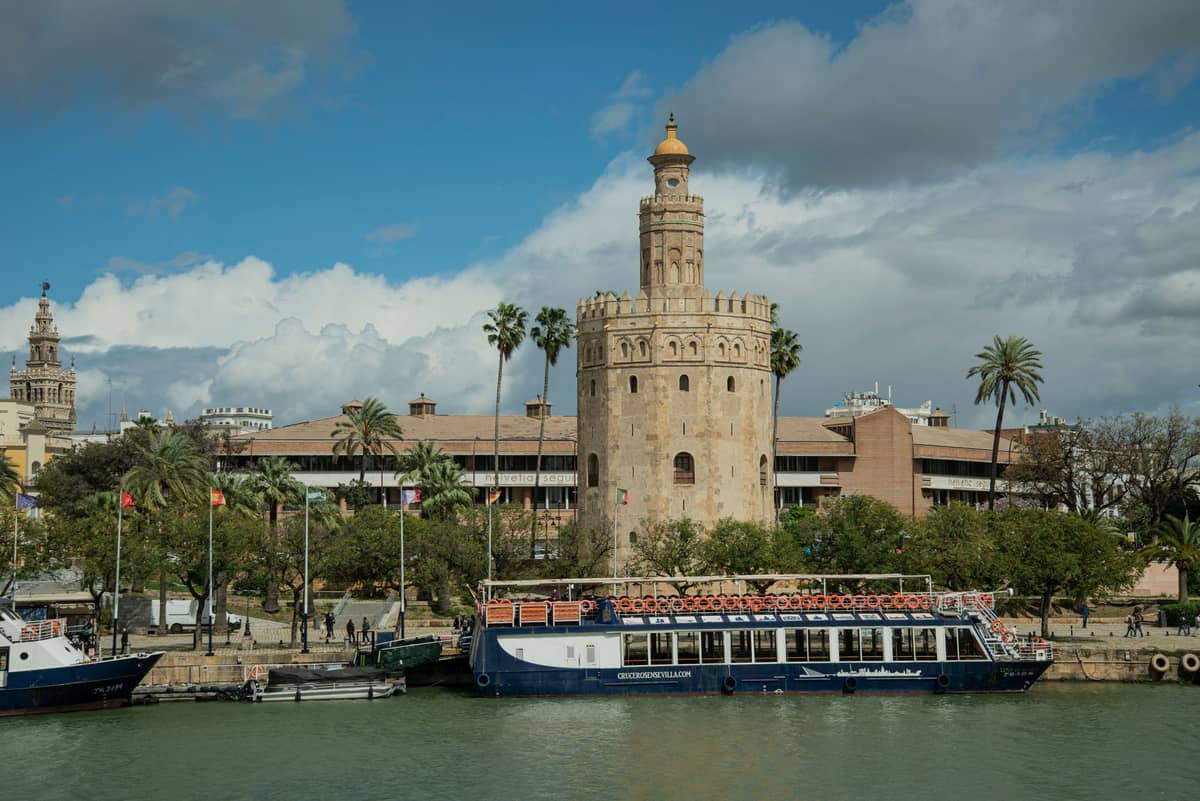
Seville sits at roughly 37°N latitude in southern Andalusia, classified as a hot-summer Mediterranean climate (Köppen Csa). That classification tells you most of what you need to know about winter: it's mild by northern European standards, but not warm. Daytime highs in December hover around 16°C, rising marginally to 17–18°C in February as the days lengthen. Nights are a different story. Temperatures regularly dip to 6–8°C, and when the wind picks up along the Guadalquivir riverfront, it can feel colder than that.
December is the wettest month of the year, with around 76–95mm of rain and roughly 7 rainy days. January and February are only marginally drier. The key point, though, is that rain in Seville tends to come in bursts rather than persistent drizzle. You can easily have 10 straight days of clear, sunny skies interrupted by a day or two of heavy showers. Average winter sunshine runs to 7–9 hours per day, which is more than most northern European cities get in summer.
💡 Local tip
Pack a lightweight waterproof jacket and a proper warm layer for evenings rather than a heavy winter coat. The combination handles 90% of Seville winter conditions without weighing down your luggage.
Snow in Seville is exceptionally rare — it occurs perhaps once every decade or two and is never a planning concern. Frost is possible on the coldest January nights but doesn't linger. The practical takeaway: dress as you would for a cool autumn day in London or Paris, bring an umbrella for December, and expect genuine sunshine most days.
Crowds, Prices, and the Case for Visiting Off-Season
Seville's peak tourist season runs from March through October, with Easter (Semana Santa) and the spring months drawing the heaviest international crowds. In winter, the city operates at a noticeably different pace. Queue times at the Real Alcázar and Seville Cathedral are shorter, restaurants have tables available without long waits, and the streets of Santa Cruz are walkable rather than gridlocked with tour groups.
Hotel rates in December and January are generally among the lowest of the year, often 30–50% below spring peak pricing. The exception is the week between Christmas and New Year, when domestic Spanish travel spikes and prices rise accordingly. Book that window at least 6–8 weeks out if you're planning to visit then.
⚠️ What to skip
January 5–6 (Three Kings Eve and Epiphany) sees very high domestic demand across Seville. Hotels fill up and prices surge for this specific period. Book early or plan your arrival for January 7 onwards for better value.
- Best value window January 7 to mid-February — low demand, low prices, mild weather, and the city fully operational after the holiday period.
- Busiest winter period December 22 to January 6 — domestic tourists, Christmas markets, and Cabalgata de Reyes crowds. Lively but pricier.
- Shoulder of the shoulder Early December (1–20) — genuinely quiet, Christmas decorations going up, good hotel availability.
What's Actually Open and Worth Doing
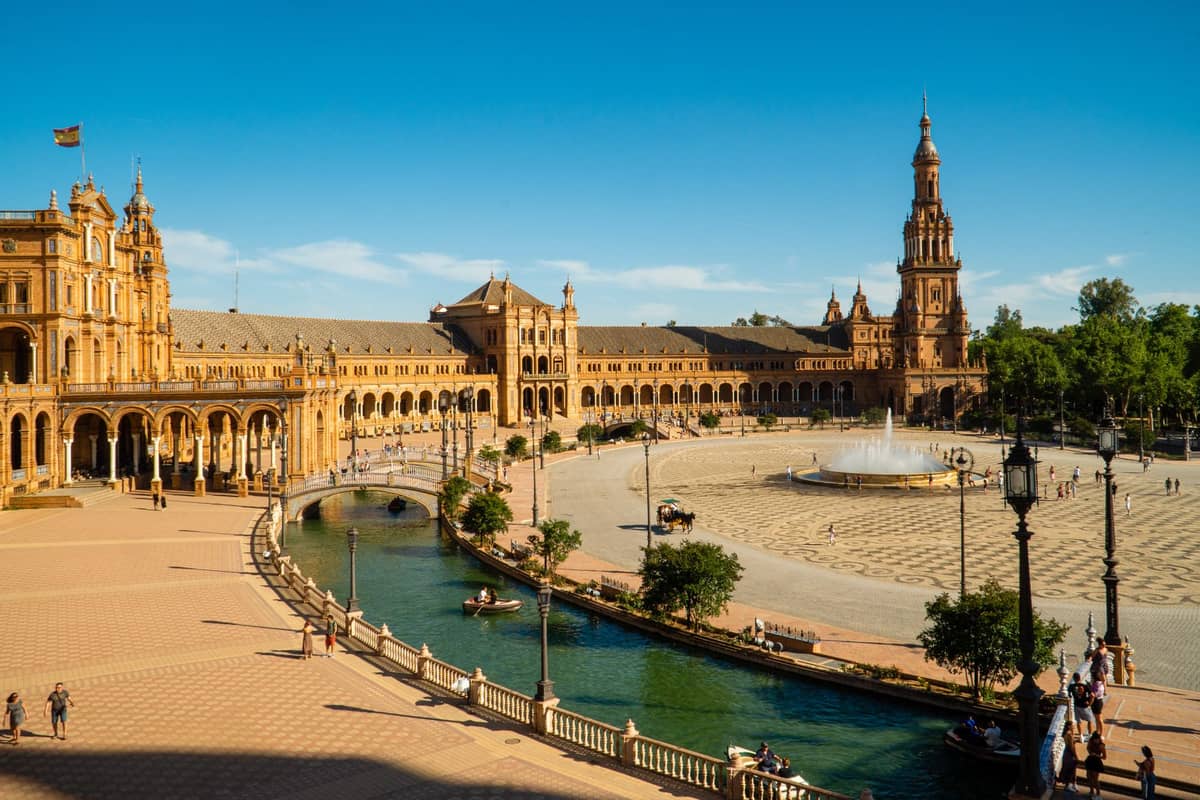
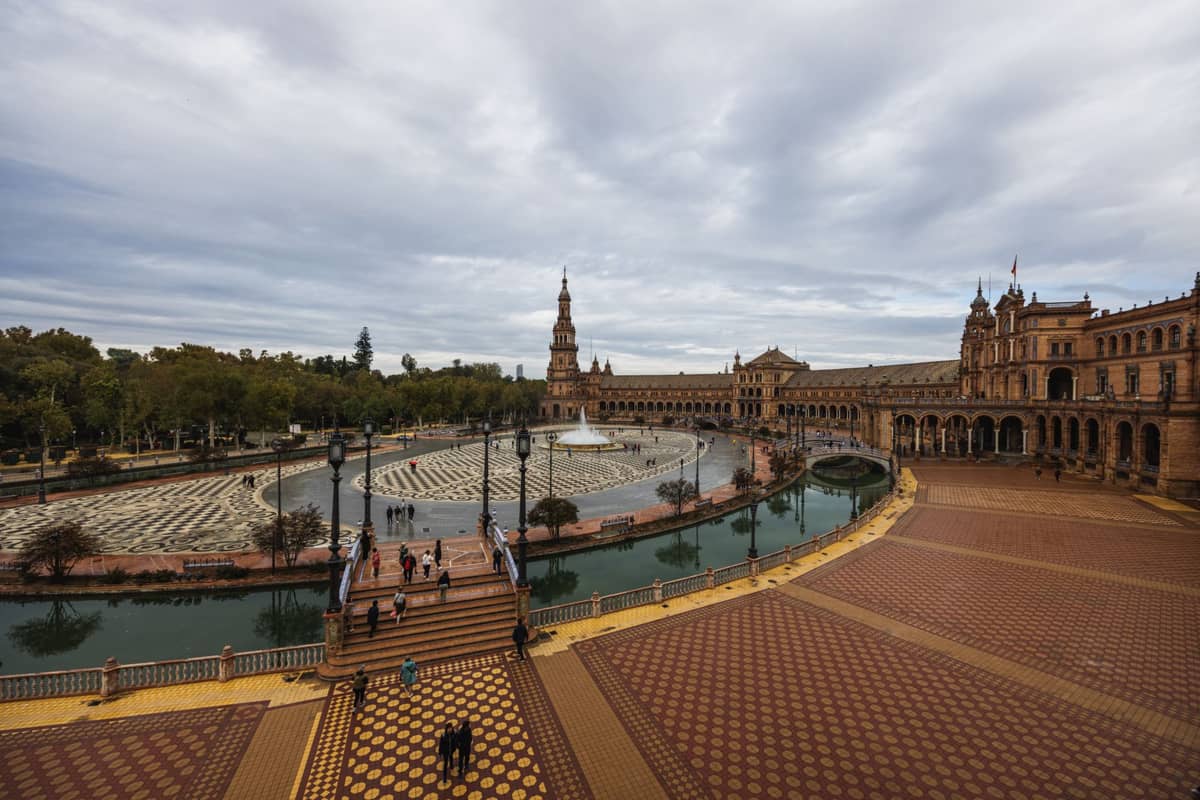
The idea that Seville shuts down in winter is a myth. Every major attraction operates on its regular schedule. The Real Alcázar is open daily, the Plaza de España is free to visit at any hour, and the Museo de Bellas Artes is one of Spain's best art collections regardless of season. Winter is, if anything, a better time for the city's outdoor sites — you can actually stand at the Plaza de España without 500 other tourists in the frame.
Flamenco performances run year-round. The Museo del Baile Flamenco in the Casco Antiguo runs nightly shows, and winter evenings have exactly the right atmosphere for sitting in a small tablao. See the flamenco in Seville guide for venue recommendations and booking advice.
- Alcázar and Cathedral: both open daily; advance online booking is still recommended in December to secure a specific time slot, though walk-up availability is much higher than in spring.
- Parque de María Luisa: the park is beautiful in winter light and almost empty on weekday mornings.
- Triana market and neighbourhood: the Mercado de Triana operates normally, and Triana's café culture is at its most relaxed in winter.
- Christmas nativity displays (Belenes): churches and public buildings across the city set up elaborate nativity scenes from early December, free to view.
- Setas de Sevilla (Metropol Parasol): the rooftop walkway is open and the views across the city are particularly clear in winter air.
Seasonal Events: December Through February
Seville's winter calendar is anchored by Catholic tradition, and the celebrations here are more community-rooted than tourist-packaged. They're worth knowing about whether you want to join in or simply want to understand why certain streets are closed on certain dates.
Christmas lights go up in late November and the city centre is illuminated through January 6. The main shopping streets, particularly around Calle Sierpes and the area around the Cathedral, are busy with local shoppers in the evenings. This is a good time to observe everyday Sevillano life rather than a tourist-facing spectacle.
The Cabalgata de Reyes Magos on the evening of January 5 is the event that defines Seville's winter. Three elaborate floats carry the Three Kings through the city centre while sweets are thrown to crowds lining the route. It's one of Spain's biggest Epiphany parades, drawing large local crowds. Streets around the route are packed by early evening, so position yourself early if you want a good view. The following day, January 6 (Epiphany, or Reyes), is a public holiday — most shops close, but the atmosphere in the city is festive and relaxed.
ℹ️ Good to know
Carnival (Carnaval) falls in February, with the exact dates varying by year. Seville's Carnaval is smaller than Cádiz's famous version nearby, but the city still sees costumed street celebrations and events. If Carnaval timing matters to your trip, check the annual dates in advance — it's tied to the Catholic liturgical calendar and shifts each year.
Getting Around Seville in Winter
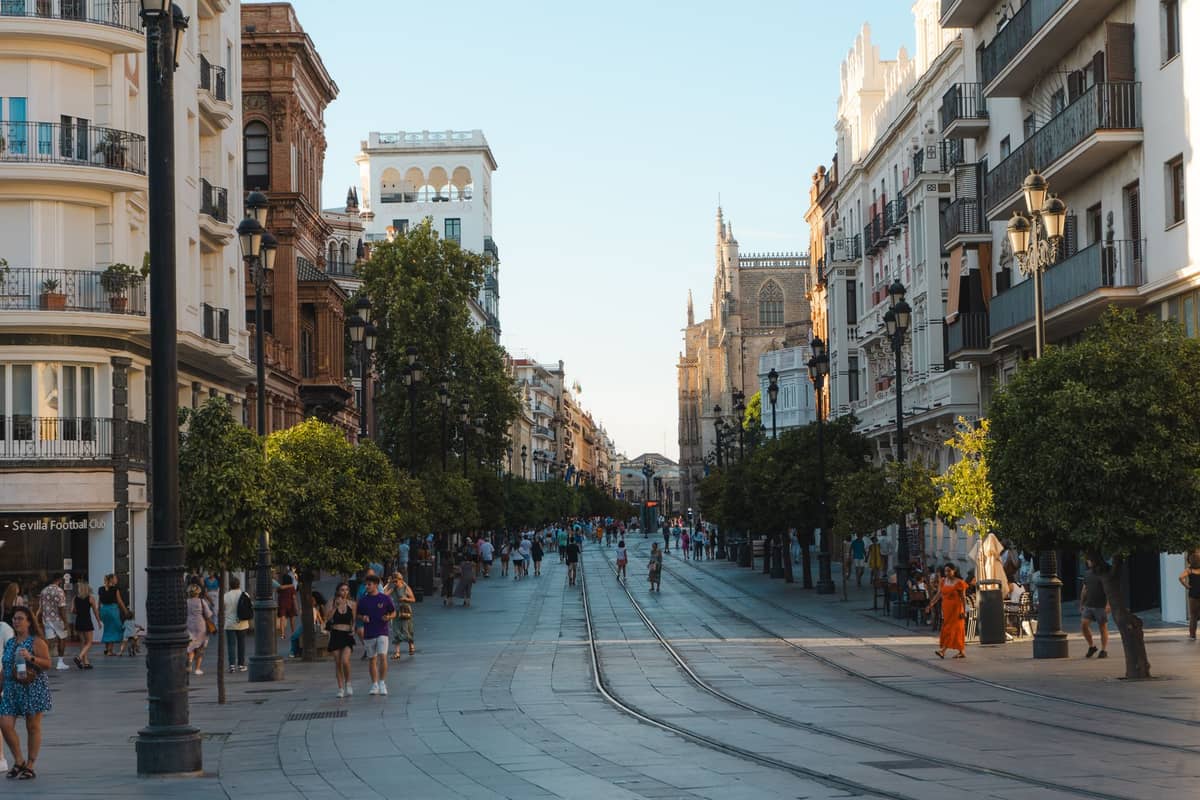
Seville is a compact, walkable city, and in winter temperatures that's genuinely pleasant rather than a chore. Most of the main sights are within a 30-minute walk of each other in the historic centre. For longer distances, the city's urban bus network (TUSSAM) and the MetroCentro tram cover the key corridors. The getting around Seville guide covers all transport options in detail.
From Seville Airport (SVQ), located around 9–10km north-east of the city centre, the EA airport bus connects to Santa Justa station and Plaza de Armas, with a journey time of roughly 35 minutes and a single ticket costing approximately €6. Taxis from the airport typically run €25–35 depending on time of day and luggage. Ride-hailing apps including Uber and Cabify operate in Seville, subject to local regulations. Always verify current fares and schedules directly with operators before travel, as these figures change.
Cycling infrastructure in Seville is genuinely good for a Spanish city, with an extensive network of dedicated lanes. The city's Sevici bike-share scheme operates year-round, and winter temperatures make cycling comfortable in a way that July absolutely does not. If you're spending several days and want to cover Triana, La Macarena, and the historic centre in a single day, a bike covers the ground efficiently.
Practical Considerations: What to Pack and Know
Dress in layers. A thermal base layer, a mid-layer fleece or sweater, and a waterproof outer shell covers almost every winter day in Seville. For evenings — especially sitting outside at tapas bars, which Sevillanos do even in January with the help of outdoor heaters — you'll want that warm layer available. Comfortable walking shoes that can handle wet cobblestones are more useful than stylish options that can't manage a slippery plaza after rain.
Spain uses the euro (EUR) and operates on Central European Time (UTC+1) in winter. Tipping is not mandatory; rounding up or leaving small change is common and appreciated in bars and restaurants. Modest dress is expected in churches — shoulders covered, no shorts. For a broader look at managing costs in Seville, the Seville on a budget guide has practical breakdowns of daily spending.
- Voltage: 230V, 50Hz. Plug types C (Europlug) and F (Schuko). Non-EU travellers need an adapter.
- Emergency number: 112 (police, fire, ambulance). Country code: +34.
- Tap water in Seville is treated and considered potable, though some visitors find the taste minerally — bottled water is cheap if preferred.
- Pharmacies (farmacias) are plentiful in the centre and can handle minor medical issues; look for the green cross sign.
- Most major sights are closed on January 1 (New Year's Day) and January 6 (Epiphany). Plan your itinerary around these dates.
✨ Pro tip
Book Real Alcázar tickets online at least a few days in advance even in winter. Walk-up availability is much better than in spring, but the Alcázar limits daily entry numbers and sells out on weekends and around the Christmas–Epiphany period.
FAQ
Is Seville worth visiting in winter?
Yes, for most travellers. The weather is cooler but manageable, crowds are thinner, prices are lower outside the Christmas period, and all major attractions are open. If you want Seville without the queues and heat exhaustion of summer, winter is a legitimate and underrated choice.
How cold does Seville get in December and January?
Daytime highs average around 15–16°C in December and January. Nights drop to 6–8°C. Snow is extremely rare. Cold by Seville standards, but far milder than most of northern Europe in winter.
Does it rain a lot in Seville in winter?
December is the wettest month, with around 76–95mm of rain and roughly 7 rainy days. January and February are slightly drier. Rain tends to come in bursts rather than persistent grey weather; most winter days in Seville are sunny with 7–9 hours of sunshine on average.
What is the best event to see in Seville in winter?
The Cabalgata de Reyes Magos (Three Kings Parade) on the evening of January 5 is the standout event. It's a major community celebration rather than a tourist attraction, with elaborate floats and enormous local crowds. Arrive early to secure a viewing spot along the route.
Are the Alcázar and Cathedral open in winter?
Yes, both are open daily throughout December, January, and February, with the exception of January 1 and January 6 when hours may be reduced or they may be closed entirely. Online advance booking is recommended, especially around the Christmas and Epiphany holiday window.
Tickets & tours
Live prices and dates from our booking partner. If you book, we may earn a commission at no extra cost to you.
Planning a trip? Discover personalized activities with the Nomado app.