Flamenco in Seville: Best Shows, Tablaos, and Where to Find the Real Thing
Seville is the spiritual home of flamenco, and navigating its shows requires more than a hotel concierge recommendation. This guide breaks down the best tablaos, what to expect, how much to pay, and how to avoid the tourist traps, so you leave with a genuine experience of one of Spain's most powerful art forms.
Tickets & tours
Live prices and dates from our booking partner. If you book, we may earn a commission at no extra cost to you.
TL;DR
- Flamenco in Seville ranges from polished tablao productions near the cathedral to raw, spontaneous performances in Triana bars.
- The Museo del Baile Flamenco is the best single venue for first-timers: it combines cultural context with daily professional shows (from around €25 for a show-only ticket).
- Book tickets in advance, especially during Semana Santa, Feria de Abril, and summer. Walk-in availability at top tablaos is not reliable.
- Afternoon shows (starting as early as 17:00) exist at several venues and are just as authentic as late-night performances.
- For cultural background before you go, see the full Seville things-to-do guide and the best time to visit Seville for seasonal crowd and pricing context.
Why Seville Is the Home of Flamenco
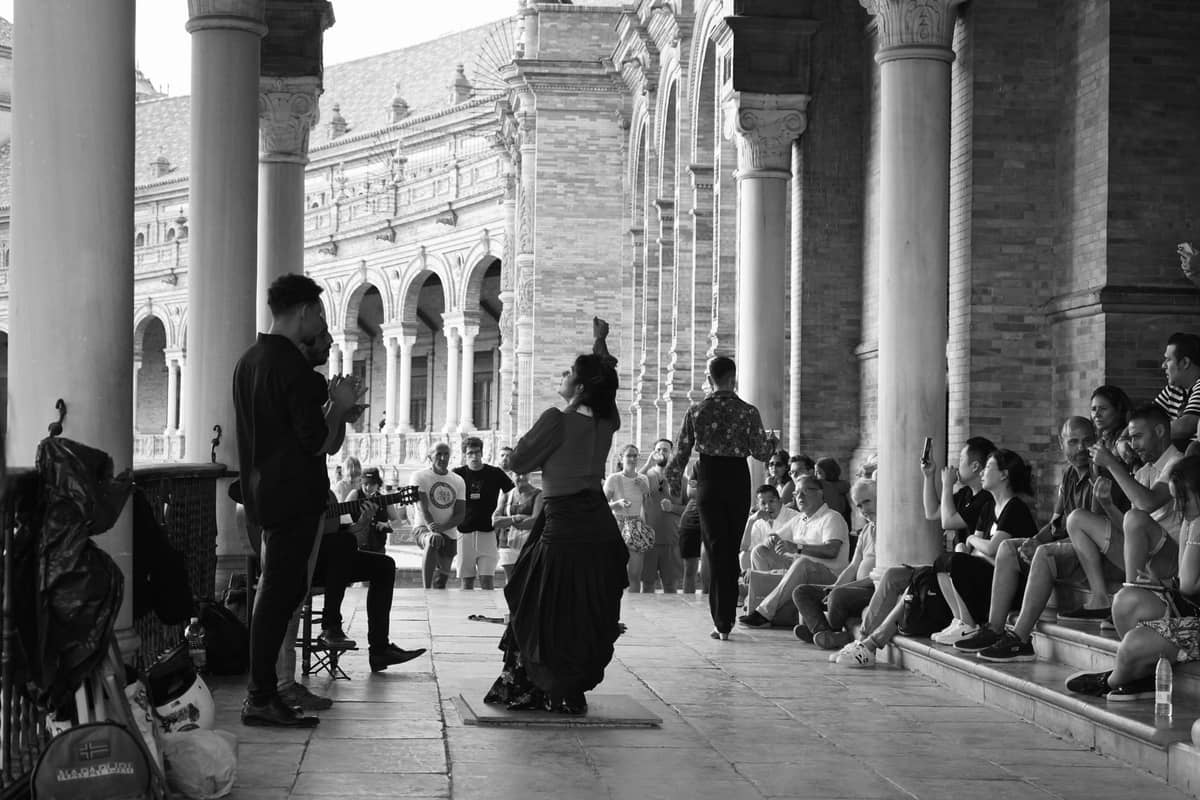
Flamenco did not originate in a single place, but Seville, and Andalusia broadly, is where its roots run deepest. The art form evolved over centuries from a confluence of Moorish, Romani, Jewish, and Castilian musical traditions in southern Spain. By the 19th century, Seville's cafés cantantes (singing cafés) had turned flamenco into a professional performance art, and the city has been central to its development ever since.
Today, Seville's connection to flamenco is structural, not decorative. The city hosts dedicated schools, professional companies, and institutions like the Museo del Baile Flamenco that treat the art form with serious academic and artistic weight. The district of Triana, across the Guadalquivir River, has a particular claim to flamenco heritage: it was home to some of the most important flamenco dynasties of the 20th century, and its streets still carry that identity.
ℹ️ Good to know
Flamenco has three core elements: cante (singing), baile (dance), and toque (guitar). A high-quality show will feature all three in dialogue with each other, not as separate acts. If a venue is advertising 'dance only', that is a sign of a production calibrated for visual spectacle over artistic depth.
The Best Flamenco Venues in Seville
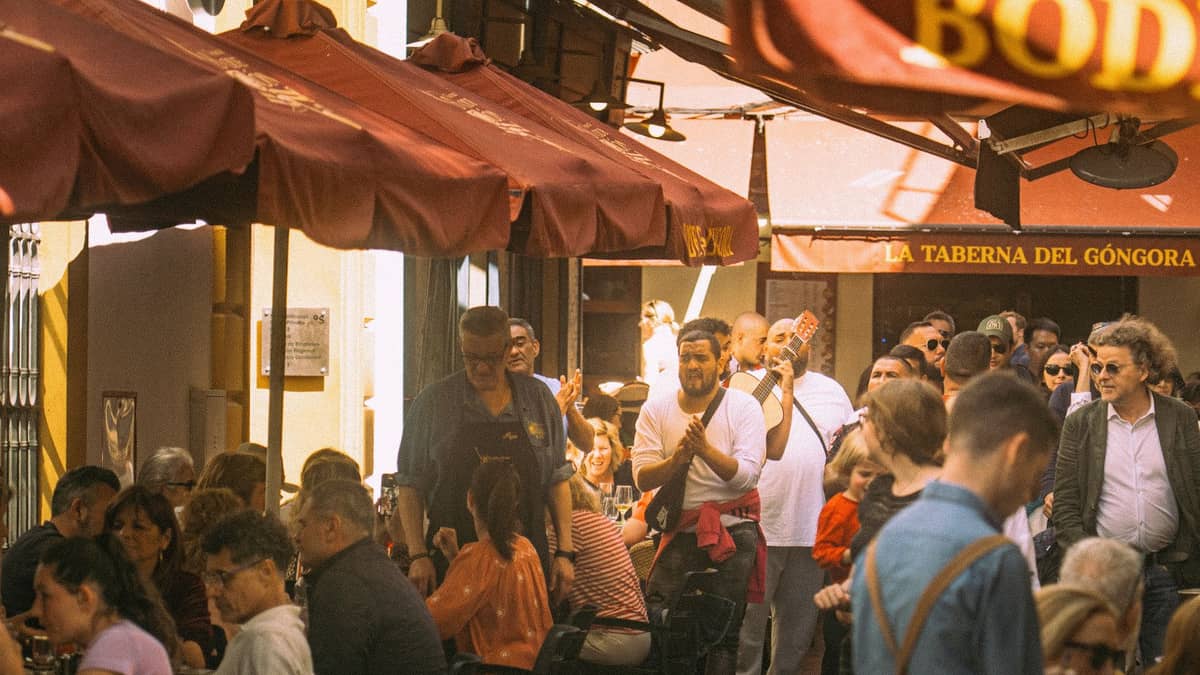
Seville has dozens of venues offering flamenco shows, but quality varies enormously. The venues below represent different points on the spectrum from high-production tablao to intimate cultural experience.
- Museo del Baile Flamenco Founded by legendary dancer Cristina Hoyos and located at C/ Manuel Rojas Marcos, 3 in the historic centre. The museum section covers flamenco history through costumes, artwork, and audiovisual displays. Daily shows run at multiple times (typically 17:00, 19:00, and 20:45 — verify current schedule when booking). Show-only tickets are around €25 for adults, €18 for seniors and students, €12 for children aged 6–12. A combined museum and show ticket costs approximately €29 for adults. Open every day of the year except with modified hours on 25 December, 1 January, and 6 January.
- Tablao Flamenco Las Setas Located near the Metropol Parasol (the landmark structure known locally as Las Setas), this tablao runs shows at 18:00, 19:45, and 21:30 with additional afternoon and late passes in high season. Capacity is around 140 seats. Tickets start from €28 per person and rise through Basic, General, Premium, and VIP tiers, the higher tiers including drinks and tapas. The intimate setting and strong production values make it a reliable choice for visitors who want a professional performance without the larger-venue feel.
- Tablao Los Gallos One of Seville's oldest tablaos, operating in the Santa Cruz neighbourhood since 1966. It has a reputation for consistently featuring professional artists in a relatively small, atmospheric space. A practical choice for those who want a traditional tablao format with a drink included.
- Casa de la Memoria A smaller, more intimate venue in the historic centre that programs shows with a focus on artistic integrity rather than spectacle. Capacity is deliberately limited to around 100 people. Shows sell out regularly — advance booking is essential. Not the most visually theatrical option, but often praised for the quality of the artists.
⚠️ What to skip
Avoid venues that do not display artist names or credentials. Some shows near the main tourist corridors around the cathedral are staffed by performers at the beginning of their careers or are more theatrical revue than genuine flamenco. A simple test: if the venue is being sold door-to-door by someone with a leaflet, walk away.
Tablao vs. Peña vs. Bar: Understanding the Different Formats
Not all flamenco in Seville happens in purpose-built tablaos, and understanding the difference between formats helps you choose the experience that actually suits you.
A tablao is a commercial venue specifically designed for flamenco performances, usually with a stage, tiered seating, and a drinks or dinner package. The production is polished and consistent. Tablaos are the most accessible option for visitors, and the best ones feature genuinely accomplished artists. The trade-off is that the experience is curated and the audience is largely tourists, which changes the atmosphere compared to a performance within the flamenco community itself.
A peña flamenca is a private members' club for flamenco enthusiasts. These are where serious aficionados gather, where late-night juergas (informal, improvised flamenco sessions) happen, and where artists perform for an audience that responds with deep knowledge. Most peñas are not open to the general public, but some do host occasional open nights or invite visitors through cultural organisations. If you have a contact in the flamenco world, or your accommodation host can make an introduction, a peña evening is categorically different from a tablao show.
Bars in Triana, particularly around the area near the Puente de Triana and the Mercado de Triana, sometimes host informal live performances on weekends. These are not scheduled events you can book in advance, but they do happen. Walk the neighbourhood on a Friday or Saturday evening and follow the music.
✨ Pro tip
If you want to understand flamenco before attending a show, spend an hour in the Museo del Baile Flamenco's permanent exhibition first. Learning to distinguish between palos (styles) such as soleá, seguiriyas, and bulerías will transform what you notice during a live performance. The museum is at C/ Manuel Rojas Marcos, 3 — a short walk from the Real Alcázar.
Timing, Booking, and Practical Logistics
One persistent misconception about flamenco shows in Seville is that they are exclusively a late-night affair. In practice, most major venues run afternoon and early-evening shows, some starting as early as 17:00. This matters for families, for travellers on tight itineraries, and for anyone who wants to attend a show without reorganising their entire evening. The quality of a 17:00 performance is no different from a 21:30 one: the artists are professionals performing the same programme.
Advance booking is not optional during peak periods. During Semana Santa and Feria de Abril, tablaos like Las Setas add additional passes and still sell out days in advance. During July and August, Seville sees its highest tourist numbers despite the extreme heat (daytime highs regularly above 35°C), and show capacity fills quickly. Even outside peak season, top venues with limited seating — particularly Casa de la Memoria with its roughly 100-seat limit — sell out on weekends.
- Book directly through official venue websites to avoid booking-fee surcharges from third-party platforms.
- Print or download your tickets — some venues have inconsistent mobile signal in their basement or courtyard spaces.
- Arrive at least 15 minutes before showtime. Venues will often reassign unclaimed reserved seats shortly before the curtain.
- Check holiday hours separately: the Museo del Baile Flamenco, for example, opens later on the first Monday of each month (from 14:30 instead of 11:00).
- If attending a dinner-and-show package, confirm whether the dinner is served before or during the performance — eating during an intimate show can be disruptive to the experience.
Where Flamenco Fits in a Wider Seville Itinerary
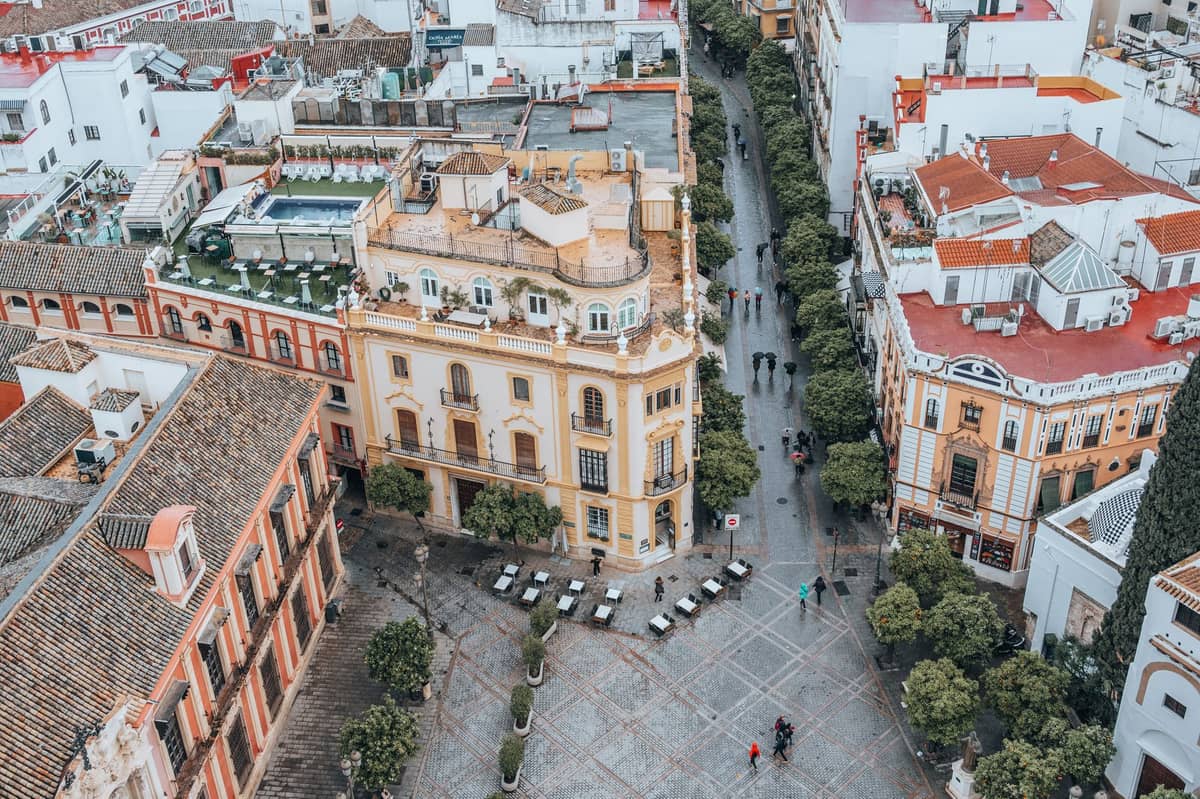
Most visitors combine a flamenco show with a broader exploration of the historic centre. The Museo del Baile Flamenco sits a short walk from both the Seville Cathedral and the Real Alcázar, making it easy to sequence a cultural afternoon: visit the Alcázar in the morning, walk the Santa Cruz neighbourhood over lunch, and catch an early-evening flamenco show before dinner.
For a more immersive approach, spend time in Triana before or after a show. The neighbourhood's ceramic workshops, the Centro Cerámica Triana, and the riverside promenade all connect to the same deep cultural current that produced Seville's flamenco tradition. This is a neighbourhood guide and walking experience in its own right — see our Seville hidden-gems guide for specific spots beyond the main tourist circuits.
If you are planning a multi-day trip and want to structure flamenco around the rest of your visit, our 3-day Seville itinerary includes a suggested slot for a show on the first evening, when the energy of arriving in the city matches well with the intensity of a live flamenco performance.
Is the Flamenco Scene in Seville Overrated?
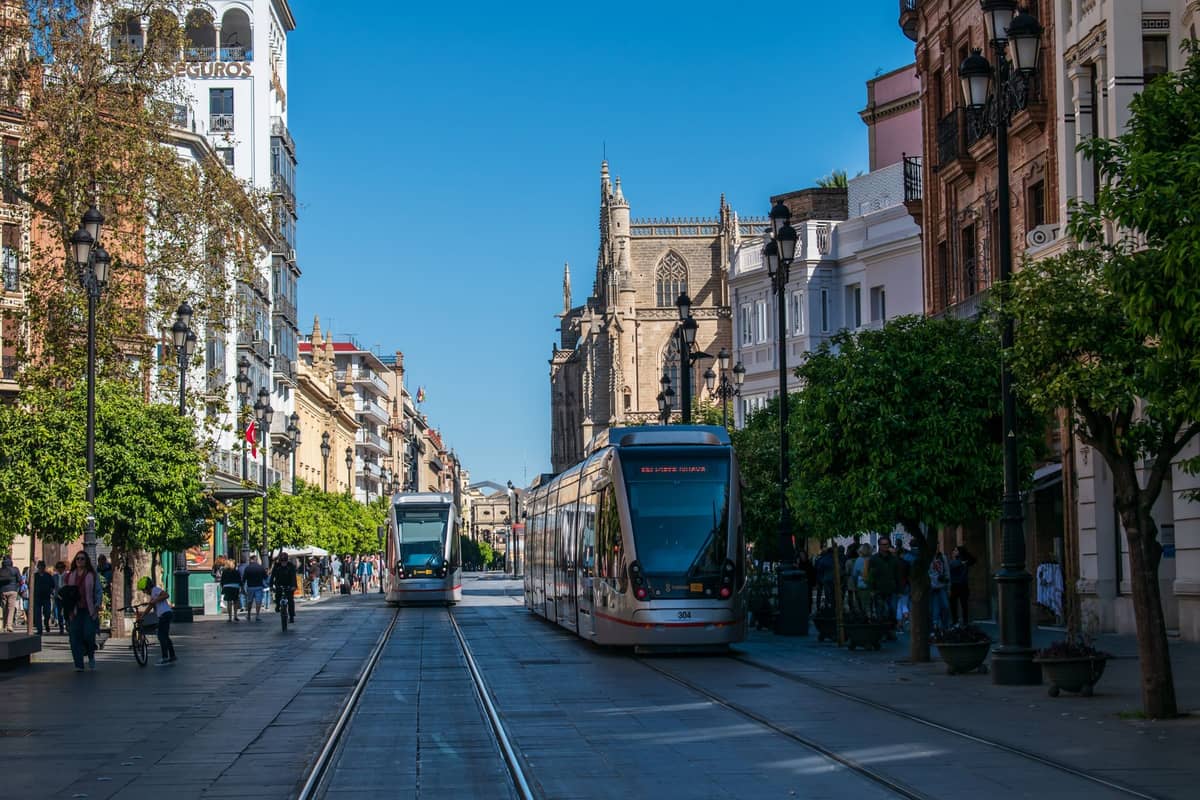
It is a fair question. The area immediately surrounding the cathedral has a high density of low-quality tourist traps selling overpriced shows with mediocre artists. If you walk into the first place that hands you a leaflet, you are likely to come away thinking flamenco is pleasant background entertainment. That is not what flamenco is.
At a well-chosen venue with accomplished artists, flamenco is something else: physically demanding, emotionally direct, and structurally complex in ways that take time to appreciate. The cante (singing) in particular can be difficult for unacquainted ears — it is not melodically conventionally beautiful in the way that, say, opera announces itself. Some visitors find the raw vocal quality of deep flamenco singing, known as cante jondo, unsettling at first. That discomfort is part of the experience, not a flaw.
The short answer: no, the flamenco scene in Seville is not overrated if you choose the right venue and approach it with some prior context. It absolutely is overrated if you treat it as a checked box on a sightseeing list and pick the nearest venue with a sign outside.
FAQ
How much does a flamenco show in Seville cost?
Prices vary by venue and format. At the Museo del Baile Flamenco, a show-only ticket starts from around €25 for adults, with reduced rates for seniors, students, and children. A combined museum-and-show ticket starts from approximately €29. At Tablao Flamenco Las Setas, tickets start from about €28 and rise with seating tier and inclusions. Dinner-and-show packages at larger tablaos can run €60–€100 per person. Always book through official venue websites to avoid third-party surcharges.
Do I need to book a flamenco show in advance in Seville?
Yes, particularly at venues with limited capacity and during peak periods such as Semana Santa, Feria de Abril, and the summer months. Top venues like Casa de la Memoria hold around 100 people and regularly sell out on weekends. Walk-in availability is not guaranteed at any of the well-regarded tablaos. Booking online at least a few days ahead is the practical standard; during festival periods, book a week or more in advance.
What is the best flamenco show in Seville for first-timers?
The Museo del Baile Flamenco is the strongest recommendation for visitors new to flamenco. The permanent exhibition provides cultural context that makes the live show more meaningful, and the shows feature professional artists in an intimate setting. If you want a more theatrical production, Tablao Flamenco Las Setas offers a polished experience with reliable quality. Both venues run afternoon and early-evening shows as well as later ones.
Can you see authentic flamenco in Seville outside of tourist tablaos?
Yes, but it requires more effort and sometimes local connections. Peñas flamencas (private flamenco clubs) host the most authentic performances but are largely members-only. Some bars in the Triana neighbourhood host informal live sessions on weekend evenings — these are unscheduled and require some wandering. Seville also hosts dedicated flamenco festivals at various points in the year, which feature high-calibre artists in theatre settings rather than tourist venues.
Are flamenco shows in Seville suitable for children?
Several venues offer afternoon shows and reduced-price children's tickets, making flamenco accessible for families. The Museo del Baile Flamenco charges around €12 for children aged 6–12 and the afternoon timing (17:00) works well for younger visitors. That said, deep flamenco — particularly the singing — can be intense and is not designed as children's entertainment. Children who engage with music and performance generally respond well; those expecting something light may find it demanding.
Tickets & tours
Live prices and dates from our booking partner. If you book, we may earn a commission at no extra cost to you.
Planning a trip? Discover personalized activities with the Nomado app.