What to Eat in Seville: Essential Andalusian Dishes & Food Culture
Seville has one of Spain's most distinctive food cultures: paid tapas ordered gradually, cold soups in summer, and markets that close by mid-afternoon. This guide covers the dishes you need to try, where to find them, how much to pay, and what to skip.
Tickets & tours
Live prices and dates from our booking partner. If you book, we may earn a commission at no extra cost to you.
TL;DR
- Tapas in Seville are paid, not free. Expect to pay €3–5 for simple bites and €5–8 for meat or fish dishes.
- The essential dishes are salmorejo, espinacas con garbanzos, fried fish (pescaíto frito), presa ibérica, and torrijas. See the full breakdown in our things to do in Seville guide for how food fits into a wider itinerary.
- Fresh-produce market stalls typically run Monday to Saturday, 08:30–15:00. Fish stalls are usually closed Mondays.
- Lunch (14:00–16:00) is the main meal of the day. Many restaurants close mid-afternoon and reopen around 19:00.
- Seville remains one of Spain's most affordable cities for eating out. See our Seville on a budget guide for more money-saving strategies.
How Tapas Culture Actually Works in Seville
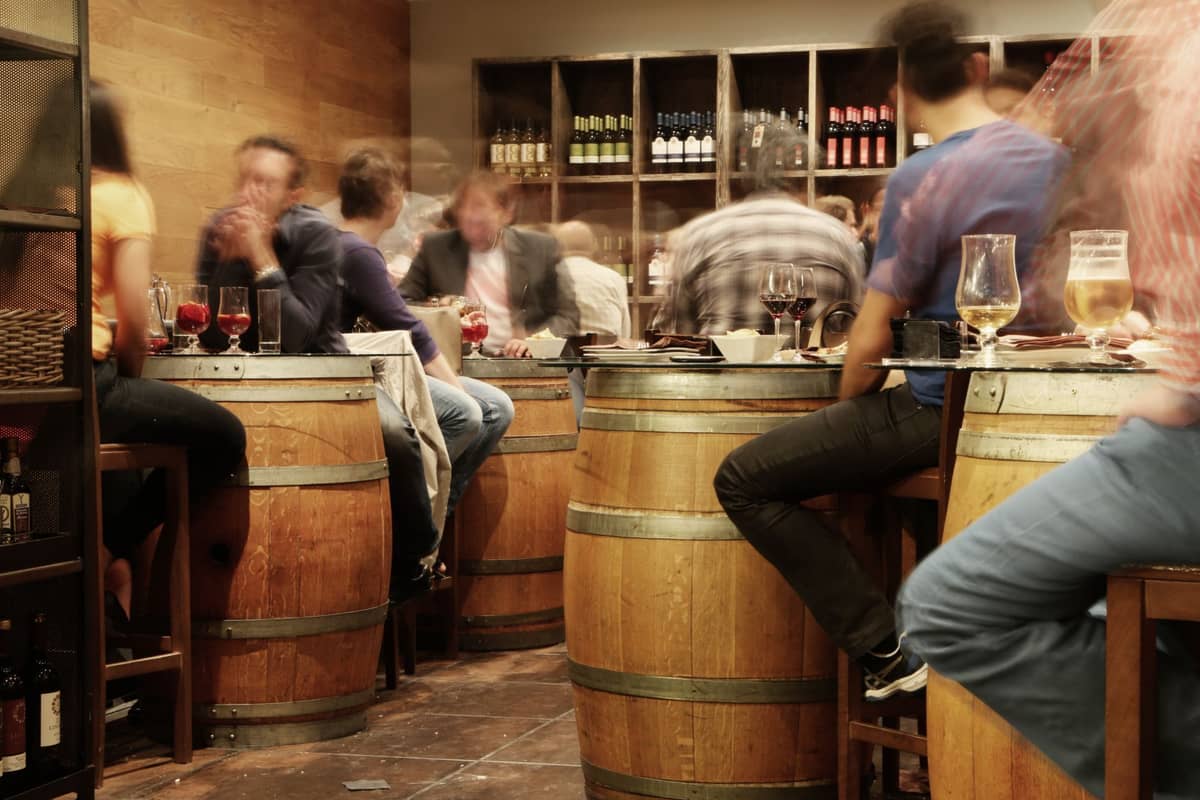
Seville food culture is built around tapas, but not in the way visitors often expect. One persistent myth is that tapas come free with drinks across Andalusia. That is true in Granada. In Seville, every tapa is a paid item, ordered separately and added to the bill. This is not a tourist trap: it is simply how the system works here, and once you understand it, it becomes one of the most flexible and enjoyable ways to eat.
The local rhythm is to order one or two dishes at a time, eat standing at the bar or perched on a stool, then move on to the next bar. This practice, called ir de tapas, is social and unhurried. Locals typically start around 21:00 and work through three or four bars over a couple of hours. Tourists who sit down, order everything at once, and treat it like a restaurant meal miss the point entirely.
Portions come in three sizes: tapa (small, roughly single-serving), media ración (half-portion, good for sharing between two), and ración (full plate, substantial). Most tapas cost €3–5. Half-raciones run around €7–10. Full raciones reach €12–20 for fish or meat. Beer and house wine are usually €2–3 a glass. A full evening of tapas for two people across several bars typically lands between €40–60 all in, which is genuinely good value.
⚠️ What to skip
Avoid any bar near the Seville Cathedral that lists tapas at €6–8 each without a ración label. These are tourist-facing menus at roughly double the local rate. Walk two streets back from the main sights and prices drop immediately.
The Dishes You Need to Try
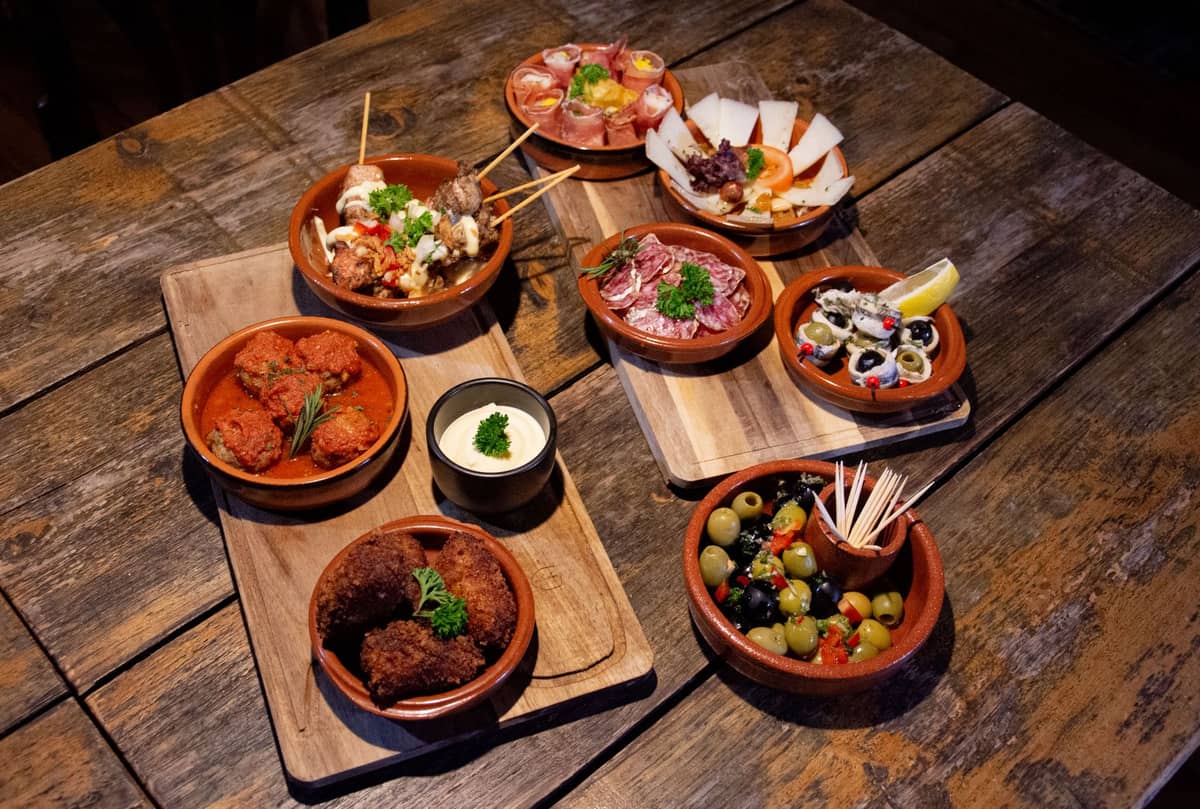
Seville's food identity is rooted in Andalusian tradition: cold soups, chickpea stews, cured pork, and fresh seafood fried simply in olive oil. These are not fusion interpretations. They are working-class recipes that have been served the same way for generations, and the best versions are often found at no-frills bars rather than polished restaurants.
- Salmorejo A thick cold soup made from blended tomatoes, bread, olive oil, and garlic, topped with hard-boiled egg and jamón. Richer and denser than gazpacho. Expect to pay €3.50–4.50 for a tapa portion. It is one of the defining dishes of Seville and worth ordering at every bar that makes it in-house.
- Espinacas con garbanzos Spinach and chickpea stew spiced with cumin, paprika, and sometimes a little vinegar. A Moorish-influenced dish that has been part of Seville's cooking for centuries. It is hearty, earthy, and deeply savoury. A tapa portion costs around €3–4.
- Pescaíto frito Mixed fried fish, usually including small anchovies (boquerones), squid rings (calamares), and red mullet (salmonetes), dusted in seasoned flour and fried in olive oil at high heat. The texture should be crisp with no greasiness. Order a ración to share and eat immediately.
- Presa ibérica A cut from the shoulder of Iberian pigs, grilled to medium and served sliced. This is the dish that converts people who think they do not care about pork. Rich, marbled, and nothing like supermarket pork. Budget €10–14 for a ración.
- Carrillada Slow-braised pork or beef cheeks in a sherry-based sauce. Soft enough to eat with a spoon, intensely flavoured from hours of cooking. A ración usually costs €8–12 and is one of the best-value dishes on any menu.
- Gazpacho The cold tomato soup everyone knows, but the Seville version uses local summer tomatoes and good olive oil. Best in July and August when tomatoes are at peak. Avoid it in winter when it is made from imported, flavourless tomatoes.
- Torrijas Spanish-style bread soaked in milk and egg, fried, and finished with sugar and cinnamon. Think of it as the local answer to French toast. Most commonly found during Semana Santa (Holy Week before Easter) but available at some bakeries year-round.
✨ Pro tip
Jamón ibérico de bellota is everywhere in Seville and the quality varies wildly. The genuine article (from acorn-fed Iberian pigs, with a black hoof label) costs €18–25 for a small plate of hand-sliced ham. If a bar is selling a ración of 'jamón ibérico' for €5, it is not the real thing. Spend the money once on a proper plate at a reputable jamón bar near Calle Orfila or inside the Mercado de Triana.
Where to Eat: Neighbourhoods and Markets
The best everyday tapas bars are concentrated in Triana, the neighbourhood across the Guadalquivir River from the historic centre. The streets around Calle San Jacinto and the riverfront have a higher density of locals-only bars than almost anywhere else in the city. Triana has its own food identity, with a strong tradition of fried fish and offal dishes that you see less frequently on the tourist side of the river.
In the historic centre, the area around La Macarena and the streets north of the old walls (particularly around Calle Feria and Alameda de Hércules) offers a good mix of traditional bars and more contemporary spots. Alameda de Hércules functions as an all-day social hub and has a range of cafés and tapas bars that fill up from early evening. It is popular with students and locals rather than tour groups.
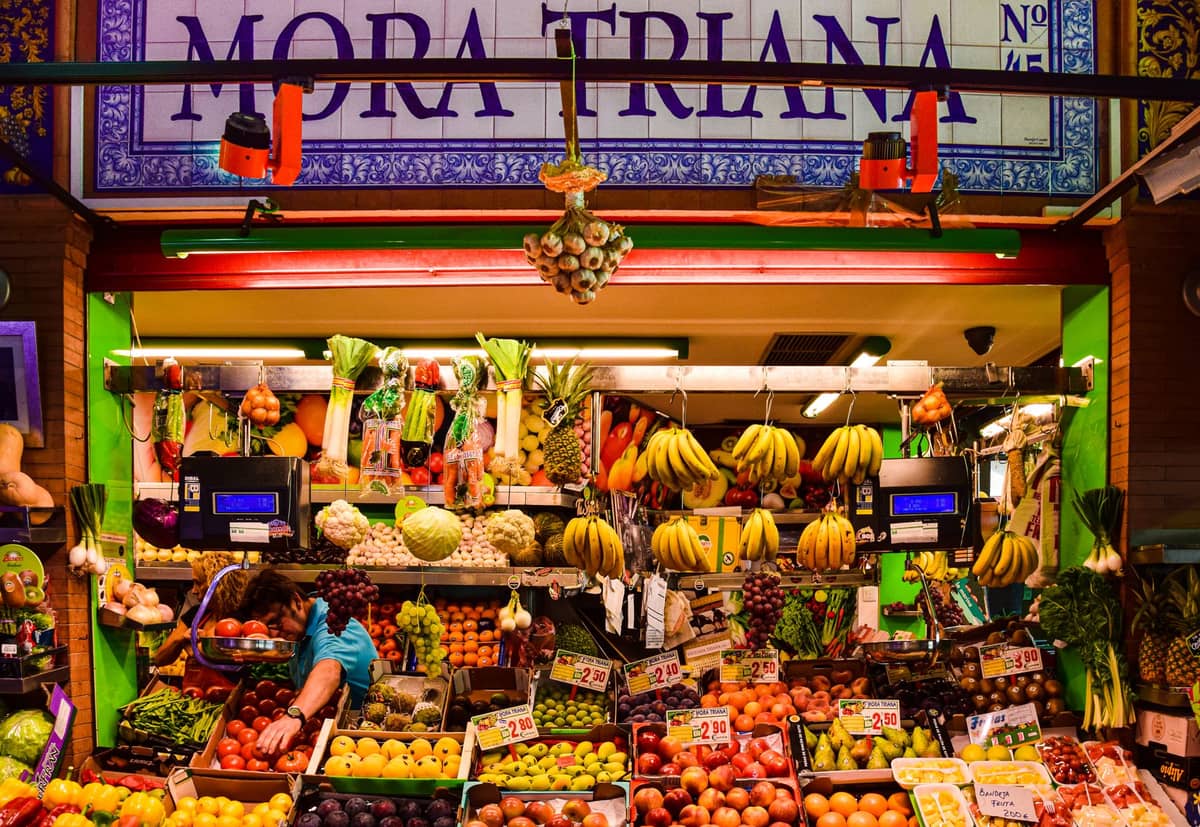
The Mercado de Triana (Calle San Jorge 6) is the better of Seville's two main covered markets for fresh produce and local food shopping. Fresh-produce stalls run Monday to Saturday roughly 08:30–15:00. Fish stalls are typically closed on Mondays. There are also small bar counters inside the market serving breakfast and lunch to locals, which are worth using rather than the cafés on the street outside.
The Mercado Lonja del Barranco (Calle Arjona, near the Isabel II bridge) is a converted 19th-century fish market now housing around 20 food stalls. Hours are roughly 10:00–midnight Sunday through Thursday, and 10:00–02:00 on Friday and Saturday. It is tourist-facing and more expensive than neighbourhood bars, but the setting is attractive and it works well for a relaxed lunch with a glass of wine.
💡 Local tip
Markets in Seville close by early afternoon and do not reopen. If you want to browse fresh produce, buy ingredients, or eat breakfast at a market bar, arrive before 12:00. Arriving at 14:30 will get you mostly closed stalls and frustrated vendors packing up.
Seville's Drinking Culture: What to Order
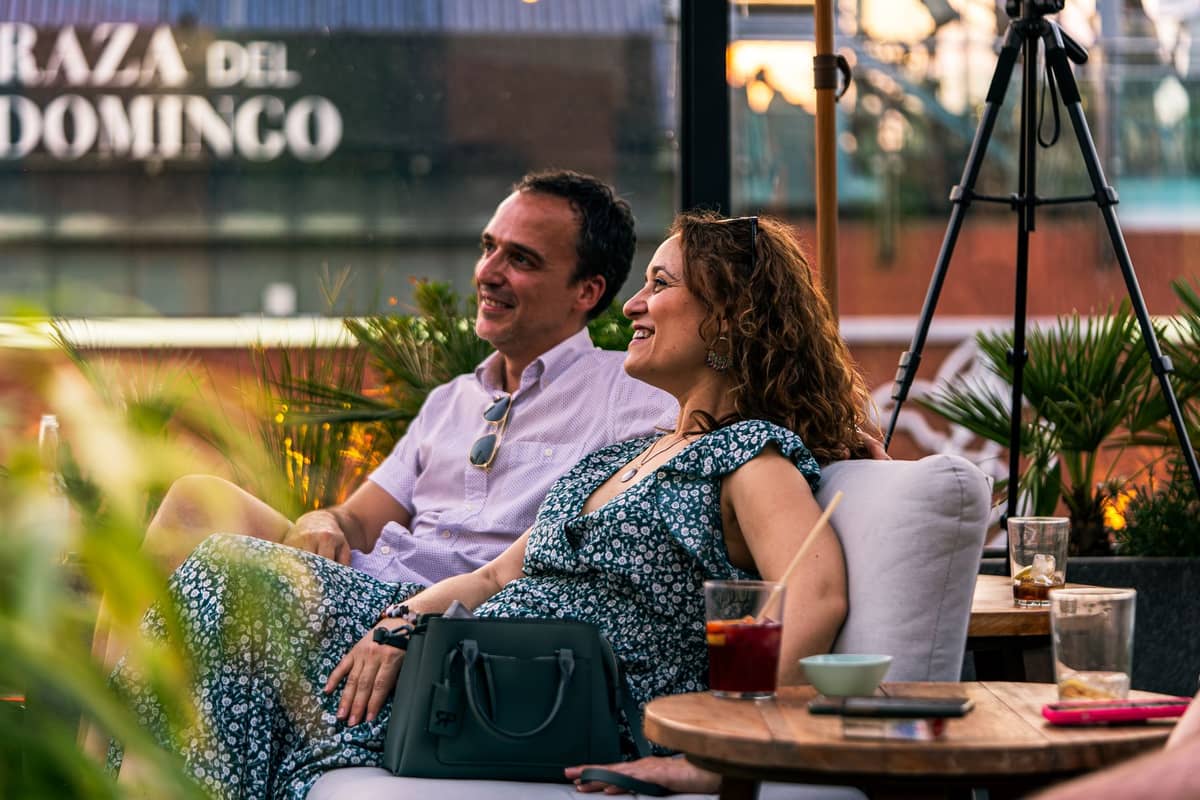
Beer in Seville is usually ordered as a caña (a small draught, roughly 200–250ml) rather than a pint. This keeps the beer cold and fresh in the heat, which is more practical than it sounds when temperatures are above 35°C in summer. The main local brand is Cruzcampo, a light lager brewed in Seville since 1904. It is not a complex beer, but it is perfectly suited to the climate and the food.
Sherry (vino de Jerez) is produced about 80 kilometres south of Seville in the Jerez-Sanlúcar-El Puerto triangle, and Seville is the natural place to drink it. Fino and manzanilla are the styles to order with food: dry, saline, and refreshing when served properly chilled in a copita glass. Amontillado and oloroso work better with cured meats and cheese. Sherry is dramatically underpriced relative to its quality: a glass of excellent fino in a traditional bar typically costs €2–3.
- Fino: bone-dry, pale, and nutty. The standard aperitif with fried fish or jamón.
- Manzanilla: similar to fino but with a distinctive saline quality from aging near the sea in Sanlúcar de Barrameda.
- Amontillado: amber, oxidised, nutty and slightly sweet. Pairs well with cured meats.
- Rebujito: a summer drink mixing manzanilla with lemon-lime soda (7Up or similar). Ubiquitous at the Feria de Abril and refreshing in hot weather.
- Tinto de verano: red wine mixed with soda or lemon Fanta. Lighter than sangria and what locals actually drink in summer.
Eating on a Schedule: Timing Your Meals
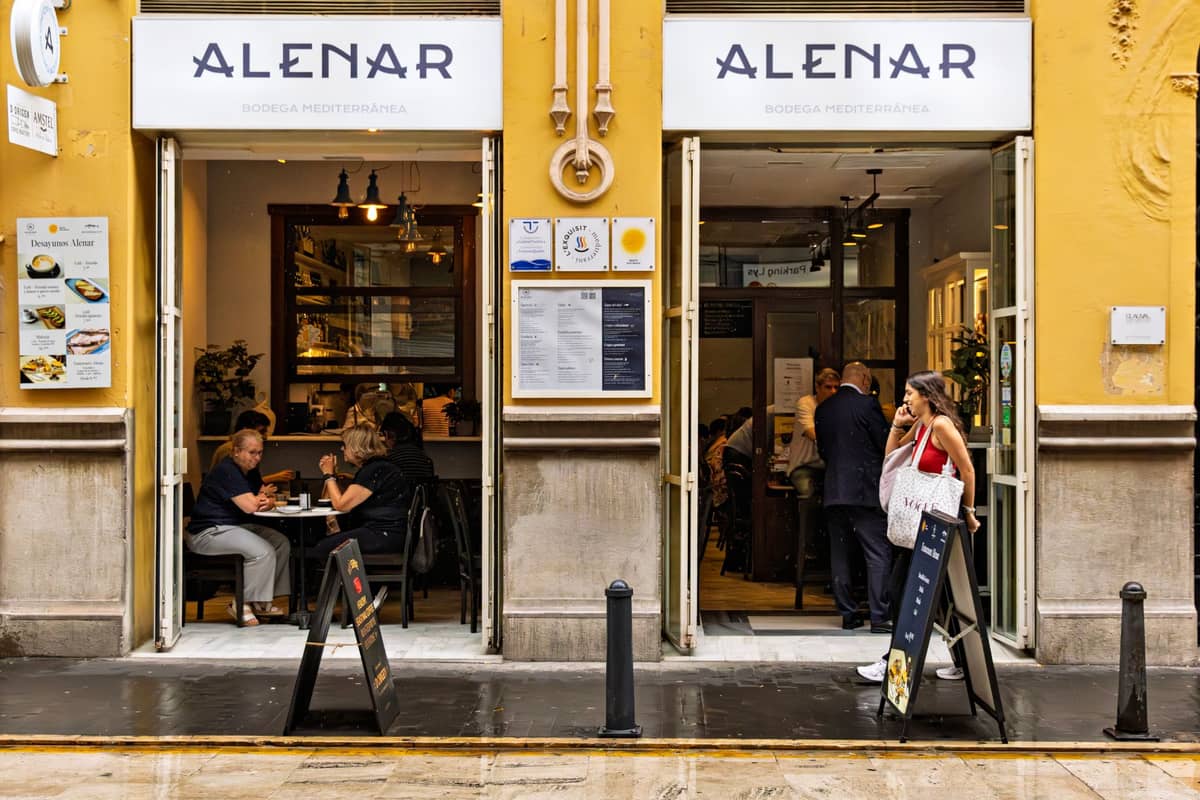
Seville runs on a different clock to northern Europe or North America. Breakfast is light: coffee and a tostada (toasted bread with olive oil and crushed tomato, or butter and jam) at a café between 08:00 and 10:00. A mid-morning snack around 11:00 is common. Lunch is the main meal of the day, typically between 14:00 and 16:00. Many restaurants close between 16:30 and 20:00. Dinner rarely starts before 20:30–21:00 and often runs until midnight.
Visitors who try to eat dinner at 18:30 will find most traditional restaurants closed or running a skeleton kitchen. The ones that stay open all afternoon are usually catering to tourists and the food reflects that. Adjusting to local meal times is not just about cultural respect: the food genuinely tastes better when a kitchen is operating at full capacity for the right service.
In summer (roughly June through September), many restaurants and bars close in mid-afternoon after the lunch service and do not reopen until around 19:00 or 20:00. This is especially relevant in August when some family-run places take a holiday entirely. If you are visiting in peak season, checking ahead or booking via the venue's website is worth doing for weekend evenings. For a broader look at how Seville changes through the year, see the guide to the best time to visit Seville.
Breakfast, Bakeries, and Coffee
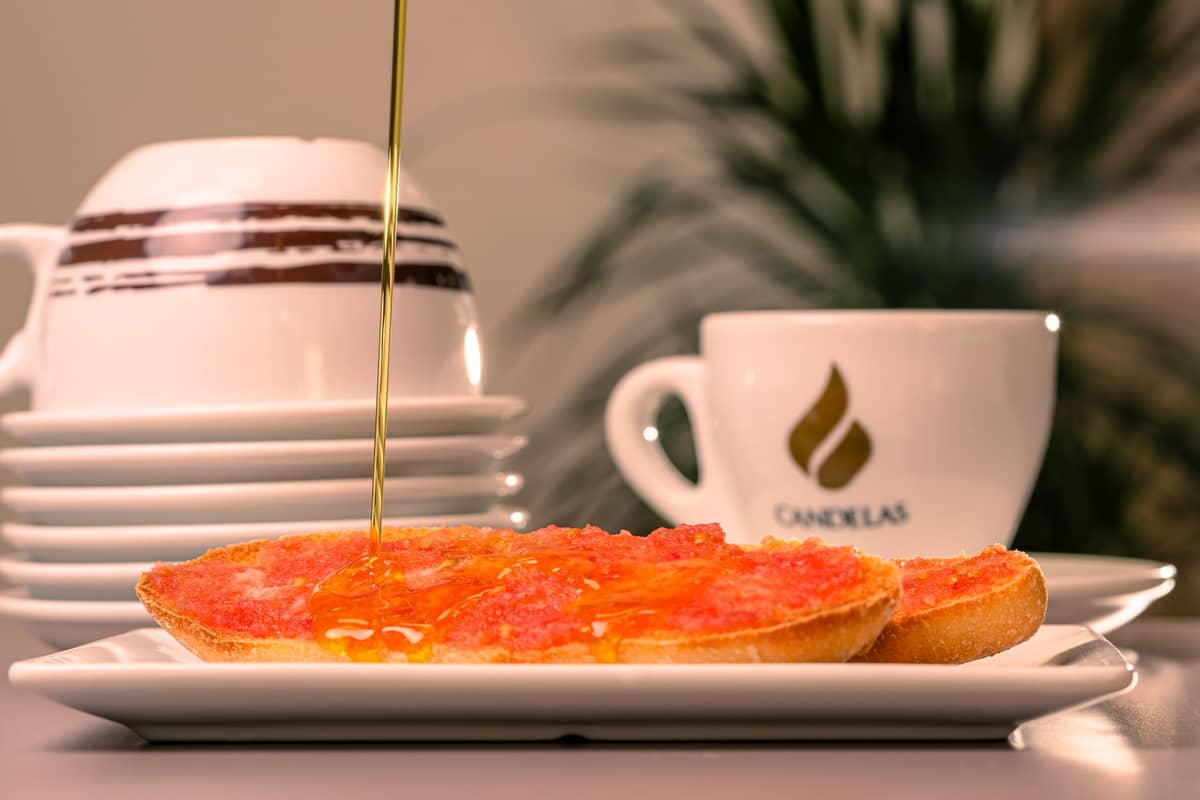
Coffee in Seville follows Spanish conventions. A café solo is a short espresso. A café con leche is half espresso, half hot milk, served in a glass. A cortado is espresso with a small amount of milk. Ordering a 'latte' or 'flat white' will get you a blank stare at a traditional bar. Café con leche and a tostada with tomate (tomato and olive oil) is the standard Sevillano breakfast and one of the best value meals in the city, usually costing €3–4 at a neighbourhood café.
Churros with thick hot chocolate are available but are more of a special-occasion or winter treat than a daily breakfast. The best churros in Seville are found at dedicated churrerías rather than cafés serving them as an afterthought. They are worth trying once, particularly in cooler months when the ritual of dipping fried dough into dense chocolate makes more sensory sense.
ℹ️ Good to know
Seville has a strong tradition of convento sweets: biscuits, marzipan, and pastries made and sold by cloistered nuns. The Convento de Santa Paula in La Macarena and several other convents around the city sell these through small shop windows. The almond-based biscuits, quince pastes and marmalades are particularly good and make practical gifts.
Practical Eating Tips
- Booking on weekends Popular tapas bars do not take reservations and work on a first-come basis. For sit-down restaurants on Friday or Saturday evenings, booking 24–48 hours ahead is advisable, especially from April through October.
- Menú del día Most restaurants offer a set lunch menu (menú del día) on weekdays: usually two courses plus bread, a drink, and sometimes dessert for €10–14. This is consistently the best value way to eat a substantial meal in Seville.
- Cash vs card Card payment is widely accepted but small bars, market stalls, and churrerías often prefer cash. Carrying €20–30 in small notes saves friction.
- Tipping Tipping is not mandatory in Spain. Rounding up to the nearest euro or leaving small change on the counter is customary and appreciated at neighbourhood bars. For sit-down restaurant meals, 5–10% is considered generous.
- Fish stalls on Mondays Fresh fish at markets is typically not available on Mondays because fishing boats do not usually go out on Sundays. Plan fish-based meals for Tuesday through Saturday.
FAQ
Are tapas free in Seville like they are in Granada?
No. In Seville, tapas are paid dishes. You order and pay for each one individually. The Granada tradition of a free tapa with every drink does not apply here. Budget €3–5 per tapa and €10–15 for a full meat or fish dish.
What is the most iconic food in Seville?
Salmorejo is the dish most closely identified with Seville: a cold, thick tomato soup enriched with bread and olive oil, topped with hard-boiled egg and jamón. It is richer than gazpacho and found on virtually every traditional bar menu. Espinacas con garbanzos (spinach and chickpea stew) is a close second.
When do restaurants open for dinner in Seville?
Traditional restaurants rarely start dinner service before 21:00. Many do not fill up until 22:00. Kitchens typically close between 23:30 and midnight. Arriving at 19:00 for dinner will often mean eating alone in an empty restaurant with limited menu availability.
What is the best market to visit in Seville for food?
The Mercado de Triana (Calle San Jorge 6) is the best option for fresh produce and local atmosphere. It operates Monday to Saturday, roughly 09:00–15:00. The Mercado Lonja del Barranco near the riverfront is more tourist-oriented but has longer hours (from about 10:00 until midnight most nights, and until around 02:00 on Friday and Saturday) and a wide variety of cooked food stalls.
Is eating out in Seville expensive?
Seville is one of Spain's more affordable cities for food. A tapa costs €3–5, a set weekday lunch menu runs €12–17, and a full evening of tapas for two across several bars typically costs €40–60. This compares favourably to Madrid or Barcelona, where equivalent quality costs noticeably more.
Tickets & tours
Live prices and dates from our booking partner. If you book, we may earn a commission at no extra cost to you.
Planning a trip? Discover personalized activities with the Nomado app.