Shopping in Seville: Best Streets, Markets & What to Buy
Seville rewards shoppers who know where to look. This guide covers the best shopping streets, markets, and authentic products to buy in Sevilla, from azulejos and flamenco accessories to olive oil and vintage finds at El Jueves.
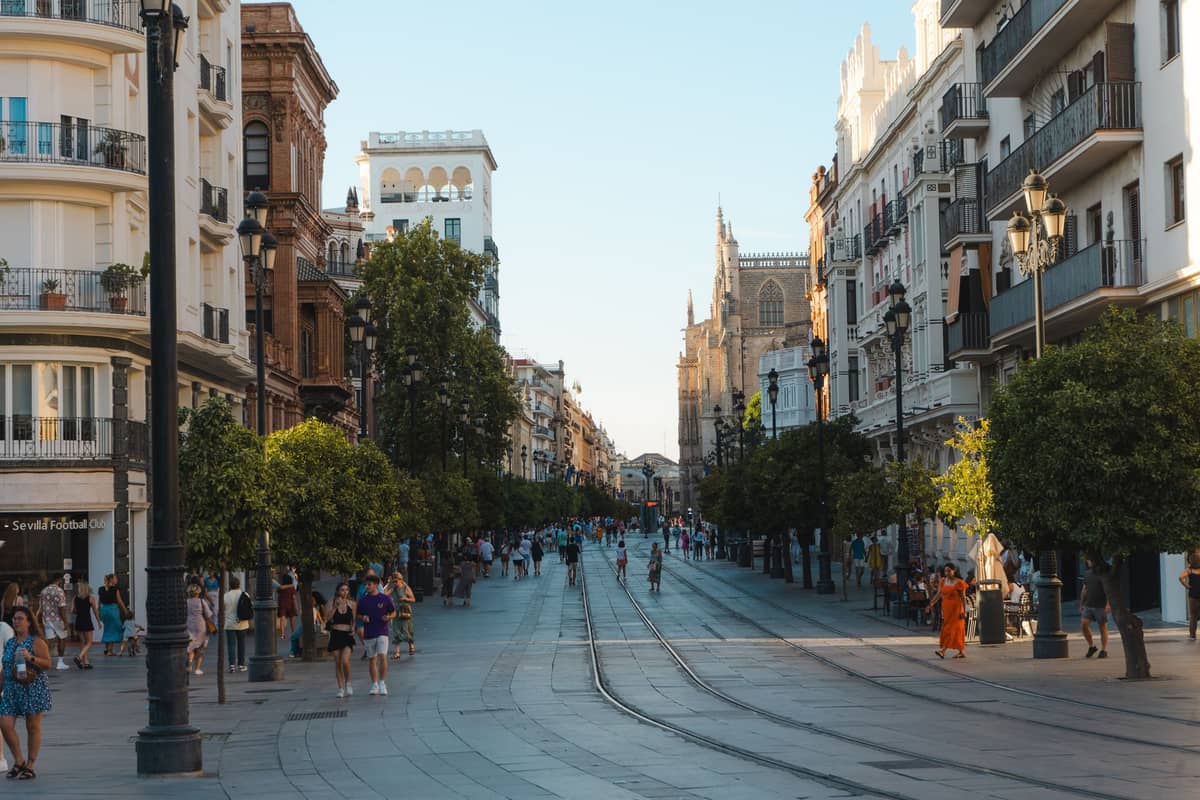
Tickets & tours
Live prices and dates from our booking partner. If you book, we may earn a commission at no extra cost to you.
TL;DR
- The main shopping spine is pedestrian Calle Sierpes and Calle Tetuán in the historic centre, lined with Spanish fashion, leather goods, and traditional accessories.
- For authentic ceramics, head to Triana — its market and surrounding shops are the real deal, not the cathedral souvenir stalls.
- El Jueves flea market on Calle Feria runs Thursday mornings only (roughly 07:00–15:00) and is one of Spain's oldest street markets.
- Many small shops still close for a midday break; traditional hours are roughly 09:00–15:00 and 17:30–20:30, Monday–Saturday.
- The best souvenirs to buy are hand-painted azulejos, extra-virgin olive oil, embroidered shawls, and local sweets like polvorones and turrón.
The Main Shopping Streets: Where Sevillanos Actually Shop
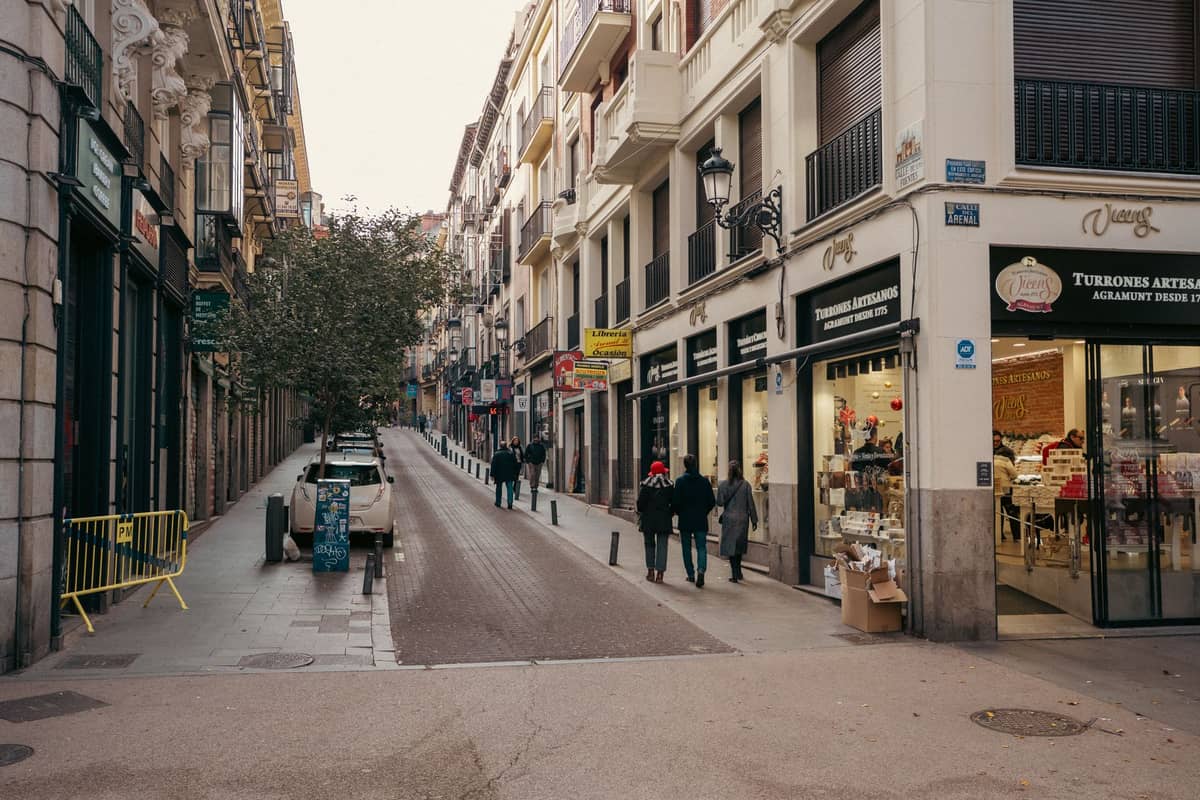
Shopping in Seville centres on a compact pedestrian zone that runs through the heart of the old city. Calle Sierpes is the backbone: a narrow, car-free street stretching from Plaza del Salvador down toward Plaza de San Francisco. It's flanked by Spanish chain stores, independent shoe shops, perfumeries, hat shops selling classic Spanish sombreros, and confectionery stores with window displays of handmade chocolates. This is where locals come for everyday purchases, not just tourists hunting for souvenirs.
Calle Tetuán runs parallel and connects into the same pedestrian network, with a slightly more fashion-forward mix including international brands alongside local boutiques. Together, these two streets form the commercial core you'd find in any Andalusian city, but Seville's versions are wider, better stocked, and backed by a historic streetscape that makes the browsing genuinely enjoyable. Branching off from here, Calle Velázquez and Calle O'Donnell add more options without the crowds.
💡 Local tip
Avoid shopping on Sunday afternoon or Monday morning. Most independent shops are closed Sunday afternoon, and some smaller stores stay closed Monday morning too. The busiest and best-stocked times are Tuesday through Saturday, mid-morning.
For a more local, less commercial atmosphere, the streets around Calle Feria in the La Macarena district offer independent shops, second-hand bookstores, and small neighbourhood businesses that have barely changed in decades. It's also where the El Jueves flea market sets up every Thursday morning, which alone makes it worth the walk north from the centre.
Seville's Markets: From Fresh Food to Antiques
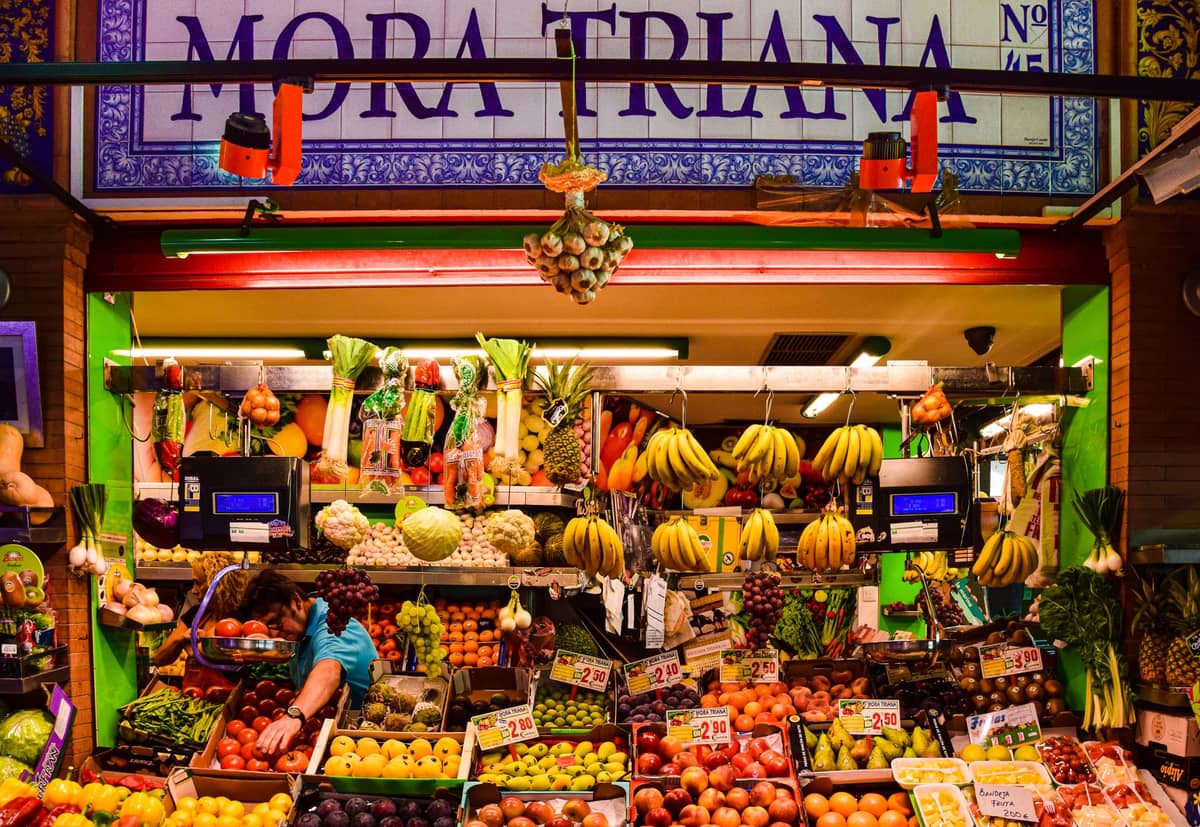
The Mercado de Triana is the most interesting food market in the city for visitors, not because it's tourist-oriented but because it isn't. Locals shop here for fresh produce, meat, and fish on the ground floor, while the stalls around the perimeter sell packaged goods worth taking home: local olive oil, Andalusian wines, Iberian cured meats, and preserved goods from the region. The market sits above the ruins of the Castillo de San Jorge, and there's a small archaeological museum built into the structure. Municipal market stalls generally operate Monday to Saturday, approximately 08:30–15:00, with fish stalls typically closed on Mondays.
El Jueves, held every Thursday morning on Calle Feria in the La Macarena neighbourhood, is one of Spain's oldest flea markets. It runs from roughly 07:00 to 15:00 and specialises in antiques, vintage clothing, second-hand books, coins, and collectibles. Arrive before 10:00 for the best selection and to avoid the midday crowd. This is not a craft fair or a tourist market — vendors are mostly dealers and private sellers, and bargaining is expected. The name means 'Thursday' in Spanish, so the 'Thursday-only' schedule is baked into the name itself.
- Mercado de Triana Covered food market in Triana. Best for local olive oil, cured meats, wine, and fresh produce. Mon–Sat approx. 08:30–15:00 (fish stalls closed Mondays).
- El Jueves Flea Market (Calle Feria) Thursday mornings only, roughly 07:00–15:00. Antiques, vintage items, second-hand books, collectibles. One of Spain's oldest street markets.
- Mercado de Feria One of Seville's oldest food markets, focused on seasonal fruit, vegetables, and local groceries. Primarily serves the local neighbourhood.
- Plaza del Duque / La Magdalena Market Open-air market running Thursday to Sunday, approximately 10:00–21:00. Fashion, accessories, and general goods.
- Metropol Parasol Market (Las Setas) Gourmet food, local wines, and craft gifts sold beneath the iconic wooden structure. More tourist-friendly than the municipal food markets.
- Mercado Lonja del Barranco A converted 19th-century iron market building on the riverfront, now a food hall with multiple vendors. Better for eating than for shopping, but worth knowing.
⚠️ What to skip
El Jueves runs on Thursdays only, not daily. It's a common mistake to turn up on a Friday expecting the market to still be there. If you're visiting Seville mid-week and Thursday falls on a public holiday, the market may be cancelled or relocated — check locally before making it a priority.
What to Buy in Seville: The Authentic and the Overrated
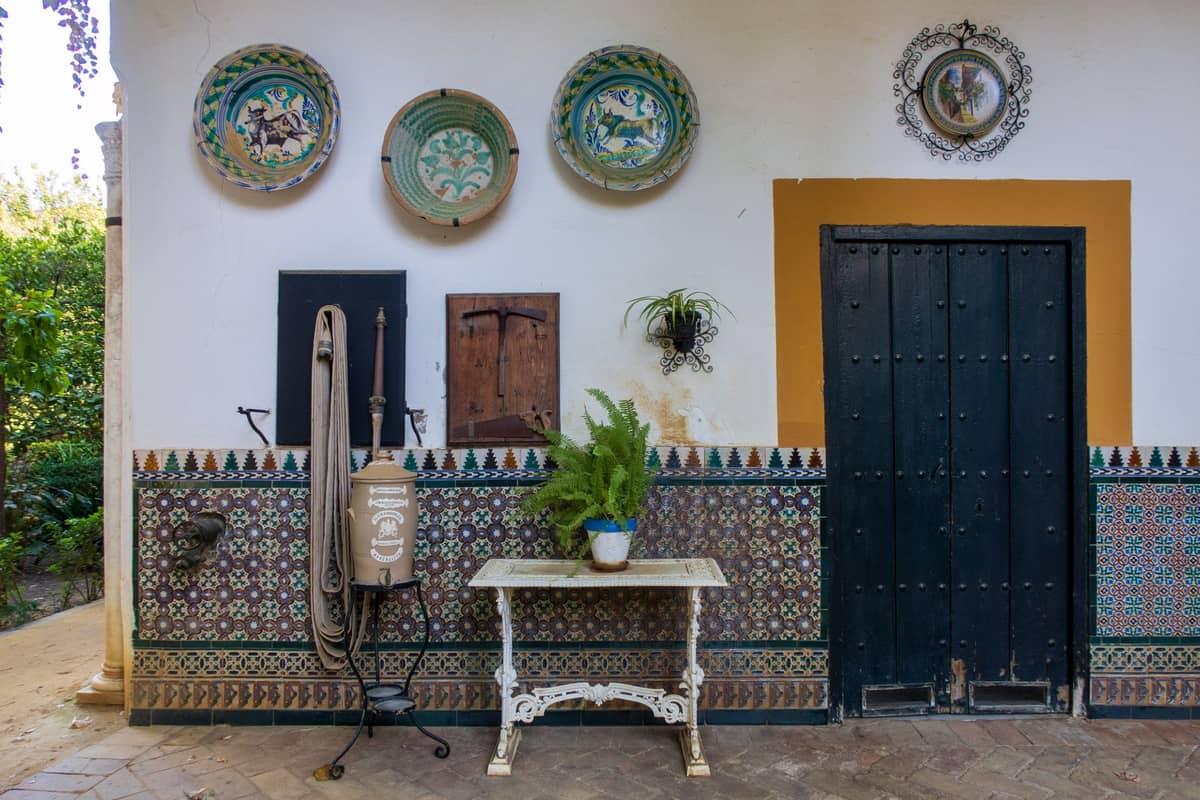
Seville's best souvenirs are the ones with genuine regional roots. Hand-painted ceramics (azulejos) are the standout: Andalusian tilework has a continuous tradition going back to Moorish craftsmen, and Triana remains the production centre. The difference between a piece bought in a Triana workshop or the Mercado de Triana versus one picked up on Calle Mateos Gago near the cathedral is significant, both in quality and price. The tourist-area pieces are often mass-produced in China. The Triana ones are not.
Flamenco accessories are another legitimate buy, especially around Feria de Abril and Semana Santa, when local shops stock full traje de flamenca dresses, mantillas, castanets, and hand-painted fans for the festival season. Outside these periods, dedicated flamenco clothing shops on Calle Sierpes and around the centre stock quality pieces year-round. Budget options exist, but a well-made flamenco fan or embroidered shawl from a specialist shop is noticeably different from the cheap alternatives sold near the major sights.
- Hand-painted azulejos and ceramic tiles from Triana workshops
- Extra-virgin olive oil from Andalusia — look for single-estate bottles in the food markets
- Flamenco accessories: fans (abanicos), embroidered shawls (mantones), castanets
- Local sweets: polvorones (shortbread), turrón (nougat), and piononos from nearby Granada
- Seville orange products: marmalade, candied peel, liqueur — the city's bitter oranges are famous
- Iberian cured meats and chorizo, vacuum-packed for travel
- Fortified wines from nearby Jerez (sherry) and Montilla, available in food markets and specialist wine shops
✨ Pro tip
Seville's famous bitter oranges (naranjas amargas) line the streets of the historic centre and are not edible raw. But marmalade, candied peel, and orange liqueur made from them make genuinely distinctive gifts. Look for these at the Mercado de Triana or gourmet food shops rather than the tourist stalls, where quality varies widely.
Shopping in Triana: The Ceramics District
Triana, Seville's district across the Guadalquivir, has produced ceramics for centuries. The Centro Cerámica Triana is the best starting point: it's a museum built on the site of a historic kiln (alfar), documenting the full history of Triana's ceramic tradition from Moorish origins through to the 20th century. Entry is cheap and the context it gives makes the surrounding shops more meaningful.
From the Centro Cerámica, walk along Calle Alfarería and the surrounding streets to find working studios and shops selling hand-painted tiles, bowls, jugs, and decorative plates. Prices vary considerably: small decorative tiles start around €5–10, while larger hand-painted panels or complex pieces can run to several hundred euros. The quality difference is visible. Unlike the souvenir tiles sold near the Seville Cathedral, pieces from Triana workshops are typically signed by the maker and painted by hand, not printed.
Practical Shopping Tips for Seville
Opening hours catch visitors out more than any other practical issue. Traditional businesses in Seville, particularly smaller shops and some market stalls, still observe a midday break. A common pattern is roughly 09:00–15:00 and 17:30–20:30, Monday to Saturday. Large chain stores on Sierpes and Tetuán tend to stay open through the afternoon, but smaller independents do not. If you arrive at a closed shop at 15:30, come back after 17:30.
For context on how shopping fits into a broader itinerary, the 3 days in Seville guide suggests pairing a morning at the Mercado de Triana with an afternoon exploring the neighbourhood's ceramic shops — a logical combination since both are within easy walking distance. Markets are best visited in the morning when stock is fresh and crowds are manageable. By midday, especially in summer when temperatures regularly exceed 35°C, the covered markets become uncomfortable and open-air stalls start packing up.
For budget-conscious shoppers, most of the city's best shopping is free to browse. The Seville on a budget guide covers how to approach the city without overspending, including which markets to prioritise and where tourist pricing inflates costs. The short answer: anything within 200 metres of the Real Alcázar or the cathedral will be priced at tourist rates. Walk five minutes in any direction and prices drop noticeably.
ℹ️ Good to know
Seville adds temporary pop-up markets and sees a sharp increase in demand for traditional clothing and accessories around Semana Santa and Feria de Abril. If you're visiting during these periods and want to buy a traje de flamenca or traditional mantilla, book ahead with specialist shops or expect higher prices and reduced availability close to the dates.
Modern Shopping and Department Stores
Not everything in Seville's shopping scene is artisan or market-based. The Nervión district, east of the historic centre, is the main zone for modern commercial shopping. Centro Comercial Nervión Plaza is the city's largest mall, with Spanish and international fashion chains, a large El Corte Inglés department store, and a cinema. El Corte Inglés on Plaza del Duque de la Victoria, right off Calle Sierpes, is the more central option — its gourmet food hall in the basement is genuinely good for packaged regional products to take home.
Modern shopping in Seville is perfectly competent but not the reason to come here. The international brands are the same ones you'd find in Madrid or Barcelona. What makes shopping in Seville worth doing is the concentration of genuinely local products within a walkable historic area. Focus on the markets, the ceramics district in Triana, and the specialist shops along Sierpes and Feria rather than the malls, and you'll leave with things you can't easily find elsewhere.
FAQ
What is the best market to visit in Seville?
For food and local products, the Mercado de Triana is the best combination of authenticity and tourist-friendly packaging. For antiques and vintage finds, El Jueves on Calle Feria every Thursday morning is hard to beat. If you want a more modern food hall experience, Mercado Lonja del Barranco on the riverfront is worth a look, though it's more restaurant than market.
Where can I buy authentic Seville ceramics?
Triana is the place. Visit the Centro Cerámica Triana for context, then browse the workshops and shops along Calle Alfarería and surrounding streets. Avoid the ceramic tiles and plates sold in the Santa Cruz neighbourhood near the cathedral — these are overwhelmingly mass-produced tourist items, not hand-painted Triana work.
Do shops close in the afternoon in Seville?
Many traditional and independent shops still observe a midday break, typically closing around 15:00 and reopening around 17:30. Large chain stores on the main shopping streets usually stay open all day. Markets are generally morning operations, running from around 08:30 to 15:00.
When is the best time to shop in Seville?
Mid-morning on a weekday is ideal for markets and smaller shops. Spring (March to May) and autumn (late September to October) offer the most comfortable temperatures for walking between shopping areas. Avoid July and August for outdoor market browsing — daytime highs regularly exceed 35°C and many stalls close early or skip days entirely.
What food items can I bring home from Seville?
Extra-virgin olive oil, vacuum-packed Iberian cured meats and chorizo, turrón, polvorones, Seville orange marmalade, and fortified wines from Jerez (sherry) or Montilla are all good options. Buy from the Mercado de Triana or gourmet food sections of El Corte Inglés for better quality than the tourist shop versions. Check your home country's customs rules for meat and plant products before buying.
Tickets & tours
Live prices and dates from our booking partner. If you book, we may earn a commission at no extra cost to you.
Planning a trip? Discover personalized activities with the Nomado app.