Seville in Summer: How to Survive the Heat and Still Have an Incredible Trip
July and August in Seville mean scorching temperatures regularly above 35°C, occasional heatwaves above 40°C, and almost zero rain. This guide gives you the strategies, timing, and specific attractions to make summer work in your favor rather than against you.
Tickets & tours
Live prices and dates from our booking partner. If you book, we may earn a commission at no extra cost to you.
TL;DR
- July and August daytime highs average around 36°C, with heatwaves pushing past 40°C. Plan outdoor sightseeing before 11:00 or after 19:00.
- Major attractions including the Seville Cathedral and Real Alcázar remain open all summer with adjusted hours. Book tickets online in advance to skip queues in the heat.
- The Real Alcázar offers evening visits in summer (around 21:00–22:30), a far more comfortable option than a midday queue. See our Real Alcázar guide for details.
- TUSSAM buses with a tourist card (1-day around €5, 3-day around €10) let you hop between air-conditioned museums and neighborhoods without walking through peak heat.
- Summer is the low-pressure season for culture but a high-pressure season for temperatures. If flexibility allows, spring and autumn are climatically kinder, but summer is absolutely manageable with the right approach.
What Summer in Seville Actually Feels Like
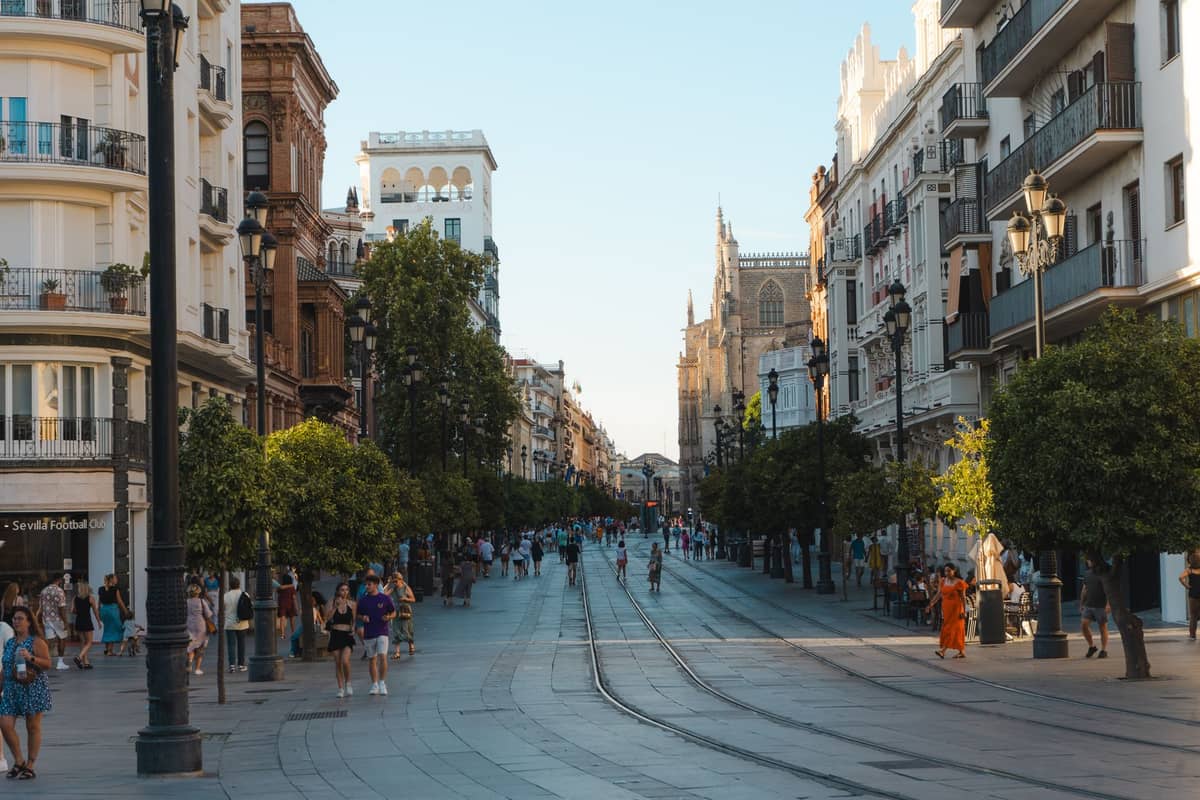
Seville sits at roughly 37.4°N latitude in the Guadalquivir river basin, surrounded by flat agricultural land that absorbs and radiates heat with remarkable efficiency. The city holds the record for the highest reliably documented temperature in mainland Spain, and in July and August average daily highs sit around 36°C. Mean temperatures for those months hover around 28–29°C once you factor in the slightly cooler nights, but that figure is misleading on the street at 3pm when the pavement is radiating stored heat and the sun is directly overhead.
The saving grace: summer in Seville is almost completely dry. Monthly rainfall in June, July, and August is negligible, often under 5mm for the entire month. You will not lose a day to rain. The air is also dry rather than humid, which makes high temperatures marginally more tolerable than in coastal cities. A light breeze in the evening genuinely cools things down, which is why the hours after 8pm feel like a different city entirely.
⚠️ What to skip
Heatwaves above 40°C are not unusual in July and August. Check the Spanish meteorological agency (AEMET) forecast before each day and take warnings seriously. Heat exhaustion can develop quickly when walking long distances on exposed streets. Carry at least 1.5 liters of water per person during any outdoor excursion.
The city does not empty in summer the way some people assume. Many Sevillanos take August holidays, which reduces local traffic and creates a quieter atmosphere in residential neighborhoods like Triana and La Macarena. Tourist numbers, however, remain high through July before thinning slightly in August. Expect crowds at major sights but shorter queues at smaller museums and churches.
The Golden Rule: Structure Your Day Around Temperature
The single most important adjustment for a summer visit is treating the midday hours as a hard stop for outdoor activity. The window from roughly 13:00 to 18:00 is when temperatures peak and the streets in the historic center become genuinely uncomfortable for extended walking. This is not a quirk of delicate tourists. Locals have adapted their entire daily rhythm to this reality for generations, and the siesta schedule exists for a reason.
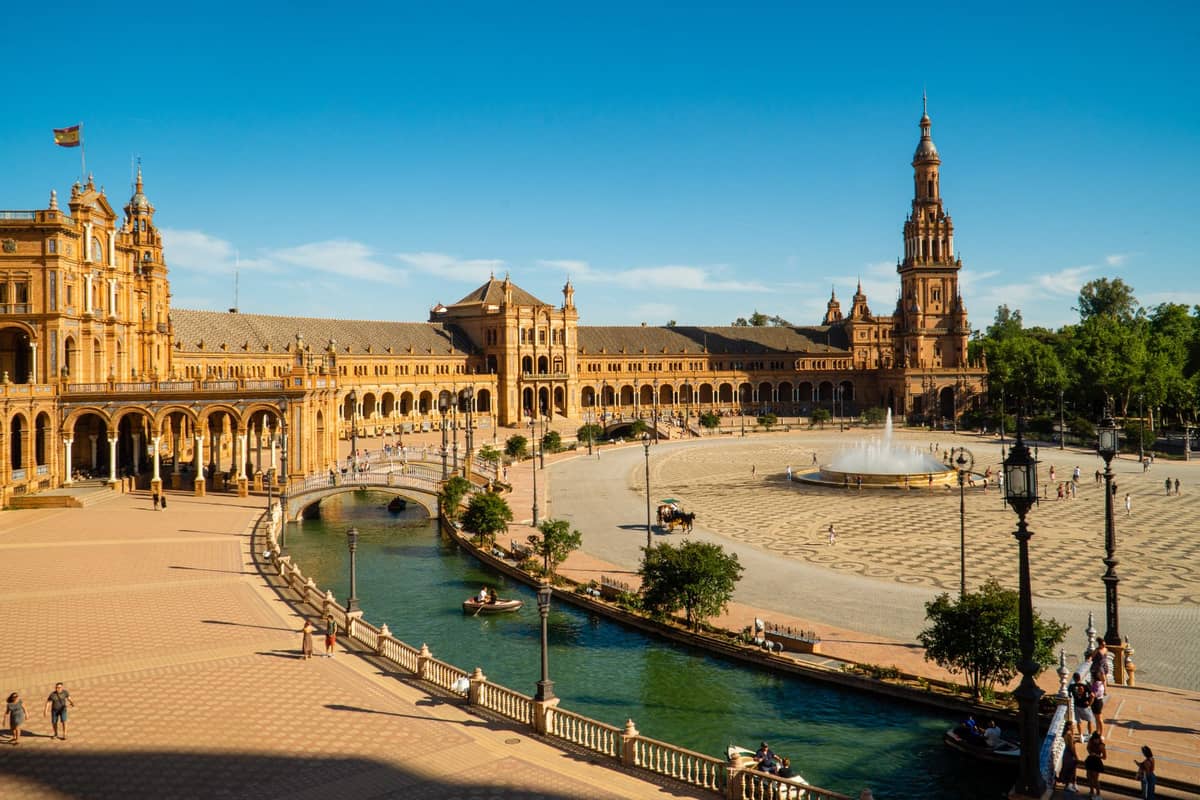
- 07:00–11:00: Outdoor monuments and walking Parque de María Luisa, Plaza de España, the riverside promenade, and the exterior streets of Santa Cruz are all pleasant in the early morning. Temperatures are 10–15 degrees lower than midday peaks.
- 11:00–13:30: Indoor attractions with advance tickets Seville Cathedral, the Real Alcázar, the Museo de Bellas Artes, or Casa de Pilatos. Air-conditioned or thick-walled interiors. Book online to avoid standing in exposed queues.
- 13:30–18:00: Lunch, rest, and air-conditioned spaces A long lunch in a restaurant with AC, followed by a genuine rest in your accommodation. Alternatively, shopping centers in Nervión offer several hours of cool respite.
- 18:00–22:00: The city comes back to life The streets fill again as temperatures drop. Evening tapas, a walk through Triana, the Alcázar night visit, a flamenco show, or a stroll along the Guadalquivir are all at their best now.
- 22:00 onwards: Dinner and nightlife Sevillanos eat late. Dinner at 21:30 or 22:00 is normal in summer. The evening air after sunset is the most enjoyable time to be outdoors, and many plazas remain lively until midnight.
✨ Pro tip
Book Real Alcázar evening slots as soon as they become available, particularly in July. These half-hourly sessions from around 21:00 give you the palace and gardens in cooler air, with fewer people than the daytime sessions and more atmospheric lighting. They sell out well in advance.
Major Attractions in Summer: Hours, Prices, and Honest Advice
A persistent misconception is that Seville's main sights shut down or scale back significantly in peak summer. In fact, the Seville Cathedral and Giralda tower remain fully operational, though with schedules that differ from shoulder season. Current general hours run Monday through Saturday 11:00–18:00 and Sunday 14:30–19:00, with specific July and August timetables that should be confirmed on the official cathedral website before your visit. General admission is around €13 online or €14 at the ticket desk. A free public visit slot runs on Sunday afternoons (16:30–18:00, excluding holidays), requiring advance online reservation, which is worth securing if you're watching costs.
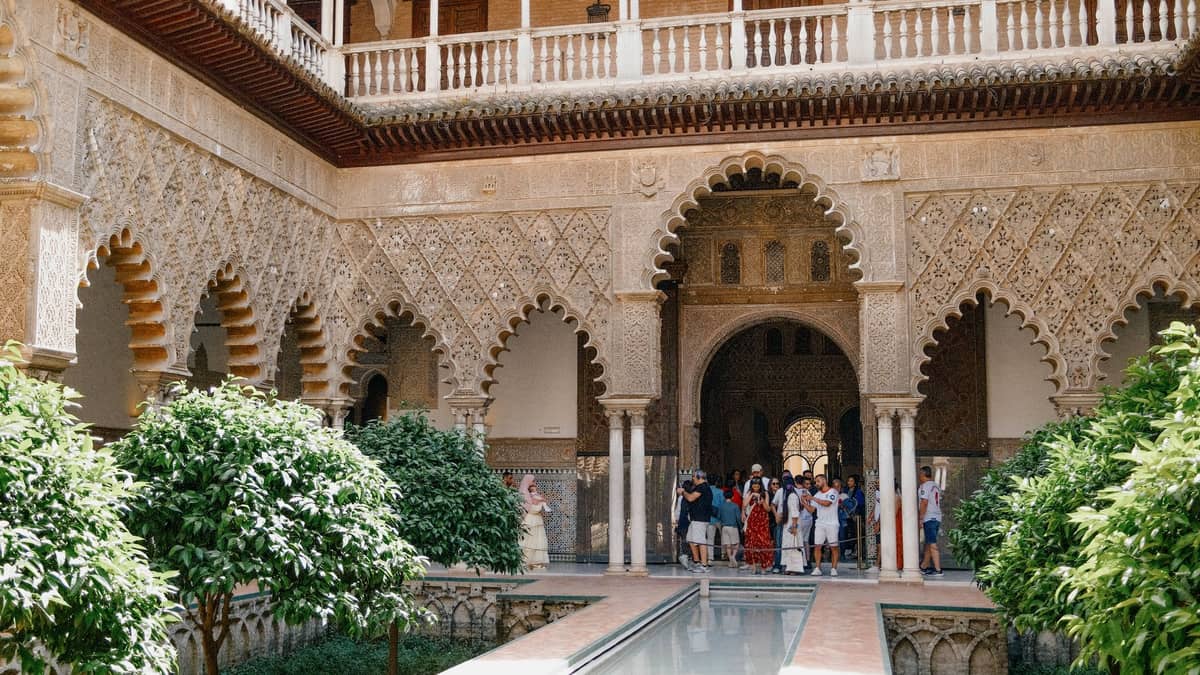
The Real Alcázar opens at 09:30 in summer (April through September) with last entry at 18:00 and closing at 19:00. The gardens alone are worth arriving early for, before the heat concentrates in the open courtyard areas. As noted above, the evening visits running approximately 21:00–22:30 are among the best value summer experiences in Seville and should be prioritized over a standard midday visit if you have the choice.
- Museo de Bellas Artes One of Spain's finest fine art collections, housed in a converted convent. Free entry for EU citizens. Thick walls keep it genuinely cool, and summer crowds here are far lighter than at the cathedral.
- Casa de Pilatos A stunning Renaissance-Mudéjar palace that most summer visitors walk past on their way to the Alcázar. Admission around €12 for the full palace. Rarely crowded and architecturally extraordinary.
- Setas de Sevilla (Metropol Parasol) The rooftop walkway and undercroft museum are good evening options. The views from the top are best at dusk when the city cools and the light is warm.
- Flamenco shows Indoor tablao performances run year-round and are an excellent evening activity when temperatures are still high but outdoor wandering feels limited. Shows typically run 60–90 minutes.
Getting Around Without Melting
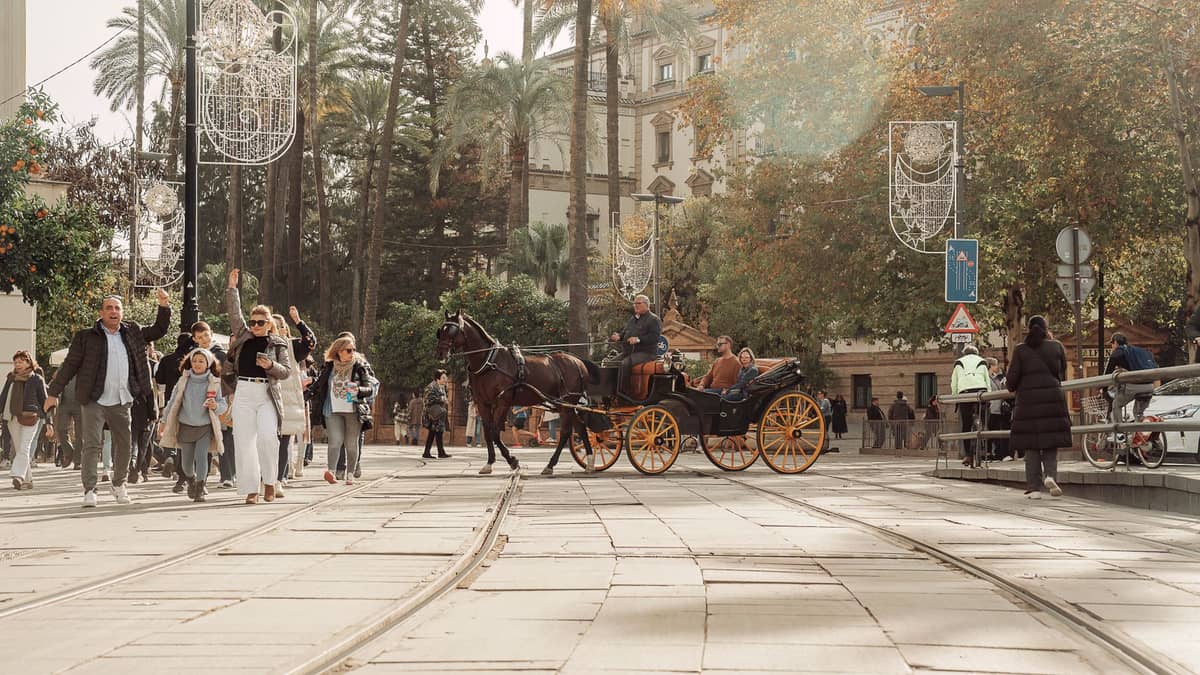
Walking is the default way to explore Seville's historic center, but summer demands a more pragmatic approach. The distances between neighborhoods are not enormous, but covering them on foot at 14:00 in direct sun is a different proposition from a mild October afternoon. The TUSSAM city bus network covers most of Seville's neighborhoods and connects the historic center with Triana, the Nervión shopping district, and Parque de María Luisa. A 1-day tourist card costs around €5 and a 3-day card around €10 for unlimited rides. Single journeys on rechargeable travel cards are approximately €0.35–€0.38, making the bus an extremely inexpensive way to connect air-conditioned sights.
The MetroCentro tram runs a short central route between Plaza Nueva and San Bernardo, useful for a few specific central hops. The Metro de Sevilla (Line 1) is more relevant for reaching the outer suburbs than for tourist sightseeing. Taxis from a rank or ride-hailing apps (Uber and Cabify both operate in Seville) are a reasonable option for short afternoon transfers between cool interiors. See the full getting around Seville guide for a comprehensive breakdown of transport options and costs.
💡 Local tip
Seville has an extensive cycling infrastructure and Sevici bike-share stations across the city. Early morning cycling is genuinely pleasant in summer, but cycling in the heat of the afternoon is not recommended and potentially dangerous. Rent for the early morning and return the bike before noon.
Eating and Drinking in Summer: What Works and What Doesn't

Summer eating in Seville follows the same logic as everything else: timing matters. Lunch is served between roughly 14:00 and 16:30, which lines up perfectly with the midday heat break. A long, leisurely lunch in a restaurant with air conditioning is not laziness. It is the most rational use of the worst hours of the day. For a guide to what to order, see what to eat in Seville, but in summer specifically: cold gazpacho and salmorejo are everywhere and genuinely refreshing, local craft beers and chilled fino sherry pair well with tapas, and the standing bars in the Triana market area are worth a morning visit before heat peaks.
The Mercado de Triana and Mercado Lonja del Barranco both have indoor food stalls and seating, making them good midday options when outdoor eating is less comfortable. Avoid tourist-trap restaurants on the main plaza frontages near the cathedral, particularly in peak summer when menus prioritize throughput over quality. The side streets of La Macarena and the backstreets around Alameda de Hércules have far better tapas at half the price.
Day Trips from Seville in Summer: What to Consider
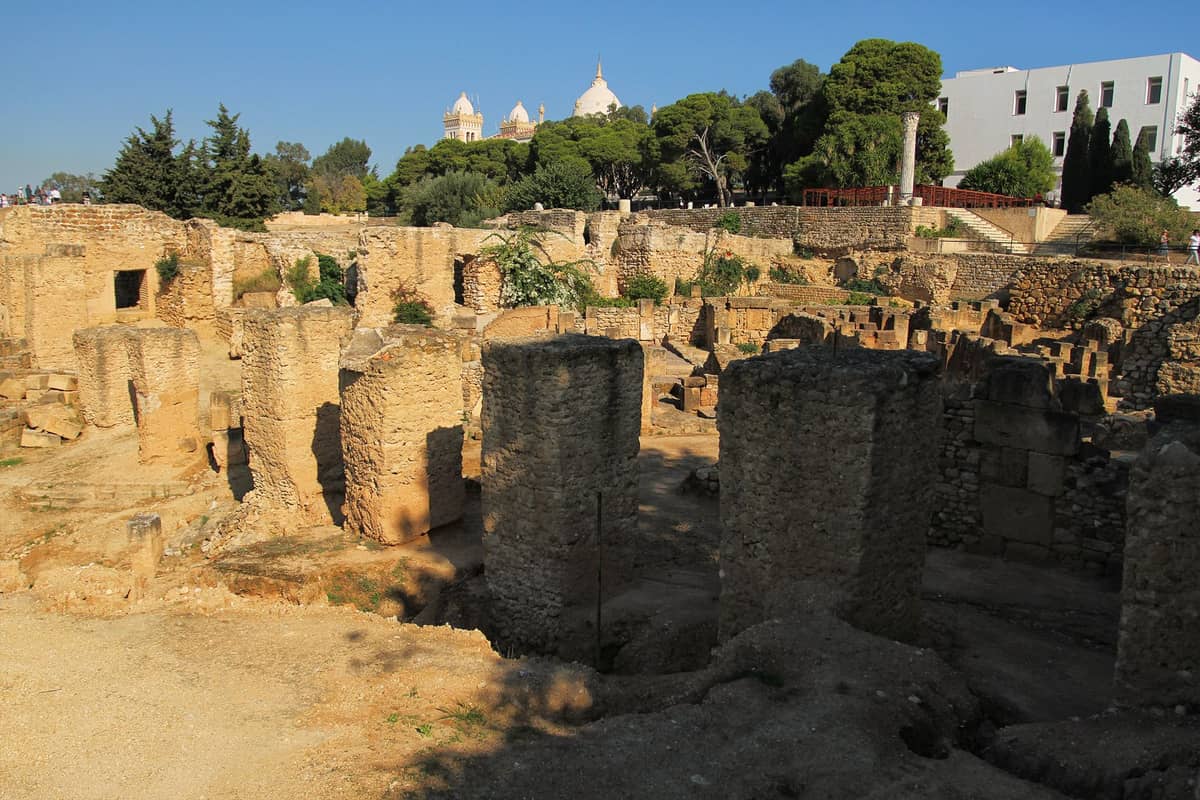
Day trips are worth considering in summer, but heat applies equally to the surrounding region. The Roman ruins at Italica, located just about 9km north of the city, are almost entirely exposed and best visited early morning before 10:00. The historic town of Carmona makes a manageable half-day excursion. Córdoba and Granada are both possible on the AVE high-speed train, though both cities share Seville's summer heat profile. For a broader look at what's accessible, see the day trips from Seville guide. One genuinely summer-appropriate option is Doñana National Park, where cooler marsh areas and early morning wildlife activity offer a different pace, though the southern beaches along the Costa de la Luz are where most Sevillanos actually head to escape the heat in August.
If you're weighing up cities in Andalusia, summer heat is similar across the region. Seville vs Granada is a common comparison: Granada sits at higher elevation (around 700m above sea level) and is marginally cooler, but the difference is modest. Both cities reward early rising and late evenings in summer.
Budget and Practical Notes for Summer Visitors
Summer is not the cheapest time to visit Seville in terms of accommodation. Hotel rates peak in June and July before dropping slightly in August when some Sevillanos leave the city. Booking accommodation with genuine air conditioning (not just a ceiling fan) is non-negotiable for sleeping comfortably. Read reviews specifically mentioning AC performance in summer before booking. For neighborhood guidance, where to stay in Seville covers the tradeoffs between the historic center and quieter residential areas.
For travelers on tighter budgets, summer has some advantages: the Sunday free slot at the cathedral, free entry to the Museo de Bellas Artes for EU citizens, and the many free public spaces including Parque de María Luisa and the Plaza de España (best visited early morning). The free things to do in Seville guide has a full list of no-cost options that work well within a heat-conscious schedule.
- Carry a reusable water bottle. Public drinking fountains exist throughout the city and tap water in Seville is safe to drink, though some visitors find the taste slightly mineral-heavy.
- Wear light-coloured, loose-fitting natural fibres. Cotton and linen breathe far better than synthetic fabrics in 38°C heat.
- Sunscreen SPF 50+ applied every two hours is not optional. Reapplication is consistently skipped and consistently regretted.
- A hand-held fan (abanico) is sold everywhere and genuinely useful in queues and outdoor spaces. Not a tourist cliché in summer.
- Pharmacies (farmacias, marked with a green cross) stock oral rehydration salts, electrolyte tablets, and heat-related remedies. There is one within a few minutes' walk of virtually any central location.
FAQ
Is Seville worth visiting in July and August despite the heat?
Yes, with realistic expectations. The heat is serious and requires planning, but the city is fully operational, major sights are open, evenings are lively and pleasant, and there are far fewer the major spring festival crowds. Travelers who adapt their schedule to local rhythms (early mornings, long lunch break, late evenings) consistently find it a rewarding destination even in peak summer.
How hot does Seville get in summer?
Average daytime highs in July and August reach around 36°C. Heatwaves pushing temperatures above 40°C occur several times per summer, sometimes for multiple consecutive days. Nights are warmer than in spring, typically dropping to around 20–22°C. The heat is dry rather than humid, which provides some relief but does not eliminate the risk of heat exhaustion during prolonged outdoor exposure.
What is the best time of day to visit the Real Alcázar in summer?
Either early morning (opening time at 09:30) or an evening visit slot (around 21:00–22:30). The midday and early afternoon sessions are the most crowded and the hottest. Evening slots sell out quickly so book as early as possible through the official ticketing platform.
Do Seville's attractions close in summer?
No. Major attractions including the Cathedral, Real Alcázar, Casa de Pilatos, and main museums remain open throughout summer. Some operate with modified July and August schedules that differ from the rest of the year, so always confirm current hours directly with the attraction before visiting rather than relying on printed guides.
What are the best free or cheap things to do in Seville in summer?
Parque de María Luisa and Plaza de España are free and best experienced at dawn or dusk. The Museo de Bellas Artes is free for EU citizens. The cathedral's Sunday free slot (16:30–18:00, advance reservation required) is worth booking. Walking through the Triana neighborhood in the evening, crossing the Puente de Triana to watch the river at sunset, and exploring the Alameda de Hércules at night all cost nothing and capture the real character of the city in summer.
Tickets & tours
Live prices and dates from our booking partner. If you book, we may earn a commission at no extra cost to you.
Planning a trip? Discover personalized activities with the Nomado app.