Best Day Trips from Seville, Spain: Distances, Prices & Honest Advice
Seville sits at the heart of Andalusia, putting some of Spain's most compelling destinations within easy reach. This guide breaks down the best day trips from Seville by travel time, transport options, and what you actually get for the effort — including which ones are genuinely worth the journey and which ones need an overnight.
Tickets & tours
Live prices and dates from our booking partner. If you book, we may earn a commission at no extra cost to you.
TL;DR
- Córdoba is the easiest day trip: 40–70 minutes by train, with around 30–40 daily departures and tickets from €7–9 in advance.
- Granada works as a long day trip but the logistics are trickier — buses are the main option and the journey takes around 3 hours each way.
- Ronda, Jerez, and Cádiz are all solid half-day to full-day options reachable by rail or bus in under 2 hours.
- Doñana National Park requires a guided tour — you cannot explore independently by car. Book ahead, especially in spring and autumn.
- Book train tickets well in advance via Renfe. Same-day prices on high-speed services can be three to four times the advance fare. See our guide to getting around Seville for broader transport context.
Why Seville Is Such a Good Base for Day Trips

Seville (Sevilla in Spanish) is the capital of Andalusia and sits in the geographic heart of southern Spain. That central position, combined with the high-speed AVE rail network radiating from Santa Justa station, means that several cities which once required serious travel time are now comfortably reachable in under an hour. For travelers spending three or four days here, the city's day-trip network is genuinely one of its strongest practical assets. If you're still deciding how long to stay, our 3-day Seville itinerary covers how to balance in-city sights with excursions.
The important caveat: not all day trips from Seville are equally practical. Córdoba is almost effortlessly easy. Granada is doable but exhausting if you try to rush it. Doñana needs advance planning and a guide. Knowing the difference before you commit to a departure time will save you a miserable afternoon on a return bus.
ℹ️ Good to know
All trains in this guide depart from Sevilla-Santa Justa station. It's well connected to the city centre by tram (MetroCentro) and urban buses. Taxis from the centre typically cost €8–12 and take around 10 minutes outside rush hour.
Córdoba: The Definitive Day Trip

Córdoba is, without question, the most practical day trip from Seville — and also one of the most rewarding in all of Andalusia. The Mezquita-Catedral de Córdoba is among the most architecturally extraordinary buildings in Europe: a forest of candy-striped arches built as a mosque in the 8th century, converted to a cathedral after the Reconquista, and improbably beautiful throughout. The surrounding Judería (old Jewish quarter) and the Alcázar de los Reyes Cristianos are both walkable from the train station in under 20 minutes.
Journey time by AVE or Avant trains is 40–55 minutes; slower Media Distancia services take around 70 minutes. There are roughly 30–40 departures daily, with the first around 06:05 and the last around 21:00. Advance tickets start from €7–9; expect to pay €14–35 depending on service type and how early you book. Book directly through Renfe to avoid booking fees. For a deeper look at logistics between these two cities, the Seville to Córdoba guide covers the full transport picture.
- What to see Mezquita-Catedral, Judería, Alcázar de los Reyes Cristianos, Medina Azahara (requires a separate bus or taxi, 8 km west)
- Time needed 5–7 hours is enough for the Mezquita and the old town. Medina Azahara adds another 2–3 hours.
- Best season Spring and autumn. Summer temperatures in Córdoba regularly exceed 40°C — take the earliest possible train and plan to be indoors from noon to 16:00.
- Book ahead The Mezquita requires timed entry tickets in peak season. Buy online before leaving Seville.
⚠️ What to skip
In July and August, Córdoba is one of the hottest cities in Europe — daytime highs above 40°C are routine. If you visit in summer, take the 06:05 or 07:00 train, see the Mezquita early, and aim to be back in Seville before 16:00. Midday sightseeing in Córdoba in peak summer is genuinely unpleasant and potentially unsafe for children or elderly travelers.
Granada: Spectacular but More Demanding
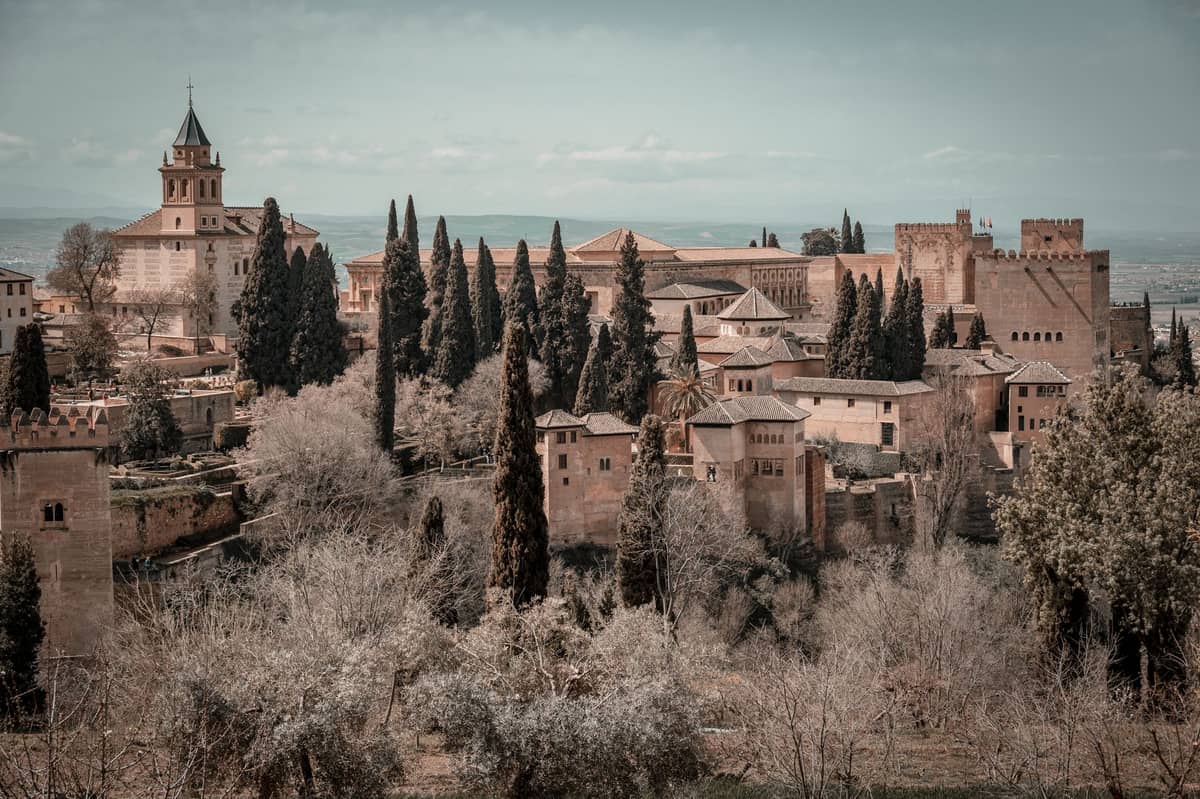
Granada's Alhambra is one of the most visited monuments in Spain for good reason — the Nasrid Palaces represent the height of medieval Islamic architecture, and the views over the Albaicín from the Generalife gardens are extraordinary. But Granada is a harder day trip from Seville than many guides admit.
Direct Avant and high-speed trains now link Seville and Granada in about 2 hours 20 minutes to 2 hours 45 minutes. ALSA buses remain a cheaper alternative at around 2.5–3 hours each way, with return fares typically €25–35. A same-day trip is possible if you take an early train, but many travellers prefer an overnight stay so they can visit the Alhambra without rushing. If you're weighing the two cities against each other as destinations, the comparison in our
For most people, Granada works best as an overnight rather than a strict day trip. Our Seville vs Granada comparison covers the differences in depth if you're still deciding how to structure your Andalusia trip.
✨ Pro tip
Alhambra tickets sell out weeks in advance, especially for the Nasrid Palaces (which have a strict timed entry). Book your tickets the moment your travel dates are confirmed — do not assume you can buy them on arrival or the day before. The official booking site is tickets.alhambra-patronato.es.
Ronda, Jerez, and Cádiz: Three Shorter Excursions Worth the Journey
These three destinations form a loose triangle to the southwest of Seville and each rewards a half-day to full-day visit. The logistics are more relaxed than Granada, and none of them requires the same level of advance planning.
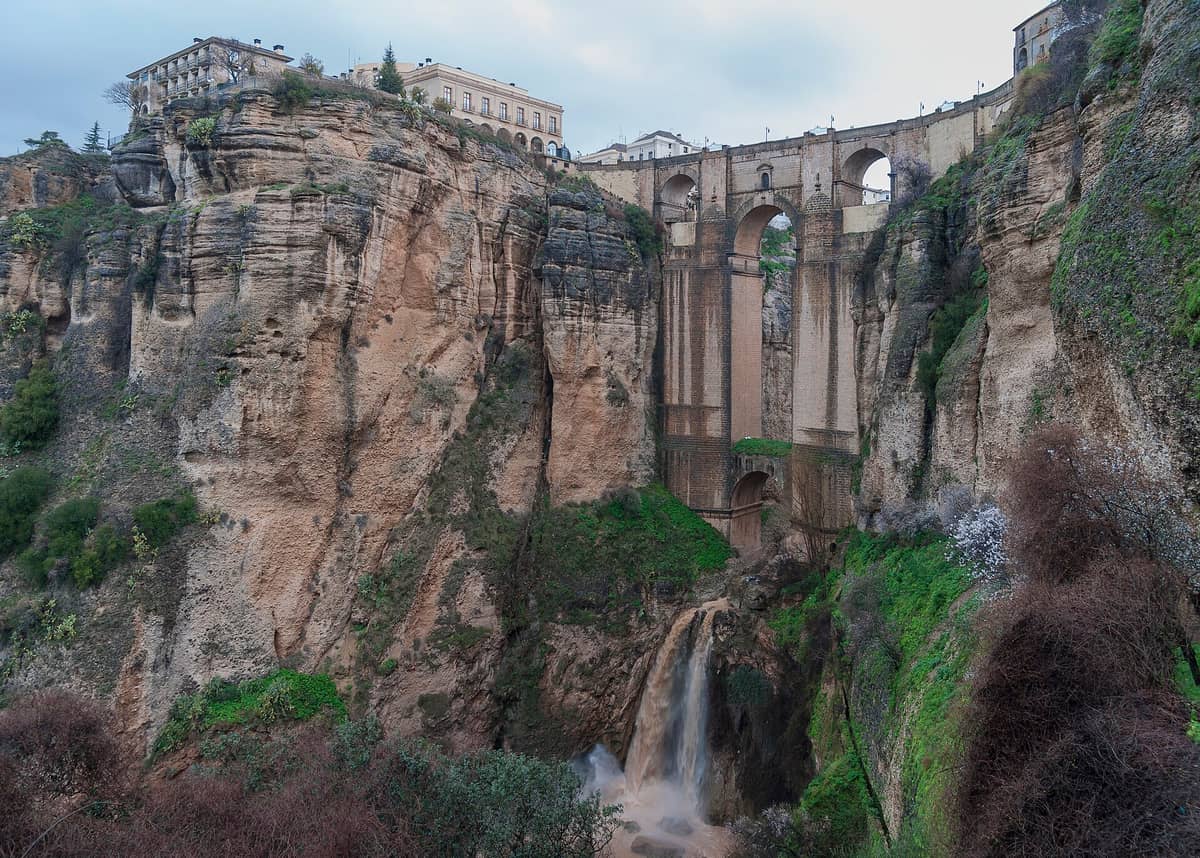
Ronda is one of the most dramatically situated towns in Spain: a city built on a sheer cliff above the Tajo gorge, connected by the 18th-century Puente Nuevo bridge. It also claims one of the oldest bullrings in Spain. The journey by train takes around 2 hours via Bobadilla (change required); the bus from Plaza de Armas is sometimes faster and more direct. Either way, Ronda is compact enough that 4–5 hours on the ground covers the essentials. For context on Seville's own flamenco and bullfighting culture, see the Real Maestranza bullring page.
Jerez de la Frontera, about 1 hour by train from Seville, is the home of sherry (Jerez = Xérès = Sherry), Andalusian horse culture, and a surprisingly strong flamenco tradition. The bodegas are the main draw — González Byass (Tío Pepe) and Bodegas Tradición are both well-regarded for tours. If flamenco is a priority during your Seville visit too, our guide to flamenco in Seville covers the city's own tablaos and free venues.
Cádiz is often described as one of the oldest continuously inhabited cities in Western Europe, and its location on a narrow Atlantic peninsula gives it an unusual quality of light and a distinctly different feel from inland Andalusia. The journey from Seville takes around 1.5 hours by train (direct services available). The old city is walkable, the seafood is excellent, and the pace is noticeably slower. It's best visited between April and October when the weather is cooperative.
- Ronda ~2 hours by train or bus. Best for dramatic landscape, the Tajo gorge, and the Puente Nuevo. Half-day is sufficient.
- Jerez de la Frontera ~1 hour by train. Best for sherry bodegas, the Real Escuela Andaluza del Arte Ecuestre, and flamenco. Allow 4–6 hours.
- Cádiz ~1.5–2 hours by train. Best for Atlantic coast atmosphere, seafood, and the historic old town. Full day recommended.
Doñana National Park: The Specialist Day Trip
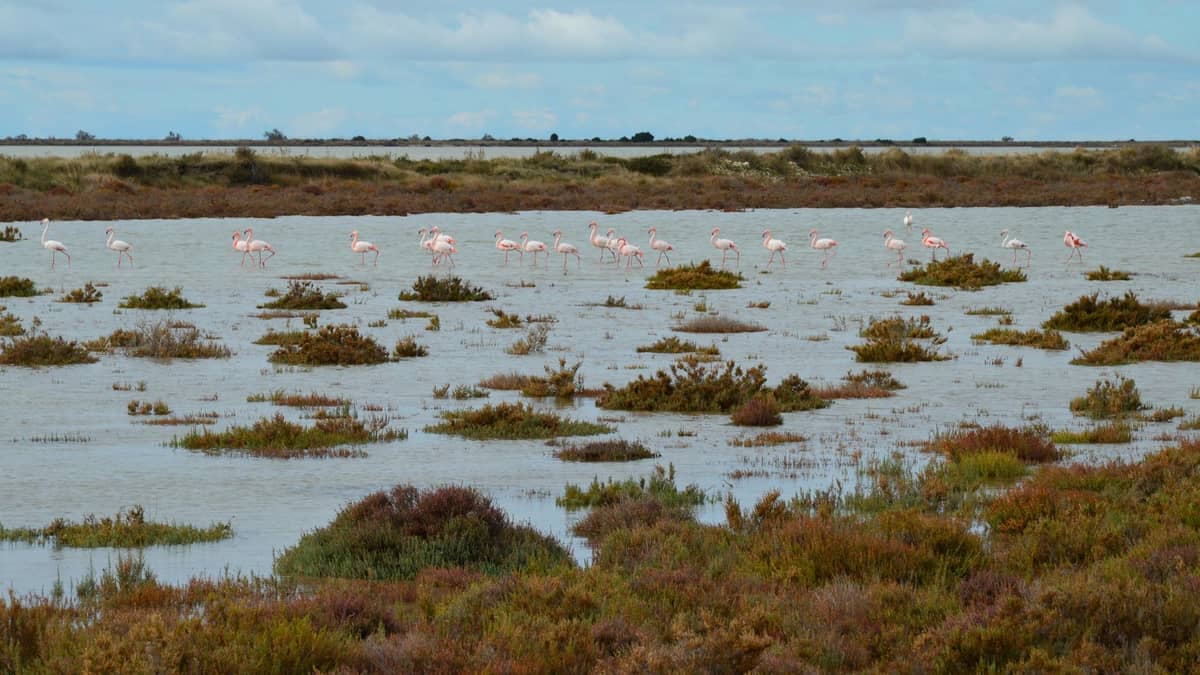
Doñana is one of Europe's most significant wetland reserves and a UNESCO World Heritage Site, covering around 54,252 hectares at the mouth of the Guadalquivir river. It hosts one of the last viable wild populations of the Iberian lynx, along with flamingos, Spanish imperial eagles, and hundreds of migratory bird species. The park is about 1 hour from Seville by car, but here is the critical point: independent access to the core protected zones is not permitted. You must join an official guided tour, typically in a 4x4 or purpose-built off-road vehicle. Operators run half-day and full-day excursions from both Seville and from the gateway town of El Rocío. The Doñana National Park page has more detail on access rules and what to expect.
Wildlife sightings are never guaranteed, but spring (March to May) and autumn (September to October) offer the best conditions: migratory birds are present in large numbers, temperatures are reasonable, and the marshes haven't dried out. Summer visits are possible but the landscape is drier and heat makes long outdoor tours tiring. Flooding or fire risk can occasionally force route changes — check with your operator before departure. Organised day tours from Seville typically start from around €79 per person and include transport and a guide.
Practical Tips for All Day Trips from Seville
The single most important logistical advice: book train tickets in advance through Renfe. Dynamic pricing on AVE and Avant services means same-day tickets can cost three to four times the advance fare, and popular departures sell out entirely during Spanish public holidays, Semana Santa, and Feria de Abril. For context on how those festivals affect city-wide logistics, see our guides to Semana Santa in Seville and the Feria de Abril.
For bus travel, ALSA is the main long-distance operator across Andalusia. Buses depart from Plaza de Armas bus station, which is on the river about 15 minutes' walk from the cathedral. The website and app are functional but clunky — booking via Omio or similar aggregators is often more straightforward.
- Carry water and sun protection year-round. Even in March, midday in Córdoba or Ronda can be warmer than expected.
- Most major monuments accept card payment, but smaller tapas bars and market stalls in historic towns often prefer cash. Carry €20–30 in small notes.
- Seville's own sights can be combined with an early departure: the Real Alcázar and Cathedral open early enough to allow a morning visit before a 10:00 or 11:00 train to Córdoba.
- If you're visiting in summer and plan multiple day trips, consider staying an extra night rather than compressing everything. The heat genuinely limits what's enjoyable between 12:00 and 17:00.
There are also the ancient Roman ruins at Itálica, located about 9 km north of Seville in the town of Santiponce. This is less of a day trip and more of a half-morning excursion, reachable by urban bus from Plaza de Armas in about 30 minutes. The amphitheatre is one of the largest in the Roman empire and sees a fraction of the crowds of Córdoba or Granada. See the Itálica Roman ruins page for visiting details. For those who want to build a wider Andalusia itinerary around a Seville base, the Andalusia itinerary from Seville covers multi-day route planning in detail.
💡 Local tip
If you're weighing an organised tour against independent travel: for Córdoba, go independently — the train is fast, cheap, and the city is easy to navigate on foot. For Doñana, a guided tour is not optional. For everywhere else, it depends on your comfort with navigation and whether a local guide adds genuine value to your experience of the destination.
FAQ
What is the easiest day trip from Seville?
Córdoba is the easiest by a significant margin. The AVE and Avant trains take 40–60 minutes, there are around 20–25 departures daily, and advance adult tickets generally start from about €13. The Mezquita, Judería, and Alcázar de los Reyes Cristianos are all within walking distance of the station.
Can you do Granada as a day trip from Seville?
Technically yes, but it requires an early start and a late return. Several direct trains now link Seville and Granada in about 2–2.5 hours, and buses via ALSA remain an option at around 2.5–3 hours each way. Most experienced travelers recommend an overnight in Granada to make the most of the Alhambra and the Albaicín. Remember that Alhambra tickets (especially for the Nasrid Palaces) must be booked weeks in advance.
How far in advance should I book train tickets for day trips from Seville?
As early as possible. Renfe usually releases tickets between 30 and 90 days in advance depending on the route and timetable updates. The cheapest fares (sometimes well under standard prices for Córdoba) sell out quickly, and same-day prices can be significantly higher. During Spanish public holidays, Semana Santa, and Feria de Abril, trains fill up fast across all routes.
Is Doñana National Park accessible without a tour?
No. Independent access to the core protected zones is prohibited. You must join an official guided excursion, typically in a 4x4 vehicle. Tours can be booked from Seville or from the gateway towns of El Rocío and Matalascañas. Spring and autumn are the best seasons for wildlife sightings.
Which day trips from Seville work best in summer?
Summer day trips require careful timing because temperatures across Andalusia regularly exceed 35–40°C. The best strategy is to take the earliest possible train, visit monuments in the morning, rest indoors during the hottest hours (13:00–17:00), and return in the late afternoon. Cádiz is a partial exception — its Atlantic coast position keeps it notably cooler than inland cities like Córdoba or Ronda.
Tickets & tours
Live prices and dates from our booking partner. If you book, we may earn a commission at no extra cost to you.
Planning a trip? Discover personalized activities with the Nomado app.