Andalusia Itinerary: 1 Week Based in Seville
Seville makes an ideal home base for a week in Andalusia. With high-speed rail to Córdoba in under 45 minutes and buses to Granada in 3 hours, you can cover the region's highlights without changing hotels. This guide breaks down exactly how to structure 7 days, what to prioritize, and what to skip.
Tickets & tours
Live prices and dates from our booking partner. If you book, we may earn a commission at no extra cost to you.
TL;DR
- Seville sits at the center of Andalusia's transport network, making it the most efficient base for a 7-day regional itinerary.
- Córdoba is just 40-45 minutes by high-speed train, an easy day trip. Granada takes around 3 hours by bus or train and works better as an overnight stop.
- Spring (March-May) and autumn (late September-October) offer the best conditions. Seville regularly exceeds 38°C in July and August, which makes a packed sightseeing schedule genuinely difficult.
- Reserve 3 full days minimum for Seville itself. The Real Alcázar and Seville Cathedral alone justify half a day each.
- Book Córdoba's Mezquita and Granada's Alhambra tickets in advance — they sell out, especially in spring.
Why Seville Works as Your Andalusia Base
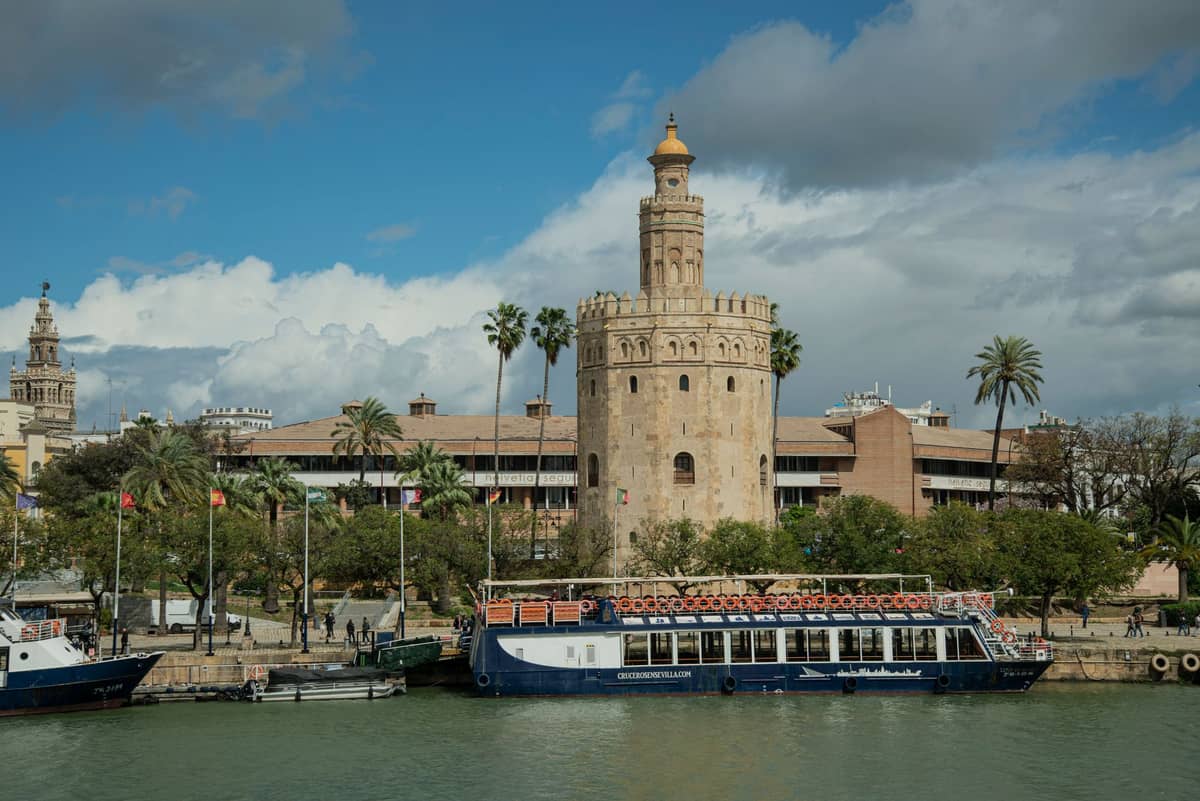
Seville (Sevilla in Spanish) is the capital of Andalusia, a city of around 690,000 people sitting at roughly 15 metres above sea level on the Guadalquivir River. It has Spain's only inland port connected to the Atlantic, a fact that shaped its outsized role in the age of exploration and still defines the old city today. For travellers planning a week in Andalusia, the practical case for basing yourself here is strong: accommodation ranges are wide, transport connections are excellent, and the city itself has enough to fill three or four full days without leaving.
Compared to Granada or Córdoba as a base, Seville wins on logistics. Santa Justa railway station handles AVE high-speed services, Iryo, and Renfe commuter routes. The airport (IATA: SVQ) sits about 10 km northeast of the centre and is served by the EA airport bus for around €6 per journey. For a full picture of how to move around once you arrive, the getting around Seville guide covers metro, tram, bus, and cycling options in detail.
ℹ️ Good to know
Seville operates on Central European Time (CET, UTC+1), or CEST (UTC+2) during daylight saving. Spanish mealtimes run late: lunch from 2pm-4pm, dinner rarely before 9pm. Adjust your sightseeing schedule accordingly, especially in summer when midday heat makes outdoor attractions uncomfortable between noon and 4pm.
Days 1-3: The City Itself
Three days is the realistic minimum to cover Seville's core without feeling rushed. Two days feels short; four days starts to feel leisurely. Here is how to distribute the time sensibly.
- Day 1: The Historic Core Seville Cathedral and La Giralda in the morning (allow 2-3 hours), then the Real Alcázar in the afternoon (another 2-3 hours). Book both online in advance. Finish in the Santa Cruz quarter as the light fades — the narrow streets are far more pleasant at 7pm than at noon.
- Day 2: Triana and the Riverfront Cross the Puente de Triana (Puente de Isabel II) in the morning for the Mercado de Triana and the Centro Cerámica Triana. Walk back via the Torre del Oro and the Real Maestranza bullring in the afternoon. In the evening, consider a flamenco show — Triana and El Arenal both have serious tablaos.
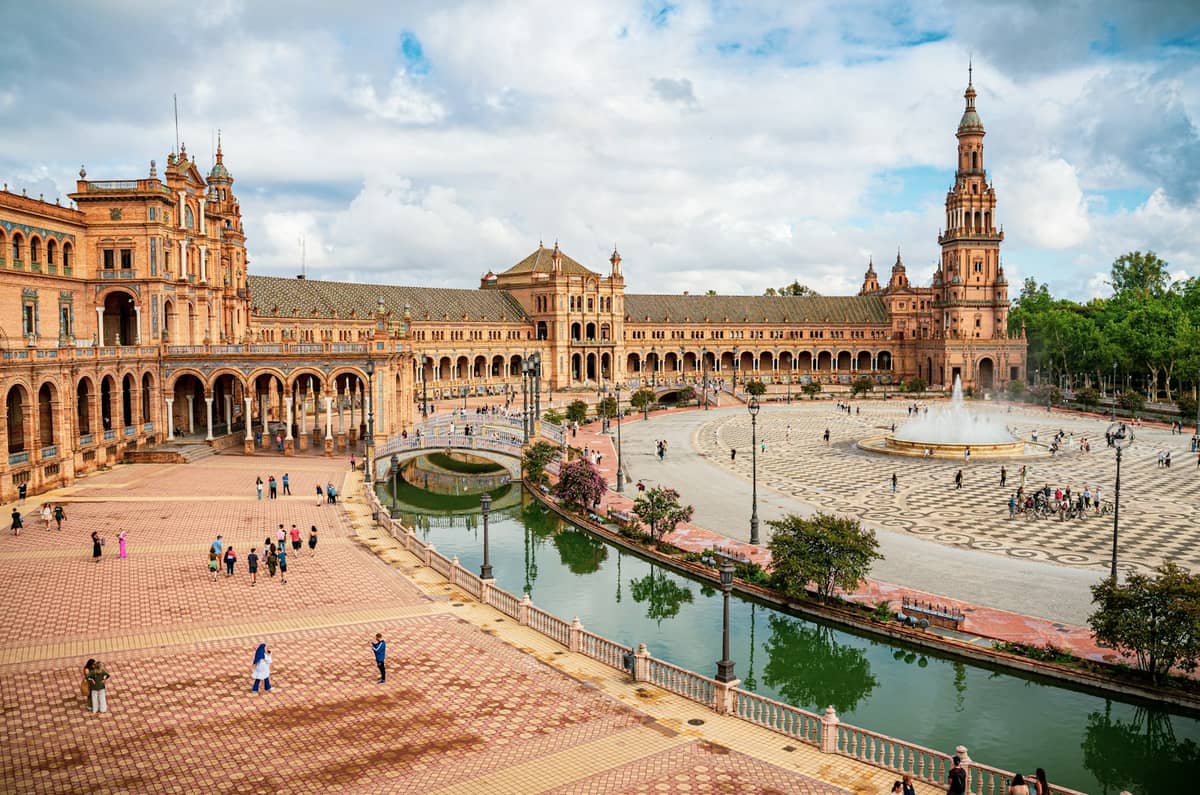
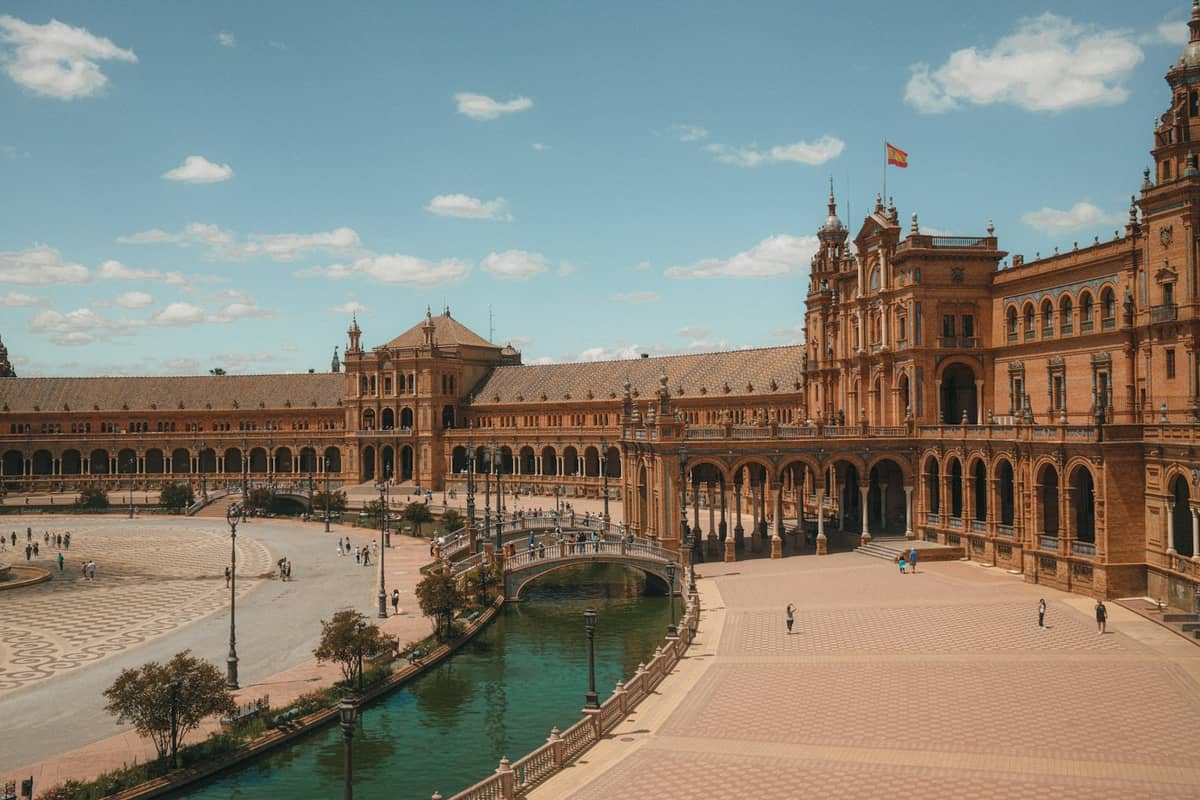
- Day 3: Parque de María Luisa and the North Spend the morning in Parque de María Luisa and the Plaza de España — the latter is one of the most architecturally impressive public squares in Spain. In the afternoon, head to the La Macarena neighbourhood for the Basílica de la Macárena and the old city walls. The Setas de Sevilla (Metropol Parasol) is worth visiting at sunset for rooftop views.
The full guide to things to do in Seville covers additional options including the Archivo General de Indias, Casa de Pilatos, and the Museo de Bellas Artes. If you are travelling with children or want free alternatives, the free things to do in Seville guide is worth reading before you plan each day.
💡 Local tip
The Real Alcázar is a working royal residence. When the Spanish royal family is in residence, some areas close to the public without notice. Buy tickets on the official Patronato del Real Alcázar website rather than third-party resellers to get the most accurate availability.
Day 4: Córdoba Day Trip
Córdoba is the easiest day trip in this Andalusia itinerary. High-speed trains from Santa Justa to Córdoba Central take 40-45 minutes, with roughly 35-45 departures per day spread across Renfe, Iryo, and other operators. First trains depart around 6:00-7:00am; last trains return in the evening around 9:30pm. Advance tickets can cost as little as €9-11 one-way; average fares sit around €14-36 depending on operator, class, and lead time. Book on Renfe.com or via aggregators like Trainline or Omio.
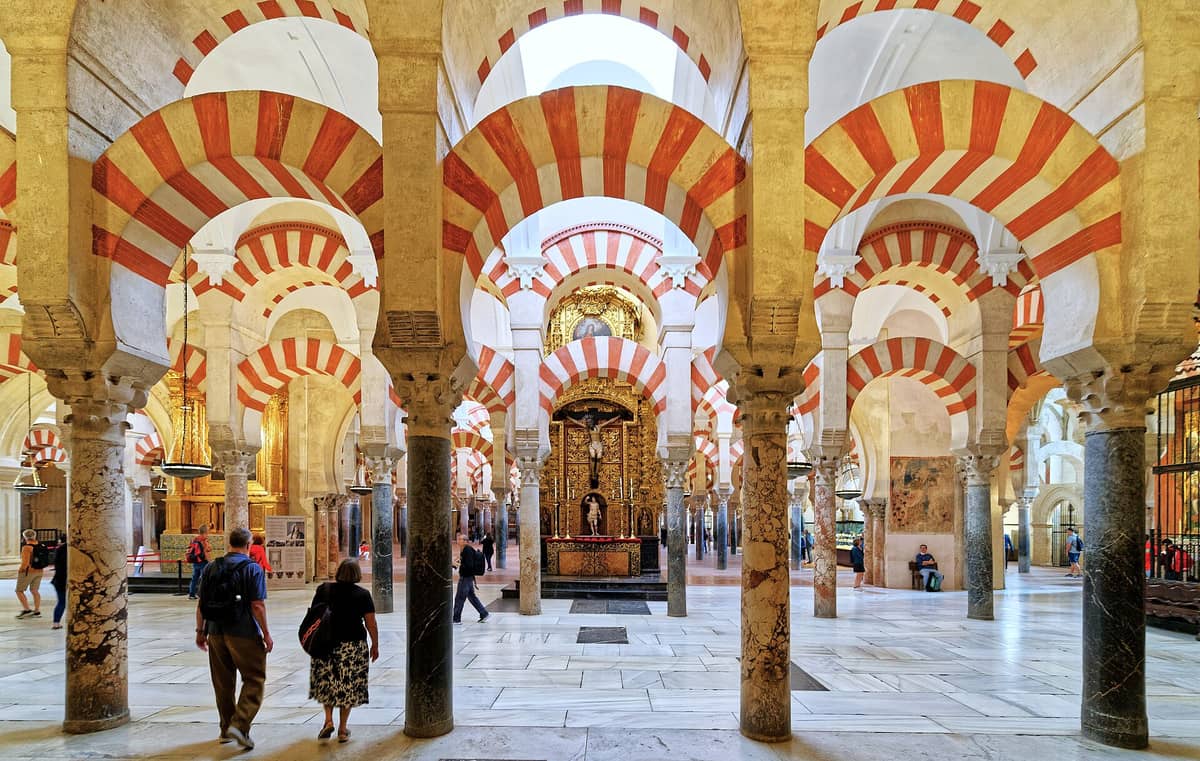
In Córdoba, the Mezquita-Catedral is non-negotiable. Buy timed-entry tickets well in advance, especially in spring. Combine it with the Alcázar de los Reyes Cristianos and a walk through the Judería (Jewish quarter). The city is compact enough to cover the main sites on foot in a full day. For more detail on making this trip work, see the Seville to Córdoba guide which covers transport options, timing, and what to prioritize.
⚠️ What to skip
Do not skip booking the Mezquita in advance. During spring and Easter week, entry queues for walk-up visitors can stretch to 90 minutes or more. Timed-entry tickets are sold on the official Mezquita website and are significantly cheaper before 10am.
Days 5-6: Granada (Overnight Recommended)
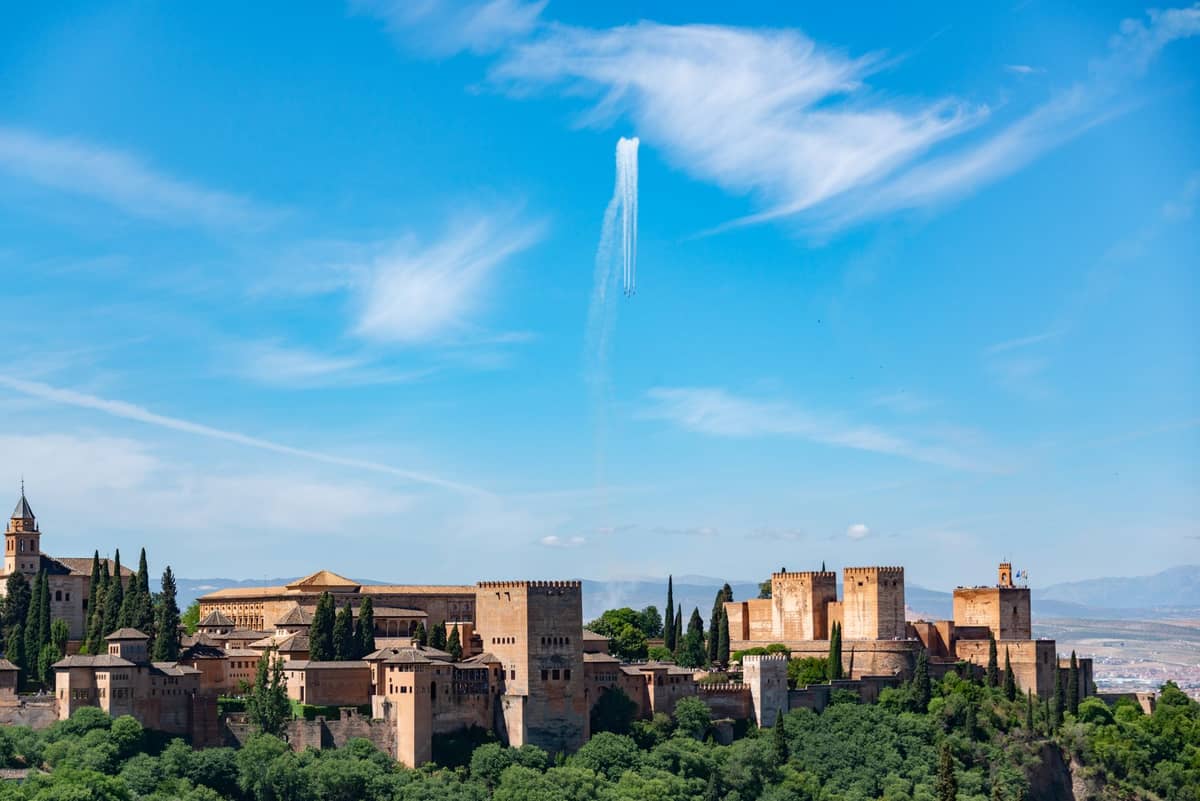
Granada is technically doable as a day trip from Seville, but it is a stretch. The journey takes around 3 hours each way by bus (ALSA, fares typically €20-32 one-way) or around 2.5-3 hours by Renfe train. That leaves 4-5 hours in the city, which is not enough if you plan to visit the Alhambra properly. An overnight stay is strongly recommended.
The Alhambra is one of the most visited monuments in Europe and entry to the Nasrid Palaces, its centrepiece, is strictly timed and limited. Tickets sell out weeks or months in advance during peak season. Book the moment your travel dates are confirmed on the official Alhambra website (alhambra-patronato.es). A full visit including the Generalife gardens takes 3-4 hours. Spend the afternoon in the Albaicín neighbourhood for views back to the Alhambra from the Mirador de San Nicolás.
With a second day in Granada, you can explore the Cathedral and Royal Chapel (Capilla Real), where Ferdinand and Isabella are buried, and the Alcaicería market area. Granada also has an exceptional tapas culture: bars in the city centre serve a free tapa with every drink ordered, a custom that has largely disappeared in Seville. For a direct comparison of both cities to help you decide where to spend more time, the Seville vs Granada guide lays out the differences honestly.
Day 7: One More Option from Seville
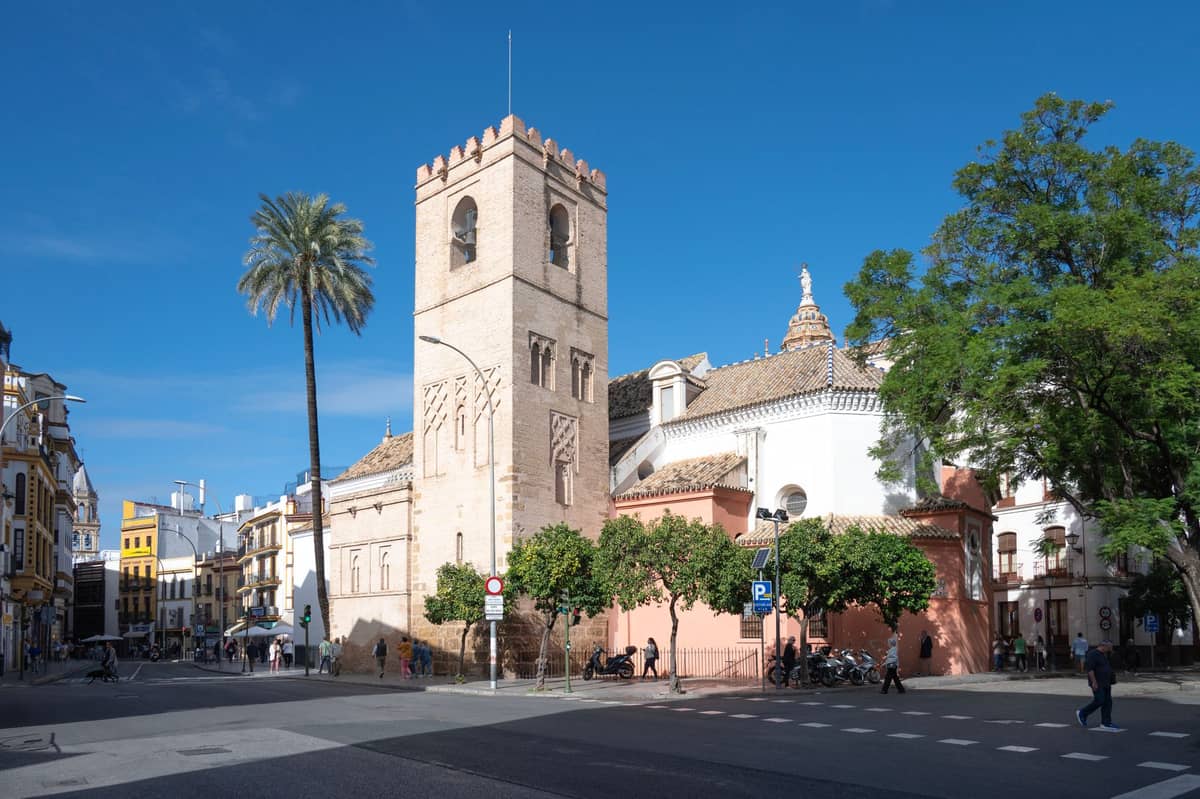
Your final day depends on what matters most. Three options stand out, each requiring different levels of effort.
- Carmona (45 minutes by bus) A walled hilltop town with a Roman necropolis, an Alcázar with extraordinary views, and almost no crowds compared to the main Andalusian cities. ALSA and other bus operators run regular services from Seville's Plaza de Armas bus station. A half-day is sufficient.
- Itálica Roman Ruins (30 minutes by bus from Plaza de Armas) The ruins of a Roman city founded in 206 BC, just outside Santiponce. Contains one of the largest amphitheatres in the Roman Empire. Relatively few international tourists visit, which makes it a very different experience from the main city sites.
- A slower final day in Seville If the week has been packed, use day 7 to revisit a neighbourhood at a slower pace, explore the Calle Feria market area in La Macarena, or spend time in Parque de María Luisa. Seville rewards unhurried wandering in a way that structured day trips do not.
For a broader set of excursion ideas beyond Córdoba and Granada, the day trips from Seville guide covers Jerez de la Frontera, Cádiz, Doñana National Park, and the White Villages route.
Timing Your Week: Seasons and Practical Logistics
Seville has a hot-summer Mediterranean climate (Köppen Csa). Mean temperatures in July and August sit around 28-29°C, but daytime highs regularly reach 37-40°C and occasionally exceed that. For a week of active sightseeing across multiple cities, this is genuinely punishing. The heat is not a deterrent to visiting in summer, but it does require adapting your schedule: start early, rest between 1pm and 5pm, and plan evening activities.
Spring, specifically April and May, offers average temperatures of 18-22°C and is widely considered the most pleasant period for this kind of multi-city itinerary. Be aware that Semana Santa (Holy Week) and Feria de Abril both fall in spring and bring significantly higher accommodation prices and crowds. Both events are genuinely worth experiencing if you plan for them, but they change the character of the city. See the dedicated guides to Semana Santa in Seville and Feria de Abril for what each involves. Autumn, from late September through October, is the second best window: temperatures drop to 22-25°C, crowds thin after the summer peak, and accommodation prices fall.
For a full breakdown of what each season actually looks like in practice, the best time to visit Seville guide goes into detail on crowds, prices, and events month by month.
- Book Alhambra tickets (Nasrid Palaces) as far in advance as possible — weeks ahead in shoulder season, months ahead in spring.
- Book Real Alcázar tickets online to avoid queues; Seville Cathedral tickets can usually be bought a day or two in advance.
- Train tickets on the Seville-Córdoba route are cheap when booked early; same-day fares are substantially higher.
- The EA airport bus (approximately €6) is the most cost-effective way into the city centre, taking around 35 minutes to central stops including Santa Justa and Puerta de Jerez.
- Tipping is not mandatory in Spain. Rounding up or leaving small change is customary in restaurants; taxi tipping is optional.
- Spain uses Type C and Type F (Schuko) plugs at 230V/50Hz. North American and UK travellers need adaptors.
- Emergency services: dial 112 for police, fire, or ambulance anywhere in Spain.
FAQ
Is one week enough to see Seville and Andalusia?
One week covers Seville thoroughly plus 2-3 day trips or one overnight excursion to Granada. It is enough to see the major highlights without feeling rushed, provided you plan transport and ticket booking in advance. For a more leisurely pace that includes Cádiz, Jerez, or the White Villages, 10 days is more comfortable.
Can you do Granada as a day trip from Seville?
Technically yes, but it is not recommended. The journey takes 3 hours each way by bus or train, leaving only 4-5 hours in Granada. That is not enough time to visit the Alhambra properly and see anything else. An overnight stay in Granada gives you a full day at the Alhambra and time to explore the Albaicín neighbourhood.
How do you get from Seville to Córdoba?
High-speed trains from Seville Santa Justa to Córdoba Central take 40-45 minutes. There are roughly 40 services per day across operators including Renfe and Iryo. Advance fares can start around €7-9 one-way. Book on Renfe.com or via Trainline or Omio. There is no practical reason to take the bus for this route given the train frequency and speed.
What is the best time of year for a week-long Andalusia itinerary?
April to May and late September to October are the most comfortable periods for an active multi-city itinerary. Temperatures sit between 18-25°C, which makes walking between sites manageable. July and August are very hot (regularly above 37°C in Seville) and require a heat-adapted schedule. Note that spring also brings Semana Santa and Feria de Abril, which significantly affect accommodation prices and availability in Seville.
Where should you stay in Seville for easy access to day trips?
The Santa Cruz and El Arenal neighbourhoods put you within walking distance of the cathedral, the Alcázar, and the tram stop for Santa Justa station. Triana is quieter and less touristy but adds a short walk or bus ride to the train station. For the most flexible base for day trips, staying within walking distance of Santa Justa (Nervión area) saves time on early-morning departures.
Tickets & tours
Live prices and dates from our booking partner. If you book, we may earn a commission at no extra cost to you.
Planning a trip? Discover personalized activities with the Nomado app.