Is Seville Worth Visiting? An Honest Assessment
Seville is the capital of Andalusia and one of Spain's most architecturally rich cities, but it's not right for every traveller or every season. This guide breaks down what the city genuinely delivers, where it falls short, and exactly when and how to visit to get the most from it.
Tickets & tours
Live prices and dates from our booking partner. If you book, we may earn a commission at no extra cost to you.
TL;DR
- Seville is absolutely worth visiting for its architecture, food, and festival culture — but summer heat (regularly above 35°C) makes July and August the worst months for most travellers.
- Spring (March–May) and autumn (late September–October) are the sweet spots for climate and atmosphere; timing your visit carefully makes a significant difference.
- Book the Real Alcázar and Seville Cathedral tickets online well in advance — both operate timed entry and sell out during high season.
- The city is compact and walkable; most major sights sit within 2–3 km of each other in the historic centre.
- Seville rewards budget travellers: the Plaza de España, Parque de María Luisa, and several world-class churches are free to enter.
What Makes Seville Stand Out
Seville (Sevilla in Spanish) is the capital of Andalusia and Spain's fourth-largest city, with a population of around 687,000 in the municipality. It sits on the Guadalquivir River at roughly 10 metres above sea level, which explains both its fierce summer heat and the flat, walkable character of the historic centre. For travellers asking whether Seville is worth visiting, the short answer is yes — but the longer answer depends a lot on when you go and what you're expecting from a city break in southern Spain.
Few European cities pack this much UNESCO-listed heritage into such a compact area. The Seville Cathedral is the largest Gothic cathedral in the world. The Real Alcázar is a still-functioning royal palace with gardens that take the better part of a morning to explore properly. The Archivo General de Indias, housed in a 16th-century building next to the cathedral, holds the original documents of Spain's colonial empire. These three monuments share a single square and form one of the most remarkable architectural groupings anywhere in Europe.
Beyond the monuments, Seville has a genuine urban character that many similarly touristic cities lack. The Triana neighbourhood across the river retains its ceramics workshops and neighbourhood bars. La Macarena in the north has rambling street markets and Baroque churches that see almost no tourist foot traffic. The food scene, anchored in classic Andalusian tapas culture, holds up to serious scrutiny. These are not just surface impressions — they reflect a city that functions on its own terms alongside its tourism economy.
The Honest Drawbacks
Seville in July and August is genuinely brutal. Daytime highs routinely hit 37–38°C, and mean temperatures for August sit around 29°C. This is not comfortable sightseeing weather, and it significantly limits how much ground you can cover on foot without real discomfort. Most visitors who come in peak summer either book air-conditioned accommodation and structure their days around the afternoon heat, or they leave wishing they'd come in a different month.
The other honest limitation is crowds. During Semana Santa (Holy Week) and the Feria de Abril, the historic centre becomes genuinely difficult to navigate. These are extraordinary events worth planning a trip around if festivals interest you, but they are not casual sightseeing conditions. Accommodation prices spike sharply, streets in the old quarter are closed or thronged with processions, and the main monuments can be fully booked days in advance. If your priority is seeing the Alcázar and Cathedral in some degree of peace, avoid both festival periods.
⚠️ What to skip
The Real Alcázar and Seville Cathedral both operate timed entry with limited daily capacity. In spring and during festival periods, tickets sell out days or weeks ahead. Always book online before you arrive — turning up at the gate without a reservation is a gamble that regularly doesn't pay off.
Petty theft in heavily touristed areas, particularly around the Cathedral and in Santa Cruz, is an occasional issue that comes up in traveller forums. It's worth being practical about bag security rather than paranoid, but Seville isn't uniquely dangerous among major Spanish cities. The general emergency number in Spain is 112.
When to Go: Season by Season
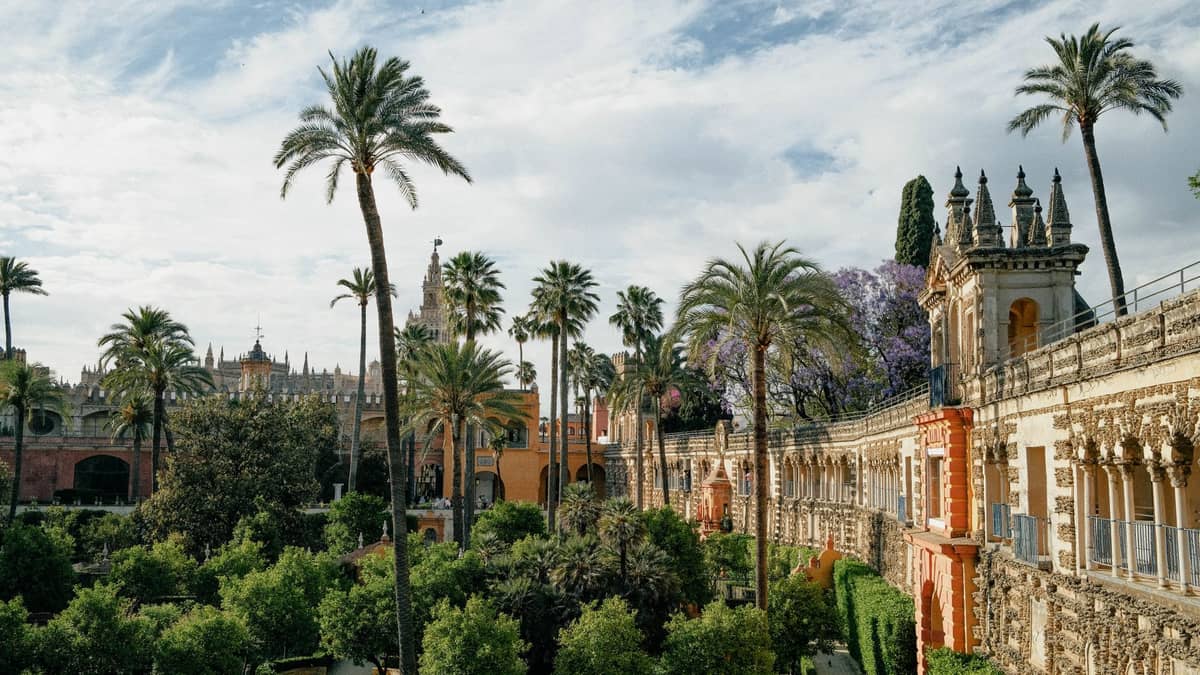
Spring and autumn are the two windows where Seville genuinely delivers on all fronts. From March through May, mean temperatures rise from around 14.6°C to 21.7°C, rainfall is moderate rather than heavy, and the city's orange trees are in bloom. This is when the city looks its best and when the two big festivals fall, so the energy is high without the climate working against you.
- Spring (March–May) Best overall conditions. Temperatures 14–22°C. Semana Santa and Feria de Abril fall here — extraordinary if you want festivals, expensive and crowded if you don't. Book accommodation months in advance for either event.
- Summer (June–August) Hottest and driest. Average highs above 35°C in July and August. Some sights open later in the evening to accommodate the heat. Fine for travellers who handle heat well and plan accordingly, but not the ideal introduction to the city.
- Autumn (September–October) September still warm (mean around 25°C) but crowds thin noticeably after mid-September. October is arguably the most underrated month: 21°C average, low crowds, very manageable for sightseeing.
- Winter (November–February) Mild by northern European standards, averaging 10–12°C in January. Some rain, especially November–December. The city is quiet, accommodation is cheaper, and the monuments are uncrowded. Not dramatically cold, but the light and atmosphere are different from the warm months.
✨ Pro tip
October is the most underrated month to visit Seville. Summer crowds have gone, the temperature is comfortable for walking (averaging 21°C), and accommodation is significantly cheaper than during spring festival season. Pair it with a day trip to Córdoba or the Roman ruins at Itálica for an efficient itinerary.
Getting There and Getting Around
Seville is served by Aeropuerto de Sevilla (IATA: SVQ), located around 9–10 km north-east of the city centre. The EA airport bus connects the terminal to Santa Justa station, Puerta de Jerez, and Plaza de Armas, running approximately every 20–30 minutes with a journey time of around 35 minutes. The single fare is approximately €6 (verify before travel, as fares are subject to change). Taxis from the airport typically cost in the €25–35 range, with a 15–25 minute journey depending on traffic. Ride-hailing services including Uber and Cabify also operate in the city.
Within the city, the historic centre is compact enough that walking covers most of what you'll want to see. The public transport network includes the Metro de Sevilla (Line 1, useful for reaching outlying areas), the MetroCentro tram linking Plaza Nueva with San Bernardo, and urban buses operated by TUSSAM. For most visitors staying near the historic core, the tram and buses are occasional supplements to walking rather than daily necessities.
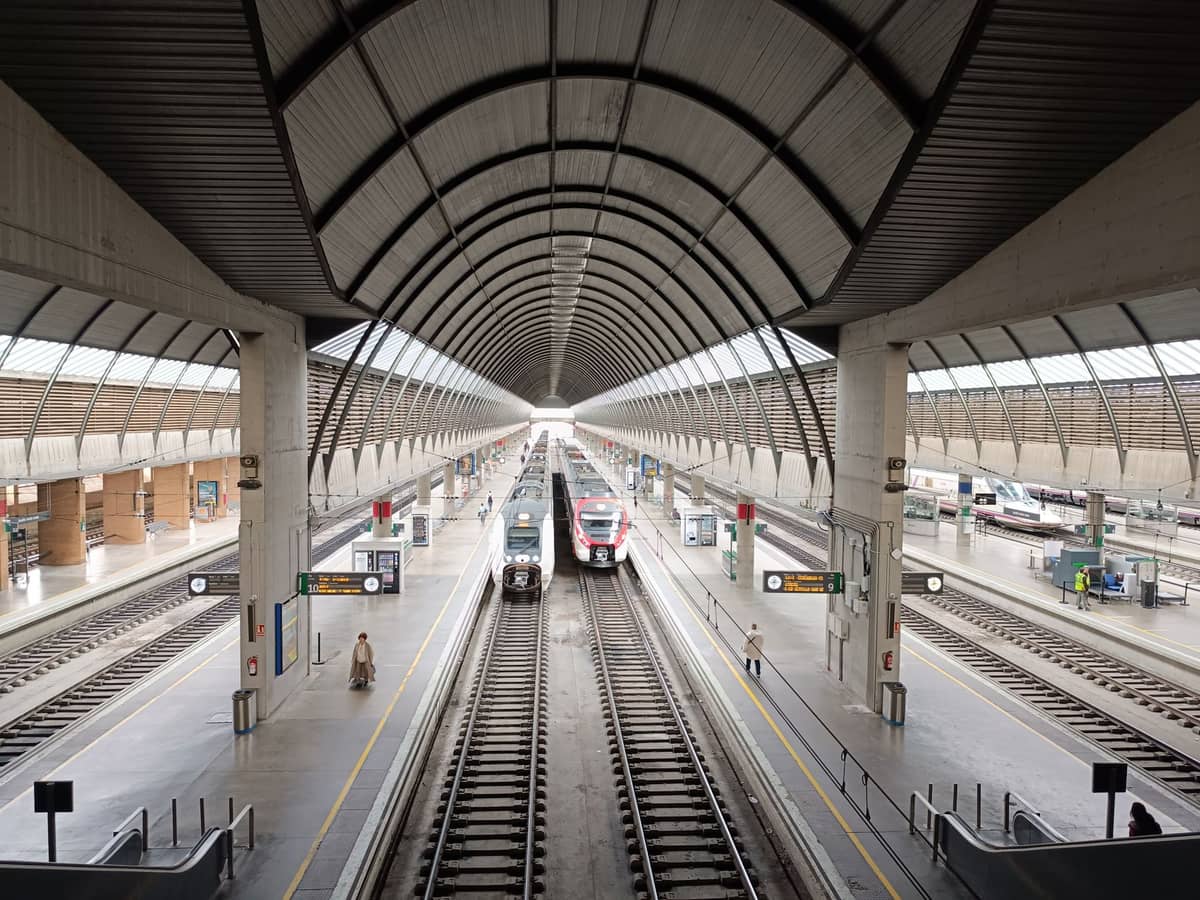
Coming from other Spanish cities, Santa Justa station sits about 1.5 km from the cathedral and is served by Renfe's high-speed AVE network. The journey from Madrid takes around 2.5 hours; from Barcelona, roughly 5.5 hours. If you're planning a broader Andalusian trip, Seville works well as a base — both Córdoba and day trips to nearby towns are straightforward from Santa Justa.
What to Prioritise and What to Skip
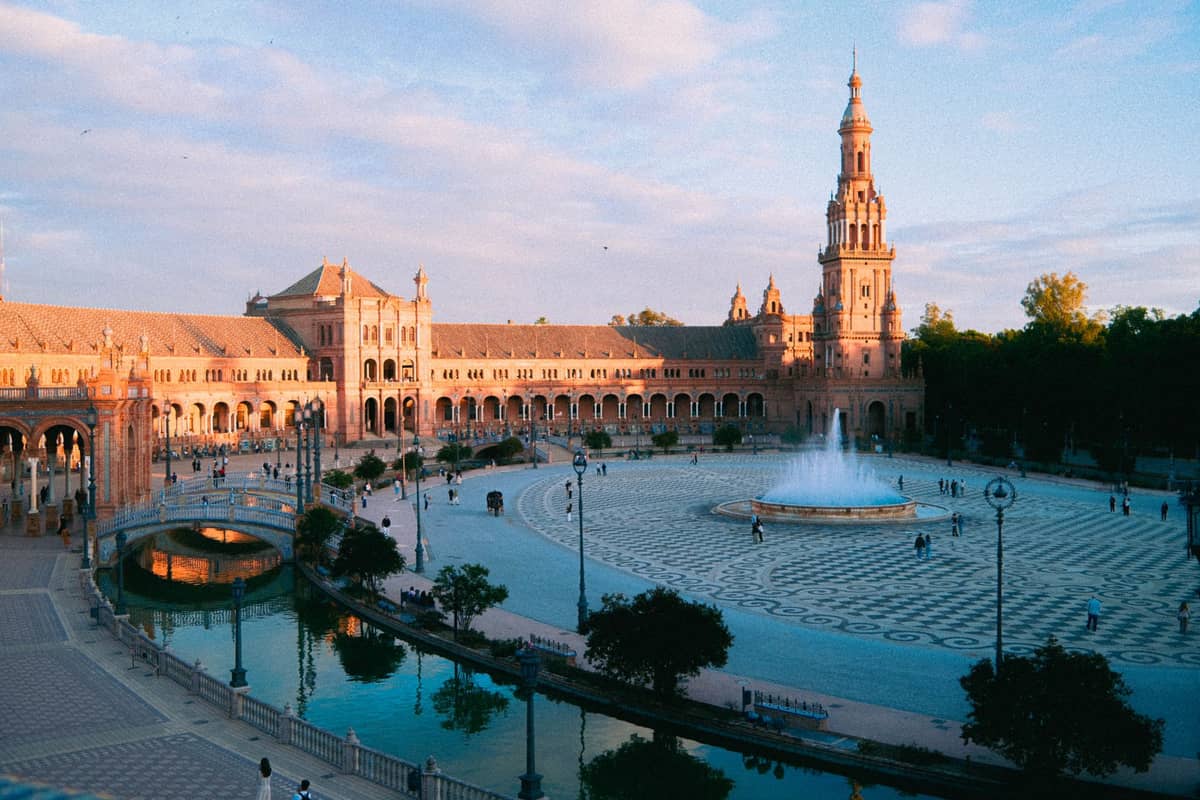
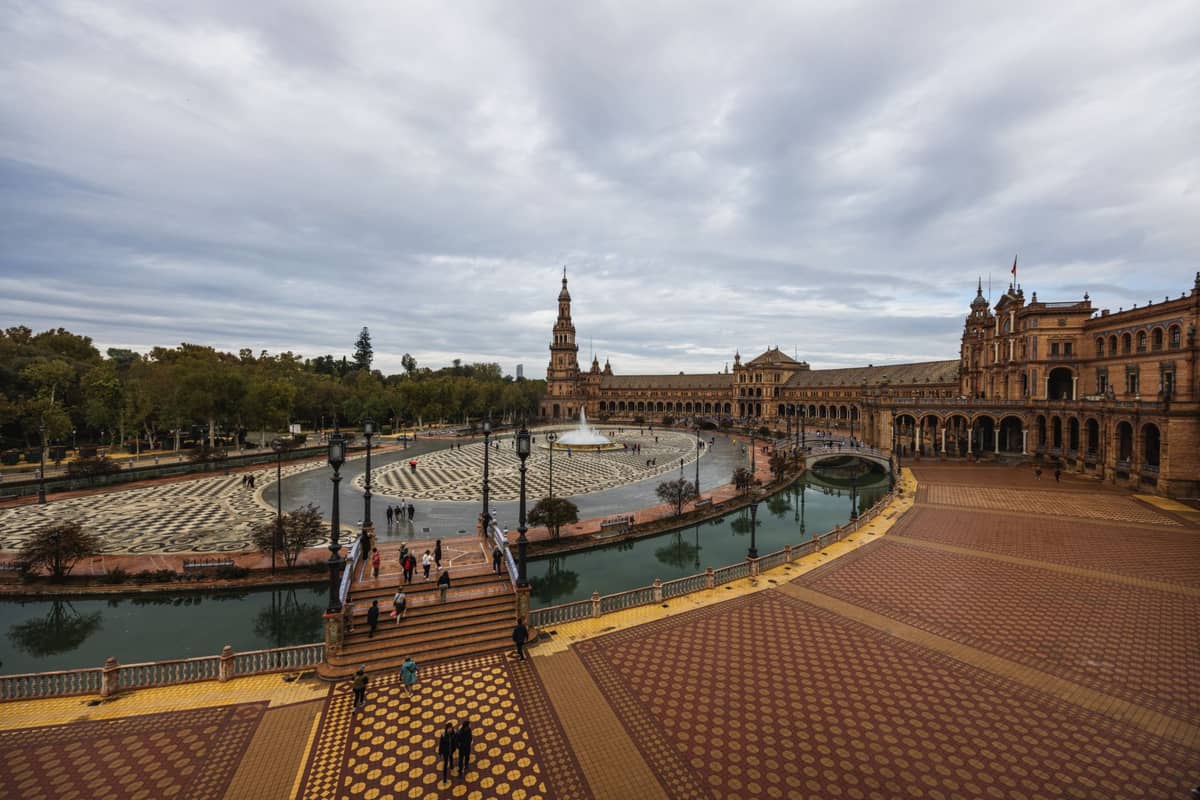
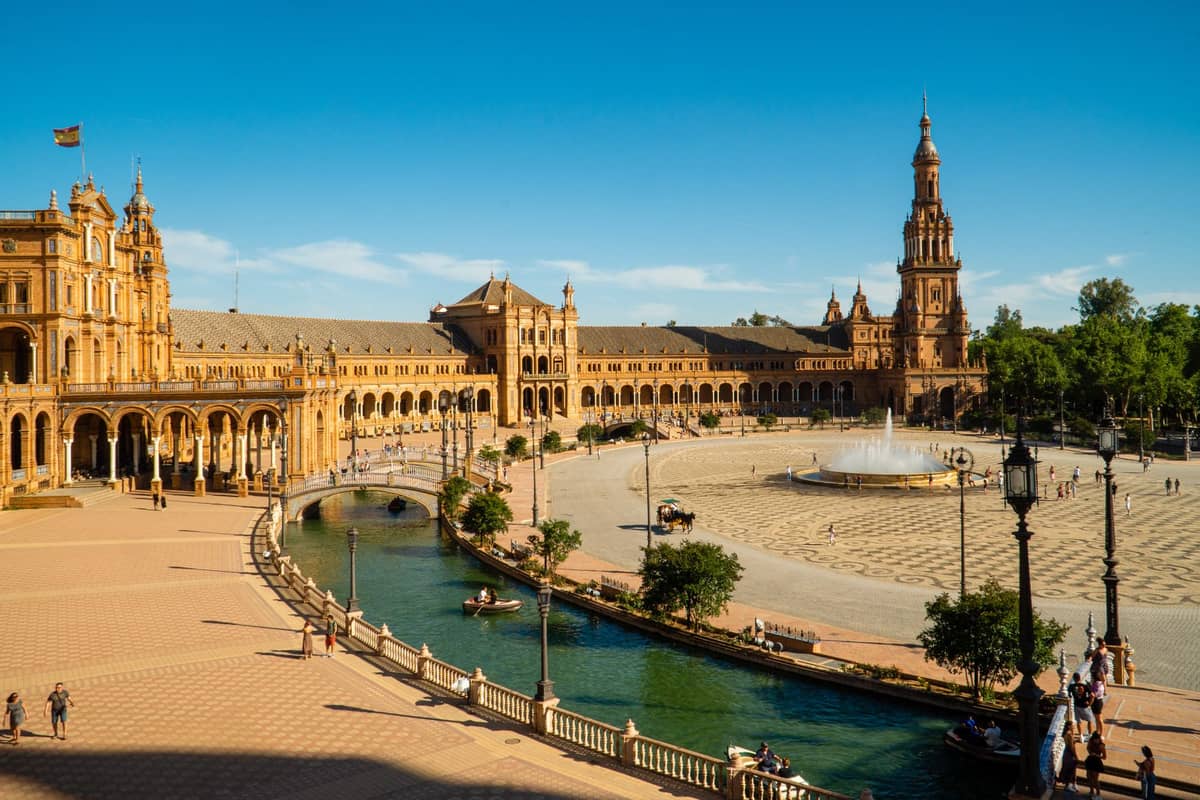
If you have two to three days, the priorities are clear: the Real Alcázar, the Cathedral and Giralda Tower, and at least an afternoon in Triana. The Plaza de España in the Parque de María Luisa is free to enter and genuinely impressive — one of those rare cases where something lives up to its photographs. The Metropol Parasol (Las Setas) offers good city views and is worth the small entry fee, particularly at dusk.
The Museo de Bellas Artes is one of Spain's better fine art collections and is housed in a converted convent, making it worth two hours of your time. For flamenco, the Museo del Baile Flamenco provides solid context, while evening performances at established tablaos give a more visceral introduction to the form. Seville takes its claim as flamenco's home city seriously — this is one area where the tourist offering and the authentic tradition overlap more than in most cities.
- Real Alcázar: non-negotiable. Allow 2–3 hours. Book online in advance. General admission around €15.50, with an additional €5.50 for the Cuarto Real Alto (verify current pricing).
- Seville Cathedral and Giralda: book together, allow 2 hours. Recent general admission around €12–€15. Free entry at specific times for certain categories — check the official cathedral site.
- Plaza de España and Parque de María Luisa: free. Best visited in the morning before the tour groups arrive.
- Triana neighbourhood: cross the Puente de Triana, spend an afternoon exploring the Mercado de Triana and ceramics shops. No ticket required.
- Casa de Pilatos: a Renaissance palace that sees far fewer visitors than the Alcázar but is architecturally comparable. Tickets start around €12 for the ground floor.
- The Archivo General de Indias: free entry. Often overlooked, but the building and the weight of what its archives contain are remarkable.
💡 Local tip
Several of Seville's most impressive spaces are free: the Plaza de España, the Parque de María Luisa, the exterior of the Torre del Oro, and most of the city's Baroque churches. You can spend a full day in Seville without paying a single entry fee and come away with a genuinely strong impression of the city.
Practical Basics Before You Go
Spain uses the Euro (EUR). Seville operates on Central European Time (UTC+1 in winter, UTC+2 during daylight saving). The country dialling code is +34. Tap water in Seville is potable by national standards, though some visitors find the taste affected by mineral content and prefer bottled water. Tipping is not mandatory in Spain; rounding up or leaving a euro or two in restaurants and cafés is customary for good service but not expected as a percentage of the bill.
For electricity, Spain uses 230V / 50Hz with Type C and Type F (Schuko) sockets — UK and US travellers will need adaptors. Modest dress is required for entry to churches and religious sites; covered shoulders are the minimum expectation in most cases. Spain is part of the Schengen Area, so citizens of the EU and most Western countries can enter visa-free for stays up to 90 days in any 180-day period. Verify current entry requirements with official Spanish immigration sources before travelling, as these are subject to change. For practical neighbourhood information and where to base yourself, the guide on where to stay in Seville covers the options in detail.
FAQ
Is Seville worth visiting in summer?
It depends on your heat tolerance. July and August regularly see daytime highs above 37°C, which limits how much you can comfortably do on foot. That said, the city is lively, accommodation is available, and the evenings are warm and social. Visitors who plan around the heat — sightseeing early morning and late afternoon, resting midday — manage fine. For most travellers, spring or autumn is a significantly more comfortable experience.
How many days do you need in Seville?
Three full days covers the main attractions without feeling rushed. Two days is workable if you're focused, but you'll need to be selective. Four or five days allows you to go deeper: day trips, slower neighbourhood exploration, evening flamenco, and more time in the museums. A long weekend is the most common format and leaves most visitors satisfied.
Is Seville expensive compared to other Spanish cities?
Seville is generally cheaper than Barcelona or Madrid for accommodation and everyday costs. Tapas at local bars remain affordable, and several major sights are free or low-cost. Costs spike sharply during Semana Santa and Feria de Abril, when accommodation prices can triple. Outside those peaks, it's one of the more affordable major Spanish cities for a short break.
Do I need to book attractions in Seville in advance?
Yes, for the two flagship sights. The Real Alcázar and Seville Cathedral both use timed entry systems with limited daily capacity. In spring and during festival periods they sell out well in advance. Book online through official channels as soon as your dates are confirmed. Most other sights — including the Casa de Pilatos, the Museo de Bellas Artes, and the Metropol Parasol — have less pressure and can often be visited without pre-booking outside peak season.
Is Seville better than Granada?
They serve different purposes. Seville is a fully functioning large city with diverse neighbourhoods, a serious food scene, and a broader range of things to do over multiple days. Granada is smaller, more compact, and centres heavily on the Alhambra experience. If you can only choose one, Seville rewards longer stays and return visits more. If you have time for both, they complement each other well — they're about 2.5 hours apart by road or rail.
Tickets & tours
Live prices and dates from our booking partner. If you book, we may earn a commission at no extra cost to you.
Planning a trip? Discover personalized activities with the Nomado app.