Best Churches & Religious Architecture in Seville
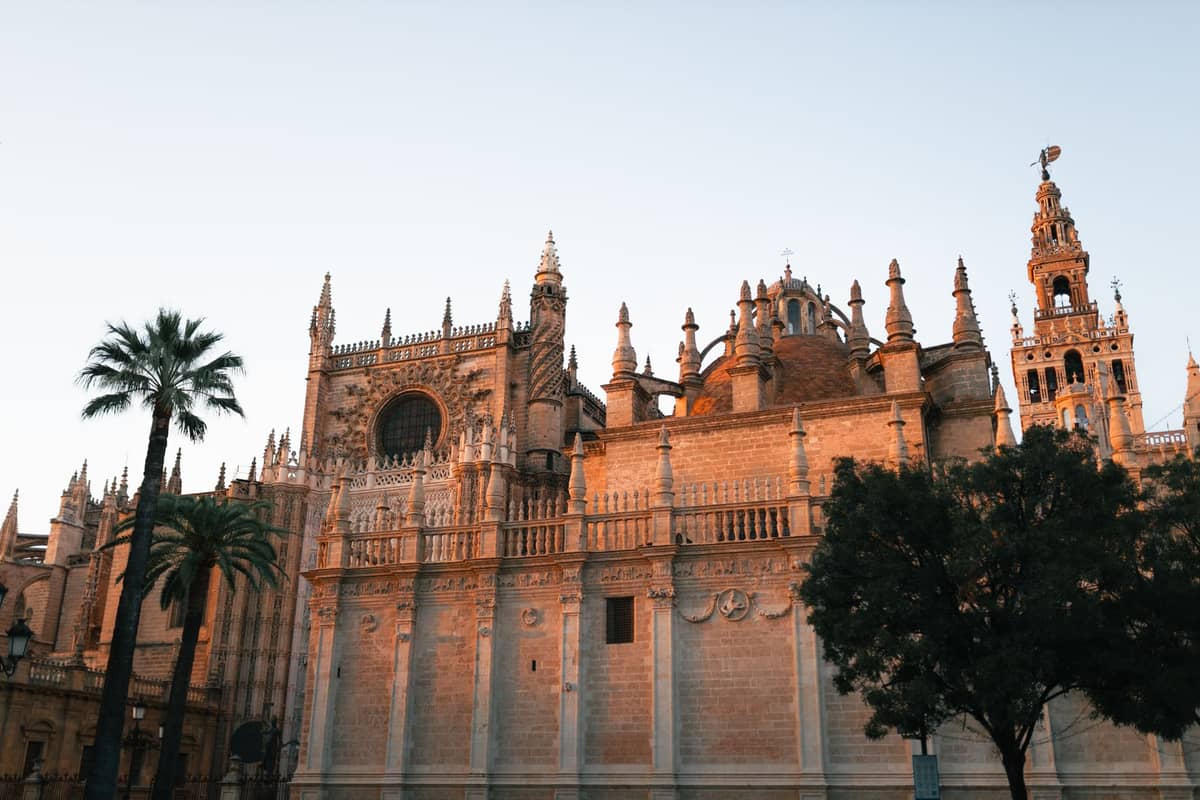
Seville's skyline is defined by bell towers, domes, and gilded facades accumulated over eight centuries of Christian, Moorish, and Renaissance building. This guide covers the city's finest religious architecture, from UNESCO-listed giants to intimate neighbourhood churches that most visitors walk straight past.
Tickets & tours
Live prices and dates from our booking partner. If you book, we may earn a commission at no extra cost to you.
No city in Spain packs more religious architectural ambition into a single historic centre. Seville's churches range from the staggering scale of a Gothic cathedral built to outdo every rival in Christendom to small Mudéjar parish churches where the neighbourhood still gathers for evening mass. Many of these buildings sit on the sites of mosques, synagogues, or Roman temples, layering centuries of faith into their stones. If you're planning your time carefully, check our 3-day Seville itinerary for a practical route that fits the major sites together. For the full atmosphere of these churches at their most charged, the Semana Santa guide explains how Holy Week transforms every one of these buildings into a stage. Note that most churches distinguish between free liturgical access (mass hours) and ticketed cultural visits — always check the official website before arriving, as hours shift around feast days and Holy Week.
💡 Local tip
Dress code: covered shoulders and no shorts are required or strongly expected at Seville Cathedral, the Basílica de la Macarena, and most parish churches. Keep a light scarf in your bag during warmer months.
The Cathedral Complex & Its Towers
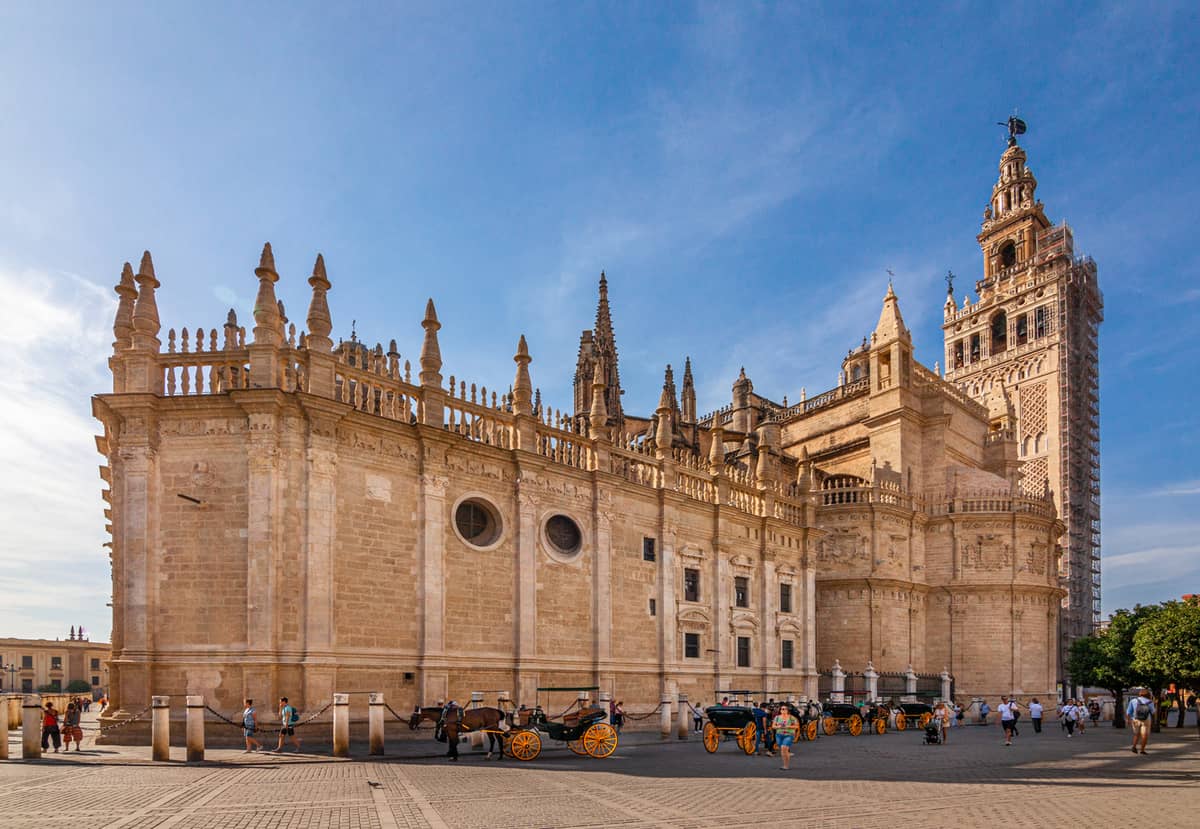
The Cathedral quarter is where Seville's religious ambition reached its absolute peak. The site alone — built on the city's great Friday mosque — tells you everything about the city's layered history. For the best views of the complex from outside, the best viewpoints in Seville guide covers where to see the Giralda in its full skyline context.
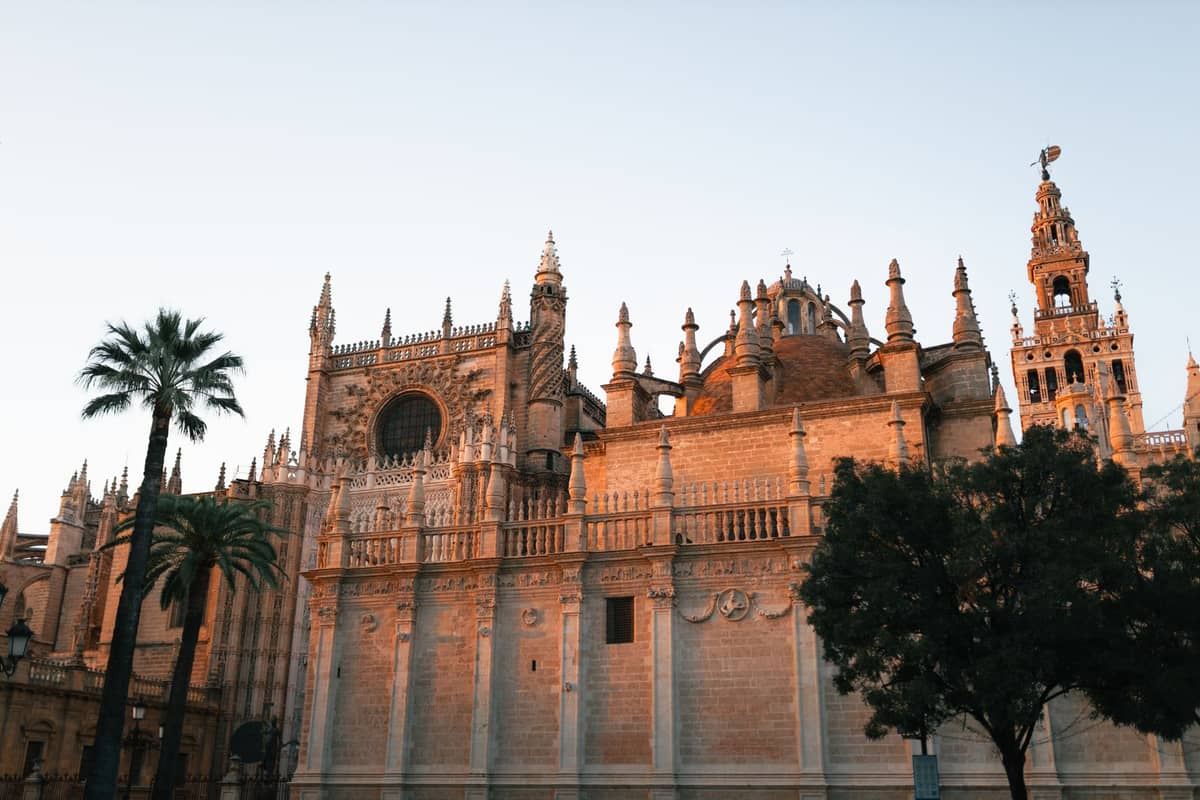
1. Stand Inside the World's Largest Gothic Cathedral
Built where Seville's great mosque once stood, this UNESCO giant was designed so that 'those who come after us will take us for madmen.' Inside: Columbus's tomb, Zurbarán altarpieces, and a treasury that took empires to fill. Buy tickets online — queues are long and the free Sunday slot (16:30–18:00) books out fast.
Explore1. Stand Inside the World's Largest Gothic Cathedral
Built where Seville's great mosque once stood, this UNESCO giant was designed so that 'those who come after us will take us for madmen.' Inside: Columbus's tomb, Zurbarán altarpieces, and a treasury that took empires to fill. Buy tickets online — queues are long and the free Sunday slot (16:30–18:00) books out fast.
Explore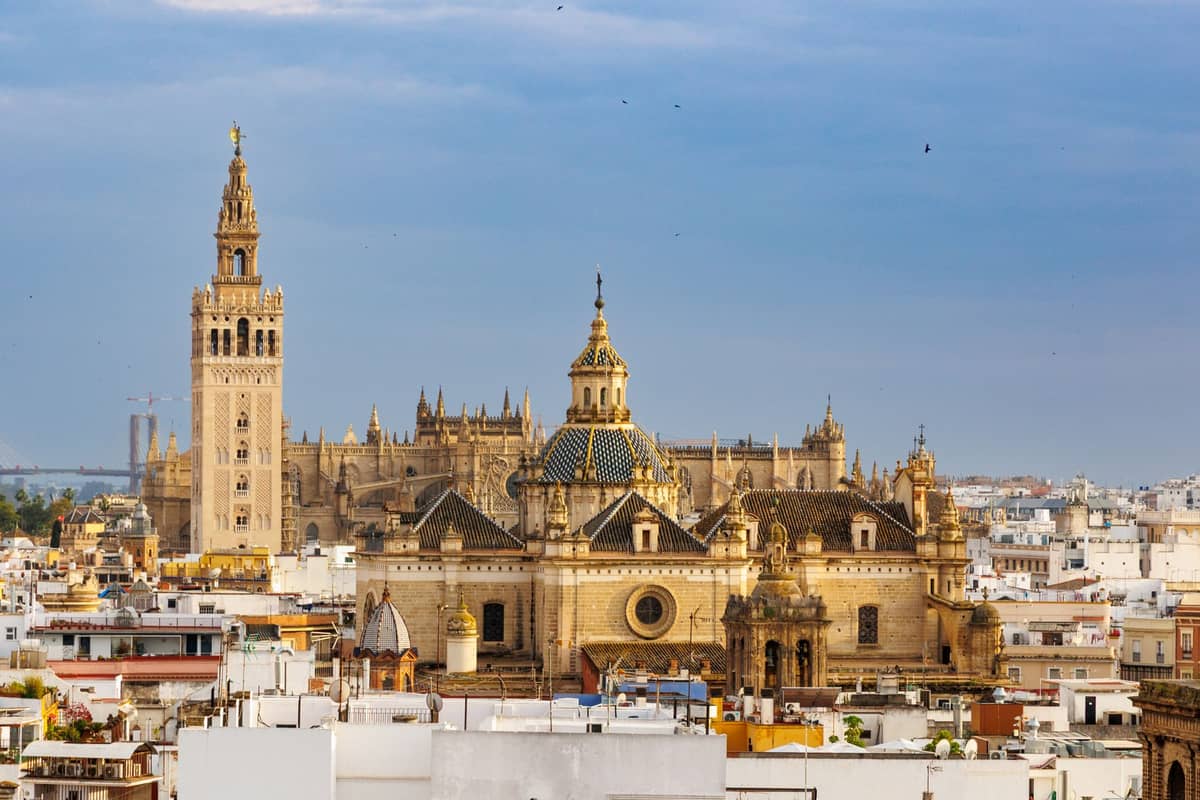
2. Climb the Giralda, a Minaret That Became a Bell Tower
The Giralda's ramp was built wide enough for a horseman to ride to the top — no steps, just a gentle spiral ascent. At the summit, views stretch across rooftops to the Alcázar gardens. Included in Cathedral admission, but note the tower closes around 17:00, earlier than the Cathedral itself.
Explore2. Climb the Giralda, a Minaret That Became a Bell Tower
The Giralda's ramp was built wide enough for a horseman to ride to the top — no steps, just a gentle spiral ascent. At the summit, views stretch across rooftops to the Alcázar gardens. Included in Cathedral admission, but note the tower closes around 17:00, earlier than the Cathedral itself.
ExploreBaroque Masterpieces
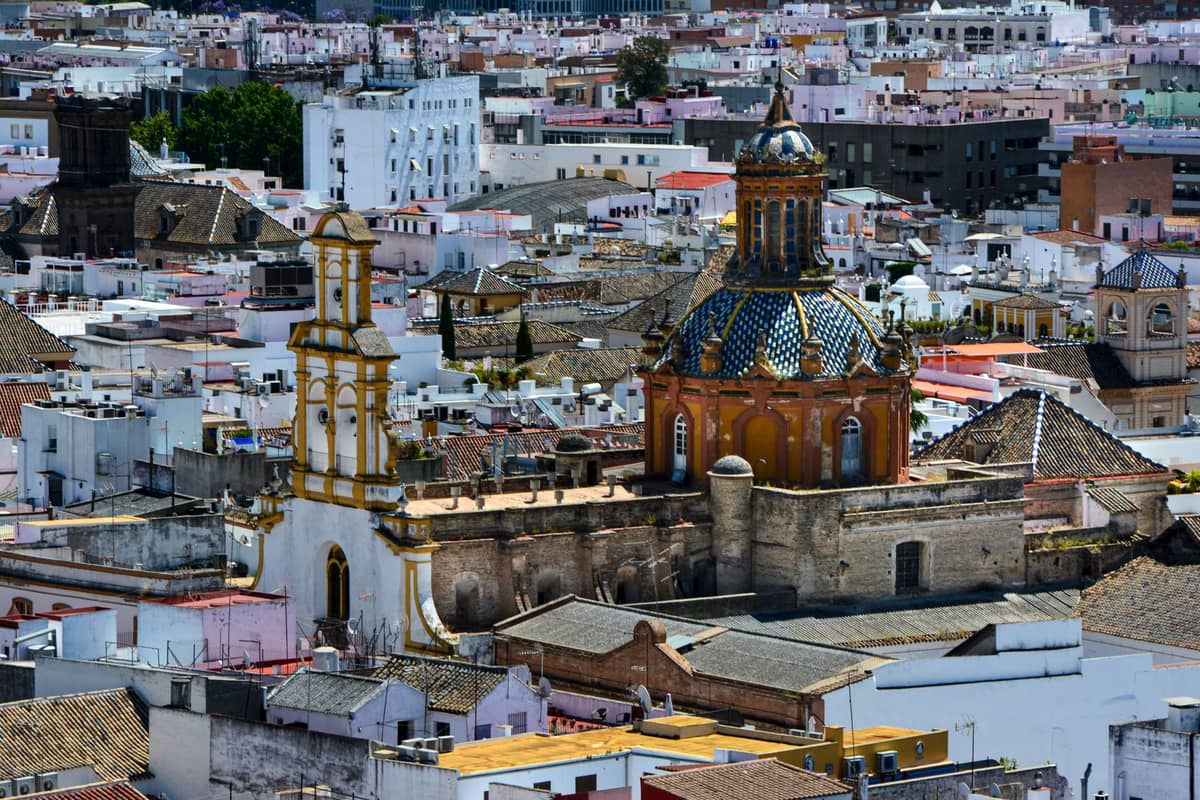
The 17th and 18th centuries were Seville's baroque boom years, funded by New World silver and the ambitions of religious orders competing to outshine each other. The results are some of the most theatrically decorated interiors in Europe. Several of these churches appear in the free things to do in Seville guide, since entry during mass hours is open to all.
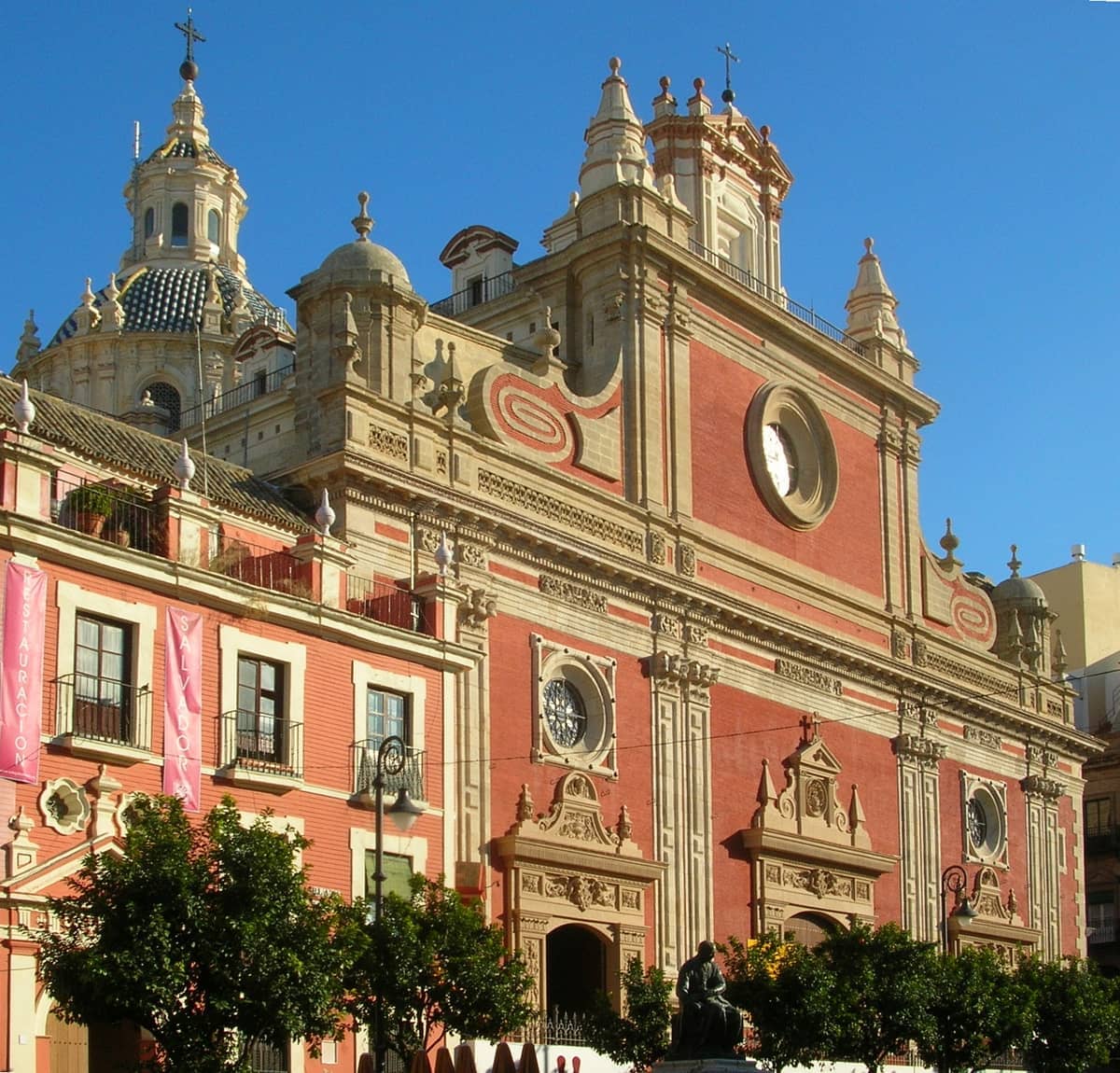
3. Marvel at the Baroque Interior of the Iglesia de San Salvador
Seville's second-largest church, built on the city's original main mosque, has a baroque interior that rivals the Cathedral in richness. General admission is €7 (€6 online), or free with Cathedral combined ticket. The plaza outside is one of the best tapas spots in the old town after your visit.
Explore3. Marvel at the Baroque Interior of the Iglesia de San Salvador
Seville's second-largest church, built on the city's original main mosque, has a baroque interior that rivals the Cathedral in richness. General admission is €7 (€6 online), or free with Cathedral combined ticket. The plaza outside is one of the best tapas spots in the old town after your visit.
Explore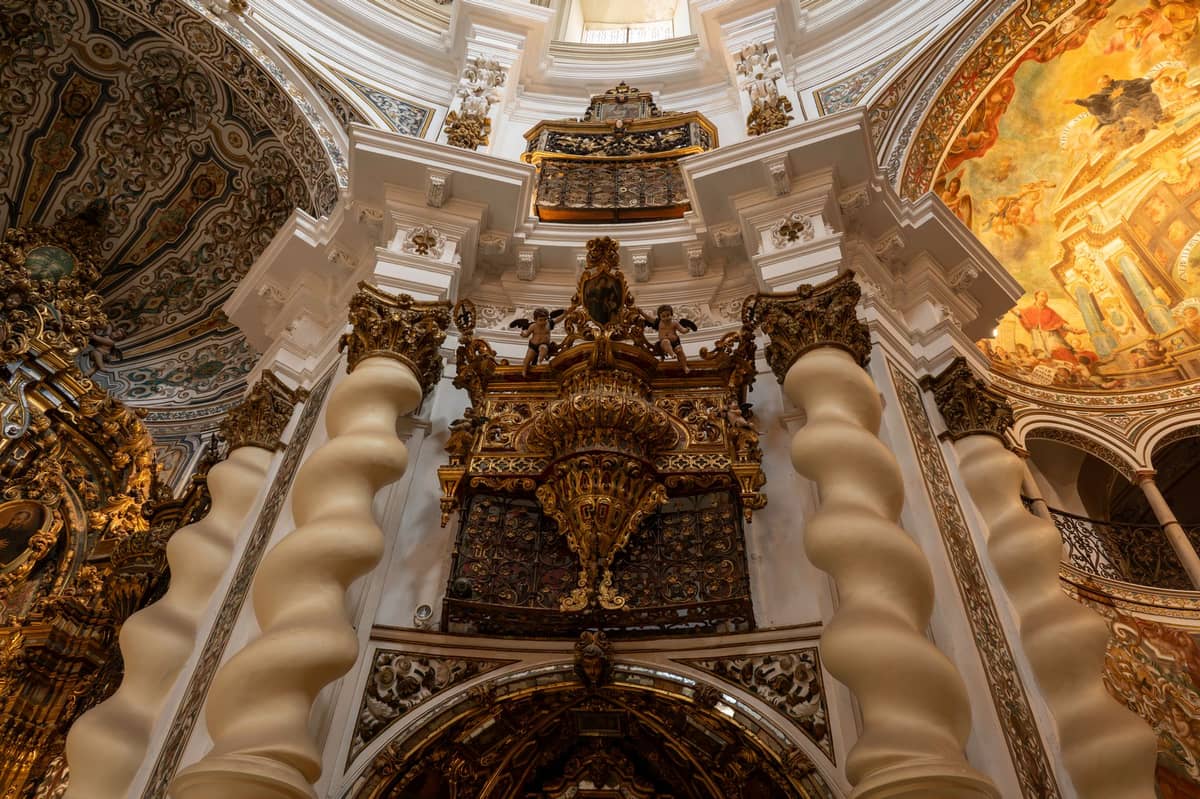
4. Discover One of Spain's Finest Baroque Churches in La Macarena
This 18th-century Jesuit church has an octagonal dome, ceiling frescoes, and gilded altarpieces that place it among the best baroque interiors in Spain. Almost no tourist crowds compared to the Cathedral. Budget about 30–45 minutes and look up constantly — the painted dome is extraordinary.
Explore4. Discover One of Spain's Finest Baroque Churches in La Macarena
This 18th-century Jesuit church has an octagonal dome, ceiling frescoes, and gilded altarpieces that place it among the best baroque interiors in Spain. Almost no tourist crowds compared to the Cathedral. Budget about 30–45 minutes and look up constantly — the painted dome is extraordinary.
Explore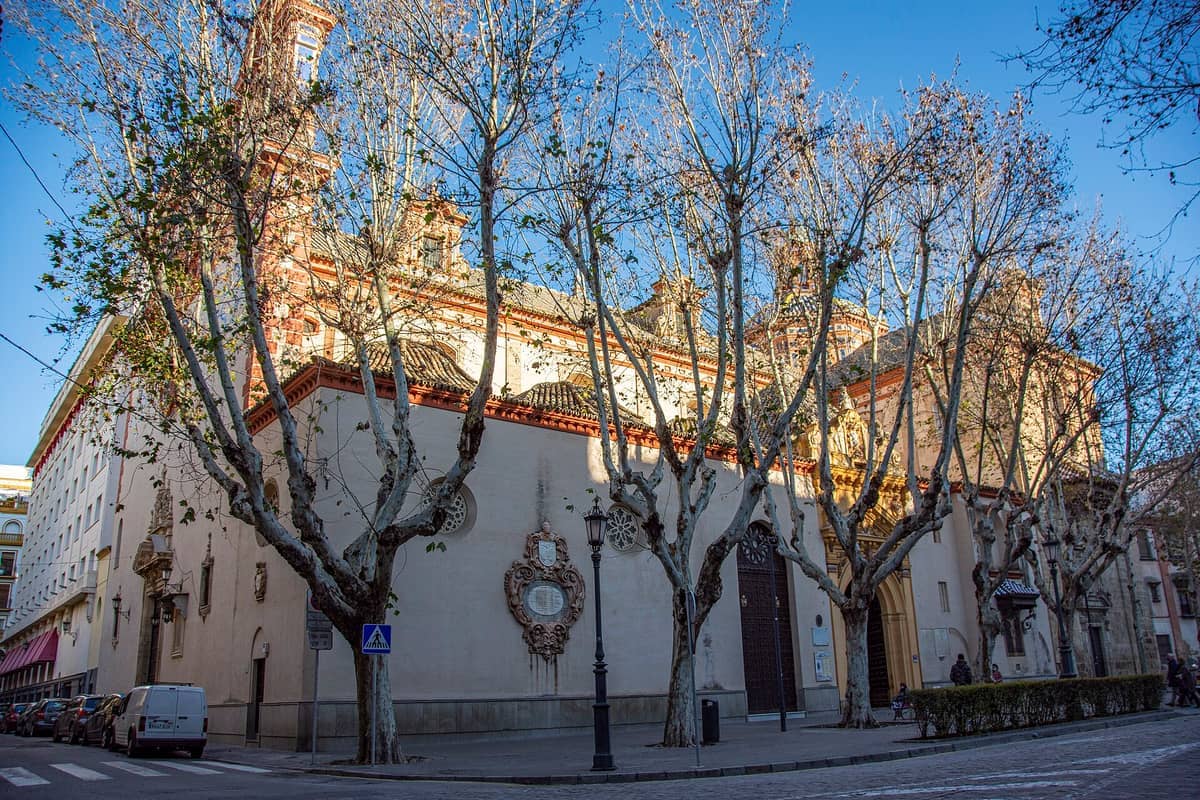
5. Seek Out the Frescoes of the Iglesia de la Magdalena
Near the Museo de Bellas Artes, this baroque church is decorated with frescoes by Lucas Valdés across its nave and chapels. It's regularly open and rarely crowded. The contrast between its plain exterior and the richly painted interior is a classic Sevillian surprise. Allow 20–30 minutes.
Explore5. Seek Out the Frescoes of the Iglesia de la Magdalena
Near the Museo de Bellas Artes, this baroque church is decorated with frescoes by Lucas Valdés across its nave and chapels. It's regularly open and rarely crowded. The contrast between its plain exterior and the richly painted interior is a classic Sevillian surprise. Allow 20–30 minutes.
Explore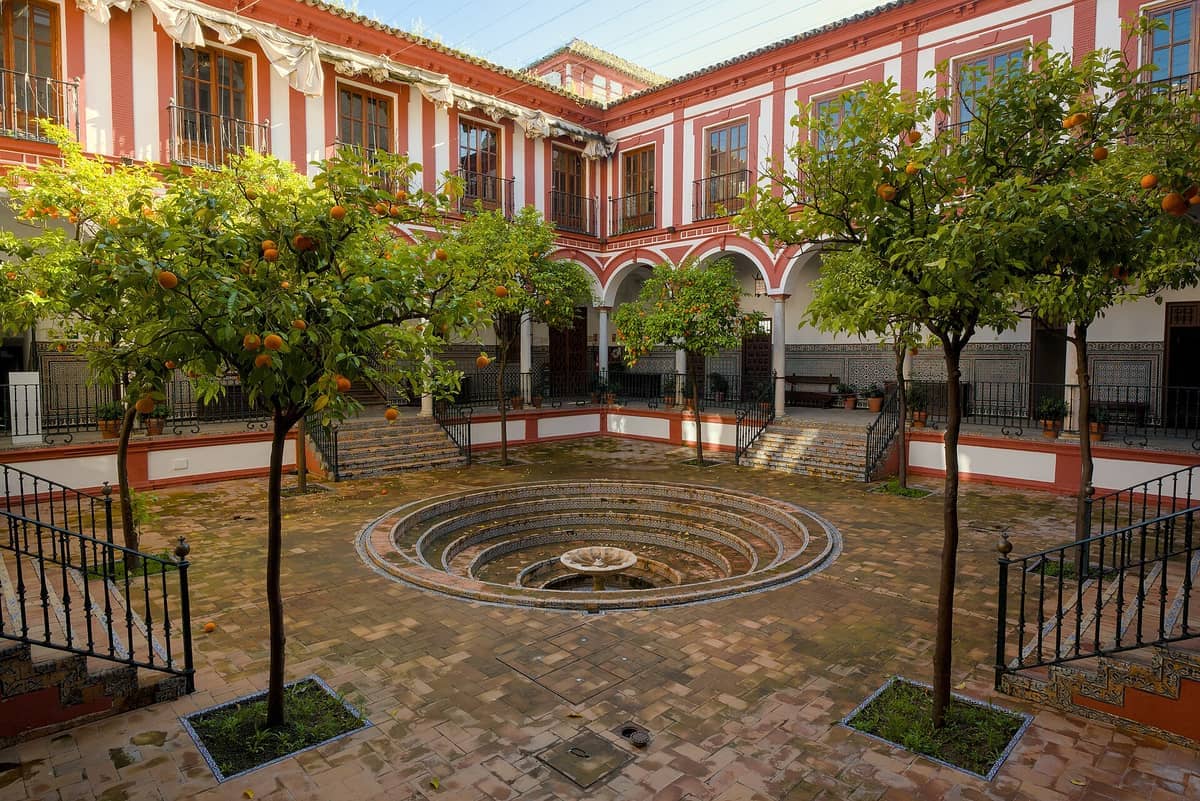
6. See Golden Age Masterpieces in a Baroque Church Setting
Built in the 1670s for elderly priests, this Santa Cruz building now houses the Focus-Abengoa collection, including exceptional Velázquez works. Its church interior and courtyard are architectural highlights independent of the art. A quieter alternative to the Cathedral quarter on busy mornings.
Explore6. See Golden Age Masterpieces in a Baroque Church Setting
Built in the 1670s for elderly priests, this Santa Cruz building now houses the Focus-Abengoa collection, including exceptional Velázquez works. Its church interior and courtyard are architectural highlights independent of the art. A quieter alternative to the Cathedral quarter on busy mornings.
ExploreMudéjar, Gothic & Medieval Foundations
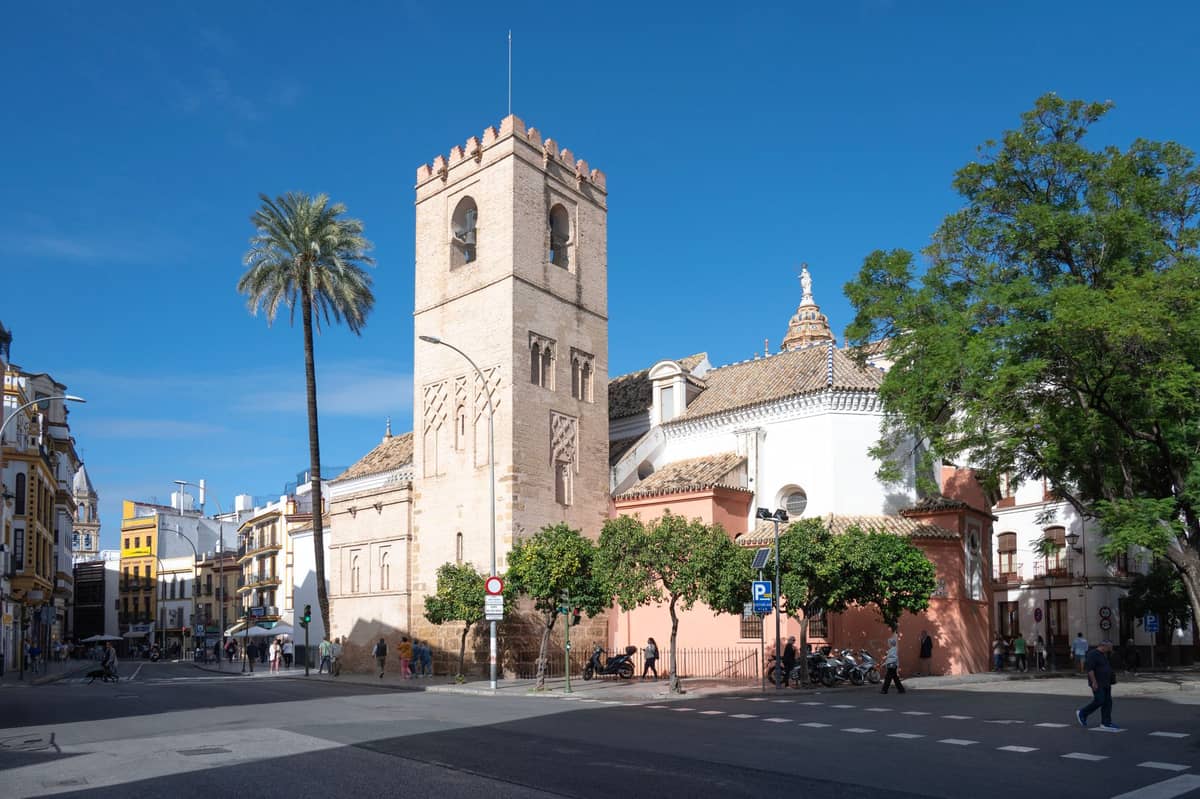
Seville's Christian reconquest in 1248 left the city with a distinctive architectural inheritance: mosques converted into churches, Moorish craftsmen employed by Christian patrons, and a hybrid Mudéjar style found almost nowhere else at this scale. The neighbourhood of La Macarena contains several of the best examples outside the Cathedral complex.
7. Visit the Emotional Heart of Seville's Semana Santa at the Macarena Basilica
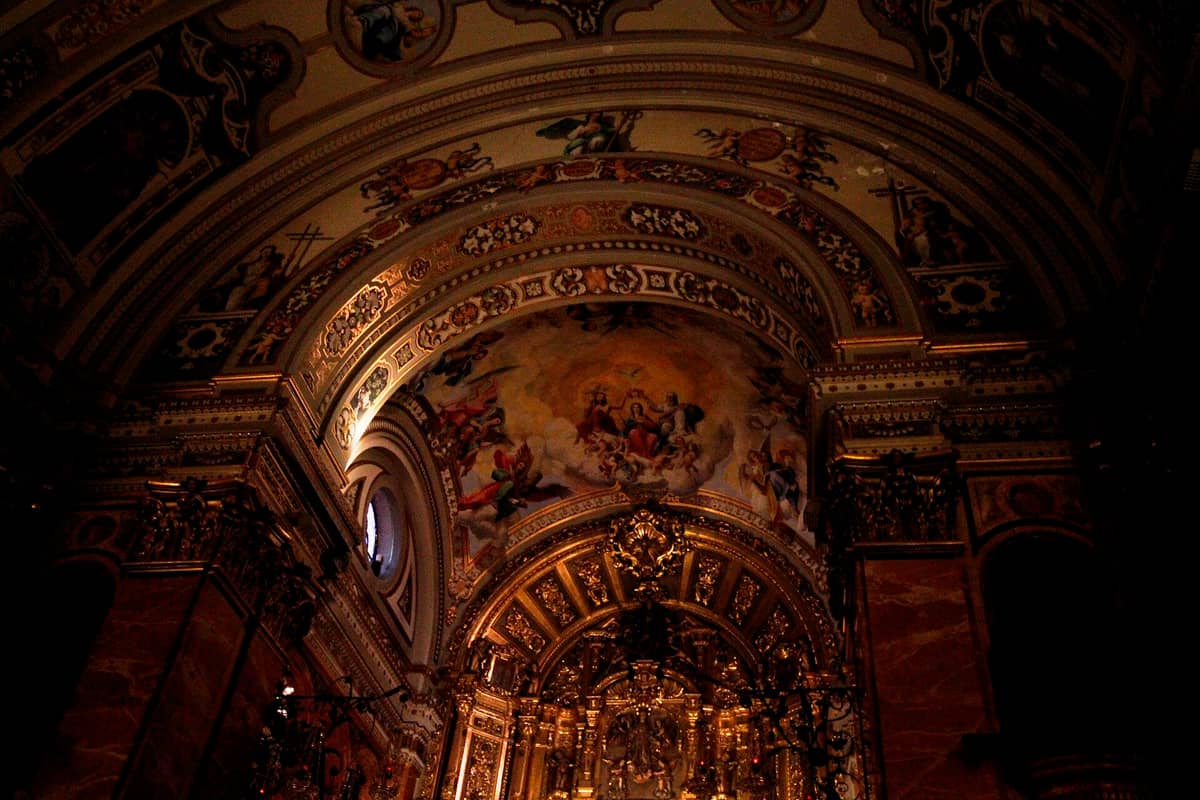
The Virgen de la Macarena, housed here in a 1940s basilica, is Seville's most venerated religious image. The adjacent museum displays her processional float, embroidered mantles worth millions, and Semana Santa treasures. Free to enter the church; museum charges a small fee.
Explore7. Visit the Emotional Heart of Seville's Semana Santa at the Macarena Basilica
The Virgen de la Macarena, housed here in a 1940s basilica, is Seville's most venerated religious image. The adjacent museum displays her processional float, embroidered mantles worth millions, and Semana Santa treasures. Free to enter the church; museum charges a small fee.
Explore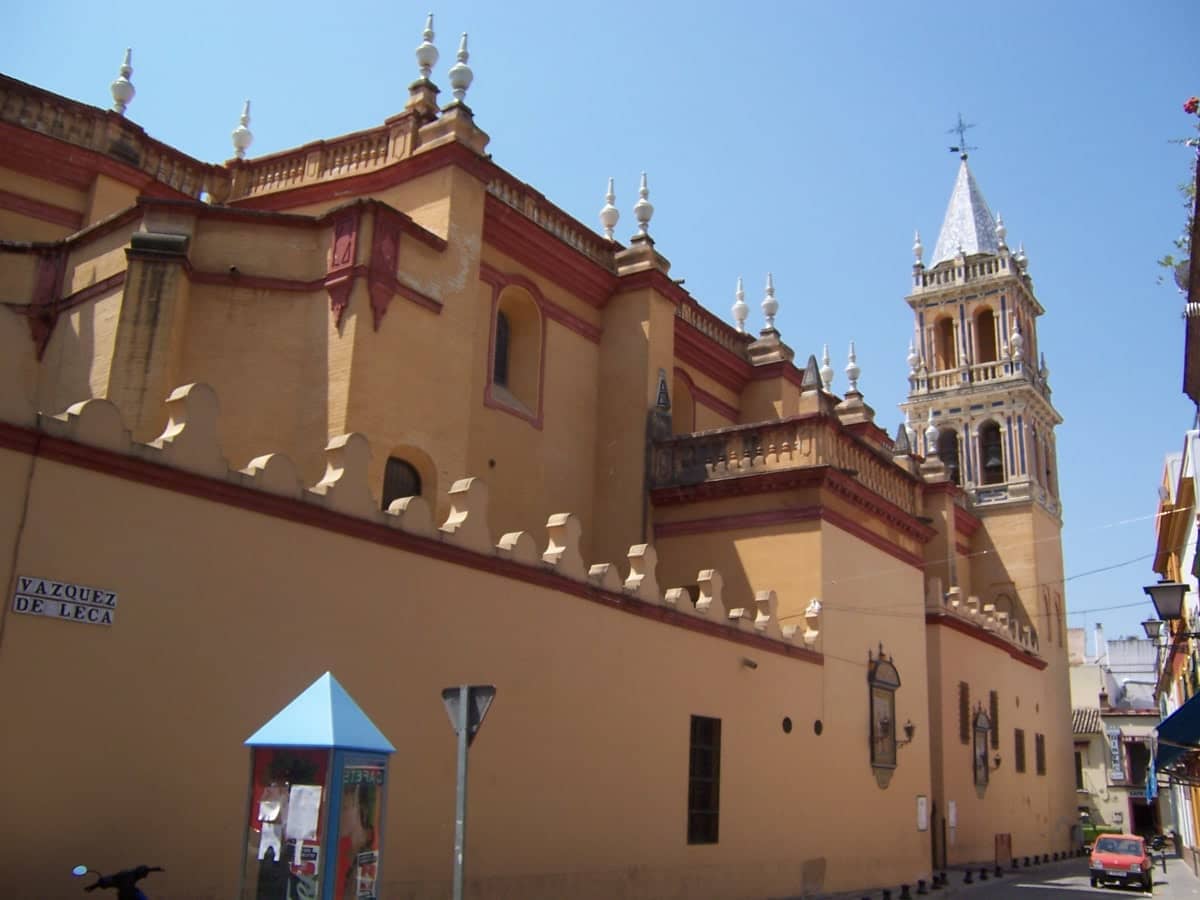
8. Visit the 'Cathedral of Triana', Seville's Oldest Parish Church
Dating to the 13th century, Santa Ana in Triana is the oldest parish church in Seville still in active use. Its interior holds remarkable retables and artworks gathered over 700 years. Visit on a weekday morning to find it quiet and fully open. The Gothic-Mudéjar structure is in excellent condition.
Explore8. Visit the 'Cathedral of Triana', Seville's Oldest Parish Church
Dating to the 13th century, Santa Ana in Triana is the oldest parish church in Seville still in active use. Its interior holds remarkable retables and artworks gathered over 700 years. Visit on a weekday morning to find it quiet and fully open. The Gothic-Mudéjar structure is in excellent condition.
Explore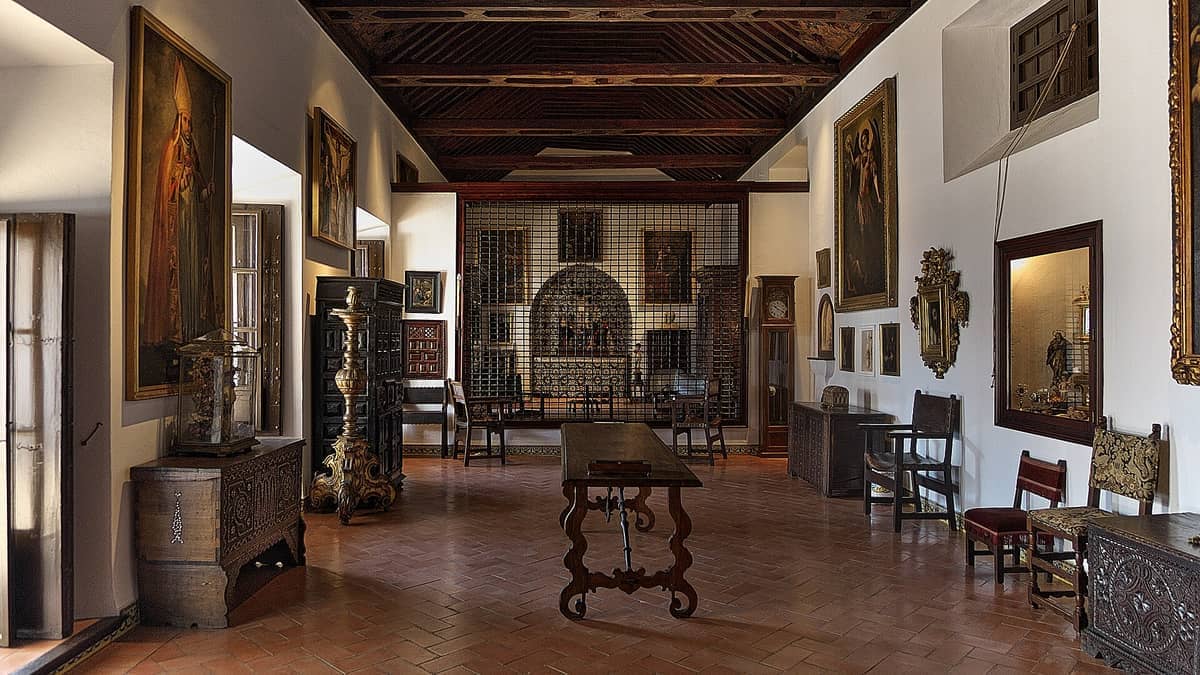
9. Admire the Mudéjar-Gothic Portal of the Convento de Santa Paula
This active 15th-century convent has one of the finest Mudéjar-Gothic portals in the city, decorated with ceramic medallions. The small museum inside displays religious sculpture and paintings. The enclosed nuns still sell handmade marmalades through a wooden revolving hatch — a genuine Seville tradition.
Explore9. Admire the Mudéjar-Gothic Portal of the Convento de Santa Paula
This active 15th-century convent has one of the finest Mudéjar-Gothic portals in the city, decorated with ceramic medallions. The small museum inside displays religious sculpture and paintings. The enclosed nuns still sell handmade marmalades through a wooden revolving hatch — a genuine Seville tradition.
Explore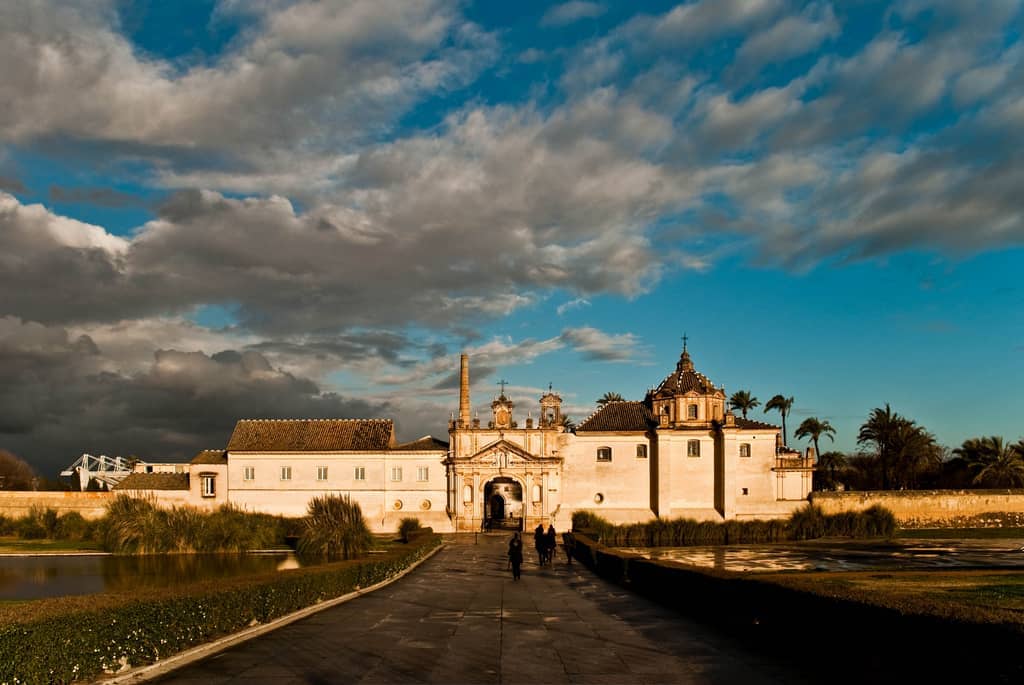
10. Explore the Gothic-Renaissance Monastery Where Columbus Planned His Voyages
Founded in 1399 on the Isla de la Cartuja, this monastery sheltered Columbus before his first voyage. Its Gothic church, Mudéjar chapels, and Renaissance cloisters survive intact, now combined with the contemporary art collection of the CAAC. Easily reached by a short walk across the river.
Explore10. Explore the Gothic-Renaissance Monastery Where Columbus Planned His Voyages
Founded in 1399 on the Isla de la Cartuja, this monastery sheltered Columbus before his first voyage. Its Gothic church, Mudéjar chapels, and Renaissance cloisters survive intact, now combined with the contemporary art collection of the CAAC. Easily reached by a short walk across the river.
ExploreArchitecture Adjacent: Religious Spaces & Secular Palaces
Seville's religious architectural heritage extends beyond church buildings. The Archivo de Indias and the Alcázar both grew from sacred or ceremonial functions, and understanding them adds depth to any church-focused itinerary. For visitors wanting to go deeper, the best museums in Seville guide covers the institutions now housed in several of these historic structures.
11. Walk Through a Renaissance Masterpiece Free of Charge
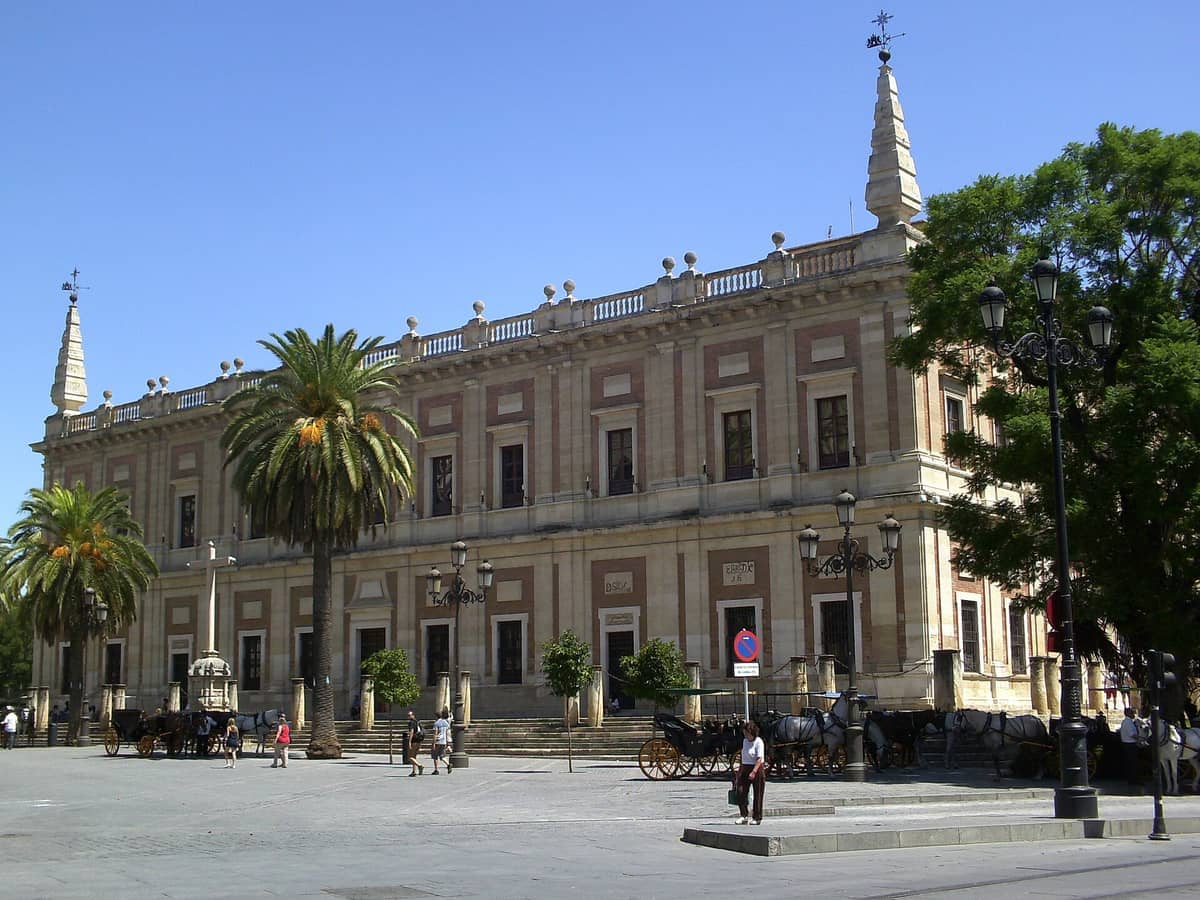
Built in 1584 as a merchants' exchange, this UNESCO building next to the Cathedral is now the world's archive of Spanish colonial history. Entry is free, and the Renaissance courtyard and vaulted halls are architectural highlights in their own right. Allow 30–45 minutes to explore properly.
Explore11. Walk Through a Renaissance Masterpiece Free of Charge
Built in 1584 as a merchants' exchange, this UNESCO building next to the Cathedral is now the world's archive of Spanish colonial history. Entry is free, and the Renaissance courtyard and vaulted halls are architectural highlights in their own right. Allow 30–45 minutes to explore properly.
Explore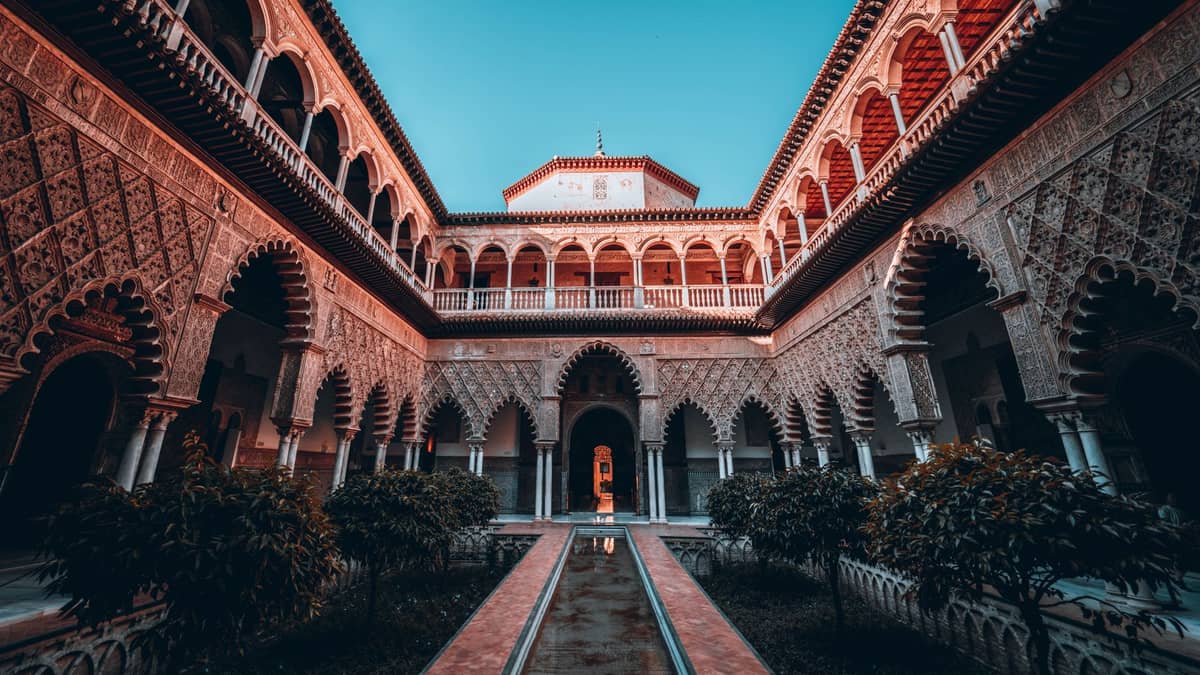
12. See Mudéjar Architecture at Its Finest in the Real Alcázar
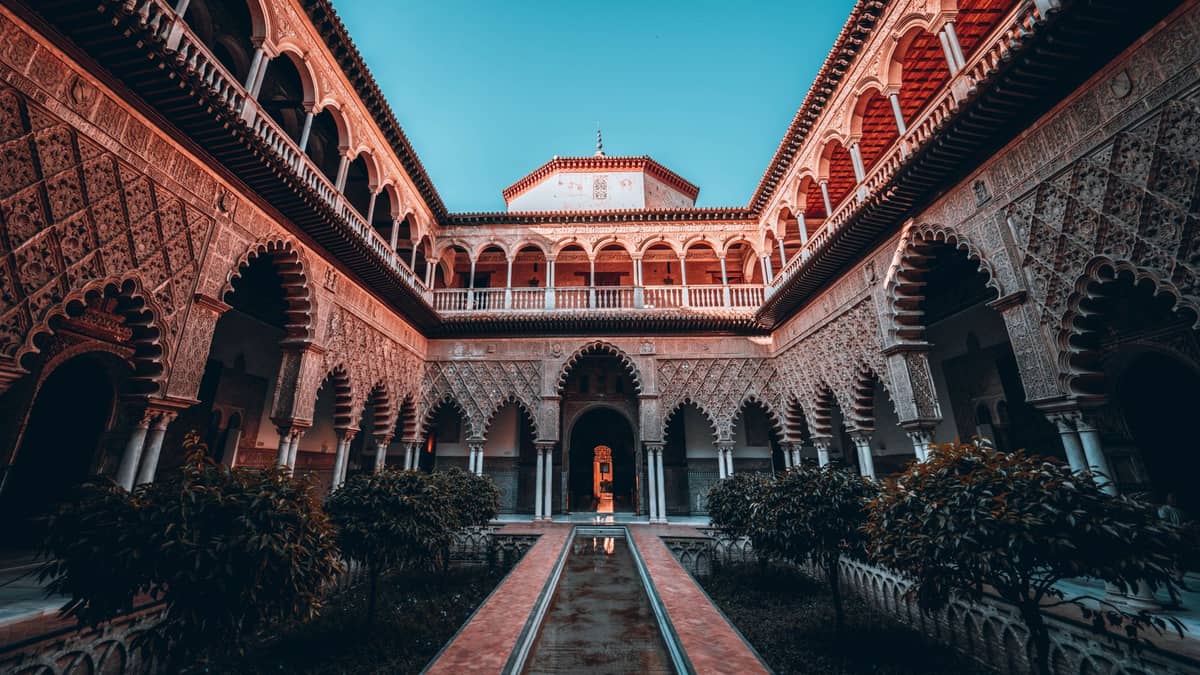
Built by Christian king Pedro I in 1364 using Moorish craftsmen, the Alcázar's throne room and Patio de las Doncellas are among the finest Mudéjar spaces anywhere. Religious symbolism runs through every panel and tile. Book weeks ahead in high season; the palace still receives Spain's royal family.
Explore12. See Mudéjar Architecture at Its Finest in the Real Alcázar
Built by Christian king Pedro I in 1364 using Moorish craftsmen, the Alcázar's throne room and Patio de las Doncellas are among the finest Mudéjar spaces anywhere. Religious symbolism runs through every panel and tile. Book weeks ahead in high season; the palace still receives Spain's royal family.
Explore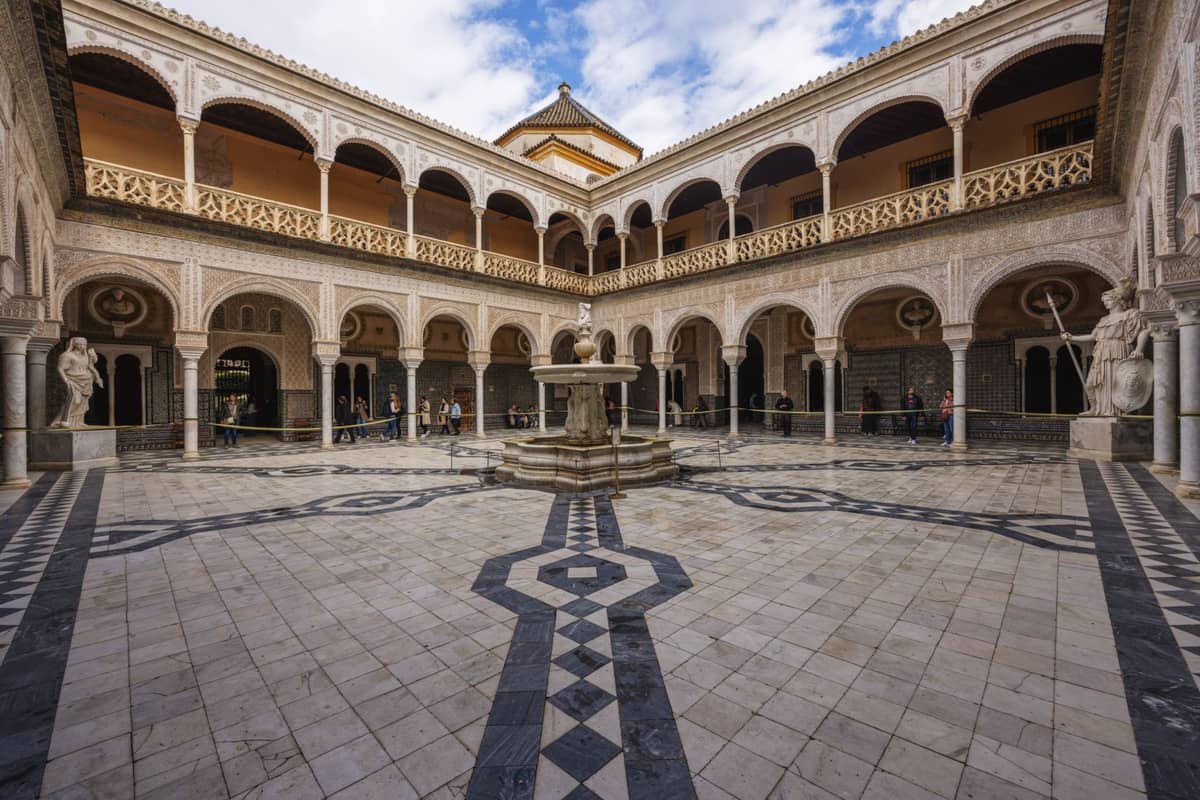
13. Trace Christian and Moorish Devotional Art at Casa de Pilatos
This 16th-century private palace blends Mudéjar tilework, Gothic vaulting, and Renaissance loggias in a single building. Originally built as a devotional space along a Via Crucis route, it still holds Roman sculptures and a remarkable chapel. Far fewer visitors than the Alcázar and equally impressive.
Explore13. Trace Christian and Moorish Devotional Art at Casa de Pilatos
This 16th-century private palace blends Mudéjar tilework, Gothic vaulting, and Renaissance loggias in a single building. Originally built as a devotional space along a Via Crucis route, it still holds Roman sculptures and a remarkable chapel. Far fewer visitors than the Alcázar and equally impressive.
Explore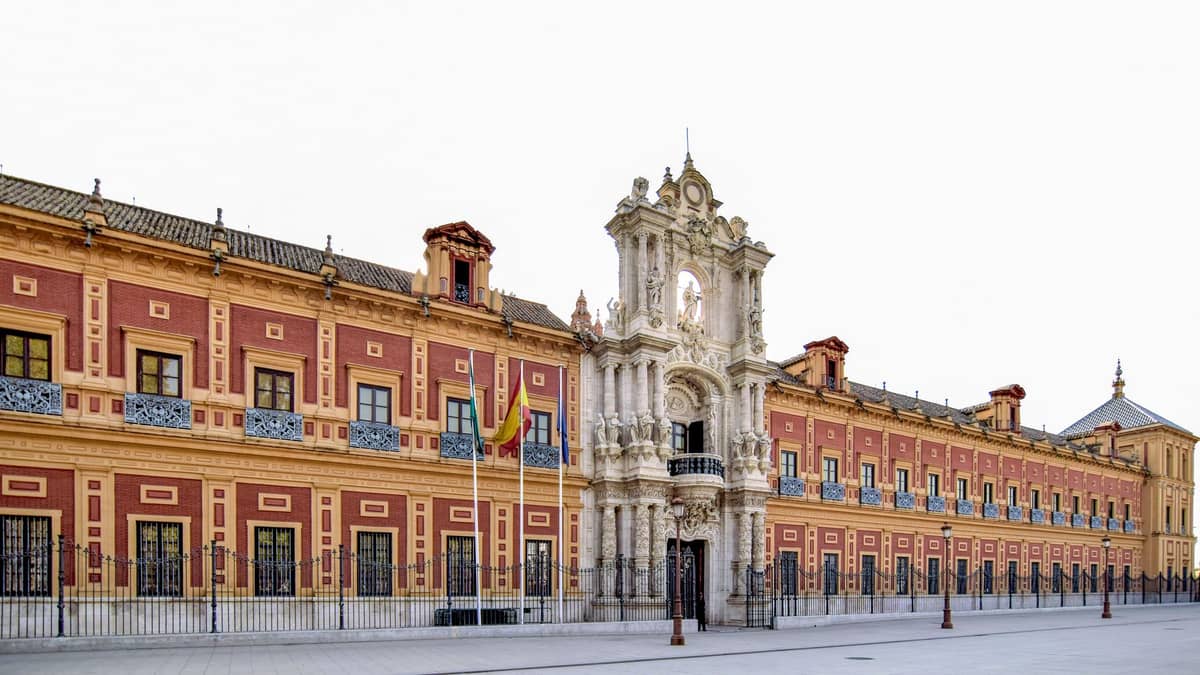
14. Admire the Most Extravagant Baroque Facade in Seville
Built in 1682 as a seminary for navigators, the Palacio de San Telmo's Churrigueresque main portal is a cascade of saints, angels, and ornamental carving unlike anything else in the city. Now the Andalusian government headquarters, the exterior is freely visible and best appreciated in morning light.
Explore14. Admire the Most Extravagant Baroque Facade in Seville
Built in 1682 as a seminary for navigators, the Palacio de San Telmo's Churrigueresque main portal is a cascade of saints, angels, and ornamental carving unlike anything else in the city. Now the Andalusian government headquarters, the exterior is freely visible and best appreciated in morning light.
Explore✨ Pro tip
Many of Seville's smaller churches offer free entry during morning and evening mass, often around typical parish service times. Visiting at these times means fewer tourists, no tickets required, and the building in active use — exactly the experience they were built for.
FAQ
How do I get free entry to Seville Cathedral?
Seville Cathedral offers a free cultural visit window on Sundays from 16:30–18:00, but this requires prior online reservation and capacity is strictly limited. You must book through the cathedral's official website (catedraldesevilla.es) in advance. Other free categories include children under 13 accompanied by an adult, residents of the Seville archdiocese with proof, and people with 65% or greater disability certification.
Is it worth buying a combined Cathedral and Iglesia del Salvador ticket?
Yes, if you plan to see both in the same visit. The combined ticket is slightly more expensive than the Cathedral alone but saves time and money compared to buying separately. El Salvador is Seville's second-largest church with a remarkable baroque interior and is worth at least 45 minutes. Book online in advance to secure a time slot.
What should I wear when visiting churches in Seville?
Covered shoulders and no shorts or very short skirts are the standard expectation at Seville's major churches. The Cathedral and Basílica de la Macarena are the strictest; smaller parish churches are more relaxed but respectful dress is still appropriate. A light scarf or cardigan carried in your bag solves the issue quickly in summer.
Which churches in Seville are free to enter?
Several notable churches can be visited, including the Iglesia de San Luis de los Franceses, the Iglesia de la Magdalena, the Iglesia de Santa Ana in Triana, the Convento de Santa Paula (small museum fee), and the Basílica de la Macarena (church free, museum charged). The Archivo General de Indias is also free to enter. Hours and ticket policies vary and may change on feast days, so check ahead.
When is the best time of year to visit Seville's churches?
Spring (March–May) and autumn (October–November) offer mild temperatures making it comfortable to walk between sites. Holy Week (Semana Santa) is the most atmospheric time to experience Seville's religious culture, but cultural visit hours at major churches can be restricted when liturgical processions take priority. Summer (July–August) brings intense heat but fewer crowds mid-week at smaller churches.
Tickets & tours
Live prices and dates from our booking partner. If you book, we may earn a commission at no extra cost to you.
Planning a trip? Discover personalized activities with the Nomado app.