Best Museums in Seville: 15 Essential Stops for Culture Lovers
Seville delivers more than its size suggests when it comes to museums. From world-class fine art and Moorish palaces to ceramics, naval history, and flamenco, this guide covers the best museums in Seville across every interest and budget.
Tickets & tours
Live prices and dates from our booking partner. If you book, we may earn a commission at no extra cost to you.
Seville's museum scene is anchored by a handful of genuine heavyweights, but the city also rewards those who look beyond the obvious. The UNESCO-listed trio of the Cathedral, Alcázar, and Archivo de Indias sits at the centre of any cultural itinerary, but neighbourhoods like Triana and La Macarena hold smaller institutions that often leave a deeper impression. If you're planning your visit around culture, the 3-day Seville itinerary gives a useful framework for fitting the best of them in without rushing. For a deeper dive into the city's art churches and sacred art, the best churches in Seville guide covers essential sacred spaces that blur the line between museum and monument.
World-Class Art & History Museums
These are the institutions that put Seville on the global cultural map. Several are housed in extraordinary historic buildings, so you're getting architecture and art in one visit. Note that the Museo de Bellas Artes charges just €1.50 general admission (free for EU citizens), making it one of the best-value museum visits in Spain. For a broader sense of how these fit into the city's layout, the Seville walking tours guide is a helpful companion.
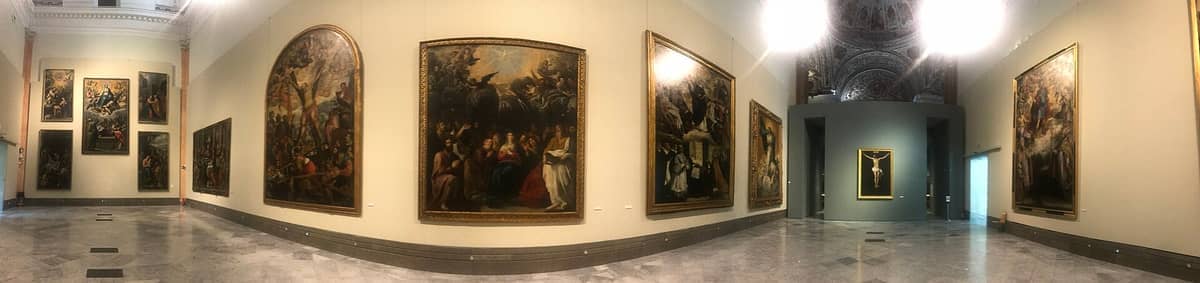
1. Discover Golden Age Masterpieces at the Museo de Bellas Artes
Housed in a 17th-century convent, this is Spain's finest regional art museum. Rooms of Murillo, Zurbarán, and Velázquez feel uncrowded compared to Madrid. Open Tue–Sat 09:00–21:00 (shorter hours in August). Just €1.50, free for EU citizens.
Explore1. Discover Golden Age Masterpieces at the Museo de Bellas Artes
Housed in a 17th-century convent, this is Spain's finest regional art museum. Rooms of Murillo, Zurbarán, and Velázquez feel uncrowded compared to Madrid. Open Tue–Sat 09:00–21:00 (shorter hours in August). Just €1.50, free for EU citizens.
Explore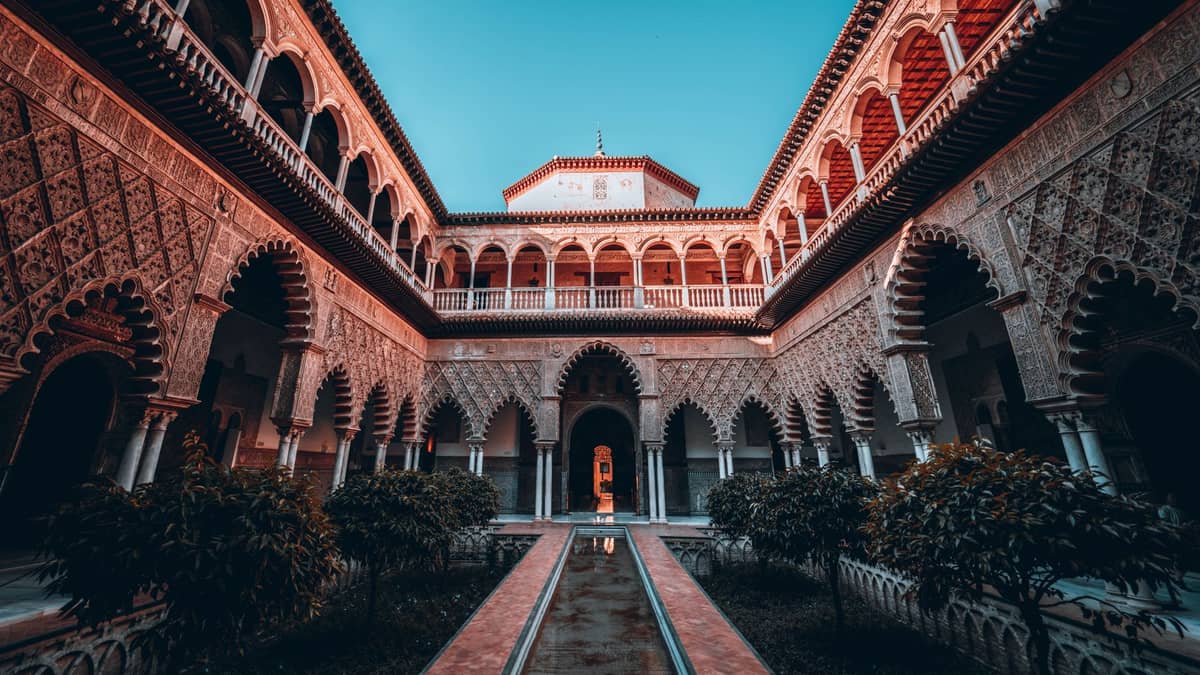
2. Explore 700 Years of Royal History at the Real Alcázar
Seville's greatest monument is also a functioning royal palace. Mudéjar tilework, Renaissance gardens, and Gothic halls layer centuries of history. Book online well in advance. General entry €15.50; the Upper Apartments cost €5.50 extra and are worth it.
Explore2. Explore 700 Years of Royal History at the Real Alcázar
Seville's greatest monument is also a functioning royal palace. Mudéjar tilework, Renaissance gardens, and Gothic halls layer centuries of history. Book online well in advance. General entry €15.50; the Upper Apartments cost €5.50 extra and are worth it.
Explore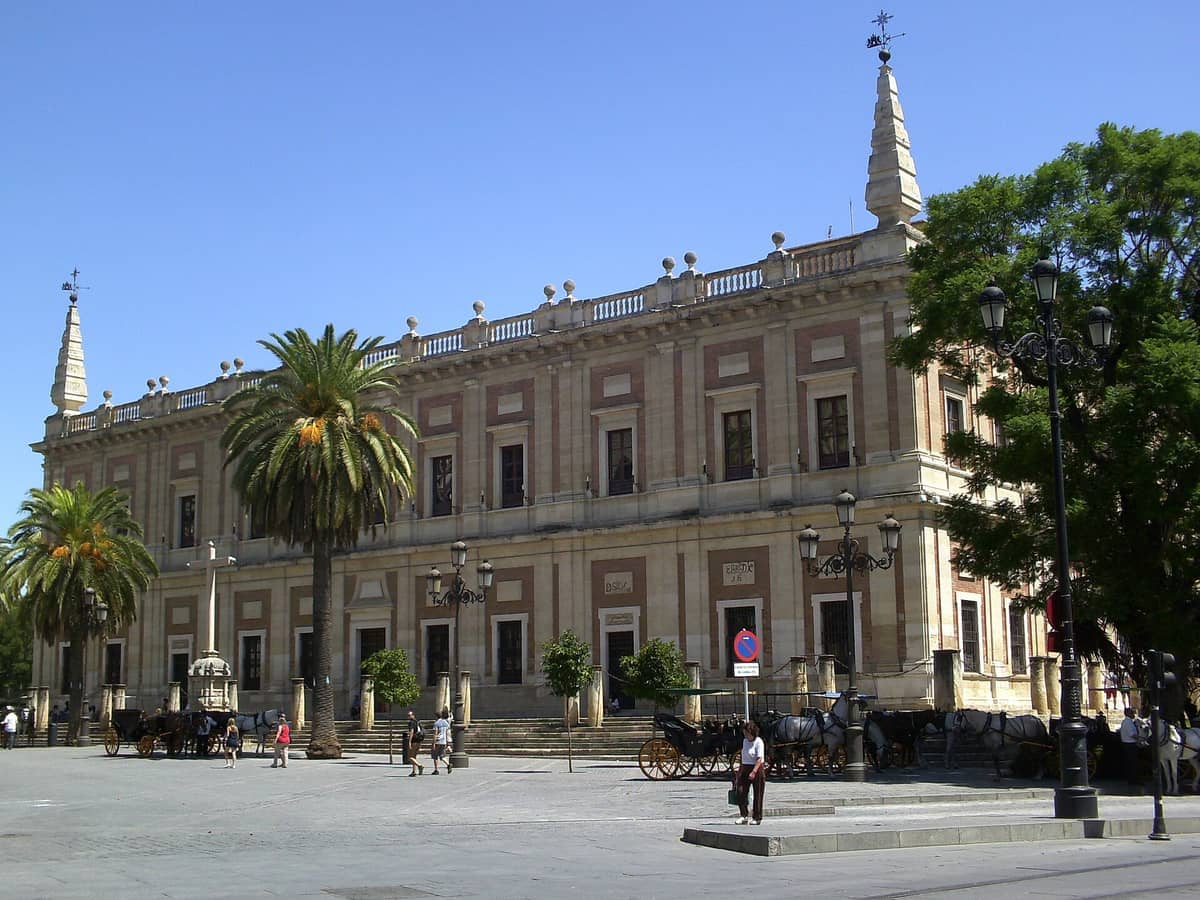
3. Read the Documents of Colonial History at the Archivo de Indias
Millions of original manuscripts from Spain's American empire fill this stunning Renaissance building beside the Cathedral. Free to enter, architecturally breathtaking, and uncrowded. Displays rotate, so exhibits vary, but the building alone justifies the visit.
Explore3. Read the Documents of Colonial History at the Archivo de Indias
Millions of original manuscripts from Spain's American empire fill this stunning Renaissance building beside the Cathedral. Free to enter, architecturally breathtaking, and uncrowded. Displays rotate, so exhibits vary, but the building alone justifies the visit.
Explore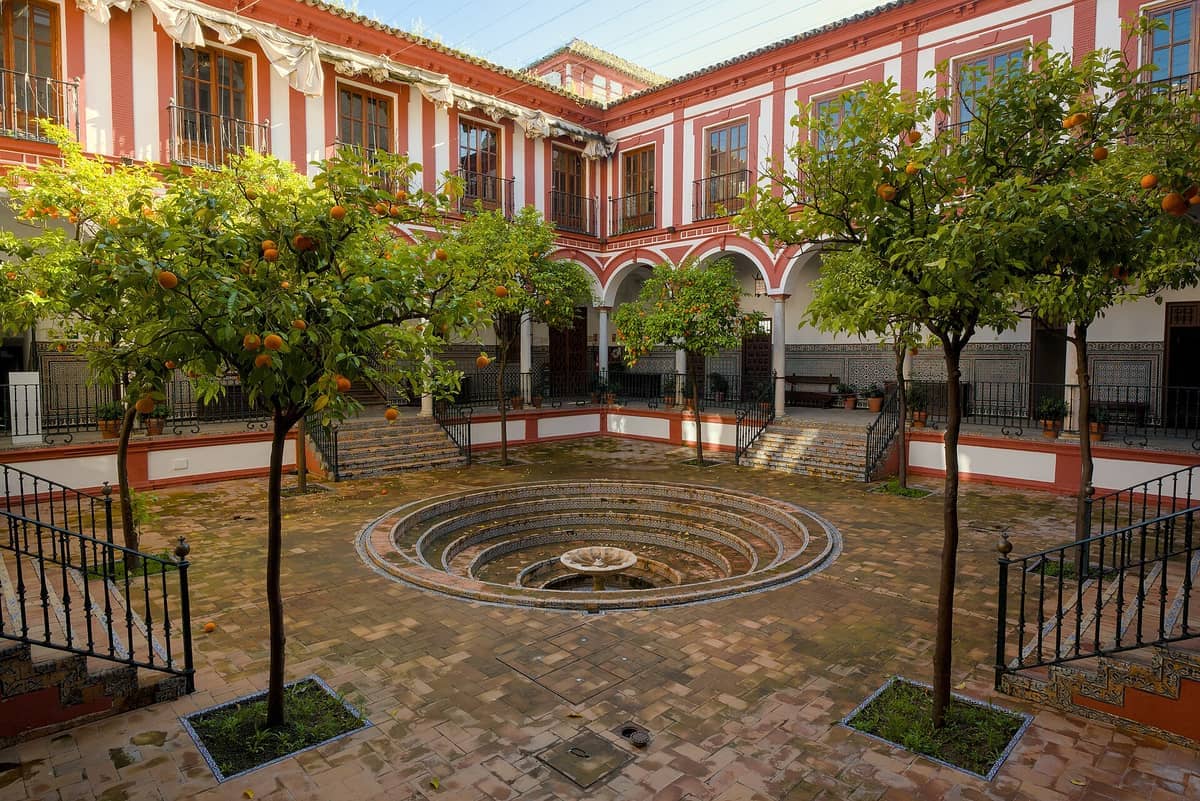
4. See Velázquez Up Close at the Hospital de los Venerables
This 17th-century baroque palace in Santa Cruz houses the Focus-Abengoa Foundation's outstanding Golden Age collection, including important Velázquez works. Its church ceiling and central courtyard are among the finest baroque interiors in Seville's historic centre.
Explore4. See Velázquez Up Close at the Hospital de los Venerables
This 17th-century baroque palace in Santa Cruz houses the Focus-Abengoa Foundation's outstanding Golden Age collection, including important Velázquez works. Its church ceiling and central courtyard are among the finest baroque interiors in Seville's historic centre.
Explore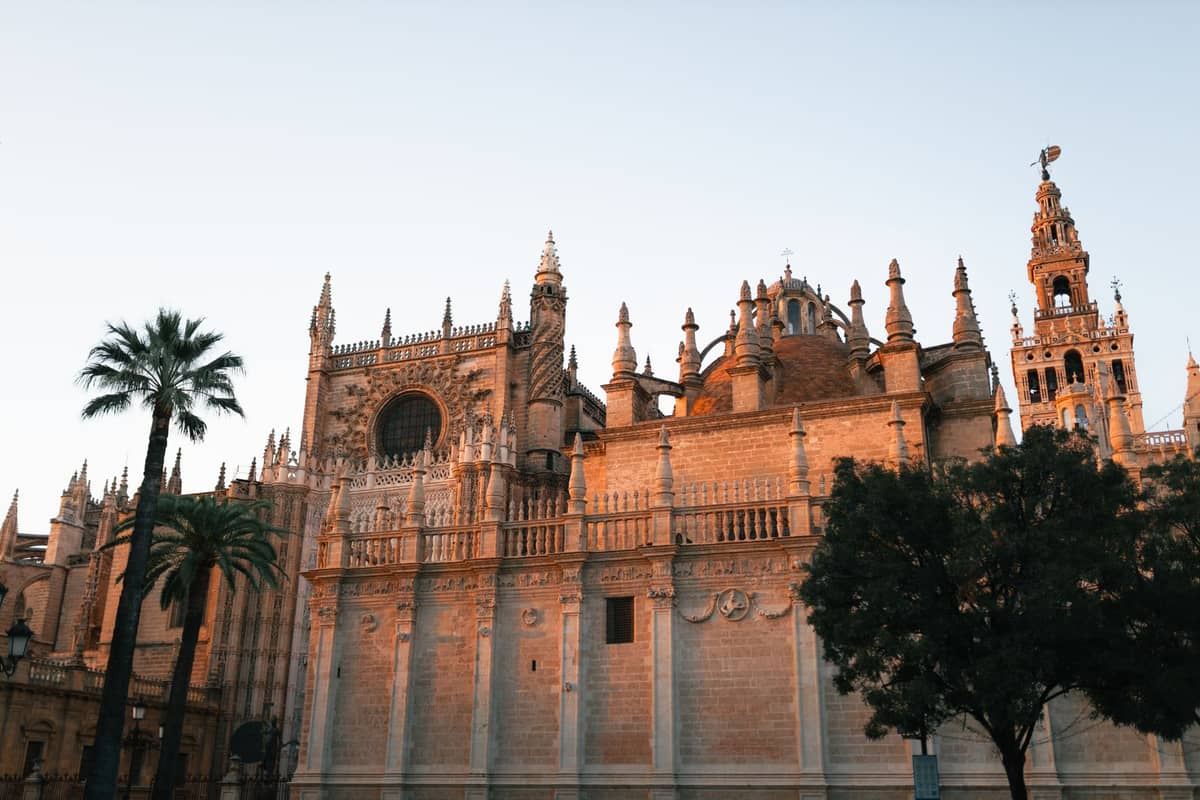
5. Take in Five Centuries of Art Inside Seville Cathedral
The world's largest Gothic cathedral holds Columbus's tomb, a Zurbarán altarpiece, and a treasury of gold and silverwork. Combined tickets include the Giralda climb. Arrive early or pre-book to avoid the longest queues, especially in spring and autumn.
Explore5. Take in Five Centuries of Art Inside Seville Cathedral
The world's largest Gothic cathedral holds Columbus's tomb, a Zurbarán altarpiece, and a treasury of gold and silverwork. Combined tickets include the Giralda climb. Arrive early or pre-book to avoid the longest queues, especially in spring and autumn.
ExplorePalaces, Mansions & Aristocratic Collections
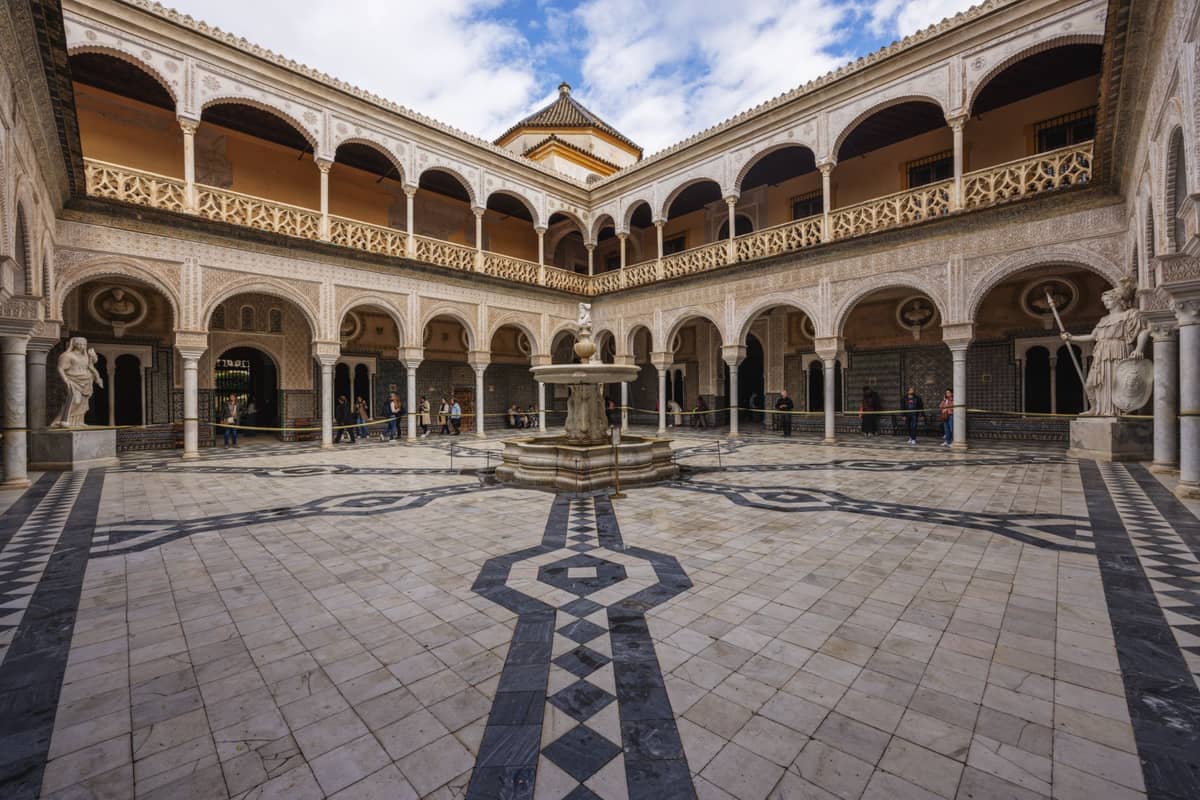
Seville's nobility left behind a remarkable legacy of private palaces, several of which now open their collections to the public. These are slower, more intimate experiences than the major state museums, and they reward curious visitors with extraordinary rooms and unexpected treasures.
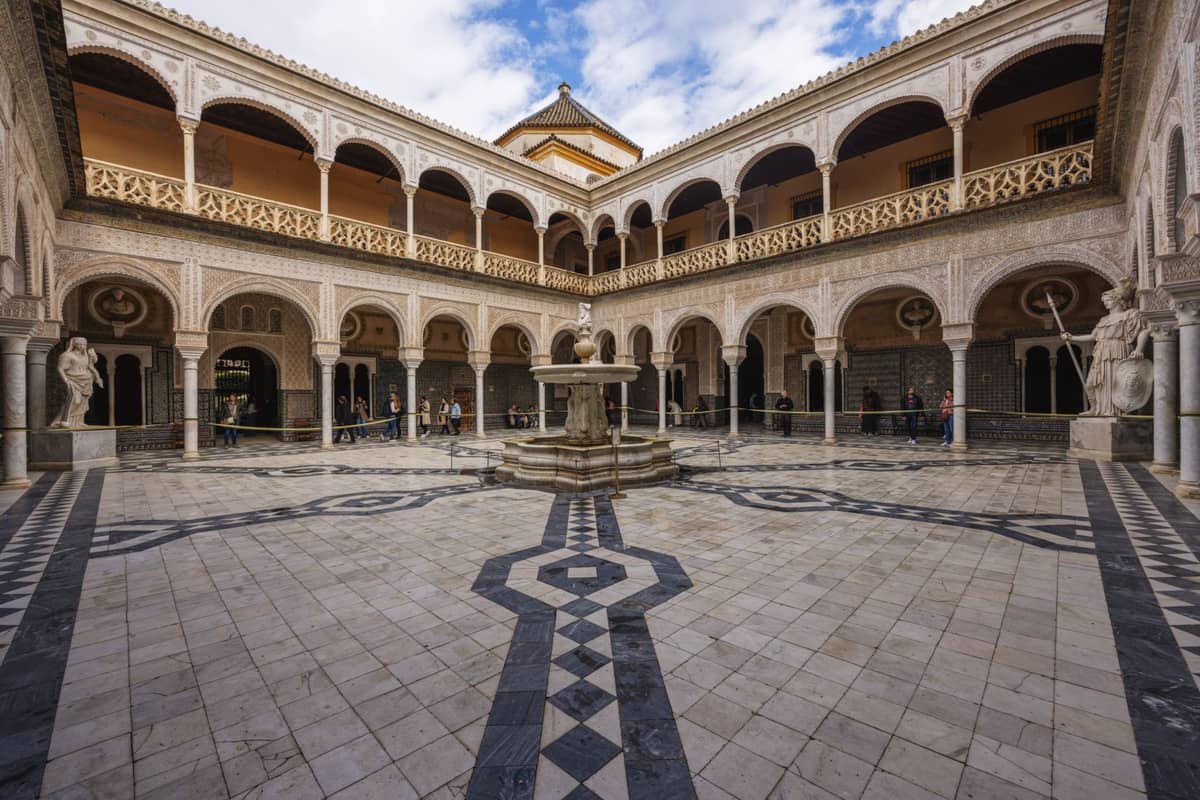
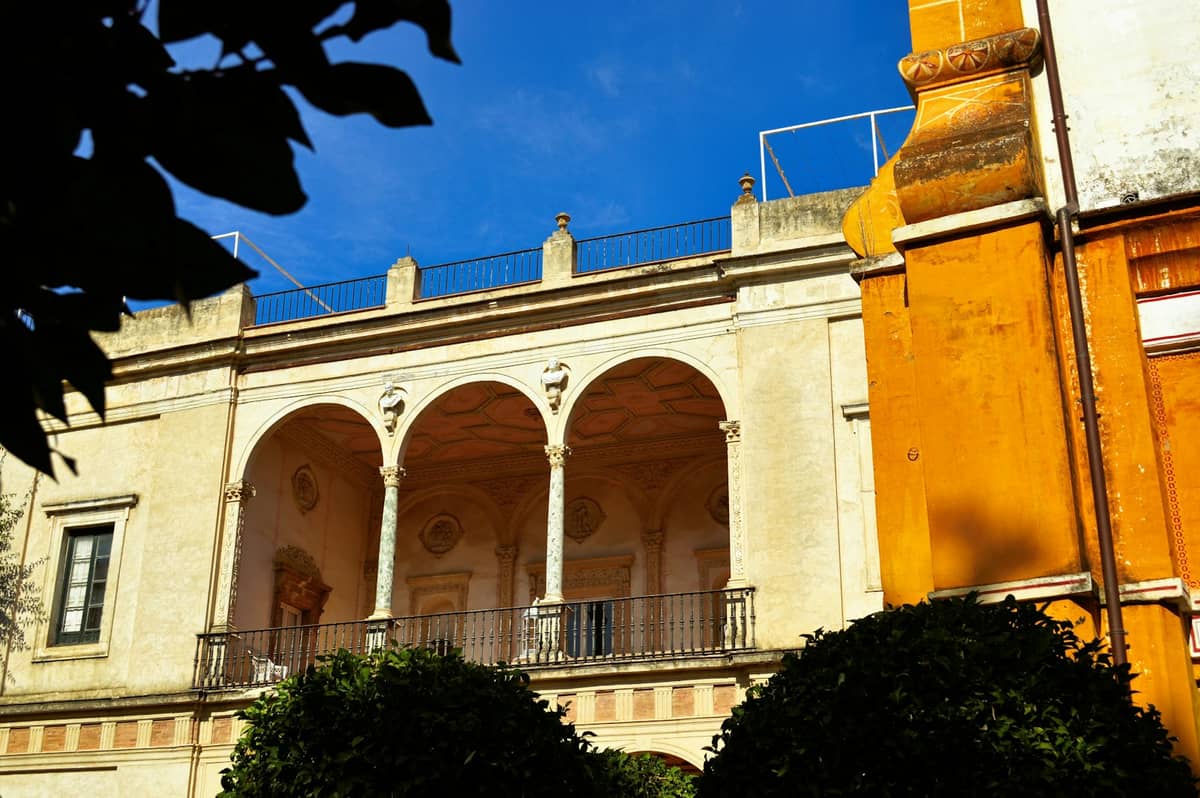
6. Wander Room After Room of Roman Antiquities at Casa de Pilatos
Seville's most complete private palace blends Mudéjar, Gothic, and Renaissance styles across two floors of galleries. The ground floor holds the best azulejo tilework in the city; the upper floor displays Roman sculpture and painted ceilings still used by the Medinaceli family.
Explore6. Wander Room After Room of Roman Antiquities at Casa de Pilatos
Seville's most complete private palace blends Mudéjar, Gothic, and Renaissance styles across two floors of galleries. The ground floor holds the best azulejo tilework in the city; the upper floor displays Roman sculpture and painted ceilings still used by the Medinaceli family.
Explore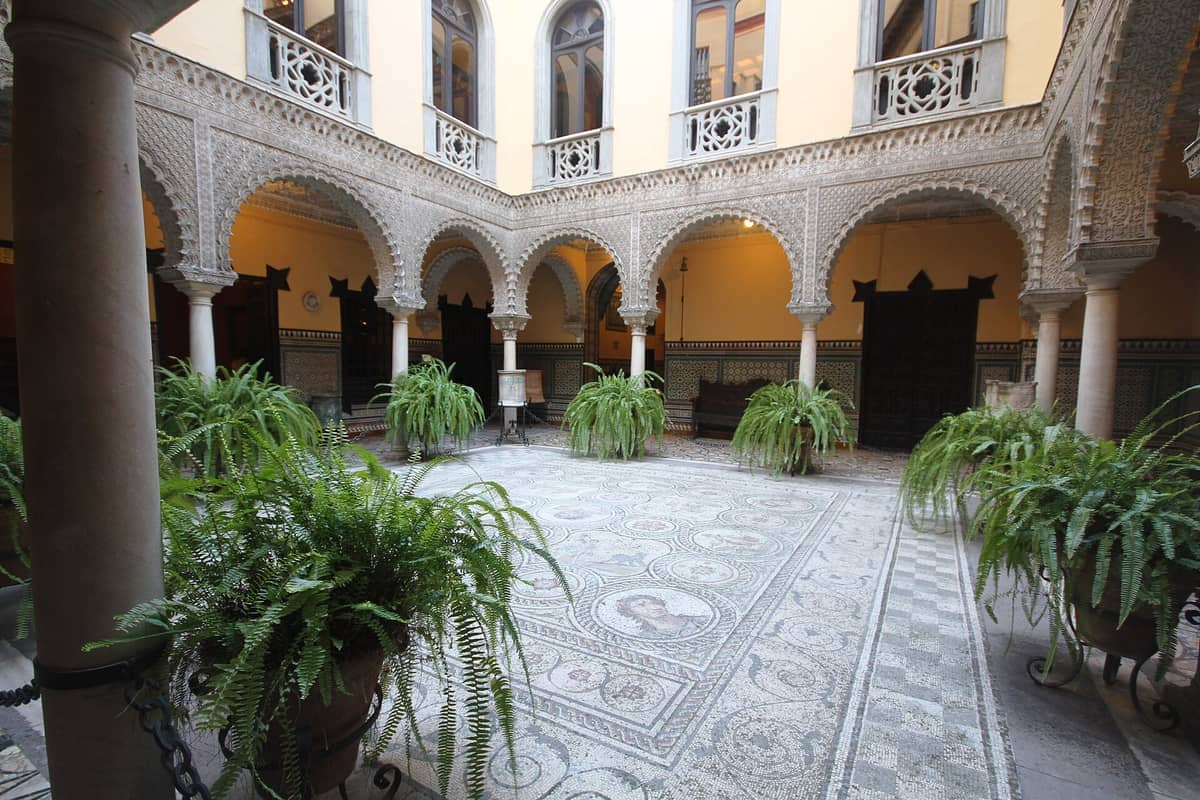
7. Find Roman Mosaics Underfoot at the Palacio de la Condesa de Lebrija
An early 20th-century countess embedded genuine Roman mosaics from Italica into every floor of this Santa Cruz palace. The private collection spans antiquities, ceramics, and tapestries. Small entry fee, rarely crowded, and genuinely surprising at every turn.
Explore7. Find Roman Mosaics Underfoot at the Palacio de la Condesa de Lebrija
An early 20th-century countess embedded genuine Roman mosaics from Italica into every floor of this Santa Cruz palace. The private collection spans antiquities, ceramics, and tapestries. Small entry fee, rarely crowded, and genuinely surprising at every turn.
Explore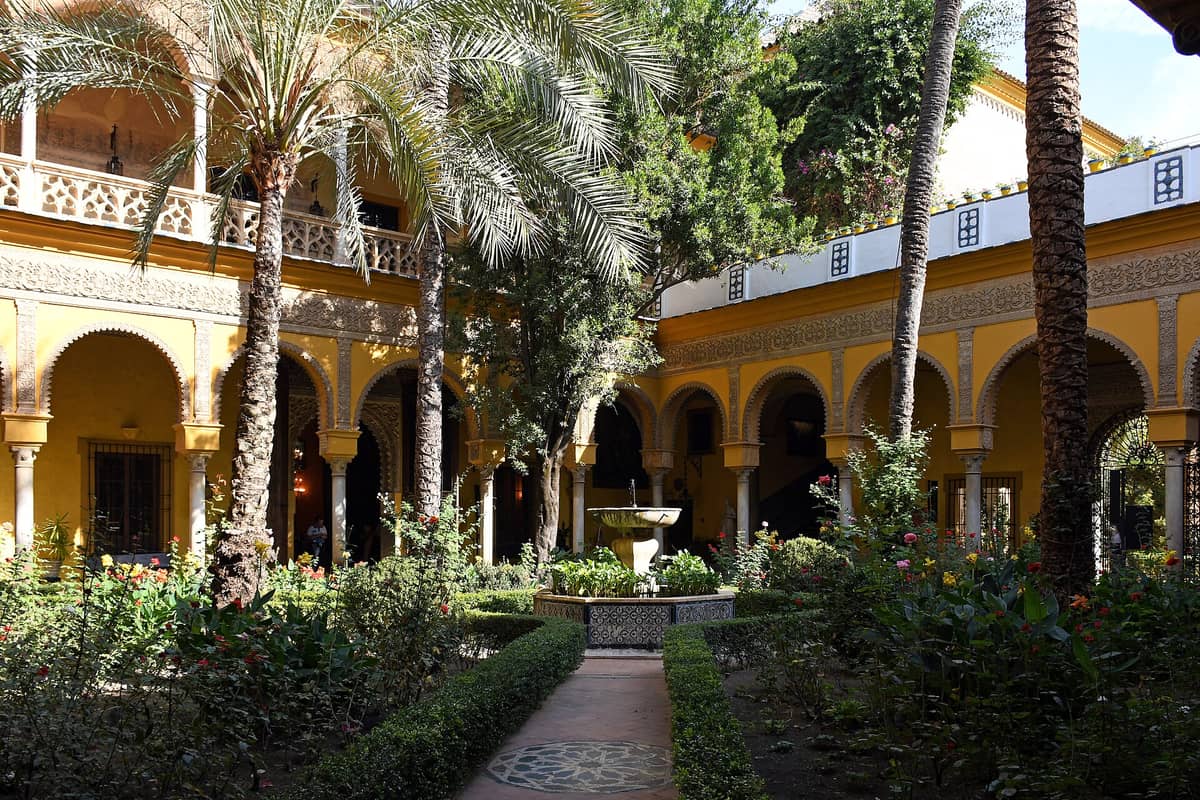
8. Step Inside the House of Alba at the Palacio de las Dueñas
The Seville seat of Spain's most titled noble family opens its Gothic-Mudéjar courtyards, art-filled galleries, and fragrant gardens to visitors. Personal mementos of the Duchess of Alba add an unusual human dimension to an otherwise grand aristocratic collection.
Explore8. Step Inside the House of Alba at the Palacio de las Dueñas
The Seville seat of Spain's most titled noble family opens its Gothic-Mudéjar courtyards, art-filled galleries, and fragrant gardens to visitors. Personal mementos of the Duchess of Alba add an unusual human dimension to an otherwise grand aristocratic collection.
ExploreCultural & Thematic Museums
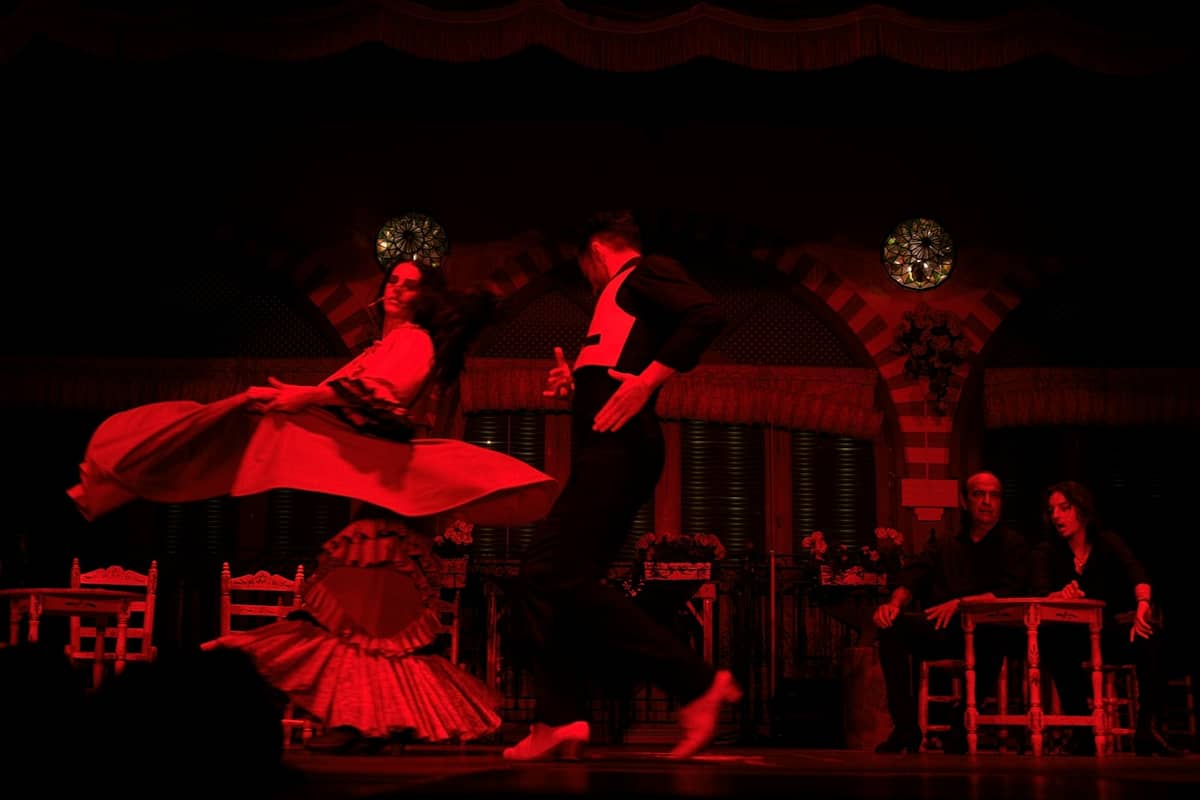
Some of Seville's most memorable museum experiences are built around a single subject: flamenco, ceramics, navigation, or contemporary art. These specialist collections often deliver more engagement per hour than larger general museums. The flamenco guide pairs well with a visit to the Museo del Baile Flamenco if you want both context and a live performance.
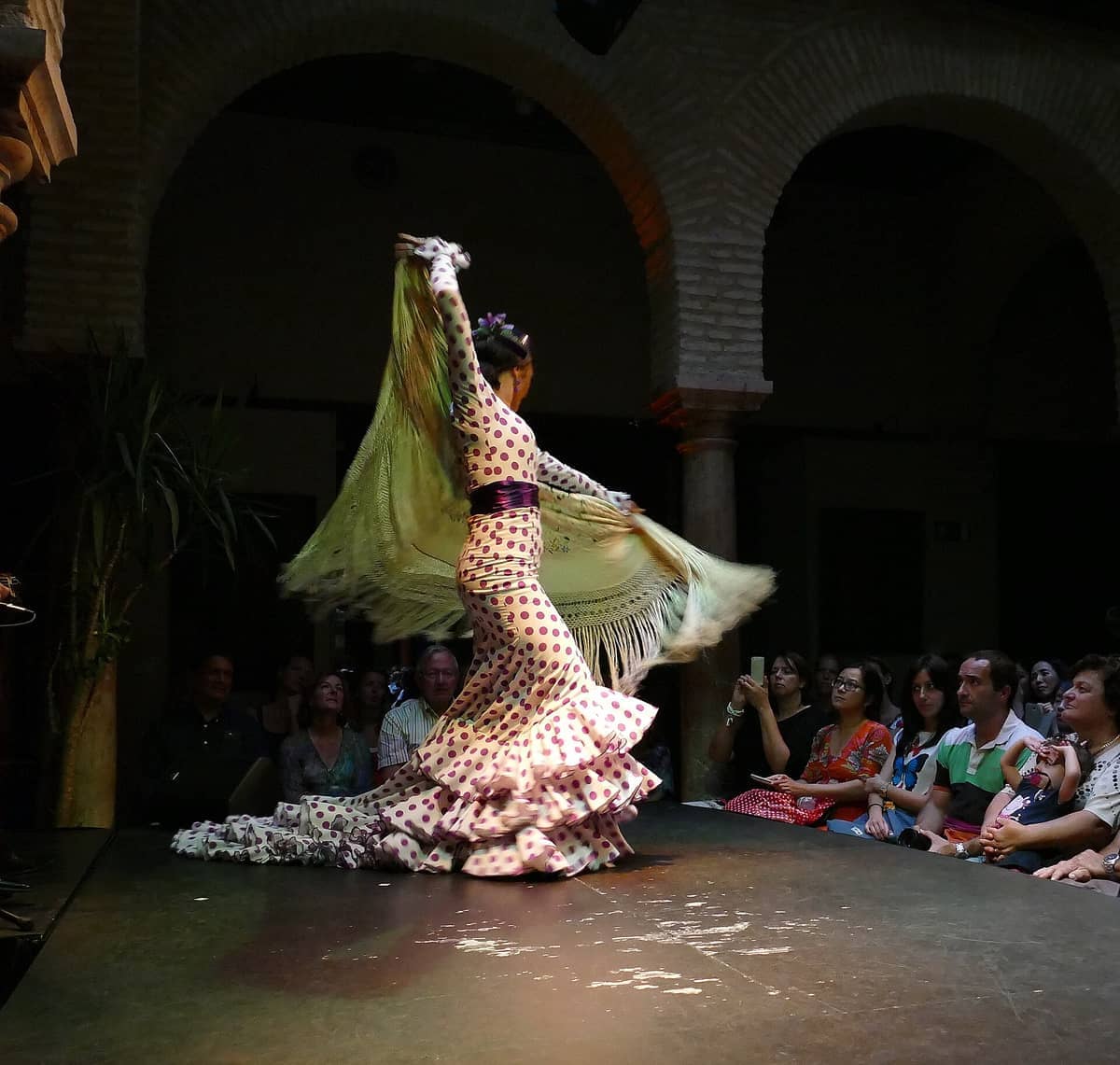
9. Understand Flamenco from the Inside at the Museo del Baile Flamenco
Founded by dancer Cristina Hoyos, this is the world's only museum dedicated entirely to flamenco as a dance form. Interactive exhibits cover origins, technique, and costume history. Live shows most evenings in the courtyard make a natural follow-on from the museum visit.
Explore9. Understand Flamenco from the Inside at the Museo del Baile Flamenco
Founded by dancer Cristina Hoyos, this is the world's only museum dedicated entirely to flamenco as a dance form. Interactive exhibits cover origins, technique, and costume history. Live shows most evenings in the courtyard make a natural follow-on from the museum visit.
Explore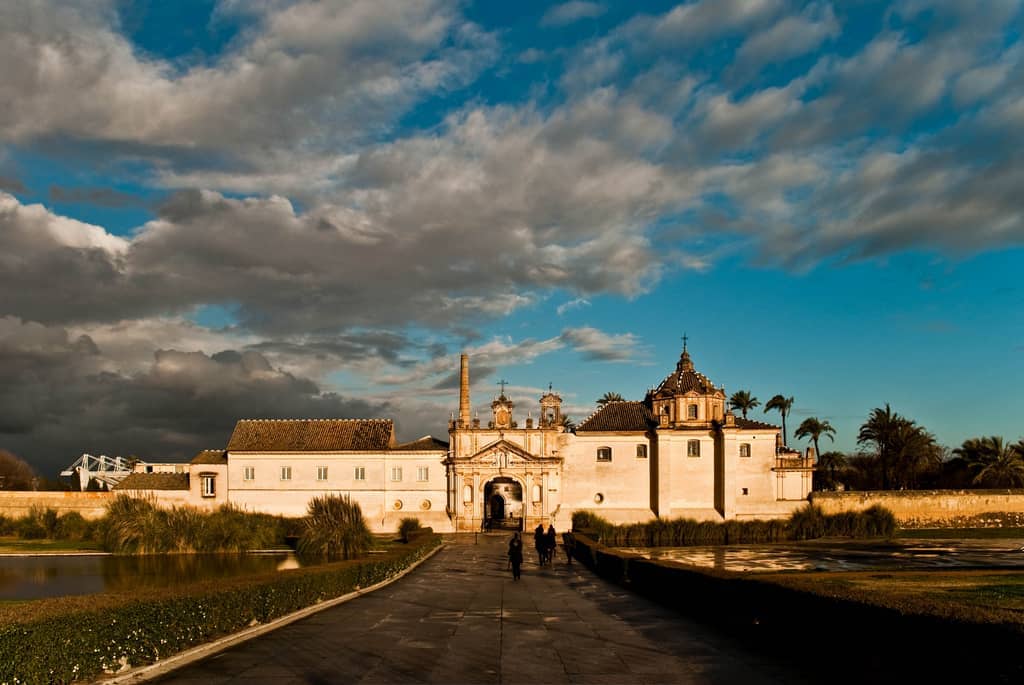
10. Combine Medieval History and Contemporary Art at the Monasterio de la Cartuja
Christopher Columbus stayed in this 14th-century Carthusian monastery before his voyages. Today it houses the Centro Andaluz de Arte Contemporáneo (CAAC), with rotating exhibitions in chapels and cloisters. The contrast between old stone and modern art is genuinely striking.
Explore10. Combine Medieval History and Contemporary Art at the Monasterio de la Cartuja
Christopher Columbus stayed in this 14th-century Carthusian monastery before his voyages. Today it houses the Centro Andaluz de Arte Contemporáneo (CAAC), with rotating exhibitions in chapels and cloisters. The contrast between old stone and modern art is genuinely striking.
Explore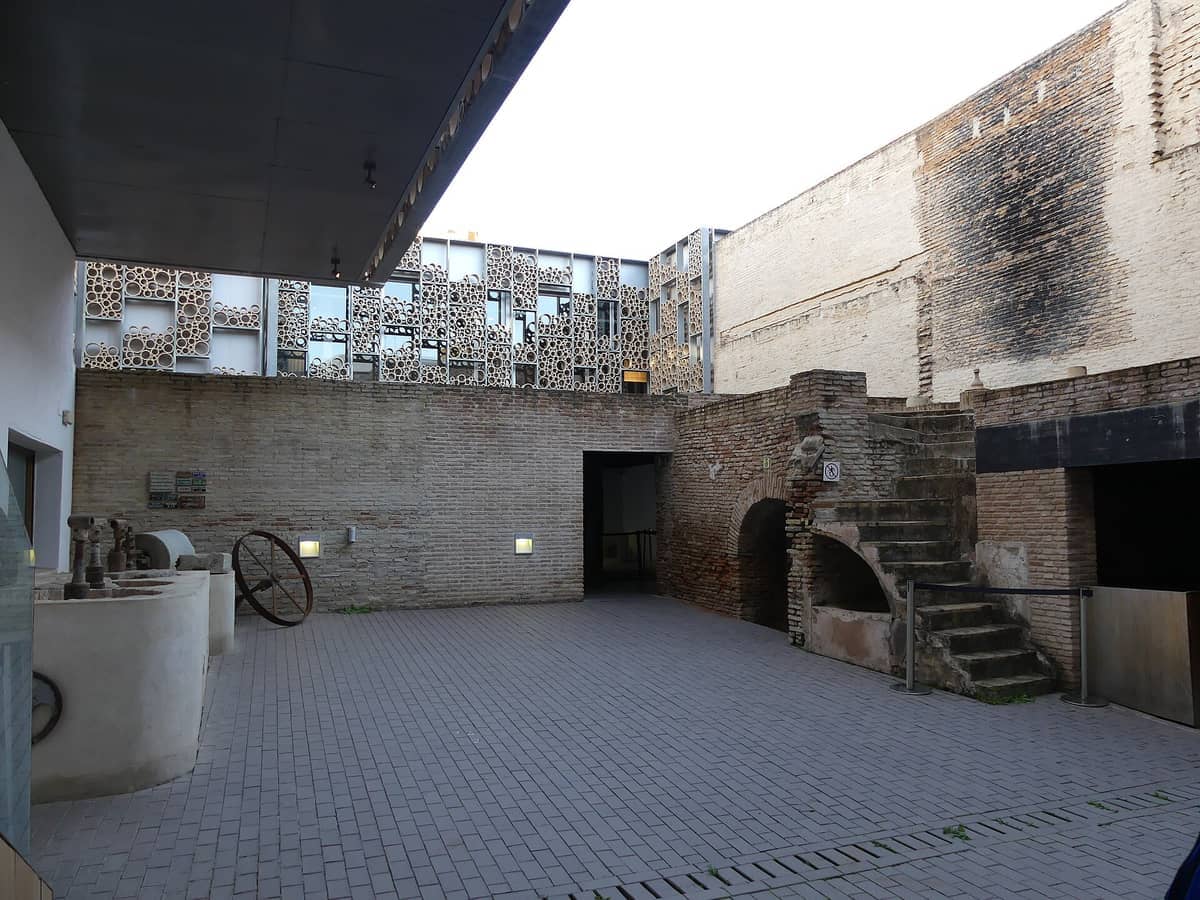
11. Trace Triana's Tile-Making Legacy at the Centro Cerámica Triana
Built on a former ceramics factory site, this compact museum traces Triana's 800-year tile-making tradition from Moorish origins to the azulejos that decorate buildings across Andalusia. Working kilns were excavated during construction and are now displayed in situ.
Explore11. Trace Triana's Tile-Making Legacy at the Centro Cerámica Triana
Built on a former ceramics factory site, this compact museum traces Triana's 800-year tile-making tradition from Moorish origins to the azulejos that decorate buildings across Andalusia. Working kilns were excavated during construction and are now displayed in situ.
Explore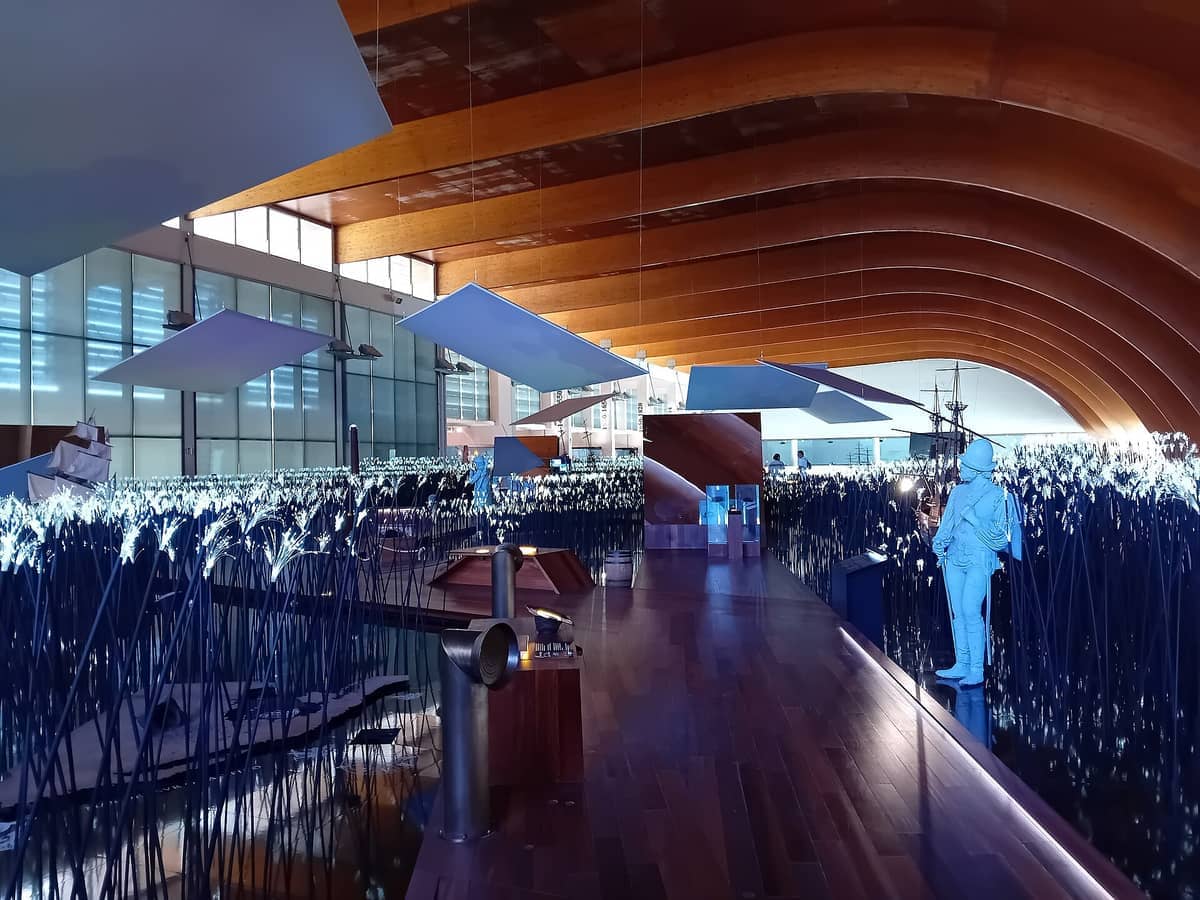
12. Follow the Age of Discovery at the Pabellón de la Navegación
On the Isla de la Cartuja, this museum dedicates itself to Seville's pivotal role in Atlantic exploration. Well-designed interactive displays cover navigation instruments, shipbuilding, and the human stories of the voyages. The lookout tower adds views over the Guadalquivir.
Explore12. Follow the Age of Discovery at the Pabellón de la Navegación
On the Isla de la Cartuja, this museum dedicates itself to Seville's pivotal role in Atlantic exploration. Well-designed interactive displays cover navigation instruments, shipbuilding, and the human stories of the voyages. The lookout tower adds views over the Guadalquivir.
Explore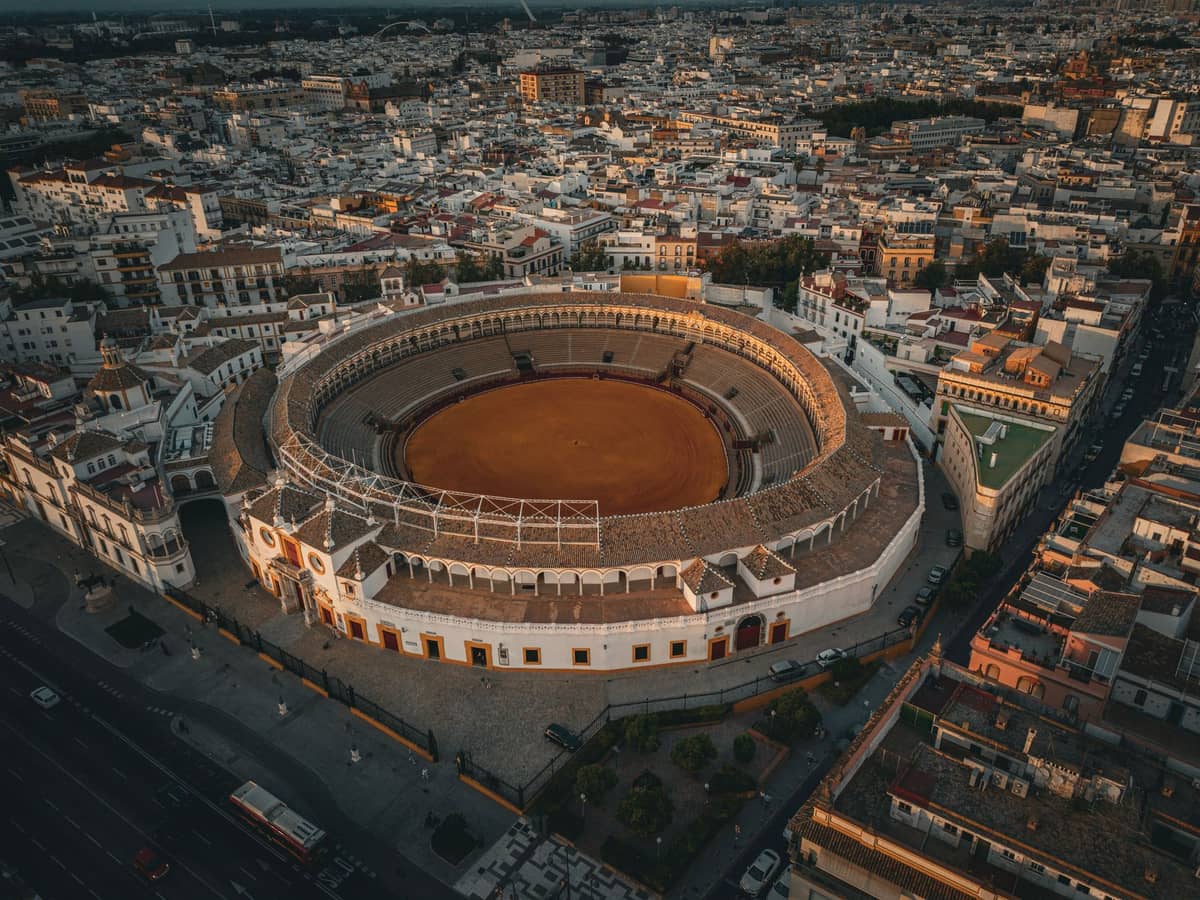
13. Tour One of Spain's Most Beautiful Bullrings at the Real Maestranza
The 18th-century Real Maestranza is considered the spiritual home of Spanish bullfighting. Whether or not the sport appeals, the guided tour delivers genuine insight into a defining strand of Andalusian culture, alongside paintings, costumes, and historic artefacts in the ring museum.
Explore13. Tour One of Spain's Most Beautiful Bullrings at the Real Maestranza
The 18th-century Real Maestranza is considered the spiritual home of Spanish bullfighting. Whether or not the sport appeals, the guided tour delivers genuine insight into a defining strand of Andalusian culture, alongside paintings, costumes, and historic artefacts in the ring museum.
ExploreRoman History & Archaeological Sites
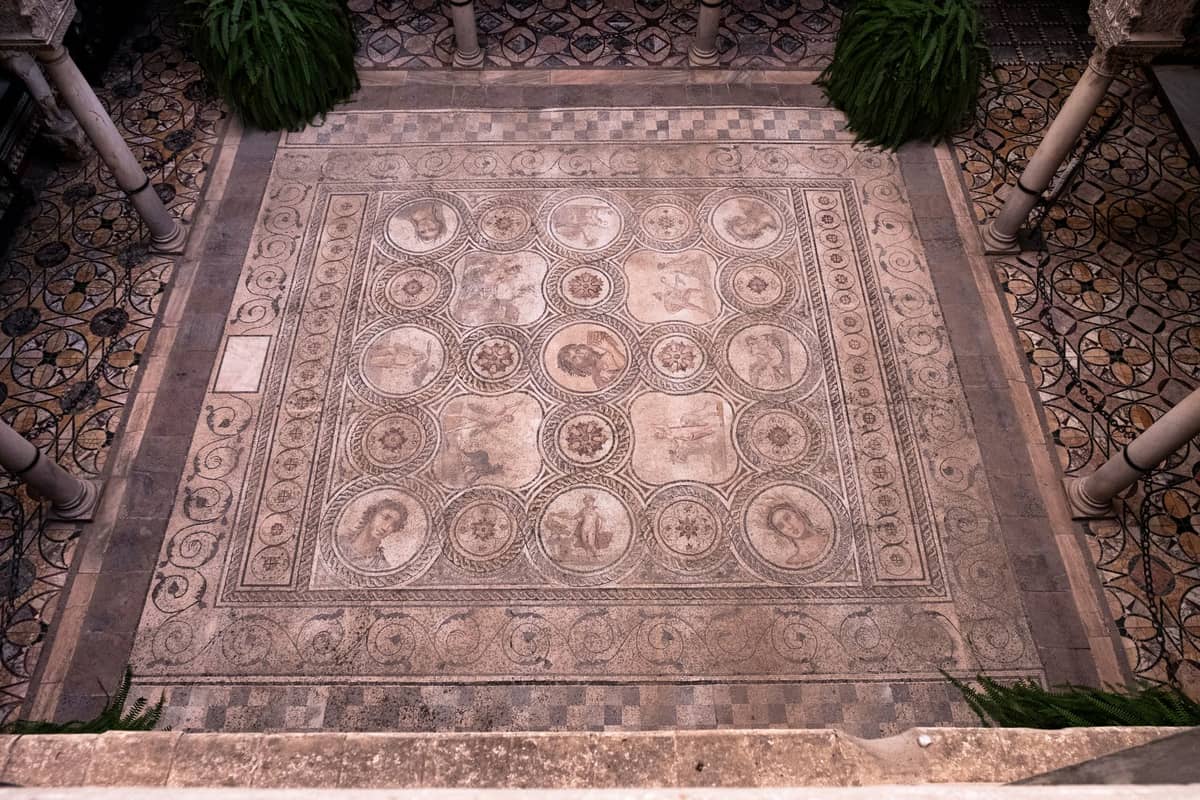
Seville's Roman and pre-Roman past is easy to overlook when the Moorish and baroque architecture is so dominant, but two sites within easy reach of the city centre make the ancient layers of this place tangible. Both work particularly well combined into a single day.
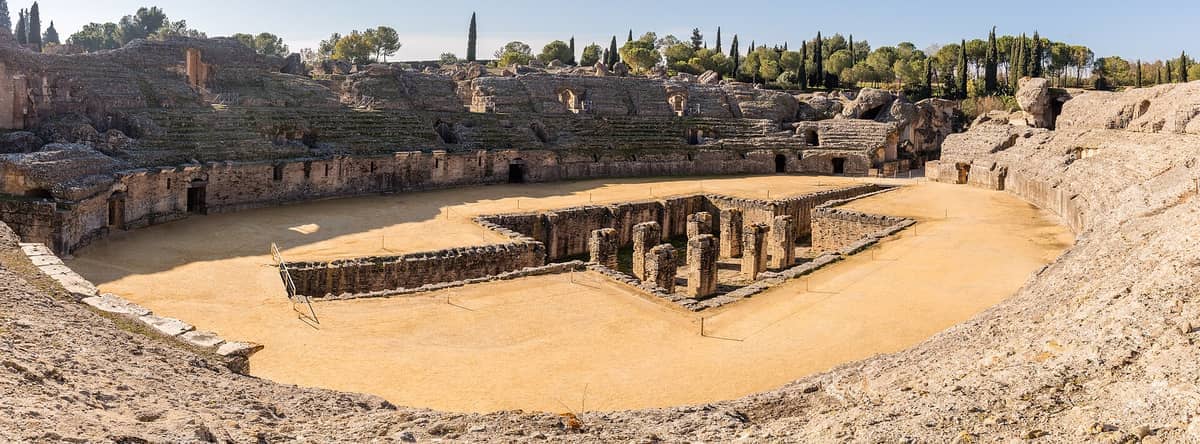
14. Walk the Amphitheatre of Emperors at Itálica
The birthplace of emperors Trajan and Hadrian lies just 9 km from Seville. Itálica's amphitheatre ranks among the largest in the Roman Empire, and its mosaic-floored villas are in remarkable condition. Buses run regularly from the Plaza de Armas station. Allow 2 hours minimum.
Explore14. Walk the Amphitheatre of Emperors at Itálica
The birthplace of emperors Trajan and Hadrian lies just 9 km from Seville. Itálica's amphitheatre ranks among the largest in the Roman Empire, and its mosaic-floored villas are in remarkable condition. Buses run regularly from the Plaza de Armas station. Allow 2 hours minimum.
Explore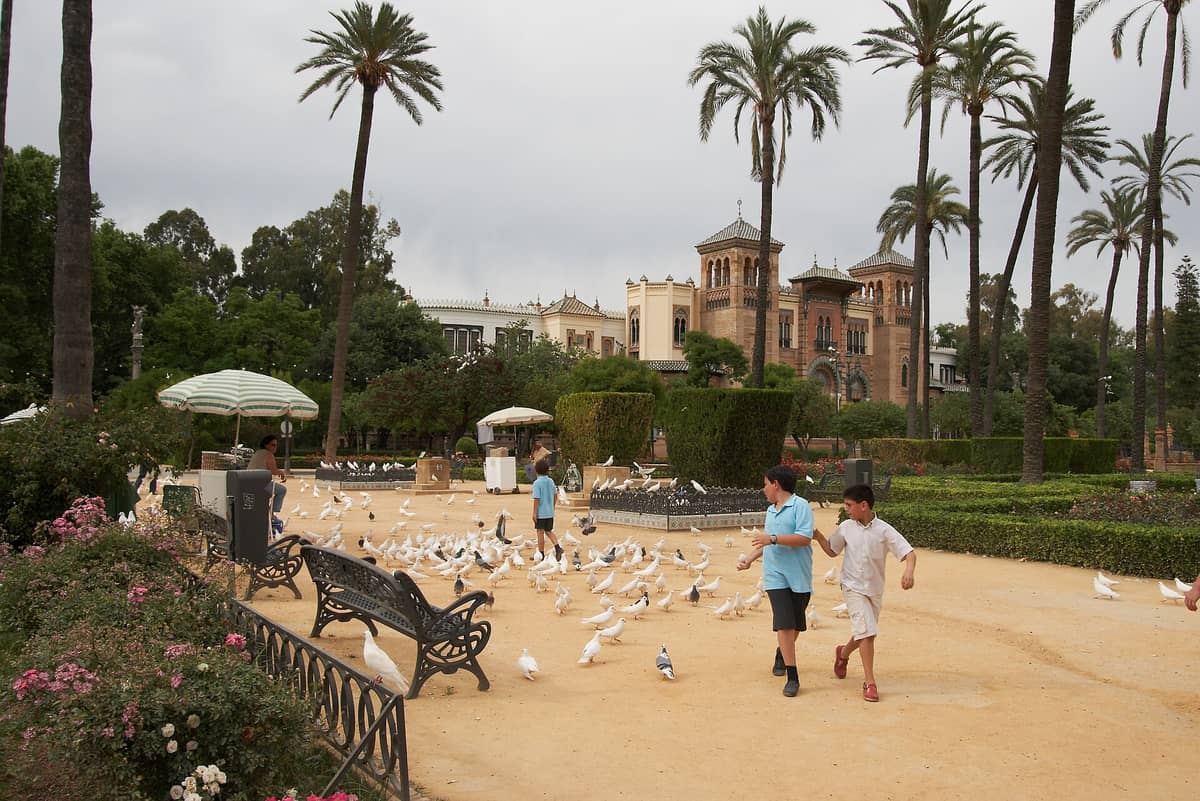
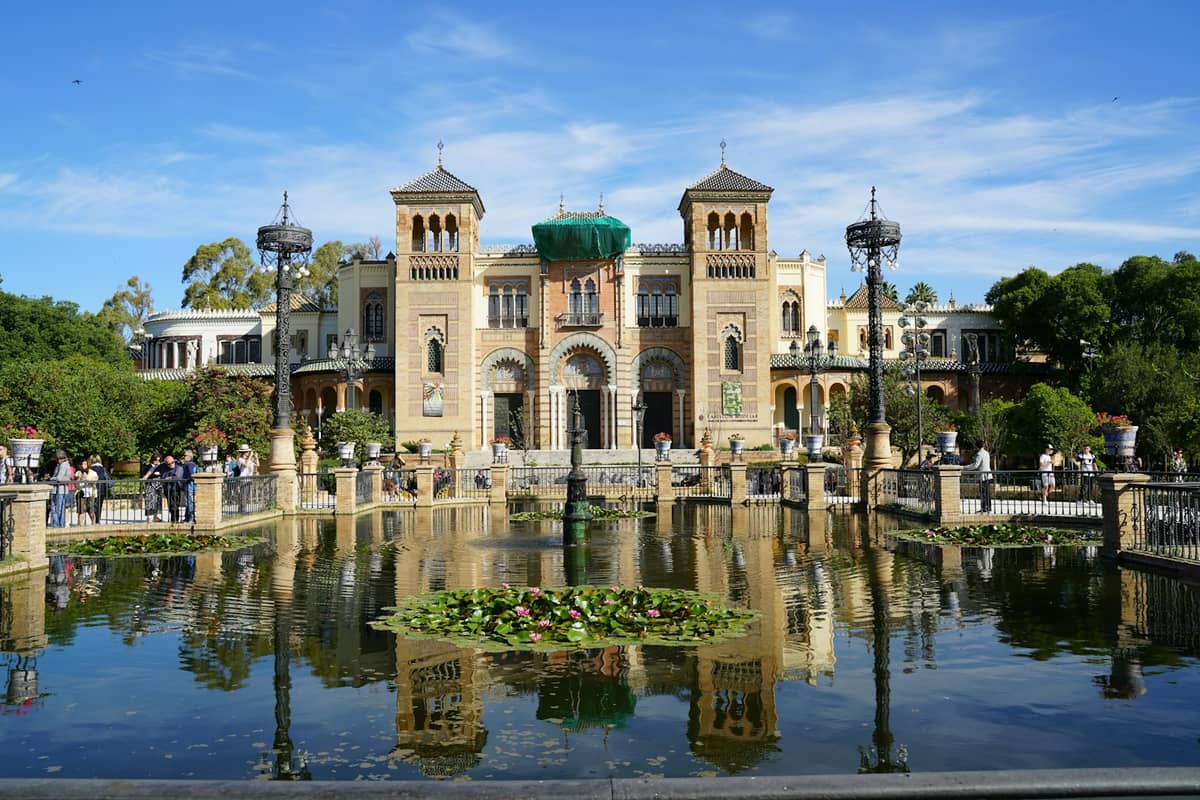
15. Visit Two Museums in One Plaza at the Plaza de América
The ornate 1929 pavilions flanking this ceremonial plaza in Parque de María Luisa now house the Archaeological Museum, with Roman finds from Itálica, and the Museum of Arts and Popular Customs. White peacocks roam the grounds. A calm, unhurried alternative to the city centre.
Explore15. Visit Two Museums in One Plaza at the Plaza de América
The ornate 1929 pavilions flanking this ceremonial plaza in Parque de María Luisa now house the Archaeological Museum, with Roman finds from Itálica, and the Museum of Arts and Popular Customs. White peacocks roam the grounds. A calm, unhurried alternative to the city centre.
ExploreSpecialist & Religious Collections
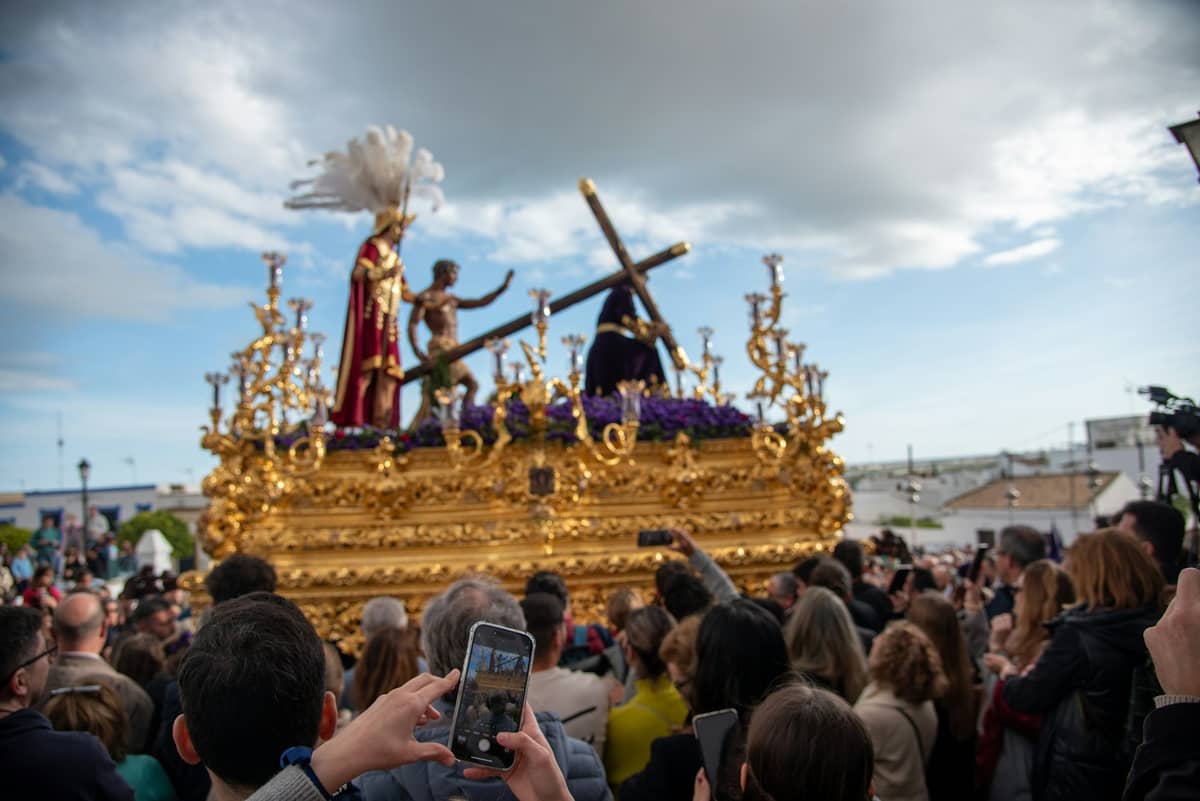
Seville's religious institutions house some of the most significant artworks in Spain, from Semana Santa floats weighing several tonnes to Mudéjar porcelain and Baroque frescoes. These collections are inseparable from the city's identity. The Semana Santa guide gives essential context for understanding what you're looking at in the Macarena museum.
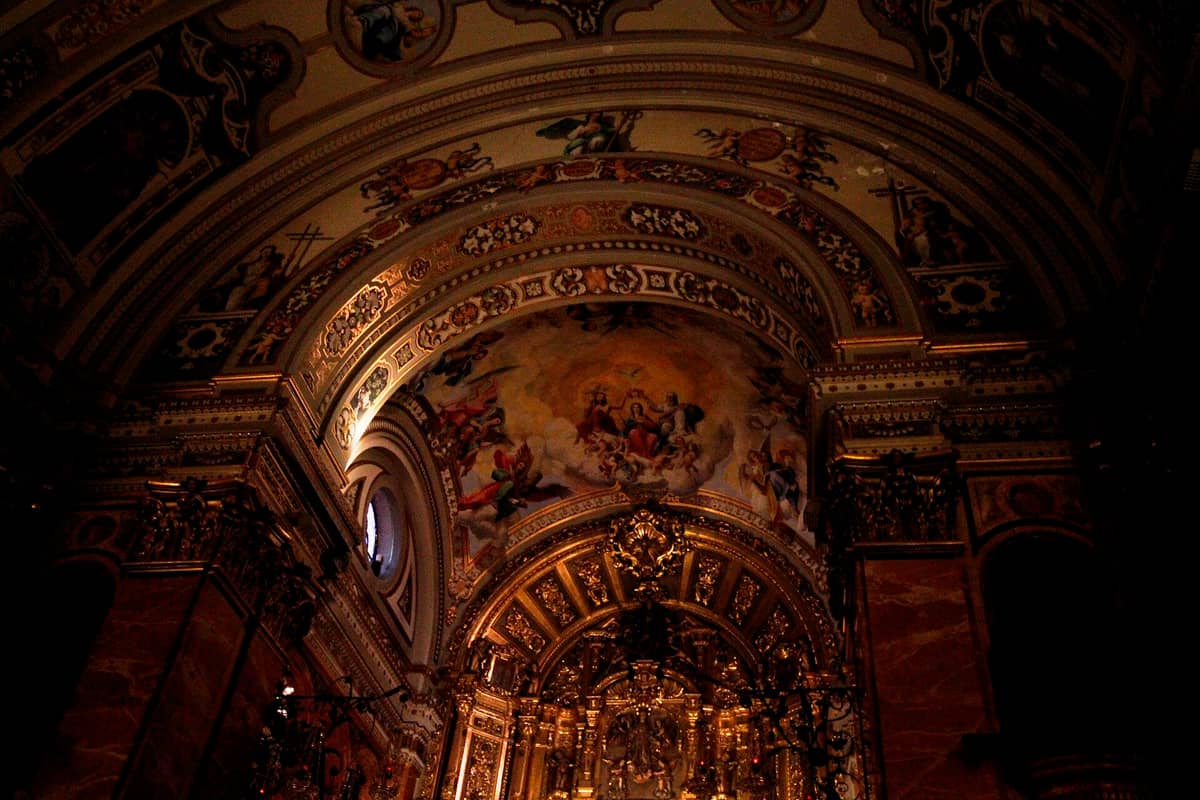
16. See the Treasures of Semana Santa at the Basílica de la Macarena
The museum adjacent to the basilica displays the Virgen de la Macarena's elaborate processional float, embroidered canopies, and centuries of devotional objects. The Virgin herself, widely considered the most important religious image in Seville, is visible in the church at all times.
Explore16. See the Treasures of Semana Santa at the Basílica de la Macarena
The museum adjacent to the basilica displays the Virgen de la Macarena's elaborate processional float, embroidered canopies, and centuries of devotional objects. The Virgin herself, widely considered the most important religious image in Seville, is visible in the church at all times.
Explore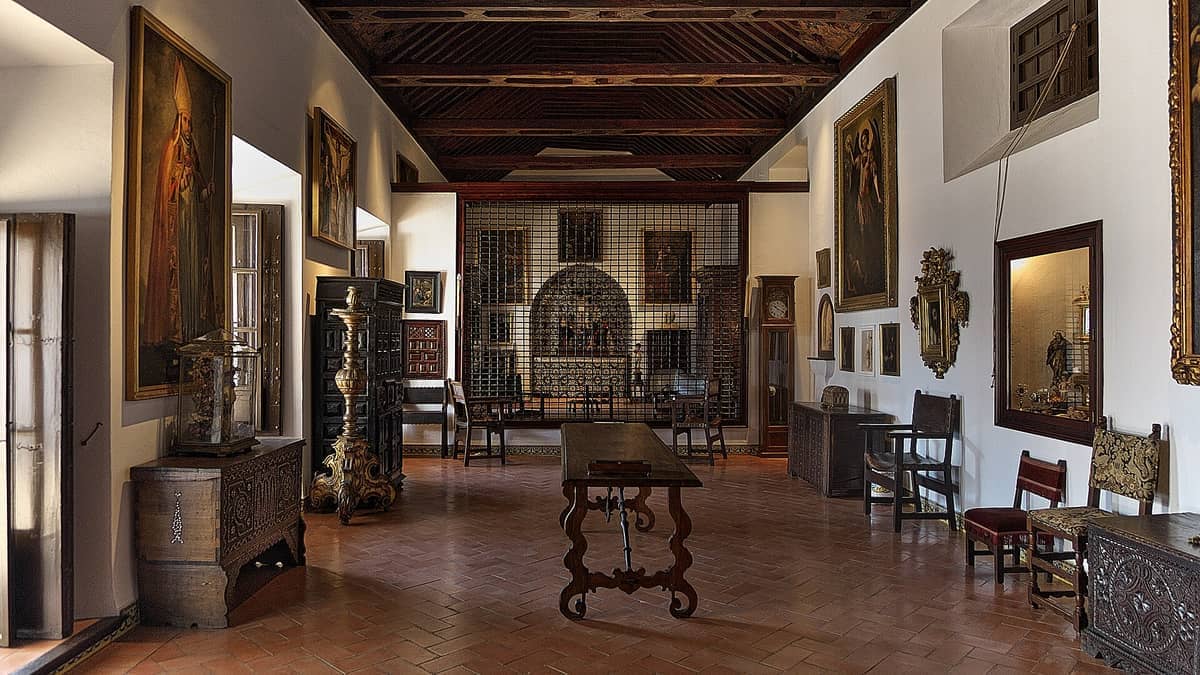
17. Discover Religious Art and Living Tradition at the Convento de Santa Paula
A 15th-century working convent in La Macarena with a small museum of religious painting and sculpture behind a spectacular Mudéjar-Gothic portal. The nuns still sell homemade marmalades through a traditional revolving hatch, making this one of Seville's most genuine cultural stops.
Explore17. Discover Religious Art and Living Tradition at the Convento de Santa Paula
A 15th-century working convent in La Macarena with a small museum of religious painting and sculpture behind a spectacular Mudéjar-Gothic portal. The nuns still sell homemade marmalades through a traditional revolving hatch, making this one of Seville's most genuine cultural stops.
Explore💡 Local tip
EU citizens get free entry to the Museo de Bellas Artes with a national ID card. UNESCO-listed Archivo de Indias is free for everyone. Combined, these two UNESCO-adjacent institutions make a very strong half-day at zero cost.
✨ Pro tip
Book the Real Alcázar weeks in advance in spring and autumn. Timed slots sell out fast, especially for the Upper Royal Apartments. Same-day entry is rarely available during peak season.
FAQ
Which museums in Seville are free to enter?
The Archivo General de Indias is free for all visitors. The Museo de Bellas Artes charges €1.50 general admission but is free for EU citizens with a national ID card and on designated free days including Andalusia Day (28 Feb), International Museum Day (18 May), World Tourism Day (27 Sep), Día de la Bandera Andaluza (4 Dec), and the day of the European Heritage Days. The Murallas de Sevilla city walls are free to walk at any time.
How much does it cost to enter the Real Alcázar?
General entry to the palaces and gardens costs €15.50 (as of 2024-2026 ordinance). The Upper Royal Apartments (Cuarto Real Alto) require a separate timed supplement of €5.50. A reduced rate of €8.00 applies to eligible visitors including students and those over 65. Book online in advance as slots sell out regularly.
How long do you need at the Museo de Bellas Artes in Seville?
Most visitors spend 1.5 to 2 hours. The collection spans 14 rooms across two floors, with the most important works including Murillo's series painted for the Convent of San Francisco and Zurbarán's monk portraits in rooms 5 and 10. The building's convent church and central courtyard add to the visit.
Is the Monasterio de la Cartuja worth visiting?
Yes, particularly for visitors interested in contemporary art or the story of Columbus's voyages. The CAAC (Centro Andaluz de Arte Contemporáneo) hosts rotating international exhibitions inside the medieval monastery complex. It's less visited than the city centre museums, so you'll often have rooms to yourself. It's a 15-minute walk or short bus ride from the city centre across the Guadalquivir.
What is the best museum in Seville for families with children?
The Casa de la Ciencia has interactive science exhibits and a planetarium suited to children from around age 6 upward. The Acuario de Sevilla works well for younger children. For families with older children interested in history, Itálica Roman Ruins outside the city combines open-air exploration with one of the best-preserved Roman amphitheatres in the world.
Tickets & tours
Live prices and dates from our booking partner. If you book, we may earn a commission at no extra cost to you.
Planning a trip? Discover personalized activities with the Nomado app.