Seville Oranges: The Story Behind the City's Iconic Bitter Fruit
Seville is lined with tens of thousands of bitter orange trees, yet almost no one eats the fruit. This guide explains the history, seasonality, and surprising uses of the Seville orange, plus what visitors actually experience walking beneath these famous trees.
Tickets & tours
Live prices and dates from our booking partner. If you book, we may earn a commission at no extra cost to you.
TL;DR
- Seville has between 40,000 and 47,000 bitter orange trees lining its streets, squares, and courtyards, making it arguably the world's most orange-scented city.
- Seville oranges (Citrus × aurantium) are not the sweet oranges grown for juice elsewhere in Andalusia. They are intensely bitter and inedible raw.
- The trees were introduced by the Moors around the 10th to 12th centuries for fragrance and ornamentation, not food.
- The famous orange blossom (azahar) season peaks in March and April, coinciding with Semana Santa and making spring the most aromatic time to visit.
- Most harvested fruit goes to essential oil production or compost. A smaller share is exported for specialty marmalade, primarily to the UK.
What Are Seville Oranges, Exactly?
The trees you see throughout Seville are bitter orange trees, known botanically as Citrus × aurantium and called naranjos amargos in Spanish. They are a distinct species from the sweet oranges grown in commercial Andalusian orchards further south and east. Where sweet oranges taste mild and juicy, Seville oranges are intensely acidic and bitter, with thick, rough-textured peel and very little palatable juice. Biting into one raw is an experience few repeat.
The confusion is understandable. Walk through Seville in winter and the trees look like any other orange tree, laden with bright fruit. Many visitors assume these are the same Valencia or Navel oranges they buy at home. They are not. The botanical and culinary distinction matters: Seville oranges have a completely different flavor profile, which is precisely why they work so well in marmalade, where high acidity and abundant pectin produce a sharp, complex set that sweet oranges cannot achieve.
⚠️ What to skip
Do not pick and eat the oranges from Seville's streets. Beyond the intense bitterness, municipal trees are treated with pesticides and other urban maintenance chemicals. The fruit on the trees is not harvested for casual consumption by locals.
A Brief History: From Moorish Gardens to City Streets

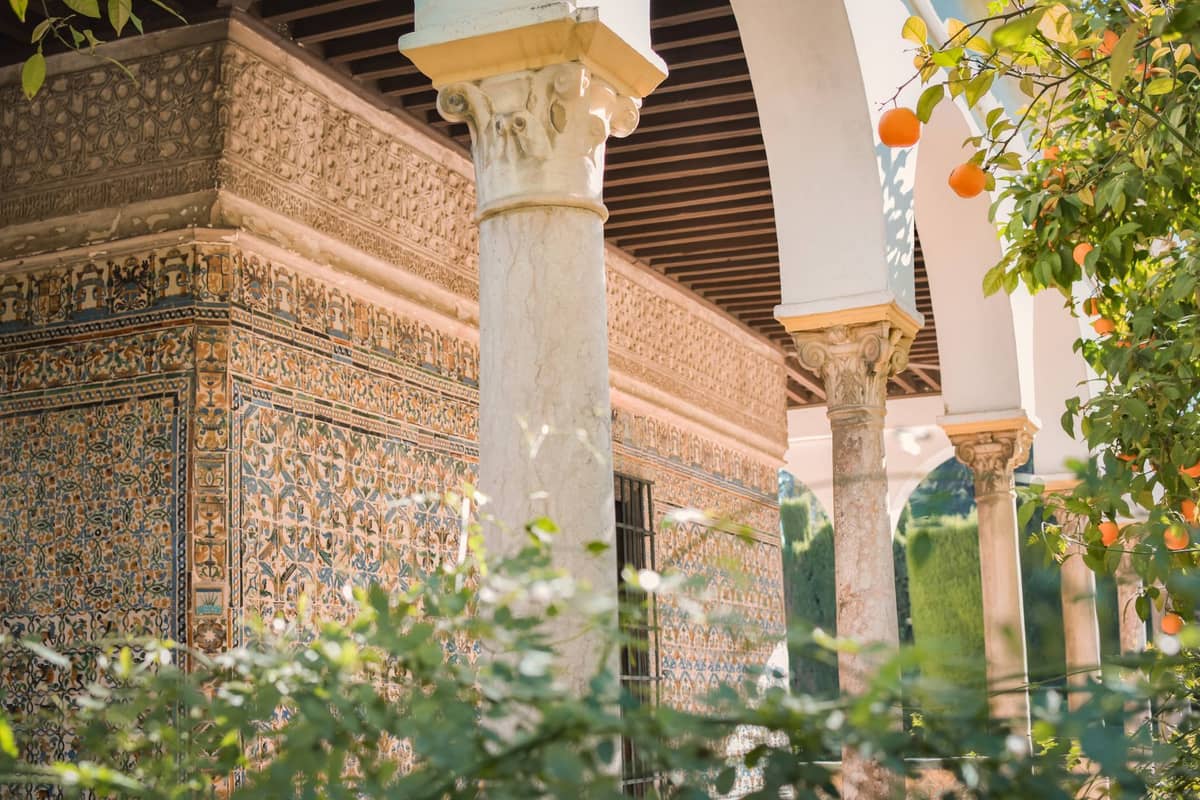
Bitter orange trees arrived in Spain with the Moors, most likely between the 10th and 12th centuries. They were prized not as food but for their scent and ornamental beauty. The Moors incorporated them into enclosed courtyards and garden spaces across Al-Andalus. The most celebrated surviving example in Seville is the Patio de los Naranjos, the courtyard immediately beside the Cathedral that was once part of the great Almohad mosque. Those orange trees predate the Cathedral itself.
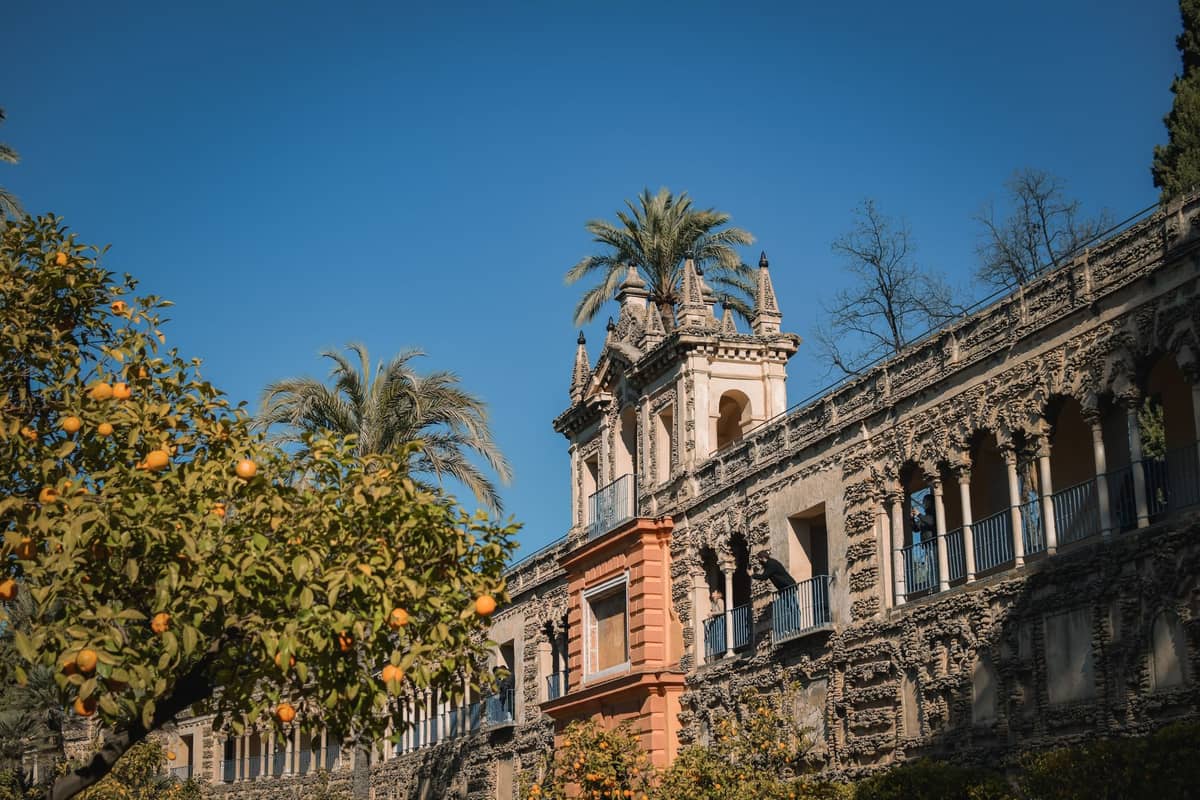
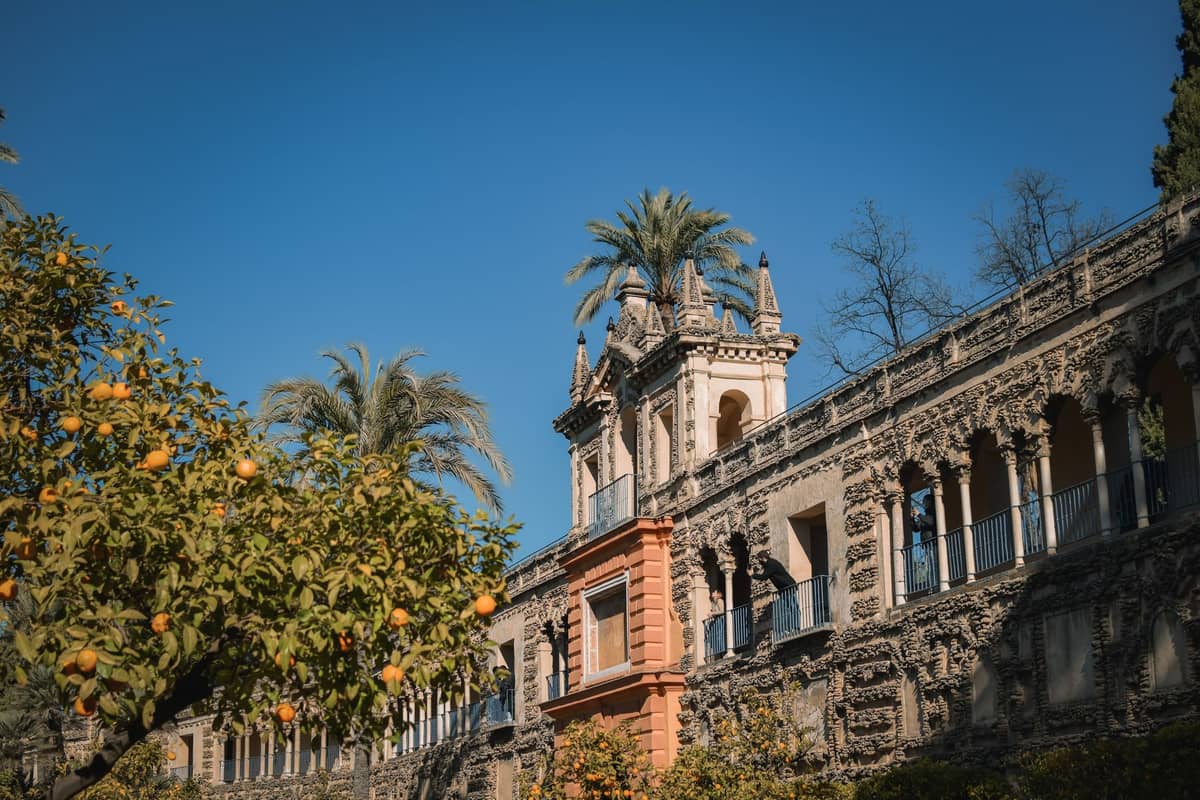
The large-scale planting along city streets is a much more recent phenomenon. In 1970, Seville had roughly 5,000 bitter orange trees. By the mid-1990s, following deliberate municipal expansion programs, that number had grown into the tens of thousands. Today municipal and media reports place the figure for bitter orange trees at well over 36,000 in public spaces alone, while broader estimates including parks, plazas, and private courtyards push the total to between 40,000 and 47,000 trees. The Real Alcázar and its gardens contain some of the most beautiful examples, set against a backdrop of Moorish and Mudéjar architecture that directly connects to the trees' origins.
The Ayuntamiento de Sevilla (Seville City Council) manages the municipal orange tree stock, overseeing annual harvesting, pruning cycles, and pest management. The city's relationship with its trees is taken seriously at an institutional level, not just as a tourist talking point.
The Two Seasons: Blossom and Fruit
Visiting Seville at different times of year produces dramatically different encounters with the orange trees. There are essentially two distinct seasons worth knowing about.
The orange blossom season, called azahar, typically begins in late February and peaks through March, sometimes extending into April. The scent is difficult to describe accurately without experiencing it: floral, slightly waxy, intensely citrus. On a warm afternoon in the Santa Cruz quarter or along the streets near the Seville Cathedral, the fragrance can be overwhelming in the best possible sense. This is one of the most sensory aspects of visiting Seville in spring, and it aligns with the city's peak cultural calendar, including Semana Santa and the approach to Feria de Abril.
The fruit season runs from autumn through winter. The oranges turn from green to bright orange around November and December, remaining on the trees for months. Locals sometimes call the laden trees a kind of Christmas decoration. By January and February, fruit begins falling and the city's maintenance crews work to harvest or clear it before it becomes a slip hazard on pavements. If you are visiting in winter, you will see the fruit at its most photogenic: vivid orange against pale stone buildings and blue Andalusian sky.
💡 Local tip
For the azahar scent at its strongest, walk through the Barrio Santa Cruz on a warm morning in mid-March, preferably before the afternoon heat arrives. The narrow streets trap the fragrance in a way that open plazas do not.
What Happens to the Fruit
The municipal harvest of Seville oranges is more complicated than it might appear. The city collects a significant portion of the crop each year, but strict food-industry quality and safety regulations mean that fruit from urban street trees, which are treated with pesticides and exposed to traffic pollution, cannot simply be diverted into the food supply without extensive processing.
- Marmalade export A portion of the fruit is processed and exported, primarily to the United Kingdom, where Seville orange marmalade has been a staple since the 18th century. The UK remains the largest single market for bitter orange marmalade made from Spanish fruit.
- Essential oils The peel of Seville oranges is rich in essential oils, particularly limonene. A share of the crop is processed industrially for fragrances, cosmetics, and flavoring.
- Biogas and compost Seville has trialed programs to convert harvested orange waste into biogas for municipal energy generation, turning surplus fruit into a small-scale sustainable energy source. Much of the crop that cannot be processed for food or industry ends up as compost.
- Culinary uses In Andalusian cooking, bitter orange juice is used as a souring agent in marinades and some traditional meat dishes. It also appears in certain Spanish liqueurs. But these culinary uses absorb only a small fraction of total production.
A note on labeling: recent EU-aligned regulations have affected how marmalade made from Seville oranges is described on packaging. Citrus-based conserves must now be categorized under the legal term 'citrus marmalade' rather than simply 'marmalade' in some jurisdictions, which has led to product name changes on UK shelves for some established brands.
Where to Find the Best Orange Trees in Seville
Orange trees are everywhere in Seville, but some locations are more rewarding than others. The Santa Cruz quarter offers the most atmospheric setting, with trees lining narrow pedestrian streets and tucked into small plazas. The Patio de los Naranjos, accessible through the Cathedral complex, contains trees that have grown in that courtyard for centuries and represents the historical origin point of the city's relationship with the bitter orange.
- Patio de los Naranjos The ancient courtyard of the Almohad mosque, now part of the Cathedral complex. Some of the oldest orange trees in the city. Entry is included with Cathedral admission.
- Calle Sierpes and surrounding streets The main pedestrian shopping street and its network of side streets are lined with mature orange trees that provide shade in summer and fruit in winter.
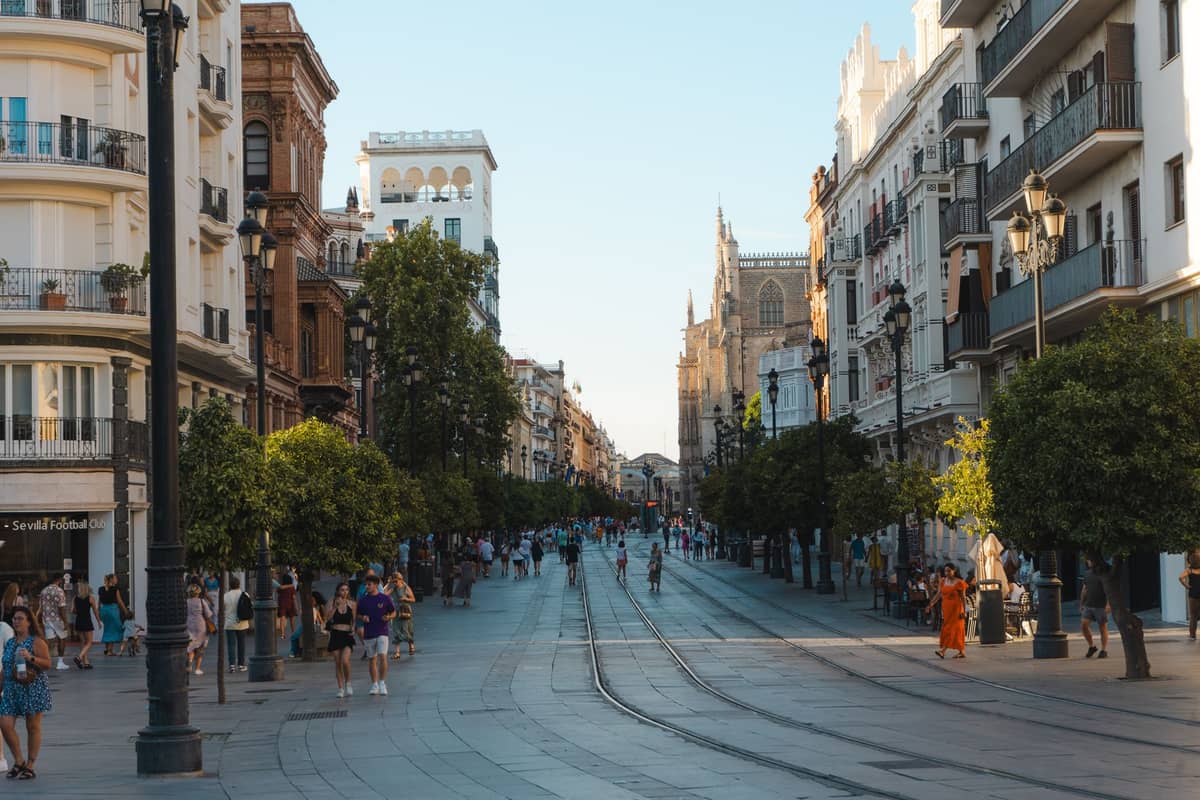
- Plaza del Triunfo and Avenida de la Constitución The wide avenue leading to the Cathedral is flanked by orange trees and offers classic views of the Giralda framed by fruit-laden branches in winter.
- Parque de María Luisa The city's main park contains orange trees alongside a wider range of Mediterranean species. Less concentrated than street plantings but more tranquil.
- Triana district The west bank of the Guadalquivir has its own street plantings, and the neighborhood's quieter residential streets offer the trees in a less-touristed context.
The Parque de María Luisa and the surrounding Plaza de España complex are worth visiting for the orange trees in combination with the extraordinary architecture of the 1929 Ibero-American Exposition. In spring, the blossom scent in this part of the city competes with jasmine and other flowering plants for dominance.
✨ Pro tip
The Patio de los Naranjos is often rushed through as part of the Cathedral visit. Go slowly. Read the interpretive panels about the Moorish origins of the space. The visible irrigation channels running between the trees follow the original Almohad layout from the 12th century and many sections remain in use today.
Common Misconceptions and What Visitors Get Wrong
A few persistent myths about Seville oranges are worth addressing directly, because they affect how visitors experience the city.
The most common misconception is that the street fruit is free food, available for anyone to pick. This misunderstands both the fruit itself and the municipal context. Seville oranges are inedible raw due to their extreme bitterness. More practically, street trees are maintained with pesticides and other treatments. Picking municipal fruit is also technically prohibited under local bylaws, though enforcement is minimal. The point is: picking and eating a Seville orange from a street tree will not reward you the way picking a fig or a cherry might.
A second misconception is that all the harvested fruit becomes the famous Seville orange marmalade. In practice, only a fraction does. A large proportion goes to essential oil extraction, and a significant share ends up in compost or biogas programs because the quality or quantity of available processing capacity cannot absorb the entire crop. The city produces far more bitter oranges than the global marmalade market can consume.
Third: some visitors assume Seville is simply a city full of orange trees and that this is unremarkable given the climate. It is worth understanding that the choice to plant bitter rather than sweet orange trees was deliberate and historical, rooted in Moorish ornamental traditions rather than agricultural logic. Sweet oranges are grown commercially across Andalusia, including in the Guadalquivir valley visible from the city. The bitter variety was chosen specifically for its scent, longevity, and visual appeal. This cultural and horticultural choice is one of the things that makes walking through Seville distinct from walking through any other warm-climate city. For more context on what makes the city distinctive, the guide to things to do in Seville covers the broader experience.
FAQ
Can you eat oranges from Seville's street trees?
No. The street trees are bitter orange (Citrus × aurantium), which is far too acidic and bitter to eat raw. Even if the taste were acceptable, the fruit is treated with pesticides as part of municipal maintenance and is not intended for human consumption. Picking municipal trees is also technically against local bylaws.
When do Seville's orange trees flower?
Orange blossom (azahar) typically begins in late February and peaks through March, sometimes extending into early April. This coincides with Semana Santa and is considered one of the defining sensory experiences of visiting Seville in spring. The fragrance is strongest on warm, calm days in shaded street settings.
How many orange trees does Seville have?
Official municipal and media reports place the figure for bitter orange trees at well over 36,000 in public spaces alone, while broader estimates including parks, private courtyards, and unregistered plantings suggest a total of 40,000 to 47,000 bitter orange trees across the city. These figures are from various sources and the Ayuntamiento de Sevilla (City Council) manages the municipal stock.
Where does Seville orange marmalade come from?
A portion of the annual harvest from Seville's municipal trees is exported, primarily to the United Kingdom, for marmalade production. The UK has used Seville oranges for marmalade since at least the 18th century. However, only a fraction of the total crop becomes marmalade; the rest goes to essential oil production, biogas programs, or compost.
Are Seville oranges the same as the oranges grown for juice in Spain?
No. The trees in Seville's streets and courtyards are bitter orange (Citrus × aurantium), a distinct species from the sweet orange varieties grown commercially in Andalusian orchards. Sweet oranges are cultivated across the Guadalquivir valley and elsewhere in Spain for juice and fresh consumption. Seville's city trees were chosen for ornamental and fragrant qualities, not for eating.
Tickets & tours
Live prices and dates from our booking partner. If you book, we may earn a commission at no extra cost to you.
Planning a trip? Discover personalized activities with the Nomado app.