Seville Nightlife: The Complete Guide to Bars, Clubs & After-Dark Experiences
Seville nightlife runs on Andalusian time: dinner at 22:00, bars at midnight, clubs after 02:30. This guide covers the best neighborhoods, rooftop bars, nightclubs, flamenco shows, and practical details on dress codes, pricing, and the noise regulations that shape the scene.
Tickets & tours
Live prices and dates from our booking partner. If you book, we may earn a commission at no extra cost to you.
TL;DR
- Seville nightlife starts late: locals head to bars around 22:00–23:00, and clubs don't fill until 02:30–03:00, staying open until 06:00–07:00 on weekends.
- Club entry typically costs €10–25, often including one or two drinks; many venues offer free entry via guest lists until around 01:30.
- The best neighborhoods for nightlife are Triana, the La Macarena district, and the historic core around Alameda de Hércules.
- A 2024 noise ordinance requires outdoor terraces with amplified music in central zones to close by 01:00 — factor this into your plans.
- For a cultural night out, combine a live flamenco show with a bar crawl through Triana or the Alfalfa area.
Understanding Seville's Nightlife Schedule
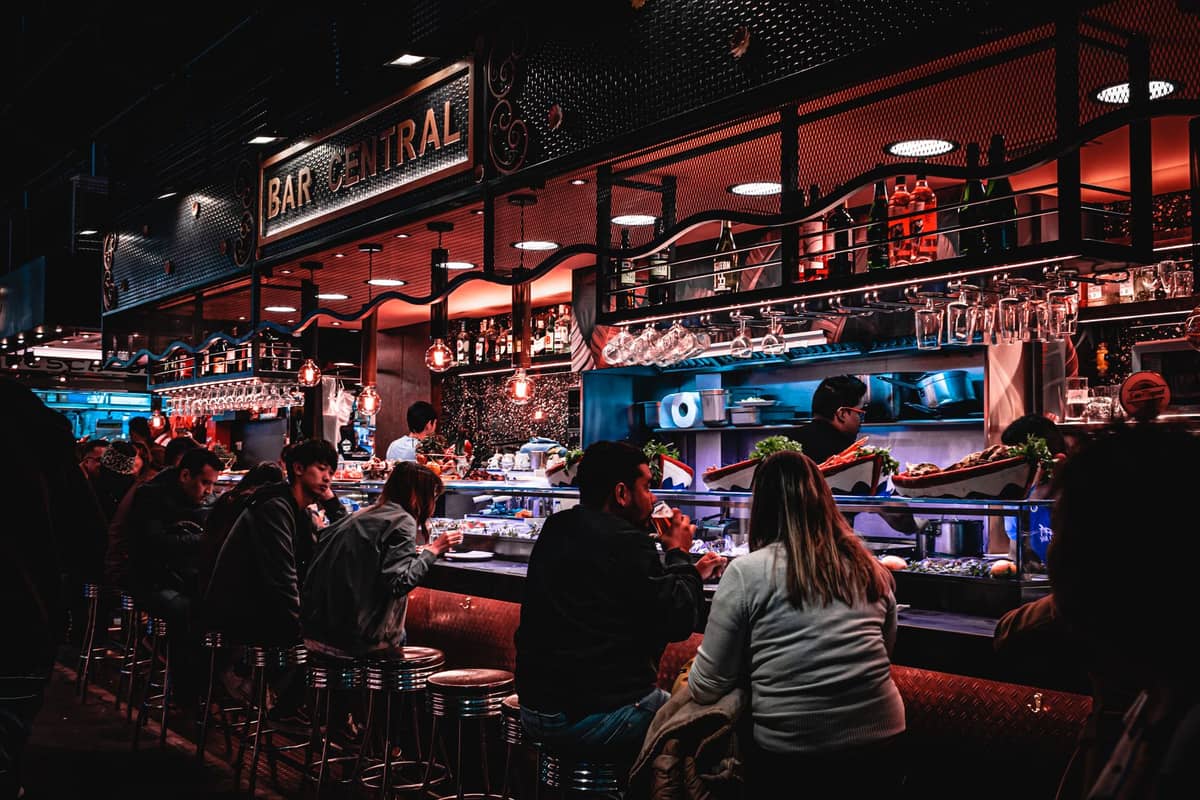
The single biggest mistake visitors make in Seville is going out at 21:00 expecting bars to be lively. Seville runs on a noticeably later schedule than northern Europe or North America. Locals typically eat dinner between 21:00 and 23:00, so most tapas bars only start filling from about 21:30 onwards. Cocktail bars and music venues pick up between midnight and 01:00. Clubs are genuinely quiet before 02:00 and don't reach peak capacity until 02:30 or 03:00.
On weekends, large clubs regularly run until 06:00 or 07:00. This isn't an anomaly: it's the standard. If you go home at 02:00, you've left at half-time. Bars typically stay open until 03:00–04:00 on Friday and Saturday nights, while terrace bars and rooftop spots close earlier, often by 21:00–22:00 on weeknights and around 01:00 on weekends, in line with updated terrace-closing rules that cap most outdoor veladores at 01:00 in saturated areas.
💡 Local tip
Adjust your whole day if you plan to do Seville nightlife properly. Have a late lunch, take a siesta or rest between 16:00 and 20:00, eat dinner at 21:30, and start your evening from 23:00. Trying to sustain a full day of sightseeing and then a 04:00 finish is a reliable route to exhaustion.
The Best Neighborhoods for a Night Out
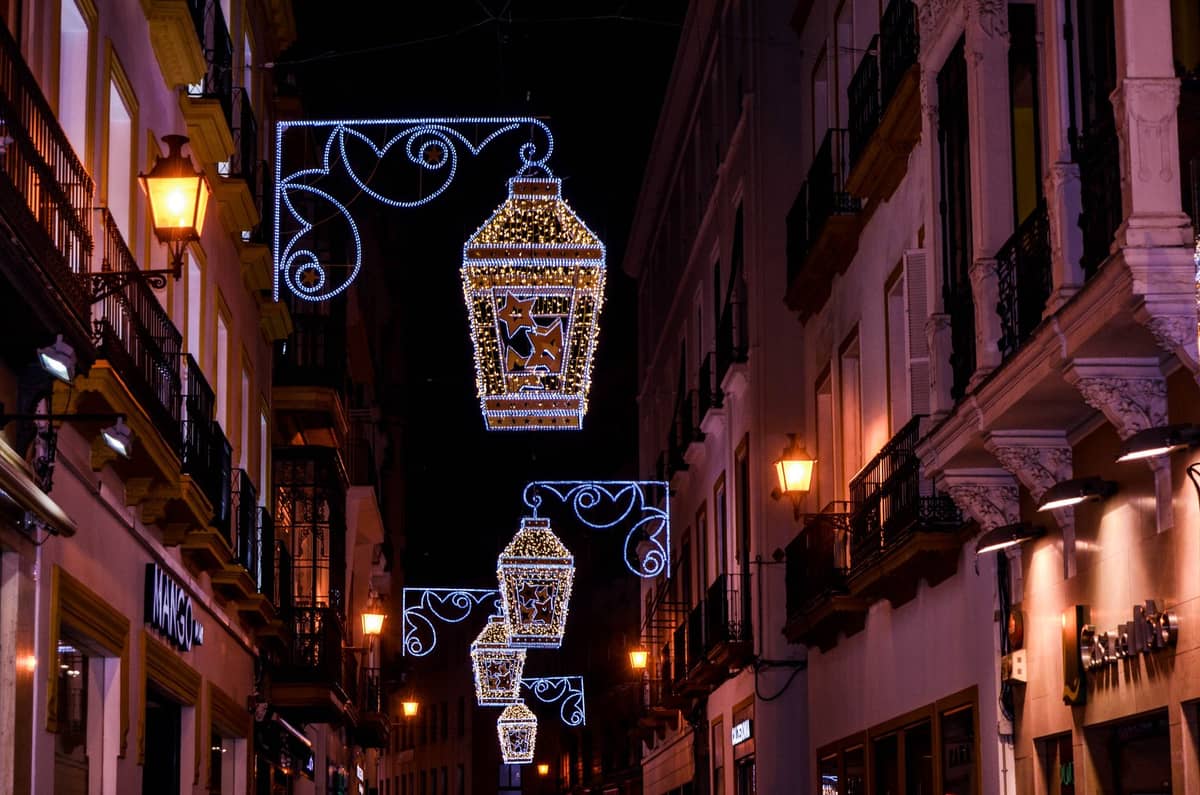
Seville's nightlife is not concentrated in one district. Different neighborhoods offer quite different atmospheres, and the best strategy is to understand what each area does well.
- Alameda de Hércules The long tree-lined promenade in La Macarena district is the axis of Seville's alternative and LGBTQ+ nightlife. Bars line both sides, terraces spill onto the boulevard, and the atmosphere is relaxed and inclusive. This is where local university students and young Sevillanos gravitate on Thursday and Friday nights.
- Triana The neighborhood across the Guadalquivir River has a distinct identity: ceramic tiles, flamenco history, and a tightly knit local bar scene. Calle Betis, running along the riverbank, is lined with bars and terraces with views back towards the Torre del Oro. More local in character than the historic center.
- El Arenal and Santa Cruz The area closest to the cathedral and Alcázar has the highest concentration of tourist-facing bars. Convenient for visitors staying in the center, but drinks prices are higher and the atmosphere skews toward organized pub crawls rather than authentic local life. Worth knowing, but not the most interesting night out.
- Alfalfa and Feria The streets around Plaza de la Alfalfa and Calle Feria in the old city have a good mix of independent bars and younger local crowds. Less polished than the Santa Cruz bar strip, with better prices and a more spontaneous feel.
- Nervión and East Seville The commercial district around Nervión hosts several larger clubs and mainstream venues, appealing to those who want more structured dance-floor experiences. Less atmospheric than the historic neighborhoods but more accessible by taxi or ride-hailing.
For a first night in Seville, the combination of Triana's riverside Calle Betis and the Alameda de Hércules area covers the most ground in terms of atmosphere. The walk between the two, crossing the river and passing through the historic center, takes around 20 minutes and can itself become part of the evening.
Rooftop Bars: What's Worth It and What to Know
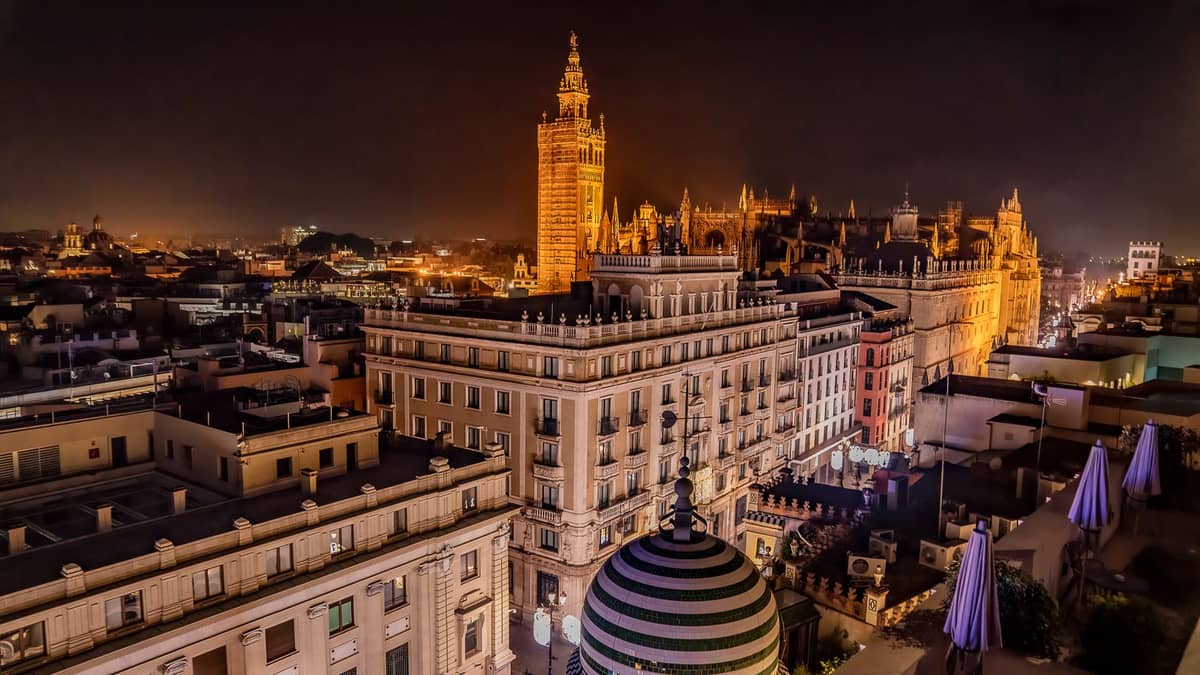
Seville's rooftop bar scene has expanded significantly, partly because the city's skyline, dominated by the Giralda tower and relatively low surrounding buildings, offers striking views without needing to be very high. The best rooftops are genuinely good. The worst are overpriced bars with a partial view of an air conditioning unit.
Terraza Atalaya, on top of the Torre Sevilla building in Cartuja, is one of the more dramatic options given its height and panoramic views, though it sits slightly outside the historic center. Hours vary significantly by day: in the main season, the mirador for external visitors runs Sunday to Wednesday until 21:00 and Thursday to Saturday until 01:00. LEVEL 5th generally opens from 18:00 Monday to Thursday and from 17:00 on Fridays, Saturdays, and Sundays, closing at 02:00 on most nights and 03:00 on Fridays and Saturdays. Ático Sevilla operates 365 days a year, usually from mid-afternoon until 02:00 on Sunday to Thursday and 03:00 on Fridays and Saturdays; entry is free until capacity is reached, and reserved tables may involve a minimum spend agreed at booking rather than a fixed amount.
⚠️ What to skip
Many rooftop bars in Seville close early on Sunday through Wednesday, sometimes as early as 21:00. Always check hours before making it part of your evening plan. What works on a Saturday night may not be open on a Tuesday.
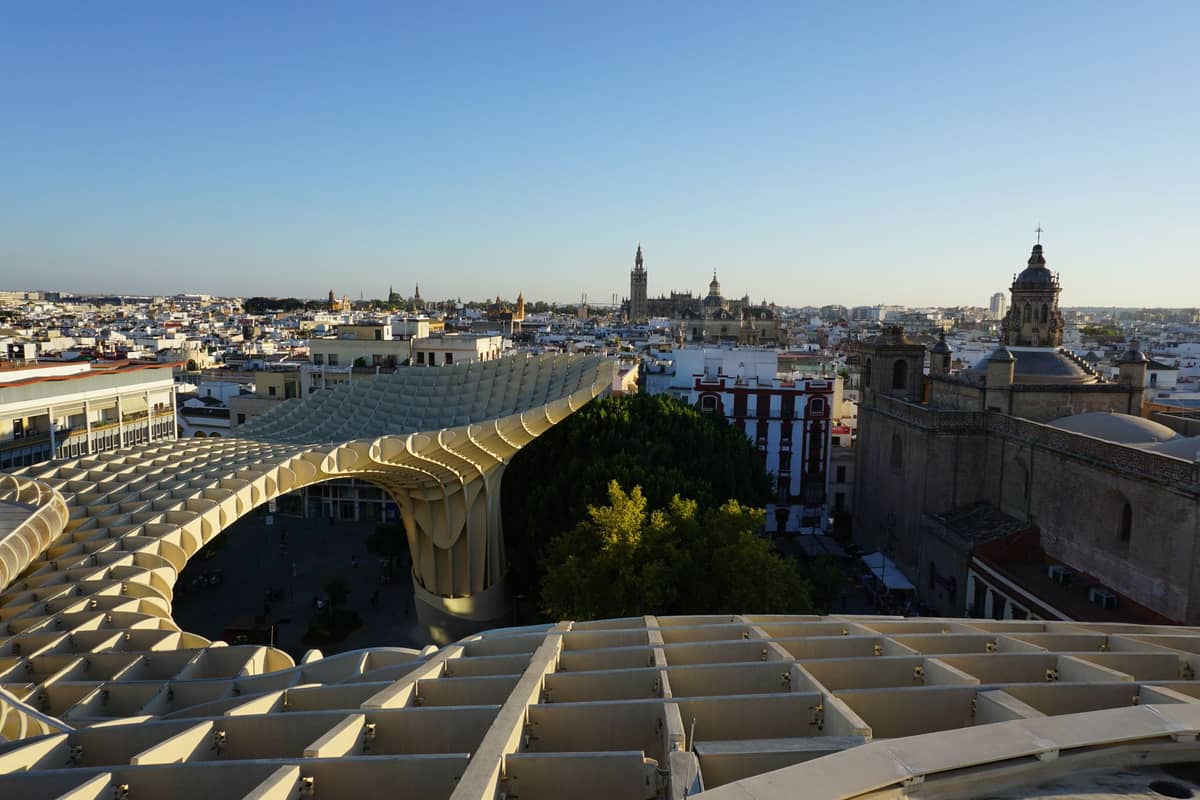
Drink prices on rooftop terraces typically run €8–14 for cocktails and €4–7 for beer or wine. Some venues charge a mandatory minimum consumption rather than an entry fee. If you're watching costs, the views from the free observation areas near the Setas de Sevilla or from the upper sections of the Metropol Parasol at dusk offer skyline perspective without the bar markup.
Clubs, Live Music, and What Entry Actually Costs
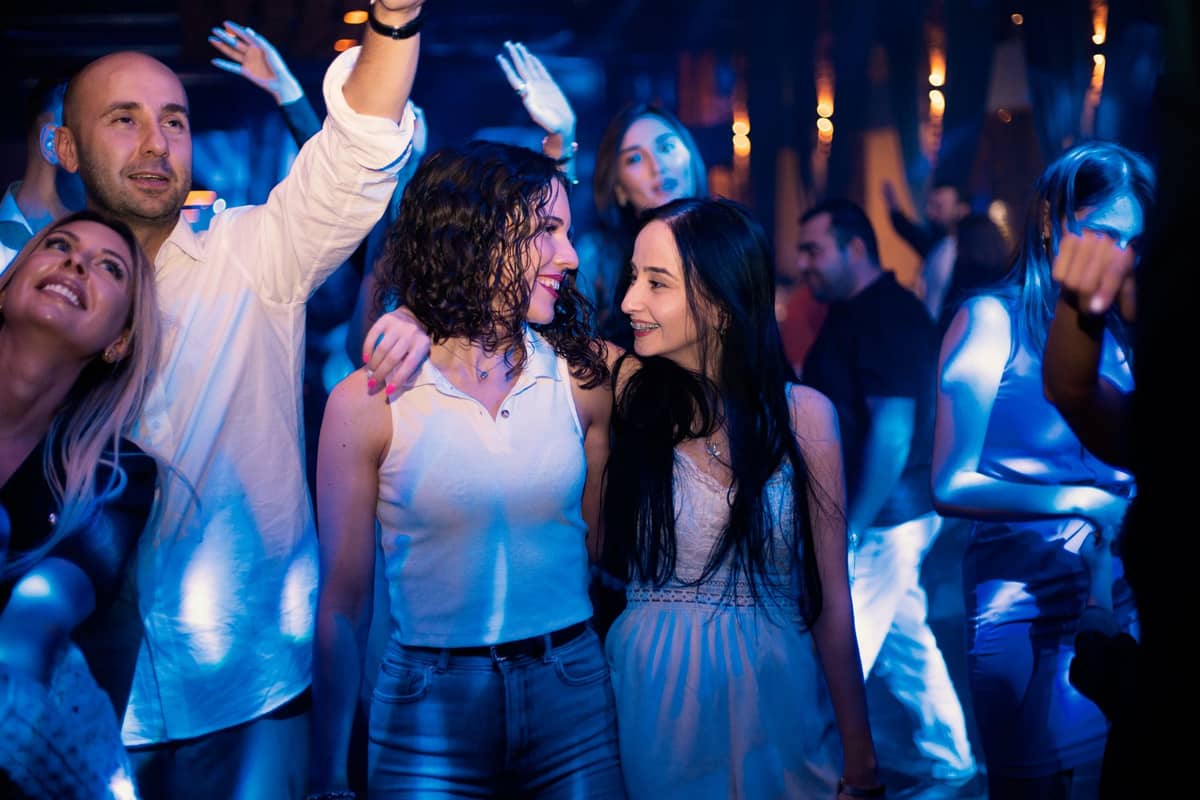
Standard club entry in Seville runs €10–25, with the higher end reserved for headline DJ nights or themed events. Most tickets include one or two drinks. Guest lists, arranged through venue websites or social media, often allow free entry until around 01:30 — which, given that clubs don't really start until 02:00, means arriving on the guest list and then waiting in a half-empty room. The practical approach is to arrive around 01:30–02:00 on the guest list, get your free entry, and let the crowd build around you.
Dress code matters at Seville's more established clubs. Smart-casual is the standard, meaning clean trainers may be acceptable but sports shorts, football shirts, and flip-flops are reliably going to get you turned away. Venues in the Nervión area and some central clubs apply this fairly strictly. It's not about looking expensive; it's about looking intentional. A clean shirt and dark jeans covers most situations.
- Drinks at mainstream club bars: approximately €5–10 per drink
- Cocktail bars and independent venues: typically €6–12
- Terraza and rooftop bars: €7–14 for cocktails
- Beer at a neighbourhood bar: €2.50–4.50
- Organized pub crawls: from around €12, usually covering 4–5 bars with a drink at each and club entry
For those who want a structured introduction to the bar scene, organized pub crawls sold through platforms like GetYourGuide typically cover around 7 hours, include skip-the-line access, and cost from roughly €10–12. They're a reasonable option for solo travelers or groups who want to meet people. They're not the way Sevillanos go out, but they do cover ground efficiently. Independently, the Alameda de Hércules strip is free to explore and several bars operate with no cover charge at all.
Flamenco at Night: Shows vs. the Real Thing
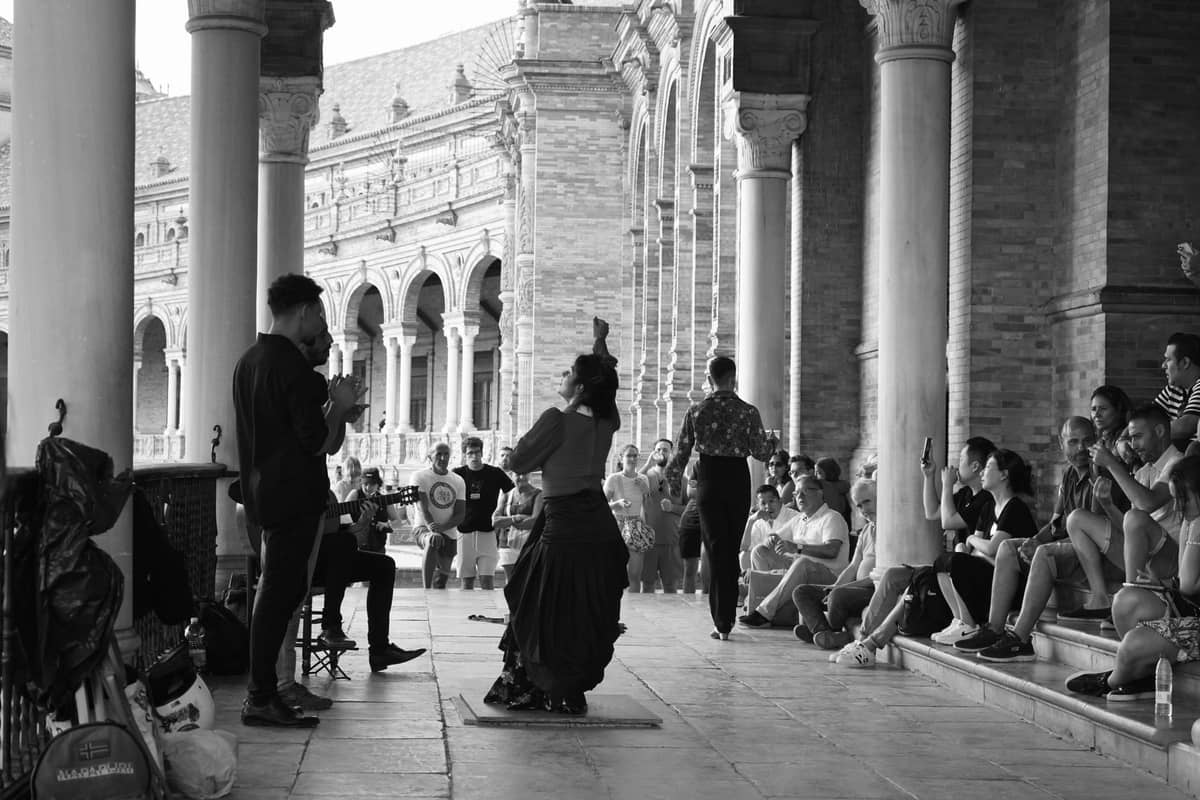
A flamenco show is not the same as flamenco. This distinction matters in Seville more than anywhere in Spain because the city has a genuine living flamenco culture, and the tourist show circuit exists parallel to it, not as part of it. The Museo del Baile Flamenco offers evening performances in an intimate patio setting and is widely respected for its quality. Tablao Los Gallos in Santa Cruz has been running for decades and maintains a serious standard, with adult tickets currently around €38 at that venue and many reputable tablaos in the city charging roughly €20–40 for evening shows.
The other option is to go where locals actually experience flamenco: peñas flamencas, which are private flamenco clubs that occasionally open events to the public, or bars in Triana that host informal performances on certain nights. These are harder to find without local knowledge, but the flamenco guide for Seville covers both the curated show circuit and the more spontaneous side of the scene in detail.
✨ Pro tip
If you're combining a flamenco show with dinner, book the show at 21:00 or 22:00 and eat beforehand at 20:30. The shows themselves run 60–75 minutes, leaving the rest of the evening for bars. Don't make it your last activity: Seville at midnight is worth seeing.
Seasonal Variations and When to Adjust Expectations
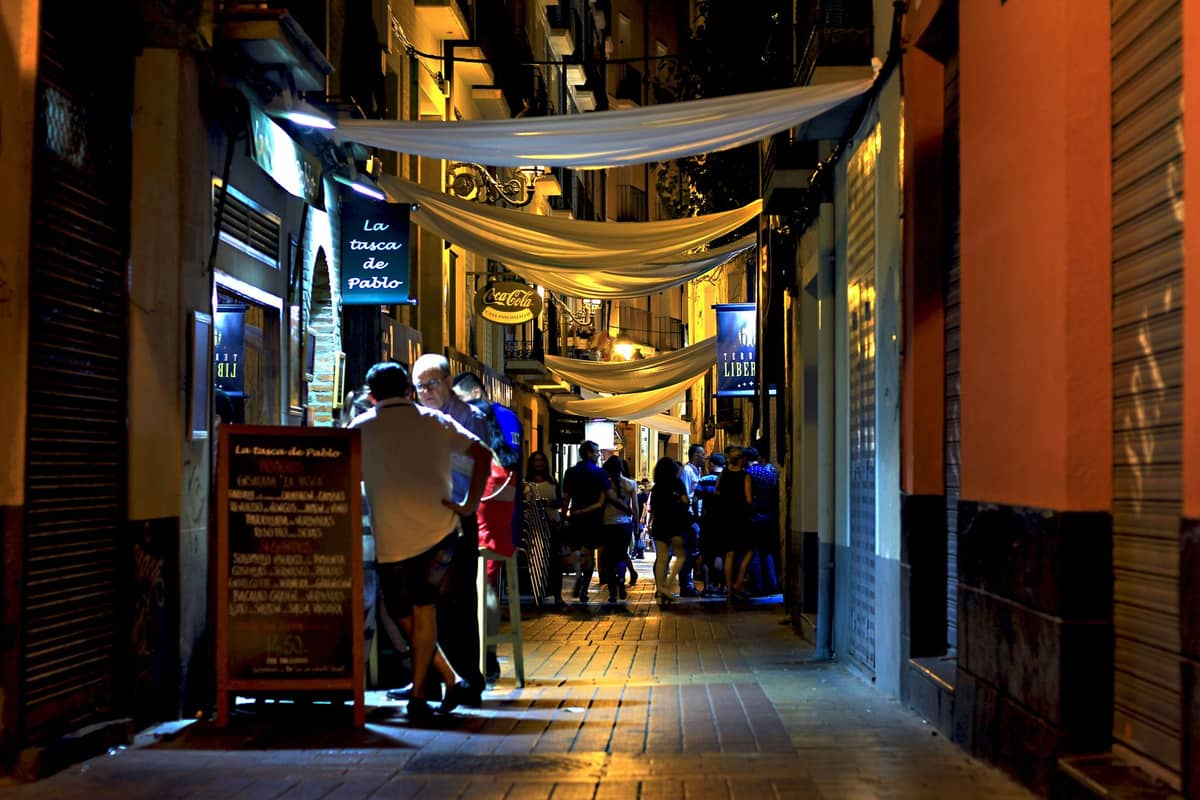
Seville's nightlife shifts noticeably across the calendar. Summer (July–August) sees the outdoor terrace culture reach its peak: rooftop bars stay busier later, riverside spots along Calle Betis fill every night of the week, and the heat makes outdoor drinking until 03:00 perfectly comfortable. The tradeoff is that many Sevillanos actually leave the city in August, so some of the more local-facing bars thin out. For more on navigating the city in heat, see the guide to Seville in summer.
During Semana Santa and the Feria de Abril, the normal nightlife geography changes entirely. Semana Santa is broadly reverent in atmosphere and many bars operate more quietly, particularly in the evenings leading up to major processions. The Feria, by contrast, is effectively a week-long party, but it takes place on the Real de la Feria fairground in Los Remedios, not in the city's bars and clubs. Most activity happens in private casetas (tents), and access without an invitation is limited. Both events alter opening hours and crowd patterns significantly.
Spring and autumn offer the most balanced conditions: comfortable temperatures for terrace drinking, full local participation, and no major festival disruptions. For the best overall visit to the city, including its nightlife, the best time to visit Seville guide provides a detailed seasonal breakdown.
FAQ
What time do clubs open and close in Seville?
Most clubs technically open around 00:00–01:00, but they remain quiet until 02:30–03:00 when locals start arriving. On weekends, large clubs regularly stay open until 06:00 or 07:00. Going before 02:00 means standing in a near-empty room paying full drink prices.
Is there a dress code for Seville clubs?
Smart-casual is the standard across most clubs. Clean trainers and dark jeans are generally acceptable; sports shorts, flip-flops, and football shirts typically lead to refusal at the door, especially at more established venues. When in doubt, err on the side of a clean shirt and trousers.
How much does a night out in Seville cost?
Budget roughly €30–60 for a full night including pre-drinks at a bar, club entry (€10–25, often including one drink), and two or three drinks inside. Rooftop bars and cocktail venues push costs higher. Sticking to neighbourhood bars around Alameda de Hércules or Alfalfa, where drinks run €3–5, keeps the total closer to €20–30.
Can you do outdoor terrace bars after midnight in Seville?
Yes, but with a caveat. A 2024 noise ordinance requires outdoor terraces using amplified music in central zones to close by 01:00. Many rooftop and terrace bars already close around that time on weekdays anyway. Indoor bars and clubs face no such restriction and continue until the early morning.
Is Seville nightlife safe for solo travelers?
Generally yes. Seville's main nightlife areas are well-populated and relatively safe for solo travelers of any gender. Standard precautions apply: keep an eye on your drink, use licensed taxis or ride-hailing apps rather than accepting rides from unlicensed drivers, and stay aware in very crowded areas where pickpocketing can occur. The Alameda de Hércules area is particularly known for being inclusive and welcoming to solo visitors.
Tickets & tours
Live prices and dates from our booking partner. If you book, we may earn a commission at no extra cost to you.
Planning a trip? Discover personalized activities with the Nomado app.