Seville with Kids: The Complete Family Activity Guide
From a world-class aquarium and a theme park with a water area to horse-drawn carriage rides and riverfront parks, Seville rewards families who plan well. This guide covers the top kid-friendly attractions, current pricing, seasonal timing, and practical logistics so you can skip the guesswork.
Tickets & tours
Live prices and dates from our booking partner. If you book, we may earn a commission at no extra cost to you.
TL;DR
- Seville works well for families year-round, but spring (March to May) and autumn (September to October) offer the most comfortable temperatures for kids on the go.
- The Acuario de Sevilla and Isla Mágica theme park are the headline family attractions; both require advance booking and have family ticket options worth knowing about.
- Free or low-cost options, including Parque de María Luisa and the Guadalquivir riverfront, can fill an entire day without spending much.
- Summer heat in Seville is serious: July and August daytime highs regularly exceed 37°C, so plan outdoor activities for mornings and save indoor attractions for afternoons.
- Most major child-friendly sites offer reduced or free admission for under-4s; always verify current prices on official websites before visiting.
Why Seville Works Well for Families
Seville (Sevilla in Spanish) is the capital of Andalusia and Spain's fourth-largest city, with around 687,000 residents in the municipality proper. It is a compact, largely flat city, which matters more than it sounds when you are navigating with a pushchair or keeping pace with small legs. The historic centre is walkable, the metro and tram system (MetroCentro) handles longer distances, and the Guadalquivir riverfront gives children somewhere to run while adults catch their breath.
The city has a genuine density of things to do across age groups. Toddlers love the open space of Parque de María Luisa and the ducks along the river. Older children tend to be fascinated by the scale of the Real Alcázar gardens and the Setas de Sevilla structure. Teenagers often respond well to Isla Mágica or a late-evening tapas crawl through Triana. The range is broad enough that you rarely have to drag anyone anywhere.
⚠️ What to skip
Summer heat is the single biggest family planning challenge in Seville. Average daytime highs in July and August exceed 37°C, and heat radiates off paved streets well into the evening. If you visit in summer, schedule outdoor attractions before 11:00 and after 19:00, and build in at least one long midday stop in an air-conditioned space.
Top Kid-Friendly Attractions in Seville
These are the attractions that reliably deliver for families with children of different ages, ranked by practical value rather than fame.
- Acuario de Sevilla Seville's aquarium at Muelle de las Delicias is open year-round and houses a strong collection of marine life organised by ocean zone. The family pack (2 adults + 2 children up to age 14) is priced at around €49 when booked online. Individual adult tickets are higher per head, so the family pack is worth using if it fits your group. Annual passes are also available: around €54 for adults and €39 for children aged 4–14, useful if you plan a longer stay or return trip. Always verify current hours and prices on the official aquarium website before visiting, as seasonal changes apply.
- Isla Mágica & Agua Mágica Isla Mágica is a theme park built on the old Expo 92 site on Isla de la Cartuja, with a separate water park area called Agua Mágica that opens in warmer months. Online general admission for adults runs around €24.90–€39.90 and children's tickets are lower; combined Isla Mágica + Agua Mágica tickets cost more. The park operates seasonally from spring to autumn with extended hours in summer (roughly 11:00–23:00). Ticket prices on general Spain travel sites often lag behind current rates; book directly from the official Isla Mágica website for accurate pricing and to avoid overpaying at the gate.
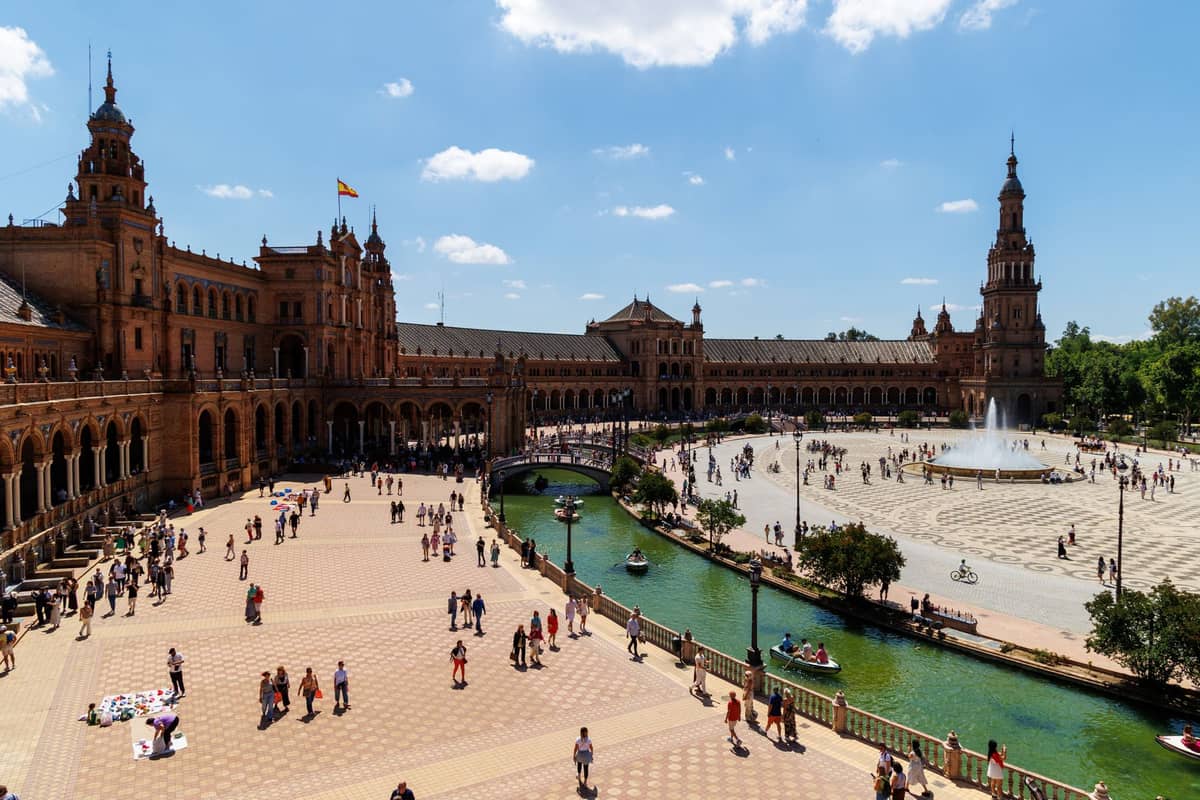
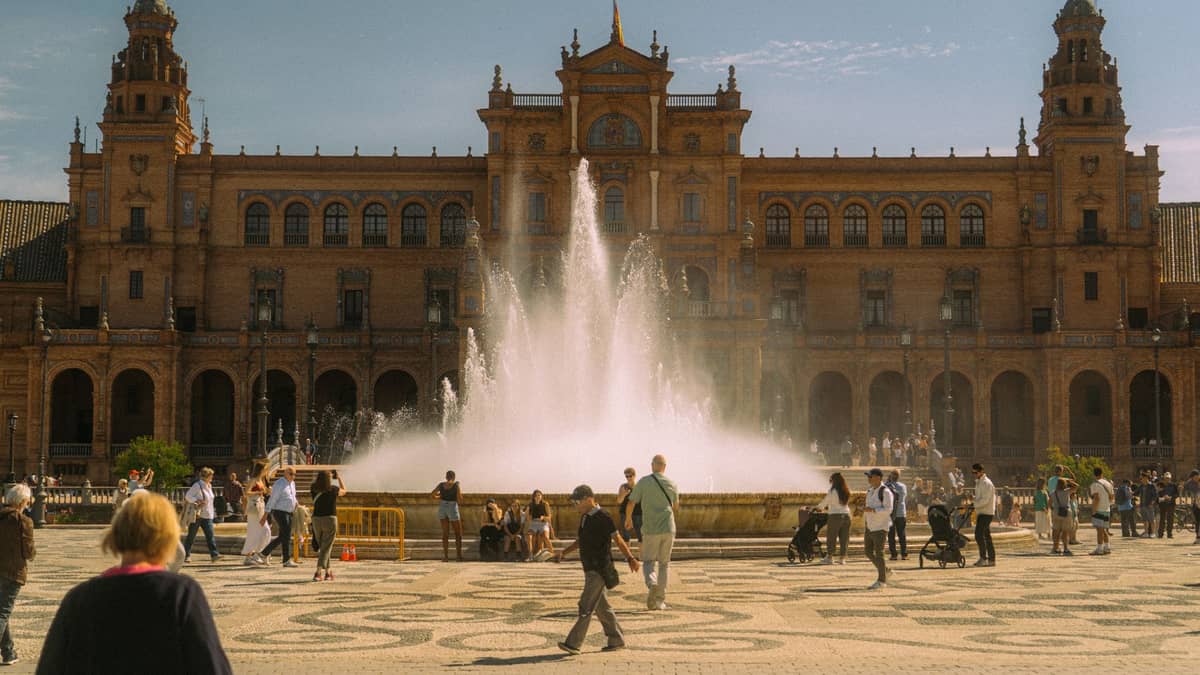
- Parque de María Luisa Seville's main park, originally part of the San Telmo palace grounds, is free to enter and genuinely child-friendly. Wide shaded paths, duck ponds, fountains, and the open plazas of Plaza de España and Plaza de América give families room to explore without a strict itinerary. Rowing boats are available on the canal near Plaza de España for a small fee. The park is at its best in spring when temperatures are mild and the gardens are in full colour.
- Torre del Oro and the Guadalquivir Riverfront The riverside path along the Guadalquivir between Triana bridge and the Torre del Oro is flat, largely car-free, and pleasant for cycling or walking with children. The Torre del Oro itself houses a small maritime museum with nautical models and maps. The riverfront is also where you'll find tourist boat tours on the Guadalquivir, which typically run around 45–60 minutes and give children a different perspective of the city skyline.
- Setas de Sevilla (Metropol Parasol) The Metropol Parasol structure in Plaza de la Encarnación is a genuinely unusual piece of architecture that children often find more interesting than conventional monuments. The rooftop walkway offers some of the best views over the old city. There's also an archaeological museum in the base with Roman remains. Check current ticket prices on arrival; the rooftop access fee is modest.
For families interested in interactive science content, the Casa de la Ciencia Seville offers hands-on exhibits aimed at children and young visitors. It sits near Parque de María Luisa and pairs naturally with a park visit on the same afternoon.
Practical Logistics: Getting Around with Children
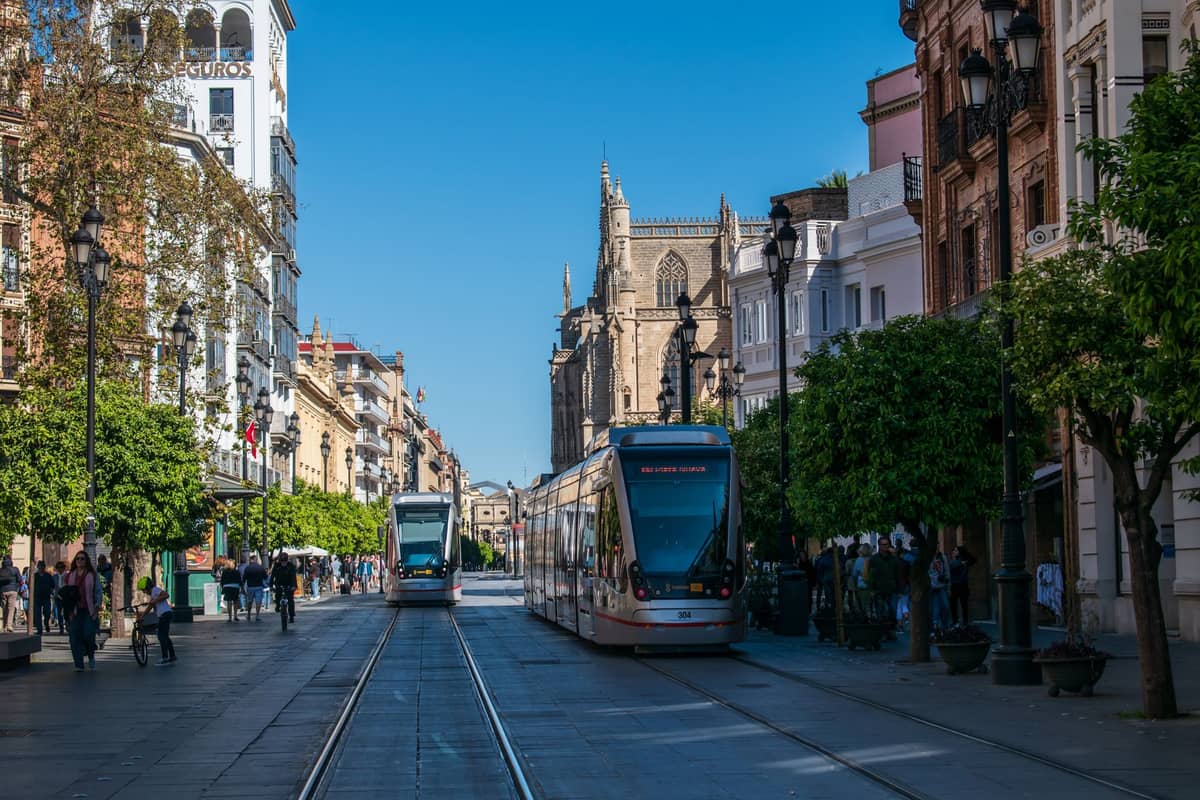
Seville is one of the better European cities for pushchair navigation in its modern districts, though parts of the Santa Cruz quarter have narrow cobbled lanes that are genuinely difficult to push through. The MetroCentro tram connects the central plaza area with the San Bernardo transport hub and is accessible. The TUSSAM bus network covers most neighbourhoods and is affordable. A single metro or bus journey costs well under €2 for most fares; check current TUSSAM and Metro de Sevilla fares before travelling as prices are periodically updated.
From the airport (Aeropuerto de Sevilla, IATA: SVQ), located around 9–10 km north-east of the city centre, the EA airport bus runs to Santa Justa and Plaza de Armas via central stops such as Paseo Colón and Avenida Carlos V. The single fare is approximately €6 and journey time is around 35 minutes. With young children and luggage, a taxi (typically €25–€35 from the airport) is often worth the cost. Ride-hailing apps including Uber and Cabify also operate in Seville, though verify availability at the time of travel.
💡 Local tip
Seville is one of Spain's best cycling cities, with over 180 km of dedicated cycle lanes. The Sevici public bike-share scheme is inexpensive for adults, and many rental shops near the riverfront offer children's bikes, tag-alongs, and cargo bikes. Cycling between the major parks and the waterfront is genuinely enjoyable and avoids the problem of summer heat on foot.
If you want to stay close to the main family attractions, the Santa Cruz quarter puts you within walking distance of the Alcázar, the Cathedral, and easy access to the riverfront. Families who prioritise space and quieter streets often prefer Los Remedios or Nervión, both of which have wider pavements, supermarkets, and residential services that make multi-night stays more practical.
Best Time to Visit Seville with Kids
Climate is the main variable. Seville has a hot-summer Mediterranean climate (Köppen Csa), which means reliably dry summers and mild, occasionally rainy winters. For families, the sweet spots are March to May and mid-September to late October.
In spring, average temperatures rise from around 14°C in March to 22°C in May, with low rainfall after April. This is when the parks are green, queues at the Alcázar and aquarium are manageable, and outdoor dining is comfortable in the evenings. The Isla Mágica season also opens in spring, though the Agua Mágica water section typically requires warmer temperatures to operate.
Autumn (September–October) is the other strong window: average temperatures around 25°C in September, dropping to 21°C by October, with increasing chances of rain towards November. Keep in mind that Seville's Feria de Abril falls in April and draws large crowds, which affects hotel prices and availability but also gives families a genuinely memorable cultural experience. Semana Santa (Holy Week, usually March or April) is extraordinary to witness but brings significant street congestion that can be challenging with pushchairs or young children.
ℹ️ Good to know
Water is potable from the tap in Seville, treated to national standards. The taste varies and some families prefer bottled water, but there is no health concern with tap water. Spain's emergency number is 112 (police, fire, ambulance). Country dialling code: +34. Currency is the Euro (EUR). Spain uses Type C and Type F plugs at 230V/50Hz.
Free and Low-Cost Family Activities
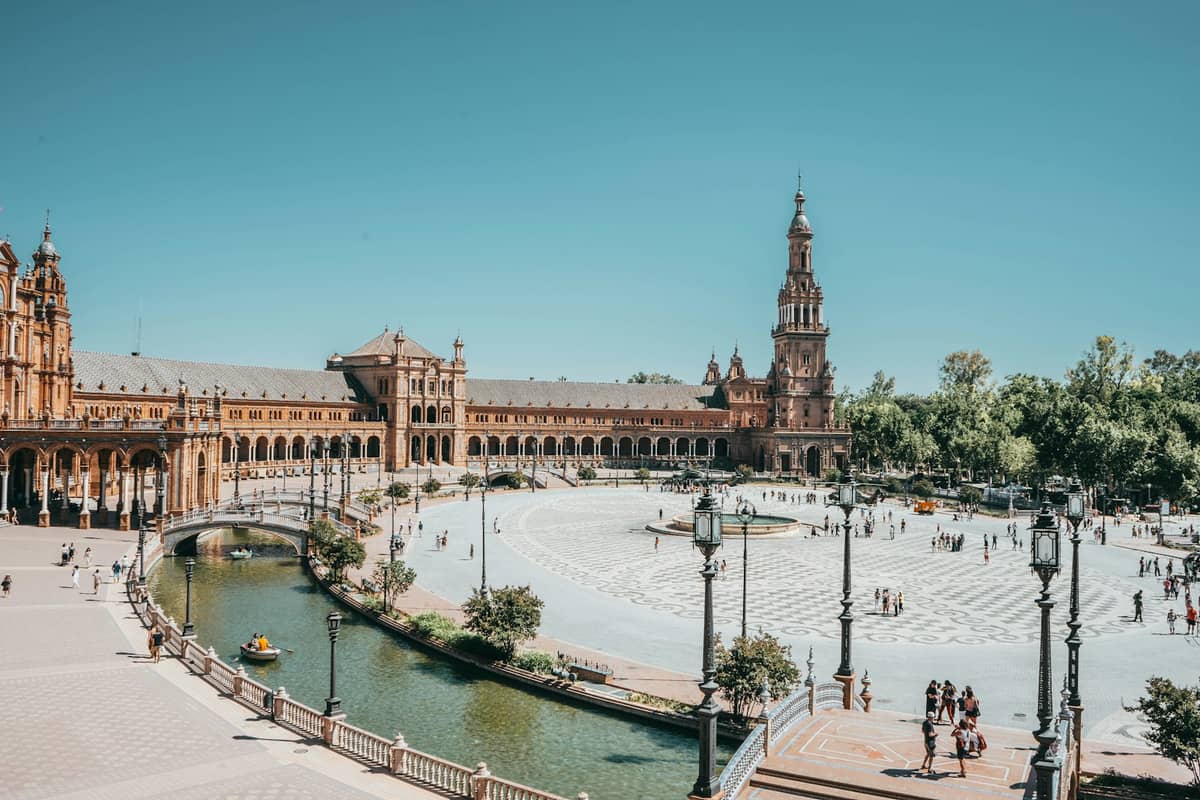
Seville has genuine depth for families on a tighter budget. The Plaza de España is free to enter and functions as an open-air activity in itself: children enjoy the tiled alcoves representing each Spanish province and the rowing boats on the moat. Parque de María Luisa immediately adjacent is also free. A full morning here costs nothing beyond the boat rental.
The Mercado de Triana is a working food market in the Triana district that gives older children an introduction to Spanish produce and market culture. Entry is free; the cost is whatever you eat. Pair it with a walk across the Puente de Triana for a river crossing that even young children find satisfying. The Triana district itself, historically associated with ceramics and flamenco, has a tangible neighbourhood atmosphere quite different from the tourist-heavy Santa Cruz area.
- Parque de María Luisa: free entry, ideal for picnics and open-air play
- Plaza de España: free to walk; rowing boats available for a small hire fee
- Guadalquivir riverfront cycle/walking path: free, flat, and stroller-friendly
- Mercado de Triana: free entry, great for food exploration with older children
- Basilica de la Macarena: free entry to the basilica (donations welcome), impressive interior with historic floats
- Setas de Sevilla rooftop walkway: modest ticket fee, worth it for the views and the sheer novelty of the structure
For families interested in going further afield, the Italica Roman Ruins are located about 9 km north of Seville and make an excellent half-day trip with older children who are studying Roman history. The well-preserved amphitheatre is one of the largest in the Roman world and tends to make an impression.
Eating Out with Kids in Seville
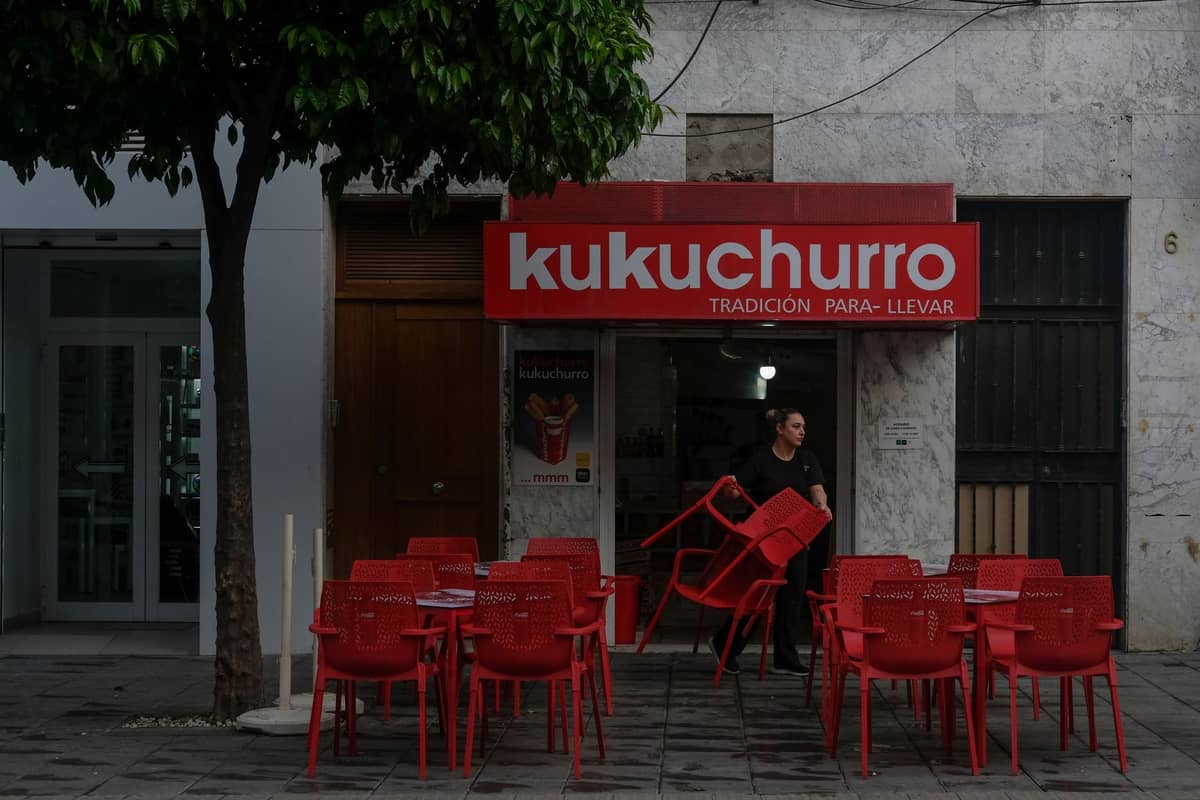
Seville's food culture is generally very welcoming to children. Spanish dining runs late by northern European or North American standards: lunch is typically 14:00–16:00 and dinner rarely starts before 21:00. Most local restaurants will accommodate earlier dinner times for families, particularly in tourist-facing areas, but you will get better food and better value by eating at Spanish mealtimes.
Tapas are naturally child-friendly in format: small plates, easy to share, and with plenty of options that work for picky eaters (croquetas, tortilla española, pan con tomate). The Seville food guide covers the dishes and the neighbourhoods to find them in. For families, the Triana market area and the streets around Alameda de Hércules both have good concentrations of informal restaurants and bars with outdoor seating, which is essential in mild weather.
✨ Pro tip
Tipping in Seville is not mandatory or expected at the same level as in North America. Rounding up to the nearest euro or leaving small change for table service is appreciated but not obligatory. Children eat free or at significantly reduced prices in many family restaurants, particularly at lunchtime menus (menú del día), which typically run €10–€15 for two courses, bread, and a drink.
FAQ
Is Seville a good destination for families with toddlers?
Yes, with some planning. The city is largely flat and has good pushchair access along main routes, riverside paths, and parks. The Santa Cruz quarter has cobbled lanes that can be awkward, but most attractions are reachable by tram, bus, or taxi. Parque de María Luisa is a genuinely excellent free space for small children. The main challenge is summer heat: July and August are extremely hot, with daytime highs regularly above 37°C, so toddlers and young children are better served by a spring or autumn visit.
How much does it cost to take a family to the Seville Aquarium?
The Acuario de Sevilla currently offers an online family pack for 2 adults and 2 children (up to age 14) at around €49. Individual adult tickets are more expensive per head, so the family pack is worth calculating against your group size. Annual passes are available at around €54 for adults and €39 for children aged 4–14. Prices are subject to change; always verify on the official aquarium website before booking.
When does Isla Mágica open and what are the prices for families?
Isla Mágica operates seasonally, generally from spring through to autumn, with the Agua Mágica water park section only running in the warmer months. Online adult tickets for Isla Mágica alone run approximately €24.90–€39.90 depending on the purchase date and platform; combined Isla Mágica + Agua Mágica tickets are higher. Children's and senior tickets are discounted. Always book directly from the official Isla Mágica website for current prices, as third-party sites and older travel guides frequently list outdated rates.
What are the best free activities for children in Seville?
Parque de María Luisa and Plaza de España are the most obvious free options and can occupy half a day easily. The Guadalquivir riverfront path is flat and safe for cycling or walking. The Mercado de Triana is free to enter and engaging for children with an interest in food. The Basílica de la Macarena has free entry and an impressive interior. Older children interested in history will find the Italica Roman Ruins (around 9 km from the city centre) a worthwhile low-cost half-day trip.
Is summer a bad time to visit Seville with kids?
Summer is not impossible but requires serious heat management. July and August mean average highs above 37°C and minimal shade in many tourist areas. The strategy that works is: outdoor activity before 11:00, a long midday break in air-conditioning (your accommodation, a museum, or the aquarium), then back outside after 19:00. Isla Mágica's Agua Mágica water park is a genuine advantage in summer. That said, most families with flexible schedules are better served by visiting in April–May or late September–October.
Tickets & tours
Live prices and dates from our booking partner. If you book, we may earn a commission at no extra cost to you.
Planning a trip? Discover personalized activities with the Nomado app.