Sevilla FC: A Visitor's Guide to Watching a Match in Seville
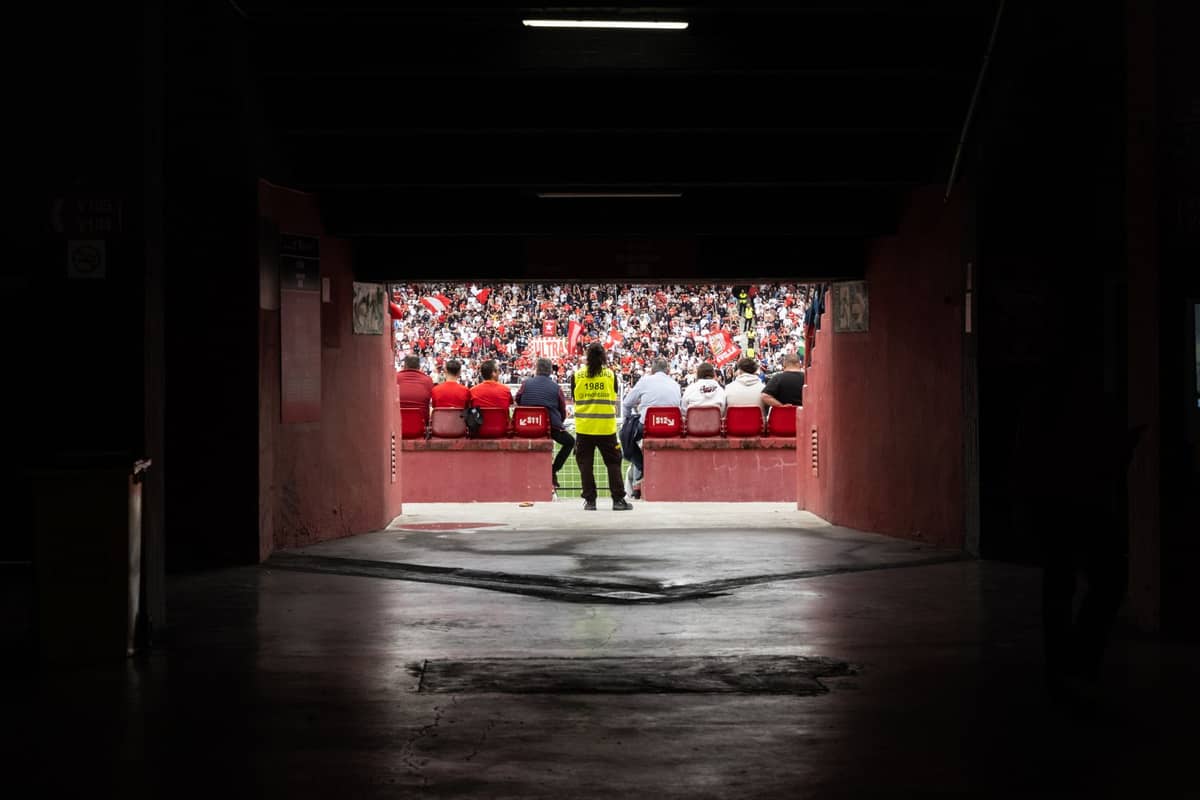
Attending a Sevilla FC home match is one of the most authentic experiences Seville, Spain offers. This guide covers how to buy tickets, get to the stadium, pick the right seat, and make the most of match day — without the rookie mistakes.
Tickets & tours
Live prices and dates from our booking partner. If you book, we may earn a commission at no extra cost to you.
TL;DR
- Sevilla FC plays home matches at Estadio Ramón Sánchez-Pizjuán in the Nervión district, about 2 km east of the city centre.
- Buy tickets through the official Sevilla FC portal at sevillafc.es — expect to pay €30–€120+ depending on the seat tier and fixture.
- The easiest way to reach the stadium is Metro Line 1 to Nervión or Gran Plaza; see getting around Seville for full public transport options.
- Big derbies against Real Betis and matches vs Real Madrid or Barcelona sell out fast — book as soon as tickets go on sale.
- LaLiga's season runs August through May; for the best weather and atmosphere, autumn and spring fixtures are ideal — pair your trip with our best time to visit Seville guide.
About Sevilla FC and the Ramón Sánchez-Pizjuán
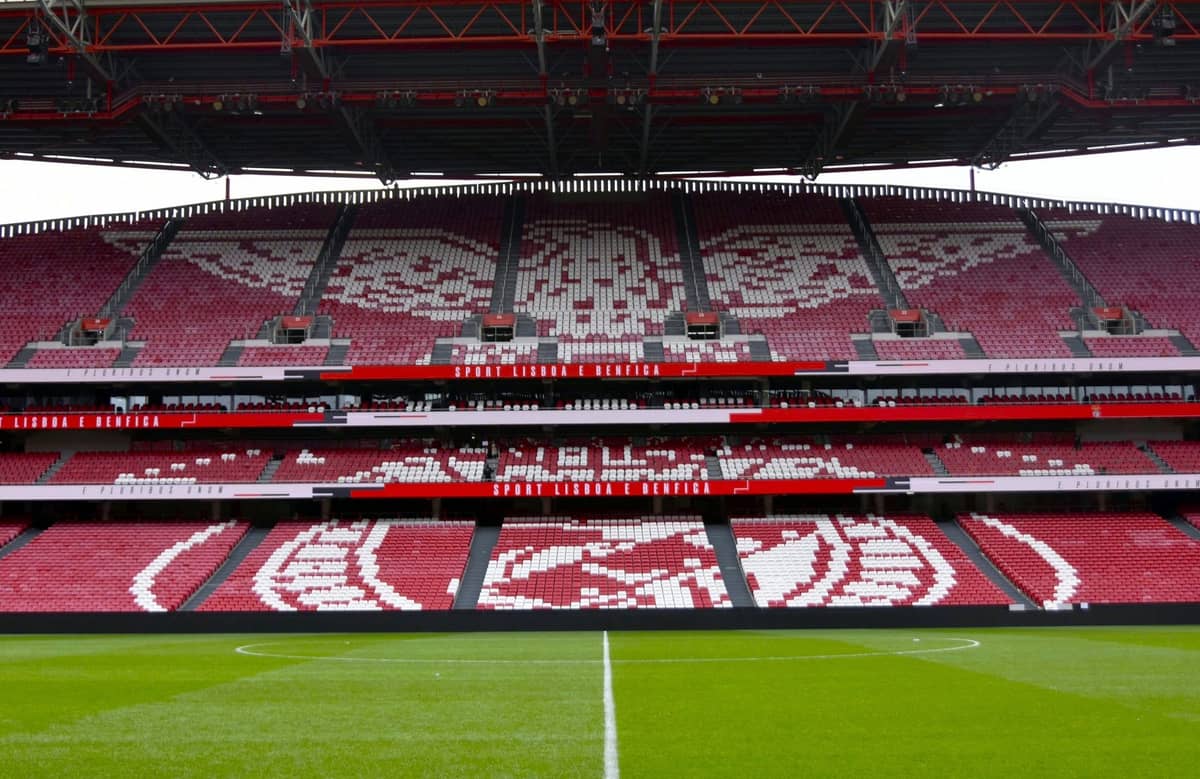
Sevilla FC is one of the most decorated clubs in European football history, with seven UEFA Europa League titles and a fierce identity rooted in the city of Seville (Sevilla in Spanish), the capital of Andalusia in southern Spain. The club's home ground, the Estadio Ramón Sánchez-Pizjuán, has been their fortress since 1958. Located on Calle Sevilla Fútbol Club in the Nervión district, the stadium holds around 43,000 spectators and generates an atmosphere that routinely intimidates visiting teams.
For visitors to Seville, a match here offers something the city's monuments cannot: raw, unscripted theatre. The Nervión district itself is Seville's modern commercial heartland, distinct in character from the historic centre's narrow lanes and grand plazas. If you want to understand the city beyond its postcard landmarks, watching Sevilla FC play is a direct line into local passion and identity. You can read more about the neighbourhood in our Nervión district guide.
ℹ️ Good to know
Sevilla FC and Real Betis are cross-city rivals. The Gran Derbi Sevillano draws enormous demand for tickets. If your travel dates overlap with this fixture, plan well in advance — general sale tickets often disappear within hours of going live.
How to Buy Tickets: The Only Reliable Method
The official and safest way to buy Sevilla FC match tickets is through the club's own Portal de Entradas, accessible via sevillafc.es. This is non-negotiable advice. Third-party resale platforms do operate, but the club explicitly recommends its official portal for authenticity and competitive pricing — and unofficial resellers frequently charge significant markups for high-demand games.
For the 2024–25 season, Sevilla FC confirmed that tickets for all home La Liga matches — except fixtures against Real Madrid, FC Barcelona, Atlético de Madrid, and Real Betis — are available on advance sale through the portal. Tickets typically go on sale before each home game.
- Anfiteatro (Upper Tier, Corners) The most affordable seats in the ground, typically €30–€40 for standard La Liga fixtures. Views are high but clear. Good for budget-conscious visitors who want the full atmosphere.
- Preferencia (Middle Tier) The mid-range sweet spot, priced roughly €50–€90. Solid sightlines, good atmosphere, and manageable prices for most fixtures.
- Lower Tier Central (Premium) The best views on the pitch, closest to the action. Prices for high-profile matches can reach €100–€120 or higher. Worth it if the fixture warrants it.
⚠️ What to skip
Do not rely on buying tickets at stadium windows on match day. Sevilla FC emphasises advance online purchase, and any fixture with real demand — including mid-table La Liga games against popular clubs — can sell out entirely before kick-off.
Getting to the Stadium on Match Day
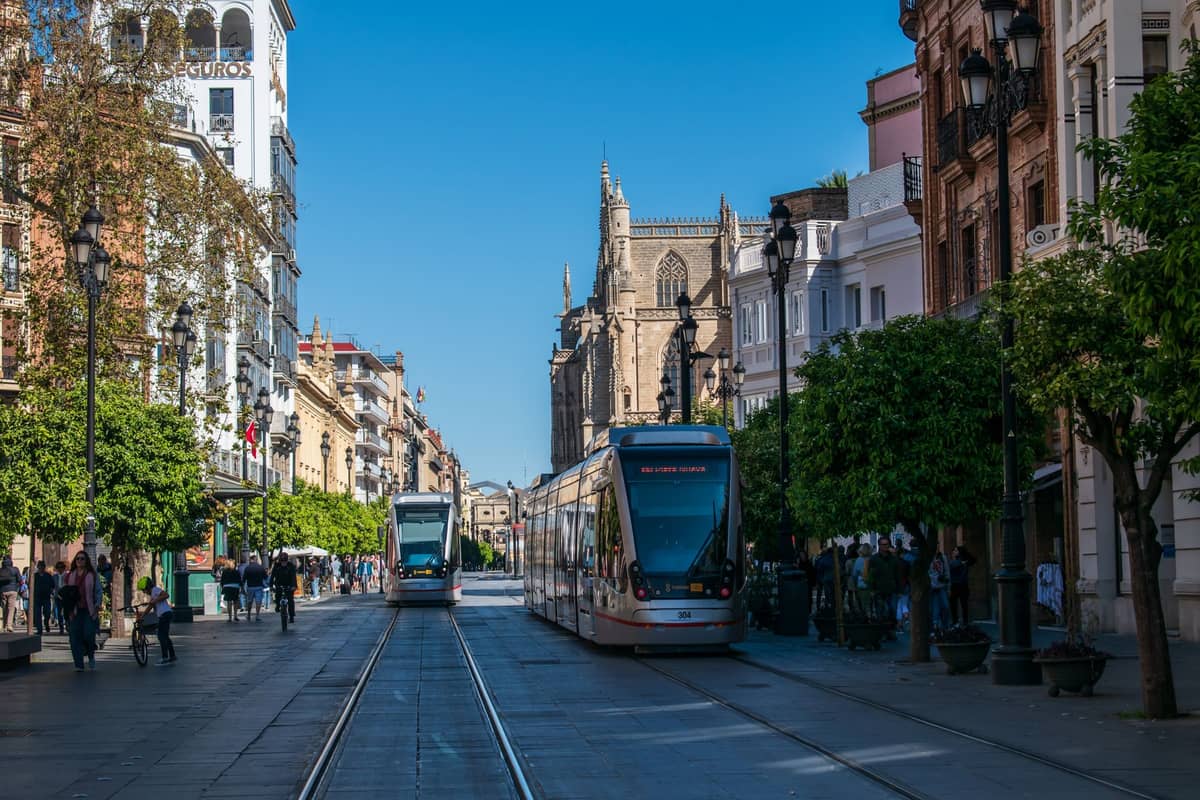
The Ramón Sánchez-Pizjuán sits in the Nervión district, roughly 2 km east of Seville's historic centre. On foot from Santa Cruz or the Cathedral, you are looking at a 25–30 minute walk. Most visitors opt for public transport, and the metro is by far the cleanest option on match day.
Metro Line 1 (the green line) is the only line currently serving this route. From central stops like Puerta Jerez or Prado de San Sebastián, ride to Nervión or Gran Plaza — both are a 3–5 minute walk from the stadium entrance. The journey itself takes around 4–6 minutes and costs under €2. Trains run frequently, and services are extended on major match evenings, but expect crowded platforms immediately after the final whistle.
- Metro Line 1 to Nervión or Gran Plaza: fastest option from the city centre, under €2, 4–6 minutes.
- TUSSAM city buses (lines 5, 22, 29, 32, C1, C2, B3, B4): stop near the stadium at Luis de Morales or Eduardo Dato. Slower on match days but useful from certain neighbourhoods.
- EA Airport Bus: the Especial Aeropuerto shuttle between Seville Airport (SVQ) and the city centre stops at Luis de Morales (Est. Sánchez Pizjuán) — convenient if you are arriving from the airport on match day. Fare is approximately €6 and the journey from the airport takes around 35 minutes.
- Taxi or ride-hailing (Uber, Cabify): practical for groups but traffic near the stadium before and after matches is significant. Allow extra time and arrange a pick-up point away from the main stadium exits.
✨ Pro tip
After the game, avoid the immediate rush at Nervión metro station by walking one stop to Gran Plaza or in the opposite direction toward Marqués de Nervión. The queues clear within 30 minutes but the platform crush right after the final whistle is real.
Match Schedules and Seasonal Considerations
LaLiga's season runs from August through May. The official fixture list and confirmed kick-off times are published by LaLiga on their website and updated regularly on Sevilla FC's club page. Sevilla FC also publishes its full season calendar on sevillafc.es. Check both sources closer to your travel dates, as LaLiga frequently adjusts kick-off times for television broadcast schedules — sometimes with only a few weeks' notice. Our guide to things to do in Seville can help you plan the rest of your trip around the fixture.
Seville's climate plays a significant role in the match-day experience. August and September fixtures are often scheduled for 9pm or 10pm local time to avoid the worst of the heat — daytime temperatures in August regularly exceed 35°C. Even evening games in high summer can be warm in the stands, so light clothing and hydration are practical considerations. December through February brings cooler temperatures (average lows around 7–9°C) and the possibility of rain, so a layer is sensible for evening games.
The most comfortable match-day conditions come in autumn (October–November) and spring (March–May), when temperatures are mild and the city is at its most pleasant. These months also align with some of Seville's biggest cultural events, so planning a match alongside a wider trip is entirely feasible. See our guides to Seville in autumn and Seville in spring for context on what else is happening in the city.
Planning Your Visit Around the Match
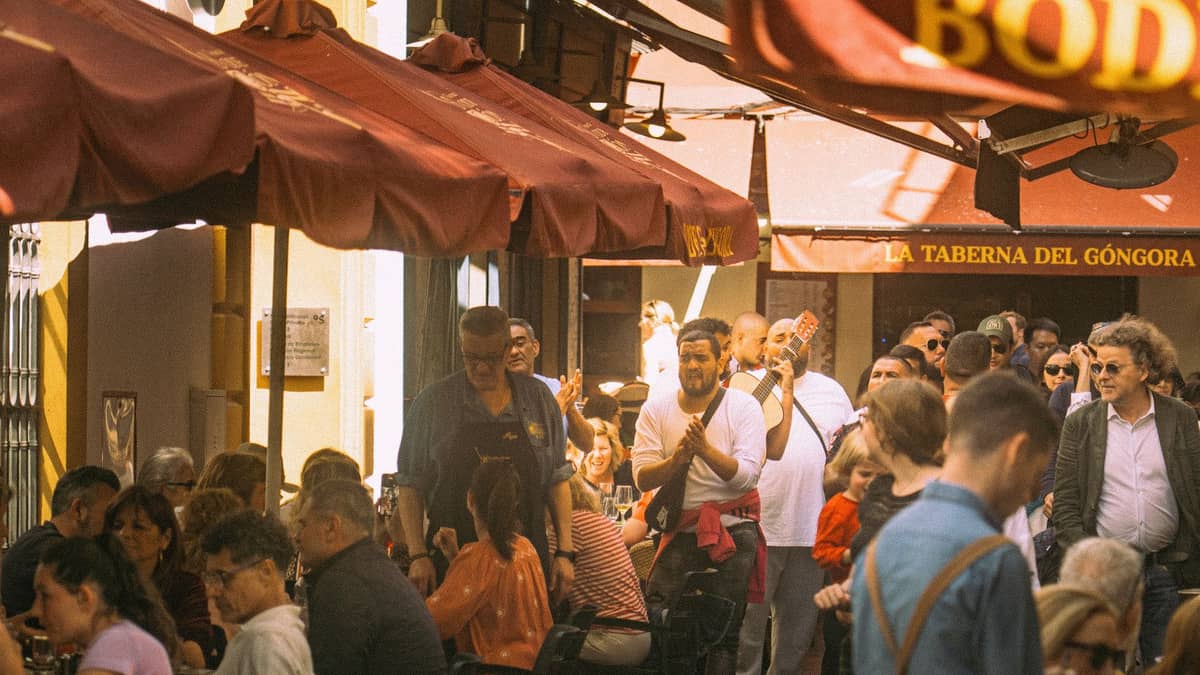
A Sevilla FC match works naturally as part of a wider trip to the city. The Nervión district is a short metro ride from the historic centre, so you can spend the day exploring the Real Alcázar or Plaza de España and head to the stadium in the evening. The area around the ground has bars and cafés where fans gather before games — not polished tourist venues, but functional spots for a pre-match beer and a look at the local matchday routine.
If you are structuring an entire trip around the football, a 3-day stay gives you enough time to cover the main sights alongside the match. Our 3 days in Seville itinerary integrates well with an evening fixture. For visitors on tighter budgets, note that La Liga tickets are among the more affordable in top European football — far cheaper than equivalent seats in the Premier League or Bundesliga — but prices do spike for the big games.
If you are interested in the city's other football club, Real Betis plays at the Estadio Benito Villamarín in the Los Remedios area. The two clubs represent genuinely different parts of the city's identity and fan culture. You can read more about both venues via our Ramón Sánchez-Pizjuán and Estadio Benito Villamarín pages.
What to Know Before You Go
Seville operates on Central European Time (CET, UTC+1), shifting to CEST (UTC+2) during summer. Late kick-offs — 9pm or 10pm local time — are common for televised matches, which means you will likely be heading back to your accommodation well after midnight. Plan your transport and accommodation accordingly; the metro and buses do run later on match nights, but services eventually stop.
The stadium does not allow large bags, and security checks are thorough. Arrive at least 45 minutes before kick-off to clear entry queues comfortably. The stadium has food and drink concessions inside, but prices are higher than street level. Spanish is the working language at the ground — most staff will not speak English at turnstiles or concessions, though this rarely causes problems with basic transactions.
Seville is a city that rewards visitors who engage with it on its own terms. Attending a Sevilla FC match is exactly that kind of engagement: a local ritual that has nothing to do with monuments or tourist trails, and everything to do with how the city actually feels on a Tuesday or Sunday night.
FAQ
Where can I buy Sevilla FC tickets as a tourist?
The official and most reliable method is through Sevilla FC's Portal de Entradas on their club website at sevillafc.es. This is the safest option — avoid unofficial resale platforms, which frequently overcharge and carry authenticity risks.
How far in advance do Sevilla FC tickets go on sale?
For standard La Liga home fixtures, tickets typically go on sale before the match. High-profile games against Real Madrid, Barcelona, Atlético de Madrid, and the local derby against Real Betis may have different or more restricted sale conditions — check the club website for specifics around each fixture.
What is the best way to get to Estadio Ramón Sánchez-Pizjuán from central Seville?
Metro Line 1 is the easiest option. Board at Puerta Jerez or Prado de San Sebastián and ride to Nervión or Gran Plaza, both a 3–5 minute walk from the stadium. The journey takes around 4–6 minutes and costs under €2. Avoid driving — parking near the stadium on match days is extremely limited.
How much do Sevilla FC tickets cost?
Prices vary by seat location and fixture. Upper-tier corner seats (Anfiteatro) start around €30–€40 for standard La Liga games. Mid-tier Preferencia seats run roughly €50–€90. Premium lower-tier central seats for big matches can reach €100–€120 or more. The Gran Derbi against Real Betis and fixtures against the traditional top clubs command the highest prices.
Is Seville worth visiting just for a football match?
Absolutely, but there is no reason to limit yourself. Seville, Spain's fourth-largest city and the capital of Andalusia, has one of the richest architectural and cultural offerings in southern Europe. A football match slots naturally into a broader 2–4 day visit. See our guide on whether Seville is worth visiting for a fuller picture.
Tickets & tours
Live prices and dates from our booking partner. If you book, we may earn a commission at no extra cost to you.
Planning a trip? Discover personalized activities with the Nomado app.