Seville to Málaga: Train, Bus & Car Options Explained
The journey from Seville to Málaga is one of the most popular routes in Andalusia, with trains taking as little as 2 hours. This guide breaks down every option — train, bus, and car — with real prices, scheduling advice, and the honest tradeoffs between each.
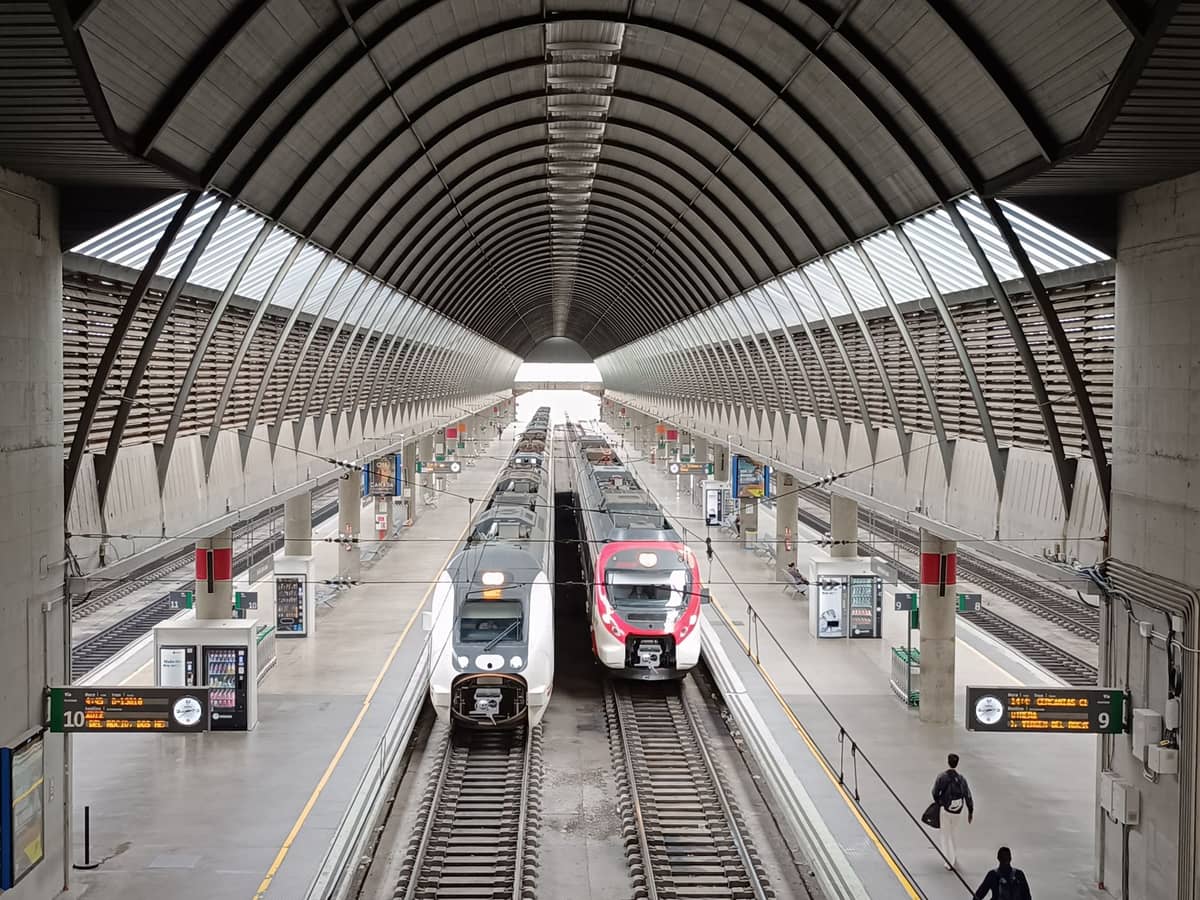
Tickets & tours
Live prices and dates from our booking partner. If you book, we may earn a commission at no extra cost to you.
TL;DR
- The train is the fastest and most convenient option: around 2 hours, with about 13 to 14 services daily from Seville Santa Justa to Málaga María Zambrano.
- Advance train tickets start from around €18-25; last-minute and flexible fares can reach around €45.
- Bus services (mainly ALSA) take around 2.5 to 3.25 hours and can be cheaper, especially on short notice.
- Driving takes roughly 1.5 to 2 hours over about 155-160 km, with scenic detour options through Ronda — worth considering if you plan day trips from Seville along the way.
- Book trains at least a few days ahead in summer and during major Andalusian festivals to lock in the cheapest fares.
The Route at a Glance
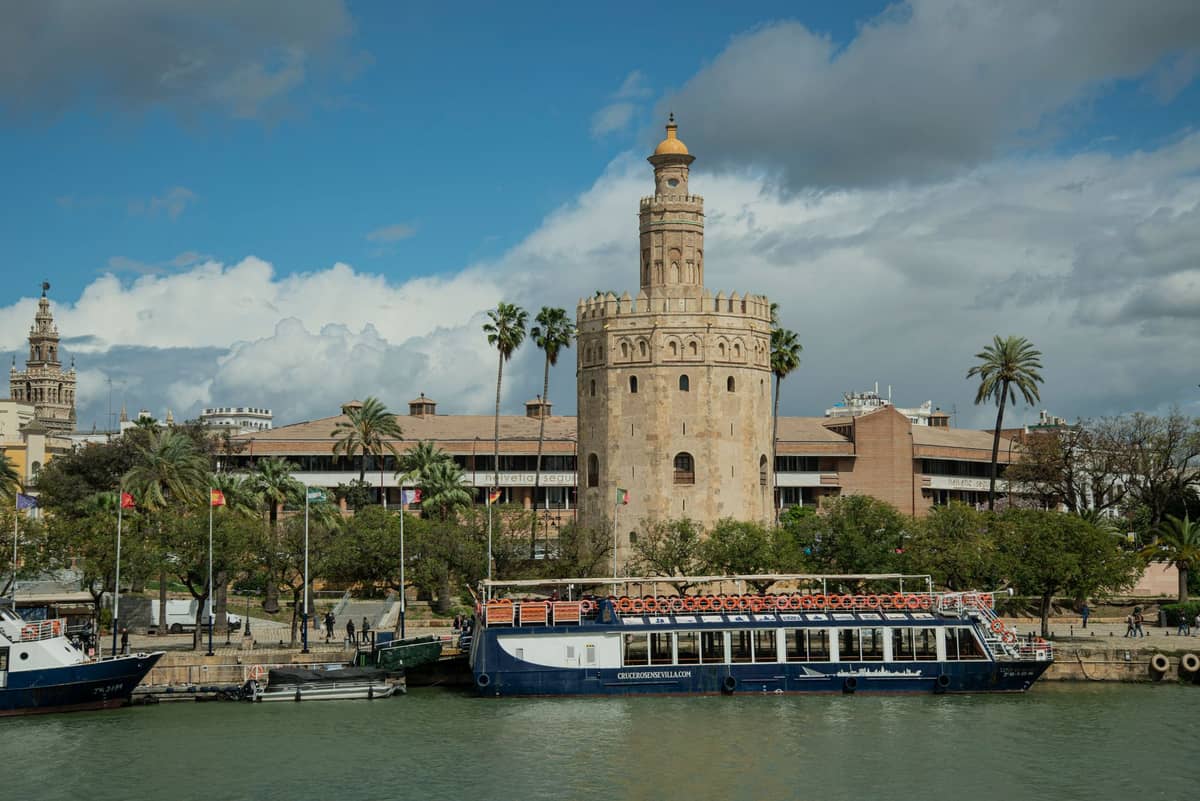
Seville (Sevilla in Spanish) and Málaga are both major cities in Andalusia, separated by roughly 210 to 225 km by road. Despite being in the same autonomous community, the most direct driving routes use the A-92 and A-45, while more scenic alternatives wind through the interior of Andalusia via Ronda. That geography shapes your options: the train network compensates well for what the roads lack in directness.
Both cities are well worth extended stays in their own right. If you're planning a broader Andalusian itinerary, this route pairs naturally with stops in Córdoba or Granada. Check our Andalusia itinerary from Seville for a fuller regional picture.
Seville to Málaga by Train
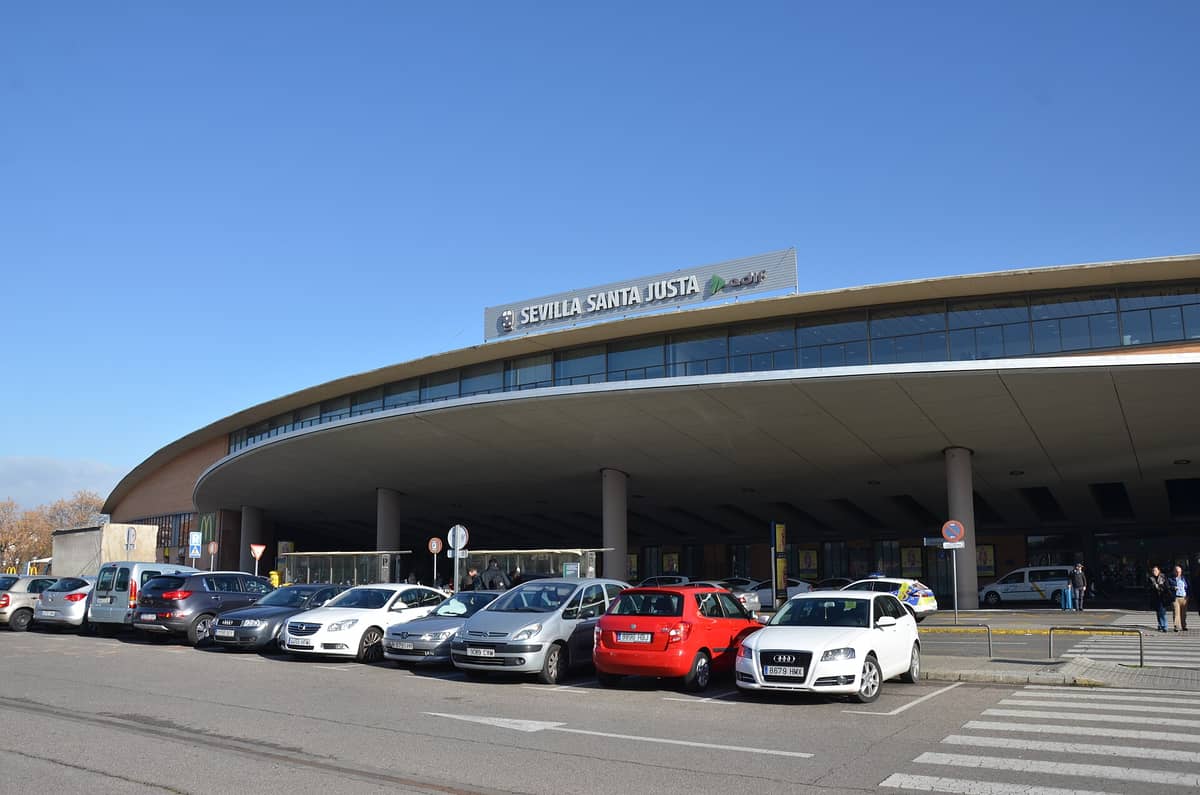
The train is the default choice for good reason. Renfe operates multiple daily services between Seville Santa Justa and Málaga María Zambrano, covering the route in around 2 hours depending on the service type. The main train types on this route are Avant (regional high-speed), Alvia (intercity), and MD (media distancia, the slower regional option). Despite what you might assume, this is not a dedicated AVE high-speed corridor, and journey times vary by service and stopping pattern.
- Frequency Between 10 and 21 trains per day depending on the day of the week and season, with first departures typically around 06:20-07:15 and last services around 20:16-21:00.
- Journey time Fastest services around 2 hours; slower MD regional trains can take closer to 2.5 hours.
- Ticket prices Advance fares from approximately €18-25. Average flexible tickets range from €45-56. Prices rise sharply in summer and around Semana Santa or Feria de Abril.
- Booking Book directly via Renfe's website for the widest schedule view, or use aggregators like Rail Europe, Omio, Trainline, or BlaBlaCar Trains. Omio and Trainline often surface the cheapest advance fares quickly.
- Stations Departs from Seville Santa Justa (the city's main rail hub, about 1.5 km northeast of the historic centre). Arrives at Málaga María Zambrano, which is also Málaga's central bus station — very convenient for onward connections.
✨ Pro tip
Renfe's own website shows the full timetable and often matches or beats third-party prices for Spanish domestic routes. If you're flexible on timing, search a few days around your preferred date — prices on the Avant services in particular can drop noticeably mid-week.
One common misconception: many travellers assume the Seville-Málaga train is a direct AVE bullet train. It isn't. The route typically involves a change or runs on tracks shared with other service types, which is why the journey takes 2+ hours rather than the sub-90-minute times you see on the Madrid-Seville or Madrid-Málaga AVE corridors. That said, the Avant and Alvia services are comfortable, punctual, and significantly faster than driving. If you're basing yourself in Seville, this route also works well as a day trip. For context on the wider things to do in Seville, a day in Málaga fits naturally into a longer stay.
Seville to Málaga by Bus
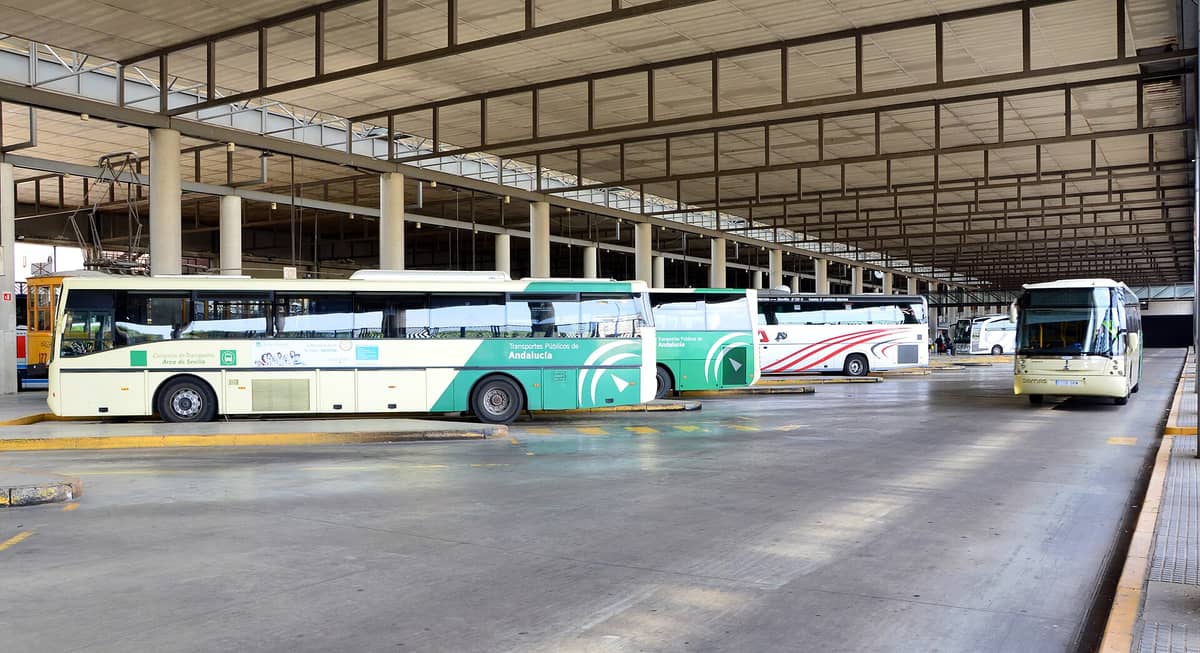
The bus is slower than the train — typical journey times run 2.5 to 3.25 hours — but it can be the better value option if you haven't booked in advance or if train seats are sold out. ALSA is the dominant operator on this route, with several daily departures from Seville's Plaza de Armas bus station. Services drop you at Málaga's bus station near the María Zambrano rail complex.
Sample fares in 2025-26 range from around €13 on the cheapest available departures to €24-27 for standard one-way tickets. That's not dramatically cheaper than an advance train ticket, which makes the bus most useful when train options are limited or you're booking at the last minute. Tickets are available directly via ALSA's website, or through search platforms like CheckMyBus and 12Go.
⚠️ What to skip
Bus journey times on this route can stretch beyond 3 hours during heavy traffic, particularly on summer weekends and around Spanish public holidays. If you have a tight connection in Málaga, the train's more predictable schedule is the safer bet.
Seville to Málaga by Car
Driving gives you flexibility that neither the train nor the bus can match, particularly if you want to stop along the way. The most direct route from Seville to Málaga runs via the A-92 east toward Antequera, then south on the A-45 into Málaga — roughly 210 to 225 km, with a driving time of around 2 to 2.5 hours in normal conditions. There are toll sections, notably the AP-46 approaching Málaga, which costs around €4.15-€6.80 for a standard car.
The more scenic alternative heads south from Seville on the A-376 toward Ronda, then joins the AP-46 into Málaga. This adds 30 to 45 minutes to the journey but passes through the Serranía de Ronda, one of the most striking landscapes in Andalusia. If you haven't seen the white hill towns (pueblos blancos) between Seville and Ronda, this route turns a transfer into a genuine experience. Use ViaMichelin or Google Maps to get current toll estimates before you go — fuel and toll costs vary with car type and petrol prices.
- Direct route (A-92 + A-45): approximately 210-225 km, 2-2.5 hours, moderate tolls
- Scenic route via Ronda (A-376 + AP-46): longer but takes you through mountain landscapes and white villages
- Parking in Málaga city centre is limited and expensive — book accommodation with parking or use peripheral car parks connected to the metro
- Car hire in Seville is widely available; check pickup/drop-off policies if returning the car in Málaga (one-way fees apply)
ℹ️ Good to know
Driving makes most sense if you're travelling with a group, have heavy luggage, or want to explore the Andalusian interior at your own pace. For a solo traveller or couple making a simple city-to-city transfer, the train is almost always faster and cheaper once parking costs are factored in.
Which Option Should You Choose?
For most travellers doing a straightforward Seville to Málaga journey, the train wins. It's faster than driving once you account for parking, cheaper than hiring a car, and more comfortable than the bus. The 2-hour journey time is genuinely competitive — you step off in central Málaga without having navigated Andalusian motorways or hunted for a parking space.
The bus makes sense if train seats are sold out, if you're travelling on a tight budget and find a cheap ALSA fare, or if you're coming from somewhere closer to the Plaza de Armas bus station than to Santa Justa. The car option is worth considering if you're on a multi-city road trip or if you're heading somewhere between the two cities. For planning purposes, the best time to visit Seville guide covers the seasonal demand patterns that also affect transport pricing and availability.
Practical Tips Before You Book
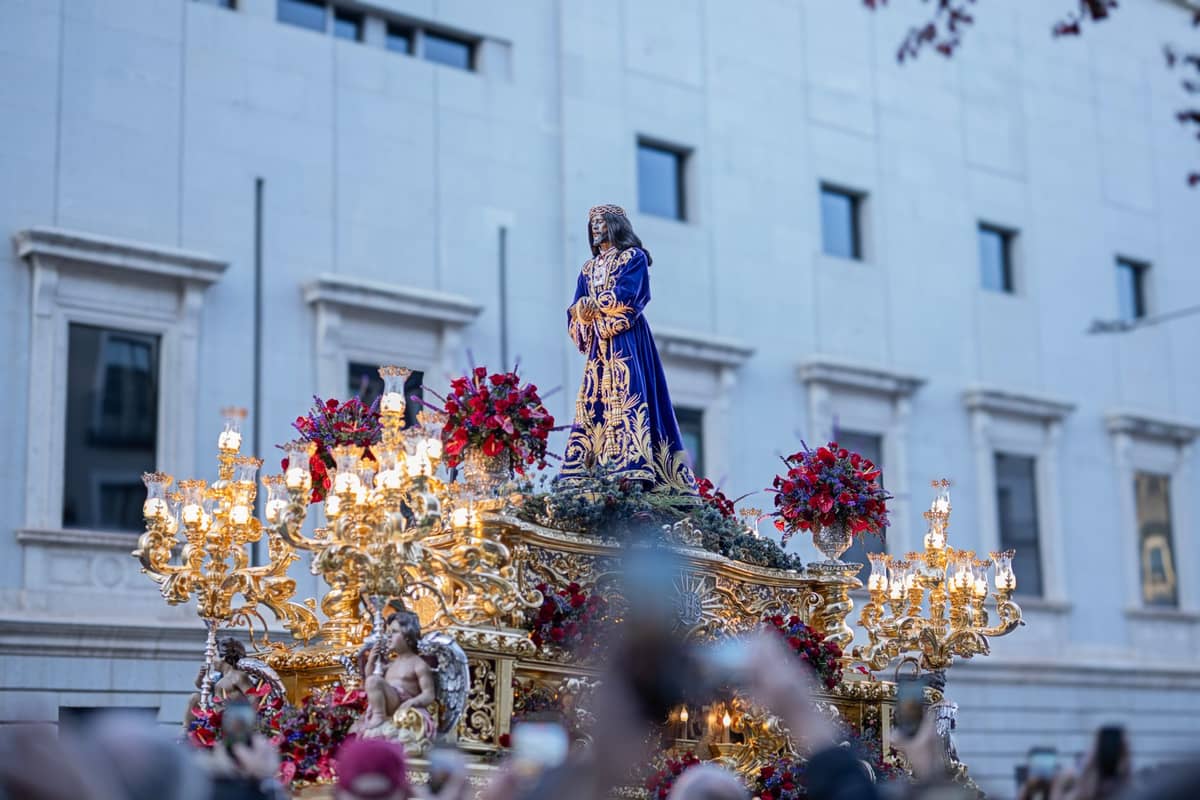
Timing matters more than most people realise on this route. Seville hosts Semana Santa (Holy Week, usually March or April) and Feria de Abril (two weeks after Easter), both of which draw massive crowds and push transport prices up significantly. If you're travelling around either event, book train tickets several weeks in advance. The same applies to August, when Spanish domestic tourism peaks and Málaga draws large numbers of visitors for the coast.
If you're travelling in the other direction — Málaga to Seville — the logistics are identical and the pricing is symmetrical. Renfe fares are the same regardless of direction on this corridor. For travellers arriving into Spain via Málaga Airport and heading to Seville, the train from Málaga María Zambrano is the most straightforward option. And if Seville is your base for wider Andalusian exploration, the Seville to Córdoba route and Seville vs Granada comparison are worth reading before you finalise your itinerary.
- Book trains via Renfe directly or through Omio/Trainline — third-party platforms make it easy to compare times and prices at a glance
- For bus tickets, ALSA's own website is the most reliable source; CheckMyBus aggregates multiple operators if you want to compare
- Seville Santa Justa station has luggage storage (consigna) if you want to explore before catching your train
- Málaga María Zambrano station is well connected to the city centre by metro and taxi
- Validate any printed or mobile tickets before boarding — Renfe inspectors check regularly on Avant and Alvia services
FAQ
How long does the train from Seville to Málaga take?
The fastest Renfe services (Avant and Alvia) cover the route in around 2 hours. Slower MD regional trains take closer to 3 hours. Journey time varies because the route is served by different service types and stopping patterns.
How much does a train ticket from Seville to Málaga cost?
Advance tickets start from around €18-25. Standard flexible fares typically range from €45-50. Prices rise during summer, Semana Santa, and Feria de Abril. Book directly via Renfe or through aggregators like Omio and Trainline for the best availability.
Is the bus from Seville to Málaga cheaper than the train?
Sometimes, but not always by much. Bus fares start from around €13-27 on ALSA, but advance train tickets can be similarly priced. The bus takes 2.5 to 3.25 hours versus around 2 hours by train, so the extra time rarely justifies a small price saving for most travellers.
Can I do Seville to Málaga as a day trip?
Yes, easily. With the first Seville departures around 06:20-07:15 and last returns from Málaga in the evening, you have a full day in Málaga. That said, Málaga has enough to fill two or more days — the Alcazaba, Picasso Museum, and the historic centre alone take most of a day.
Is there a direct high-speed AVE train from Seville to Málaga?
No. This is a common misconception. While Renfe's high-speed AVE network serves both cities, there is no direct AVE service between them. The route is operated by Avant, Alvia, and MD services, which are still fast and comfortable but not the dedicated bullet-train product that connects Madrid to Seville or Madrid to Málaga.
Tickets & tours
Live prices and dates from our booking partner. If you book, we may earn a commission at no extra cost to you.
Planning a trip? Discover personalized activities with the Nomado app.