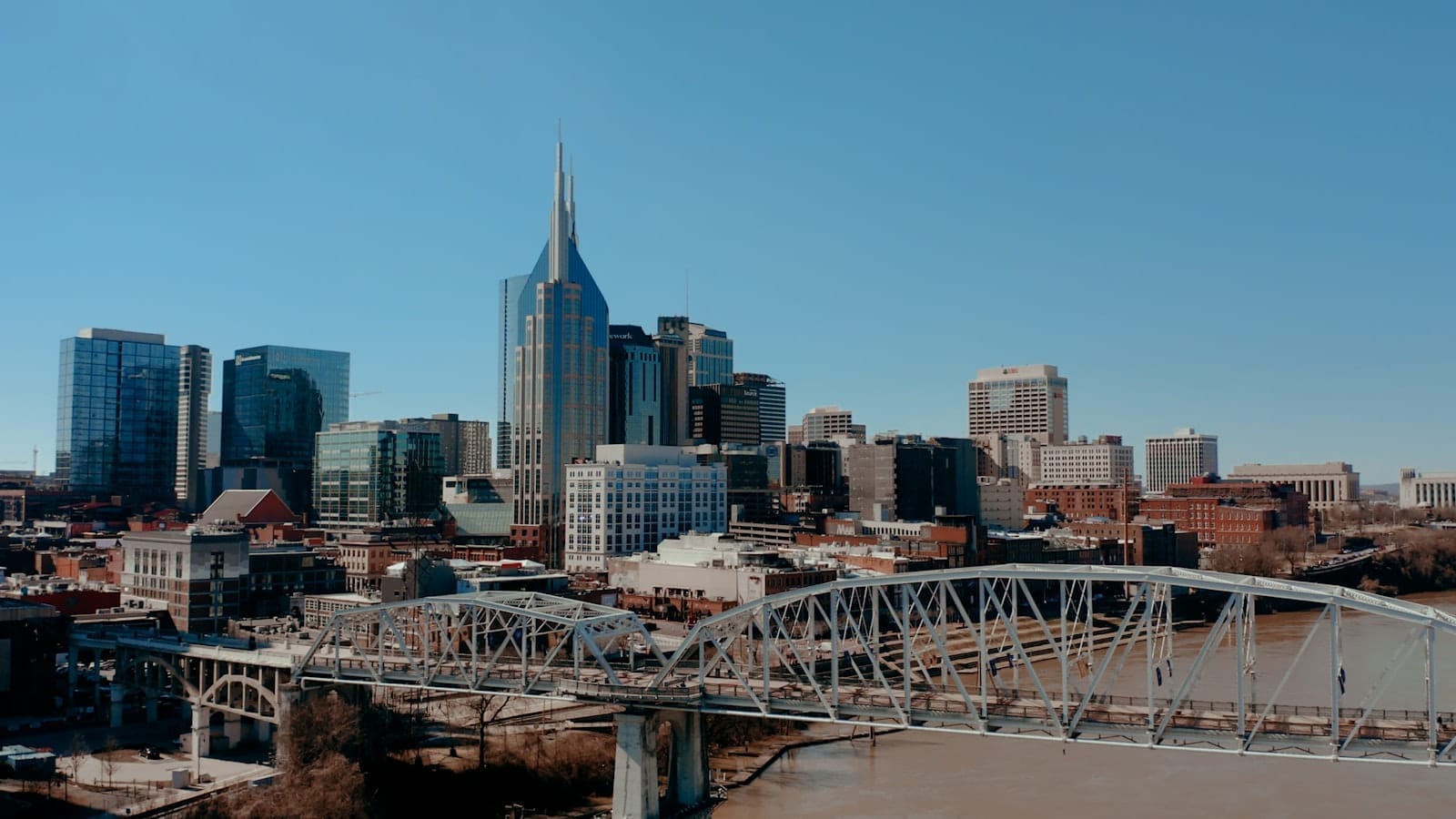
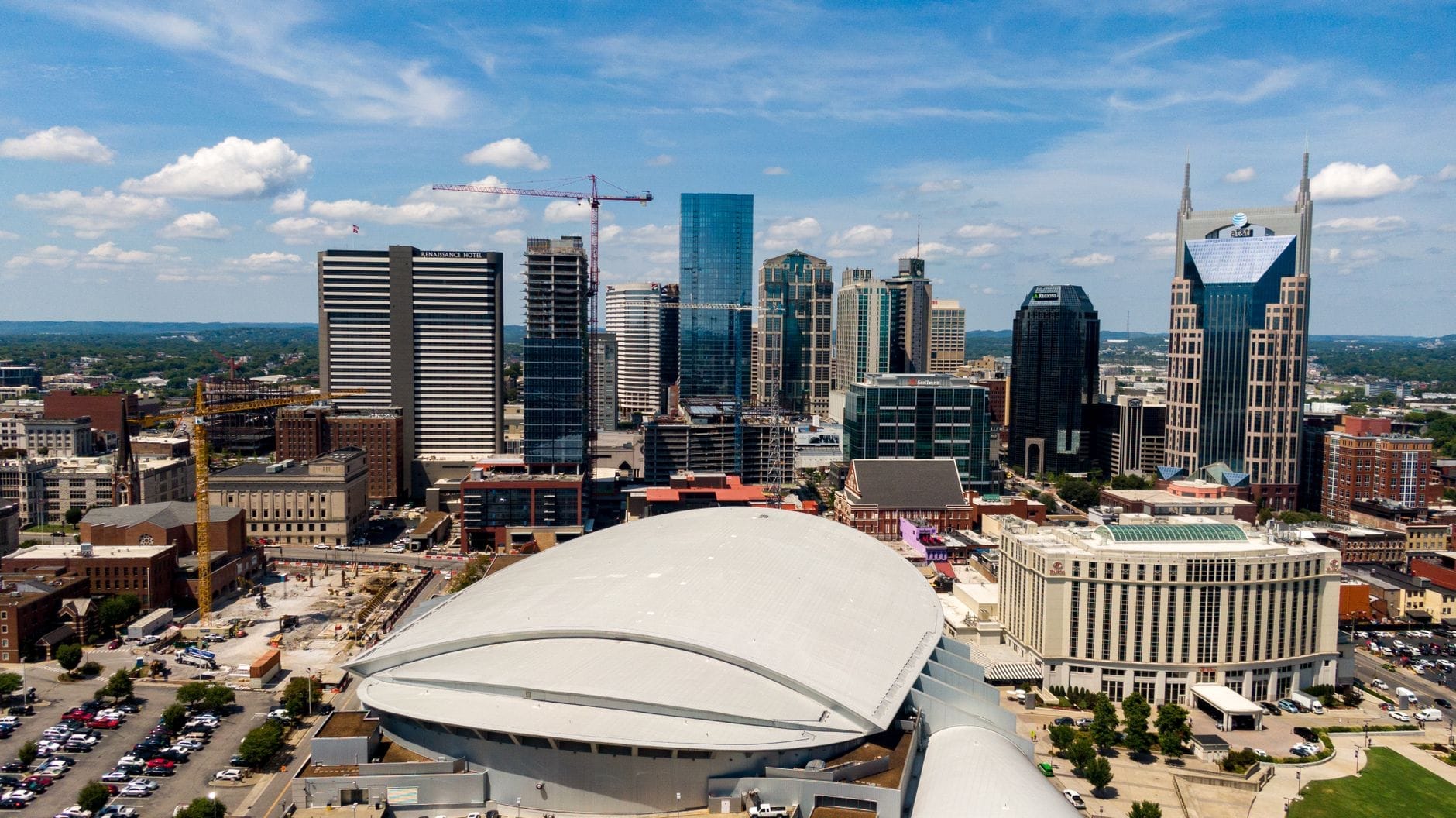
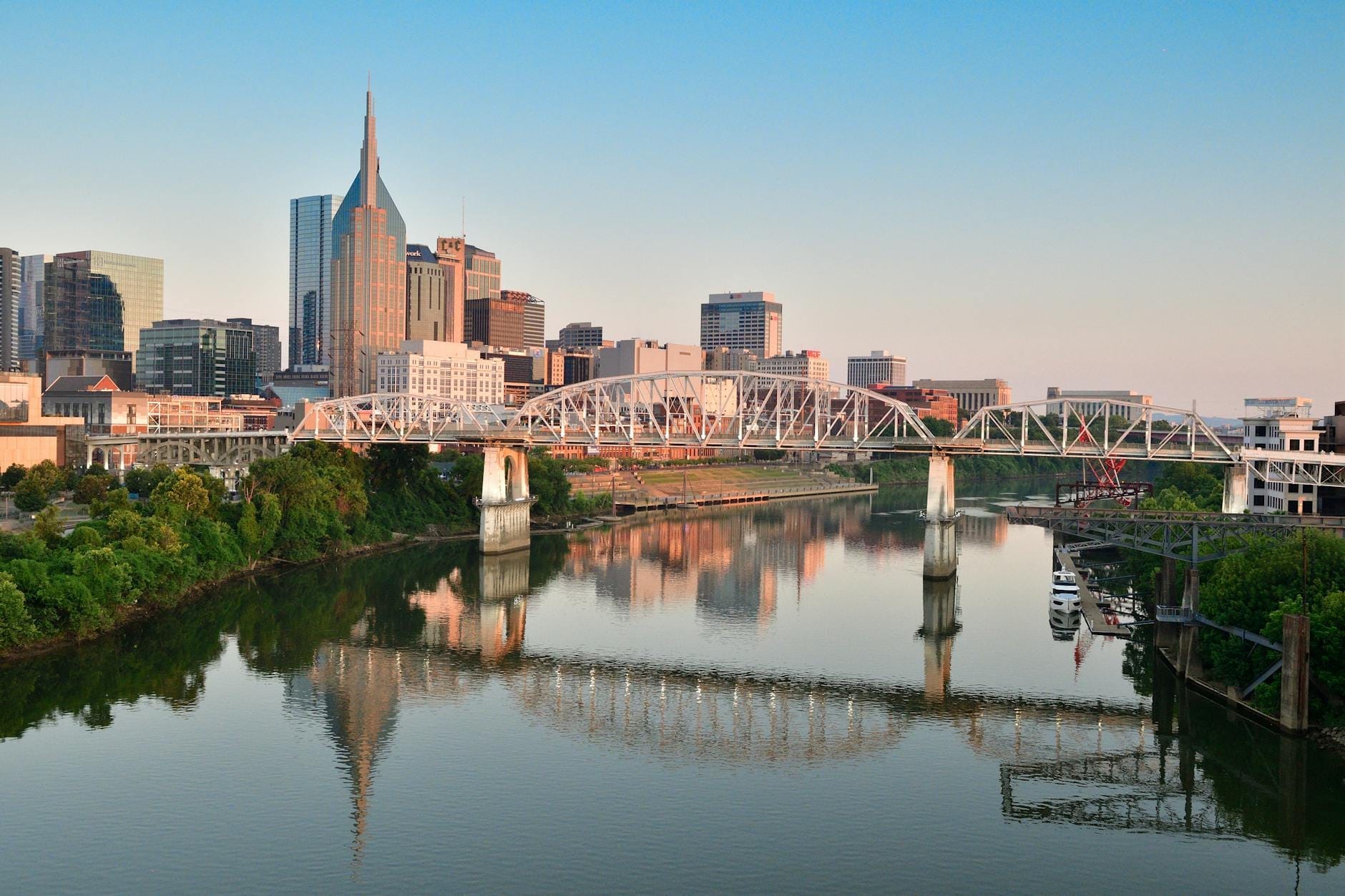
Downtown Nashville is Tennessee's capital city center and the undisputed heart of Music City. Covering roughly two square miles along the Cumberland River, it packs in legendary music venues, state government landmarks, major museums, and one of the liveliest entertainment strips in the American South.
Downtown Nashville is where the city's identity is most concentrated: a compact grid of streets that holds the Tennessee State Capitol, the Ryman Auditorium, the Country Music Hall of Fame, and the honky-tonks of Broadway within easy walking distance of each other. It is simultaneously a working capital city, a music history pilgrimage site, and one of the country's most intense weekend party destinations. Understanding which of those faces you're encountering, and when, shapes everything about your visit.
Orientation
Downtown Nashville sits near the geographic center of Davidson County, on the west bank of the Cumberland River at roughly 36.17°N latitude. The core is compact: most of what visitors care about falls within a walkable rectangle bounded by the Cumberland River to the east, Charlotte Avenue to the north, Korean Veterans Boulevard to the south, and the interstate interchange where I-40 and I-65 merge to the west. That two-square-mile footprint contains what the Nashville Downtown Partnership formally describes as eleven distinct sub-neighborhoods, though in practice most visitors navigate by a handful of named zones.
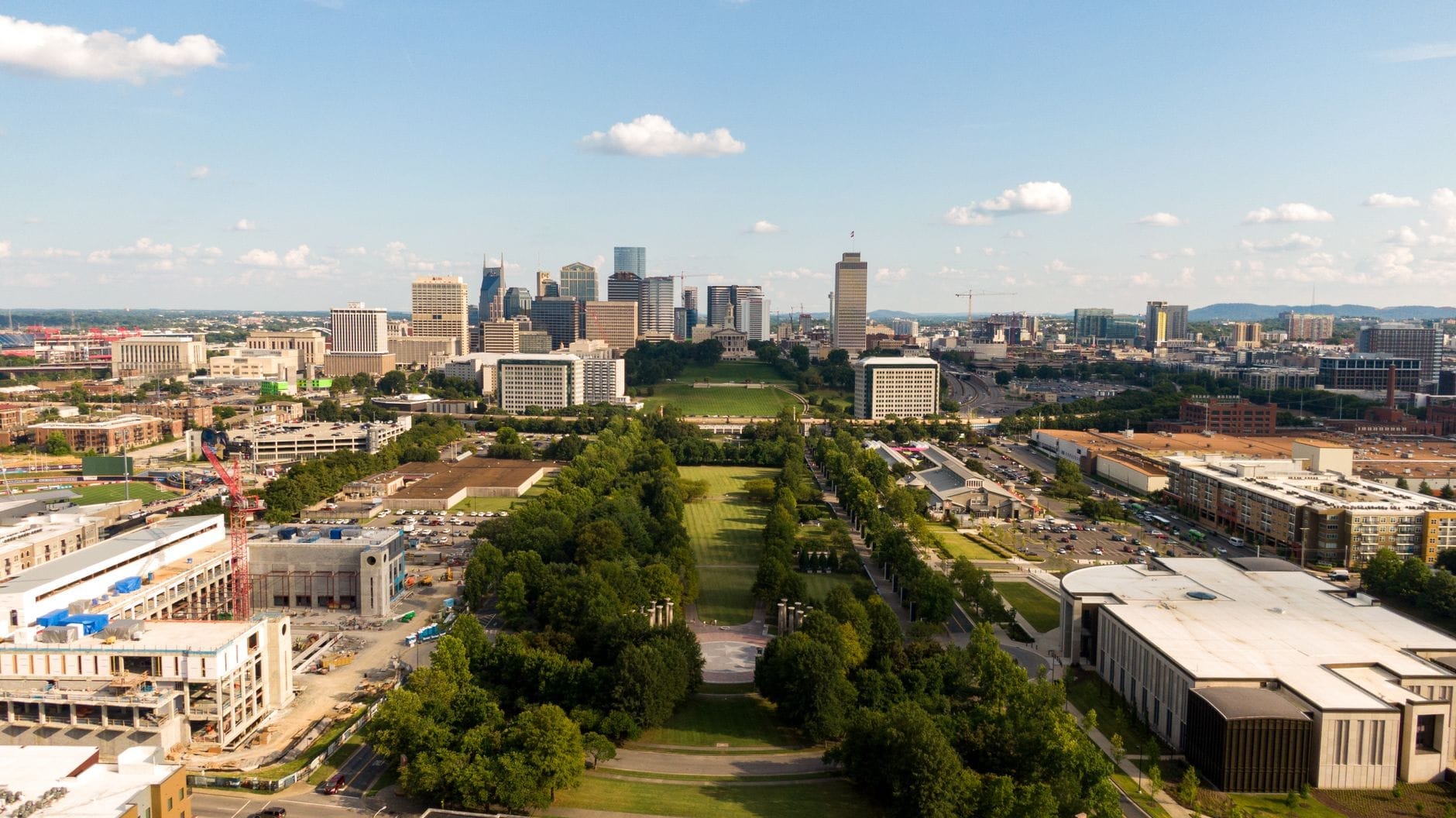
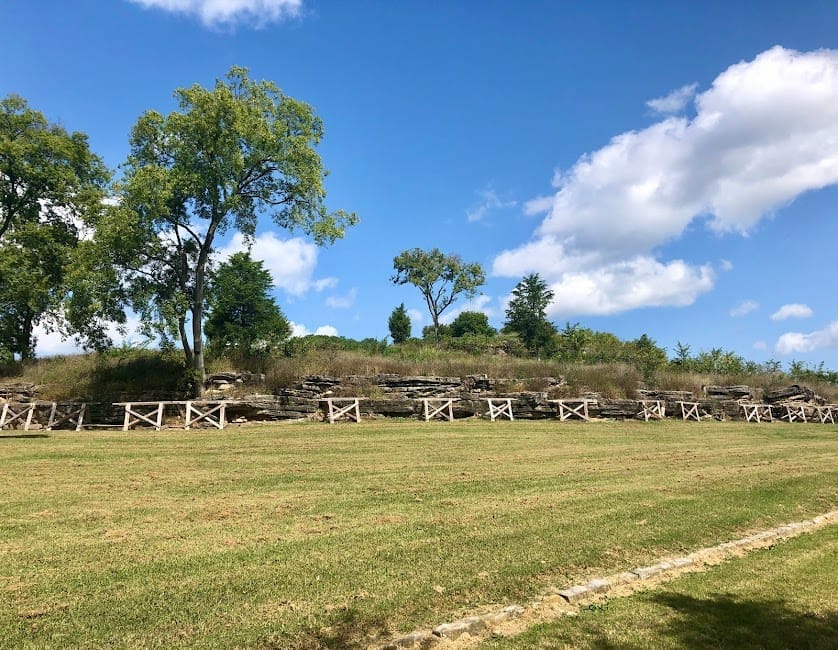
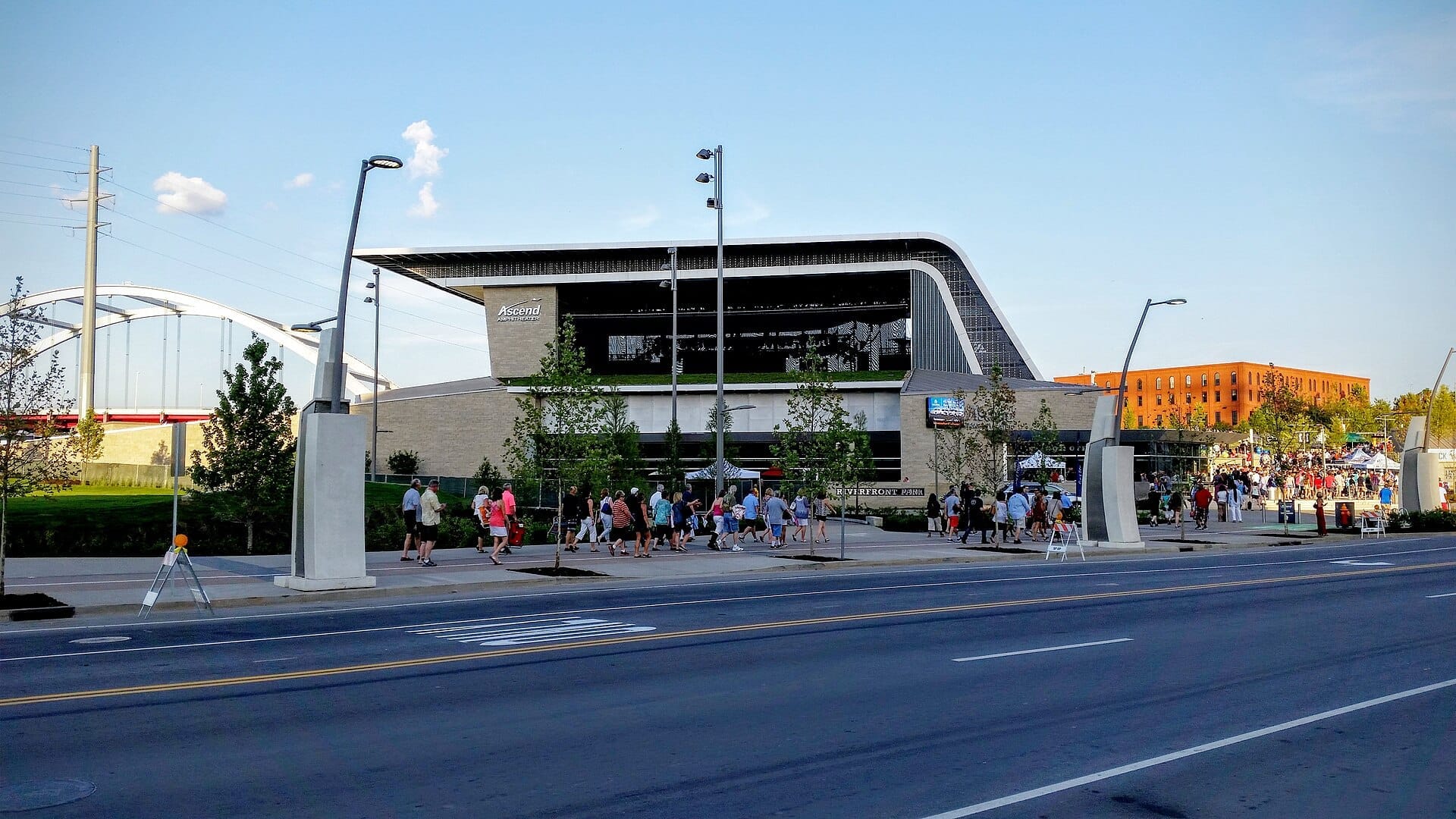
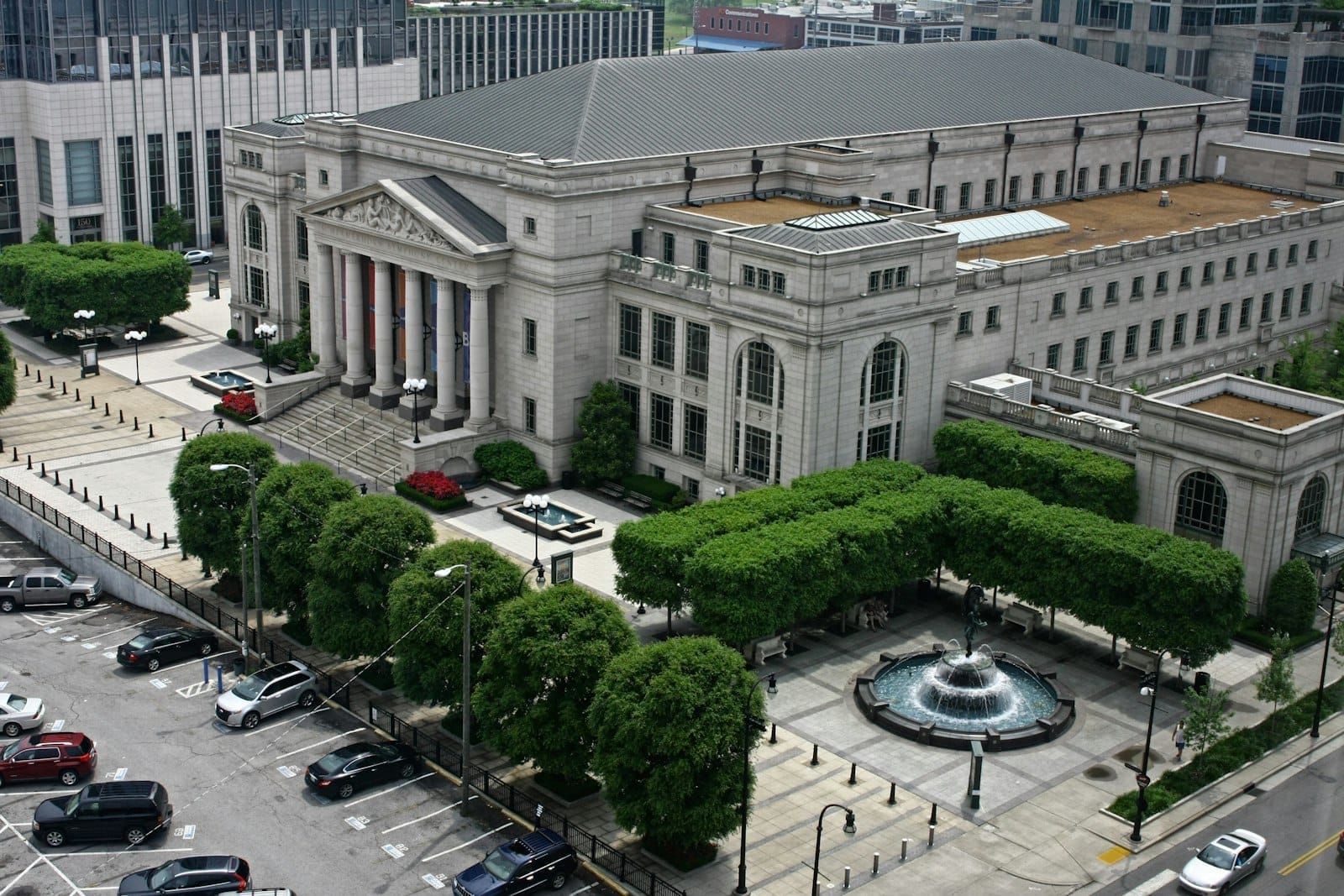
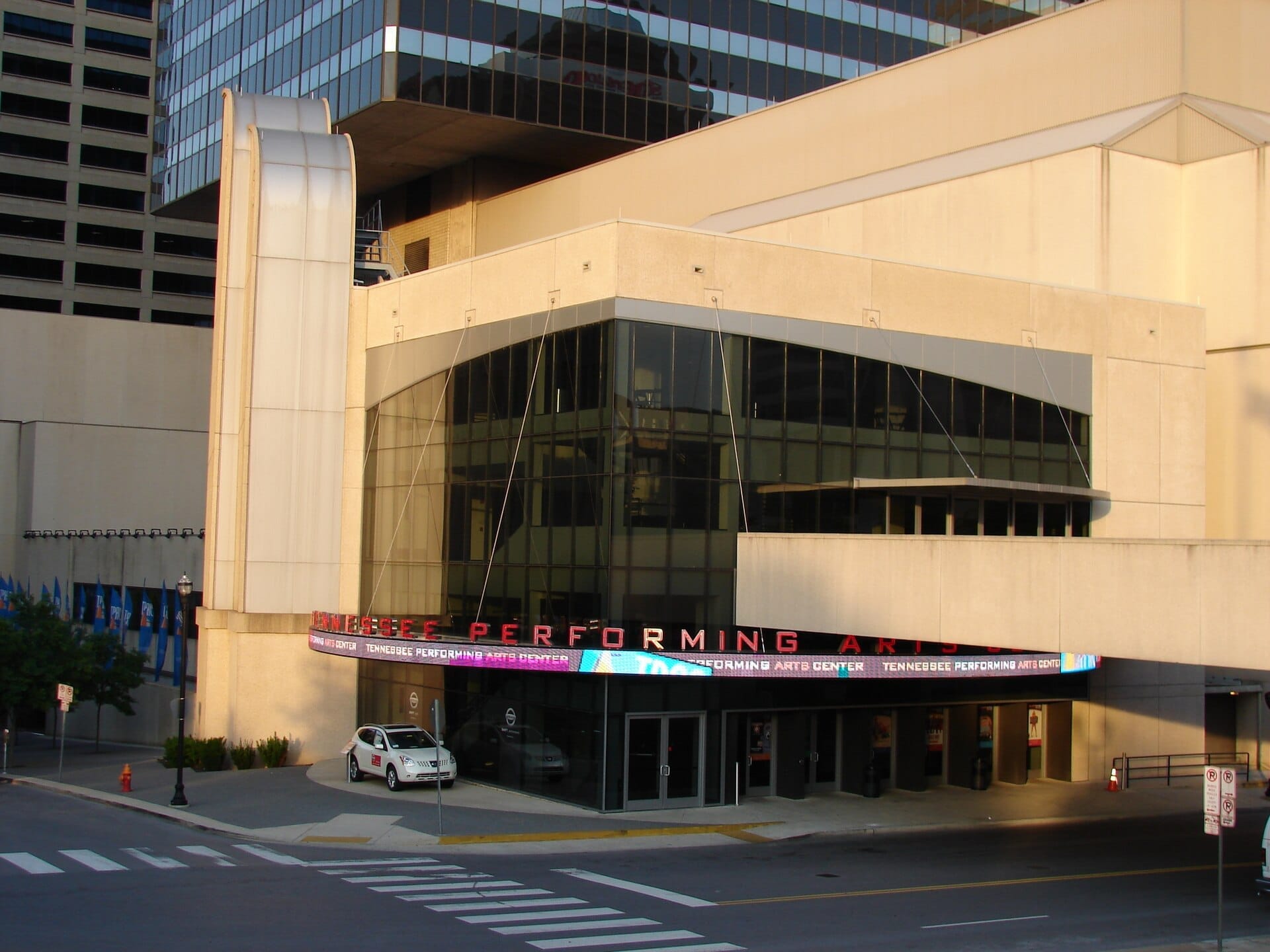
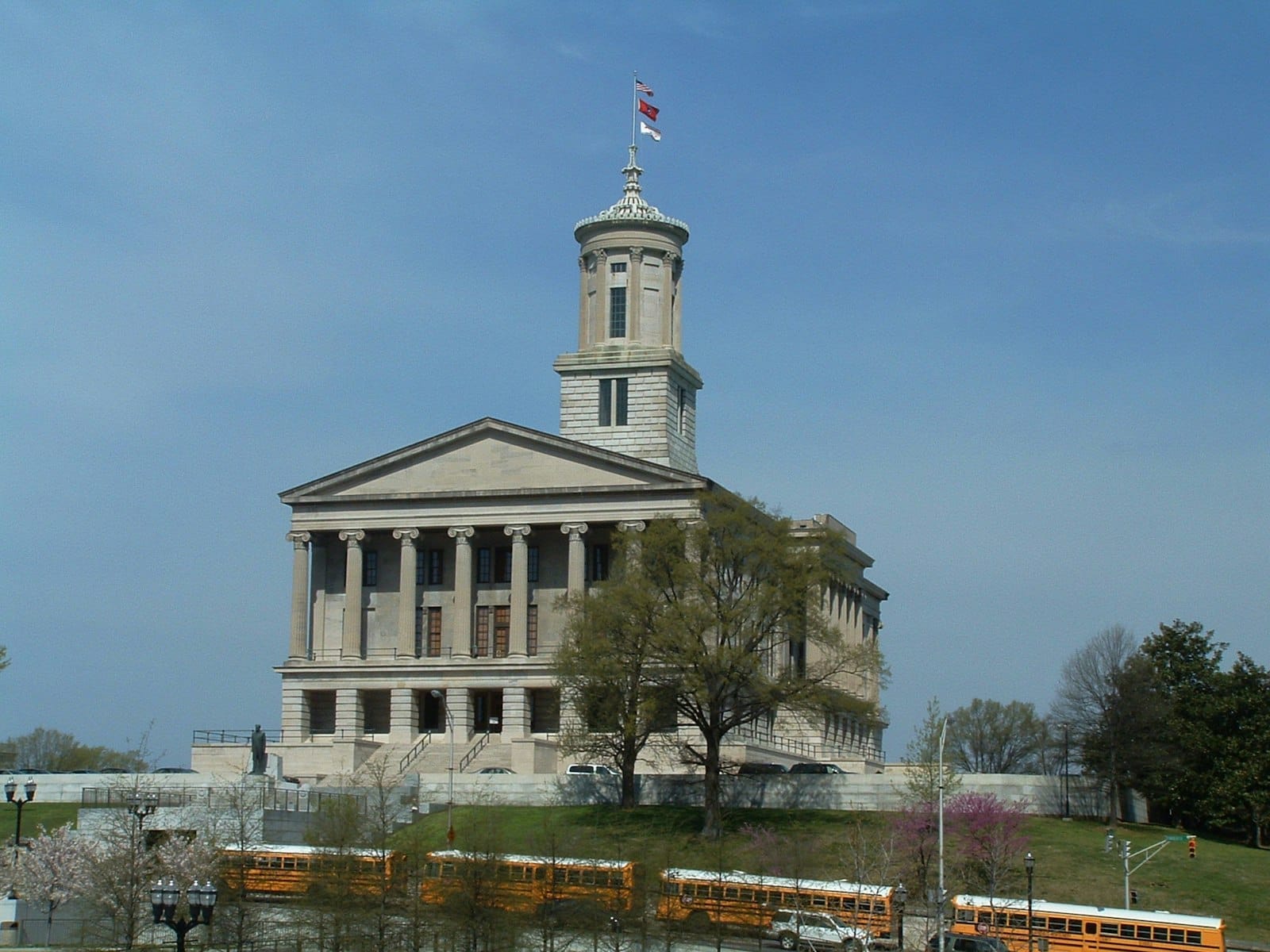
The Historic Core runs along Lower Broadway and the cross-streets between 1st and 5th Avenues, and this is where first-time visitors spend most of their time. SoBro (South of Broadway) spreads south from Broadway toward Korean Veterans Boulevard and contains the Music City Center convention complex, the Schermerhorn Symphony Center, and the Frist Art Museum. The Capitol District anchors the northern edge of downtown, centered on the Tennessee State Capitol building and Bicentennial Capitol Mall State Park. The Riverfront corridor, along 1st Avenue South and north, connects the old warehouses nearest the river and provides access to Riverfront Park and the John Seigenthaler Pedestrian Bridge.
Downtown connects directly to several surrounding neighborhoods worth understanding for context. Germantown lies just north of the Capitol District, reachable on foot in about fifteen minutes via 6th Avenue North. The Gulch sits immediately southwest of downtown, separated by the interstate and accessible by a short walk or ride down Demonbreun Street. East Nashville is directly across the Cumberland River, connected to downtown by the Seigenthaler Bridge on foot or by car via the Shelby Street Bridge and several highway crossings. Understanding this layout helps you plan: the districts feel very different from one another, and the choice of where to base yourself shapes your whole experience of the city.
Character & Atmosphere
Downtown Nashville operates on a split personality that depends almost entirely on the clock. On a weekday morning, it reads as a real capital city: state employees walk toward the Capitol grounds, courthouse workers cut through Public Square Park, and the coffee shops along Church Street and 5th Avenue fill with people in suits and lanyards. The streets are ordered and purposeful. Light from the east catches the Cumberland and throws long shadows down the numbered avenues toward Broadway, which is quiet at this hour, its bars shuttered and the sidewalks still.
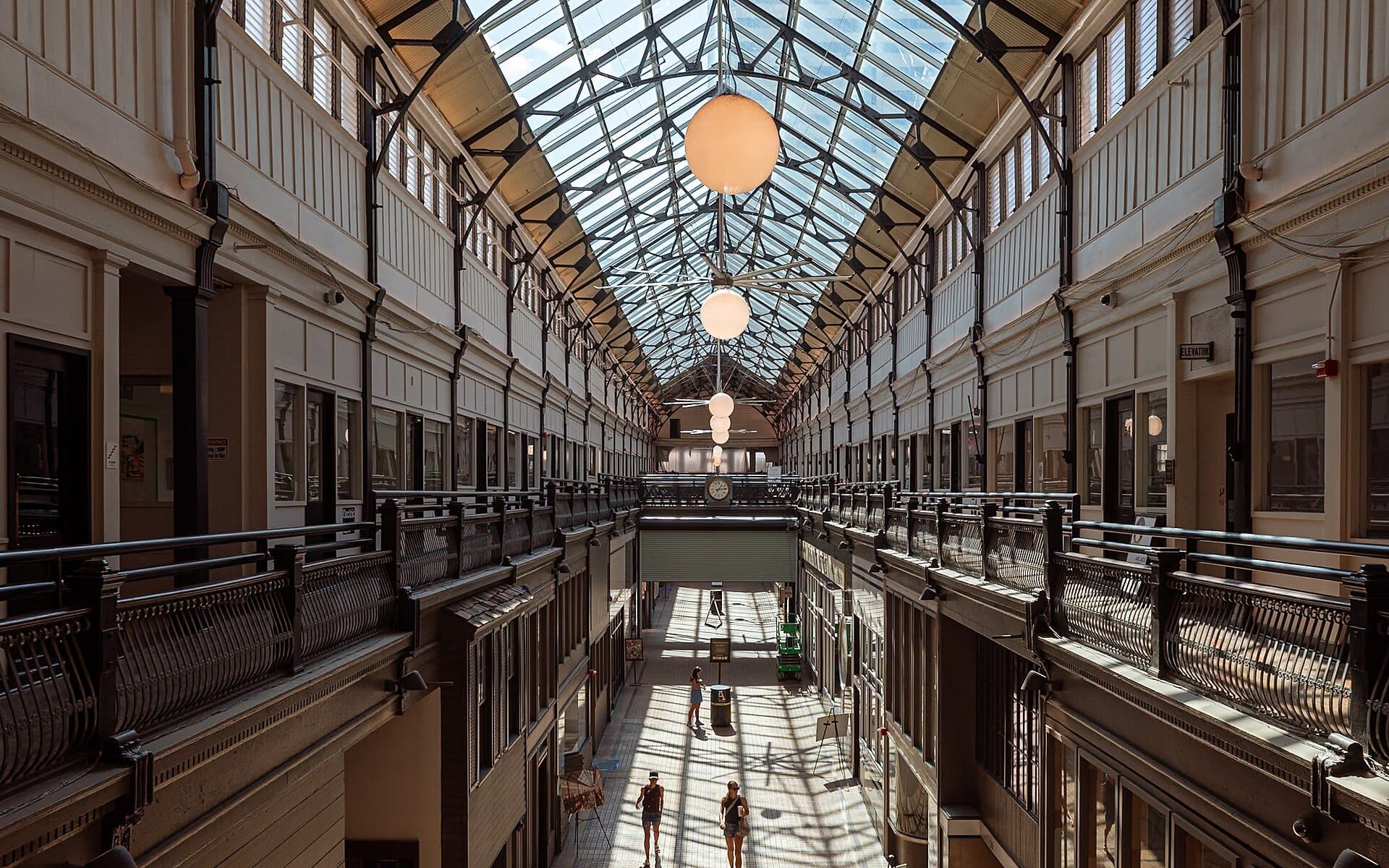
By early afternoon the tourism layer begins to assert itself. Tour groups move toward the Country Music Hall of Fame on Demonbreun Street. The Nashville Arcade, a Victorian-era covered passageway between 4th and 5th Avenues, draws curious walkers. The blocks around the Ryman Auditorium on 5th Avenue North start to collect people with lanyards from music industry events, bachelorette parties doing daytime bar crawls, and out-of-town families navigating with phones out. This overlap of locals-going-about-business and visitors-exploring is genuinely interesting to watch.
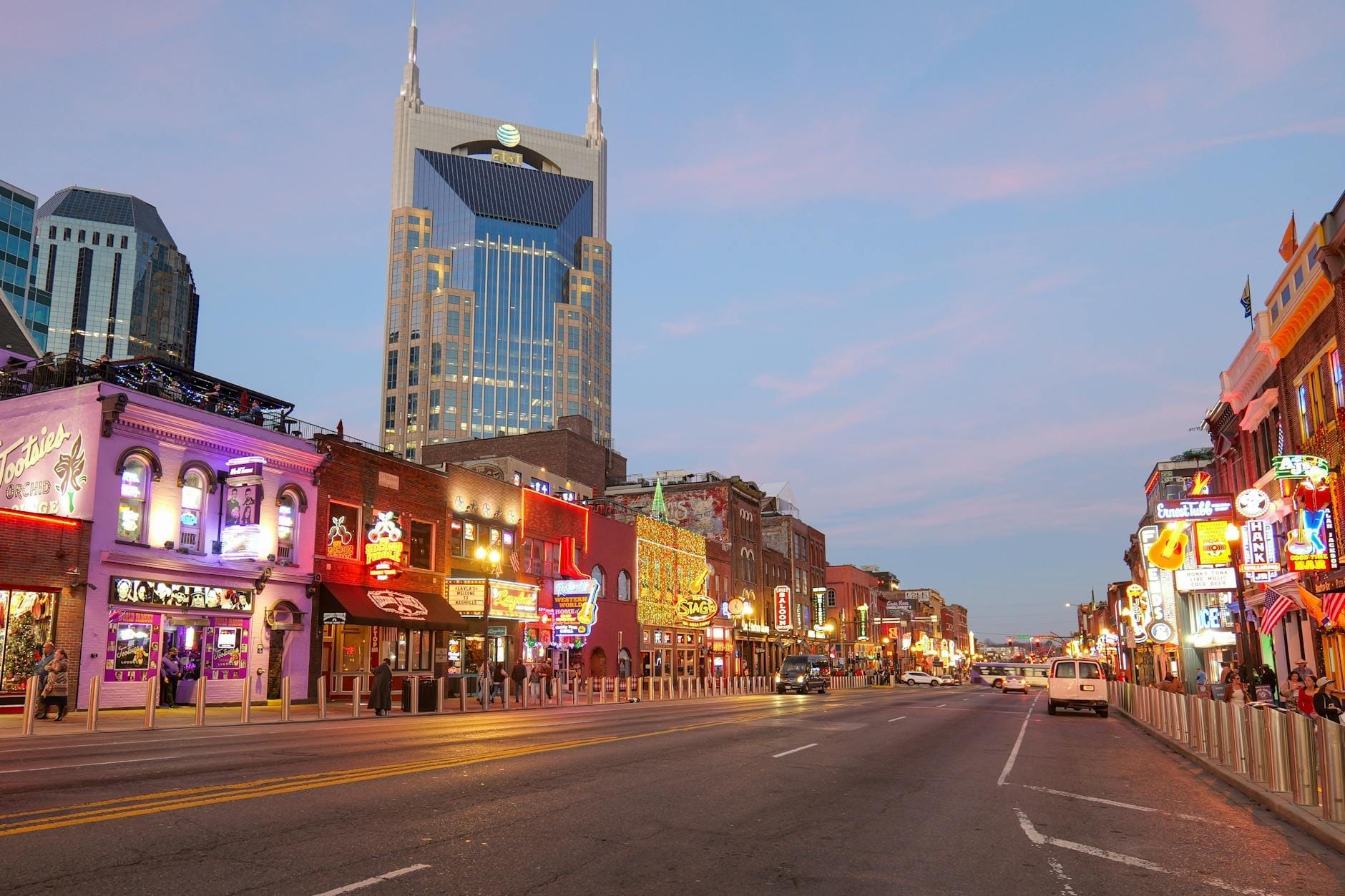
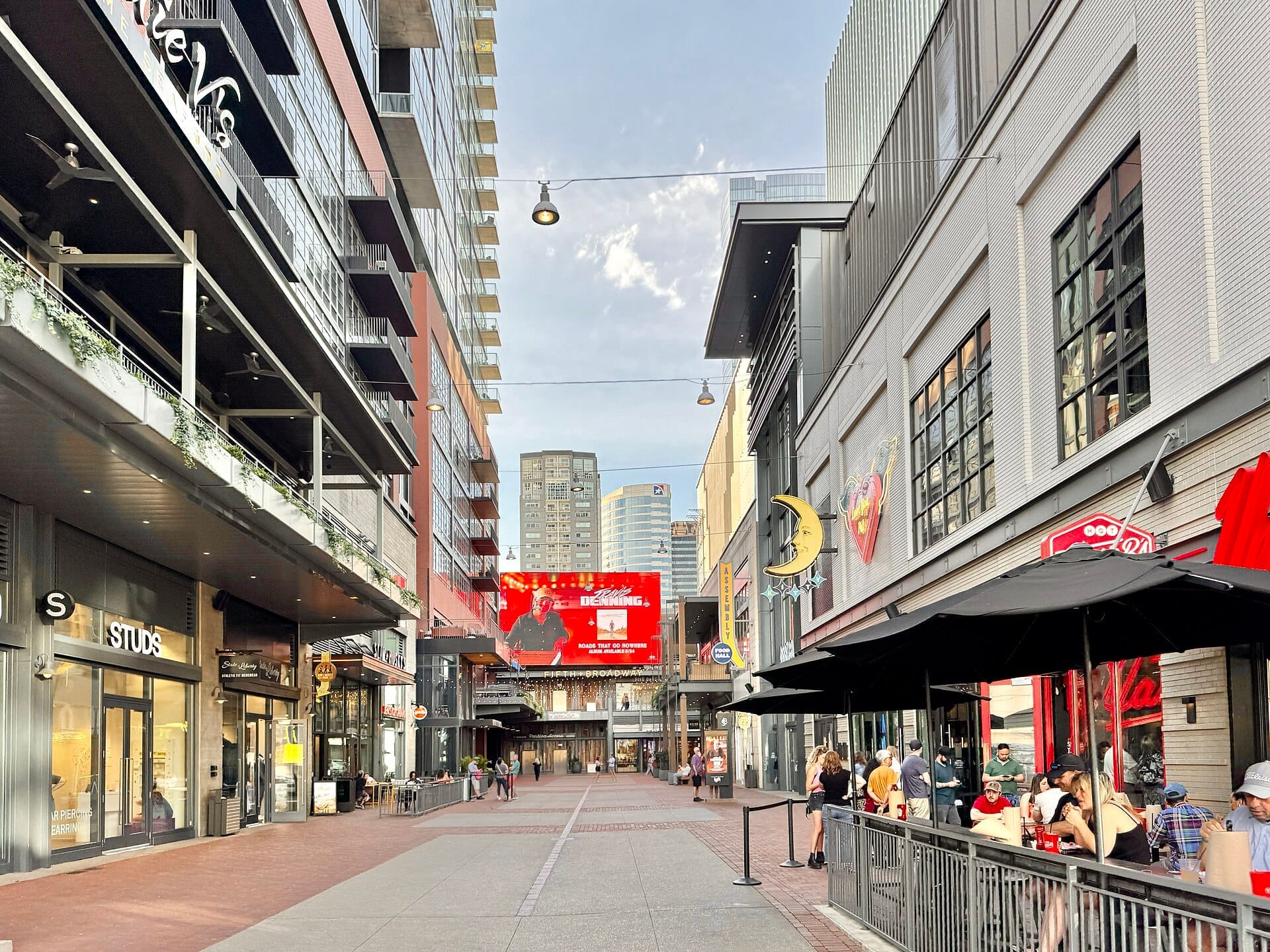
After dark on weekends, Lower Broadway transforms into something that surprises almost everyone on first encounter. From roughly 7 PM through 2 AM on Friday and Saturday nights, the strip between 1st and 5th Avenues runs loud, brightly lit, and extremely crowded. Every honky-tonk operates multiple floors of live country music simultaneously. The sidewalks become shoulder-to-shoulder. Pedal taverns and party buses add noise and visual chaos. This is not an exaggeration or a complaint, it is simply accurate: if you are not prepared for the scale and volume of Broadway at night on a weekend, it will catch you off-guard.
⚠️ What to skip
Broadway on Friday and Saturday nights between May and October is genuinely overwhelming by any measure: noise levels are high, crowds are thick, and the street between 1st and 4th Avenues is essentially impassable without physical contact with strangers. If you are sensitive to crowds, noise, or alcohol-heavy environments, plan your Broadway visit for a weekday afternoon or a Sunday morning when the district is dramatically calmer.
The SoBro section, south of Broadway, has a different rhythm entirely. The blocks around the Schermerhorn and the Frist feel like a proper cultural district on concert evenings, with well-dressed audiences spilling out at intermission. During the day, the Music City Center draws convention crowds, and the streets around it are wide and functional rather than charming. Cumberland Park, across the river on the east bank, offers a genuine respite: a well-maintained riverside green space that is noticeably less crowded than anywhere on Broadway.
What to See & Do
The most significant single attraction in downtown Nashville is the Ryman Auditorium, the former home of the Grand Ole Opry and one of the most acoustically respected venues in North America. The 1892 building on 5th Avenue North offers daytime self-guided tours even when no performance is scheduled, and seeing it empty in the afternoon light gives you a sense of the place that a sold-out show sometimes obscures. If you can catch a performance here, the experience of watching live music in those wooden pews is unlike anything else in the city.
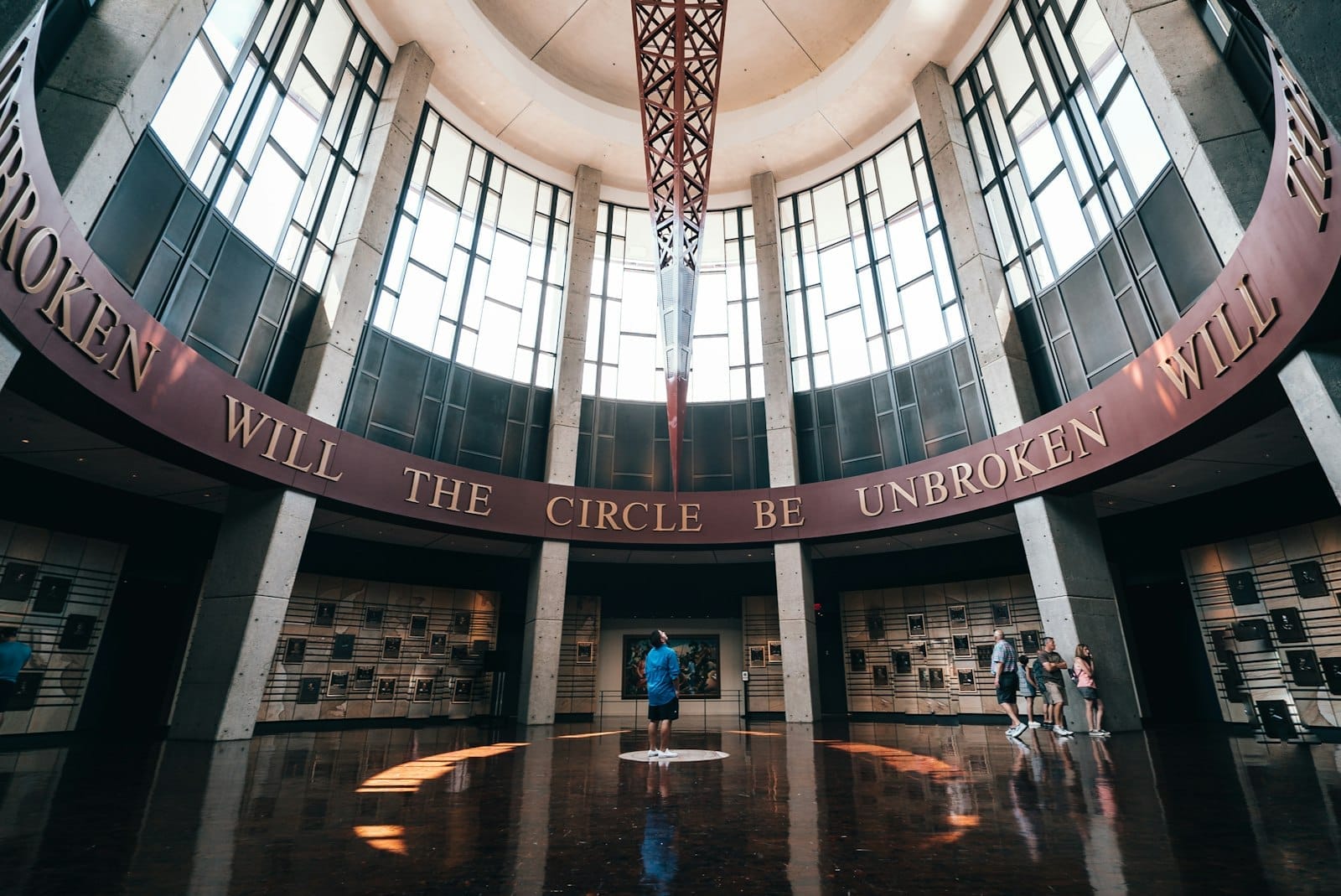
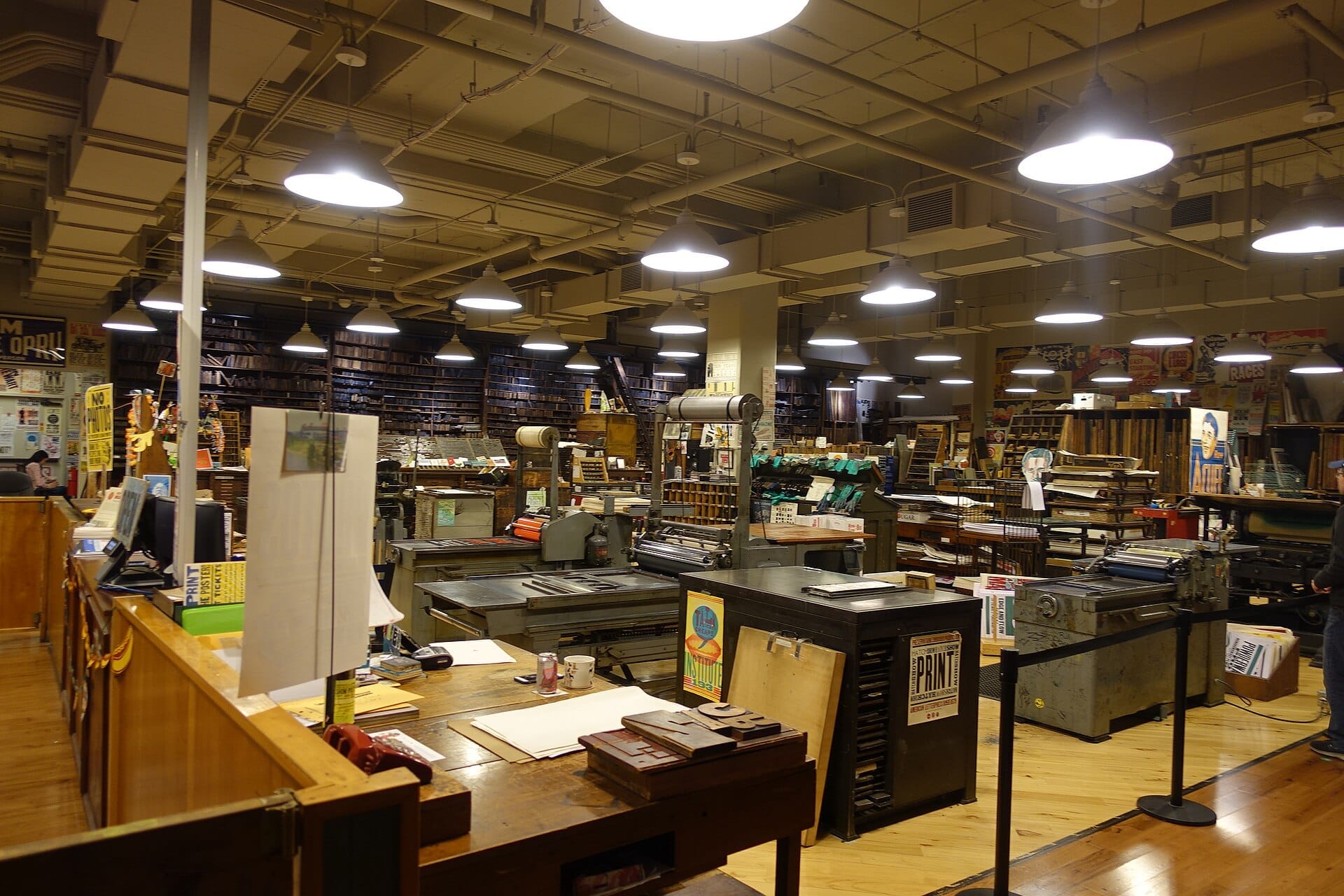
The Country Music Hall of Fame on Demonbreun Street is the city's most substantial museum, with a permanent collection covering the full arc of country music history from its rural Appalachian roots through contemporary Nashville pop-country. Budget at least two hours; the exhibits are genuinely deep. Connected by a climate-controlled skybridge is Hatch Show Print, one of the oldest working letterpress print shops in the United States, where you can watch printers at work and buy original prints from the archive.
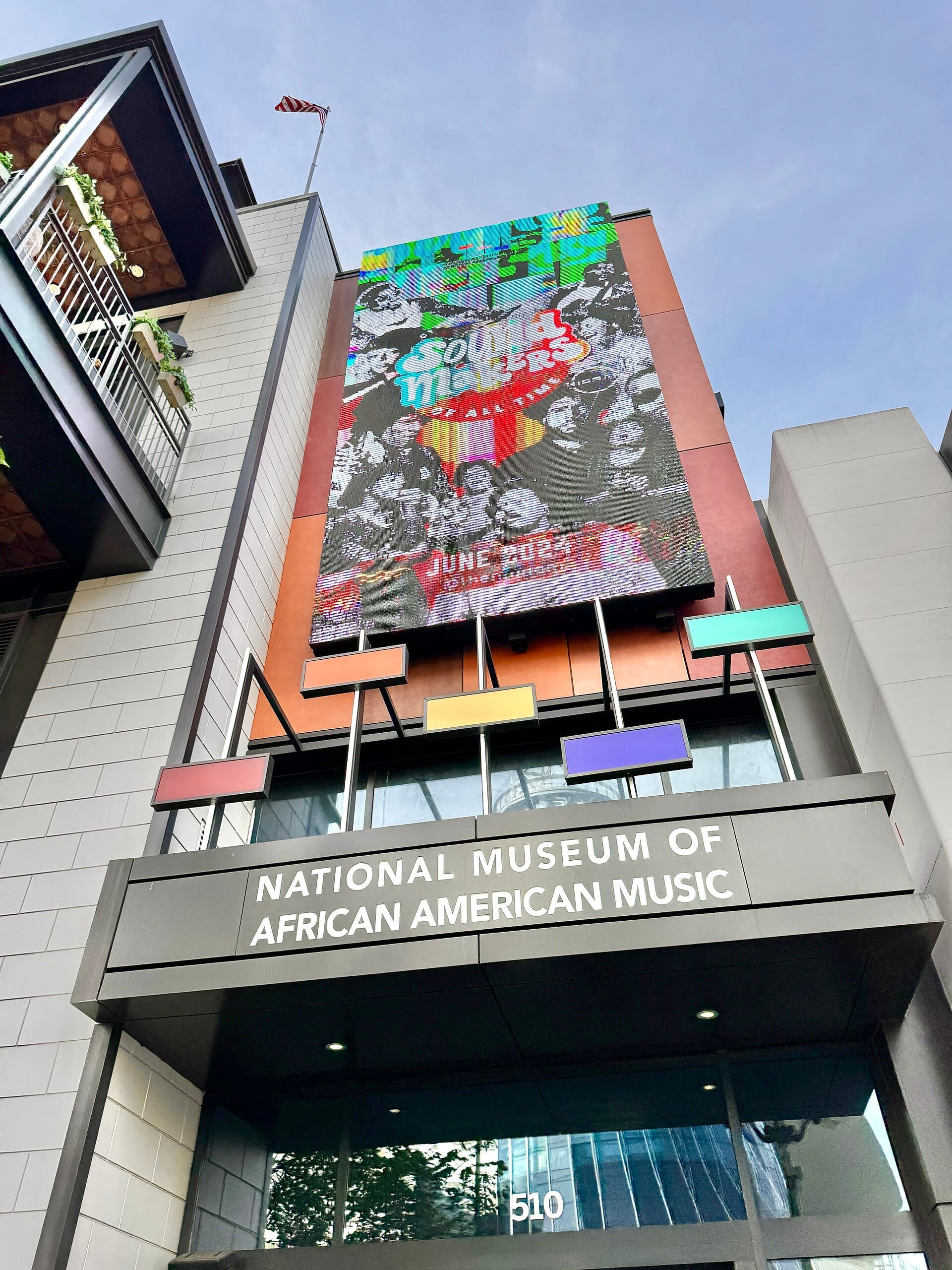
The National Museum of African American Music opened in 2021 in the Fifth + Broadway development and is among the most important new cultural institutions in the city. It traces the African American roots of essentially every genre of American popular music, including blues, gospel, jazz, R&B, hip-hop, and country. It is frequently overlooked by first-time visitors focused on the country music narrative, which is a significant miss. Admission is charged; check current hours before visiting.
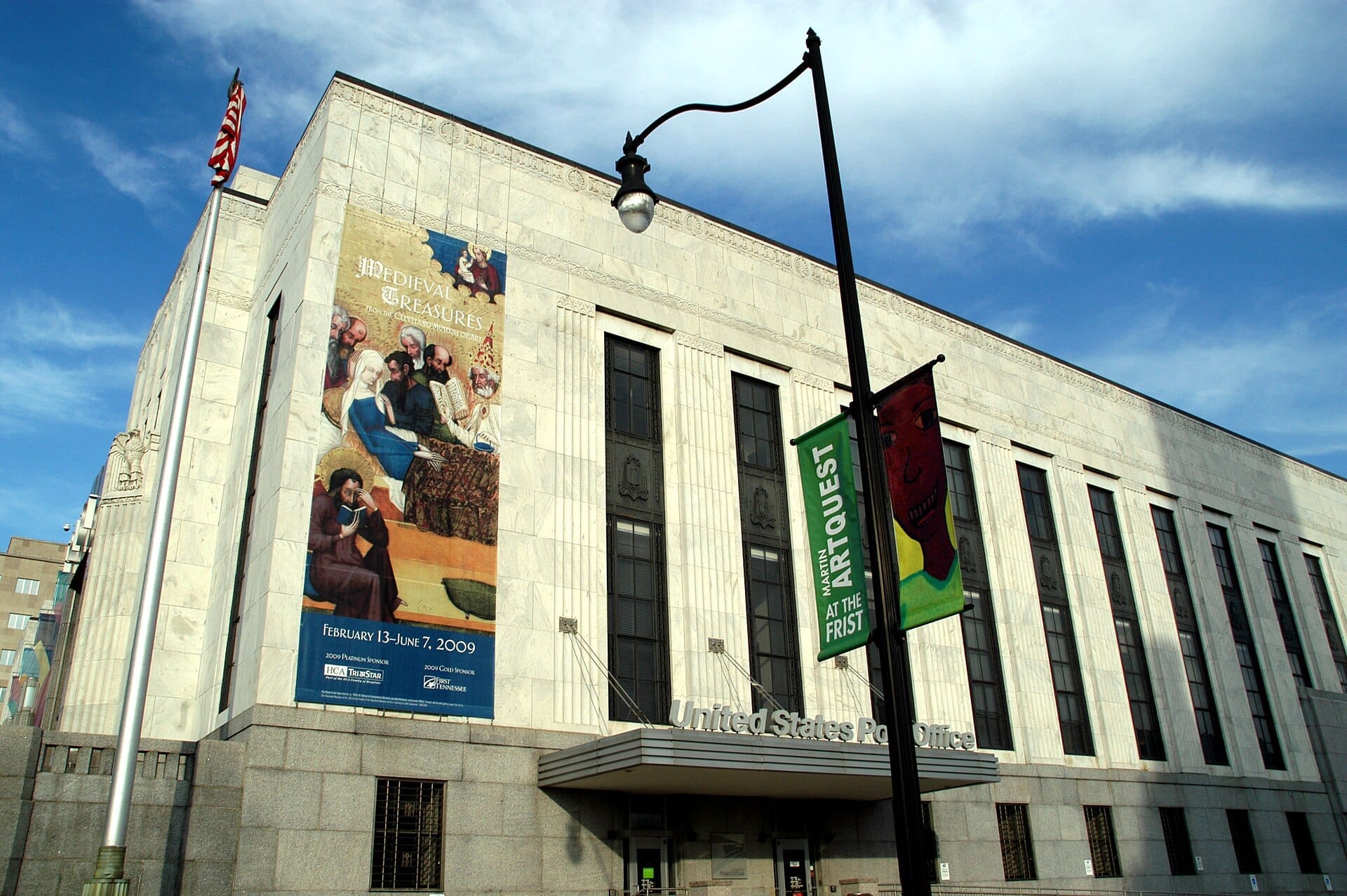
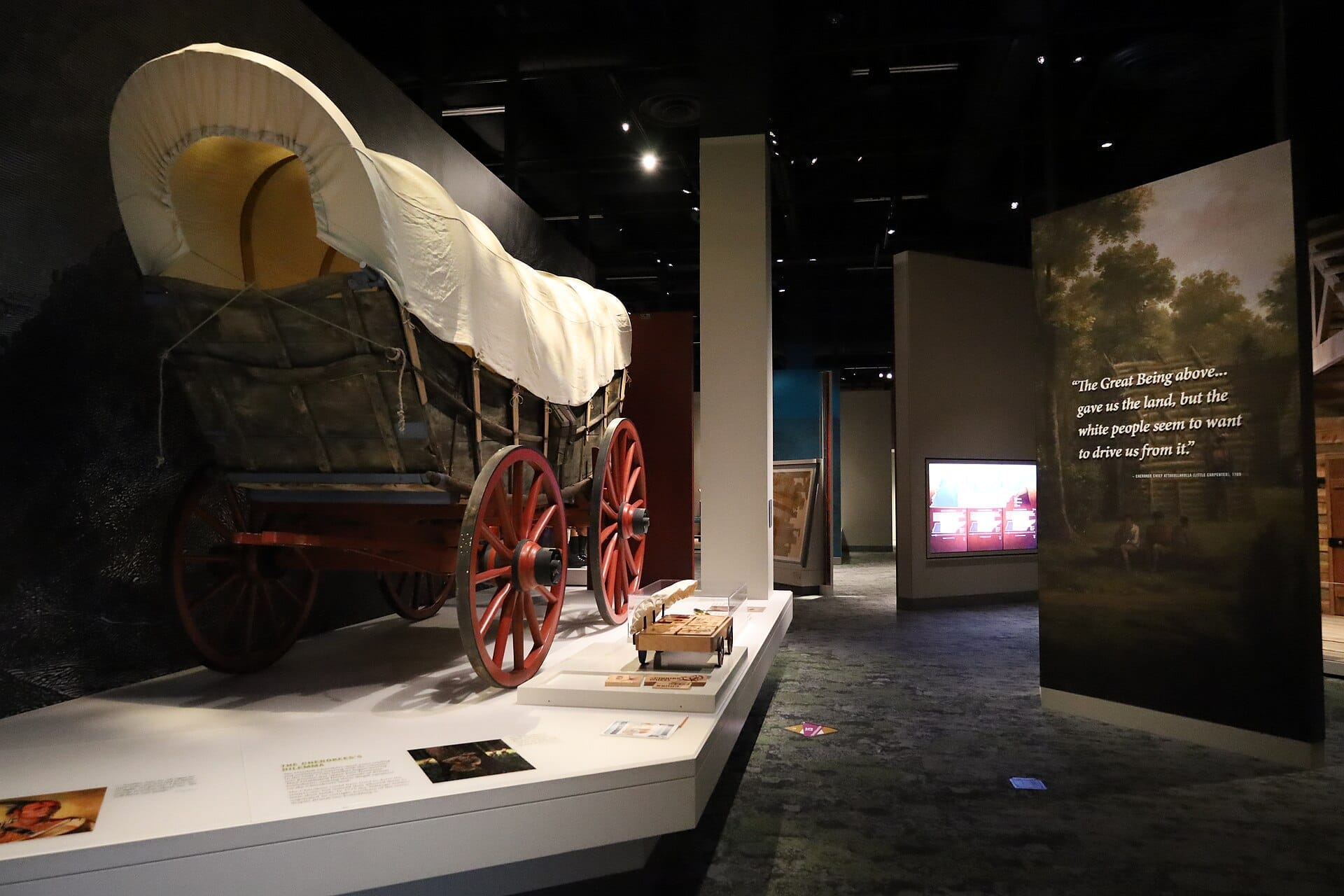
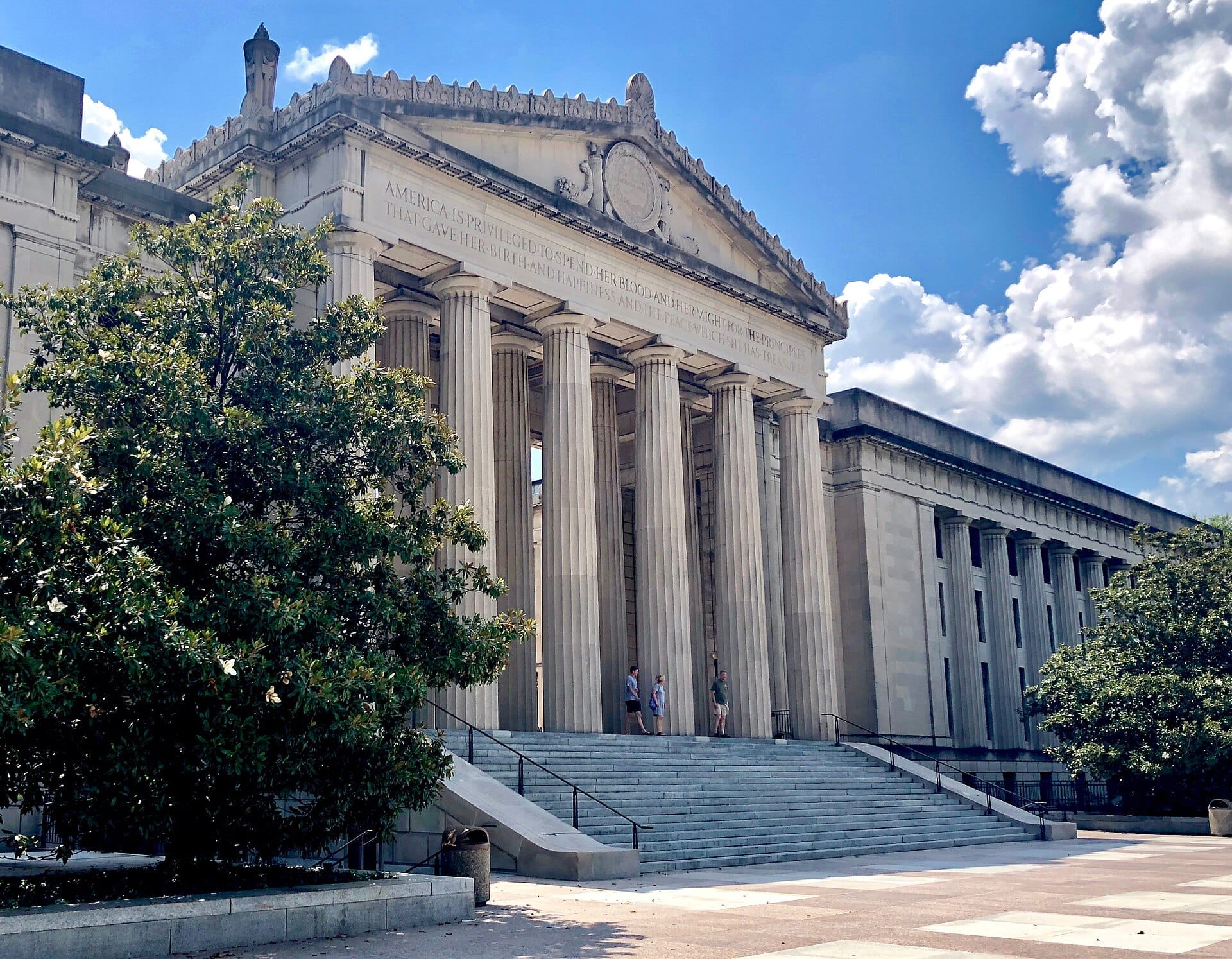
For a break from music-focused attractions, the Frist Art Museum in SoBro occupies a restored 1930s Art Deco post office building on Broadway near 9th Avenue. It hosts rotating exhibitions of national caliber and has a permanent children's gallery. The Tennessee State Museum, located in the Bicentennial Mall complex north of the Capitol, offers free admission and covers the state's history from pre-Columbian times through the 20th century with serious depth.
Ryman Auditorium: tours and live performances on 5th Avenue North
Country Music Hall of Fame and Museum: Demonbreun Street, plan two or more hours
National Museum of African American Music: Fifth + Broadway development
Hatch Show Print: working letterpress shop connected to the Hall of Fame
Frist Art Museum: rotating exhibitions in a restored Art Deco building
Tennessee State Museum: free admission, north end of downtown at Bicentennial Mall
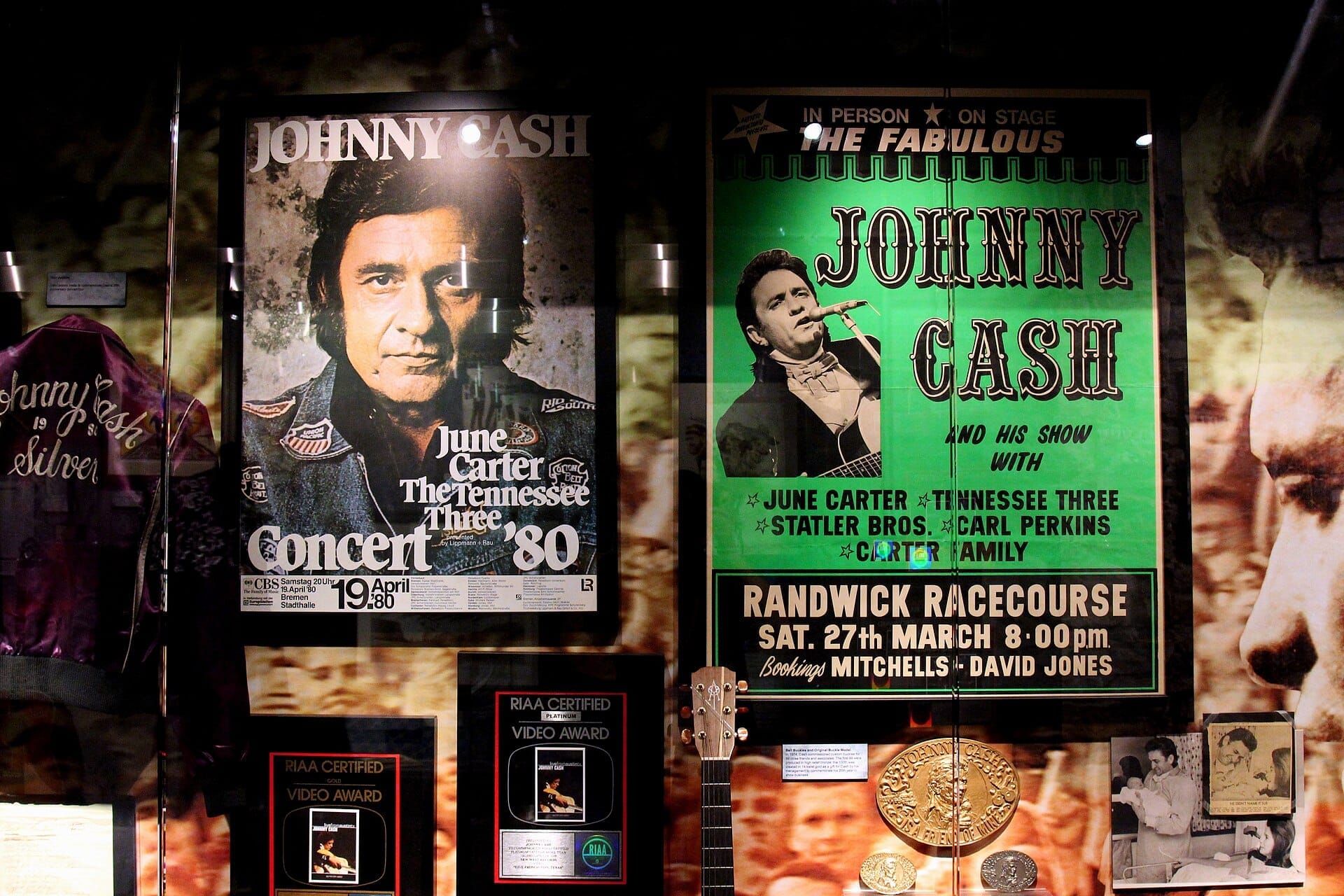
Johnny Cash Museum: dedicated exhibition space on 3rd Avenue South
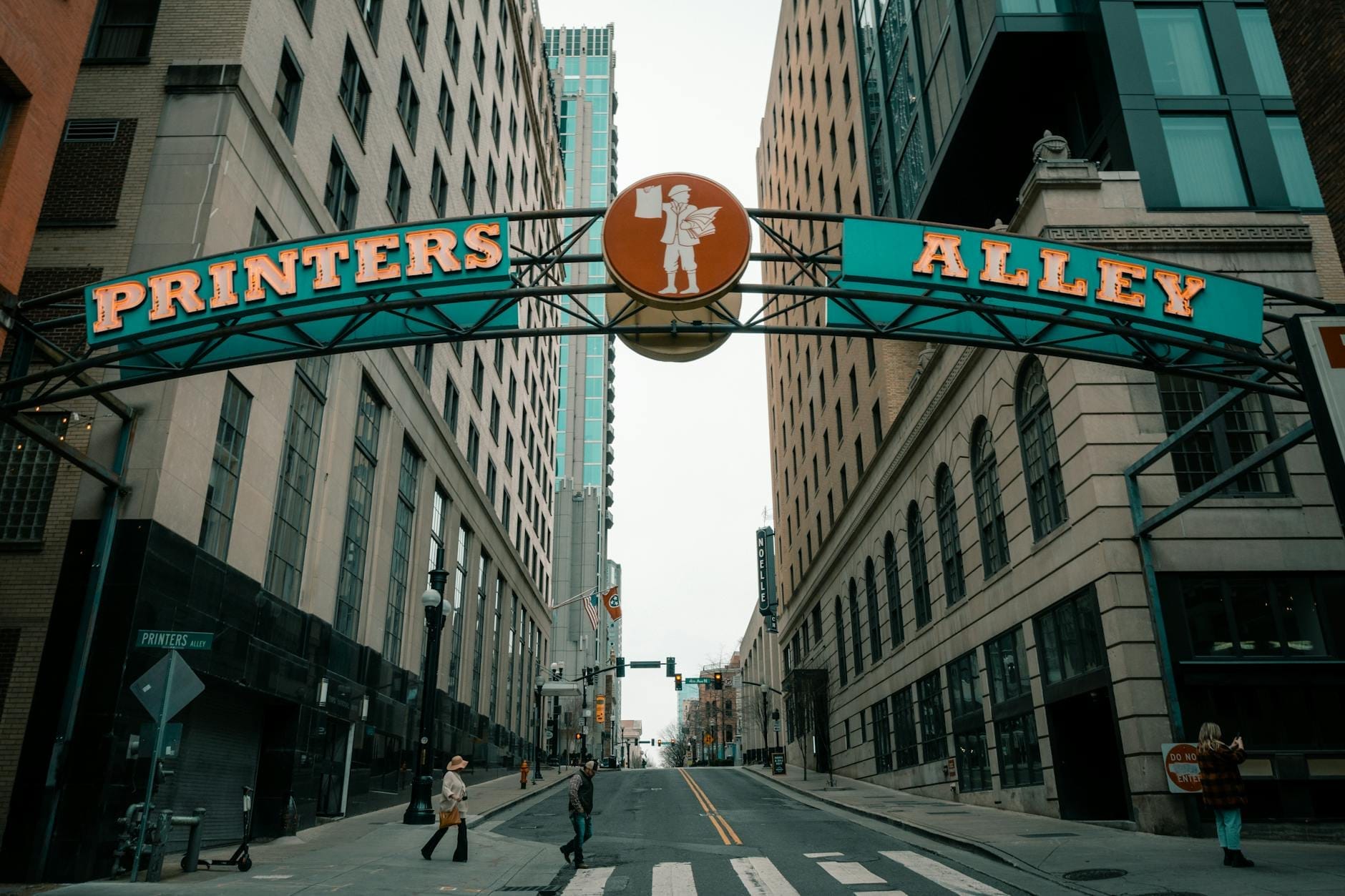
Printers Alley: historic entertainment alley between 3rd and 4th Avenues North
Riverfront Park: waterfront green space along 1st Avenue with views of the Cumberland
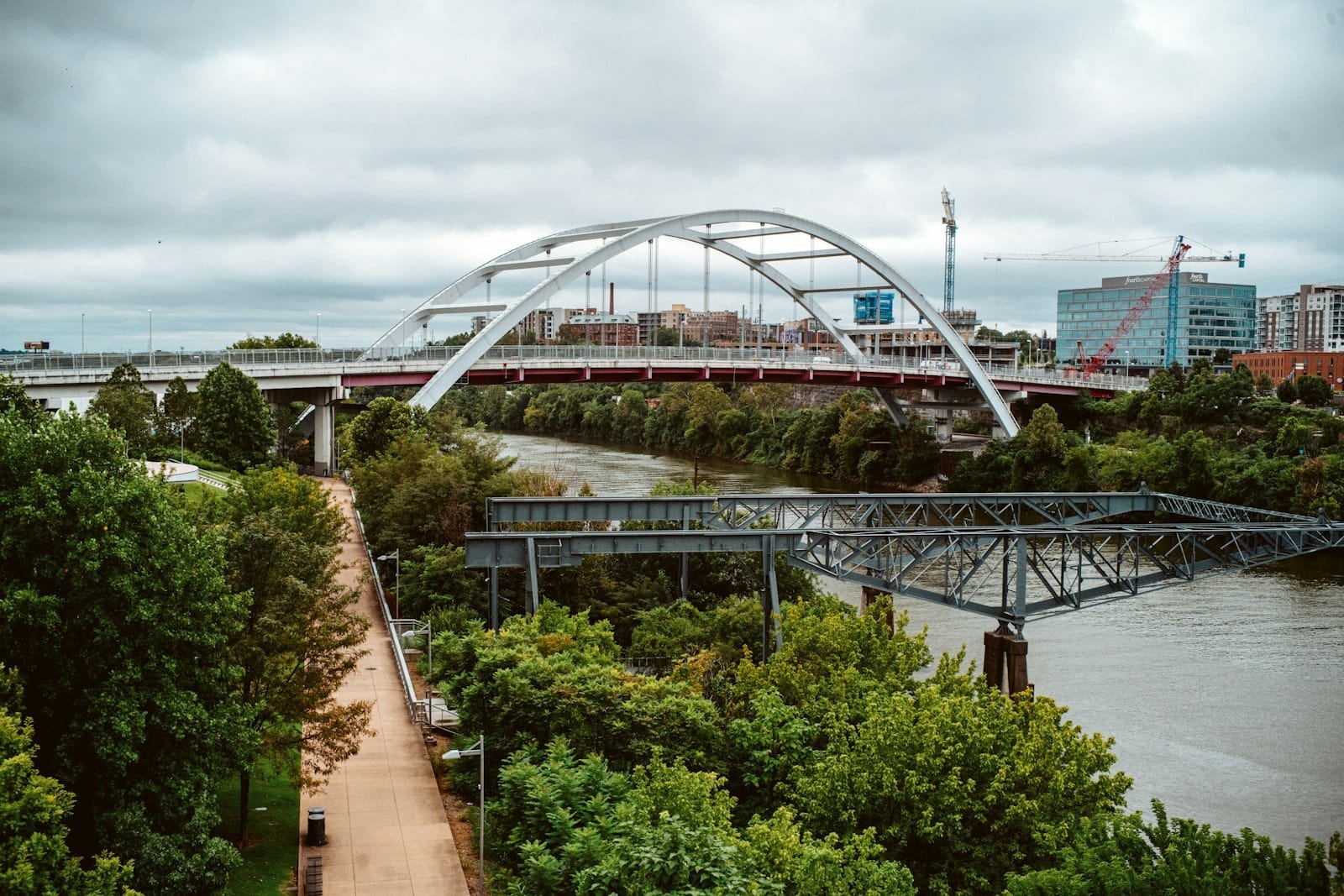
John Seigenthaler Pedestrian Bridge: walk to East Nashville with skyline views
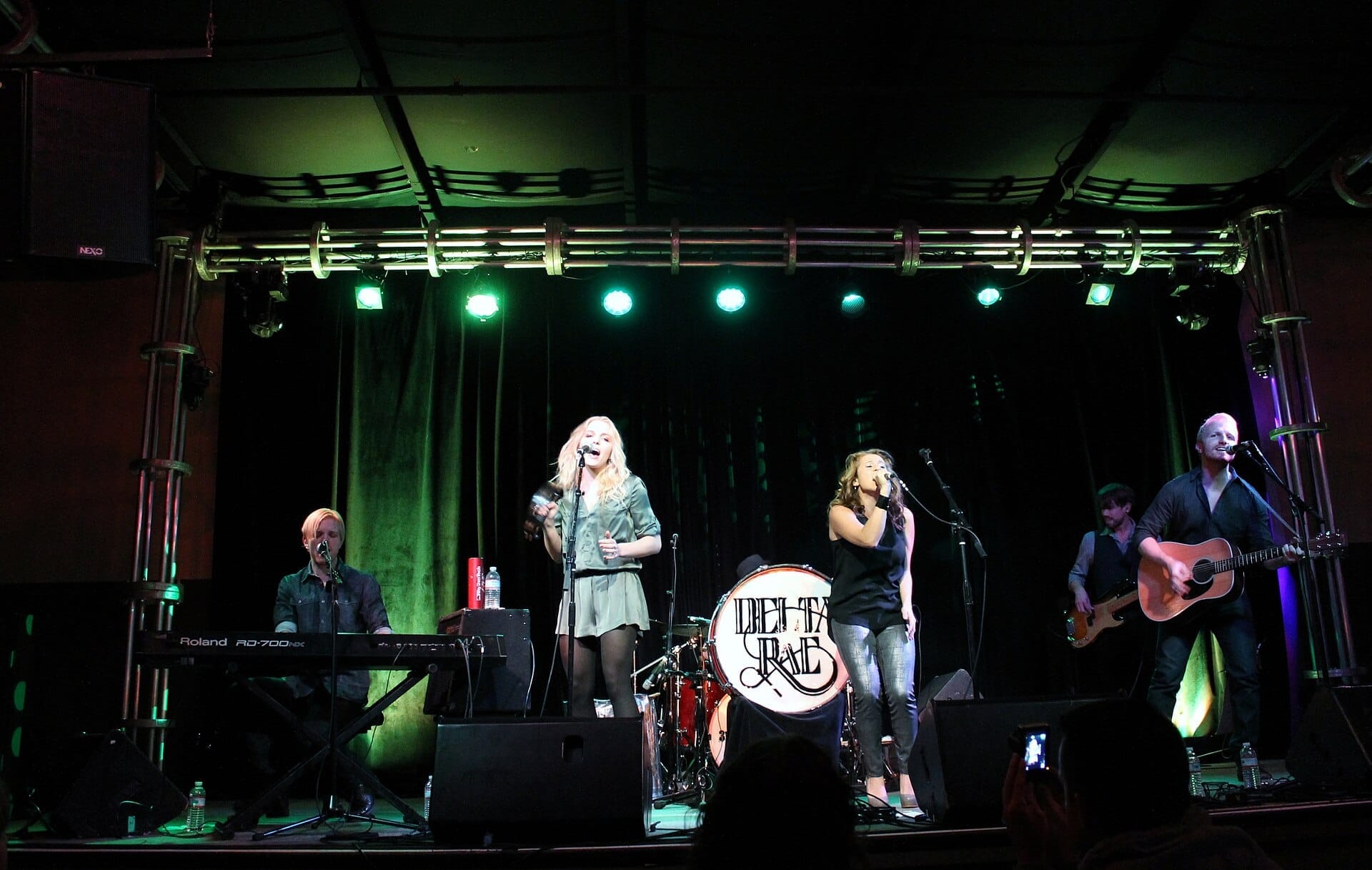
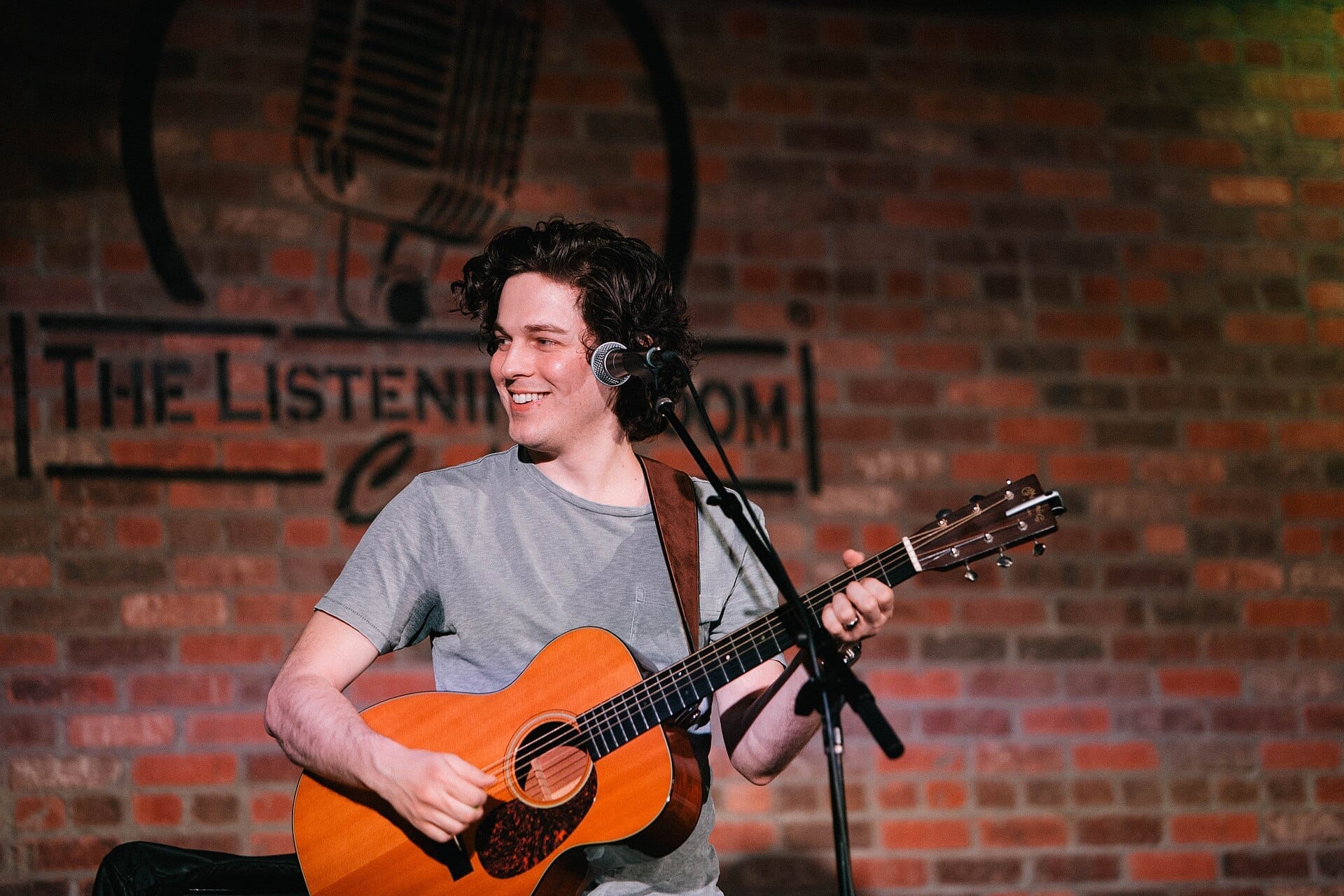
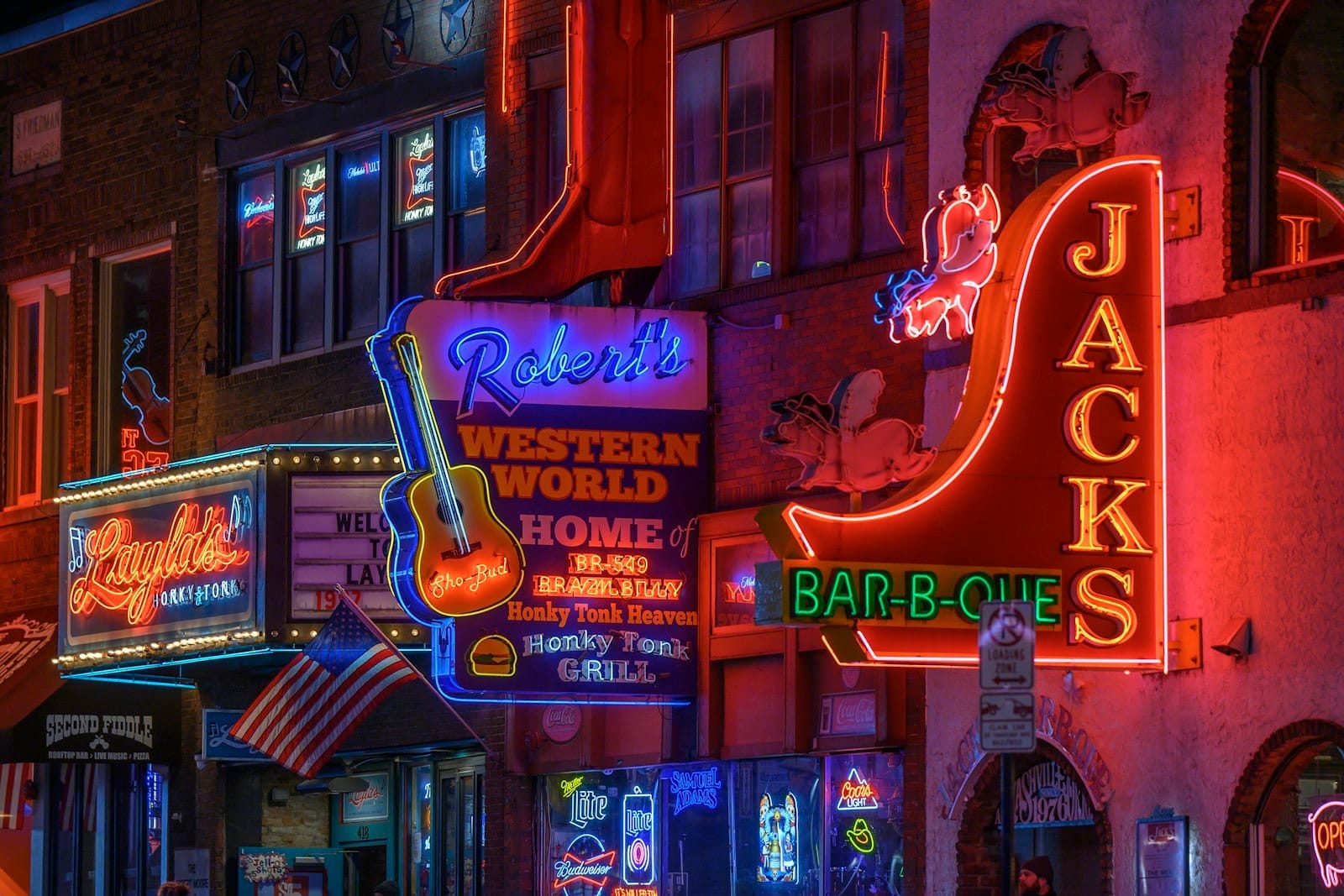
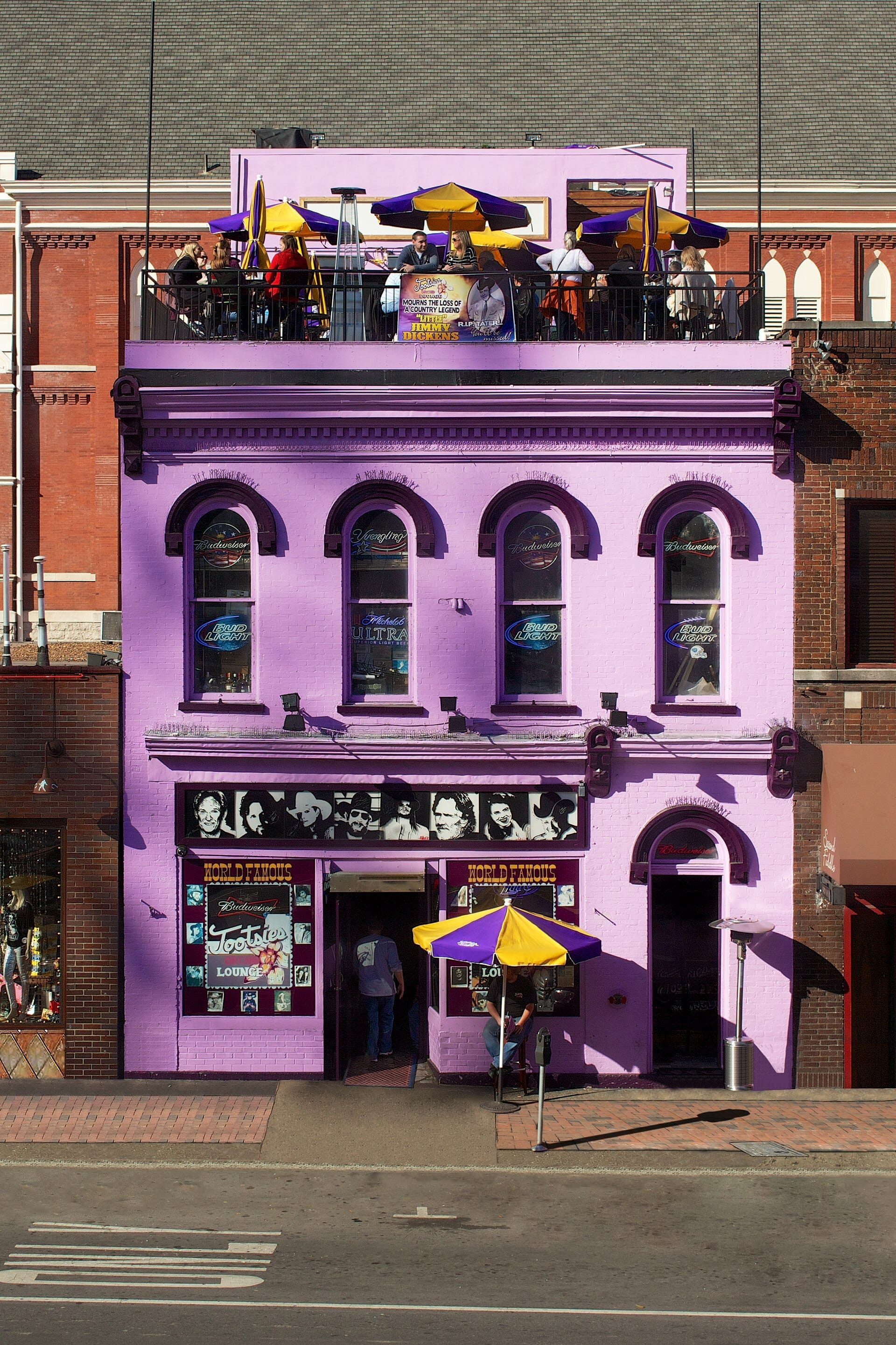
Broadway itself, the section between 1st and 5th Avenues sometimes called Honky Tonk Highway, is technically a free attraction: every bar on the strip hosts live music without a cover charge during the day and most evenings. Tootsie's Orchid Lounge and Robert's Western World are two of the most historically significant venues on the strip. Tootsie's has been a landmark since 1960; Robert's Western World opened in 1999 but quickly became a fixture for traditional country music. Both operate on multiple floors. The live music generally runs from late morning through last call. See our Nashville honky-tonk guide for a detailed breakdown of what distinguishes each venue.
Eating & Drinking
Downtown's food scene divides sharply between the tourist corridor and the SoBro/Capitol District areas that serve a broader mix of workers, convention attendees, and locals. On Lower Broadway and the immediately adjacent blocks, most restaurants optimize for volume and turnover. The food is serviceable and occasionally good, but this is not where Nashville's most interesting cooking happens. Expect elevated bar food, Southern comfort dishes at tourist prices, and rooftop bars with cocktail menus designed around shareable moments rather than serious drinking.
The broader downtown area has more range. The Nashville Farmers Market on 8th Avenue North, just north of the Capitol grounds, hosts a year-round market hall with diverse food vendors covering everything from Vietnamese cuisine to Southern comfort food, with fresh produce vendors operating on market days. It is one of the few places in the immediate downtown area where you can eat well and cheaply without feeling like the price was set by observing your hotel key card. The Market House building connects to a series of small independent restaurants that are popular with Germantown-adjacent workers.
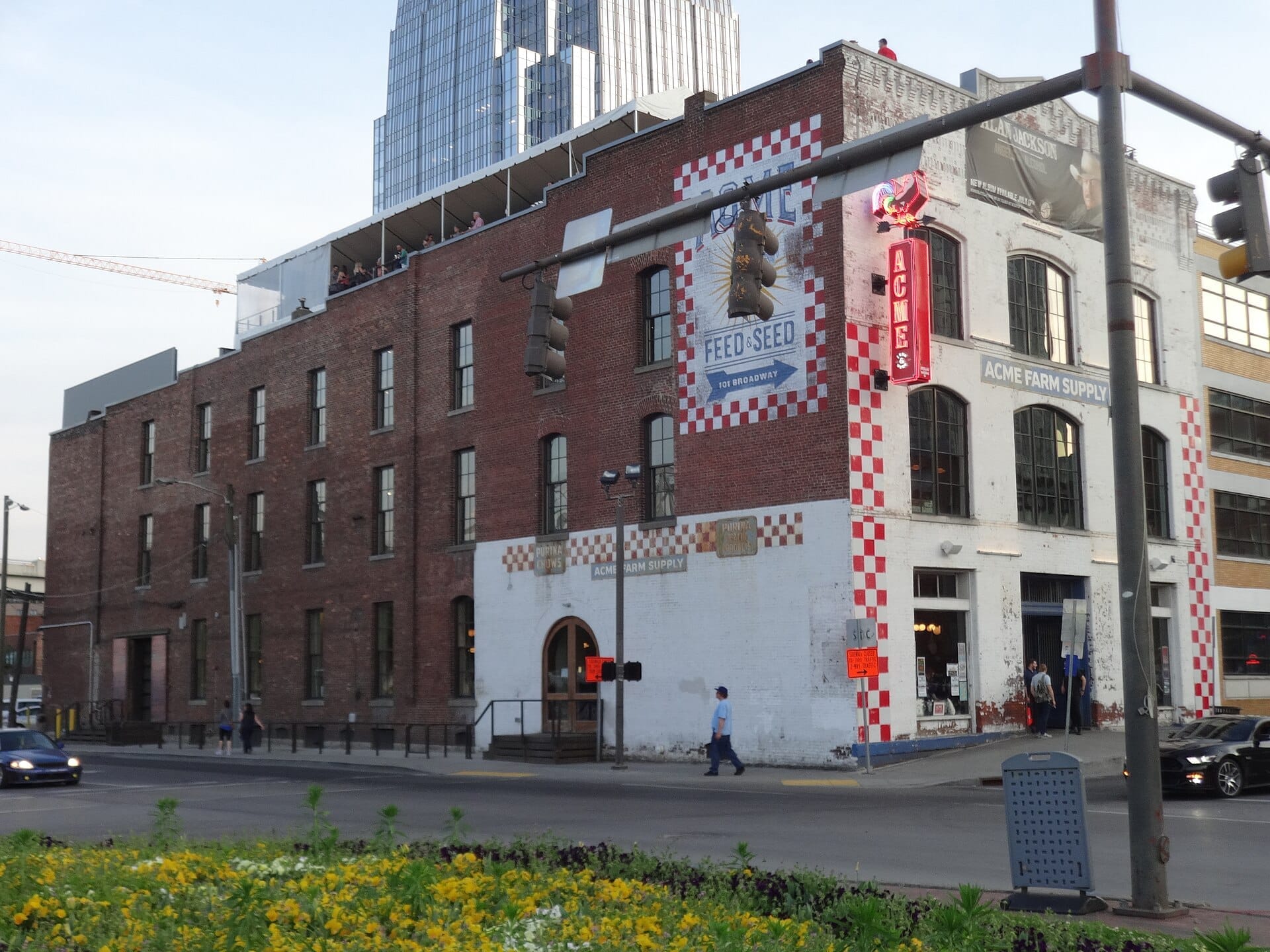
For live music alongside food and a more curated atmosphere than the honky-tonks, the Acme Feed and Seed on Lower Broadway is a multi-level venue with rooftop access and a stronger food program than most of its neighbors. City Winery Nashville, in the 1st Avenue North corridor, offers a sit-down dining and wine experience in a music venue format, with an entirely different demographic and noise level than the honky-tonks a few blocks south.
💡 Local tip
If you want a proper sit-down meal before an evening show at the Ryman or Bridgestone Arena, book a table in advance. Downtown restaurants within walking distance of the major venues fill up completely on show nights, and walk-in waits of 45 to 90 minutes are common. The blocks along Church Street and the Capitol District have less foot-traffic competition for reservations than the Broadway corridor.
The bar scene beyond Broadway is worth exploring. Printers Alley, the narrow passage between 3rd and 4th Avenues North with roots as Nashville's original entertainment district, has a handful of bars that operate with less chaos than Lower Broadway. For serious whiskey and a proper cocktail menu, the blocks between Broadway and SoBro along Demonbreun contain several bars oriented toward the convention-goer and music-industry crowd rather than the bachelorette-party market. If you want to understand Nashville's craft spirits culture more deeply, our Nashville distillery tour guide covers the full regional picture, including tasting rooms within close reach of downtown.
Getting There & Around
Nashville International Airport (BNA) sits approximately 8 miles southeast of downtown, and the most practical options for the trip in are rideshare (Uber or Lyft, with designated pickup zones at the Ground Transportation Center), metered taxi, or the WeGo Public Transit Route 18 Airport bus, which connects the airport to Music City Central, the main downtown bus hub on Charlotte Avenue between 4th and 5th Avenues North. The bus is the slowest option but the least expensive; fares and schedules should be verified at wegotransit.com before travel as they are subject to change. Rideshare fares from BNA to downtown vary considerably with demand and time of day.
Within downtown, most of what visitors need is walkable. The core rectangle from the Tennessee State Capitol to the Ryman Auditorium, and from the Cumberland Riverfront to the Frist Art Museum, covers roughly a mile in each direction. A fit walker can cover the major attractions in a full day without needing any transport. The numbered avenues run north-south, and the named streets (Broadway, Church, Commerce, Union) run east-west, creating a logical grid that is easy to navigate.
WeGo Public Transit operates multiple bus routes through downtown, with stops concentrated along Broadway, 4th Avenue, 5th Avenue, and Church Street. Music City Central on Charlotte Avenue at 5th Avenue North serves as the main transfer hub for routes across Davidson County. The WeGo Star commuter rail line terminates at Riverfront Station on 1st Avenue South, primarily useful for travelers coming in from outer Davidson County on weekdays. Nashville does not have a metro or subway system; bus and rideshare are the primary transit modes.
For a broader orientation to getting around the city, including how to reach neighborhoods like Midtown Nashville and the Opryland area from downtown, our complete guide to getting around Nashville covers all transit options in detail. Parking downtown exists in both surface lots and garages, but weekend prices in the Broadway corridor spike significantly, and driving to Lower Broadway on a Friday or Saturday night is generally inadvisable given traffic and parking costs.
ℹ️ Good to know
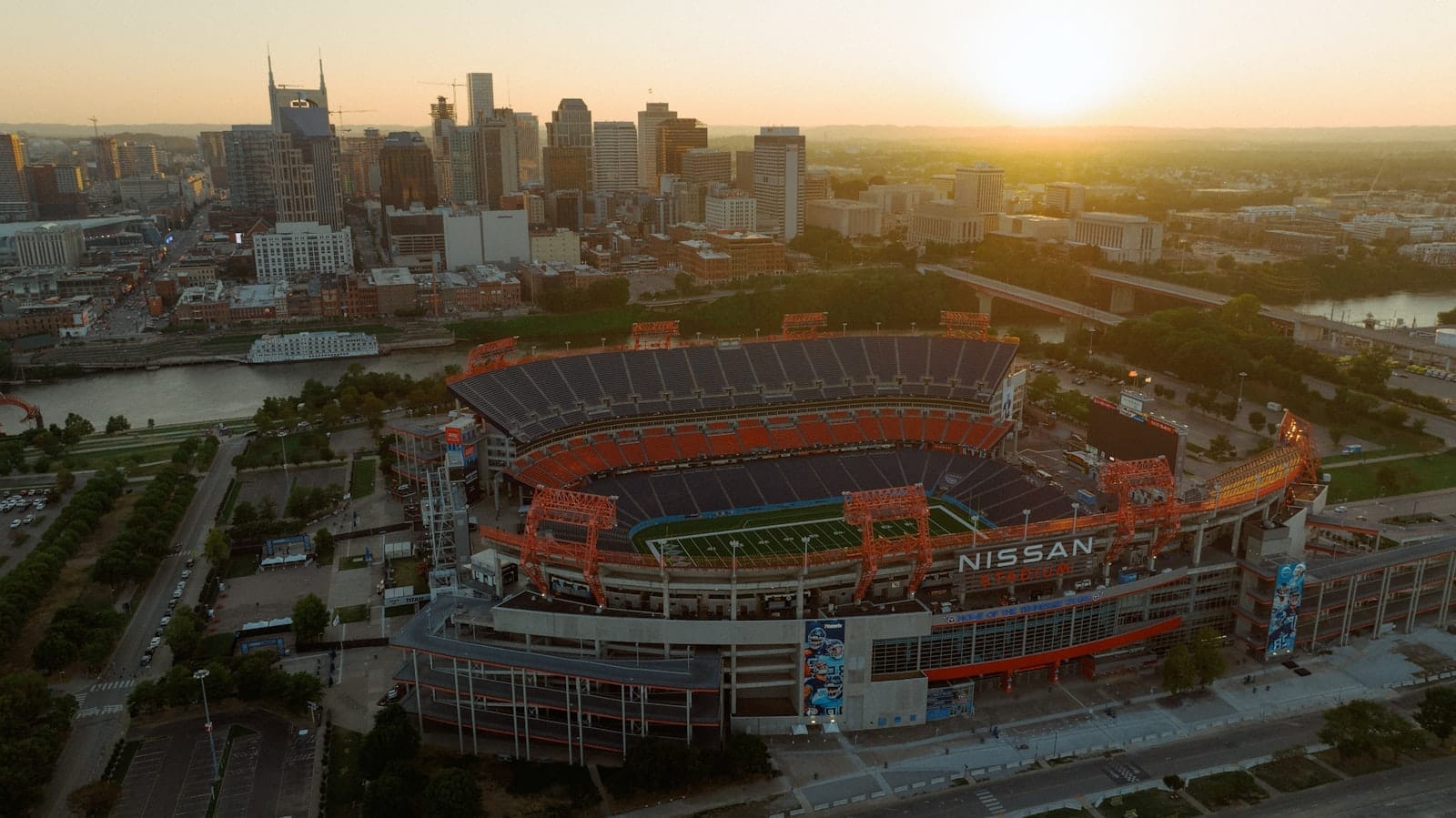
The John Seigenthaler Pedestrian Bridge, crossing the Cumberland River from 1st Avenue South near Nissan Stadium, is a free and scenic way to reach East Nashville on foot. The walk from the Broadway honky-tonks to Five Points in East Nashville takes about 25 to 30 minutes at a comfortable pace, passing through Riverfront Park along the way.
Where to Stay
Downtown Nashville has a high concentration of hotels at all price points, from internationally branded luxury properties to budget-oriented chains. The location advantage is real: staying downtown puts you within walking distance of the major attractions and eliminates the need for a car during the day. The tradeoff is price, weekend noise if your room faces Broadway, and the general density of the tourist district.
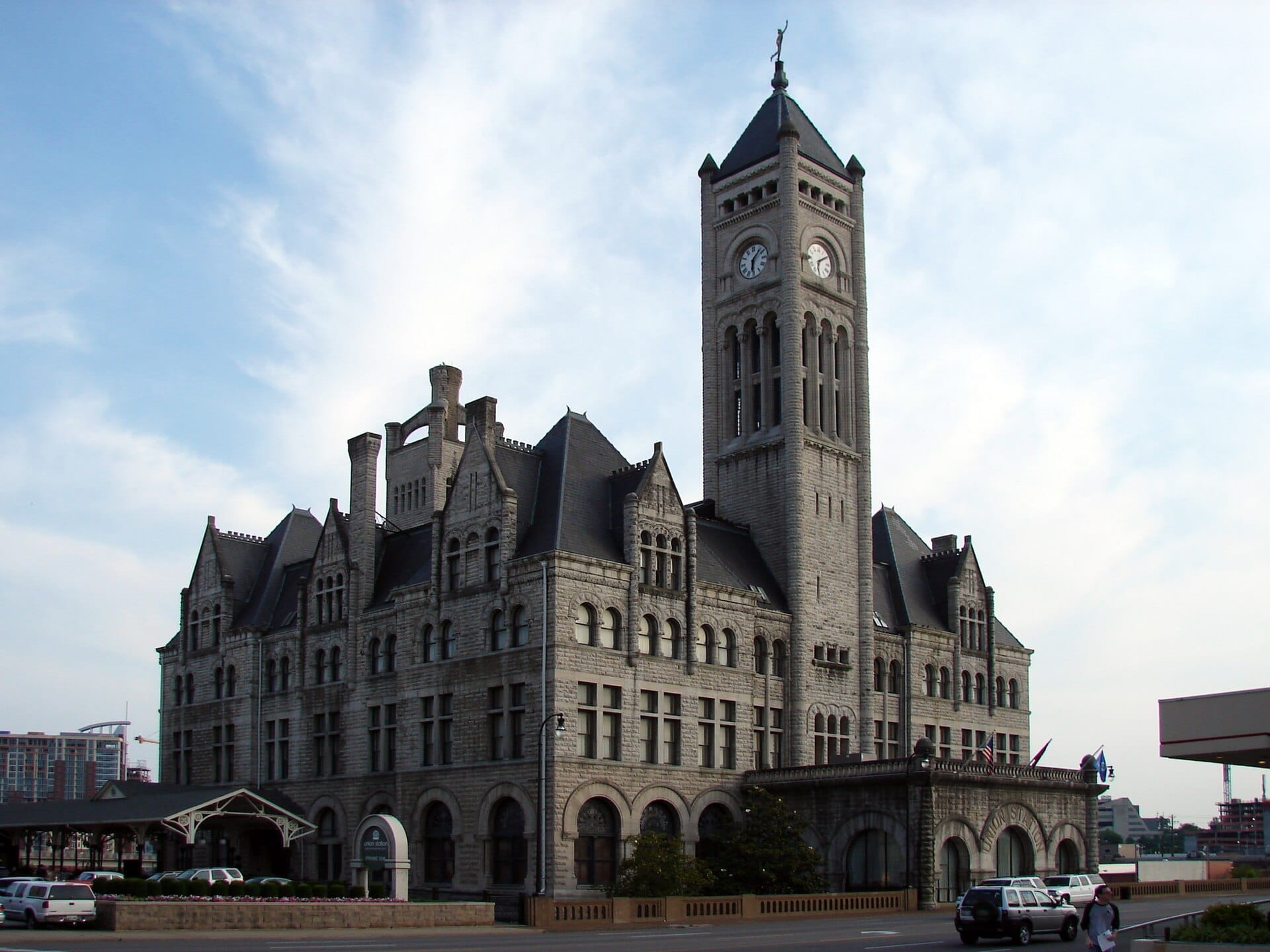
The most characterful hotel in downtown Nashville is the Union Station Hotel, a converted Romanesque Revival train station on Broadway at 10th Avenue, on the western edge of downtown near The Gulch. The barrel-vaulted great hall is genuinely striking. It is far enough from Lower Broadway to avoid the worst of the weekend noise while remaining walkable to the main attractions. The SoBro area around Demonbreun Street and Korean Veterans Boulevard has a cluster of newer hotels that suit convention travelers and those attending events at Bridgestone Arena or the Schermerhorn.
For travelers on a tighter budget, downtown is not the most cost-effective base. Neighborhoods like East Nashville or Midtown often offer lower nightly rates with reasonable access to downtown by rideshare or the occasional bus. Our complete Nashville where-to-stay guide breaks down the tradeoffs by neighborhood and travel style, including recommendations for families, solo travelers, and bachelorette-party groups who want proximity to Broadway without paying Broadway-adjacent pricing every night.
Travelers who specifically want to be on or near Lower Broadway should request rooms on upper floors facing away from the street if noise is a concern. The blocks between Broadway and Union Street, and between 4th and 7th Avenues, are generally quieter than the 1st-through-3rd Avenue corridor after 10 PM on weekends, while still being walkable to everything. Book well in advance for any weekend between April and October, and especially around CMA Fest in June, when downtown hotel rates reach their annual peak.
Practical Considerations
Downtown Nashville is generally safe for tourists during daylight hours and early evening. The Downtown Nashville Partnership maintains a visible ambassador program whose staff assist visitors with directions and coordinate with public safety services. For non-emergency police matters, the Metro Nashville Police non-emergency line is 615-862-8600; for emergencies, call 911. As with any dense urban entertainment district, awareness of your surroundings matters more after midnight on weekends, when crowd sizes and alcohol consumption peak on Broadway. Our Nashville safety guide has detailed, neighborhood-specific advice.
Nashville operates on Central Time (UTC-6 in winter, UTC-5 during daylight saving). The currency is the US dollar. Tipping at sit-down restaurants is a strong social expectation in the United States: 18 to 20 percent of the pre-tax bill is the current norm in Nashville, with 15 percent considered the low end. Tap water in Nashville meets all federal and state drinking standards according to Metro Water Services annual reports. Standard US electrical outlets are 120V/60Hz with Type A and B plugs; international travelers from regions using different standards will need an adapter.
Weather matters for planning downtown visits. Nashville has a humid subtropical climate with hot summers: July and August daytime highs regularly reach 88 to 90°F (31-32°C), and the sidewalks and rooftop bars of Broadway become genuinely uncomfortable in the early afternoon heat. Spring (April-May) and fall (September-October) are the most comfortable seasons for walking the district. For a full breakdown of when to visit based on weather, crowds, and events, see our best time to visit Nashville guide.
💡 Local tip
Downtown Nashville is very walkable but has significant elevation changes on its western and northern edges. The blocks climbing toward the Tennessee State Capitol from Broadway involve a noticeable uphill grade. Comfortable shoes matter more here than in most American urban districts of similar size, particularly if you plan to cover the full breadth of the Historic Core, SoBro, and the Capitol grounds in a single day.
TL;DR
Downtown Nashville is the city's undisputed center: the Ryman, Broadway honky-tonks, Country Music Hall of Fame, and the Tennessee State Capitol all sit within a compact, walkable two-square-mile grid on the west bank of the Cumberland River.
The neighborhood operates on two distinct rhythms: a functional weekday capital-city pace and a high-intensity weekend entertainment district mode, especially on Lower Broadway after 7 PM.
Best for: first-time visitors who want maximum access to Nashville's defining attractions; music fans on a pilgrimage to the Ryman or the Hall of Fame; travelers attending events at Bridgestone Arena or the Schermerhorn.
Not ideal for: travelers seeking a quiet, neighborhood-feel base; budget travelers (hotel prices downtown are consistently higher than surrounding areas); anyone who wants to avoid large crowds and high noise levels on weekend nights.
Logistically convenient: most major attractions are walkable from each other, WeGo buses connect to the rest of the city from Music City Central on Charlotte Avenue, and rideshare is readily available throughout the district.
Two days in Nashville is enough time to hit the music landmarks, eat well, explore distinct neighborhoods, and catch live music at night — if you plan smartly. This guide lays out a realistic, hour-by-hour framework with current prices, crowd warnings, and the honest trade-offs.
Three days is enough time to cover Nashville's best music landmarks, eat your way through the food scene, and catch a live show worth remembering. This itinerary is built around practical logistics, honest recommendations, and enough flexibility to make it your own.
Nashville's music museums go far beyond country. Whether you're tracing Johnny Cash's life through personal artifacts, standing in Elvis's recording booth, or learning how African American musicians shaped every genre we know, these institutions tell the full story of American music. Here are the best.
Nashville rewards visitors year-round, but the best time to visit depends on your priorities: mild weather, major events, budget, or avoiding crowds. This guide breaks down every season with honest assessments so you can plan the perfect trip.
CMA Fest is four days of country music taking over downtown Nashville every June, with free outdoor stages, nightly stadium shows, and thousands of fans from around the world. This guide covers tickets, venues, logistics, what to wear, and how to get the most out of the festival without wasting money or time.
Nashville sits within easy reach of historic small towns, national battlefields, scenic parkways, and legendary distilleries. These are the best day trips from Nashville, organized by distance and theme, so you can plan the perfect escape from the city.
Nashville delivers serious value for budget travelers. Between free world-class museums, no-cover live music on Broadway, scenic parks, and iconic street art, you can fill multiple days in Music City without opening your wallet. Here are the best free things to do in Nashville.
Nashville is a car-friendly city with limited public transit, but visitors have more options than they might expect. This guide covers everything from arriving at BNA to navigating neighborhoods by bus, bike, rideshare, or on foot, with honest advice on what actually works.
The Grand Ole Opry is one of the longest-running live radio shows in American history, and buying tickets is easier than most visitors expect. This guide covers pricing, seating, show formats, and practical logistics so you arrive prepared.
Nashville sits within easy reach of some of Tennessee's finest hiking. Whether you want a quick trail before dinner or a full-day escape into forest and river scenery, these are the best hikes near Nashville for every skill level.
Nashville International Airport (BNA) is the busiest airport in Tennessee, handling 24.7 million passengers in 2024. This guide covers the terminal layout, parking costs, lounge access, ground transportation options, airline routes, and practical tips to help you navigate BNA with confidence.
Nashville has become the undisputed capital of bachelorette weekends in the U.S., and for good reason. From Lower Broadway honky-tonks to Cumberland River party cruises and rooftop pools, this guide covers every activity, neighborhood, and practical detail you need to plan a weekend that actually delivers.
Nashville played a pivotal role in the Civil War as the first Confederate state capital captured by Union forces, and the site of one of the war's most decisive battles. This guide covers every major site, self-guided tour routes, seasonal tips, and the historical context you need to make sense of what you're standing on.
Nashville's craft spirits scene has grown into one of the most exciting in the South, with urban tasting rooms, multi-stop guided tours, and day trips to legendary Tennessee whiskey producers. This guide covers every option, from walk-in flights to full barrel-pick experiences, so you can plan the right visit for your group.
Lower Broadway is just the start. This guide covers Nashville's best honky-tonks and live music venues, from the neon-lit bars of Honky Tonk Highway to intimate songwriter rooms, bluegrass clubs, and music history landmarks that define the city's sound.
Nashville transforms in December with sprawling light displays, live holiday concerts, outdoor markets, and seasonal shows running from mid-November through early January. This guide covers the top events, what to book in advance, and how to make the most of the holiday season in Music City.
October is widely considered the best month to visit Nashville. Temperatures drop to a comfortable range, the city's event calendar fills up with fall festivals and live music, and the usual summer crowds thin out. This guide covers exactly what to expect, what to book ahead, and what to skip.
Nashville, Tennessee earns its Music City nickname with over 250 live music venues spanning free honky-tonks, songwriter showcases, bluegrass clubs, and major concert halls. This guide breaks down exactly where to go, what to expect, and how to plan your nights around live music in Nashville.
Nashville has evolved into a serious luxury destination. From Five-star hotels along the Cumberland River to farm-to-table fine dining and private honky-tonk experiences, this guide covers every high-end option, what it actually costs, and when to book for the best value.
Nashville earned the 'Music City' nickname long before country music dominated the airwaves. This guide traces the city's musical roots from 19th-century folk traditions and the Fisk Jubilee Singers through the Grand Ole Opry, the Nashville Sound, and today's sprawling live music scene across more than 100 live music venues.
Nashville's nightlife runs much deeper than the neon strip of Lower Broadway. This guide breaks down every major nightlife zone, from the honky-tonk highway to rooftop bars in The Gulch and intimate listening rooms in East Nashville, with practical details on hours, cover charges, and what to expect each night of the week.
Nashville has a reputation as a party city with party-city prices, but that reputation is only half true. With free live music on Broadway every night, several genuinely free museums, a bus that runs from the airport to downtown for around $2, and walkable neighborhoods full of no-cost attractions, a trip to Music City can be remarkably affordable if you know what to skip and what to prioritize.
Nashville draws millions of visitors every year, and for good reason. But is Nashville safe for tourists? This guide breaks down crime statistics by area, identifies which neighborhoods to know, and gives you concrete, practical advice for staying safe during your trip.
Nashville shopping is neighborhood-driven, not centered on one district. This guide breaks down every major shopping area — from the upscale Mall at Green Hills to the indie boutiques of 12 South and the monthly Flea Market at The Fairgrounds — so you spend less time wandering and more time buying.
Nashville is one of the most approachable solo travel destinations in the American South. This guide covers getting around, the best neighborhoods to base yourself in, where to find live music without a group, safety considerations, and how to budget your trip from airport to honky-tonk.
Nashville sits within easy reach of some of Tennessee's finest outdoor spaces. These state parks and natural areas offer everything from serene lakeside hikes to swimming beaches, scenic river paddles, and wildlife-rich forests — all within a short drive of the city.
The drive from Nashville to Knoxville covers roughly 180–190 miles along I-40 East and takes about 2.5 to 3 hours without stops. This guide covers the best detours, state parks, historic sites, and seasonal advice to help you get more out of one of Tennessee's most rewarding road trips.
Nashville's downtown core is compact enough to cover on foot in a single morning or afternoon. This guide maps out the best self-guided walking routes from Riverfront Park to the Tennessee State Capitol, with honest notes on timing, audio tools, and which detours are actually worth your steps.
Nashville is far more than a party destination. From hands-on science museums and wildlife encounters to free parks and live country music, the city offers a full week of family-friendly activities. This guide breaks down the best things to do in Nashville with kids, organized by type, age, and budget.
Nashville delivers a surprisingly rich mix of romantic experiences for couples: iconic music venues, candlelit listening rooms, lakeside parks, and skyline walks along the Cumberland River. This guide covers the best options by category, with honest advice on what's worth your time and what to skip.
Nashville is far more than a country music backdrop. This guide covers the best things to do in Nashville across music, history, outdoors, and food — with honest takes on what's worth your time, what to skip, and how to plan around crowds and seasons.
Nashville has far more to offer than neon-lit honky-tonks and country radio hits. From a full-scale ancient Greek temple in a public park to a record store that cuts vinyl of your voice, these are the experiences that make Nashville genuinely unlike any other American city.
Nashville's food scene runs deeper than hot chicken. This guide covers the city's essential dishes, the neighborhoods where you'll find them, practical ordering tips, and honest takes on what lives up to the hype and what doesn't.
Choosing where to stay in Nashville shapes your entire trip. This guide breaks down every major neighborhood by walkability, price, vibe, and who it suits best — so you spend less time researching and more time on Broadway.