Nashville Farmers' Market: Farm Sheds, Food Hall, and 200 Years of City History
The Nashville Farmers' Market is a 16-acre, year-round public market on Rosa L. Parks Boulevard, steps from Bicentennial Capitol Mall State Park. It combines open-air farm sheds selling Tennessee-grown produce with a Market House food hall housing nearly 30 restaurants and shops spanning cuisines from across the globe. Admission is free.
Quick Facts
- Location
- 900 Rosa L. Parks Blvd., Nashville, TN 37208 — Germantown, adjacent to Bicentennial Capitol Mall State Park
- Getting There
- WeGo Public Transit bus service; free 2-hour on-site parking; additional free weekend parking in nearby state government lots (~5 min walk)
- Time Needed
- 1–3 hours depending on whether you browse, eat, or explore the garden center
- Cost
- Free admission; food and purchases priced individually (USD)
- Best for
- Foodies, families, local produce hunters, and travelers wanting a break from downtown Broadway
- Official website
- www.nashvillefarmersmarket.org
What the Nashville Farmers' Market Actually Is
The Nashville Farmers' Market is not a pop-up weekend event. It is a permanent, city-operated, year-round public market that has occupied the urban edge between downtown Nashville and the historic Germantown neighborhood since 1801. The current site stretches approximately 16 acres along Rosa L. Parks Boulevard from Harrison Street to Jackson Street, making it one of the larger urban market footprints in the American South.
The market divides into two distinct experiences: the outdoor farm sheds where Tennessee farmers and growers sell produce, plants, and seasonal goods, and the enclosed Market House, a 24,000-square-foot building containing nearly 30 restaurants, specialty food vendors, and shops. These two halves operate on different schedules and attract noticeably different crowds, so how you experience the market depends largely on when you arrive and what you are after.
ℹ️ Good to know
Hours at a glance: Market House is open daily 8:00 a.m. to 8:00 p.m. (individual business hours vary). Outdoor Farm Sheds are open Friday through Sunday 9:00 a.m. to 2:00 p.m. (March–October) and 10:00 a.m. to 2:00 p.m. (November–February). Monday through Thursday farm shed hours vary by vendor. Verify current hours at nashvillefarmersmarket.org before visiting, as holiday closures apply in late December and January.
The Farm Sheds: Tennessee Produce and the Rhythm of the Seasons
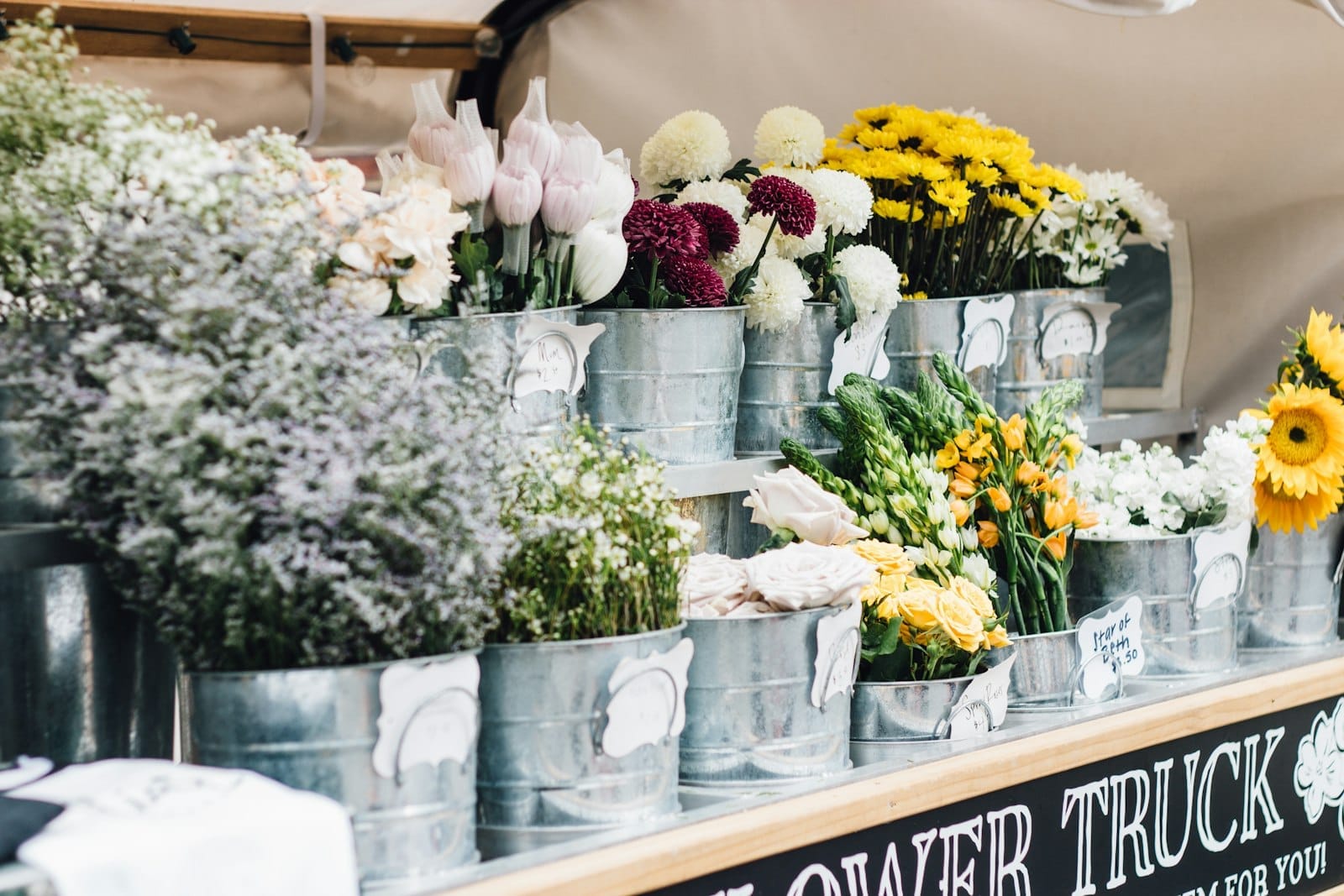
The two covered open-air sheds are where the market earns its agricultural credentials. On a Saturday morning between April and October, the sheds fill with stacked trays of tomatoes, bundles of collard greens, jars of local honey, and cut flower arrangements that perfume the air with a sweetness that arrives before you see the stalls. The concrete floors and corrugated roof structures are utilitarian, but the produce itself provides all the visual interest necessary.
Weekday visits to the sheds, particularly Monday through Thursday, are a different proposition. Vendor presence is thinner and less predictable during this window, so if your primary goal is buying from local farmers, aim for a Friday through Sunday visit. Spring and autumn bring the widest variety of Tennessee-grown items. Summer draws sweet corn, peaches, and peppers. Winter thins the selection significantly, though the sheds do operate year-round in reduced form.
For a broader sense of what outdoor markets look like across Nashville's calendar of events, the Nashville visitor guide covers seasonal activities that pair well with a market visit.
💡 Local tip
Arrive at the farm sheds by 9:30 a.m. on weekends if you want first pick of specialty produce. Popular items — certain heirloom tomato varieties, fresh herbs, cut flowers — tend to sell out by late morning, especially on Saturdays in summer.
Tickets & tours
Live prices and dates from our booking partner. If you book, we may earn a commission at no extra cost to you.
Old Town trolley tour of Nashville
From 54 €Instant confirmationFree cancellationDowntown walking tour of Nashville
From 21 €Instant confirmationFree cancellationNashville Downtown Underground Donut Tour
From 46 €Instant confirmationFree cancellationNashville City Center audio-guided walking tour
From 9 €Instant confirmation
The Market House: An International Food Hall in an Unexpected Setting
Walk from the farm sheds into the Market House and the sensory register shifts entirely. The smell of grilling meat, frying dough, and curry competes for attention. The Market House operates as a food hall anchored by permanent restaurant stalls and specialty shops, with a lineup that reflects Nashville's increasingly diverse population. You will find menus ranging from Vietnamese soups and Middle Eastern plates to Southern comfort food and artisan coffee, sometimes within three storefronts of each other.
The indoor space is open daily from 8:00 a.m. to 8:00 p.m., though individual vendors set their own hours within that window. Mornings in the Market House are quieter, dominated by coffee-seekers and early shoppers working through specialty food stalls. By midday on weekends the building fills considerably, with the tables and communal seating areas handling a steady flow of diners. If you are eating here, a weekday lunch between 11:30 a.m. and 1:00 p.m. represents the best balance of full vendor availability and manageable crowd levels.
The range of cuisines is one of the more unexpected aspects of the Market House for visitors arriving with assumptions about what a Tennessee farmers' market offers. It functions as a genuine cross-section of Nashville's food culture rather than a showcase of regional cooking alone. That said, Southern staples — hot chicken, biscuits, country ham — are well represented alongside the international options.
Location and Neighborhood Context
The market sits at the intersection of several Nashville districts, which gives it unusual geographic value for a half-day itinerary. It is positioned directly adjacent to Bicentennial Capitol Mall State Park, a seven-acre linear park that traces Tennessee history through bronze timelines, granite maps, and a World War II memorial. The Tennessee State Museum and the State Capitol are both within a short walk north and east respectively.
To the north, the market opens toward GermantownGermantown, Nashville's oldest intact historic district, where 19th-century brick commercial buildings and Victorian-era houses line streets that now hold independent restaurants and coffee shops. A post-market walk into Germantown takes about five minutes on foot and makes for a natural extension of the visit.
The location on Rosa L. Parks Boulevard also places the market within easy reach of downtown, though the atmosphere here is meaningfully different from the Broadway entertainment corridor. This is a functional neighborhood market that happens to sit near major civic landmarks, not an attraction engineered for tourist traffic. That quality is part of what makes it work.
How the Experience Changes Through the Day
Early morning, before 9:00 a.m., belongs almost entirely to regulars. Coffee from the Market House, a conversation between vendors setting up their stalls, the occasional early shopper with a reusable tote already half-full. The light in the farm sheds at this hour is flat and gray if it is overcast, or streaked gold if the sun is clearing the building line to the east. Either way, it is a calm version of the market that weekend afternoon visitors never see.
Weekend midmornings, roughly 10:00 a.m. to noon, represent peak activity in the farm sheds. Foot traffic picks up noticeably, strollers navigate between produce tables, and the noise level in the Market House rises to a convivial hum. This is when the market feels most alive as a community gathering point, which is either appealing or a reason to avoid it, depending on your tolerance for crowds.
Afternoons past 2:00 p.m. mean the farm sheds have closed for the day, but the Market House continues operating until 8:00 p.m. Late afternoon and early evening visits to the Market House are primarily a food-and-drink proposition at that point, with the outdoor character of the market largely gone. On weekdays, the overall site is noticeably quieter at all hours.
⚠️ What to skip
Nashville summers are hot and humid, with average high temperatures reaching around 87–90°F (31–32°C) from June through August. The farm sheds are covered but not air-conditioned. Visiting before 10:00 a.m. in summer makes a meaningful difference in comfort. Carry water.
Practical Details: Getting There, Parking, and Accessibility
The market is accessible by WeGo Public Transit bus service; Nashville does not have a metro or subway system, so buses are the primary public transit option. For those driving, the market offers free two-hour on-site parking for customers. On weekends, additional free parking opens in nearby state government surface lots approximately a five-minute walk from the market entrance — useful when the main lot fills during peak Saturday morning hours.
The site is described as accessible by sidewalk, with surface-level entry to both the outdoor sheds and the Market House building. Visitors with specific wheelchair or mobility requirements should contact the market administration directly (Tuesday through Friday, 9:00 a.m. to 3:00 p.m.) for current accessibility details, as the official pages do not fully document elevator or restroom specifications.
For broader context on navigating Nashville without a car, the guide to getting around Nashville covers WeGo bus routes, ride-hailing, and walkable areas in more detail.
Who This Market Is Not For
Travelers who visit Nashville exclusively for the honky-tonk corridor and Broadway nightlife will find the farmers' market a geographical and experiential detour that may not justify the trip. It is not positioned downtown in the same entertainment cluster, and it does not offer the kind of spectacle that draws visitors to Music Row or the Grand Ole Opry area.
Similarly, visitors arriving on a weekday expecting a full produce market experience may be disappointed by the inconsistent farm shed vendor presence Monday through Thursday. If your schedule is flexible, the best time to visit Nashville guide can help you align your trip with the conditions that make the market most rewarding, namely spring and autumn weekends.
Insider Tips
- The garden center at the market is the market's garden center at 24,000 square feet. If you are visiting in spring, allow time here even if produce is not your focus — the selection of native Tennessee plants and seasonal bedding plants is substantial and priced well below most garden center chains.
- Parking fills quickly on Saturday mornings between 9:30 and 11:00 a.m. during the spring and summer growing season. Arriving before 9:15 a.m. secures a spot in the main lot. Alternatively, the free weekend state government lots a five-minute walk away are almost always available.
- The Market House restaurants represent some of the most affordable sit-down eating near downtown Nashville. A full lunch from one of the international stalls typically costs considerably less than comparable food on Broadway. This is a genuinely good-value meal stop on a budget itinerary.
- The market sits directly alongside Bicentennial Capitol Mall State Park. Walking the full length of the park before or after your market visit adds roughly 30 minutes and covers Tennessee's timeline from territorial status through modern statehood — the bronze-inlaid historical markers are far more detailed than most outdoor public history installations.
- Holiday closure periods in late December and around January 1 mean the market operates on reduced or suspended schedules. Always check the official site at nashvillefarmersmarket.org for current notices before a winter visit.
Who Is Nashville Farmers' Market For?
- Food travelers who want to eat globally and locally without paying downtown restaurant prices
- Families with children, who benefit from the open outdoor spaces, garden center, and low-pressure browsing environment
- Visitors building a Germantown half-day that combines the market with the historic district and nearby Bicentennial Capitol Mall State Park
- Budget-conscious travelers looking for free-admission activities with genuine local character
- Shoppers and home cooks seeking Tennessee-grown seasonal produce directly from farmers
Nearby Attractions
Other things to see while in Germantown:
- City Winery Nashville
City Winery Nashville is one of the few places in Music City where you can sip house-made wine while watching a nationally touring act in an intimate seated venue. Located at 609 Lafayette Street, this 36,000-square-foot facility blends a working urban winery, full-service restaurant, wine bar, and concert hall into one destination worth planning around.
- Marathon Music Works
Housed in a repurposed early-1900s automobile factory in Nashville's Marathon Village, Marathon Music Works is a 1,500-capacity live music venue with serious sound, industrial bones, and a programming range that stretches from indie rock to country to electronic. Here is everything you need to decide if a show here is worth your night.
- Marathon Village
Marathon Village occupies the century-old brick factory buildings where one of the earliest Southern automobile manufacturers once operated. Today the four-city-block complex in Nashville houses distilleries, independent retailers, creative studios, and preserved automotive history — all free to enter.
- Nelson's Green Brier Distillery
Nelson's Green Brier Distillery brings a 160-year-old Tennessee whiskey legacy back to life inside Nashville's atmospheric Marathon Village. Expect guided tours, hands-on tastings, and a story that stretches from pre-Prohibition Greenbrier to a modern craft revival run by two brothers.
Planning a trip? Discover personalized activities with the Nomado app.