Best Time to Visit Nashville: Season-by-Season Breakdown
Nashville rewards visitors year-round, but the best time to visit depends on your priorities: mild weather, major events, budget, or avoiding crowds. This guide breaks down every season with honest assessments so you can plan the perfect trip.
Tickets & tours
Live prices and dates from our booking partner. If you book, we may earn a commission at no extra cost to you.
TL;DR
- Spring (April to May) and fall (September to October) offer the best balance of mild weather, manageable crowds, and full event calendars — these are the sweet spots for most visitors.
- Summer brings major events like CMA Fest in early June, but expect heat above 90°F, high humidity, and hotel rates at their peak.
- Winter is Nashville's budget season: hotels are cheaper, honky-tonks are still open, and crowds are thin — just pack layers for temperatures that can dip below freezing.
- Nashville operates on Central Time (CST, UTC-6 in winter; CDT, UTC-5 in summer), so factor that into any travel logistics.
- For a full picture of what the city offers across the calendar, browse our complete Nashville travel guide.
Nashville's Climate: What You're Actually Dealing With
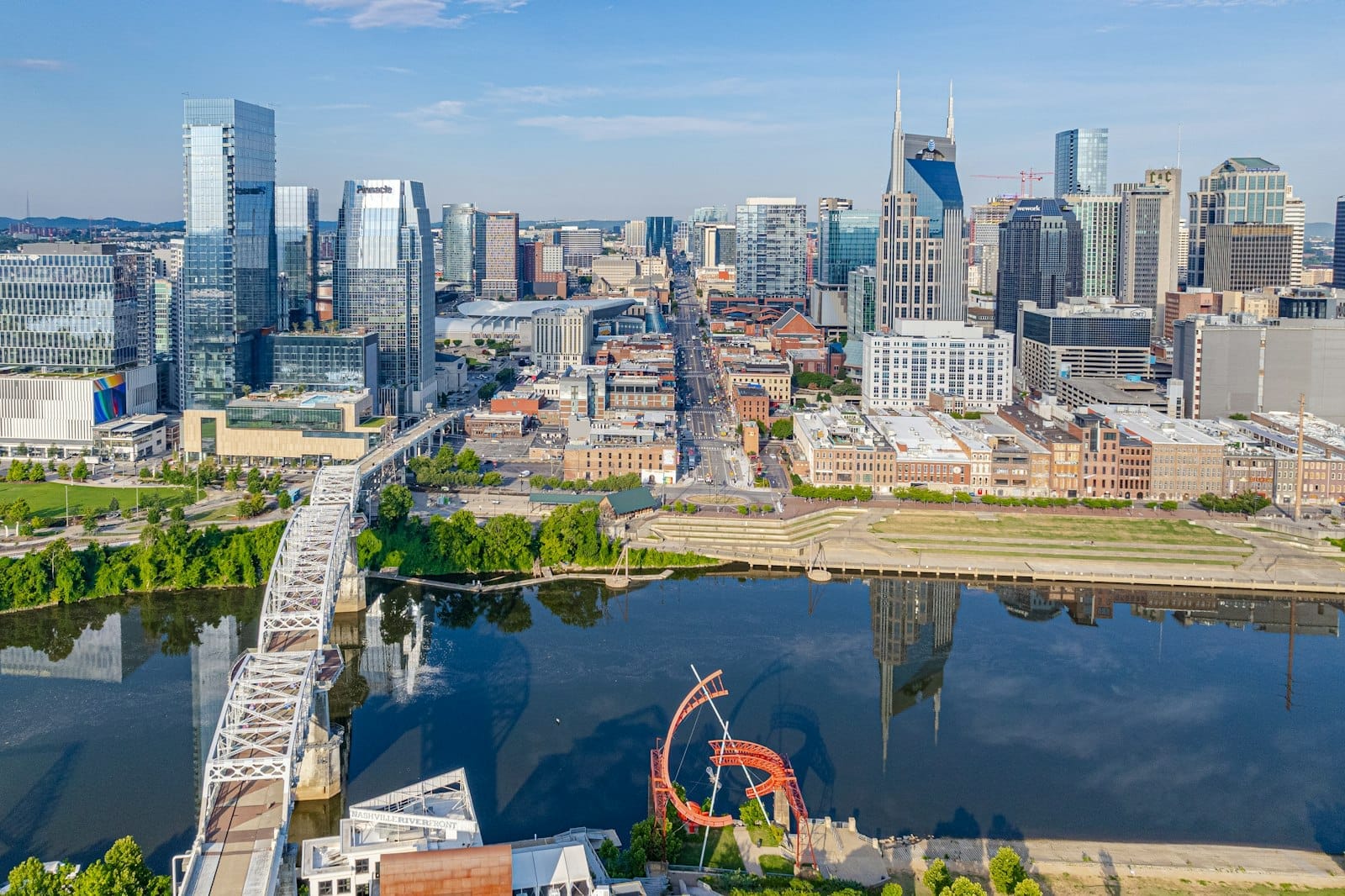
Nashville has a humid subtropical climate (Köppen Cfa), which means four genuinely distinct seasons but few extremes that should deter travel. The city sits at roughly 597 feet above sea level in north-central Tennessee along the Cumberland River, and temperatures track accordingly. Winters are cool to mild rather than brutal. Summers are legitimately hot and sticky. Spring and fall are where Nashville earns its reputation as a year-round destination.
Precipitation is spread fairly evenly across the year, with slightly wetter conditions from late winter through spring (February to May). There is no distinct dry season, so a light rain jacket is always worth packing. Thunderstorms are common in spring and summer but rarely last all day. Snow is possible in January and February but uncommon and usually light.
- Winter (December to February) Average highs around 48-52°F (9-11°C), lows near 30-33°F (-1 to 1°C). Occasional snow possible, but periods of mild weather are common.
- Spring (March to May) Highs climb from 61°F in March to around 79°F (26°C) by May. Rain is frequent, especially in late February through April. Flowers and greenery peak in April.
- Summer (June to August) Highs consistently hit 87-90°F (31-32°C) with humidity that makes it feel hotter. Evenings stay warm, around 67-70°F (19-21°C).
- Fall (September to November) Highs drop from around 82°F (28°C) in September to 61°F (16°C) in November. Lower humidity than summer and genuinely comfortable conditions through mid-October.
ℹ️ Good to know
Nashville is on Central Time (CST, UTC-6 in winter; CDT, UTC-5 in summer). This applies to all event schedules, flights out of Nashville International Airport (BNA), and show times at venues like the Grand Ole Opry. If you're coming from the East Coast, remember Nashville runs one hour behind.
Spring (March to May): The Strongest All-Around Window
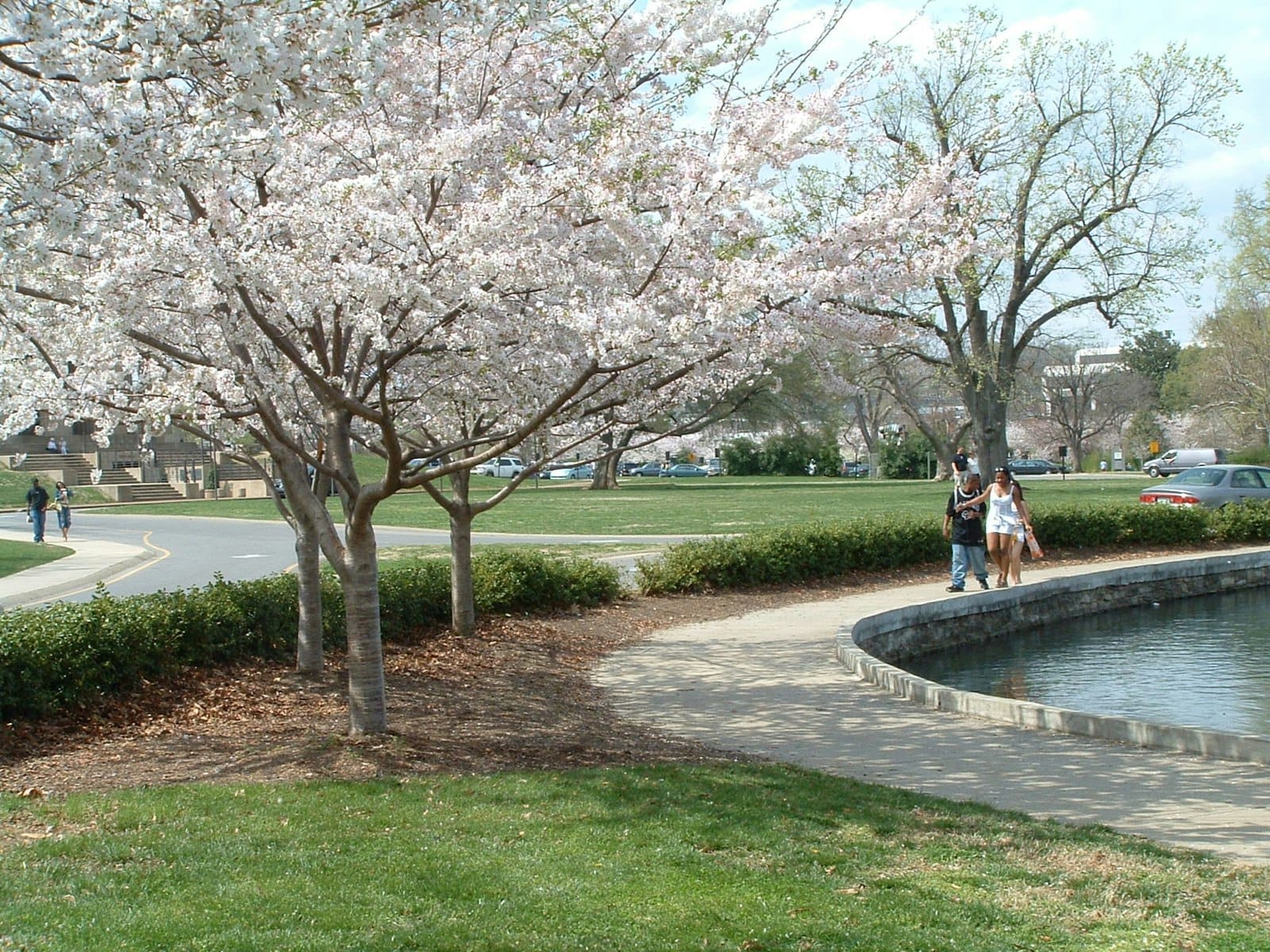
April and May are widely considered the best time to visit Nashville for most travelers, and the reasoning is straightforward. Temperatures are comfortable without being demanding, outdoor spaces like Centennial Park and Shelby Bottoms Greenway are at their most pleasant, and the city's event calendar fills up without the crowd density of peak summer. Hotel rates are moderate, sitting between the winter lows and summer highs.
March is a transitional month: expect variability, including cool mornings and occasional heavy rain. By April, conditions stabilize. If outdoor activities are a priority, the hiking trails near Nashville are genuinely beautiful in April and May before summer heat sets in. Radnor Lake State Park and Percy Warner Park are especially good during this window.
⚠️ What to skip
Spring in Nashville also means tornado season. Middle Tennessee sees tornado activity from March through May, with April being the most active month historically. Keep a weather alert app active on your phone during spring visits — conditions can change quickly.
Spring is also when Nashville's broader cultural calendar kicks into gear. Check listings at venues like the Ryman Auditorium and Bluebird Cafe well in advance, as good shows sell out weeks ahead. The Bluebird is a listening room with a strict no-talking culture during performances — it rewards those who understand the format, but is not the right choice for a lively group night out.
Summer (June to August): Events and Energy, With Trade-Offs

Summer is Nashville's highest-traffic season, and with good reason. The city's biggest annual event, CMA Fest, runs for four days in early June and draws tens of thousands of country music fans each year to downtown venues and Nissan Stadium. If CMA Fest is the reason you're coming, book accommodation three to six months in advance — rates spike sharply and availability near downtown disappears fast.
Beyond CMA Fest, the Fourth of July brings the Let Freedom Sing! celebration downtown with fireworks and live music, adding to summer demand. If you want the full summer event experience without the absolute peak of CMA week, late June or mid-July can be a reasonable compromise. For a detailed breakdown of festival planning, our CMA Fest planning guide covers ticketing, venue logistics, and accommodation strategy.
The honest trade-off is the weather. Temperatures regularly exceed 90°F with high humidity from late June through August, making extended outdoor time genuinely uncomfortable in the middle of the day. The Broadway honky-tonk strip is mostly indoors and air-conditioned, so an evening out there is fine regardless of the heat. But touring outdoor sites like Fort Negley, the Bicentennial Capitol Mall, or Percy Priest Lake requires early morning starts or late afternoon timing.
💡 Local tip
During summer, plan outdoor sightseeing before 10am or after 5pm. The midday hours (11am to 4pm) in July and August can be draining, especially if you're walking the areas around downtown or Music Row. Most major attractions are air-conditioned, so building those into your midday schedule makes logistical sense.
Fall (September to October): The Underrated Peak
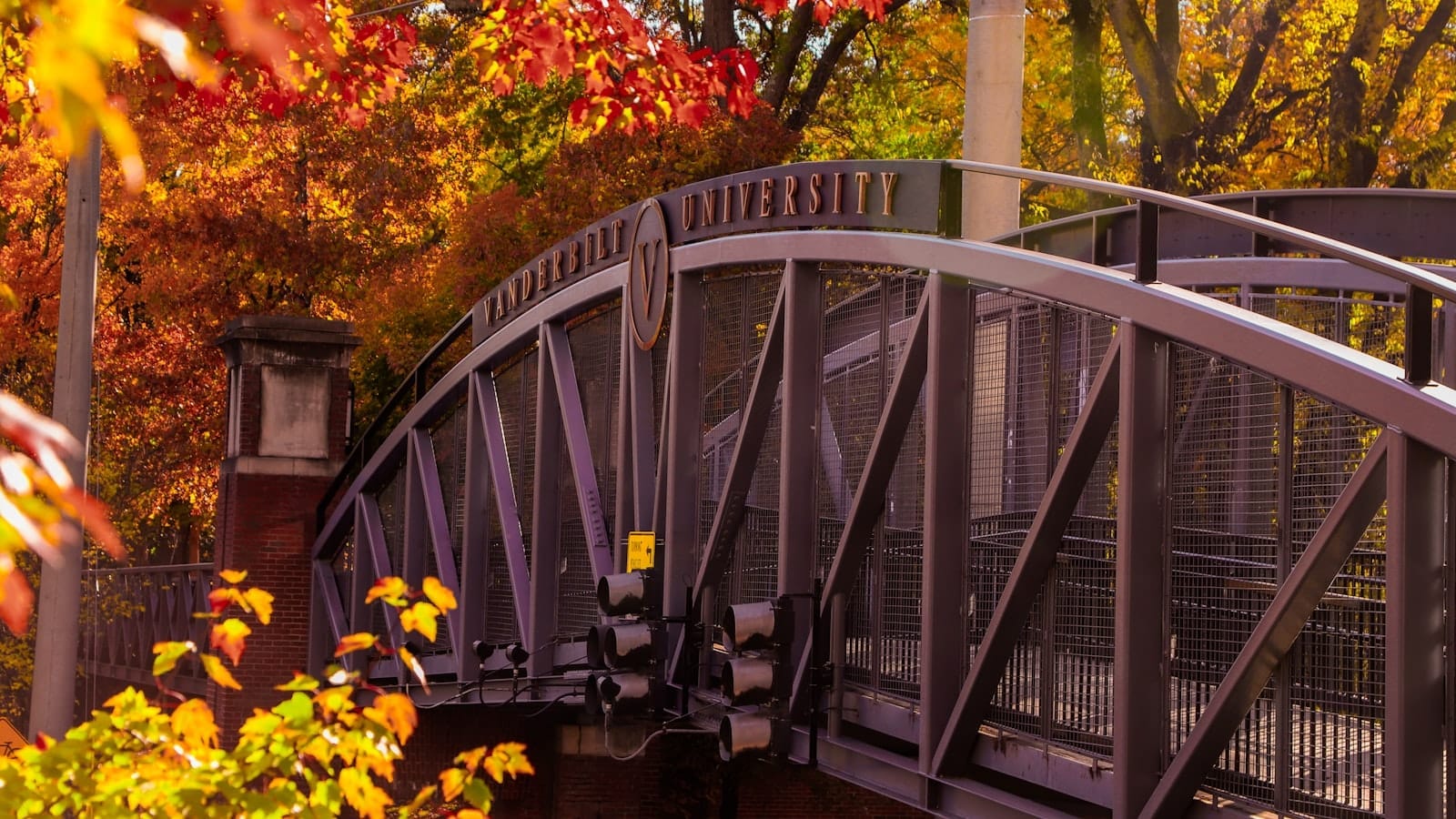
September and October are, arguably, when Nashville is at its most livable. Humidity drops noticeably after Labor Day, highs settle into the 70s and low 80s Fahrenheit, and the crowds that defined summer thin out. Hotel rates begin to ease, though October can tick back up with fall tourism and convention activity.
Fall foliage in Middle Tennessee peaks roughly in mid to late October, making this a good time to combine the city with a day trip. The Natchez Trace Parkway southwest of the city is one of the most scenic drives in the region during this window, and Leiper's Fork, about 28 miles out, offers fall color with a genuinely low-key atmosphere. Our day trips from Nashville guide has more options for fall exploration.
November is worth considering for budget-focused travelers. Crowds are noticeably lower than October, temperatures are still mild through the first half of the month, and you can find solid hotel deals. The trade-off is shorter daylight hours and the chance of a cold snap from mid-November onward. By Thanksgiving week, the city transitions into its holiday programming.
Winter (November to February): Budget Season and a Different Side of Nashville
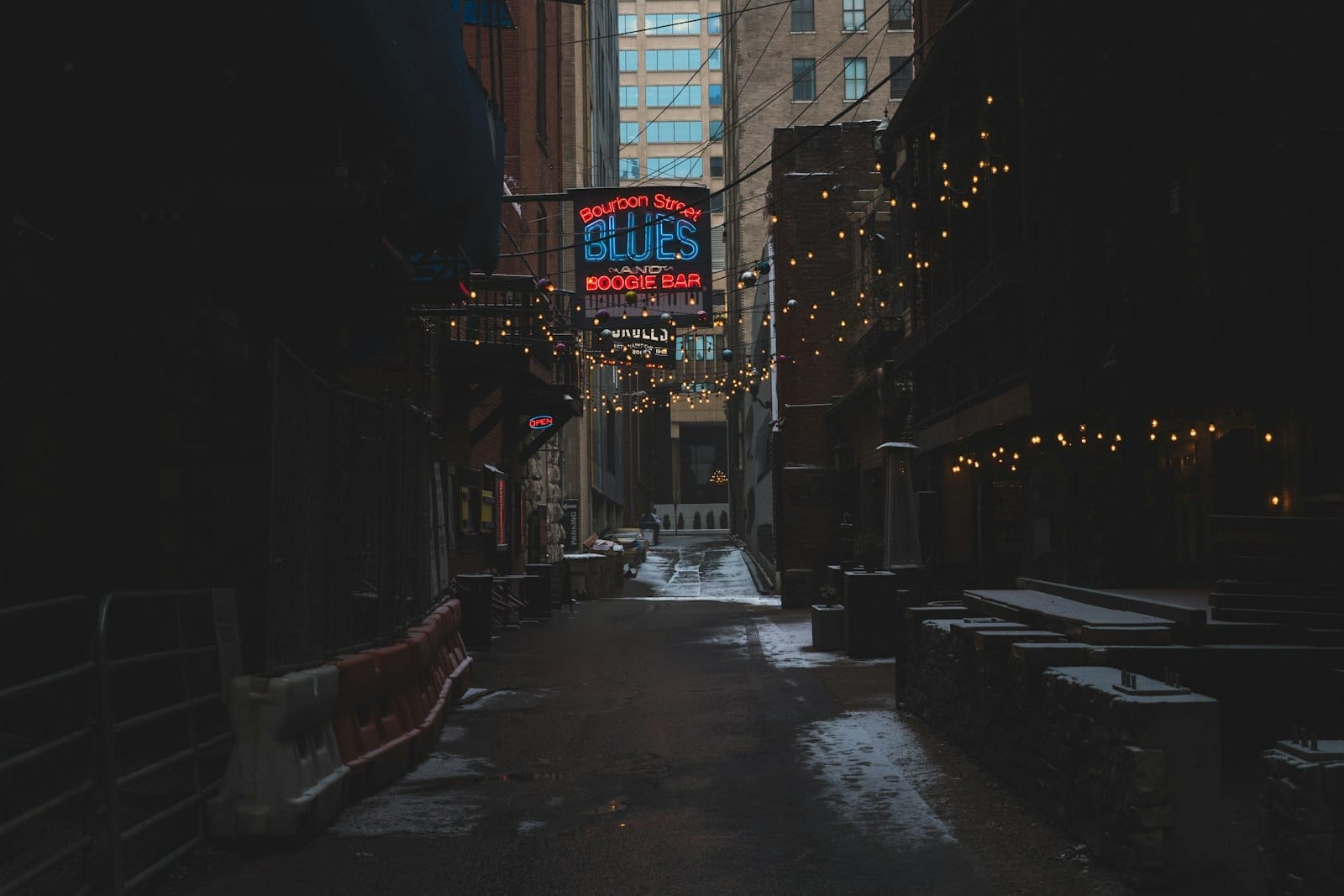
Winter gets undersold as a Nashville travel window. January and February are the least busy months for tourism, and hotel rates reflect that. The music scene does not go anywhere in winter: the honky-tonks on Broadway run seven nights a week regardless of temperature, and the Ryman Auditorium, Country Music Hall of Fame, and Johnny Cash Museum are open year-round (with occasional holiday closures).
The late November to December period has its own appeal. Gaylord Opryland Resort runs a major Christmas lighting and event program called A Country Christmas, drawing visitors specifically for that experience. The broader downtown area puts up holiday decorations, and there are seasonal events at venues across the city. If you're traveling with family, our guide to Nashville in December breaks down what to expect during the holiday stretch.
The realistic downside of winter is that a cold snap can arrive with little notice, and temperatures below freezing are not unusual in January. Nashville does not have significant winter infrastructure for ice or snow, meaning a rare winter storm can disrupt transportation briefly. That said, most years the weather is simply cool rather than severely cold, and outdoor walking tours remain viable on clear days.
- January and February: lowest hotel rates of the year, minimal crowds, full music venue schedule
- December: holiday programming adds activity, but prices creep up around Christmas and New Year's
- Snow is possible but rare — a few light events totaling just a few inches per year is typical, not a reliable feature of winter visits
- Winter daylight is short: sunset around 5pm in December, so plan evening activities accordingly
- The Nashville Farmers Market and indoor cultural venues like the Frist Art Museum run year-round and are especially useful when weather is cold
Month-by-Month Snapshot: When to Go Based on Your Priorities
The best time to visit Nashville is not a single answer — it depends on what you want to get out of the trip. Here is a practical breakdown for different travel priorities.
- Best for weather: April, May, October Mild temperatures, low humidity, and manageable rainfall. These months hit the sweet spot for comfortable outdoor exploration and walking tours.
- Best for major events: June (CMA Fest), July 4th weekend Peak energy in the city but also peak prices. Book accommodation and event tickets months ahead.
- Best for budget travel: January, February, early March Lowest hotel rates, minimal crowds, full entertainment calendar. Cold but rarely severe.
- Best for families: April, May, October Comfortable weather for outdoor activities, good availability at family-friendly sites, and school holiday patterns make spring break and fall weekends popular.
- Best for live music without crowds: January to February, November The music scene is always on, but smaller crowds mean you can actually get into venues like the Station Inn or 3rd and Lindsley without competing for space.
Practical Planning: What to Know Before You Book
Nashville International Airport (BNA) is the main gateway, located about 8–9 miles southeast of downtown. It serves year-round domestic flights, with international connections primarily through hubs. Getting downtown takes roughly 20-30 minutes by rideshare (Uber and Lyft both operate here), or you can take WeGo Public Transit Route 18 to Music City Central for a fraction of the cost. For a complete logistics breakdown, see our guide to getting around Nashville.
Where you stay shapes the experience significantly. Downtown and the Gulch put you within walking distance of Broadway and the main honky-tonk strip, while East Nashville and Germantown offer a quieter base with local restaurants and bars. Our Nashville accommodation guide covers the trade-offs by neighborhood and budget level.
Tennessee has no state income tax on wages, but does levy sales tax and local hotel occupancy taxes, and hotel occupancy taxes in Nashville add up — budget travelers should factor that into accommodation costs. The currency is US dollars (USD). Nashville runs on Central Time (CST in winter, CDT in summer), one hour behind the East Coast. Standard US power outlets are 120V, Type A and B — international visitors from Europe, Australia, or Asia will need a plug adapter.
✨ Pro tip
If your priority is live music over weather, Nashville genuinely delivers year-round. The Country Music Hall of Fame, Ryman Auditorium, and Broadway's honky-tonks operate on full schedules in every season. Visiting in January means you can walk into venues that would have a 45-minute line in June, often catch the same quality of performers, and pay significantly less for your hotel room.
FAQ
Is Nashville on Central Time?
Yes. Nashville operates on Central Time: Central Standard Time (CST, UTC-6) in winter and Central Daylight Time (CDT, UTC-5) during daylight saving months, typically from mid-March to early November. All event schedules, venue showtimes, and flight times at BNA use Central Time.
What is the best time of year to visit Nashville for good weather?
April, May, and October offer the most comfortable conditions. Average highs in these months run between 65-79°F (18-26°C) with lower humidity than summer and less rain than early spring. These months also avoid the extreme heat of July and August and the cold of January and February.
How far in advance should I book for CMA Fest?
CMA Fest typically runs in early June and is one of the largest country music events in the world. Book accommodation three to six months in advance if you want to stay downtown or in the Gulch. Festival tickets often go on sale in the fall for the following June. Last-minute bookings near downtown during CMA week are either extremely expensive or unavailable.
Is Nashville worth visiting in winter?
Yes, particularly for budget travelers and live music fans. January and February have the lowest hotel rates and smallest crowds of the year. The full music venue schedule continues regardless of season — honky-tonks on Broadway, the Ryman, smaller clubs in East Nashville. Winters are cool rather than harsh, though temperatures can dip below freezing, especially in January.
What major events should I plan around when visiting Nashville?
Key events that affect crowds and prices: CMA Fest (early June), Fourth of July Let Freedom Sing! celebration (July 4th weekend), NFL Titans home games at Nissan Stadium (September to January), and Gaylord Opryland's A Country Christmas (late November through December). Major conventions at the Music City Center also drive hotel rates up on specific weekends throughout the year — check the convention calendar if you're sensitive to pricing.
Tickets & tours
Live prices and dates from our booking partner. If you book, we may earn a commission at no extra cost to you.
Planning a trip? Discover personalized activities with the Nomado app.