Things to Do in Nashville, TN: The Definitive Local Guide
Nashville is far more than a country music backdrop. This guide covers the best things to do in Nashville across music, history, outdoors, and food — with honest takes on what's worth your time, what to skip, and how to plan around crowds and seasons.
Tickets & tours
Live prices and dates from our booking partner. If you book, we may earn a commission at no extra cost to you.
TL;DR
- Nashville's top free attractions include the Tennessee State Museum (permanently free), Bicentennial Capitol Mall State Park, and Broadway honky-tonks with no cover charge.
- Music is the backbone of the city, but the scene goes beyond Broadway — the Ryman Auditorium, Bluebird Cafe, and Station Inn are where serious music happens.
- April-May and September-October are the best months to visit: mild temperatures, manageable crowds, and most outdoor attractions at their best.
- If you have limited time, use the 2-day Nashville itinerary to cover the essentials without backtracking.
- Nashville is a walkable city in its core neighborhoods, but a car or rideshare is useful for Music Valley, East Nashville, and day trips.
Music: Beyond the Broadway Bro-Country Bars
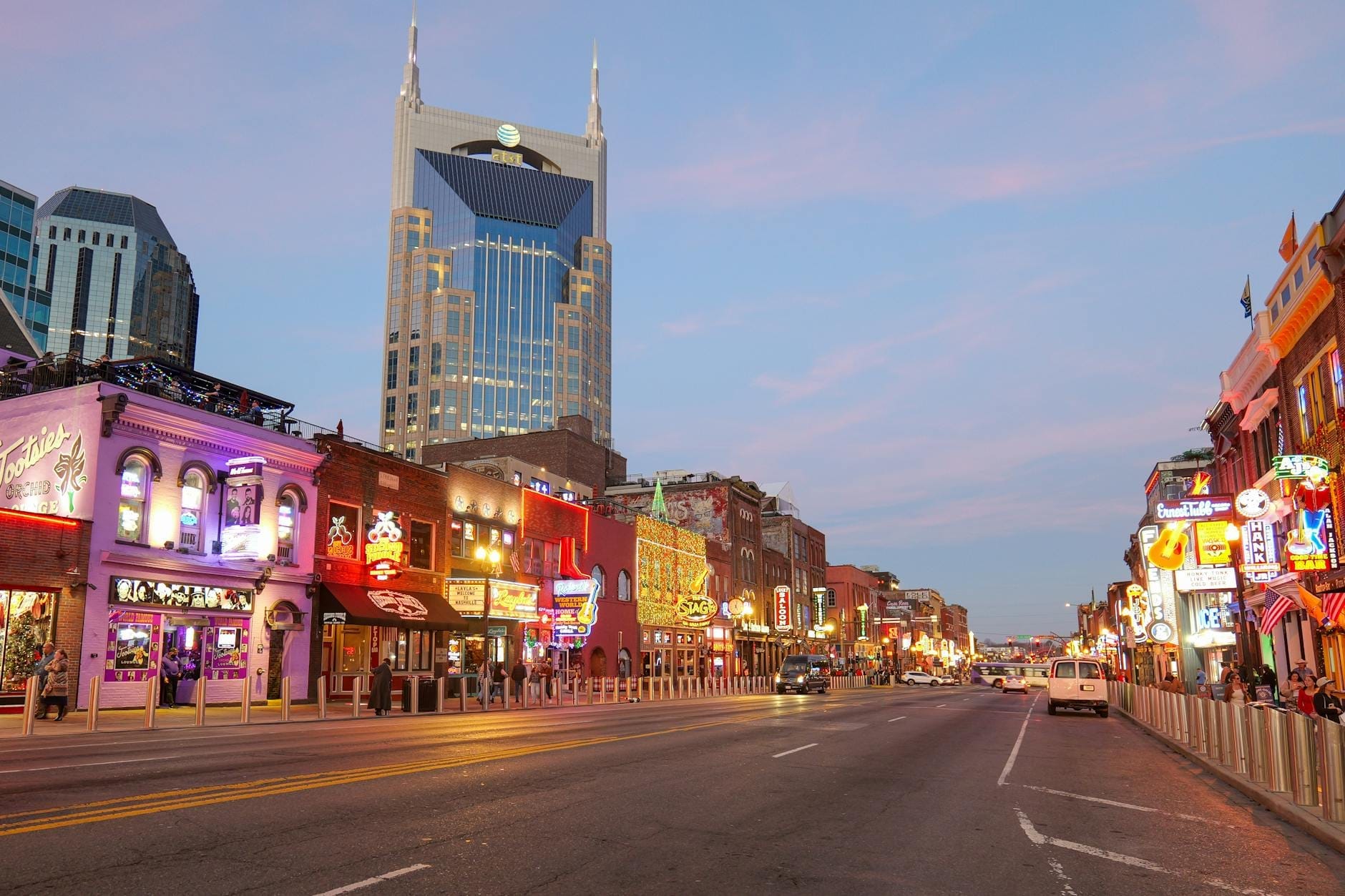
If the things to do in Nashville TN you're looking for center on music, the city delivers at every level of formality and every genre that grew out of American roots music. Most visitors head straight for Lower Broadway, the strip of neon-lit honky-tonks running from 1st to 5th Avenue. There's no cover charge at places like Tootsie's Orchid Lounge or Robert's Western World — the bars make their money on drinks. Robert's, in particular, is consistently regarded as the most authentic honky-tonk on the strip, with a house band that plays classic country rather than chart-pop covers.
That said, Broadway on a Friday or Saturday night is loud, packed, and designed for bachelorette parties and first-timers. If that's not your scene, Nashville's real music culture lives elsewhere. The Bluebird Cafe in Green Hills is a 90-seat listening room where professional songwriters perform the hits they wrote for major artists — it's a genuinely rare experience and seats sell out fast, so book weeks in advance. The Station Inn in the Gulch is the city's premier bluegrass venue, a no-frills room that books serious players. Neither of these places is glamorous, and that's the point.
✨ Pro tip
The Bluebird Cafe releases tickets online at 8 a.m. Central Time, usually about 30 days before a show. Sunday writers-in-the-round nights are generally free but first-come, first-served — arrive well before showtime.
For a deeper understanding of how Nashville became Music City, the Country Music Hall of Fame is the most comprehensive music museum in the city, with rotating exhibits, artifact archives, and studios where you can see original instruments and session notes. Adults pay around $30; the permanent collection alone justifies the price. Pair it with a tour of Historic RCA Studio B on Music Row — the room where Elvis, Dolly Parton, and Chet Atkins recorded — which is only accessible via guided tour booked through the Hall of Fame.
The Ryman Auditorium is worth visiting even if you don't catch a show. The self-guided daytime tour (around $36 including taxes and fees; verify at ryman.com) walks you through the history of the Mother Church of Country Music, and the acoustics of the room are apparent even when it's empty. Evening concerts here are among the best live music experiences in the American South — the sightlines are excellent from almost every seat and the venue cap keeps the crowd intimate.
Free and Low-Cost Things to Do in Nashville
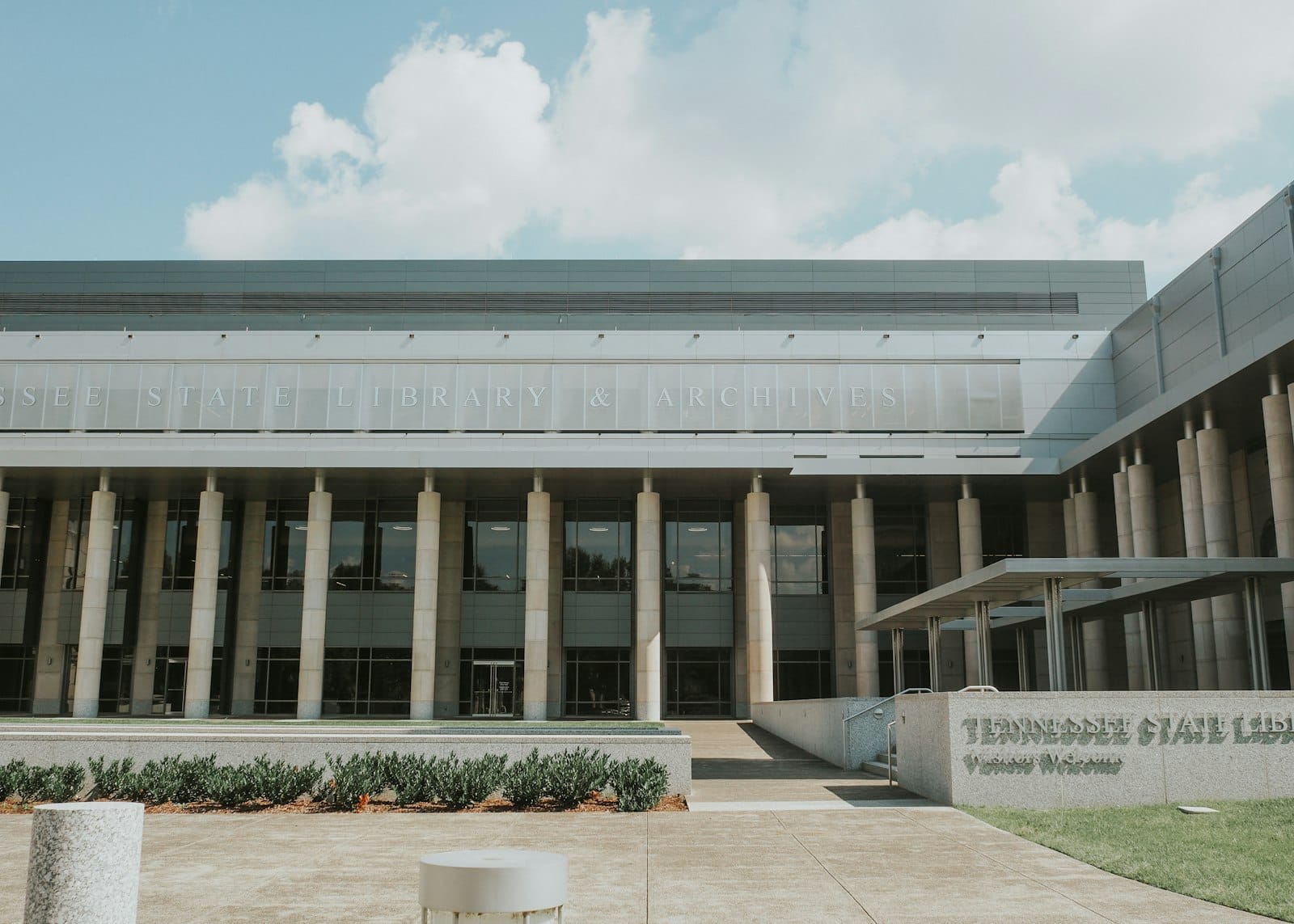
Nashville is more generous with free admission than most comparable cities. The Tennessee State Museum, located just north of the capitol on Rosa L. Parks Boulevard, is permanently free and covers the state's history from prehistoric times through the 20th century. The exhibits on the Civil War and the civil rights movement are substantive and well-sourced. It's open Tuesday through Saturday 10 a.m. to 5 p.m. and Sunday 1 to 6 p.m. — plan for at least two hours.
- Bicentennial Capitol Mall State Park A 19-acre outdoor park directly behind the Tennessee State Capitol featuring a 200-foot granite map of the state, a timeline of Tennessee history carved into the walls, and a World War II memorial. Free, open daily 6 a.m. to 10 p.m. Combine with a visit to the State Museum next door.
- Nashville Farmers Market Operating since 1801 in various forms, the current market near the capitol is open daily 8 a.m. to 6 p.m. with a produce hall, prepared food vendors, and artisan stalls. Free to enter; free parking on site. Best visited Saturday mornings when the outdoor farmers section is fully stocked.
- Centennial Park and the Parthenon The park is free and open dawn to 11 p.m. The full-scale Parthenon replica is one of Nashville's most recognizable landmarks; interior museum admission runs around $15 for adults (verify at nashvilleparthenon.com). The park itself is ideal for a morning walk and is quieter on weekday mornings.
- Shelby Bottoms Greenway Over 10 miles of paved and natural surface trails along the Cumberland River in East Nashville. Free, open daily. Best for cycling, running, and wildlife watching — great blue herons and bald eagles have been spotted here.
- Nashville Flea Market at The Fairgrounds Operates the fourth weekend of every month (third weekend in December). Free admission. Vendors sell antiques, vintage clothing, furniture, and food. Arrive early Saturday for the best finds before the crowds arrive.
ℹ️ Good to know
The Frist Art Museum is free for visitors 18 and under, making it one of the better options for families. Adult admission is $20. The building itself — a restored 1934 Art Deco post office — is worth seeing regardless of the current exhibition.
Nashville With Kids: What Actually Works

Things to do in Nashville with kids depend heavily on the ages you're working with. For younger children, the Adventure Science Center on the south side of downtown is the most consistently reliable pick. It has a full-dome planetarium, a climbing structure, interactive physics exhibits, and enough hands-on content to fill three to four hours. Admission runs $22 for adults and $18 for youth ages 2–12 (verify at adventuresci.org).
The Nashville Zoo at Grassmere is a solid half-day option for families with children under 12. It holds over 6,000 animals and has an above-average playground complex. Cheekwood Estate and Gardens works well for slightly older kids and adults alike — the 55-acre botanical garden has seasonal installations that hold attention without relying on screens. Garden-only tickets are around $22–24 for adults and $13–16 for youth 3 to 17.
For a kid-friendly introduction to the city's music history that doesn't require sitting still for two hours, the National Museum of African American Music in downtown Nashville covers gospel, blues, jazz, R&B, and hip-hop with interactive exhibits designed to engage younger visitors. It's a genuinely important museum and one of the most undervisited major attractions in the city. Admission is around $33–35 for adults (verify at nmaam.org).
History, Art, and Things to Do Beyond the Music
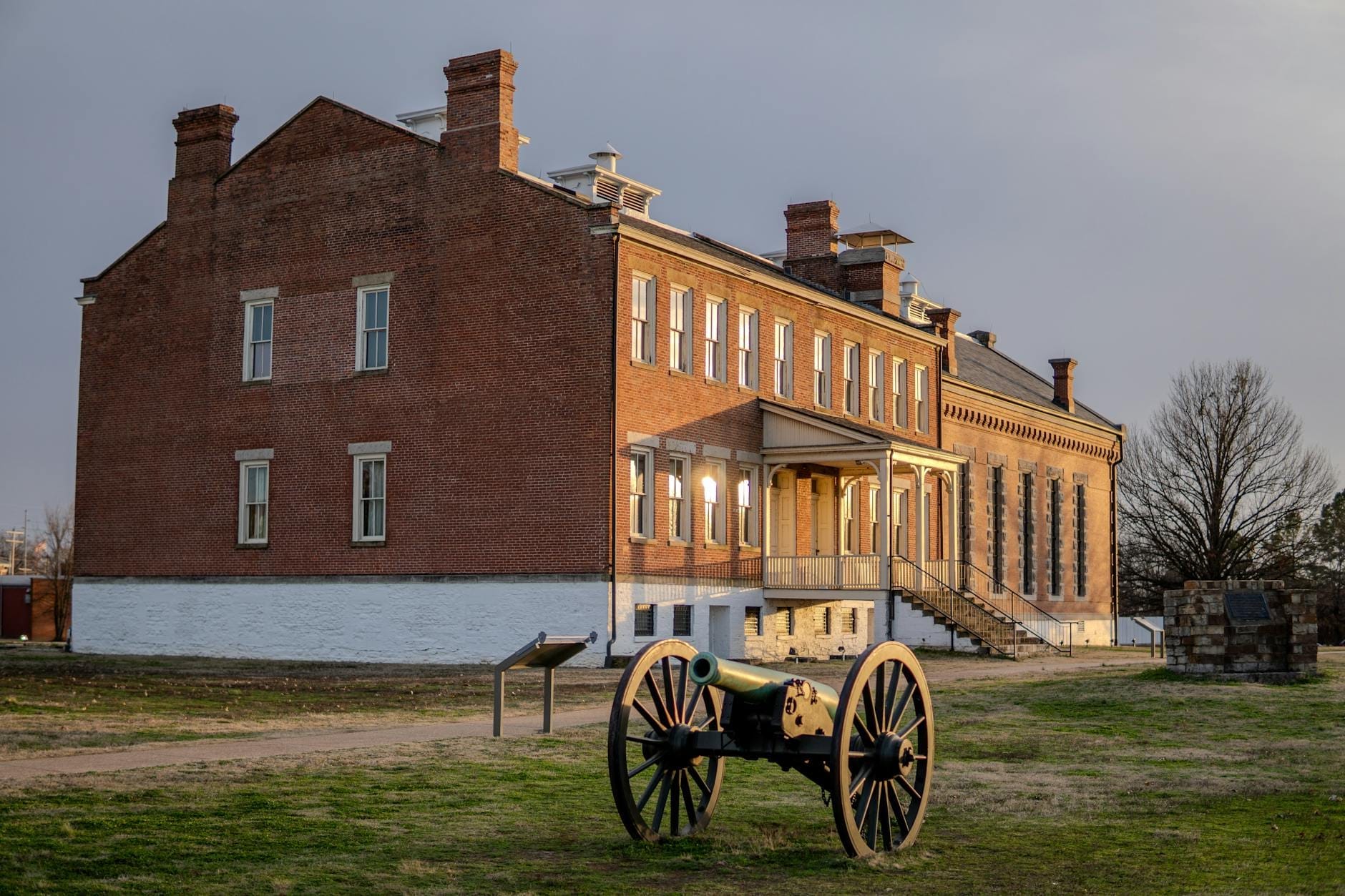
Nashville holds a significant and often underappreciated Civil War history. Fort Negley, the largest inland Union fort constructed during the war, sits on a hill in south Nashville and offers free admission to the grounds. The Stones River National Battlefield in nearby Murfreesboro (about 35 miles southeast) is one of the best-preserved Civil War sites in the country and requires a half-day to do properly.
The Hermitage, about 12 miles east of downtown, is the former plantation of President Andrew Jackson and one of the most intact early-19th-century presidential homes in the United States. It's a complicated site that addresses Jackson's legacy honestly, including the enslaved people who worked the land. Admission is around $32–37 for adults. If you want more context before visiting, the Nashville Civil War history guide covers the major sites in detail.
For contemporary art, the Frist Art Museum is Nashville's primary fine art venue and draws major traveling exhibitions. The building, a converted 1934 Art Deco post office, is architecturally noteworthy on its own. Admission is $20 for adults; free for those 18 and under, making it a practical choice for mixed-age groups.
⚠️ What to skip
The Johnny Cash Museum, while popular, is small for the roughly $28 adult admission price — most visitors spend under 45 minutes inside. It's worth it for dedicated Cash fans but not essential for general visitors with limited time or budget.
Outdoors, Neighborhoods, and Getting Off the Tourist Circuit
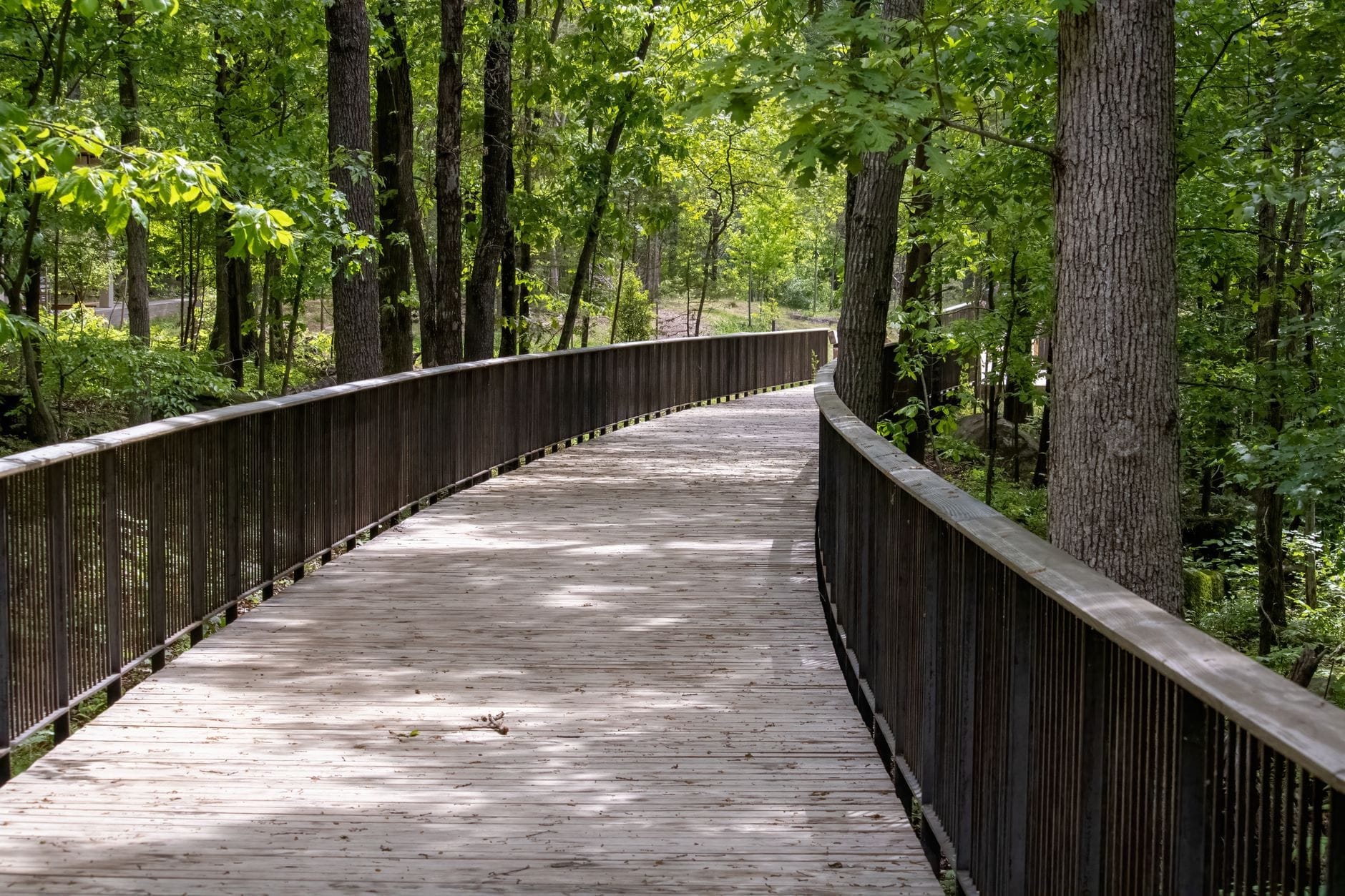
Nashville's outdoor options are underrated. Radnor Lake State Park, about 8 miles south of downtown, is a protected natural area with trails ranging from flat lakeside walks to moderate ridgeline hikes. It's free to enter and consistently ranks among the most-visited state natural areas in Tennessee. Percy Warner Park in Belle Meade, together with adjacent Edwin Warner Park, offers roughly 3,100 acres with equestrian trails, paved loops, and a steeplechase course. For longer hikes and waterfalls within a 90-minute drive, check the guide to hiking near Nashville.
For neighborhood exploration, East Nashville is the most interesting area for independent restaurants, vintage shops, and locally owned bars. Five Points is the commercial heart of the neighborhood — the contrast with Lower Broadway is stark. Germantown just north of downtown has some of Nashville's best restaurants in a well-preserved 19th-century streetscape. Neither neighborhood requires much planning — they reward wandering.
- Third Man Records (The Gulch) Jack White's record label, pressing plant, and retail shop. You can buy vinyl, listen to releases in a listening booth, and browse the archive. Free to enter the store; pressing plant tours available for a fee. One of the genuinely unique things to do in Nashville for music obsessives of any genre.
- Hatch Show Print A working letterpress print shop that has been producing concert posters since 1879. Located in the Hall of Fame building; guided tours run around $20 and show the active production floor. The retail shop is free to browse.
- Percy Priest Lake A 14,000-acre reservoir about 10 miles southeast of downtown managed by the Army Corps of Engineers. Swimming, kayaking, and paddleboarding access at multiple free public access points. Best in summer; gets crowded on holiday weekends.
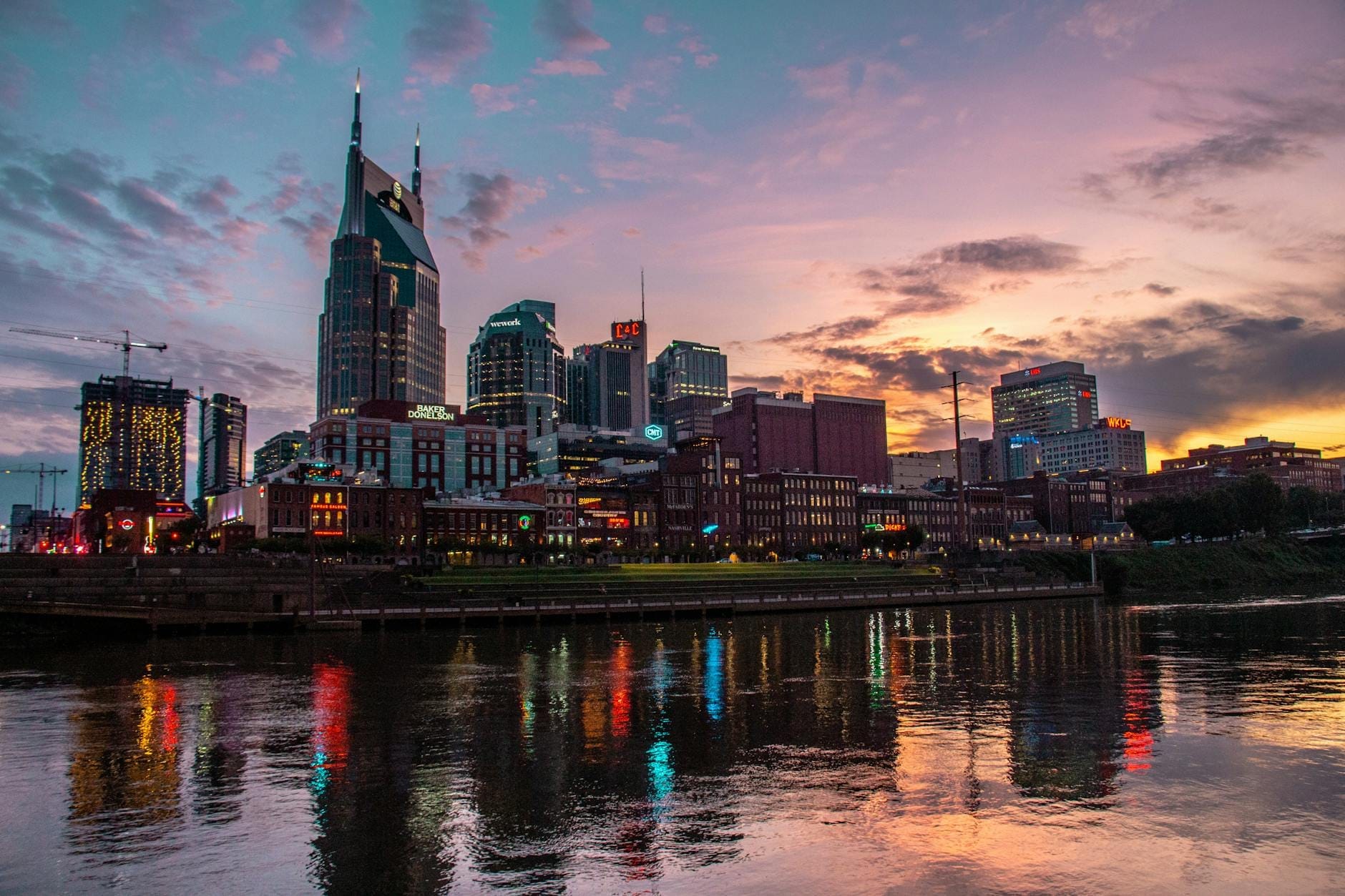
- John Seigenthaler Pedestrian Bridge A 3,150-foot former rail bridge converted to a pedestrian and cycling path over the Cumberland River. Free, open at all hours. Offers some of the best unobstructed views of the downtown skyline, especially at sunset.
Practical Planning: Timing, Transport, and Budgeting
Nashville sits in the Central Time Zone (CST, UTC-6; CDT, UTC-5 in summer) and has a humid subtropical climate. Summers are genuinely hot and humid, with average highs around 89°F (32°C) in July and 88°F (31°C) in August. Walking tours and outdoor attractions are much more comfortable in April-May and September-October, when highs are in the 60s and 70s°F (around 18-26°C). December through February can bring occasional ice storms that disrupt transport, though snow is infrequent.
Nashville International Airport (BNA) is about 8 miles southeast of downtown. WeGo Public Transit Route 18 connects the airport to downtown's Music City Central terminal for a low flat fare — check current pricing at wegotransit.com. Rideshares (Uber and Lyft) both operate designated pickup zones at the Ground Transportation Center; expect roughly $20-30 to downtown depending on demand, though surge pricing applies during major events. For getting around once you're in the city, the complete guide to getting around Nashville covers all transport options in detail.
Nashville has no metro system. The urban core — downtown, the Gulch, Germantown, and SoBro — is walkable. East Nashville requires a short rideshare or bike. Music Valley (the Opry area) and suburban attractions like Cheekwood or The Hermitage need a car or rideshare. Budget travelers should note that the free things to do in Nashville genuinely stack up — a full day of the Bicentennial Mall, Tennessee State Museum, Lower Broadway honky-tonks, and the Farmers Market costs nothing in admission.
💡 Local tip
CMA Fest in June and major events at Nissan Stadium and Bridgestone Arena drive hotel rates sharply higher and make Broadway nearly impassable on weekend nights. If you're visiting primarily for non-music reasons, avoid these dates. Check the Visit Music City events calendar before booking accommodation.
FAQ
What are the best free things to do in Nashville?
The Tennessee State Museum is permanently free and covers state history comprehensively. Bicentennial Capitol Mall State Park, Centennial Park, Shelby Bottoms Greenway, and the walking trails at Radnor Lake State Park are all free. Broadway honky-tonks have no cover charge — you pay for drinks, not entry. The Nashville Flea Market (fourth weekend monthly) is also free to attend.
What is there to do in Nashville this weekend?
Check the Visit Music City events calendar at visitmusiccity.com for current concerts, festivals, and events. Most weekends, the Grand Ole Opry runs at least one show on Friday and Saturday nights — book in advance. The Ryman Auditorium, Third Man Records, and Lower Broadway are accessible without planning. Farmers Market runs daily, and Shelby Bottoms Greenway is ideal for a Saturday morning.
What is there to do in downtown Nashville specifically?
Downtown Nashville concentrates the highest density of attractions: the Country Music Hall of Fame, Ryman Auditorium, National Museum of African American Music, Frist Art Museum, Johnny Cash Museum, and Lower Broadway honky-tonks are all within walking distance of each other. The John Seigenthaler Pedestrian Bridge and Riverfront Park are also downtown and free.
Is Nashville worth visiting if you're not a country music fan?
Yes. Nashville has strong art museums (Frist), science museums (Adventure Science Center), significant Civil War and civil rights history, excellent restaurants in Germantown and East Nashville, two major outdoor parks (Percy Warner, Radnor Lake), and one of the best vinyl and letterpress scenes in the country (Third Man Records, Hatch Show Print). The music scene itself extends well beyond country into bluegrass, Americana, R&B, and gospel.
When is the best time to visit Nashville?
April through May and September through October offer the most comfortable weather for walking and outdoor activities, with average highs in the 60s-70s°F (about 18-26°C). These shoulder seasons also have fewer bachelorette-party crowds than peak summer. Avoid early June if you dislike large crowds, as CMA Fest brings tens of thousands of visitors to the city. December can be quiet and affordable, but winter weather is unpredictable.
Tickets & tours
Live prices and dates from our booking partner. If you book, we may earn a commission at no extra cost to you.
Planning a trip? Discover personalized activities with the Nomado app.