Getting Around Nashville: Every Transport Option Explained
Nashville is a car-friendly city with limited public transit, but visitors have more options than they might expect. This guide covers everything from arriving at BNA to navigating neighborhoods by bus, bike, rideshare, or on foot, with honest advice on what actually works.
Tickets & tours
Live prices and dates from our booking partner. If you book, we may earn a commission at no extra cost to you.
TL;DR
- Nashville International Airport (BNA, airport code BNA) sits about 8 miles southeast of downtown; Uber/Lyft, taxis, WeGo Route 18, and hotel shuttles all connect it to the city center.
- Nashville is car-oriented by design. Public transit exists but won't cover every neighborhood conveniently.
- WeGo Public Transit operates around 26 local bus routes; adult fares start at $2 for a two-hour pass. The WeGo Star commuter rail runs weekdays only and serves commuters, not tourists. Check the Nashville airport guide for full arrival details.
- Rideshare (Uber and Lyft) is the most practical option for most visitors, especially at night or between neighborhoods not served by frequent bus routes.
- Downtown Nashville is walkable if you're staying near Broadway, but areas like East Nashville, Music Row, and Opryland require wheels.
Arriving at Nashville International Airport (BNA)
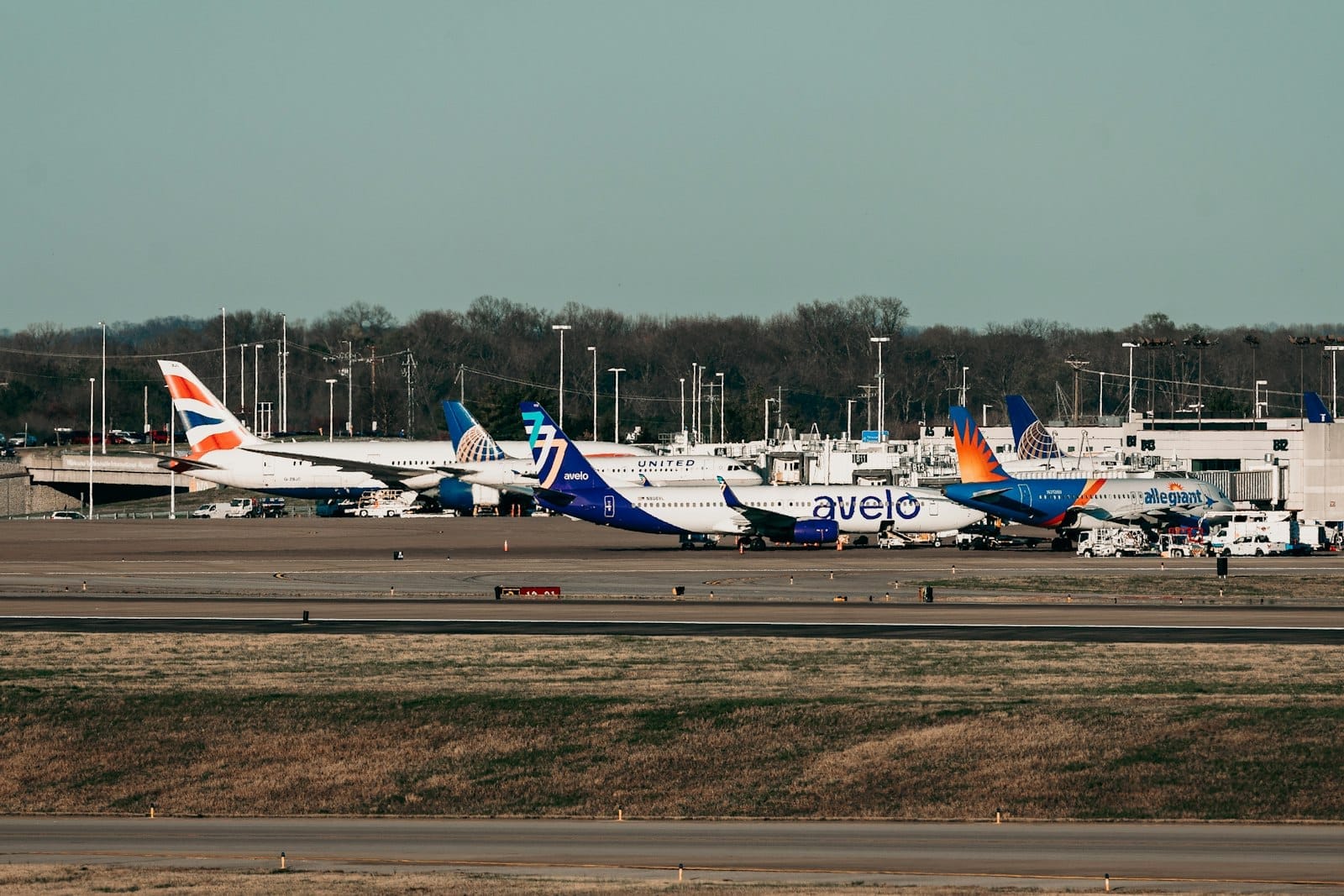
Nashville International Airport, IATA code BNA, is located roughly 8 miles (13 km) southeast of downtown, off Donelson Pike in Davidson County. For most visitors, it's a 15-25 minute drive to the city center in normal traffic, though rush hour on I-40 can stretch that to 45 minutes or more.
All ground transportation options depart from Level 1 of the terminal, known as the Ground Transportation Center. This is where you'll find designated rideshare pickup zones, the taxi queue, hotel shuttle stops, rental car counters, and the WeGo bus stop for Route 18. The airport layout is straightforward: follow signs from baggage claim directly to Level 1.
- Uber and Lyft Designated pickup areas are marked in the Ground Transportation Center. Fares to downtown typically run $20-35 depending on time of day and surge pricing. This is the fastest option after landing, but expect higher fares during peak hours, weekend nights, and major events like CMA Fest.
- Taxi (metered) Metered taxis queue at the Ground Transportation Center. Flat fares to specific zones, including downtown and the Gaylord Opryland area, are posted and enforced, making them predictable. Historically around $25-30 to downtown, but verify current rates on arrival.
- WeGo Route 18 (Airport Bus) The most affordable option. Route 18 connects BNA to Music City Central (the main downtown transit hub) and costs $2 for a two-hour pass. Journey time varies but expect 30-45 minutes with stops. Not ideal with heavy luggage, but perfectly fine for light packers.
- Hotel shuttles Many airport-area and downtown hotels run complimentary shuttles. Check with your hotel before booking other transport, especially if you're staying near Opryland or along the I-40 corridor.
- Rental cars All major rental companies operate at BNA. If you're planning to explore beyond downtown or do day trips, a rental car is worth serious consideration. Parking at Nashville hotels downtown typically runs $25-45 per night, so factor that in.
⚠️ What to skip
Rideshare surge pricing at BNA can spike dramatically after late-night flight arrivals on Fridays and Saturdays, and during major events like CMA Fest or NFL games. If you land after 10 PM on a weekend, a taxi with a flat zone rate may actually be cheaper and more predictable than Uber or Lyft.
Public Transit: WeGo Buses and the WeGo Star
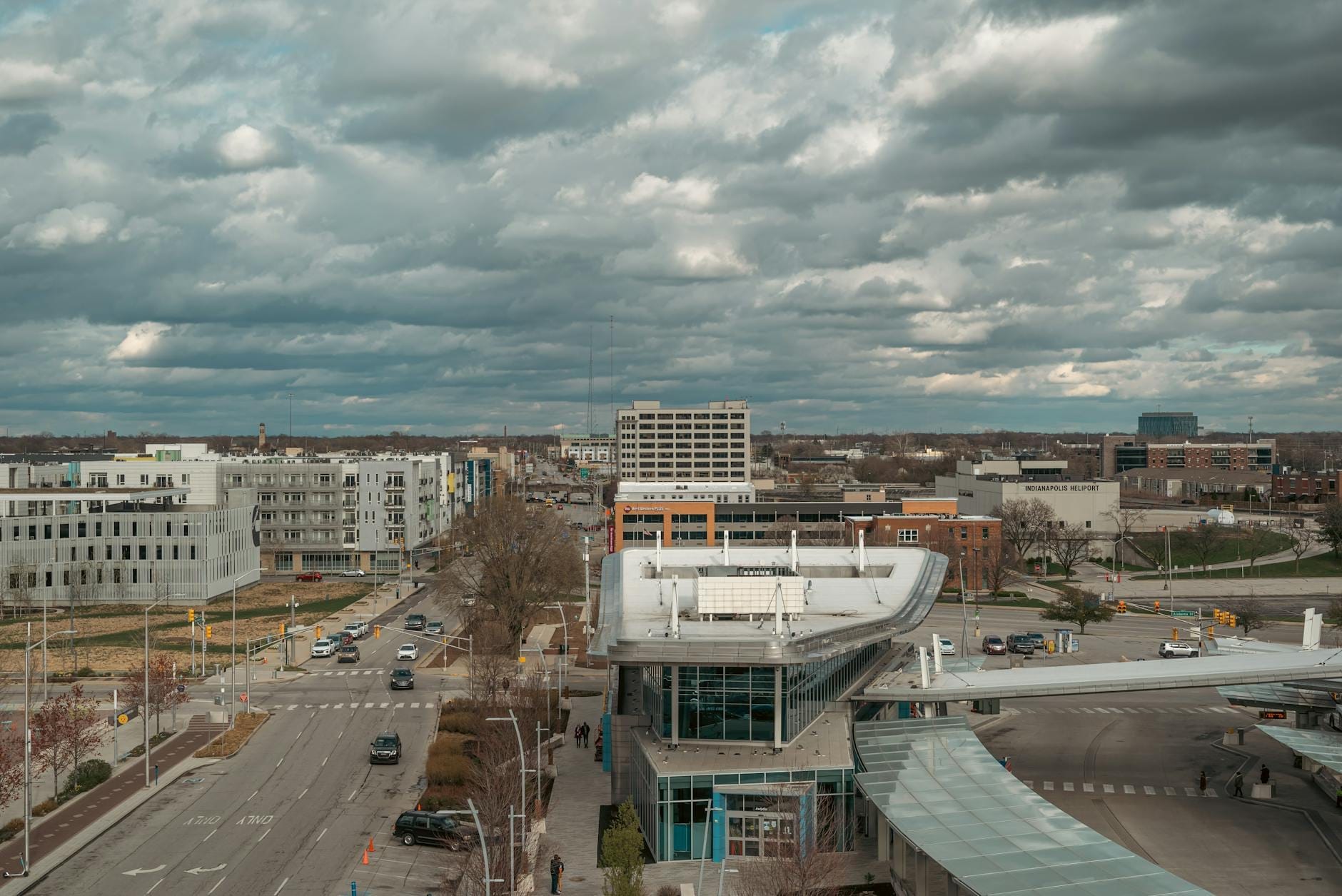
WeGo Public Transit, formerly Nashville MTA, is the city's bus network. It operates around 27 local routes and 9 regional routes across Davidson County and into surrounding areas. The hub is WeGo Central, a transit center next to the Municipal Auditorium in downtown Nashville. If you're staying downtown and need to reach a mid-range destination during daylight hours, buses can work. If you need to move between neighborhoods at night or on a tight schedule, they often won't.
Current WeGo fare structure: a local ride costs $2, an all-day pass is $4, a 7-day pass is $20, and a 31-day pass runs $65. Regional routes are priced higher, starting around $4.25 per ride. Youth under 19 and seniors 65 and over qualify for reduced fares; children 4 and under ride free. WeGo's mobile app supports trip planning and digital ticketing.
ℹ️ Good to know
The WeGo Star commuter rail runs from Riverfront Station in downtown Nashville east to Lebanon, Tennessee, with six stops along the route. It operates weekdays only, with morning inbound trains roughly between 5:40 and 8:15 AM and afternoon outbound trains from around 3:20 to 5:40 PM. This line serves commuters, not tourists. Unless you happen to be visiting a suburb on the eastern corridor on a weekday, you won't use it.
The honest assessment: Nashville's public transit is limited compared to cities like Chicago, Washington D.C., or even Atlanta. There is no light rail and no metro subway system. Coverage in popular visitor areas like East Nashville, 12 South, and the Gulch is possible but infrequent. Multiple transit expansion proposals have stalled over the years. If buses are your primary plan, study the routes carefully before arrival and build in extra time.
Rideshare and Taxis: The Practical Reality

For most visitors, Uber and Lyft are the default answer to getting around Nashville. Both operate citywide and are generally available within a few minutes in most neighborhoods. Short hops between downtown and nearby areas like the Gulch, Germantown, or East Nashville typically cost $8-15. A ride from downtown to Opryland runs roughly $20-30 depending on demand.
One thing to know about Nashville: weekend nights on Lower Broadway generate serious rideshare demand between 11 PM and 2 AM. Prices surge, wait times stretch, and pickup can be chaotic near the bar strips. If you're heading out for a late night, either plan to walk back to your hotel or identify your pickup spot away from the main strip before you need it.
✨ Pro tip
For the Broadway to hotel late-night run, walk one or two blocks off Broadway before requesting your rideshare. Drivers navigating the entertainment district face one-way streets and pedestrian congestion that adds significant time and cost to your fare. Even moving a block toward 2nd or 4th Avenue South makes pickup much smoother.
Driving in Nashville: What to Know Before You Get Behind the Wheel
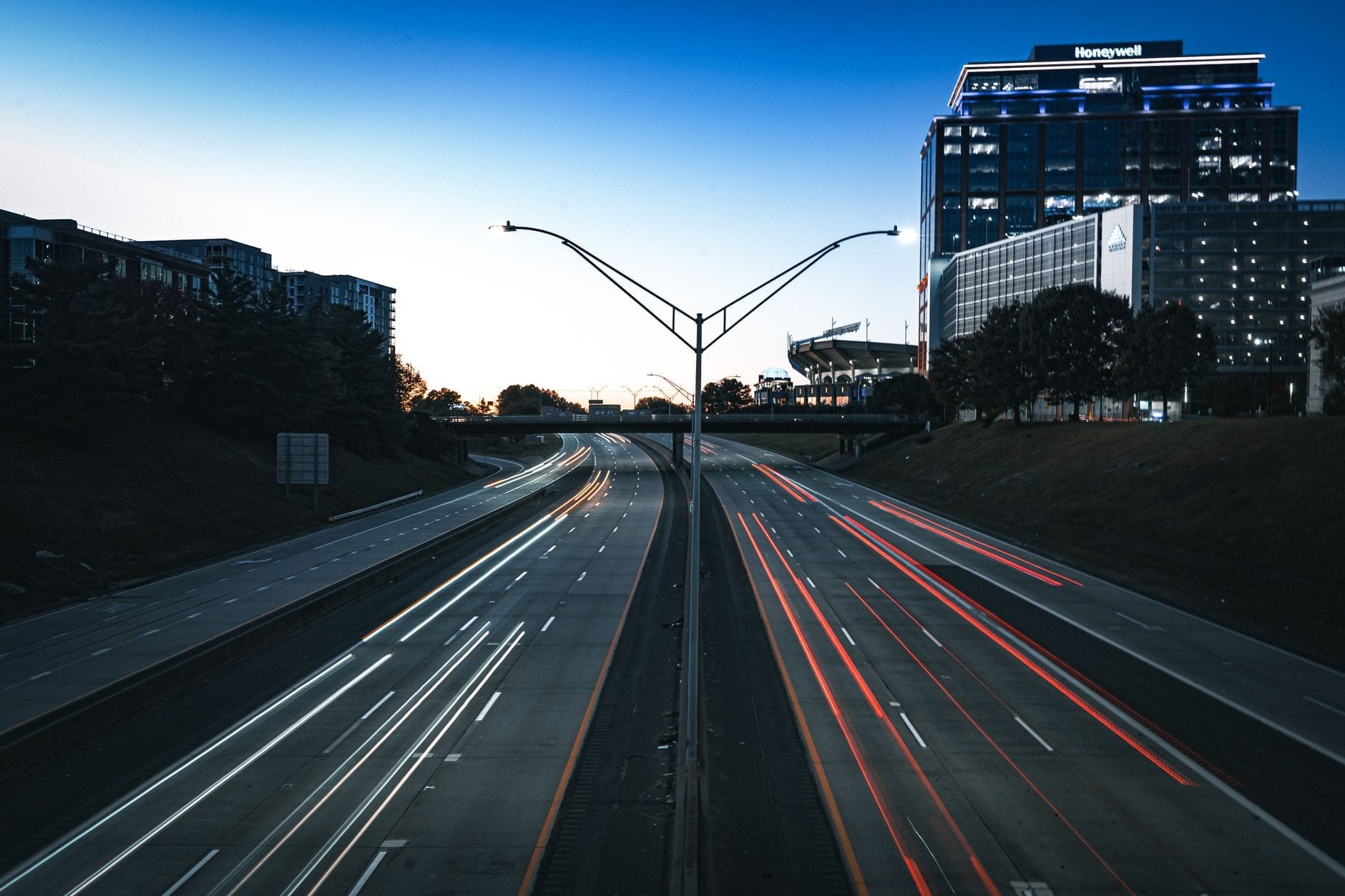
Nashville is designed around the car. Interstate 40 runs east-west through the city; I-65 and I-24 are the primary north-south corridors. The downtown loop sits where all three intersect, which means highway congestion near the city core is a constant. Nashville drivers average around 29.6 minutes each way during commutes, putting it among the worst in the U.S. for traffic. If you're driving, avoid the I-40/I-65 interchange between 7-9 AM and 4-7 PM on weekdays.
Parking at downtown Nashville is available in surface lots, parking garages, and on-street metered spaces. Garage rates near Broadway and the convention center typically run $15-30 per day, with event pricing higher. Street parking on weekdays during business hours runs around $2-3 per hour on meters. On weekend nights, expect garages to fill up near the honky-tonk strip, so arriving early or pre-booking a spot through apps like SpotHero or ParkWhiz is wise.
- Avoid driving on Broadway itself on Friday and Saturday nights: it's closed to through traffic during peak hours and the surrounding blocks see heavy congestion.
- If you're renting a car for a day trip but not needing it every day, many hotels offer daily in-and-out parking privileges. Ask at check-in.
- Gas stations are plentiful outside downtown but scarce in the urban core. Fill up before heading to the Broadway area.
- Left turns at certain downtown intersections are restricted during peak hours. Watch for posted signage.
- The parking situation near Nissan Stadium on game days is a known headache. Use rideshare for Titans games unless you arrive 2+ hours early.
Walking, Biking, and Getting Between Neighborhoods
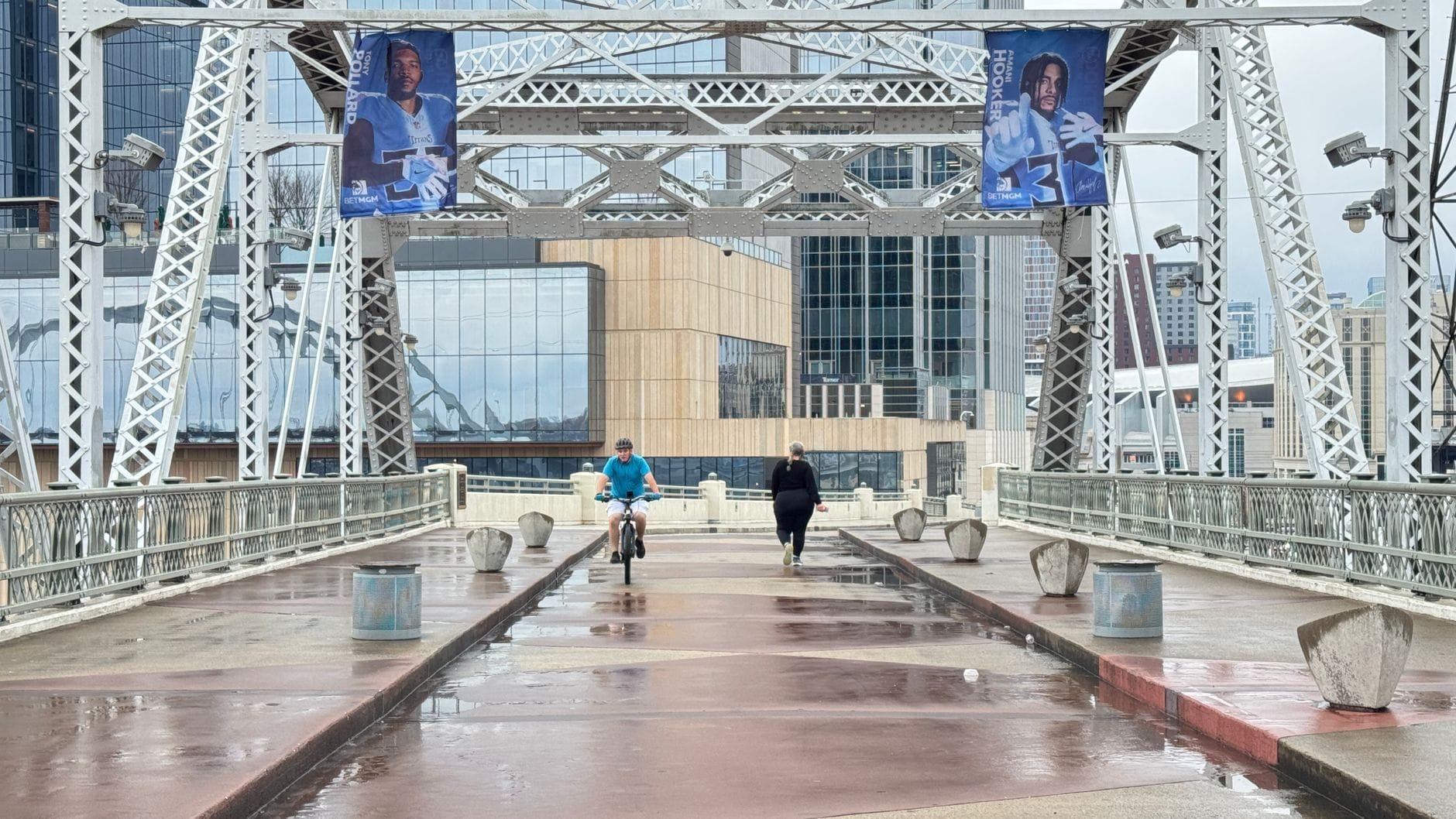
If you're staying in or near downtown, a significant amount of Nashville is walkable. The stretch from the Ryman Auditorium down to the Broadway honky-tonks, across to the Country Music Hall of Fame, and along the riverfront to Cumberland Park is all accessible on foot. The John Seigenthaler Pedestrian Bridge connects downtown to East Nashville without needing a car.
Nashville B-Cycle offers a bikeshare network with around 30 stations and hundreds of bikes available for hourly, daily, or longer-term rental. The system works well for flat routes between downtown, Germantown, and the Gulch. It's less useful for hillier areas or longer cross-city trips. Electric scooters from multiple operators are also available throughout the central city, regulated through Metro Nashville's scooter permit program.
For longer neighborhood-to-neighborhood movement, rideshare is almost always more practical than bus. The 12 South district, East Nashville around Five Points, Germantown, and the Gulch are all 5-15 minutes from downtown by rideshare and $8-15 per trip. None of them require a car if you're willing to use apps.
Neighborhoods Worth Knowing Before You Plan Your Routes
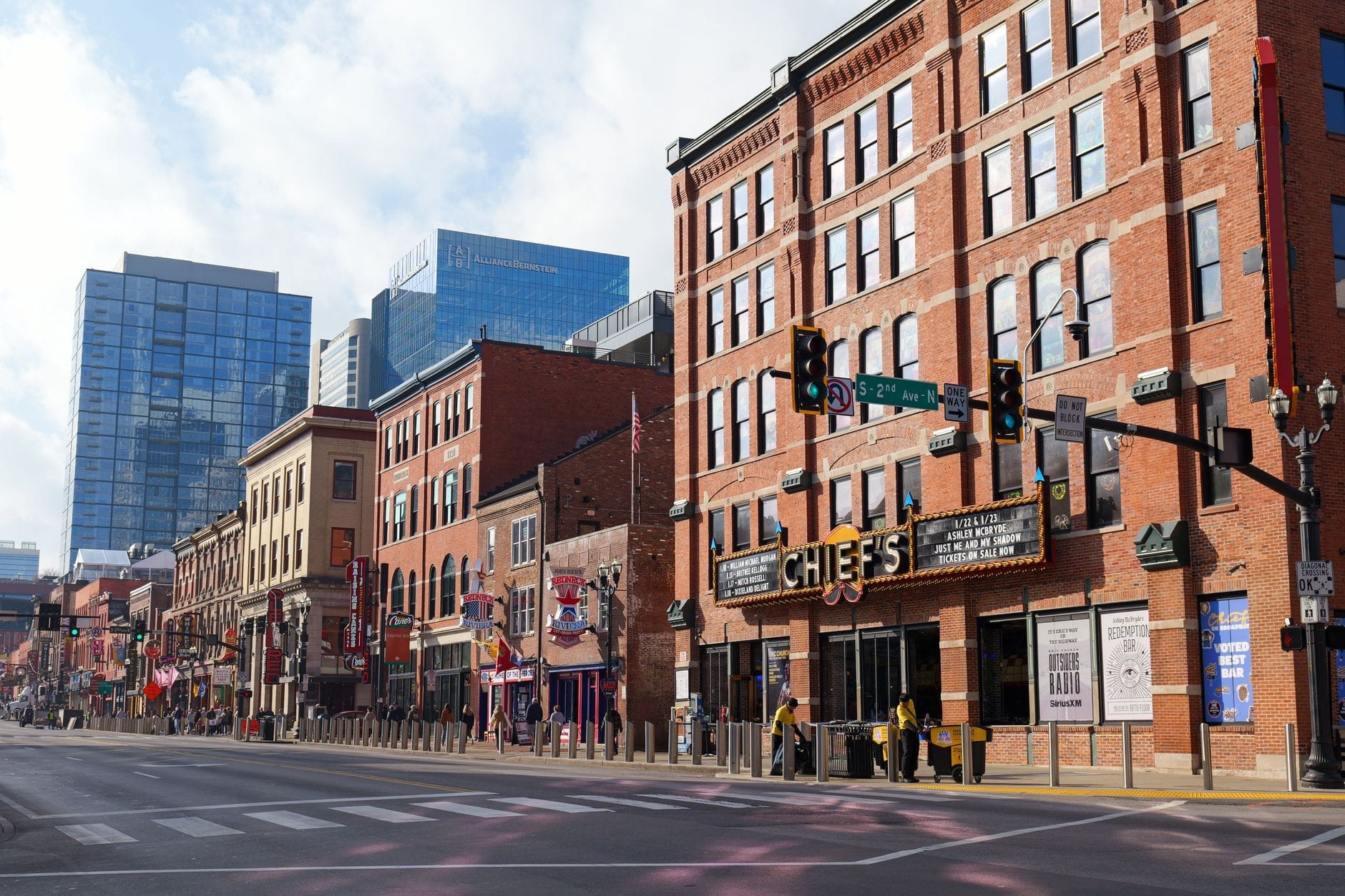
Nashville covers 497 square miles as a consolidated city-county government, so understanding which neighborhoods are actually close together matters when planning transit. Downtown and SoBro (South of Broadway) are essentially the same walkable zone. The Gulch is a 10-minute walk south. Germantown is a 15-minute walk north across the interstate. Everything else requires transport.
The Opryland area in Music Valley, home to the Grand Ole Opry House and the Gaylord Opryland Resort, sits about 8 miles northeast of downtown. It's its own destination and not conveniently connected by bus. If you're staying out there, you either need a rental car or you're budgeting $25-35 each way for rideshares to downtown.
Music Row and Midtown sit about 1.5 miles southwest of Broadway, an easy rideshare or a longer but doable walk. Belle Meade and west Nashville are further out and car-dependent. If your itinerary includes a mix of honky-tonks downtown and attractions in the suburbs, a rental car or day-by-day rideshare budget makes more sense than trying to rely on WeGo.
💡 Local tip
If you're visiting Nashville for 2-3 days and staying downtown, you can realistically skip renting a car entirely. Use rideshare for neighborhood hops, walk Broadway and the riverfront, and take rideshare to any one or two outlying attractions. If your itinerary includes Franklin, Jack Daniel's Distillery in Lynchburg, or state parks, a rental car becomes worth the cost.
FAQ
What is the Nashville airport code?
Nashville International Airport's IATA code is BNA. It is located about 8 miles (13 km) southeast of downtown Nashville at One Terminal Drive, Nashville, TN 37214.
How do I get from Nashville airport to downtown without a car?
Three practical options: WeGo Route 18 bus ($2, around 30-45 minutes), Uber or Lyft (often around $25–35 depending on time and demand), or a metered taxi with flat-zone pricing to downtown (historically $25–35, verify on arrival). Hotel shuttles are free for guests of participating hotels.
Is Nashville walkable?
Downtown Nashville and the Broadway corridor are walkable for visitors staying in the urban core. Attractions like the Ryman, Country Music Hall of Fame, Hatch Show Print, and the riverfront are all within comfortable walking distance of each other. However, neighborhoods like East Nashville, Music Row, 12 South, and Opryland require transport.
Does Nashville have a subway or metro?
No. Nashville has no light rail, subway, or metro system. Public transit is limited to WeGo bus routes and the WeGo Star, a commuter rail line running weekdays only between downtown and Lebanon, Tennessee. Multiple transit expansion plans have been proposed but not yet built.
How much does parking cost in downtown Nashville?
Garage parking near Broadway and the convention center typically costs $15-30 per day, with higher event-day pricing. On-street metered parking runs around $2-3 per hour during business hours. Apps like SpotHero and ParkWhiz allow advance booking, which is worth doing on weekends.
Tickets & tours
Live prices and dates from our booking partner. If you book, we may earn a commission at no extra cost to you.
Planning a trip? Discover personalized activities with the Nomado app.