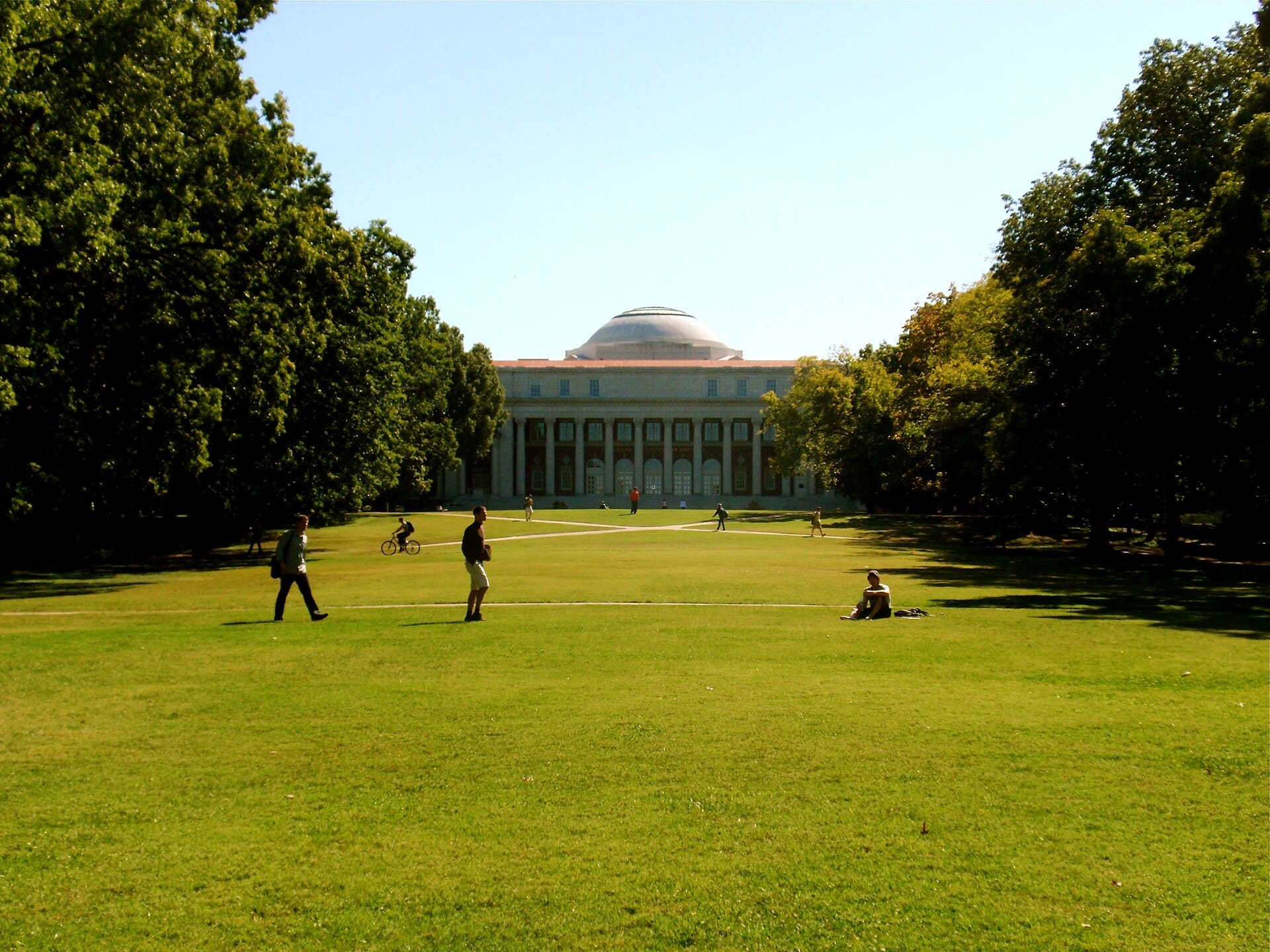
Midtown and Hillsboro Village occupy the stretch of Nashville between the downtown core and the Vanderbilt University campus, anchored by West End Avenue, Division Street, and the commercial strip of Hillsboro Pike. The area blends music industry offices, chef-driven restaurants, independent shops, and a dense concentration of hotels that make it one of the most practical bases in the city.
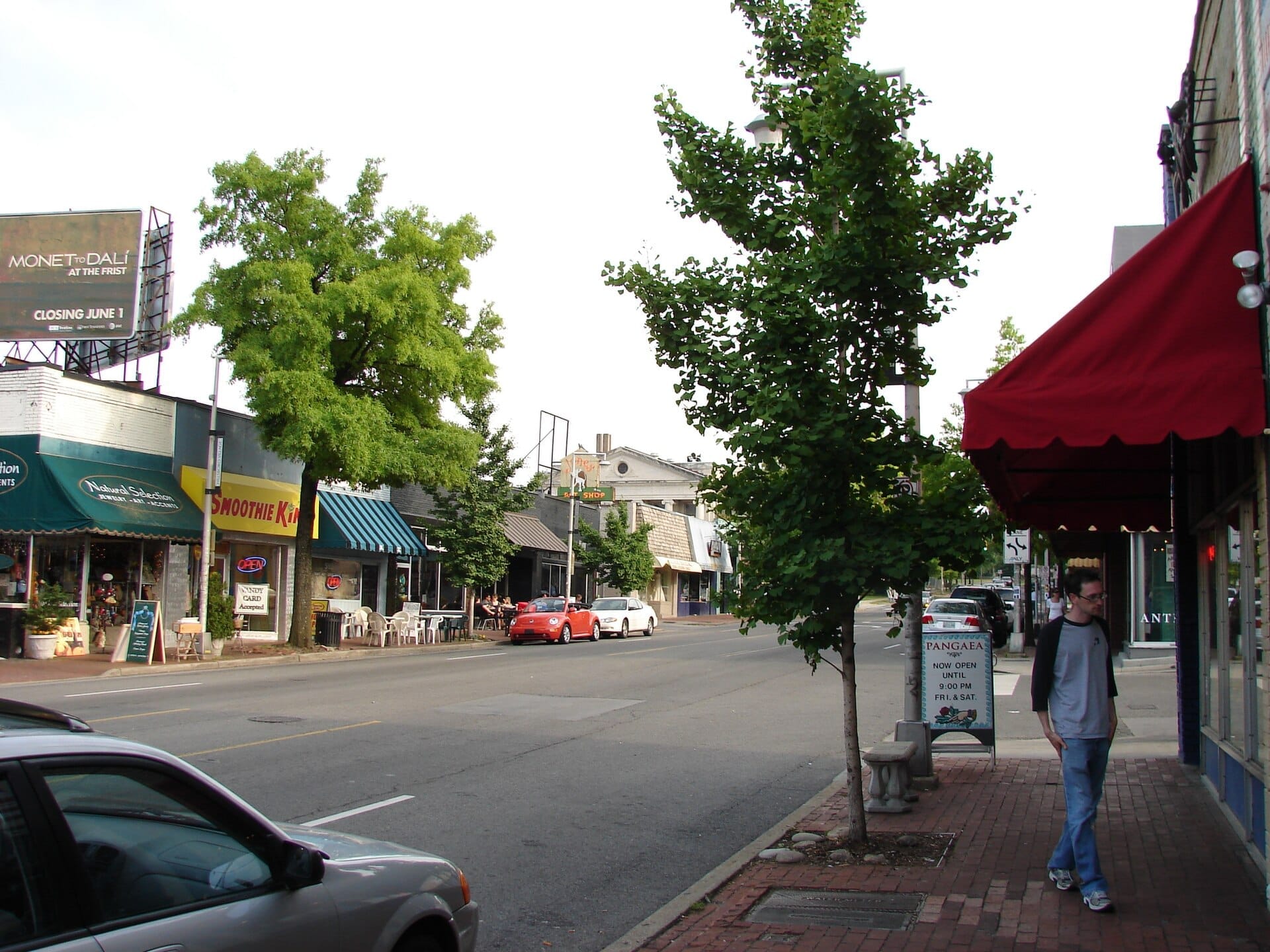
Midtown Nashville sits in the productive middle ground between the neon chaos of Broadway and the quieter residential streets around Vanderbilt University. It is the part of the city where recording industry professionals grab lunch next to students, and where the hotels fill not just with tourists but with people in town on actual business. Hillsboro Village, tucked along 21st Avenue South, adds a walkable strip of independent shops, cafes, and the Belcourt Theatre to round out the picture.
Orientation
Midtown occupies a roughly triangular zone southwest of downtown Nashville, bounded loosely by Demonbreun Street to the north, West End Avenue running through its center, and Division Street along its southern edge. Music Row, the city's recording industry corridor along 16th and 17th Avenues South, sits just to the east, effectively connecting Midtown to downtown without a hard break. To the west, the neighborhood transitions into the Vanderbilt University campus and the commercial spine of Elliston Place.
Hillsboro Village is not a formally bounded district, but locals use the name to describe the cluster of businesses along 21st Avenue South between Blakemore Avenue and Belcourt Avenue, just south of the Vanderbilt campus. Functionally it operates as an extension of the Midtown corridor, walkable from the university's front gates. Together the two areas form a continuous arc of urban activity running southwest from the edge of downtown.
To the east, Midtown connects directly to downtown Nashville via Demonbreun Street or Broadway, putting the Ryman Auditorium and the Country Music Hall of Fame within about a 15-minute walk from most Midtown hotels. South along 12th Avenue leads eventually to the 12 South neighborhood. West, past Vanderbilt, the corridor moves toward Belle Meade and the green belt of Percy Warner Park.
ℹ️ Good to know
Midtown does not appear on every Nashville tourist map, but it is geographically central. The walk from the Vanderbilt campus to Lower Broadway is about 1.5 miles, manageable on foot or a short rideshare ride.
Character and Atmosphere
Midtown operates on a rhythm that separates it clearly from the tourist-heavy downtown strip. On a weekday morning, West End Avenue and the side streets off Elliston Place are full of people who work here, not just visit. The sidewalks carry a mix of Vanderbilt students with backpacks, suited figures heading toward the music industry offices on Music Row, and hotel guests grabbing coffee before meetings. The streets are wider here than in downtown, with fewer crowds and more room to move.
By midday the lunch spots fill up, especially the blocks immediately around Vanderbilt and along Division Street, where the density of restaurants reflects how many people actually live and work in the area year-round. The afternoon light falls long and flat across West End Avenue, and in summer the shade trees around the university campus make walking noticeably more bearable than on the shadeless stretches of Broadway.
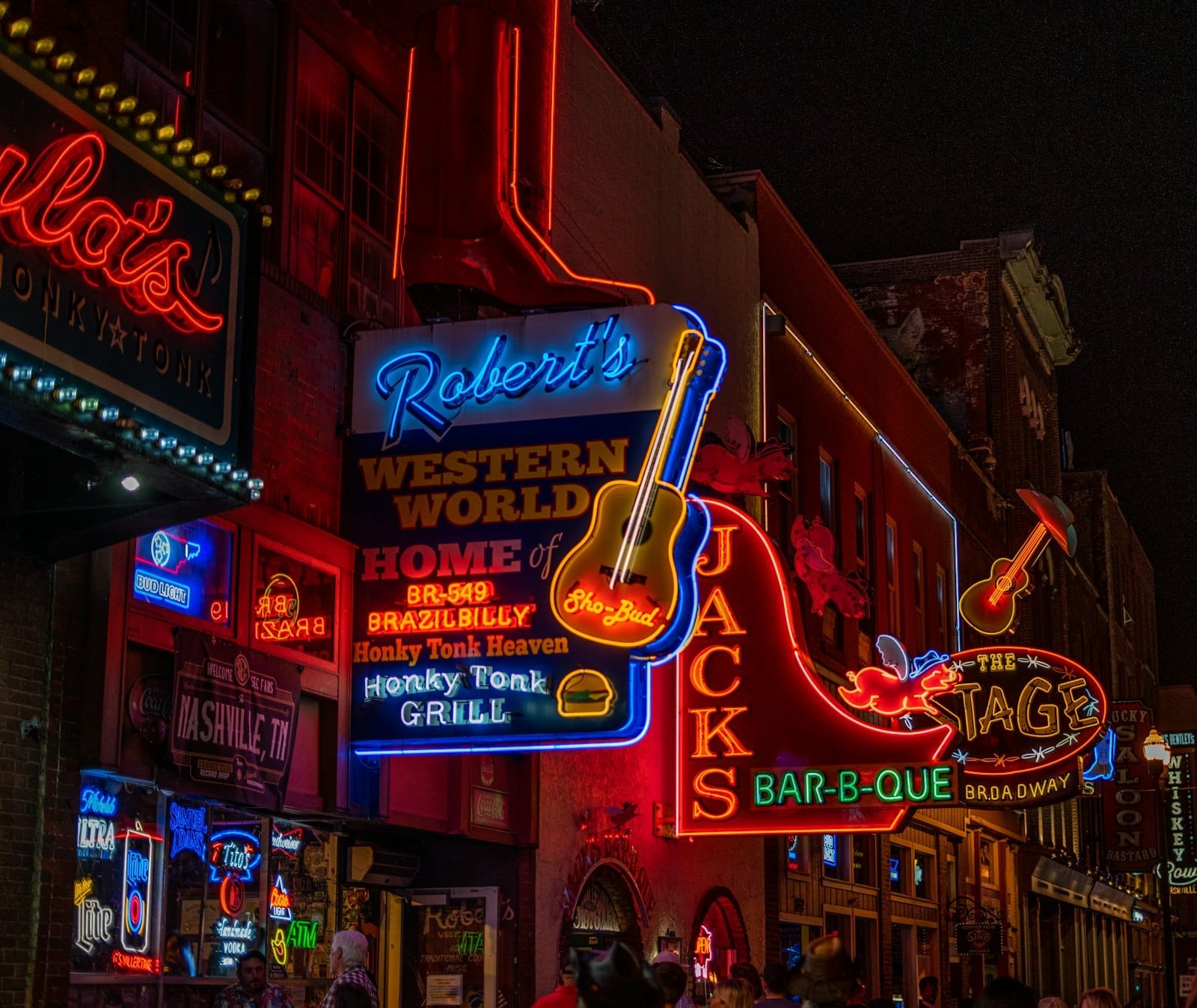
After dark, Midtown has its own nightlife scene that runs parallel to, but distinct from, the honky-tonk strip downtown. The bars here tend to attract a local crowd rather than bachelorette parties and convention visitors. Elliston Place, in particular, has long been known as Nashville's own small-scale rock row, home to independent live music venues and dive bars that have been operating long enough to have real regulars. It is louder on weekend nights, but the noise is horizontal, spread across multiple streets rather than funneled onto a single block.
Hillsboro Village shifts the atmosphere again. The strip along 21st Avenue South runs quieter and more neighborhood-scaled. On weekend mornings the cafe tables fill slowly, conversations carry, and the foot traffic consists more of people running errands or heading to the Belcourt Theatre for a matinee than of visitors ticking off a checklist. It reads more like a functional urban neighborhood than a destination, which for many travelers is exactly the appeal.
What to See and Do
The anchor attraction for the entire corridor is Vanderbilt University's campus, which is worth walking through even if you have no academic connection to it. The grounds are green and well-maintained, and the architecture spans enough eras to make a slow walk genuinely interesting. The campus also houses several university museums and galleries that are open to the public, though hours and access can vary.
Just a few blocks north of Vanderbilt sits Centennial Park, one of Nashville's most significant public green spaces and the site of a full-scale replica of the Parthenon. The park runs along West End Avenue and works well as a morning or late-afternoon destination, with open lawns, a lake, and enough space to decompress from the city. The Parthenon replica houses a small art museum inside, making it a double-function stop.
Within the park itself, the Parthenon is genuinely surprising in person. Built in 1897 for the Tennessee Centennial Exposition and reconstructed permanently in the 1920s, it is a full-size concrete replica of the Greek original, complete with a 42-foot statue of Athena inside. It sounds gimmicky until you're standing in front of it.
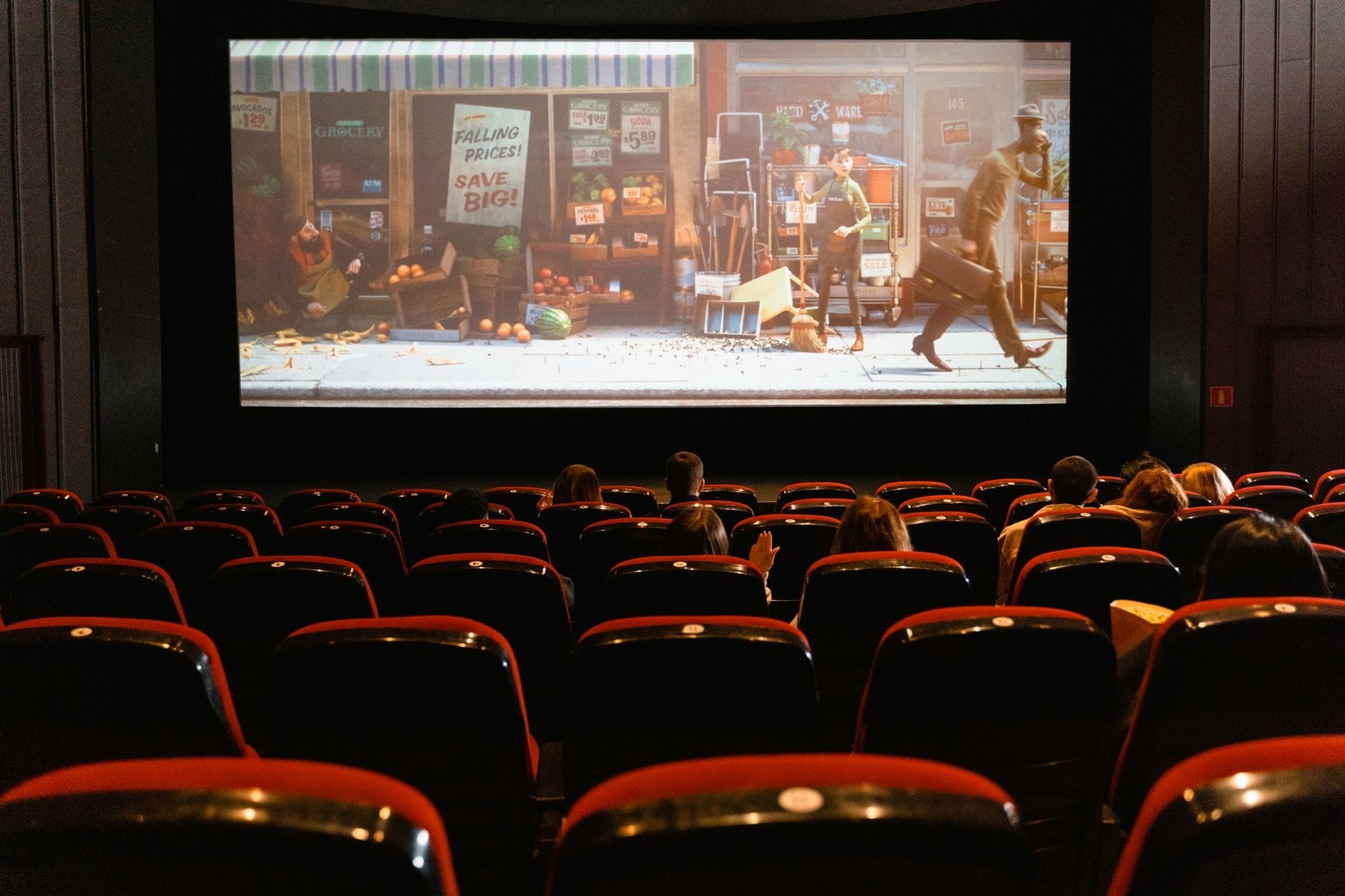
The Belcourt Theatre in Hillsboro Village is Nashville's premier independent cinema, running a program of art films, international releases, documentaries, and classic film retrospectives. It has been operating in various forms since 1925 and remains one of the most reliable cultural institutions in the city. Check the schedule before you visit because programming is event-driven and often sells out.
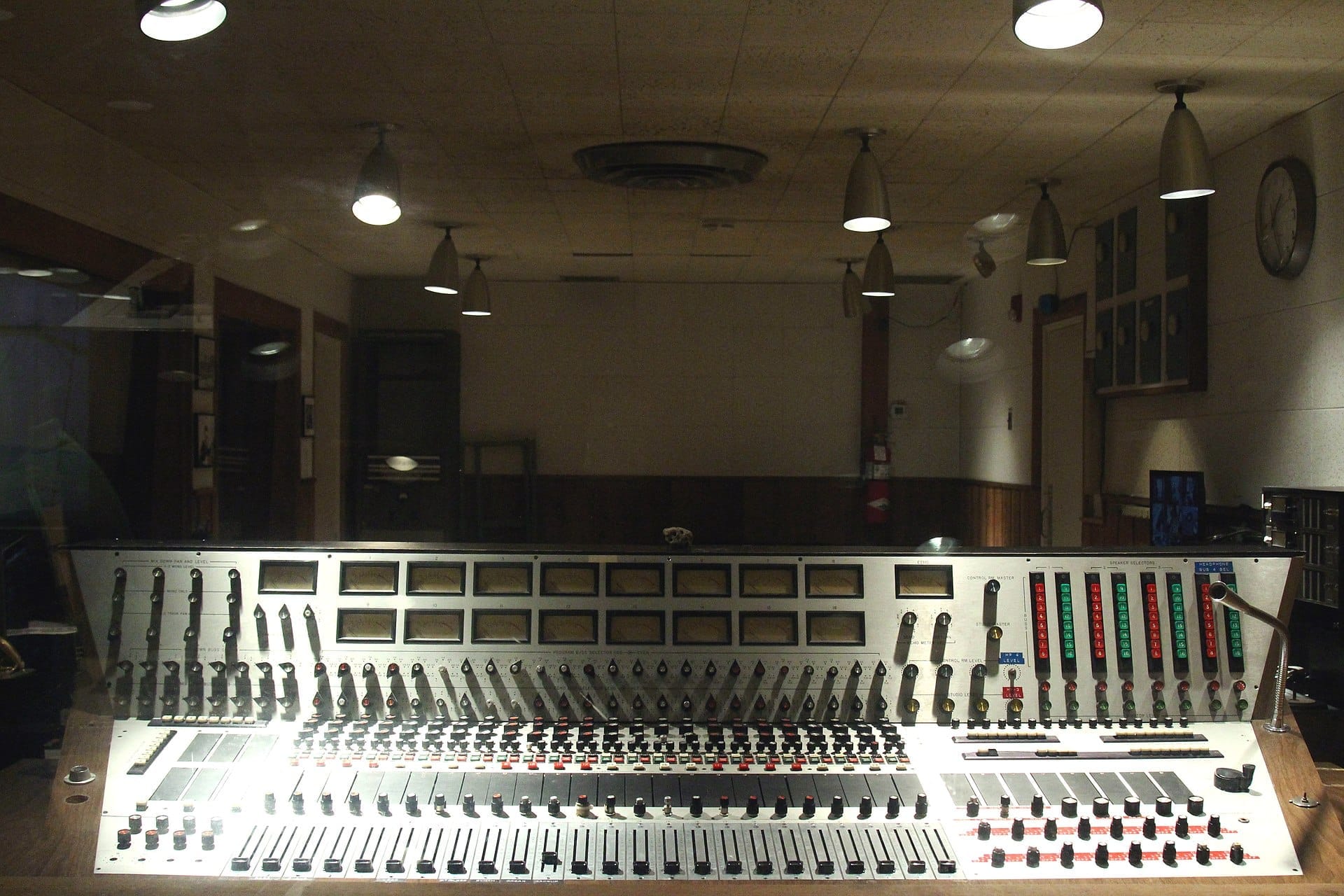
Walking east from Midtown toward downtown, you pass through the edges of Music Row, where the working architecture of the recording industry is all around you. The buildings are mostly functional and not designed for tourism, but the concentration of studios, labels, and industry offices along 16th and 17th Avenues South gives the area a behind-the-scenes quality that is hard to find elsewhere in the city.
Centennial Park: open green space, lake, and the Parthenon replica on West End Avenue
Vanderbilt University campus: free to walk, with public galleries and events
Belcourt Theatre: independent cinema with a strong rotating program in Hillsboro Village
Music Row: recording industry corridor connecting Midtown to downtown
Elliston Place: Nashville's oldest continuous live music strip, best after dark
Eating and Drinking
Midtown has one of the higher restaurant densities in Nashville outside of downtown, which reflects how many people live, work, and study here year-round rather than just passing through. The range runs from quick student-oriented spots near the Vanderbilt campus to sit-down chef-driven restaurants along Division Street and the West End corridor that could hold their own in any major American city.
The area around Elliston Place skews more casual, with a number of long-established spots that have served the neighborhood for decades rather than chasing trends. The strip has historically attracted musicians and night-shift workers, and the late-night options here tend to be more reliable than in tourist-heavy areas closer to Broadway, where hours can be erratic depending on the crowds.
In Hillsboro Village, the food scene is smaller but consistent. There are several cafes suited to slow mornings or working remotely, a handful of independently owned restaurants covering different cuisines, and the kind of neighborhood bar that keeps the same regulars for years. Prices across Hillsboro Village tend to run slightly lower than in comparable spots closer to downtown, partly because the customer base includes a high proportion of locals and students.
For drinks in the evening, Midtown offers genuine alternatives to the honky-tonk circuit. The bar scene along Elliston Place and the side streets off Division tends toward craft beer, local spirits, and smaller live music rooms rather than cover bands and tourist-priced cocktails. If you want to hear live music in a room where the people next to you are there because they care about the music rather than because they stumbled off a party bus, Midtown is consistently a better bet than downtown on a Friday night.
💡 Local tip
Nashville's hot chicken is available citywide, but the Midtown area has several well-regarded versions in casual sit-down settings. For a broader sense of the city's food scene before you start exploring, check what's on near your hotel rather than defaulting immediately to the downtown strip.
Getting There and Around
Nashville does not operate a metro or subway system. Public transit throughout the city is managed by WeGo Public Transit (formerly MTA), which runs a network of bus routes. Midtown is served by several WeGo routes running along West End Avenue and connecting to downtown's central transit hub, Music City Central. The journey from downtown to Midtown by bus is short, typically under 15 minutes outside of peak congestion.
From Nashville International Airport, located about 8 miles southeast of downtown, the most practical options are rideshare services via Uber or Lyft, or a metered taxi from the Ground Transportation Center. The direct ride to Midtown typically takes 20-30 minutes depending on traffic, with rideshare prices subject to dynamic pricing at busy times. WeGo Route 18 connects the airport to downtown Music City Central, from which connecting buses serve the Midtown corridor.
Within the neighborhood, Midtown is walkable for most purposes. The distance from the Vanderbilt campus to the Ryman Auditorium in downtown is approximately 1.5 miles, manageable on foot through the Music Row corridor along 16th Avenue South. Hillsboro Village is about a 10- to 15-minute walk from the main Vanderbilt campus gates. Biking is feasible on the wider streets, though Nashville no longer operates a public bike-share program — plan on rideshare or WeGo buses for longer hops.
For a broader overview of how to navigate Nashville's transit system and plan connections to other neighborhoods, the getting around Nashville guide covers all the practical options in detail, including tips on when to walk, when to take a bus, and when a rideshare genuinely makes more sense.
⚠️ What to skip
Parking in Midtown during Vanderbilt events and on weekend evenings can be genuinely difficult. Street parking along West End Avenue and near the university fills quickly. If you are driving in for dinner or a show, budget extra time or use a rideshare to avoid the frustration.
Where to Stay
Midtown has one of the highest concentrations of hotel options in Nashville outside of the downtown core, and for many travelers it is a more practical base. The hotels here include major branded properties along West End Avenue and the streets running toward Music Row, which tend to offer lower rates than comparable downtown options on high-demand weekends. The tradeoff is a slightly longer walk or short ride to the main entertainment districts, which for some visitors is an acceptable exchange for a quieter night.
The area is particularly well-suited to travelers who are in Nashville for reasons beyond pure tourism: conference attendees at Vanderbilt or the nearby medical complex, music industry visitors with meetings on Music Row, and anyone who wants access to good restaurants and bars without being directly on top of the Broadway strip. Families with children will find the proximity to Centennial Park and the Vanderbilt campus useful, and the general noise level after midnight is considerably lower than in downtown or The Gulch.
If you are weighing Midtown against other Nashville neighborhoods for accommodation, the Nashville neighborhood guide for accommodation breaks down each area by traveler type, price range, and proximity to key attractions. For luxury options specifically, Nashville's luxury travel guide covers the high-end properties across the city.
Honest Assessment: Who This Neighborhood Is For
Midtown and Hillsboro Village are not the right choice for every visitor. If your primary goal is maximum proximity to the honky-tonk strip, the Country Music Hall of Fame, and the core downtown action, staying in Midtown adds a small but real friction to every evening. The 1.5-mile walk from West End to Broadway is pleasant in good weather, but after a full day of sightseeing and a few drinks, that distance starts to feel longer than it looks on a map.
For everyone else, the neighborhood represents a genuinely good urban base. The food and bar options are consistently better relative to price than in the tourist-heavy downtown zone. The streets are calmer, the accommodation options often better value, and the proximity to Centennial Park, Vanderbilt, and the Belcourt Theatre gives the area a cultural density that downtown Nashville, for all its energy, sometimes lacks. Travelers who want to feel like they are in a real city rather than an extended entertainment venue will find Midtown meets that expectation well.
ℹ️ Good to know
Hillsboro Village specifically rewards slow mornings. If you are the kind of traveler who wants coffee, a newspaper, and a table with no pressure to turn it over, the cafe culture along 21st Avenue South delivers that consistently in a way that the downtown core does not.
TL;DR
Midtown sits between downtown Nashville and Vanderbilt University, anchored by West End Avenue, Demonbreun Street, and Division Street — geographically central and well-connected.
Hillsboro Village, along 21st Avenue South, adds independent cafes, the Belcourt Theatre, and a neighborhood-scale atmosphere to the wider Midtown corridor.
Best for: travelers who want a practical urban base with strong restaurants and bars, lower hotel rates than downtown, and genuine local character rather than a theme-park entertainment strip.
Not ideal for: visitors whose itinerary is entirely focused on Lower Broadway and the honky-tonk district, for whom staying downtown will save time and logistics.
Key anchors include Centennial Park and the Parthenon replica, Vanderbilt University campus, Music Row, and Elliston Place's live music bars.
Two days in Nashville is enough time to hit the music landmarks, eat well, explore distinct neighborhoods, and catch live music at night — if you plan smartly. This guide lays out a realistic, hour-by-hour framework with current prices, crowd warnings, and the honest trade-offs.
Three days is enough time to cover Nashville's best music landmarks, eat your way through the food scene, and catch a live show worth remembering. This itinerary is built around practical logistics, honest recommendations, and enough flexibility to make it your own.
Nashville's music museums go far beyond country. Whether you're tracing Johnny Cash's life through personal artifacts, standing in Elvis's recording booth, or learning how African American musicians shaped every genre we know, these institutions tell the full story of American music. Here are the best.
Nashville rewards visitors year-round, but the best time to visit depends on your priorities: mild weather, major events, budget, or avoiding crowds. This guide breaks down every season with honest assessments so you can plan the perfect trip.
CMA Fest is four days of country music taking over downtown Nashville every June, with free outdoor stages, nightly stadium shows, and thousands of fans from around the world. This guide covers tickets, venues, logistics, what to wear, and how to get the most out of the festival without wasting money or time.
Nashville sits within easy reach of historic small towns, national battlefields, scenic parkways, and legendary distilleries. These are the best day trips from Nashville, organized by distance and theme, so you can plan the perfect escape from the city.
Nashville delivers serious value for budget travelers. Between free world-class museums, no-cover live music on Broadway, scenic parks, and iconic street art, you can fill multiple days in Music City without opening your wallet. Here are the best free things to do in Nashville.
Nashville is a car-friendly city with limited public transit, but visitors have more options than they might expect. This guide covers everything from arriving at BNA to navigating neighborhoods by bus, bike, rideshare, or on foot, with honest advice on what actually works.
The Grand Ole Opry is one of the longest-running live radio shows in American history, and buying tickets is easier than most visitors expect. This guide covers pricing, seating, show formats, and practical logistics so you arrive prepared.
Nashville sits within easy reach of some of Tennessee's finest hiking. Whether you want a quick trail before dinner or a full-day escape into forest and river scenery, these are the best hikes near Nashville for every skill level.
Nashville International Airport (BNA) is the busiest airport in Tennessee, handling 24.7 million passengers in 2024. This guide covers the terminal layout, parking costs, lounge access, ground transportation options, airline routes, and practical tips to help you navigate BNA with confidence.
Nashville has become the undisputed capital of bachelorette weekends in the U.S., and for good reason. From Lower Broadway honky-tonks to Cumberland River party cruises and rooftop pools, this guide covers every activity, neighborhood, and practical detail you need to plan a weekend that actually delivers.
Nashville played a pivotal role in the Civil War as the first Confederate state capital captured by Union forces, and the site of one of the war's most decisive battles. This guide covers every major site, self-guided tour routes, seasonal tips, and the historical context you need to make sense of what you're standing on.
Nashville's craft spirits scene has grown into one of the most exciting in the South, with urban tasting rooms, multi-stop guided tours, and day trips to legendary Tennessee whiskey producers. This guide covers every option, from walk-in flights to full barrel-pick experiences, so you can plan the right visit for your group.
Lower Broadway is just the start. This guide covers Nashville's best honky-tonks and live music venues, from the neon-lit bars of Honky Tonk Highway to intimate songwriter rooms, bluegrass clubs, and music history landmarks that define the city's sound.
Nashville transforms in December with sprawling light displays, live holiday concerts, outdoor markets, and seasonal shows running from mid-November through early January. This guide covers the top events, what to book in advance, and how to make the most of the holiday season in Music City.
October is widely considered the best month to visit Nashville. Temperatures drop to a comfortable range, the city's event calendar fills up with fall festivals and live music, and the usual summer crowds thin out. This guide covers exactly what to expect, what to book ahead, and what to skip.
Nashville, Tennessee earns its Music City nickname with over 250 live music venues spanning free honky-tonks, songwriter showcases, bluegrass clubs, and major concert halls. This guide breaks down exactly where to go, what to expect, and how to plan your nights around live music in Nashville.
Nashville has evolved into a serious luxury destination. From Five-star hotels along the Cumberland River to farm-to-table fine dining and private honky-tonk experiences, this guide covers every high-end option, what it actually costs, and when to book for the best value.
Nashville earned the 'Music City' nickname long before country music dominated the airwaves. This guide traces the city's musical roots from 19th-century folk traditions and the Fisk Jubilee Singers through the Grand Ole Opry, the Nashville Sound, and today's sprawling live music scene across more than 100 live music venues.
Nashville's nightlife runs much deeper than the neon strip of Lower Broadway. This guide breaks down every major nightlife zone, from the honky-tonk highway to rooftop bars in The Gulch and intimate listening rooms in East Nashville, with practical details on hours, cover charges, and what to expect each night of the week.
Nashville has a reputation as a party city with party-city prices, but that reputation is only half true. With free live music on Broadway every night, several genuinely free museums, a bus that runs from the airport to downtown for around $2, and walkable neighborhoods full of no-cost attractions, a trip to Music City can be remarkably affordable if you know what to skip and what to prioritize.
Nashville draws millions of visitors every year, and for good reason. But is Nashville safe for tourists? This guide breaks down crime statistics by area, identifies which neighborhoods to know, and gives you concrete, practical advice for staying safe during your trip.
Nashville shopping is neighborhood-driven, not centered on one district. This guide breaks down every major shopping area — from the upscale Mall at Green Hills to the indie boutiques of 12 South and the monthly Flea Market at The Fairgrounds — so you spend less time wandering and more time buying.
Nashville is one of the most approachable solo travel destinations in the American South. This guide covers getting around, the best neighborhoods to base yourself in, where to find live music without a group, safety considerations, and how to budget your trip from airport to honky-tonk.
Nashville sits within easy reach of some of Tennessee's finest outdoor spaces. These state parks and natural areas offer everything from serene lakeside hikes to swimming beaches, scenic river paddles, and wildlife-rich forests — all within a short drive of the city.
The drive from Nashville to Knoxville covers roughly 180–190 miles along I-40 East and takes about 2.5 to 3 hours without stops. This guide covers the best detours, state parks, historic sites, and seasonal advice to help you get more out of one of Tennessee's most rewarding road trips.
Nashville's downtown core is compact enough to cover on foot in a single morning or afternoon. This guide maps out the best self-guided walking routes from Riverfront Park to the Tennessee State Capitol, with honest notes on timing, audio tools, and which detours are actually worth your steps.
Nashville is far more than a party destination. From hands-on science museums and wildlife encounters to free parks and live country music, the city offers a full week of family-friendly activities. This guide breaks down the best things to do in Nashville with kids, organized by type, age, and budget.
Nashville delivers a surprisingly rich mix of romantic experiences for couples: iconic music venues, candlelit listening rooms, lakeside parks, and skyline walks along the Cumberland River. This guide covers the best options by category, with honest advice on what's worth your time and what to skip.
Nashville is far more than a country music backdrop. This guide covers the best things to do in Nashville across music, history, outdoors, and food — with honest takes on what's worth your time, what to skip, and how to plan around crowds and seasons.
Nashville has far more to offer than neon-lit honky-tonks and country radio hits. From a full-scale ancient Greek temple in a public park to a record store that cuts vinyl of your voice, these are the experiences that make Nashville genuinely unlike any other American city.
Nashville's food scene runs deeper than hot chicken. This guide covers the city's essential dishes, the neighborhoods where you'll find them, practical ordering tips, and honest takes on what lives up to the hype and what doesn't.
Choosing where to stay in Nashville shapes your entire trip. This guide breaks down every major neighborhood by walkability, price, vibe, and who it suits best — so you spend less time researching and more time on Broadway.