Nashville Self-Guided Walking Tour: Downtown & Beyond
Nashville's downtown core is compact enough to cover on foot in a single morning or afternoon. This guide maps out the best self-guided walking routes from Riverfront Park to the Tennessee State Capitol, with honest notes on timing, audio tools, and which detours are actually worth your steps.
Tickets & tours
Live prices and dates from our booking partner. If you book, we may earn a commission at no extra cost to you.
TL;DR
- A basic downtown loop takes 2–3 hours on foot; add museum stops and plan for 5–8 hours.
- Tuesday through Friday are the best days: the Tennessee State Capitol and most indoor sites are open.
- The core route runs from Ryman Auditorium south along Broadway, west to the Gulch, and north to the Capitol area.
- Audio tour apps (VoiceMap from ~$11.99, GPSmyCity) add useful context; the outdoor route itself is free.
- Avoid Tennessee Titans home-game days for this walk; check our best time to visit Nashville guide for seasonal planning.
Why Walk Nashville Rather Than Drive It
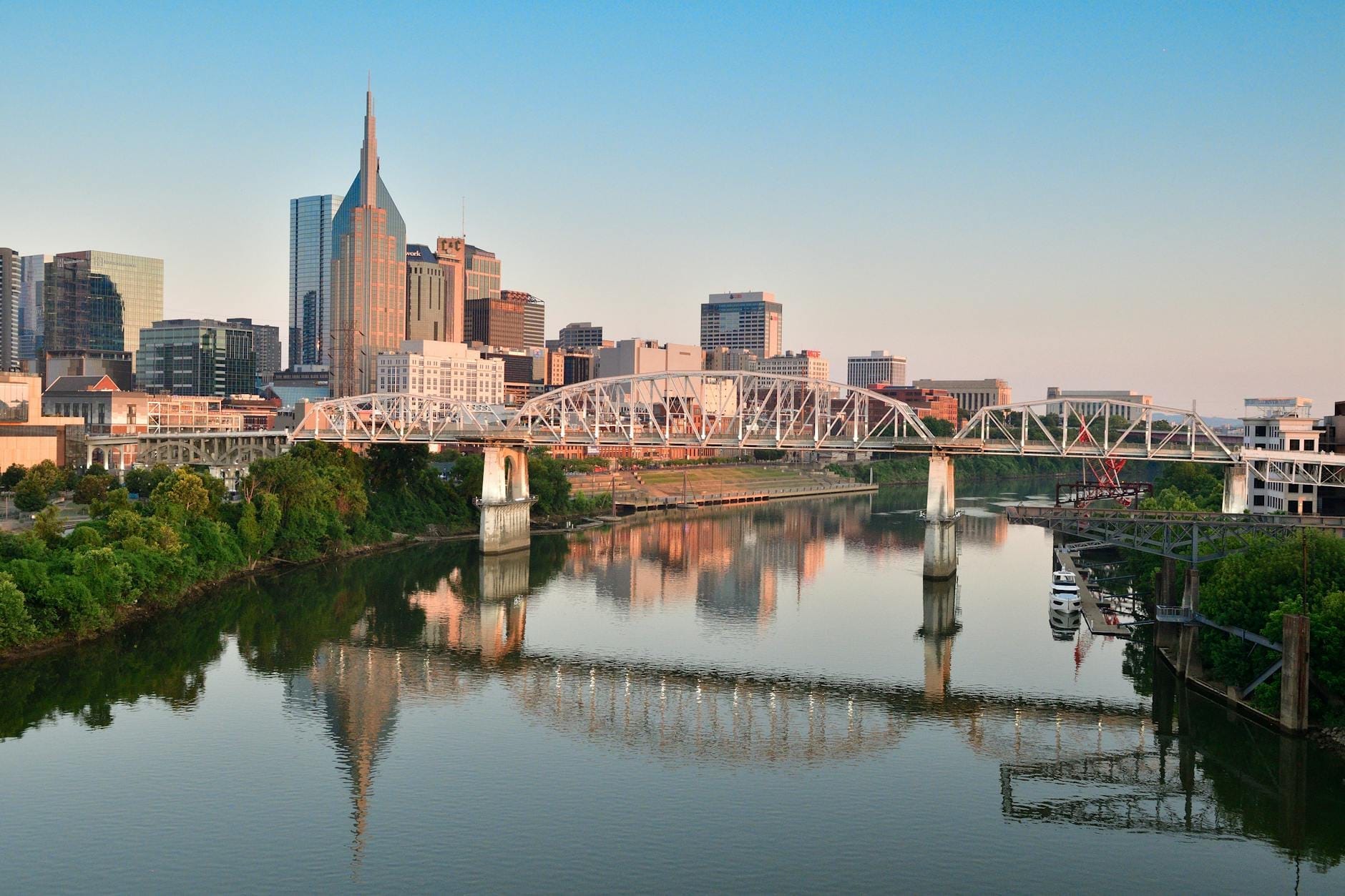
Nashville's downtown footprint is deceptively walkable. The core stretch from Riverfront Park to the Tennessee State Capitol covers roughly 1 mile as the crow flies, and most of the landmarks visitors come to see are clustered within a few blocks of Broadway. Parking downtown costs $15–25 for a few hours, traffic around Lower Broadway crawls on weekends, and ride-hailing surge pricing kicks in hard on Friday and Saturday nights. Walking sidesteps all of that and puts you at eye level with the architecture, the street performers, and the historic plaques that drivers blow past.
The city sits at about 597–600 feet above sea level with flat terrain through the core downtown streets, so the walk itself is not physically demanding. The notable exception is the climb up to Tennessee State Capitol hill, which involves a short but noticeable uphill stretch. Wear comfortable shoes regardless; Lower Broadway's sidewalks get crowded on weekend afternoons, and the John Seigenthaler Pedestrian Bridge has an exposed metal grating surface that's slippery in rain.
⚠️ What to skip
Avoid Tennessee Titans home-game days for this walking tour. Streets around Nissan Stadium fill with tailgaters hours before kickoff, and Lower Broadway becomes nearly impassable in the hours before and after games. Check the NFL schedule before you plan.
The Core Downtown Route: Riverfront to the Capitol
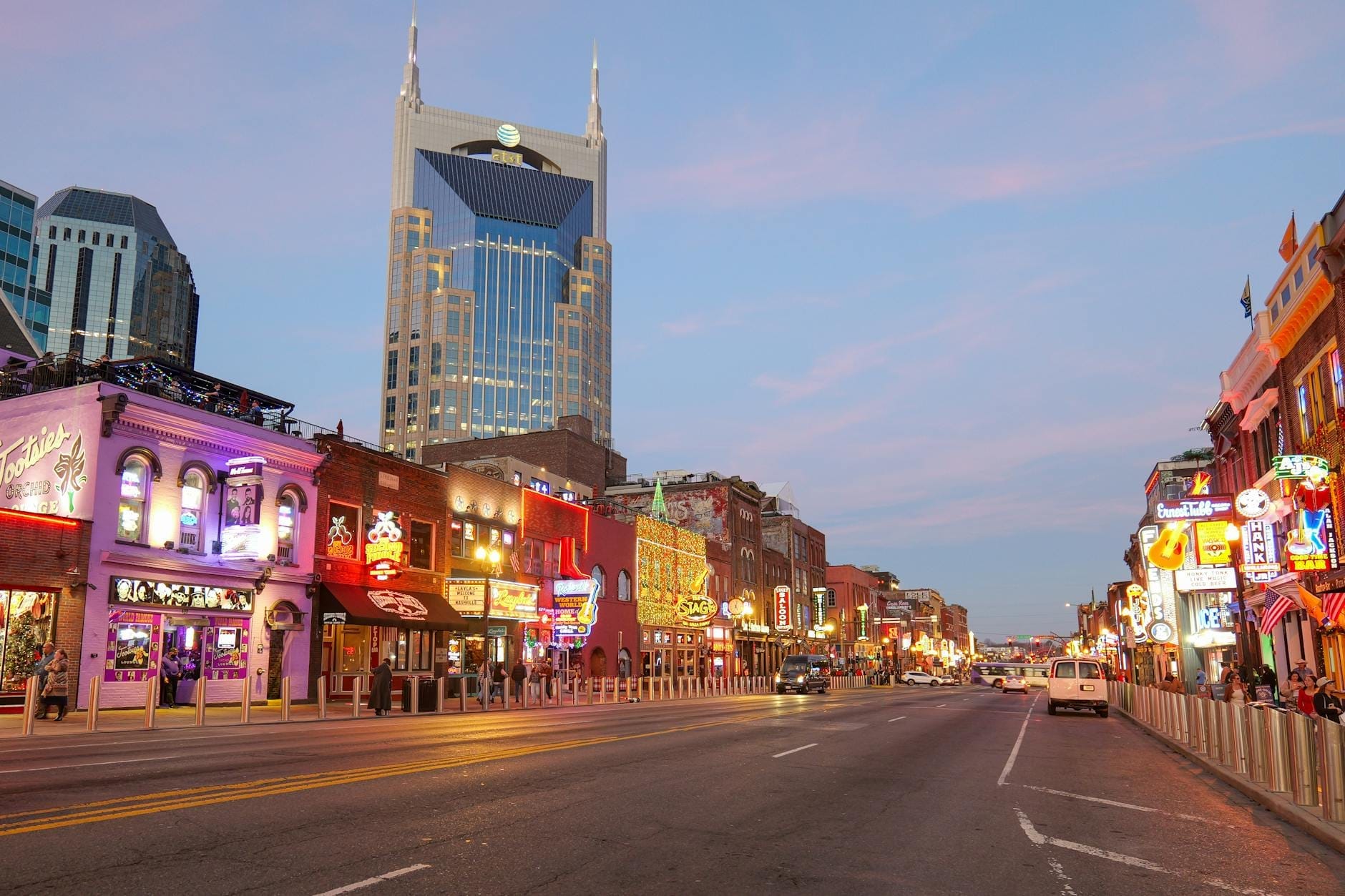
The most logical starting point is Riverfront Park, where you get immediate views of the Cumberland River and the city skyline behind you. From here, walk south one block to Broadway and you're at the eastern edge of the honky-tonk strip. This section of Lower Broadway, officially called the Honky Tonk Highway, runs about five blocks west and is the most photographed corridor in the city.
At 5th Avenue and Broadway, the Ryman Auditorium anchors the block. Built in 1892 as a tabernacle, it served as the home of the Grand Ole Opry from 1943 to 1974 and remains the most acoustically revered room in American country music. Self-guided daytime tours run around $32–40 per adult (verify current pricing at ryman.com), but even the exterior is worth a few minutes. The Ryman's redbrick facade is one of the few downtown buildings that looks exactly like it does in historic photographs.
- Riverfront Park Start here for Cumberland River views. Free, open 24/7. The Fort Nashborough replica is nearby and marks the 1780 settlement site.
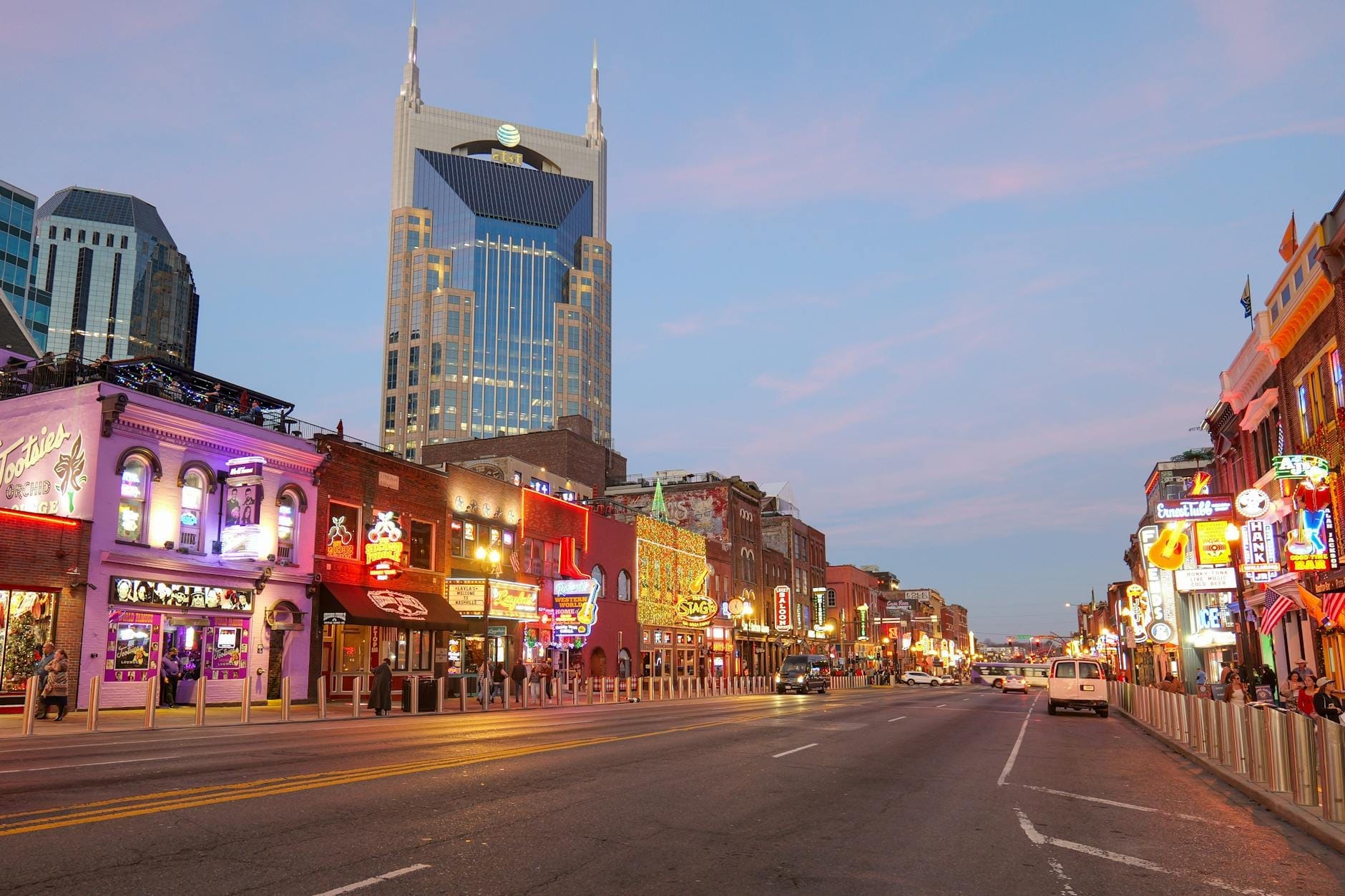
- Lower Broadway (Honky Tonk Highway) Five blocks of live music venues, bars, and neon. Daytime is manageable; weekend evenings after 8 PM are packed to the point of uncomfortable.
- Ryman Auditorium The 'Mother Church of Country Music.' Daytime self-guided tours available. Even a quick exterior stop is worthwhile.
- Hatch Show Print Working letterpress shop inside the Country Music Hall of Fame complex on 5th Ave S. Short tours available; the retail shop is free to browse.
- Printers Alley One block north of Broadway between 3rd and 4th Avenues. A narrow alley with a 19th-century nightlife history; quieter and less touristy than Broadway.
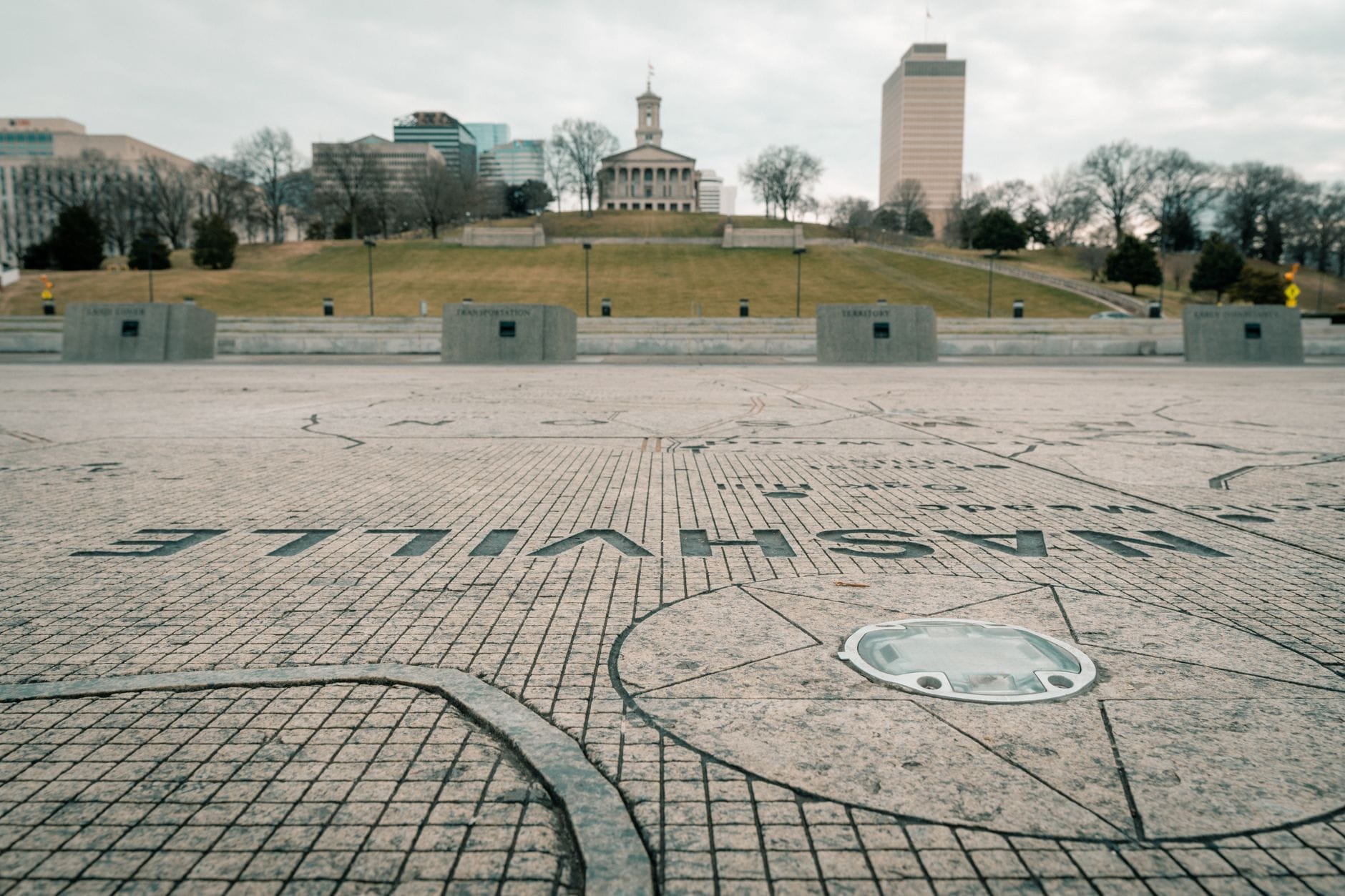
- Tennessee State Capitol About a 10-minute walk north from Broadway up 5th Avenue. Free to enter Tuesday–Friday. The building dates to 1859 and sits on a hill with downtown views.
From the Ryman, most self-guided routes head toward Hatch Show Print on 5th Avenue South, then double back north through Printers Alley before continuing up to the Capitol. The Nashville Arcade, a Victorian-era covered shopping passage between 4th and 5th Avenues, is worth a quick detour: it opened in 1903 and is modeled on the Galleria Vittorio Emanuele II in Milan. Most of the shops are local and low-key. The Arcade is free to walk through and gives a tangible sense of pre-WWII commercial Nashville.
💡 Local tip
The Nashville.gov 'Footnotes' brochure, available as a free PDF from the city's website, maps two official self-guided architectural walking tours, both starting at Bridgestone Arena at 5th Avenue and Broadway. Tour 1 ends at Tootsie's Orchid Lounge; Tour 2 ends at 5th Avenue and Church Street at the Downtown Presbyterian Church. It's the most authoritative free resource for the Capitol-area leg of the walk.
Extending the Walk: Music Row, the Gulch, and East Nashville
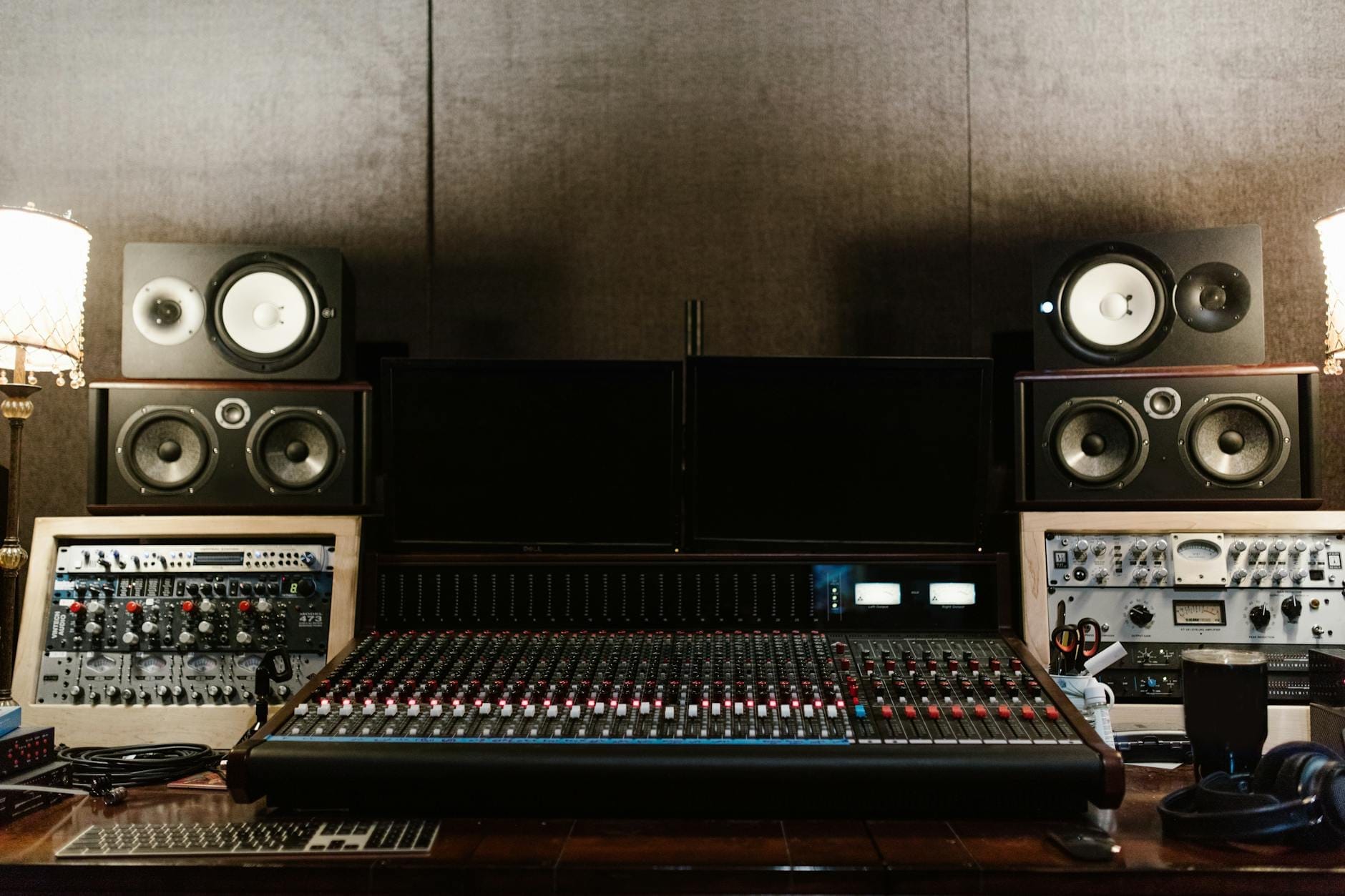
Downtown proper is just the starting point. Music Row sits about a 15–20-minute walk southwest of Broadway along Demonbreun Street. The two-avenue stretch of 16th and 17th Avenues South contains recording studios, music publishing offices, and the RCA Studio B, where Elvis Presley, Dolly Parton, and others recorded landmark albums. Guided tours of Studio B run through the Country Music Hall of Fame, but the street itself is worth walking for the music-industry context.
The Gulch is about a 15-minute walk south of Broadway. It's an entirely different urban texture: converted warehouses, upscale restaurants, and the Wings mural on Pine Street that has become one of the most photographed spots in the city. The Gulch works best as an extension to the main downtown route, not a standalone destination, because the walk between the two passes through a transitional stretch of Commerce Street that isn't particularly interesting.
For a longer day, cross the Cumberland River via the John Seigenthaler Pedestrian Bridge into East Nashville. The bridge is about 3,150 feet long and offers the best pedestrian views of the downtown skyline. On the other side, the Five Points intersection in East Nashville is about a 20-minute walk from the bridge's east end and has a completely different neighborhood character: local coffee shops, independent restaurants, and vintage stores rather than tourist infrastructure.
Audio Tours and Navigation Apps: What's Worth Paying For
Walking with a downloaded audio guide adds genuine depth to the tour, particularly around the Civil Rights history sites and the architectural stories on the Capitol loop. There are several options at different price points.
- Nashville.gov Footnotes Brochure (Free) Two official city-produced walking tours in PDF format. Text-heavy but authoritative on architectural history. Best used as a printed or screen-saved companion.
- Free Tours by Foot (Free base, optional paid upgrade) Downloadable self-guided tour of downtown Nashville. The basic PDF route is free; an optional paid audio layer is available at checkout. Reliable for a first visit.
- VoiceMap: The Heart of Downtown Nashville (~$11.99) GPS-triggered audio narration that starts outside the Ryman Auditorium (116 5th Ave N). Requires the VoiceMap app and a download before the tour. Works offline. Good production quality.
- GPSmyCity (varies by tour) At least 3 Nashville walking tours available via the app. Maps and audio work offline after download. Useful if you want to run multiple themed tours across a multi-day visit.
- Nashville Sites (nashvillesites.org) Themed digital tours focused on Nashville history with historical images and interactive maps. Not as polished as VoiceMap but stronger on local historical depth.
✨ Pro tip
Download your chosen audio tour app and content before leaving your accommodation. Cell service around Lower Broadway is often overloaded on weekend afternoons, and trying to stream or download anything near the honky-tonk strip will test your patience.
Timing, Seasons, and Practical Logistics
The optimal days to do this walk are Monday through Friday, when the Tennessee State Capitol is open for free self-guided visits and more downtown attractions are operating at full hours. Sunday and Monday see noticeable closures at both civic buildings and smaller museums. Public holidays add another layer of uncertainty, so check individual venue websites if the Capitol loop matters to your itinerary.
In terms of time of day, starting around 9–10 AM gives you Lower Broadway before the afternoon crowds build. By 1 PM on a Saturday, the sidewalks between Tootsie's and Honky Tonk Central are dense enough to slow your pace significantly. The Capitol area and Printers Alley stay quieter throughout the day. If you prefer evening light for photography, the stretch along Riverfront Park and the pedestrian bridge photographs well in the hour before sunset.
Seasonally, April through May and September through October offer the most comfortable walking temperatures, typically about 61–79°F (16–26°C) in spring and about 61–75°F (16–24°C) in fall. Summer walks from June through August are doable but carry real heat: average highs hit about 88–90°F (31–32°C) with high humidity. Carry water, plan to duck into air-conditioned spaces like the Country Music Hall of Fame or the Nashville Arcade for breaks, and start as early as possible. Winter walks are generally mild but occasional ice makes the pedestrian bridge and Capitol steps hazardous.
- Wear flat, closed-toe shoes. Lower Broadway has uneven brick sections; the pedestrian bridge has metal grating.
- Carry water in summer. There are no reliable public water fountains on the core route.
- Budget $0 for the outdoor walking route itself; indoor stops range from free (Capitol, Bicentennial Mall) to about $32–40 per person (Ryman self-guided tour).
- Street parking is metered and competitive. Use a parking garage on 2nd or 4th Avenue if you're driving to the start point.
- The walk from Riverfront Park to the Capitol and back covers roughly 2–3 miles depending on detours. Add another 1.5–2 miles if extending to Music Row or The Gulch.
What to Skip and What's Overrated
Lower Broadway gets all the attention, but walking five blocks of neon bars back and forth covers the experience quickly. After two passes, most of it looks identical. The real value of a self-guided walking tour in Nashville is the stuff between the honky-tonks: the civic architecture, the Civil Rights history markers, the letterpress shop at Hatch Show Print, and the quieter story of Printers Alley a block north of Broadway. Most visitors never make it there.
The Nashville mural trail has been heavily marketed in recent years. Some murals are genuinely interesting and set in walkable neighborhoods, but several popular ones require driving to reach and the walk-in experience is usually quick. Incorporate them where the route naturally passes through rather than treating them as destinations. The Wings mural in The Gulch is the one most worth a deliberate detour on a walking tour, given it's on the natural path from downtown to the Gulch.
If you have more than one day, pull the downtown walking tour out of an extended itinerary. The 2-day Nashville itinerary structures the walking route as a half-day activity, which is the right frame. Trying to walk downtown, do Music Row, cross to East Nashville, and visit The Gulch in a single outing will leave you exhausted rather than satisfied. Pick two zones per day.
FAQ
How long does a self-guided walking tour of downtown Nashville take?
A basic outdoor loop from Riverfront Park through Lower Broadway, Printers Alley, and up to the Tennessee State Capitol takes 2–3 hours at a relaxed pace. Add museum stops (Ryman self-guided tour, Country Music Hall of Fame, Hatch Show Print) and allow 5–8 hours for a full day. Some guidebook sources estimate 3–8 hours depending on how many indoor venues you enter.
Is downtown Nashville safe to walk around?
The core tourist walking area around Lower Broadway, Riverfront Park, and the Capitol is heavily trafficked by visitors and generally considered safe during daytime hours. Like any city, situational awareness matters, particularly on weekend nights when Lower Broadway is extremely crowded and alcohol-forward. For detailed neighborhood-by-neighborhood context, consult the Metro Nashville Police Department's current statistics rather than generalized rankings.
What is the best day of the week for a Nashville walking tour?
Tuesday through Friday are optimal. The Tennessee State Capitol (free entry) is open for self-guided visits, and most downtown museums operate normal hours. Sunday and Monday see more closures at civic buildings and some smaller venues. Avoid Tennessee Titans home-game days regardless of the day of the week.
Are there free self-guided walking tours of Nashville?
Yes. The outdoor route is entirely free. The city of Nashville publishes a free PDF brochure called 'Footnotes' with two official self-guided architectural walking tours, both starting at Bridgestone Arena. Free Tours by Foot also offers a free downloadable route map for downtown Nashville, with an optional paid audio upgrade. VoiceMap's GPS-triggered audio tour typically costs around $11–13.
How do I get to the start of the downtown walking tour from Nashville airport?
Nashville International Airport (BNA) is about 7–8 miles southeast of downtown. WeGo Public Transit Route 18 connects the airport to downtown's Music City Central bus terminal. Rideshare (Uber/Lyft) is faster and typically runs $20–35 depending on traffic and demand (fares vary with dynamic pricing). From Music City Central, it's a short walk to Riverfront Park or the Ryman, where most self-guided routes begin.
Tickets & tours
Live prices and dates from our booking partner. If you book, we may earn a commission at no extra cost to you.
Planning a trip? Discover personalized activities with the Nomado app.