2 Days in Nashville: The Perfect Weekend Itinerary
Two days in Nashville is enough time to hit the music landmarks, eat well, explore distinct neighborhoods, and catch live music at night — if you plan smartly. This guide lays out a realistic, hour-by-hour framework with current prices, crowd warnings, and the honest trade-offs.
Tickets & tours
Live prices and dates from our booking partner. If you book, we may earn a commission at no extra cost to you.
TL;DR
- Two days in Nashville covers the essentials: Country Music Hall of Fame, Broadway honky-tonks, Ryman Auditorium, and at least one neighborhood beyond downtown.
- Book the Grand Ole Opry in advance — shows sell out, especially Friday and Saturday nights, and tickets start around $60.
- Downtown is walkable; you only need rides to reach The Gulch, 12 South, Germantown, or East Nashville.
- Weekends in spring (April-May) and fall (September-October) bring the best weather but also the heaviest crowds and highest hotel rates.
- Nashville is far more than country music — plan at least one stop at the National Museum of African American Music or Station Inn for a fuller picture of the city's sound.
Before You Arrive: What to Know About Nashville
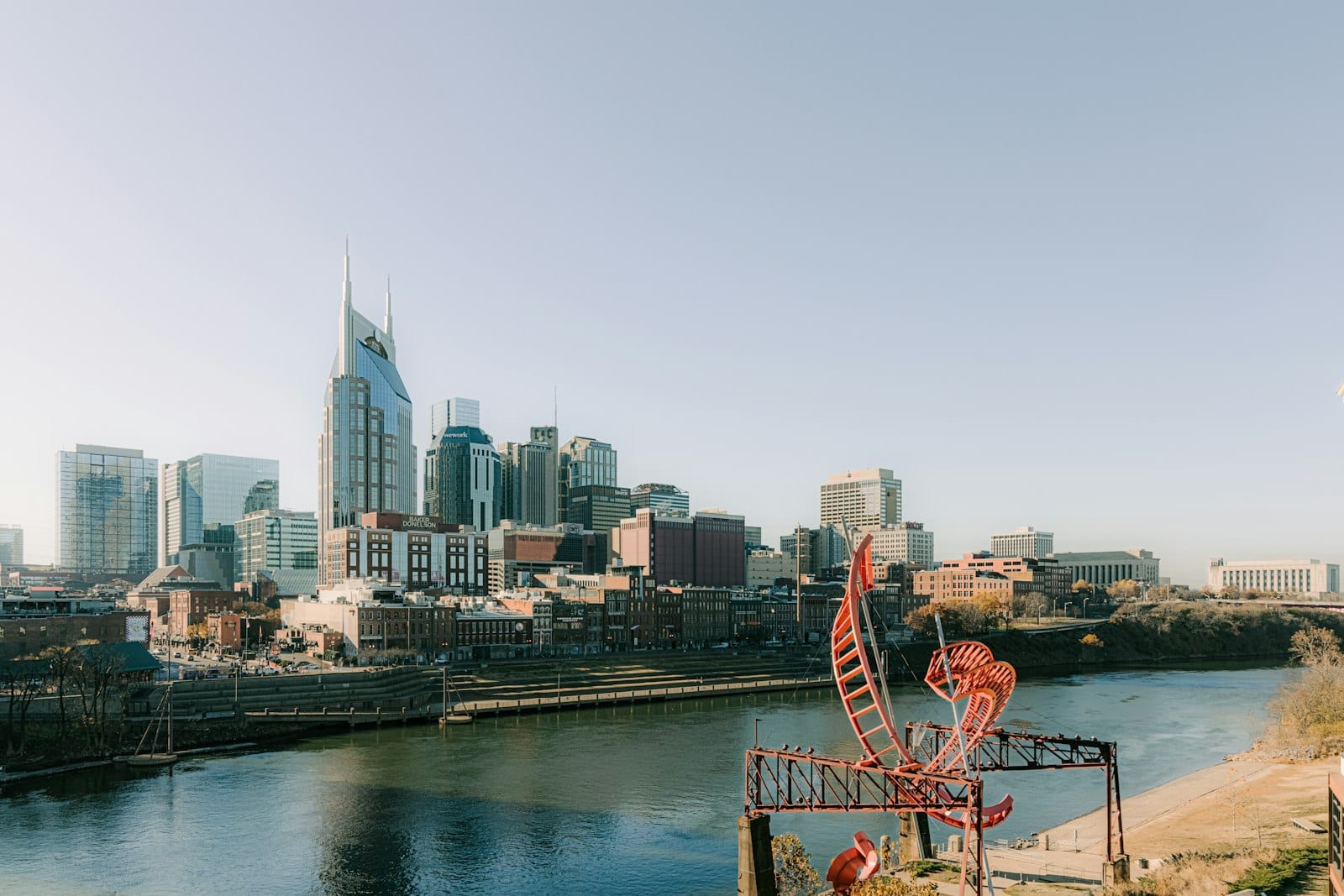
Nashville is the capital of Tennessee and sits on the Cumberland River in the north-central part of the state, about 597 feet above sea level. The city operates as a consolidated city-county government called the Metropolitan Government of Nashville and Davidson County. For visitors, this is mostly administrative trivia — but it helps explain why Nashville feels larger than its 689,000-person city population suggests: the metro area holds nearly 2 million people spread across an unusually wide geographic footprint.
Nashville International Airport (BNA) sits about 8 miles southeast of downtown. From there, a taxi or rideshare to the city center typically runs $25-35 depending on traffic and surge pricing. WeGo Public Transit's Route 18 connects the airport to downtown for $2 per ride (2-hour pass) — useful if you're watching costs, but less practical with luggage during peak hours. For a full breakdown of transport options, see the Nashville airport guide.
💡 Local tip
Nashville runs on Central Time (UTC-6 in winter, UTC-5 in summer). Tap water is safe to drink and meets federal EPA standards. Tipping at sit-down restaurants is a firm social norm at 18-20% of the pre-tax bill — not optional in local culture.
Day One: Music History, Broadway, and the Heart of Downtown
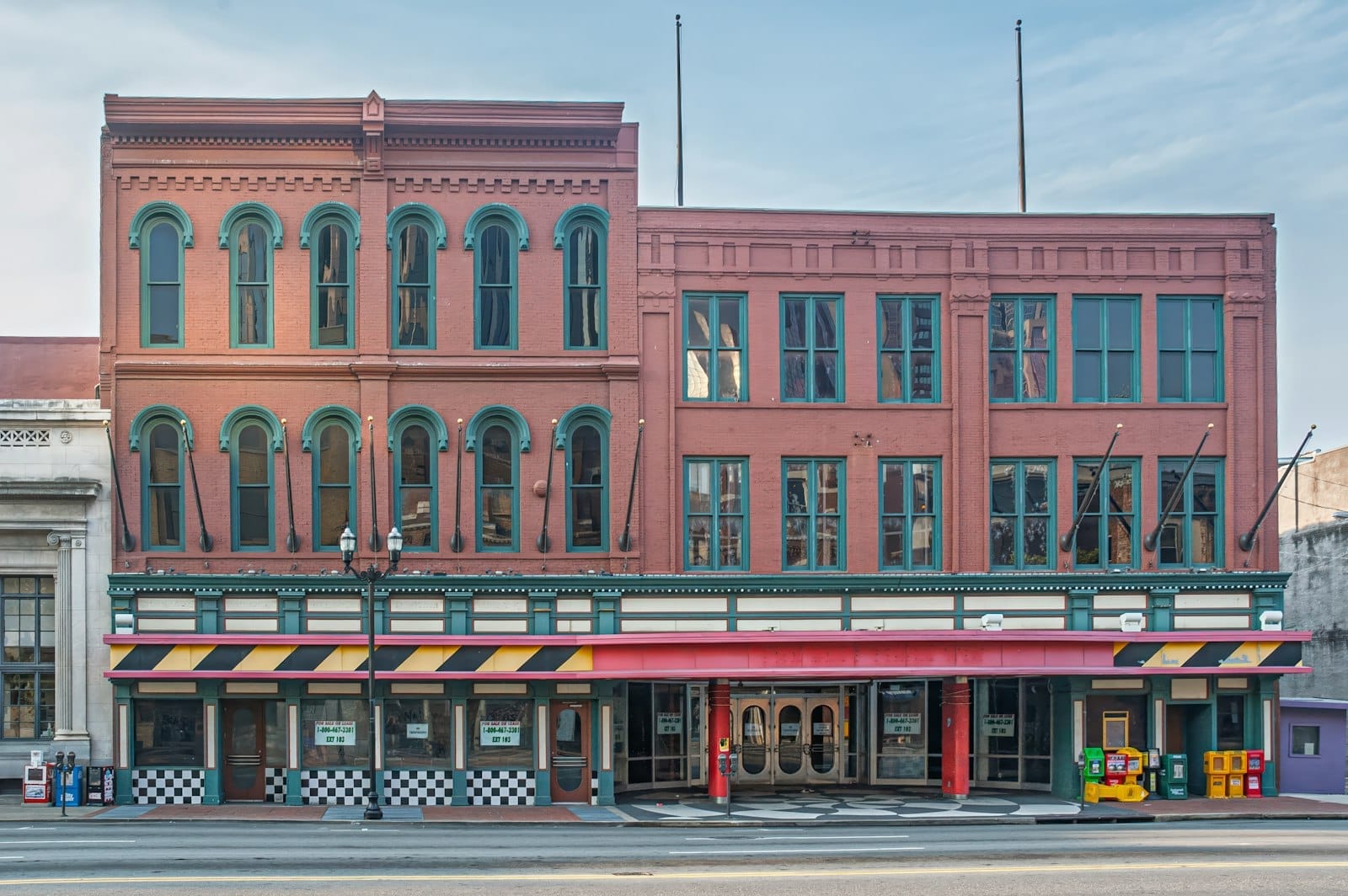
Start Day 1 at the Country Music Hall of Fame and Museum, which opens at 9:00 a.m. daily (10:00 a.m. on Sunday). Arriving early means shorter lines and a calmer environment before tour groups arrive around 10:30. General admission runs $29.95 for adults and $19.95 for youth ages 6-12; children 5 and under are free. Budget 2-3 hours to do it justice — the permanent collection covering country music from its Appalachian roots through today is genuinely substantial, not a quick walk-through.
Consider the combo ticket that bundles admission with a guided tour of Hatch Show Print, the letterpress poster shop operating since 1879. Guided tours run multiple times daily and cost around $22-25 for adults. This is one of the few genuinely working print shops still using century-old techniques — it's worth the add-on if you have any interest in design or print history. From the Hall of Fame, walk two blocks to Ryman Auditorium for a self-guided tour (around $36 including taxes and fees; verify at ryman.com). The Ryman is called the 'Mother Church of Country Music' for a reason: the acoustics are exceptional, and the history on display is well-curated.
For lunch, head to downtown Nashville's SoBro area or Broadway itself. The honky-tonk strip restaurants are convenient but serve average food at inflated prices — they're better for drinks than meals. A better call is walking a few blocks to find a local spot rather than eating at the tourist-facing bars on the main drag.
After lunch, spend an hour at the National Museum of African American Music (NMAAM), which traces the influence of Black American artists across blues, gospel, R&B, hip-hop, and country. It opened in 2021 and remains undervisited relative to its quality. The interactive exhibits and listening stations reward a deliberate pace. From there, the Music Row neighborhood is a short ride southwest — the 16th and 17th Avenue corridors still house active recording studios and music publishing offices, and the visual landscape of this working industry district is worth 30 minutes of walking.
- Country Music Hall of Fame Open daily 9 a.m.-5 p.m. Adults from $29.95. Allow 2-3 hours minimum. Book online to skip the ticket line.
- Hatch Show Print Tour Around $22-25 adults. Tours run roughly 3 times daily. Combo with CMHF saves money. Book in advance on weekends.
- Ryman Auditorium Self-Guided Tour From about $35. Open daily; last tour typically mid-afternoon. Check for evening shows, which close the venue to daytime tours.
- NMAAM Admission applies; check current pricing at nmaam.org. Plan 60-90 minutes. Located in SoBro, walking distance from the Hall of Fame.
Evening on Day 1 belongs to Broadway's honky-tonk strip. Lower Broadway between 1st and 5th Avenue is the densest concentration of live music bars in the country, most charging no cover. Tootsie's Orchid Lounge and Robert's Western World are the most historically significant stops. The strip gets extremely crowded after 9 p.m. on Friday and Saturday; if you want to actually hear the music rather than shout over a crowd, arrive by 7:30. Drinks on Broadway run $8-14 for domestic beers and basic cocktails.
⚠️ What to skip
Broadway on a Saturday night in summer or during major events like CMA Fest can be genuinely overwhelming — think shoulder-to-shoulder crowds from 9 p.m. onward. If that's not your scene, East Nashville and Germantown offer live music in a far more manageable atmosphere on the same nights.
Day Two: Neighborhoods, the Opry, and Live Music That Lasts
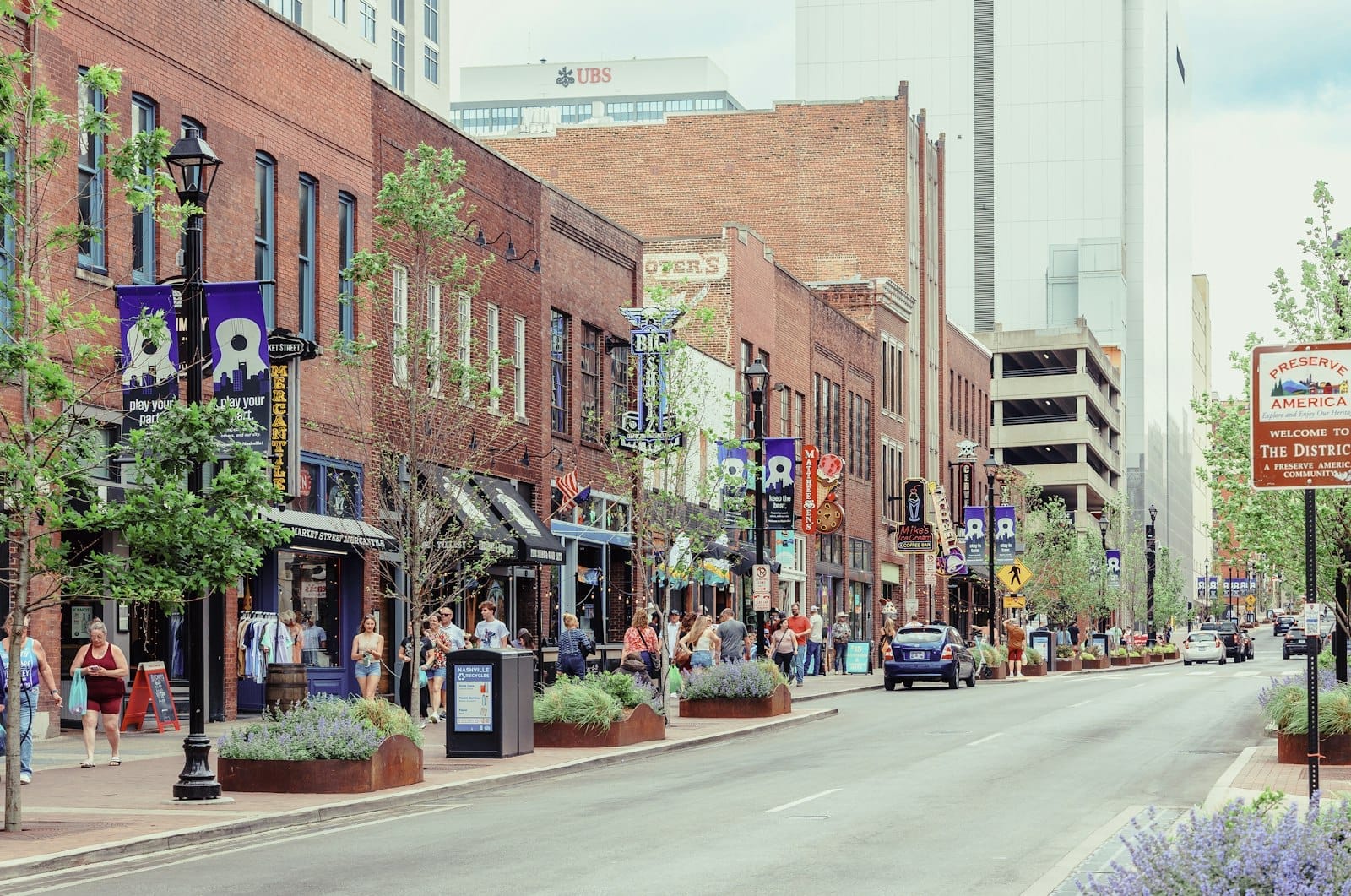
Day 2 works best when you leave downtown behind for at least half the day. Nashville's neighborhoods each have a distinct character, and the city's identity is not fully legible from Broadway alone.
Start the morning in The Gulch, a former industrial district about a 10-minute walk or short ride south of downtown. Biscuit Love is the most-recommended brunch spot in the area, but expect waits of 60 minutes or more on weekend mornings — put your name in and walk to the Wings mural nearby, which has become one of Nashville's most photographed spots. The Gulch has good coffee shops for a lighter start if you'd rather skip the wait.
After brunch, head to Centennial Park and the Parthenon — a full-scale replica of the Athens original, built for Tennessee's 1897 Centennial Exposition. Museum admission runs about $15 for adults, $10 for seniors 62+ and children 4-17. It's open Tuesday through Saturday 9 a.m. to 4:30 p.m., Sunday 12:30-4:30 p.m., closed Monday. The Athena statue inside is striking; the exterior is best photographed in morning light. The park itself is a good spot to decompress after a busy first day.
From Centennial Park, 12 South is a 10-minute drive south. This stretch of 12th Avenue South has independent boutiques, local restaurants, and the original Nashville mural wall on Sevier Park's edge. It's a genuinely local commercial corridor rather than a tourist construct. If you're interested in browsing vinyl or independent retail, Third Man Records in the Gulch is worth a stop — Jack White's Nashville outpost presses records on-site and carries an excellent selection of new and catalog releases.
Afternoon is the right time to cross the river into East Nashville or head north to Germantown. East Nashville's Five Points corridor has independent restaurants, craft cocktail bars, and music venues that draw a local crowd. Germantown, just north of downtown, has some of Nashville's best restaurants concentrated in a walkable historic district — it's a strong dinner choice before the evening show.
✨ Pro tip
If you're in Nashville on a Friday or Saturday, book the Grand Ole Opry for the evening well in advance. Shows typically start at 7:00 p.m. (with select 9:30 p.m. shows on peak dates). Tickets start around $60 plus fees. The Opry House is in the Music Valley area, about 10 miles from downtown — budget 20 minutes by rideshare each way.
The Grand Ole Opry is the evening anchor for Day 2. Shows run around 2.5 hours and feature 10-12 artists across multiple country music styles. The format is more variety show than concert — each act performs 2-3 songs. It's not everyone's preference, but as a piece of American cultural history it's unmatched. If you prefer a more intimate music experience, Bluebird Cafe in Green Hills hosts songwriter-in-the-round shows where you hear original artists perform their own material, often the songs that became hits for bigger names. Capacity is under 100 seats; reservations are essential.
Getting Around Nashville on a Weekend
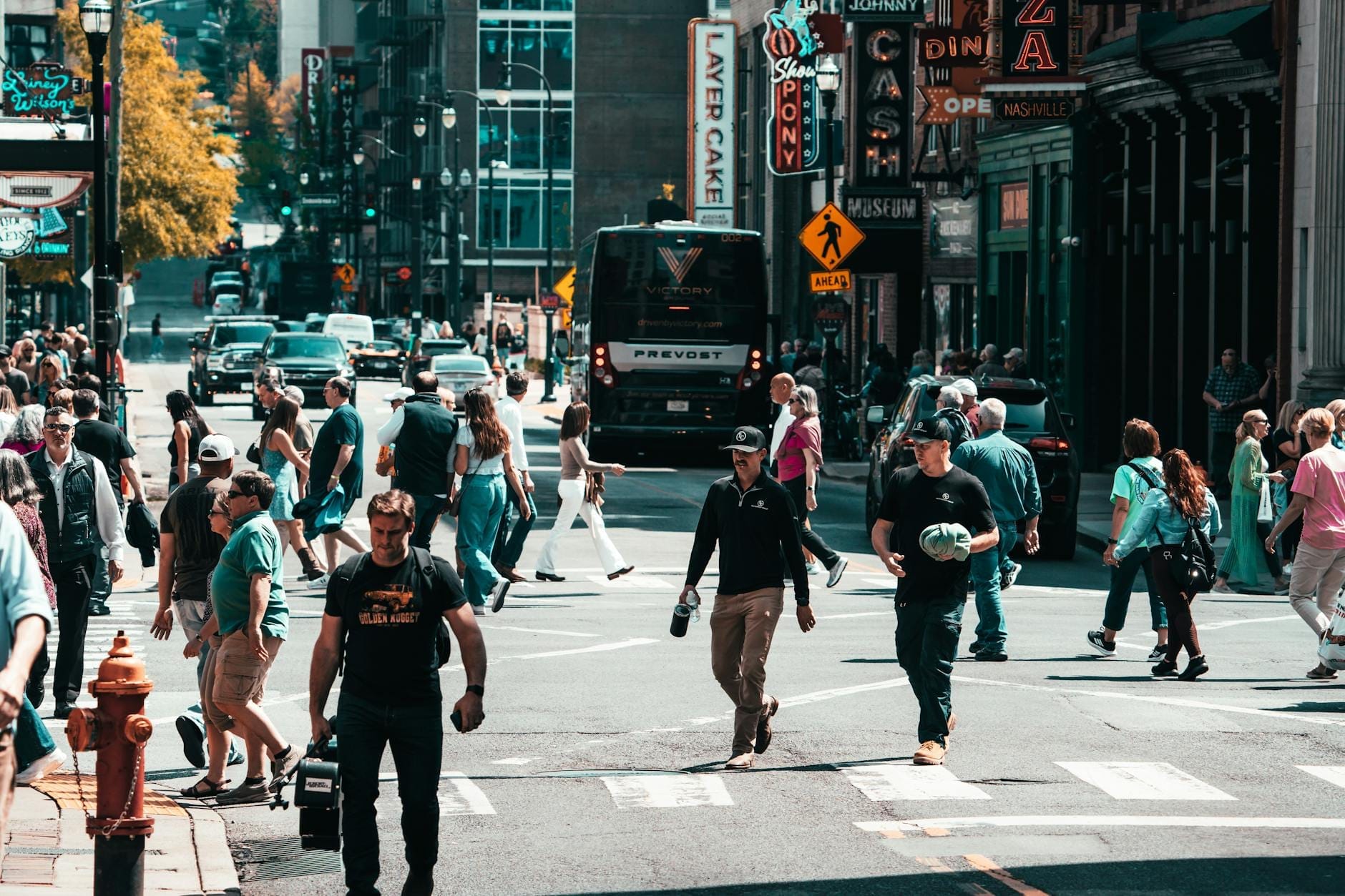
Nashville does not have a metro or subway system. Public transit is entirely bus-based under WeGo Public Transit, with a single commuter rail line (WeGo Star) running to suburbs on weekdays. For a 2-day weekend visit, the realistic options are walking within downtown, rideshares (Uber and Lyft both operate widely), and taxis. WeGo buses run throughout the city at $2 per ride (2-hour pass) or $4.00 for a day pass — useful for longer hauls to neighborhoods like East Nashville or Germantown if you're comfortable with the schedules.
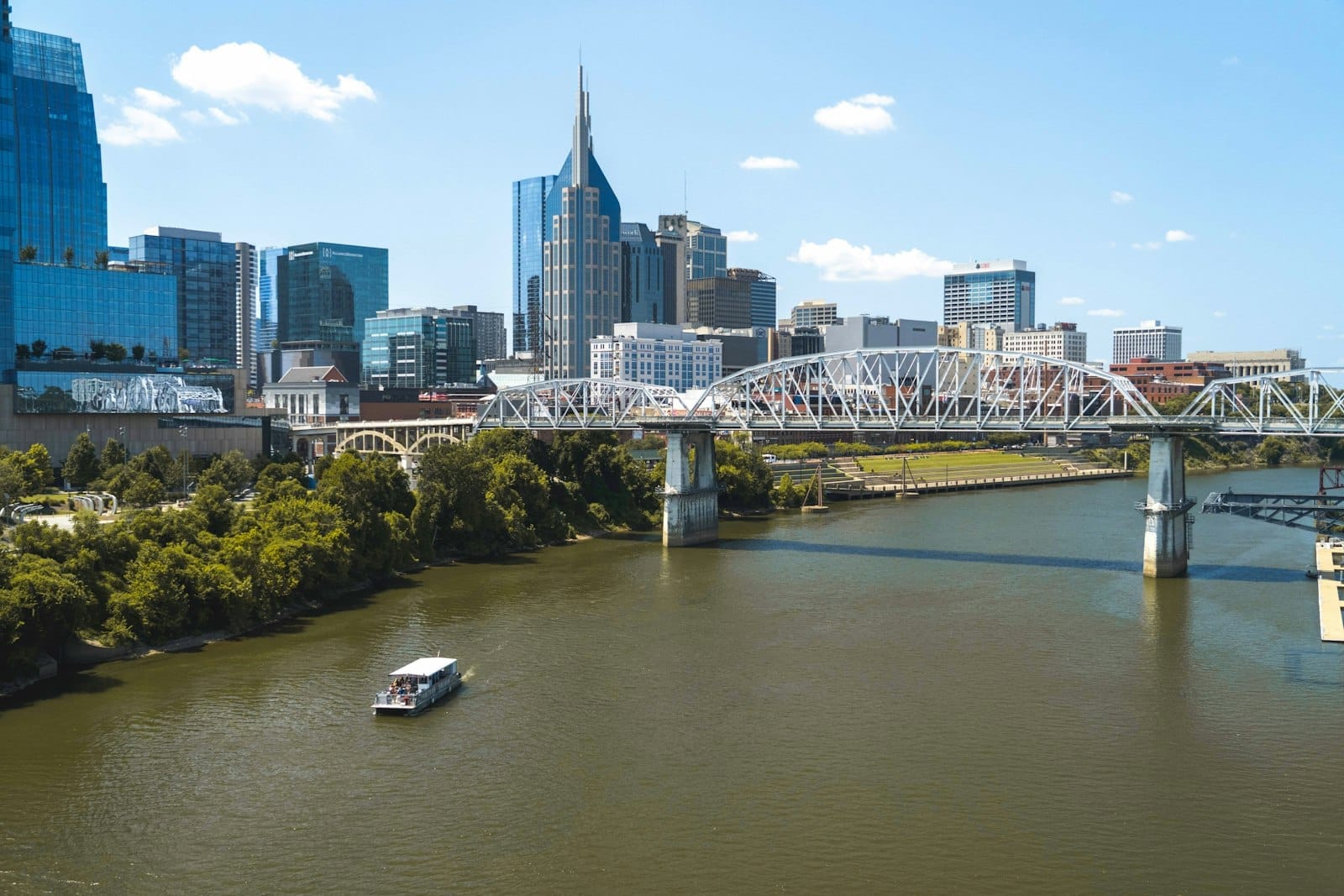
Downtown Nashville is walkable from roughly Bicentennial Mall in the north to SoBro in the south, and from the Cumberland River west to the Gulch — about a 30-minute walk at the extremes. Most of the Day 1 itinerary above can be completed on foot. The John Seigenthaler Pedestrian Bridge connects downtown to East Nashville on foot in about 10 minutes and offers good views of the skyline. For a complete orientation to transport logistics, the getting around Nashville guide covers all options in detail.
- Walk within downtown and SoBro — most Day 1 museums are within 15 minutes of each other on foot
- Use Uber or Lyft between neighborhoods: typical rides within the urban core run $10-18
- WeGo buses are $2/ride (2-hour pass); day passes are $4.00 and make sense if you plan 3+ rides
- The Gulch and 12 South are too far to walk from downtown for most visitors; rideshare is faster
- Music Valley (Grand Ole Opry area) is 10 miles from downtown — always plan a rideshare, not a walk
- Parking downtown on weekends is available but expensive ($20-40 in garages near Broadway on weekend evenings)
Honest Trade-offs: What Two Days Can and Cannot Do
Two days is enough to understand Nashville's core identity and enjoy its best-known draws. It is not enough to explore the full arc of the city's music history, visit the outer neighborhoods, or do justice to destinations like Belle Meade Historic Site (which interprets both the estate's thoroughbred legacy and the history of slavery on the property), the Tennessee State Museum (free, excellent, and usually uncrowded), or the civil rights landmarks documented in the downtown library's Civil Rights Room.
If your 2-day visit leaves you wanting more, Nashville rewards a third day or a return trip. The 3-day Nashville itinerary adds day trips, deeper neighborhood exploration, and the landmarks that don't fit a weekend. For visitors on a tight budget, many of Nashville's best experiences cost little or nothing: the Tennessee State Museum is free, live music on Broadway carries no cover charge, and the pedestrian bridge and murals cost nothing at all. See the free things to do in Nashville guide for a full list.
Nashville is not only a country music city. The Station Inn on the edge of the Gulch is widely considered one of the best bluegrass venues in the country. The Schermerhorn Symphony Center hosts the Nashville Symphony in an architecturally striking space. The Basement East in East Nashville draws indie and Americana acts. A well-rounded 2-day itinerary treats country music as the anchor, not the entire picture.
ℹ️ Good to know
April through May and September through October are the sweet spots for a Nashville weekend: mild temperatures (highs in the 60s-70s°F), lower humidity than summer, and active event calendars. Summer weekends (June-August) mean highs around 88-90°F with significant humidity — outdoor activities are better before 11 a.m. or after 5 p.m. For a detailed seasonal breakdown, see the best time to visit Nashville guide.
FAQ
Is 2 days enough time to see Nashville?
Two days covers Nashville's main music landmarks, one or two neighborhoods, and a solid evening of live music. You'll see the Country Music Hall of Fame, Ryman Auditorium, Broadway, and the Grand Ole Opry without feeling rushed if you plan the logistics well. What you won't have time for: outer neighborhoods like Germantown in depth, day trips to Franklin or the Natchez Trace, or the full range of music venues. A third day would add meaningful depth.
How much does a 2-day Nashville trip cost?
Budget $200-300 per person for two days, excluding accommodation. Country Music Hall of Fame admission runs around $32, Ryman self-guided tour around $36, Grand Ole Opry tickets from $60. Meals range from $15-25 per person at casual spots to $50+ at upscale restaurants. Drinks on Broadway run $8-14 each. Rideshares within the city average $10-18 per ride. A more frugal approach — skipping paid tours, eating outside the tourist core, and relying on free Broadway live music — can cut costs significantly.
Do I need a car to visit Nashville for a weekend?
No. For a downtown-focused 2-day visit, Uber and Lyft cover all the gaps that walking doesn't. You only need a car if you're planning day trips (like Jack Daniel's Distillery in Lynchburg or Franklin) or want to move between neighborhoods at odd hours. Parking downtown on weekend evenings is expensive and inconvenient, so even visitors who drive in often leave the car at the hotel.
When should I book Grand Ole Opry tickets?
Book as soon as your dates are confirmed — ideally 3-4 weeks out for Friday and Saturday shows. Spring and fall weekend shows sell out regularly. Tickets are available at Opry.com and start around $60 plus fees; premium seats and backstage tour packages cost more. The Ryman Auditorium hosts Opry shows from late fall through winter, which is a significantly more intimate setting than the Opry House.
What Nashville neighborhoods should I visit beyond downtown?
For a 2-day visit, pick one or two beyond-downtown areas. The Gulch is closest and easiest — good for brunch and the Wings mural. East Nashville (Five Points area) has the best independent dining and bar scene with a local crowd. Germantown, north of downtown, is Nashville's most charming historic district and has excellent restaurants. 12 South suits shoppers and those who want a relaxed afternoon walk. All are 10-20 minutes from downtown by rideshare.
Tickets & tours
Live prices and dates from our booking partner. If you book, we may earn a commission at no extra cost to you.
Planning a trip? Discover personalized activities with the Nomado app.