Schermerhorn Symphony Center: Nashville's Concert Hall Worth Dressing Up For
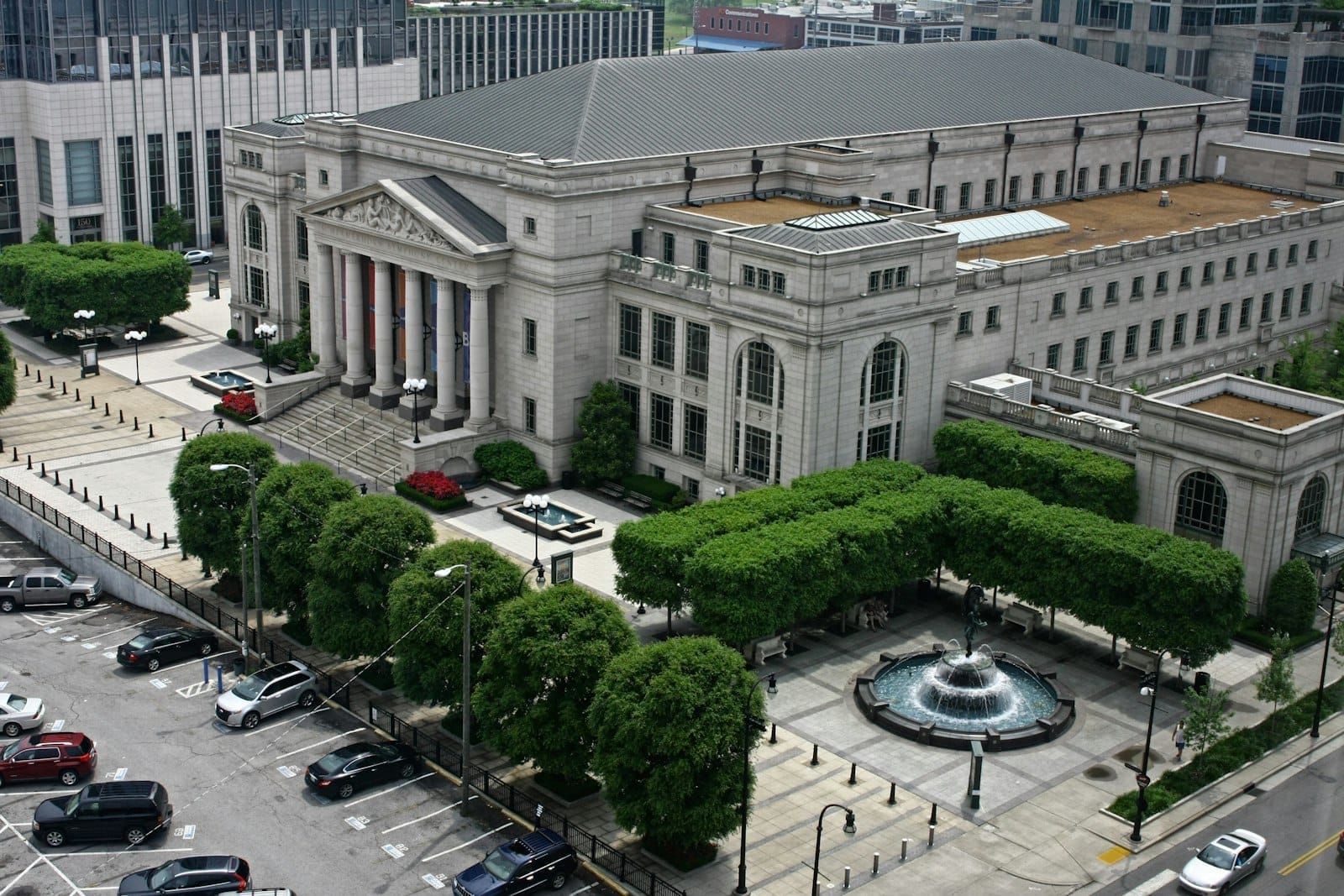
The Schermerhorn Symphony Center is downtown Nashville's architectural centerpiece and home to the Nashville Symphony. Built in 2006 in the SoBro district, this 197,000-square-foot neo-classically inspired hall pairs extraordinary acoustics with natural daylight, making it unlike virtually any other major concert venue in the United States.
Quick Facts
- Location
- 1 Symphony Place, SoBro, Downtown Nashville, TN 37201
- Getting There
- Walkable from Broadway; WeGo bus routes serve downtown. Street and garage parking available in SoBro.
- Time Needed
- 2–3 hours for a full concert; 30–45 minutes for a daytime visit to the garden and lobby
- Cost
- Ticket prices vary by performance; no general admission fee. Check nashvillesymphony.org for current pricing.
- Best for
- Classical music fans, architecture lovers, date nights, and travelers wanting a break from Broadway's honky-tonks
- Official website
- www.nashvillesymphony.org
What the Schermerhorn Actually Is
Nashville is known globally for country music, but the Schermerhorn Symphony Center makes a compelling case that this city takes all of its musical traditions seriously. Formally opened on September 9, 2006, and named in honor of Kenneth Schermerhorn, who led the Nashville Symphony for 22 years, the building sits in the SoBro (South of Broadway) district at 1 Symphony Place, directly across from the Country Music Hall of Fame and Museum.
The 197,000-square-foot building houses the Laura Turner Concert Hall, an approximately 1,850-seat space designed with a level of acoustic precision rarely seen in venues built after the mid-20th century. The hall can also convert its orchestra-level theater seating into a flat, 5,700-square-foot hardwood floor for galas and alternate event formats. From the outside, the building reads as stately and deliberate rather than flashy, with a neoclassical limestone facade that stands in genuine architectural contrast to the glass towers and neon signage surrounding it.
💡 Local tip
The public garden on the Hall of Fame Park side of the building is open throughout the day. You do not need a concert ticket to visit it, and it offers one of the cleaner views of the building's exterior.
The Architecture: Why It Stands Out
Most modern concert halls are sealed boxes, built to eliminate every variable that might interfere with sound. The Schermerhorn takes a different approach: 30 specially engineered, soundproof windows ring the Laura Turner Concert Hall, admitting natural daylight without acoustic compromise. In practice, this means that for daytime rehearsals and early-evening performances, the hall is filled with a quality of light you simply do not encounter in comparable venues. The effect is striking the first time you experience it, and it fundamentally changes the atmosphere from cathedral-dark to something more open and alive.
The neoclassical design, with its colonnaded facade and formal proportions, was intentional. The building draws on the civic architecture of 19th-century European concert halls rather than the brutalist or minimalist aesthetics that dominated American public buildings in the decades before its construction. Walking up to it from Fourth Avenue South, the scale registers gradually. The limestone catches afternoon light differently than glass or steel, and the Hall of Fame Park in front creates a genuine public forecourt that makes the approach feel considered.
For context on Nashville's broader architectural and cultural landscape downtown, the Country Music Hall of Fame sits directly across the street, and together the two buildings frame Hall of Fame Park into one of the more intentionally designed public spaces in the city.
Tickets & tours
Live prices and dates from our booking partner. If you book, we may earn a commission at no extra cost to you.
Nashville City Center audio-guided walking tour
From 9 €Instant confirmationOld Town trolley tour of Nashville
From 54 €Instant confirmationFree cancellationHatch Show Print guided tour
From 21 €Instant confirmationFree cancellationDowntown walking tour of Nashville
From 21 €Instant confirmationFree cancellation
The Concert Experience: Before, During, and After
Arriving at the Schermerhorn 30 to 45 minutes before a performance is worth doing for reasons beyond avoiding the last-minute rush. The lobby spaces are well-proportioned and relatively uncrowded before the main wave of concertgoers arrives. The bar service opens in advance of curtain, and the crowd at this point tends to be a mix of Nashville locals, subscribers who have been coming for years, and visitors who deliberately sought out a night away from the louder entertainment corridor on Broadway.
The Laura Turner Concert Hall itself rewards attention before the performance begins. Look up at the ceiling architecture, note the relationship between the balcony tiers and the stage, and pay attention to how the room fills with sound even during tuning. The acoustic design means the orchestra's sound reaches the back rows with a clarity that surprises first-time visitors accustomed to amplified venues. There is no PA system augmenting the performance; everything you hear is the actual acoustic output of the musicians and the room.
After the performance, the area around the building is active but not overwhelming. SoBro is close enough to Broadway that options for dinner or a drink are plentiful, but far enough that the post-concert crowd disperses differently than it would in a bar district. If the weather is reasonable, the walk along Fourth Avenue South toward Broadway takes about five minutes and passes through one of the more architecturally interesting blocks in downtown Nashville.
ℹ️ Good to know
Concert dress at the Schermerhorn is not formally enforced, but the audience skews smart-casual to dressed up. You will not feel out of place in business casual attire, and some patrons arrive in formal wear for major performances. Jeans and clean sneakers are also common for pops concerts.
When to Visit and What's On
The Nashville Symphony's season runs primarily from late summer through spring, with a reduced summer schedule. The programming spans full orchestral classical concerts, pops series featuring pop and film music, and special holiday performances. The holiday programming in December tends to sell quickly and draws an audience that includes people who may not attend classical concerts at other times of year.
If you are planning a trip around a specific performance, check the concert calendar on nashvillesymphony.org well in advance. Major guest soloists and conductor appearances book out fast. If your travel dates are flexible, the best time to visit Nashville guide can help you align your trip with the symphony season and avoid the city's busiest tourist weekends, when ticket availability tightens across all venues.
The Schermerhorn also hosts non-symphony events: private galas, corporate events, and occasional touring performers who want an acoustic rather than amplified room. These appearances are listed on the venue calendar separately from symphony season programming.
Who This Attraction Is For, and Who Should Skip It
The Schermerhorn rewards visitors who are already interested in classical or orchestral music, or who genuinely enjoy architectural spaces built with long-term ambition. It is also an excellent choice for travelers who want a high-quality Nashville experience that has nothing to do with country music, and for anyone planning a more formal evening out, particularly couples looking for a different kind of date night.
If you are in Nashville specifically for the honky-tonk scene or the broader country and Americana music culture, the Schermerhorn is probably not where you should spend your limited evening time. For that, the Ryman Auditorium or the Bluebird Cafe are more directly relevant, and the Nashville live music guide covers the full spectrum of options.
Visitors with children should consider whether the specific program is age-appropriate. The Nashville Symphony does offer family concerts designed for younger audiences, and those performances are a different environment than a formal subscription concert, where the expectations around quiet and stillness can be challenging for younger children.
Getting There and Practical Details
The Schermerhorn is located at One Symphony Place, in the SoBro district of downtown Nashville. It sits roughly two blocks south of the main Broadway entertainment corridor, making it walkable from most downtown hotels in under ten minutes. The area is well-lit and pedestrian-friendly at night.
WeGo Public Transit bus routes serve downtown Nashville, and the venue is reachable from multiple stops in the central business district. If you are driving, SoBro has paid parking garages within a short walk of the building. On concert nights, these garages fill quickly in the hour before curtain; arriving 45 to 60 minutes early gives you the best parking options without stress.
Ride-hailing via Uber or Lyft is straightforward from this address. Post-concert pickup can involve a short wait as demand spikes when the hall empties. The getting around Nashville guide breaks down transit options in more detail if you are navigating the city without a car.
For accessibility accommodations, including specific seating arrangements, assistive listening devices, or mobility assistance, contact the Nashville Symphony box office directly before your visit. The building is modern and was designed with accessibility in mind, but specific needs are best confirmed in advance to ensure the right accommodations are in place.
Insider Tips
- Check the Nashville Symphony's digital program rather than waiting for a printed one at your seat. The digital version is often more detailed and available before you arrive.
- The garden on the Hall of Fame Park side of the building is one of the quieter outdoor spaces in downtown Nashville during the day. If you are passing through SoBro between attractions, it is a reasonable place to stop without needing a ticket.
- Pops concerts, which feature film scores, Broadway music, or pop artists, tend to have a noticeably different audience energy than classical subscription concerts. If you are unsure whether you will enjoy a symphony experience, a pops program is a lower-stakes entry point.
- Pre-concert dinner reservations in SoBro and the adjacent Gulch neighborhood book out on major performance nights, particularly for Saturday concerts. If you want to eat nearby before the show, book in advance rather than hoping to walk in.
- The 30 soundproof windows in the Laura Turner Concert Hall mean that afternoon rehearsal light and early-evening concert light look genuinely different. If you have flexibility in choosing between a matinee and an evening performance, the late-afternoon natural light through those windows during a 3pm or 4pm matinee is worth experiencing specifically.
Who Is Schermerhorn Symphony Center For?
- Classical and orchestral music fans looking for a world-class acoustic hall
- Architecture enthusiasts interested in neoclassical civic design
- Couples planning a formal or semi-formal night out in Nashville
- Travelers wanting a high-quality cultural experience outside the country music orbit
- Visitors to Nashville in December, when holiday programming fills the calendar
Nearby Attractions
Other things to see while in Downtown Nashville:
- 3rd & Lindsley
Since 1991, 3rd & Lindsley has been the venue where Nashville musicians play when they want to be heard, not just seen. Located half a mile south of Broadway in the SoBro district, it is an intimate, no-frills room that draws touring acts, local legends, and serious audiences in equal measure.
- Acme Feed & Seed
Housed in a landmark 1943 building at the corner of 1st Avenue and Broadway, Acme Feed & Seed is a multi-level bar, restaurant, and music venue with a rooftop overlooking the Cumberland River. It offers a more layered experience than the typical honky-tonk strip, with a rooftop that earns its reputation for views and a ground floor that still delivers the Broadway energy.
- Adventure Science Center
Adventure Science Center is Nashville's premier interactive science museum, offering 44,000 square feet of hands-on exhibits, a 75-foot adventure tower, and a 63-foot dome planetarium. It has served the city since 1945 and remains one of the most engaging family destinations near downtown Nashville.
- Bicentennial Capitol Mall State Park
Bicentennial Capitol Mall State Park is a free, 19-acre outdoor park in downtown Nashville built to commemorate Tennessee's 200th anniversary of statehood. Anchored by a 200-foot granite map of the state, a 95-bell carillon, and the Rivers of Tennessee Fountains, it doubles as one of the most informative and peaceful green spaces in the city center.
Planning a trip? Discover personalized activities with the Nomado app.