Nashville Live Music Guide: Where to Hear Music Every Night
Nashville, Tennessee earns its Music City nickname with over 250 live music venues spanning free honky-tonks, songwriter showcases, bluegrass clubs, and major concert halls. This guide breaks down exactly where to go, what to expect, and how to plan your nights around live music in Nashville.
Tickets & tours
Live prices and dates from our booking partner. If you book, we may earn a commission at no extra cost to you.
TL;DR
- Nashville has over 250 live music venues, and Lower Broadway honky-tonks like Tootsie's and Robert's Western World offer free live music from midday until late night, seven days a week.
- For intimate songwriter shows, the Bluebird Cafe and Listening Room Cafe require advance reservations and are worth booking weeks ahead.
- Nashville's live music scene goes well beyond country: jazz, blues, rock, Americana, and bluegrass all have dedicated venues and loyal crowds.
- Major ticketed concerts happen at the Ryman Auditorium, Bridgestone Arena, and Ascend Amphitheater. Book through official venue websites to avoid inflated third-party prices.
- Spring and fall offer the best conditions for catching outdoor shows. See the best time to visit Nashville for full seasonal breakdown.
Why Nashville Is the Live Music Capital of the U.S.
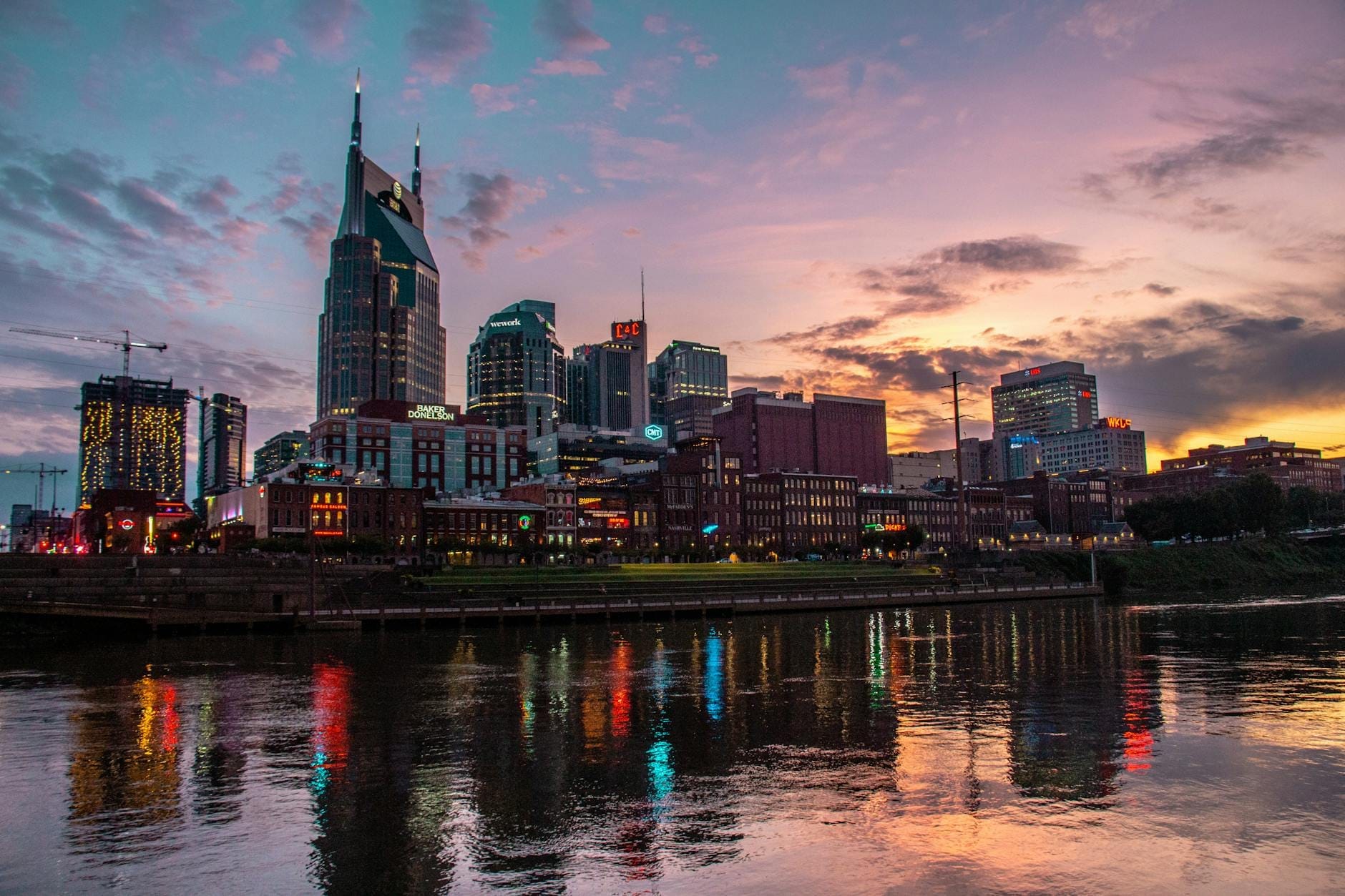
Nashville, Tennessee, the Metropolitan Government of Nashville and Davidson County, has been called Music City since the 1950s, and the nickname has only grown more accurate with time. The city sits at the intersection of country, Americana, bluegrass, gospel, and rock in a way no other American city replicates. Unlike Austin, which built its identity on a single annual festival, Nashville delivers live music every single night of the year, across every price point, from free bar stages to thousand-seat concert halls.
The concentration of professional musicians is staggering. Nashville is home to more working songwriters and session players per capita than anywhere else in the country, and many of them play local shows between studio sessions. That means even a no-cover Tuesday night at Station Inn might feature artists who have written chart-topping songs. The quality floor is high, even when the ticket price is zero.
ℹ️ Good to know
Nashville sits in the Central Time Zone (CST/CDT). Most Lower Broadway venues open for live music around noon and keep bands on stage until 1 or 2 a.m. Last call is typically 2 a.m. under Tennessee state law.
Lower Broadway: Free Music, All Day, Every Day
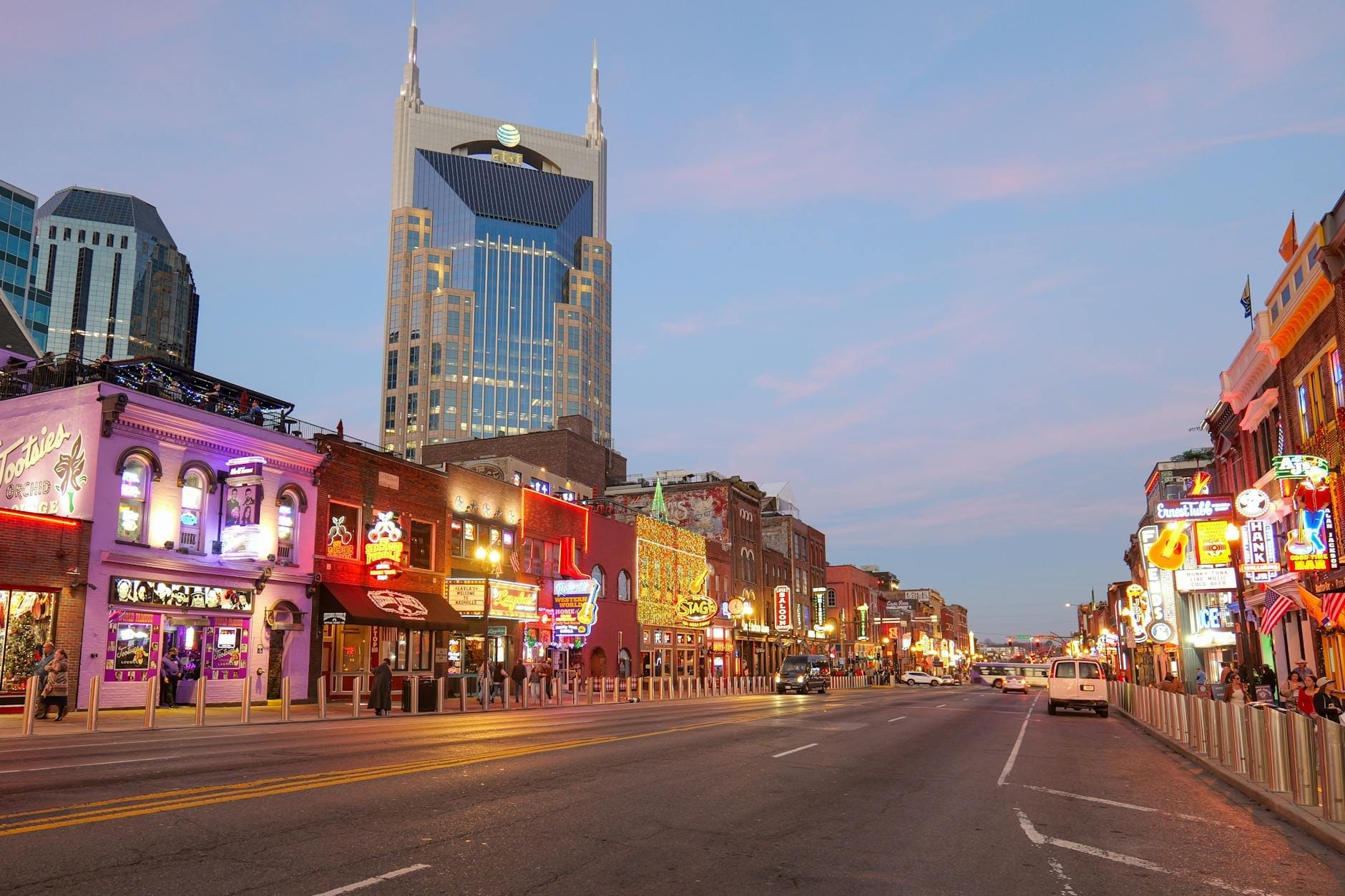
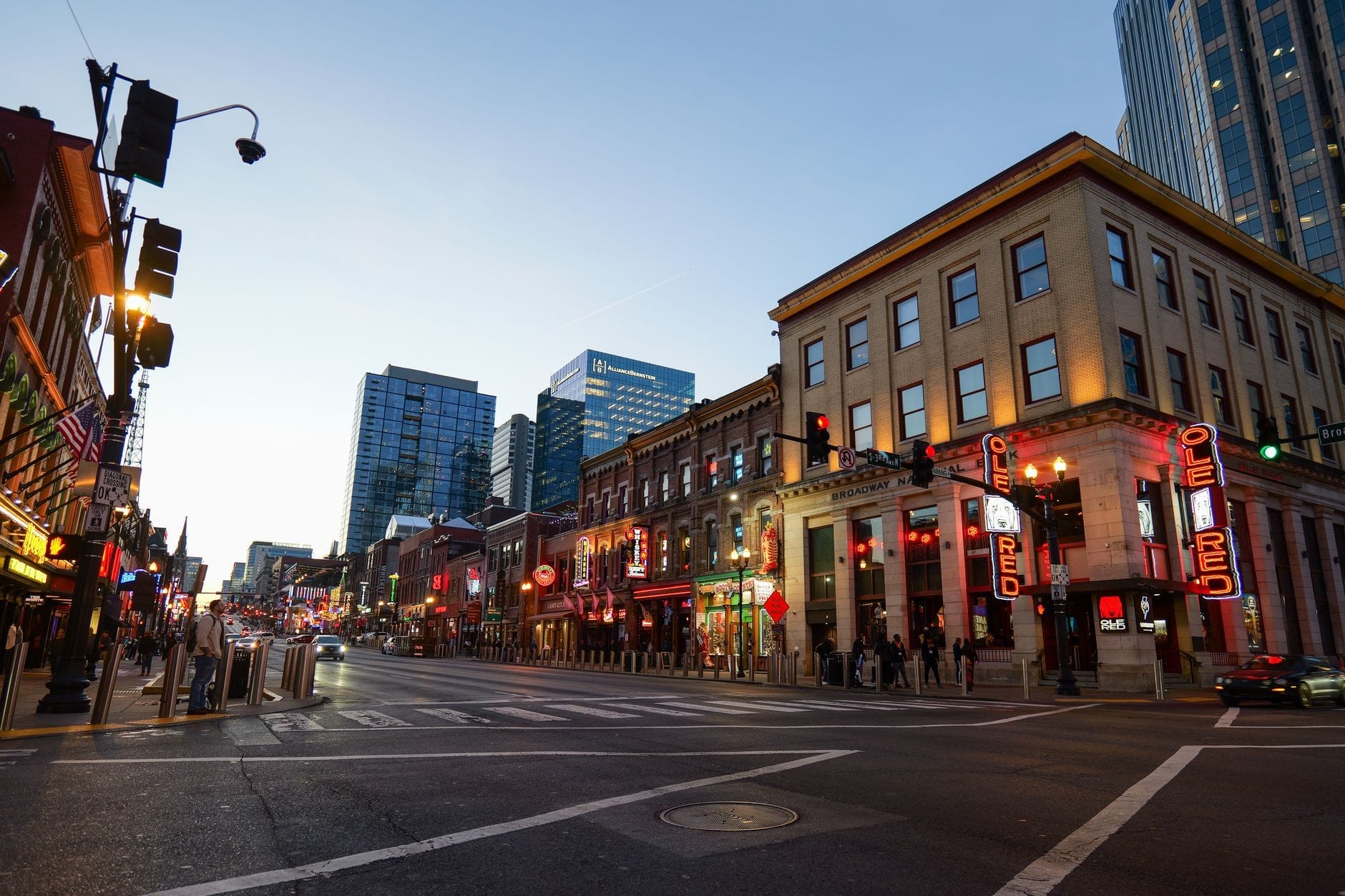
Lower Broadway, the stretch of honky-tonk bars running from roughly 1st to 5th Avenue in downtown Nashville, is the most accessible live music corridor in America. Walk in off the street, pay no cover, and hear a full band playing every hour of the day. Most bars rotate musicians every few hours, so the energy shifts even if you stay in one spot all afternoon.
- Tootsies Orchid Lounge The most famous honky-tonk in Nashville, operating since 1960. Multiple floors, multiple stages, no cover. Bands start early afternoon. Crowded on weekends but always worth a stop.
- Robert's Western World The locals' pick on Broadway. Authentic honky-tonk atmosphere, excellent house band (BR5-49 alumni have played here), and a no-nonsense approach to country music. Sells boots and band merchandise at the front. Free entry.
- The Stage on Broadway Three floors, rooftop bar with city views, and live music across multiple stages. Can get expensive on drinks, but entry is free most nights.
- Legends Corner Smaller, tighter, and louder than its neighbors. Good for catching the full-band honky-tonk experience at close range. No cover.
- Acme Feed and Seed Multi-story venue just off Broadway with a rooftop bar and varied live music programming. Less country-focused than the classic honky-tonks.
⚠️ What to skip
On Lower Broadway, bands work for tips, not guarantees. Not tipping is technically allowed but considered poor form. A few dollars per set is the norm. On busy weekends like CMA Fest or bachelorette season, some bars charge a cover after 10 p.m. or for rooftop access. Check the door before you commit.
Listening Rooms and Songwriter Venues
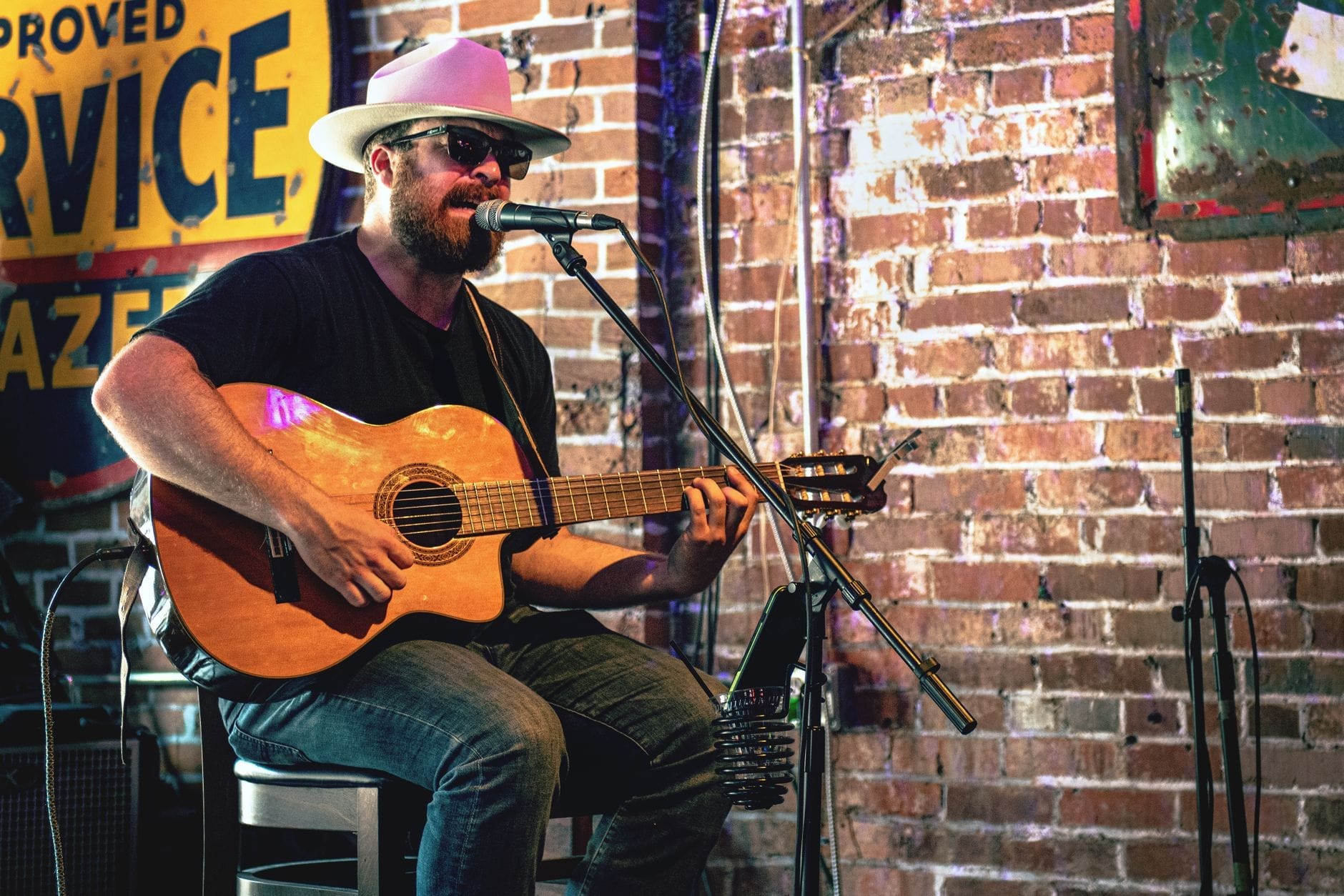
If honky-tonks are Nashville's loudest side, songwriter showcases are its most distinctive. The listening room format, where songwriters sit in a circle and take turns performing and explaining the stories behind their songs, is something Nashville invented and still does better than anywhere else. These shows offer direct access to the people who wrote the hits, not just the artists who recorded them.
The Bluebird Cafe in Green Hills is the most famous of these venues, seating around 90 people in a space that feels like someone's living room. The early show (around 6 p.m.) is typically an open-mic round, while the late show (around 9 p.m.) features professional songwriters. Tickets sell out days or weeks in advance, and there is a strict no-talking policy during performances. This is absolutely not the place for a rowdy group. For those who want a similar experience in a slightly more forgiving environment, the Listening Room Cafe in SoBro is larger, acoustically excellent, and easier to book.
- Bluebird Cafe: Advance tickets required via bluebirdcafe.com. No walk-ins for popular shows. Seats under 90. Alcohol service is tied to table service and food orders.
- Listening Room Cafe: Larger capacity, better for groups. Multiple songwriter nights per week. Dinner service available.
- 3rd and Lindsley: More of a club setup with full bar, hosts Americana, soul, and blues alongside singer-songwriter nights. Tickets usually $10-25.
- City Winery Nashville: Upscale listening room in Germantown with seated dinner shows. Expect $30-75 tickets plus food and wine minimums.
- Station Inn: Bluegrass institution in the Gulch, open since 1974. Cash-preferred, no-frills, extraordinary music. Cover typically $10-15. Get there early for a good seat.
✨ Pro tip
For the Bluebird Cafe, sign up for the venue's newsletter to get advance notice when tickets drop. Shows sell out in minutes for the late shows. The early open-mic rounds are walk-in friendly and often feature impressive undiscovered talent.
Major Concert Venues: The Ryman, Bridgestone, and Beyond
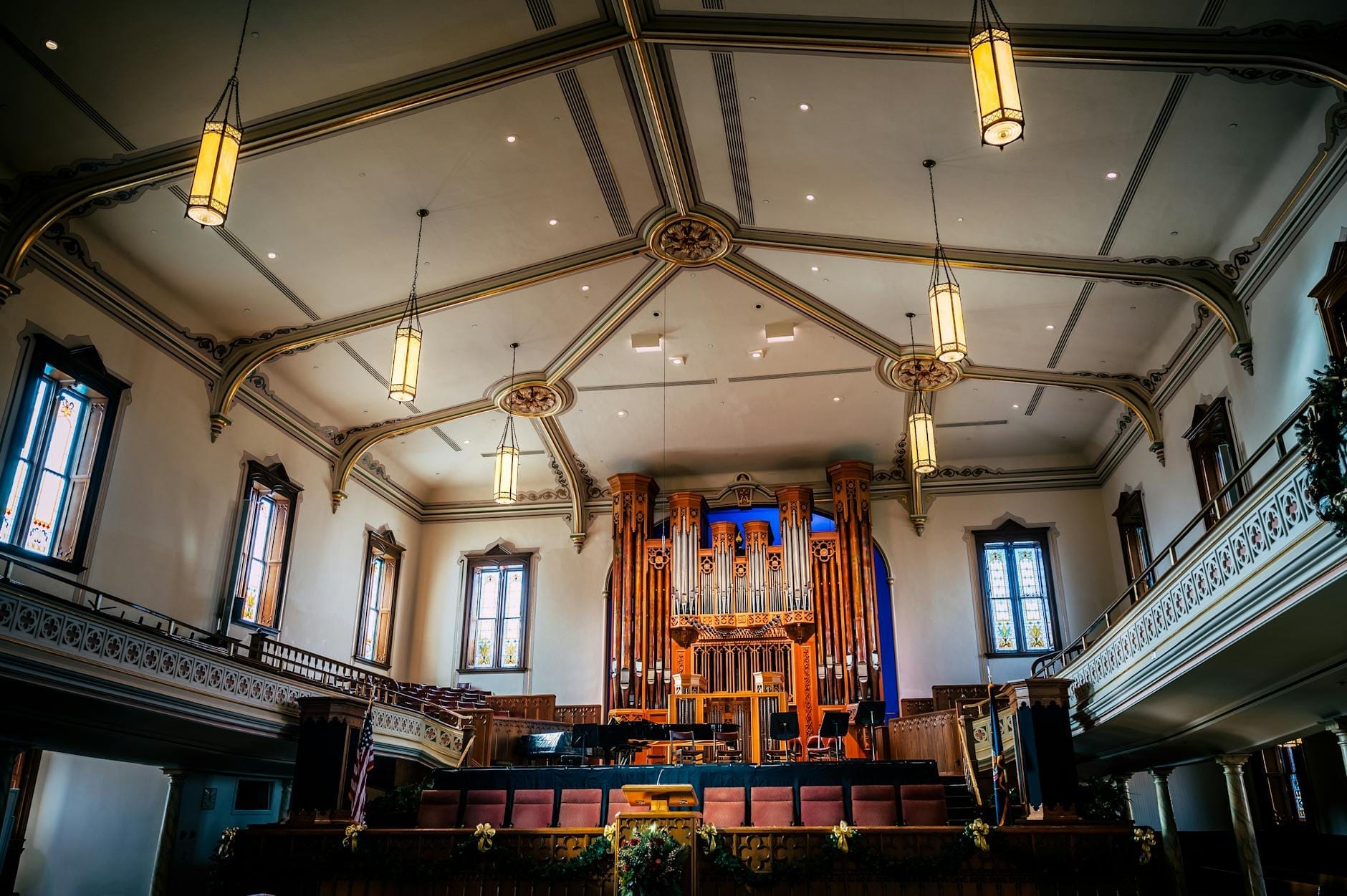
For ticketed concerts, Nashville's venue lineup is serious. The Ryman Auditorium is the crown jewel, a former church turned concert hall with legendary acoustics and a capacity of around 2,362. Every major artist in country, Americana, and folk wants to play the Ryman. Pew seating is uncomfortable but part of the experience. Shows here typically run $40-150 depending on the artist. Book directly through ryman.com.
For bigger shows, Bridgestone Arena holds around 17,000–20,000 and hosts stadium country, pop, and rock acts. The Ascend Amphitheater is an outdoor venue on the Cumberland River with capacity of about 6,800. It books heavily in spring through fall, with a mix of country, rock, and hip-hop. Views of the Nashville skyline from the lawn seats make it one of the more scenic concert experiences in the South.
Marathon Music Works, a converted industrial space in Marathon Village on the west side of downtown, handles mid-size acts of around 1,600 capacity and leans toward indie rock, electronic, and alternative. It has a reputation for good sound and a no-frills crowd experience. The Basement East in East Nashville is smaller, grittier, and the preferred room for rock, punk, and experimental artists playing clubs rather than theaters.
The Grand Ole Opry: Nashville's Longest-Running Show
No Nashville live music guide is complete without the Grand Ole Opry House. Running since 1925, it is the longest continuously running live radio show in American history. Performances happen multiple times per week, typically Tuesday, Friday, and Saturday evenings, at the Opry House in the Music Valley area, about 9–10 miles northeast of downtown. The format is unique: multiple artists perform short sets over a two-to-three hour show, with vintage radio announcements and a house band connecting the acts. Country legends share the bill with contemporary chart artists, making each show unpredictable.
Tickets range from around $38 to $100 depending on seat location and the lineup. The Opry also periodically returns to the Ryman Auditorium for winter and special shows, which many fans prefer for the acoustics and historic atmosphere. Full ticket details, show calendars, and membership options are at opry.com. For a deeper look at navigating your visit, check the Grand Ole Opry tickets guide.
Neighborhood Stages Beyond Downtown
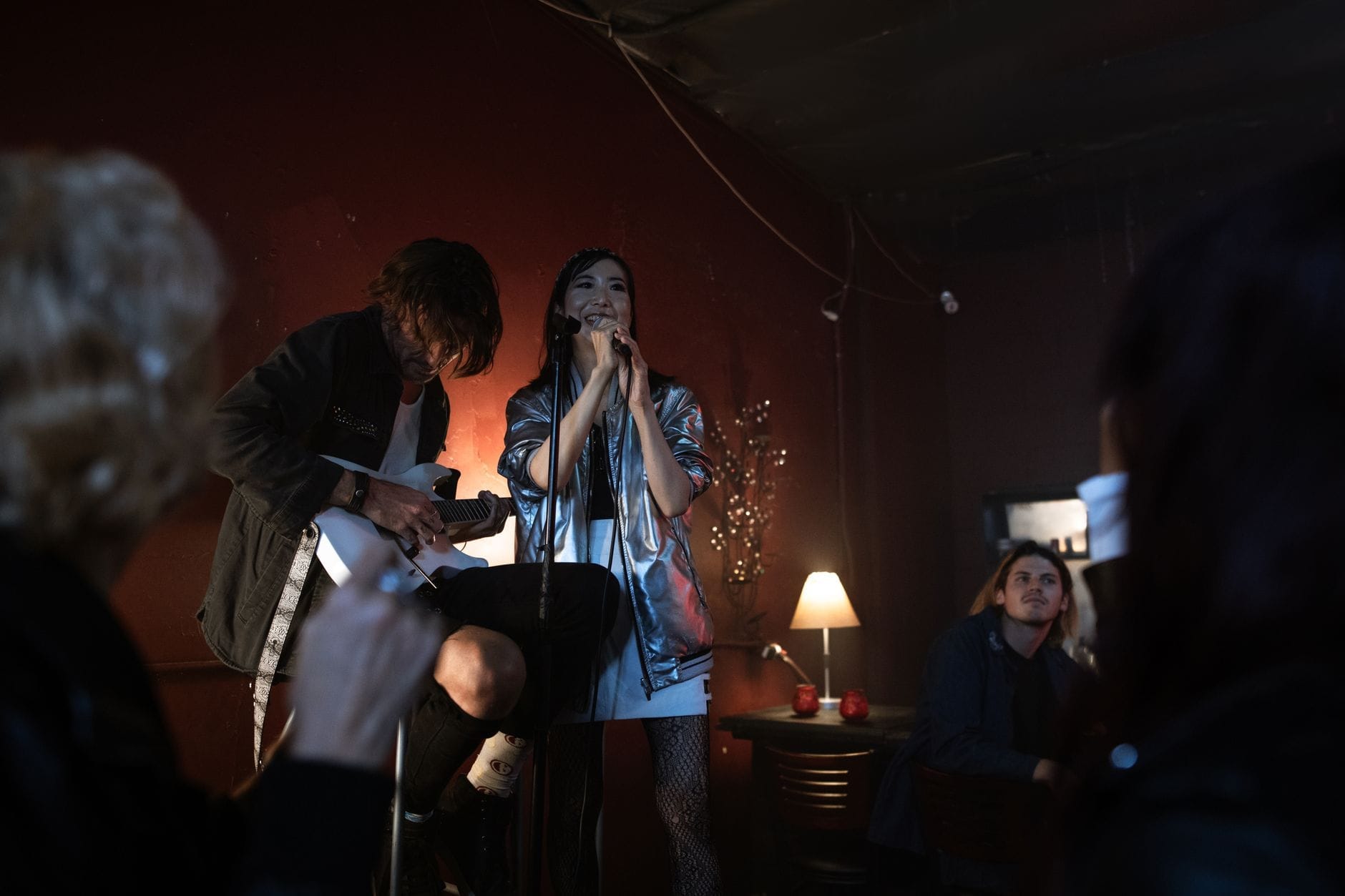
The live music scene extends well beyond Broadway. East Nashville has emerged as the city's most musically diverse neighborhood, with venues ranging from Basement East to small bars along Gallatin Avenue hosting local rock, folk, and alt-country. Five Points is the commercial hub of the area and within walking distance of multiple music spots on any given weekend night.
In Germantown, City Winery Nashville and a handful of smaller bars keep the music running in a neighborhood that feels removed from the tourist energy of Broadway. The Gulch has a few live music options, though it skews more toward DJs and electronic programming at night. For jazz specifically, Rudy's Jazz Room in the Gulch area programs serious jazz seven nights a week in a dedicated listening environment.
Seasonal Timing and Music Festivals
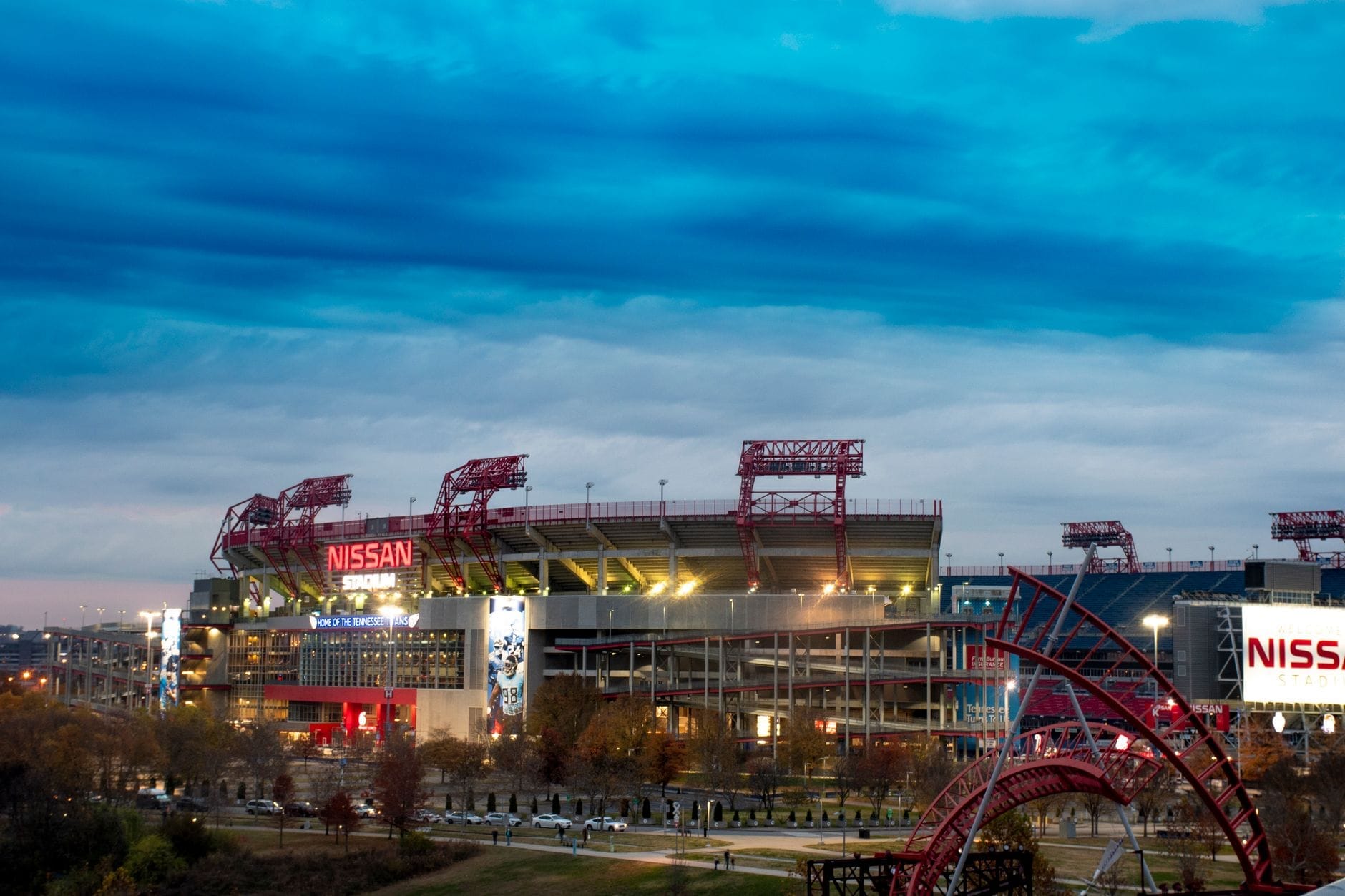
Nashville's indoor venues run year-round, but the outdoor calendar concentrates from April through October. The biggest single event in the city's music calendar is CMA Fest, held every June at Nissan Stadium and various smaller stages around downtown. It draws well over 100,000 attendees over four days and is the largest country music festival in the world. For planning your visit around the festival, the CMA Fest Nashville guide covers ticketing, schedules, and logistics.
Outside of festival season, April through May and September through October are the sweet spots for live music in Nashville. Weather is mild (highs around 65-79°F in spring, 61-82°F in fall), outdoor venues are active, and the city is busy without reaching the extreme summer crowds. July and August bring the most tourists and the most heat, which means competition for Bluebird tickets and standing room at Broadway bars is at its peak. December is quieter for tourists but the music keeps going, with holiday programming at the Opry and many venues offering themed shows.
💡 Local tip
Check the Nashville Scene's weekly music listings (nashvillescene.com) and the venue apps for up-to-date schedules. Broadway honky-tonks rarely publish specific set times, but major listening rooms and concert venues post full calendars weeks in advance.
Practical Tips for a Live Music Night in Nashville
- Get to the Bluebird Cafe, Station Inn, or City Winery early. Seating is limited and these venues do not hold reservations at the door for latecomers.
- On Lower Broadway, bar-hopping is the norm. Walk in, listen for a set, tip the band, and move on. There is no obligation to stay.
- Rideshare is the practical transport choice for a music night. WeGo bus Route 18 connects the airport to downtown, but late-night transit options are limited. Uber and Lyft operate city-wide.
- Cover charges at Broadway bars, when they exist, typically appear after 9 or 10 p.m. on weekends and during major events like CMA Fest or New Year's Eve. Budget $0-15 depending on the night.
- For all-ages live music, the Ryman Auditorium, Grand Ole Opry, and Ascend Amphitheater welcome families. Most honky-tonks on Broadway are 21+ after 11 p.m.
- Noise levels on Broadway are intense. Earplugs are not overkill for extended bar-hopping, particularly if you plan to visit multiple venues in one night.
For budget-conscious visitors, Nashville's live music scene is unusually generous. The combination of free Broadway stages, occasional free shows at the Bicentennial Capitol Mall State Park, and affordable neighborhood bars means you can hear world-class music without spending much at all. The Nashville on a budget guide has more on keeping costs down while still experiencing the best of Music City.
FAQ
Is live music on Lower Broadway really free every day?
Yes, most Lower Broadway honky-tonks charge no cover during regular hours and most nights. You pay for drinks, and tipping the band is strongly customary. Some bars add a cover charge for rooftop access or after 10 p.m. on weekends and during major events. Always check the door before entering if you are budget-conscious.
How far in advance should I book Bluebird Cafe tickets?
For late-night professional songwriter shows, at least one to two weeks in advance is recommended, and popular nights sell out faster. Early open-mic shows are more accessible and sometimes walk-in friendly, but it is still worth checking availability online before you visit.
What genres of live music can I hear in Nashville beyond country?
Quite a bit. Rudy's Jazz Room programs jazz nightly. The Basement East and Marathon Music Works cover indie rock, punk, and alternative. Station Inn is dedicated to bluegrass. City Winery Nashville hosts folk, singer-songwriter, and Americana. East Nashville venues span rock, soul, and experimental music. Nashville's country identity is real, but the city supports a genuinely diverse music ecosystem.
When is the Nashville music festival season?
The biggest event is CMA Fest in June, which fills downtown and Nissan Stadium with country music programming over four days. Other notable events include Americanafest in September, the Pilgrimage Music and Cultural Festival in nearby Franklin in September, and various venue-hosted events year-round. Outdoor festivals concentrate in the April through October window.
What is the best Nashville neighborhood for live music outside of downtown?
East Nashville is the strongest answer for local, non-tourist live music. The neighborhood has the most musically diverse programming, from the Basement East for rock and indie to small bars along Gallatin Avenue. Germantown is a quieter option with City Winery and a few neighborhood bars. The Gulch has some live music but skews more toward nightlife and DJs than dedicated music venues.
Tickets & tours
Live prices and dates from our booking partner. If you book, we may earn a commission at no extra cost to you.
Planning a trip? Discover personalized activities with the Nomado app.