Grand Ole Opry: How to Get Tickets and What to Expect
The Grand Ole Opry is one of the longest-running live radio shows in American history, and buying tickets is easier than most visitors expect. This guide covers pricing, seating, show formats, and practical logistics so you arrive prepared.

Tickets & tours
Live prices and dates from our booking partner. If you book, we may earn a commission at no extra cost to you.
TL;DR
- Grand Ole Opry tickets start around $60 and can exceed $1,000 for premium seats at special events — book directly at opry.com for the widest selection.
- Most standard shows start at 7:00 pm on Tuesday, Friday, and Saturday nights; the Opry runs year-round with extra dates added for holidays and special events.
- The Grand Ole Opry House is at 600 Opry Mills Drive in the Opryland Music Valley area, about 10 miles northeast of downtown Nashville.
- Walk-up tickets are sometimes available at the box office, but popular dates and Christmas shows regularly sell out weeks in advance.
- The Opry is one piece of Nashville's music story — pair it with the Ryman Auditorium and Country Music Hall of Fame for full context.
What the Grand Ole Opry Actually Is
The Grand Ole Opry launched on WSM Radio in Nashville in 1925, making it the longest continuously running live radio broadcast in United States history. That context matters for setting expectations: this is not a conventional concert. It is a rotating variety show where multiple artists each perform two or three songs, a host moves the evening along between sets, and the whole thing still airs live on WSM 650 AM. The format is deliberately old-school, and that is precisely the point.
On a typical night you might see a classic country legend, a current chart artist, a bluegrass act, and a comedian share the same stage over two hours. The lineup is announced within a week or so of show night, which means you buy tickets for the experience rather than a specific headliner. First-timers sometimes find this disorienting. Regulars consider it the best part.
For deeper background on how the Opry fits into Nashville's musical identity, the Nashville music history guide covers the full arc from WSM's early broadcasts to the modern industry on Music Row.
ℹ️ Good to know
The Grand Ole Opry also stages occasional shows outside Nashville, including internationally at venues like London's Royal Albert Hall. If you're booking from abroad, confirm the show location before purchasing — not every Opry-branded event takes place at the Nashville house.
Ticket Prices and Where to Buy
The official Opry website (opry.com) is the most reliable place to buy tickets. It lists every upcoming show date with seat availability, and prices are clearly tiered by section. For a standard Tuesday or Friday night show, entry-level tickets in the upper sections typically start around $60. Weekend shows and any event billed as a special concert push prices higher, sometimes into the hundreds. For major events like the annual Opry Birthday Bash or holiday performances, premium floor seats can list above $1,000 on the secondary market.
Third-party platforms including AXS, SeatGeek, and StubHub also carry Grand Ole Opry tickets. Prices on resale sites reflect real-time demand and are frequently higher than face value, particularly for Friday and Saturday shows in peak travel months. If you are flexible on date, Tuesday shows almost always offer better availability and lower prices than weekend performances.
- Official site (opry.com) Best for face-value pricing, the widest seat selection, and early access to special event tickets. Box office pickup available.
- AXS Official authorized ticketing partner for many Opry shows, including the OPRY 100 centennial events. Reliable for standard purchases.
- SeatGeek / StubHub Useful if a show is sold out at face value, but expect markup. Confirm seat section carefully — obstructed view seats do exist.
- Viator and tour operators Some sell Opry admission tickets that you redeem at the box office for a physical ticket. Convenient for bundled Nashville tours, but not cheaper than buying direct.
- Box office walk-up Available for many non-sold-out shows, but lines can be long on Friday and Saturday nights. Arrive at least 45 minutes before showtime if going this route.
⚠️ What to skip
Avoid buying from scalpers outside the venue. The Opry regularly has sold-out shows, and counterfeit or cancelled tickets have been reported on informal resale channels. Stick to the official site or the recognized secondary platforms that offer buyer guarantees.
Show Schedule and the Best Nights to Go
Standard Grand Ole Opry shows run most Tuesday, Friday, and Saturday nights, with some additional weekend matinees added during busy seasons. All shows are listed on the official calendar at opry.com, which updates continuously as new dates and lineups are announced. Show start time is typically 7:00 pm, and most performances run approximately two hours. Doors open around 5:30-6:00 pm, and arriving early gives you time to explore the lobby exhibits and buy merchandise without rushing.
For special events, the Opry adds performances around Thanksgiving, Christmas, and New Year's. The Christmas season shows book out earliest, sometimes months ahead, and are worth prioritizing if you plan a December trip. Summer brings higher overall attendance across all nights due to tourism volume. If avoiding crowds is a priority, a Tuesday night in January or February offers the most relaxed atmosphere and typically the lowest ticket prices.
Planning a trip around your visit? The best time to visit Nashville guide breaks down crowd levels, weather, and major events by month so you can align your Opry visit with the rest of your itinerary.
Seating, the Venue, and Practical Logistics
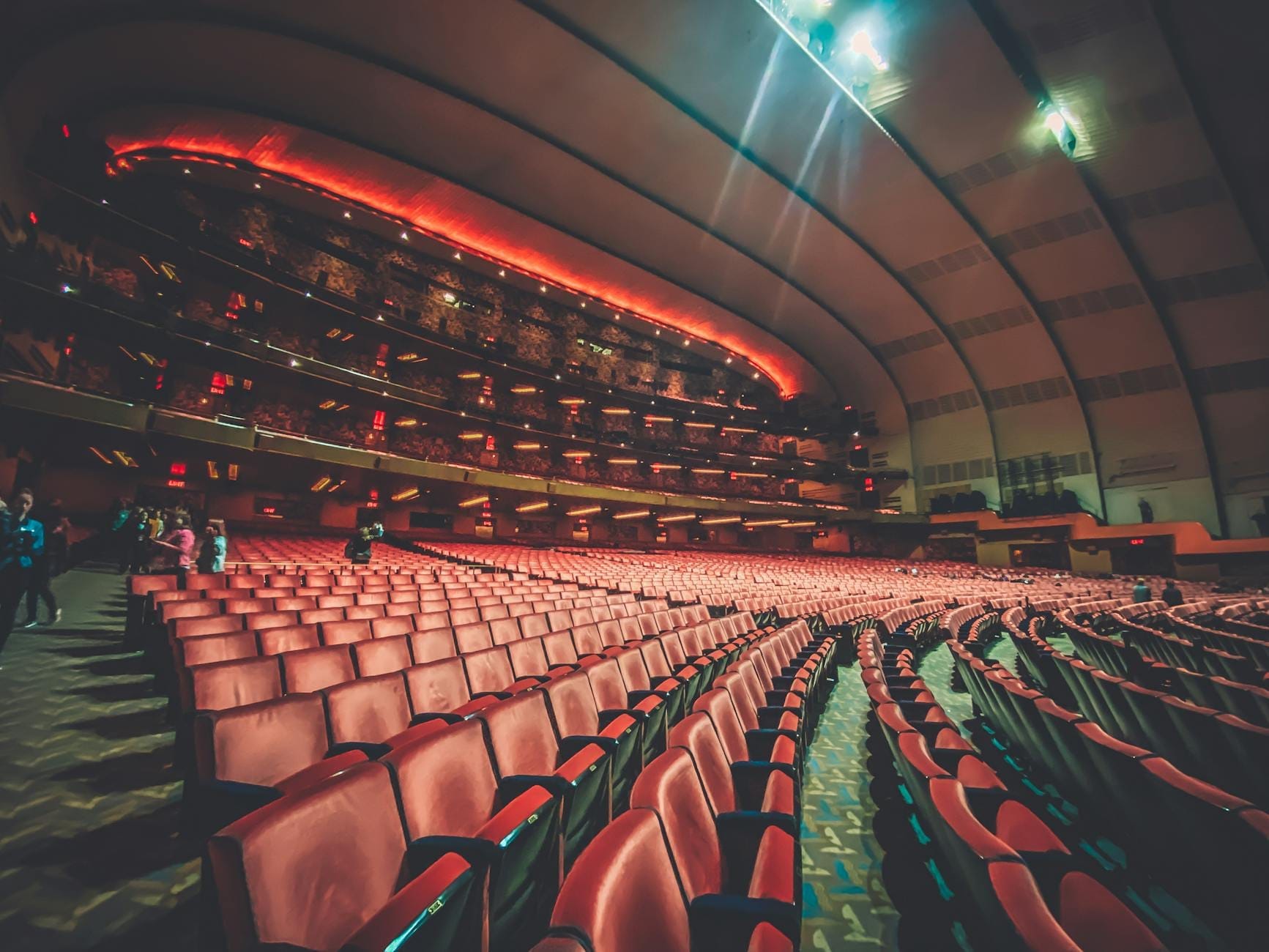
The Grand Ole Opry House at 600 Opry Mills Drive seats 4,400 people across multiple levels. The main floor (orchestra) puts you closest to the iconic circle of wood from the Ryman Auditorium stage, which is literally built into the Opry stage floor. Circle seats feel connected to the history in a way the upper levels do not. That said, the sight lines throughout the venue are genuinely good, and the upper sections offer a clear overhead view of the full stage.
The venue is in the Opryland district of northeast Nashville, roughly 8–10 miles from downtown. Driving is the most practical option. Opry Mills mall is directly adjacent and has a large parking structure; paid parking is available on-site at the Opry House as well. Rideshare pickup and drop-off is straightforward, and Uber and Lyft both serve this area reliably. Getting here by public transit from downtown is technically possible on WeGo bus routes but involves transfers and is impractical for a 7:00 pm showtime.
- Arrive 45-60 minutes early: security screening takes time, especially on busy weekend nights.
- Photography is generally permitted during performances, but flash photography and video are restricted — confirm current rules at the venue.
- The Opry House has a full bar and concession stands; lines peak right before showtime.
- Accessible seating is available and can be requested during the ticket purchase process on the official site.
- Dress code is casual to smart casual. There is no formal requirement, but the audience tends to dress up slightly more than a standard concert crowd.
✨ Pro tip
If you want to see backstage — the dressing rooms used by Opry members for decades — the Opry offers official backstage tours on most show nights. These are ticketed separately and sell out. Book them at the same time as your show ticket via the official Opry site.
What to Pair with an Opry Visit

The Opry House is steps from the Gaylord Opryland Resort and Opry Mills shopping mall, so the area supports a full day before an evening show. The resort's indoor garden atriums are genuinely impressive and free to walk through.
For a deeper dive into country music before or after the show, the Country Music Hall of Fame downtown is the most comprehensive music museum in Nashville and gives the Opry's history real context. The Ryman Auditorium — the Opry's original home from 1943 to 1974 — offers its own tours and ticketed shows and is worth visiting in its own right.
If you are building a broader Nashville itinerary, the 2 days in Nashville guide and the Nashville live music guide both include the Opry alongside honky-tonks, listening rooms, and other venues worth knowing.
Honest Assessment: Is the Grand Ole Opry Worth It?
For anyone genuinely interested in American roots music and country history, yes, without qualification. The Grand Ole Opry delivers something no other Nashville venue replicates: a live, continuous tradition stretching back a century, performed on a stage where legends like Hank Williams, Patsy Cline, and Johnny Cash stood. The rotating format means even a modestly entertaining lineup still carries the weight of that history.
For visitors who primarily want a high-energy concert experience, the Opry may feel slow. The show changes acts every few songs, the pacing is deliberate, and the format is more variety show than rock concert. The venue itself is comfortable and well-run, but it lacks the intimacy of the Ryman or the edge of smaller listening rooms like the Bluebird Cafe. Know what you are coming for and you will not be disappointed.
Groups visiting Nashville for bachelorette parties or primarily interested in the Broadway bar scene should be honest with themselves about fit — the Opry sits at the opposite end of the spectrum from the Broadway honky-tonk strip. It is not better or worse, just a very different experience.
FAQ
How much do Grand Ole Opry tickets cost?
Prices start around $60 for upper-level seats at standard shows and can exceed $1,000 for premium seats at major events. Friday and Saturday shows are typically more expensive than Tuesday nights. The official opry.com site shows current pricing by section for every upcoming date.
Do I need to buy Grand Ole Opry tickets in advance?
For popular dates — weekend shows, holiday performances, and special events — yes. Christmas shows in particular sell out weeks or months ahead. Walk-up box office tickets are available for many Tuesday night performances, but it is always safer to buy in advance online.
What time does the Grand Ole Opry start, and how long does it run?
Most shows start at 7:00 pm and run approximately two hours. Doors typically open around 5:30-6:00 pm. Arriving early is recommended, both for security lines and to explore the lobby before the show.
Is the Grand Ole Opry suitable for kids?
Yes. The Opry is family-friendly with no strict age restrictions, though all guests require a ticket unless stated otherwise in the current policy. Children under a certain age (check the current policy on opry.com) may be admitted free if they sit on a parent's lap. The format — short sets, variety of artists, no mature content — tends to hold younger children's attention reasonably well.
What is the difference between seeing a show at the Grand Ole Opry versus the Ryman Auditorium?
The Ryman is the Opry's original home, a converted 1892 tabernacle with exceptional acoustics and intimate sight lines for around 2,300 people. The Opry House is larger, modern, and more comfortable, with better facilities. Both host country and Americana acts regularly. The Ryman feels more historic; the Opry House carries the branded Opry experience. Serious music fans often try to visit both.
Tickets & tours
Live prices and dates from our booking partner. If you book, we may earn a commission at no extra cost to you.
Planning a trip? Discover personalized activities with the Nomado app.