Nashville Music History: A Guide to Music City's Roots
Nashville earned the 'Music City' nickname long before country music dominated the airwaves. This guide traces the city's musical roots from 19th-century folk traditions and the Fisk Jubilee Singers through the Grand Ole Opry, the Nashville Sound, and today's sprawling live music scene across more than 100 live music venues.
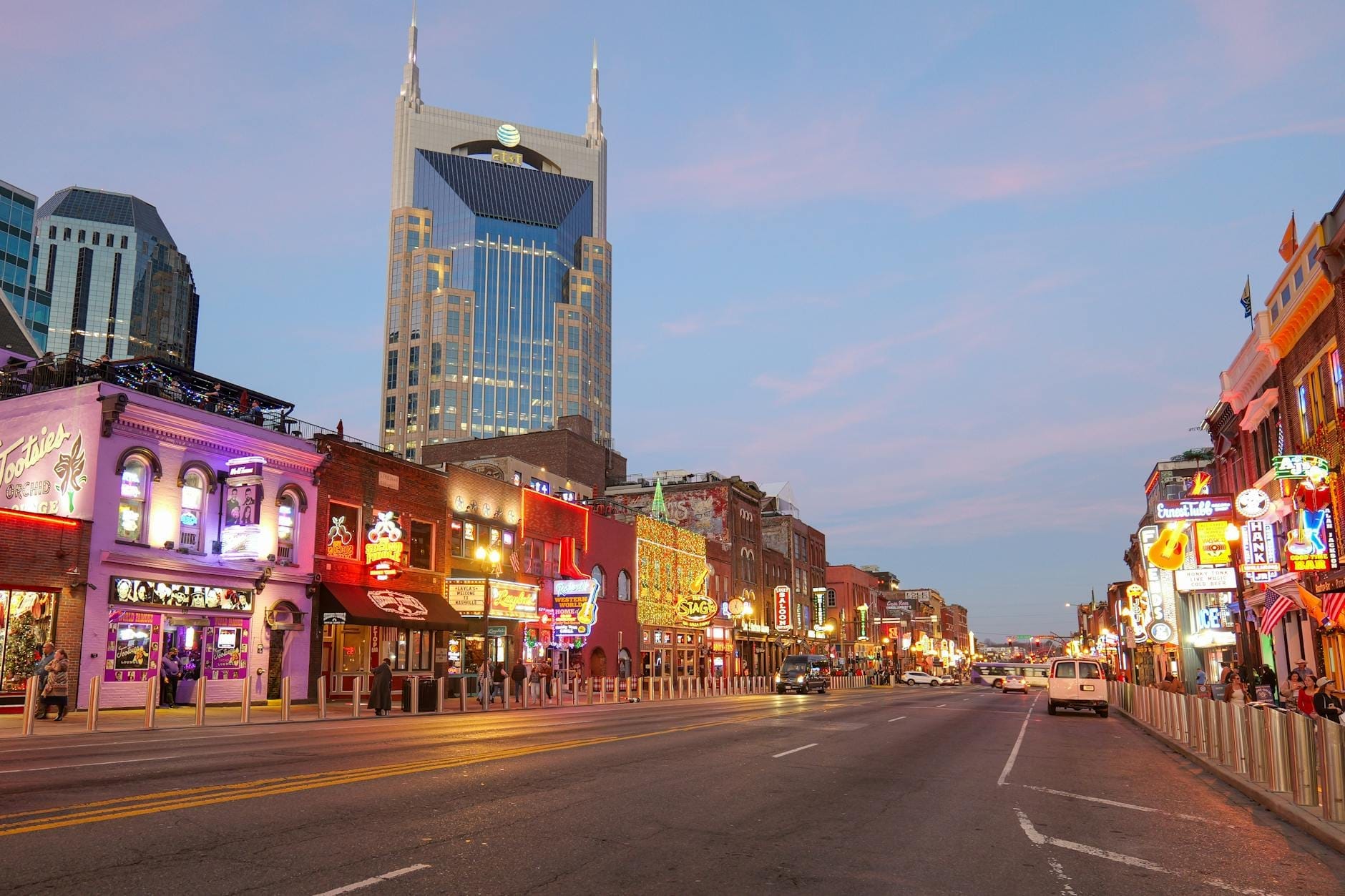
Tickets & tours
Live prices and dates from our booking partner. If you book, we may earn a commission at no extra cost to you.
TL;DR
- Nashville's 'Music City' nickname predates the Grand Ole Opry by decades, tracing back to the Fisk Jubilee Singers' 1870s European tour.
- The Grand Ole Opry launched on WSM radio in 1925 and the Ryman Auditorium served as its legendary home from 1943 to 1974.
- Music Row, centered on 16th and 17th Avenues South, remains the commercial heart of the recording industry and a living piece of music history.
- Nashville supports far more than country: jazz, R&B, gospel, rock, and indie all have deep roots here.
- Live music runs year-round across 180+ venues. Check our Nashville live music guide for current schedules and venue recommendations.
Where 'Music City' Really Came From
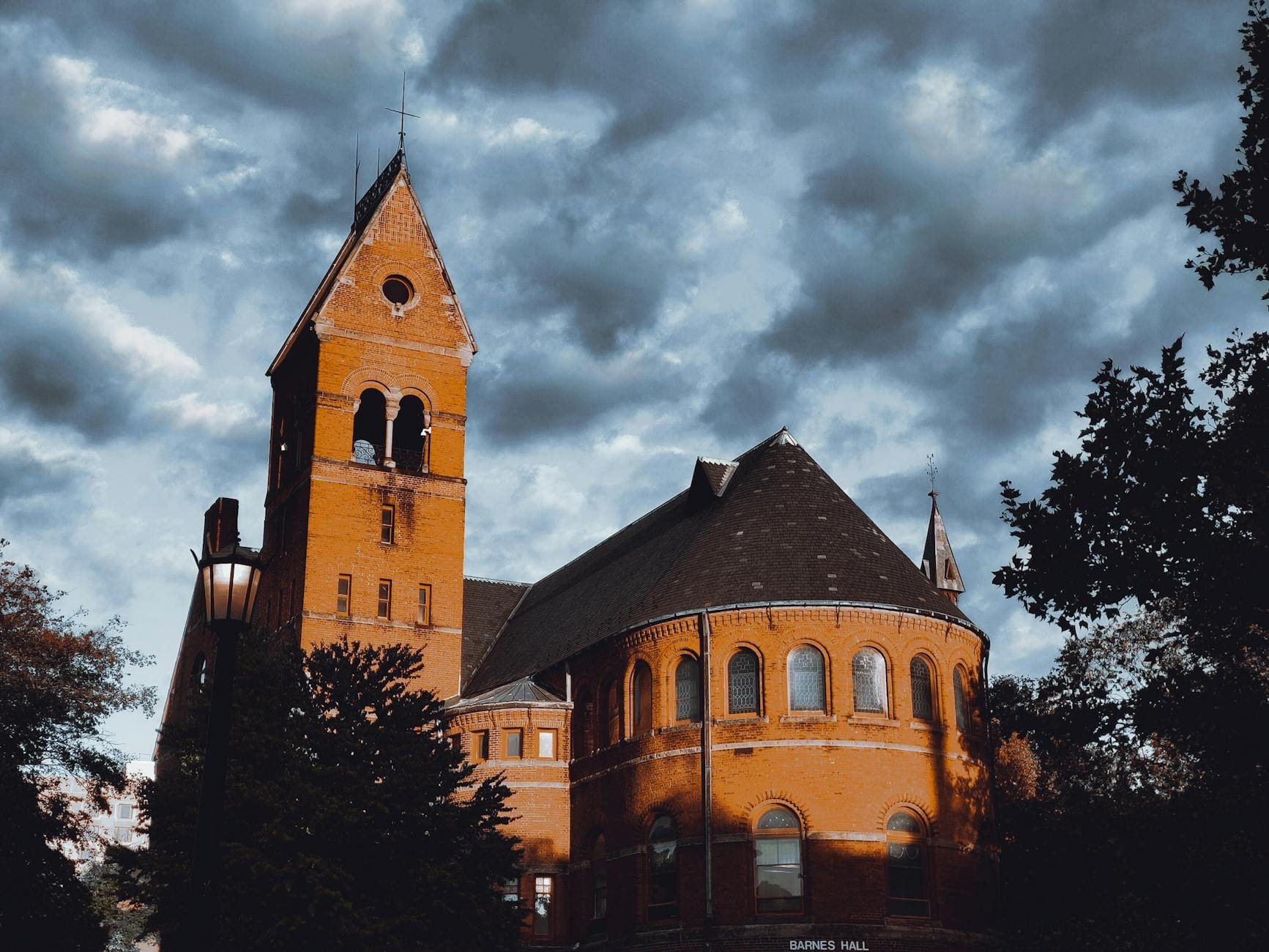
Most visitors assume Nashville became 'Music City' because of the Grand Ole Opry or the country music boom of the mid-20th century. The actual origin is earlier and more surprising. In 1871, a choir of students from Fisk University set out on a fundraising tour of the United States and Europe. The Fisk Jubilee Singers performed spirituals and gospel music at a time when this repertoire was largely unknown to white audiences, and their reception was extraordinary. By the time they performed for Queen Victoria in 1873, their music had moved audiences across two continents. The queen is widely quoted as calling them from a 'music city,' referring to Nashville. That phrase predates the Opry by more than fifty years.
The deeper roots go back even further. Late 1700s settlers brought fiddle tunes, ballads, and folk traditions to the Cumberland River settlement that would become Nashville. By the early 1800s, the city was already a center for music publishing, including hymnals that circulated across the South. This combination of sacred music publishing, a university with serious musical training, and a geography that made Nashville a regional crossroads laid the groundwork for everything that followed.
ℹ️ Good to know
The Fisk Jubilee Singers still perform today as an official ensemble of Fisk University. If their schedule coincides with your visit, catching a performance adds genuine historical depth to any Nashville music trip.
The Grand Ole Opry and the Ryman Auditorium
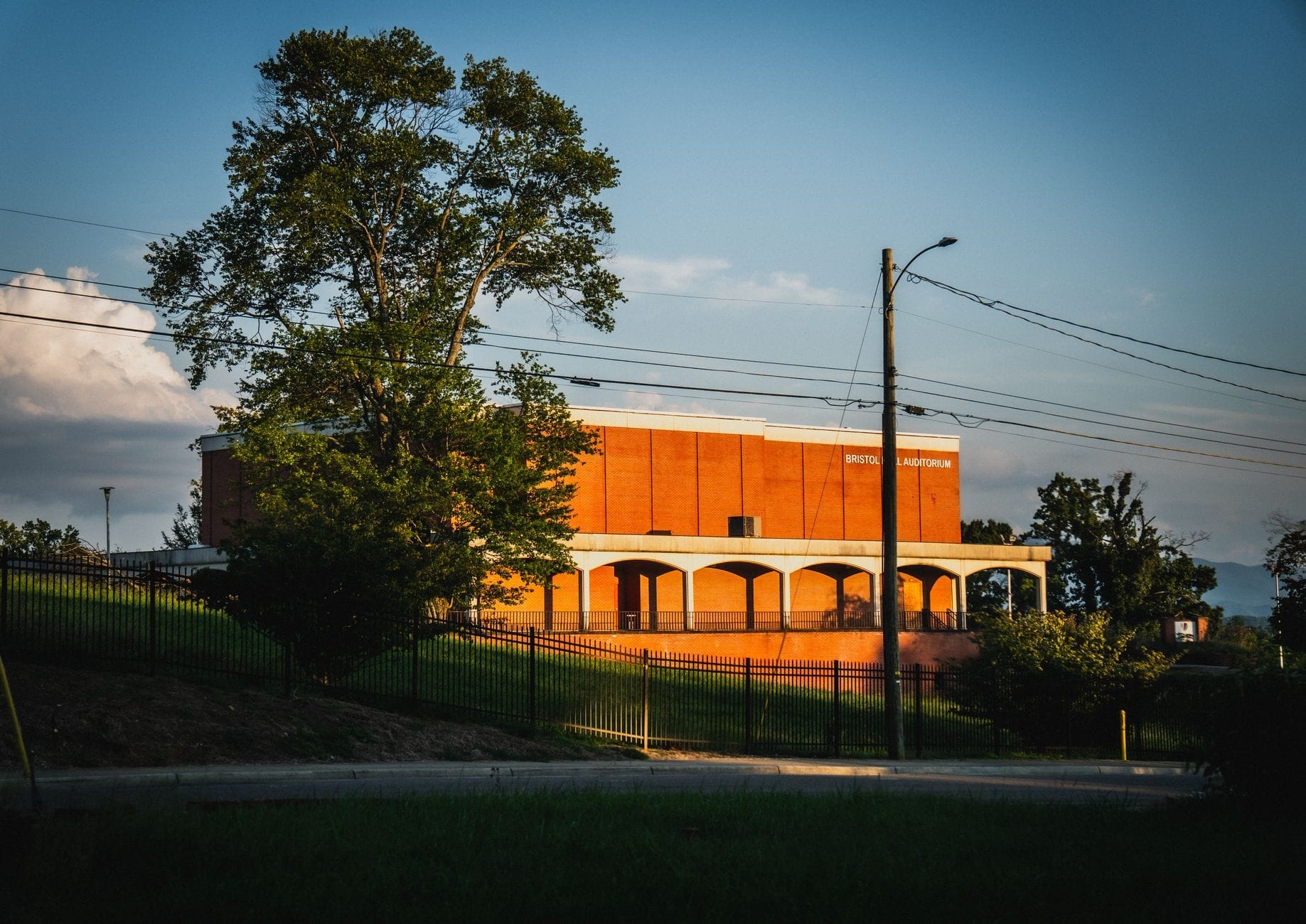
On November 28, 1925, WSM radio in Nashville launched a barn dance program that would eventually be renamed the Grand Ole Opry. The broadcast turned Nashville into a national focal point for country and roots music, drawing performers and audiences from across the South. For nearly two decades the show moved between venues before settling at the Ryman Auditorium in 1943, where it remained until 1974. The Ryman, built in 1892 as a tabernacle for religious revivals, has acoustics so precise that performers and sound engineers still consider it one of the finest rooms in the world. Its nickname, 'Mother Church of Country Music,' is not hyperbole.
Today the Ryman operates as both a working concert venue and a daytime museum. Self-guided tours run most mornings and allow visitors to stand on the same stage where Hank Williams, Patsy Cline, and Johnny Cash performed. In 1974, the Grand Ole Opry moved to its purpose-built Grand Ole Opry House in the Opryland area, about 10 miles northeast of downtown. The Opry still broadcasts live on Saturday nights, and tickets are available for most performances. Both venues should be on any serious Nashville music itinerary, and they complement each other: the Ryman for history and acoustic perfection, the Opry for the living tradition.
💡 Local tip
Ryman daytime tours are available most days before shows begin, typically from around 9am. Arrive early on weekends when visitor numbers increase significantly. Check the official Ryman site for current tour times and pricing before you go.
- Ryman Auditorium Historic tabernacle-turned-concert hall, home to the Grand Ole Opry from 1943-1974. Daytime tours available; evening concert calendar runs year-round.
- Grand Ole Opry House Current home of the Opry since 1974. Live shows on Fridays and Saturdays. A small section of the original Ryman stage is embedded in the center of the Opry stage.
- WSM Radio Still broadcasts at 650 AM. The station that launched the Opry continues to air country music and remains a tangible connection to 1925.
Music Row and the Nashville Sound
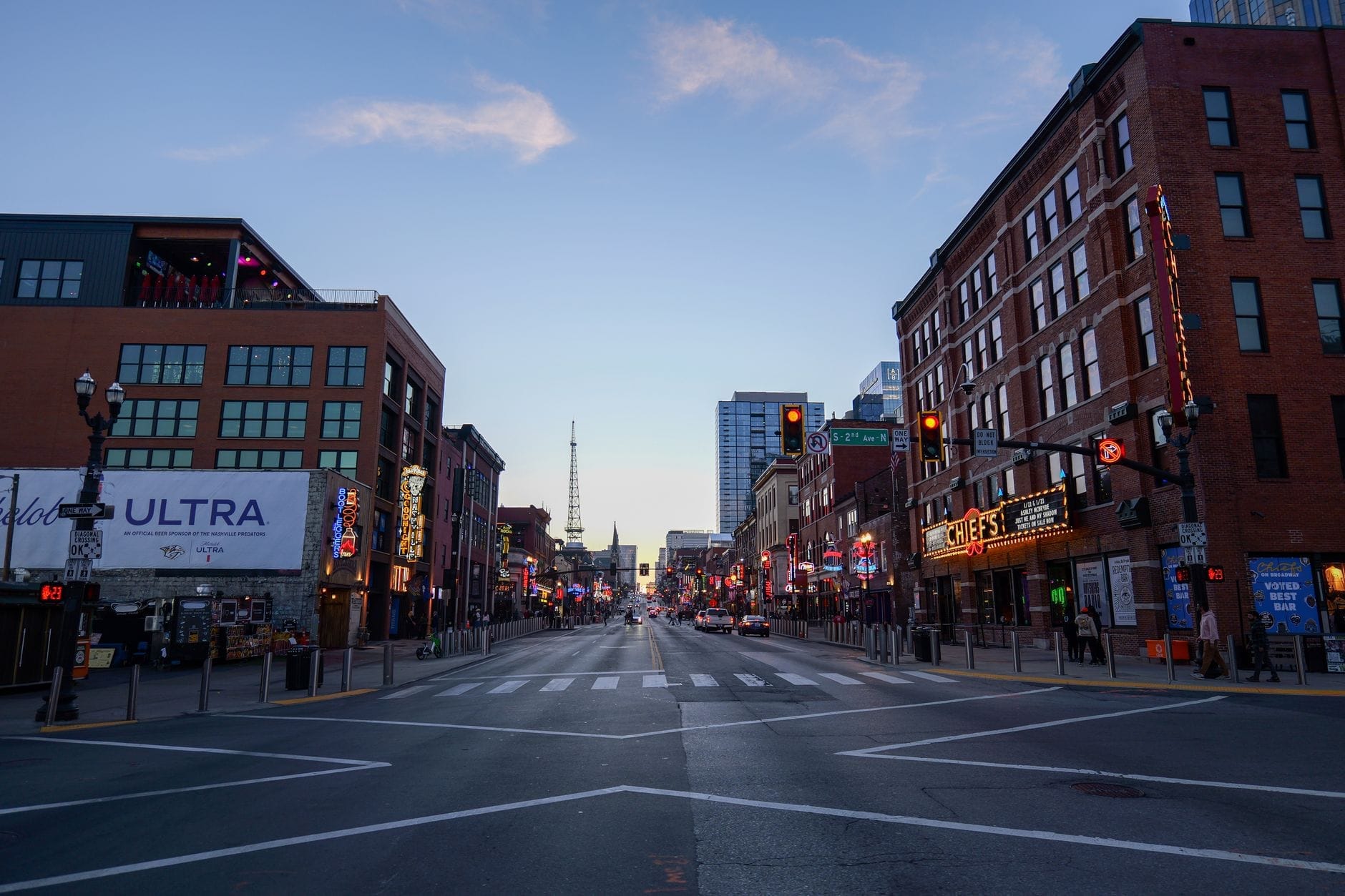
By the mid-1950s, country music faced an existential challenge from rock and roll. Record labels in Nashville responded by developing what became known as the Nashville Sound: a polished, pop-inflected style that replaced rough honky-tonk textures with string arrangements, background vocal groups, and studio precision. Producers Chet Atkins at RCA and Owen Bradley at Decca led the transformation, recording artists like Patsy Cline, Jim Reeves, and Eddy Arnold in a style designed to appeal to mainstream radio. The approach worked commercially and established Nashville as a recording capital to rival New York and Los Angeles. All of this happened along a corridor that became known as Music Row, centered on 16th and 17th Avenues South, just southwest of downtown.
Music Row is still a working district today, though the landscape has shifted. Major labels maintain offices here alongside independent publishers, management companies, and recording studios. Historic RCA Studio B, where Elvis Presley, Dolly Parton, and Roy Orbison recorded, offers guided tours operated by the Country Music Hall of Fame. This is not a reconstructed museum: the original console, the original acoustic panels, and the same room dimensions that shaped some of the most commercially successful recordings in American music history are all intact.
The Country Music Hall of Fame is the anchor institution for understanding this era. Its permanent collection covers the full arc from early string band recordings through the Nashville Sound and into contemporary country, with artifacts including Elvis's 'Gold Cadillac,' handwritten lyrics, and stage costumes. Plan at least two to three hours. The Hall of Fame also operates Studio B tours and the Hatch Show Print letterpress shop, which has been producing concert posters since 1879.
Beyond Country: Nashville's Broader Musical Legacy
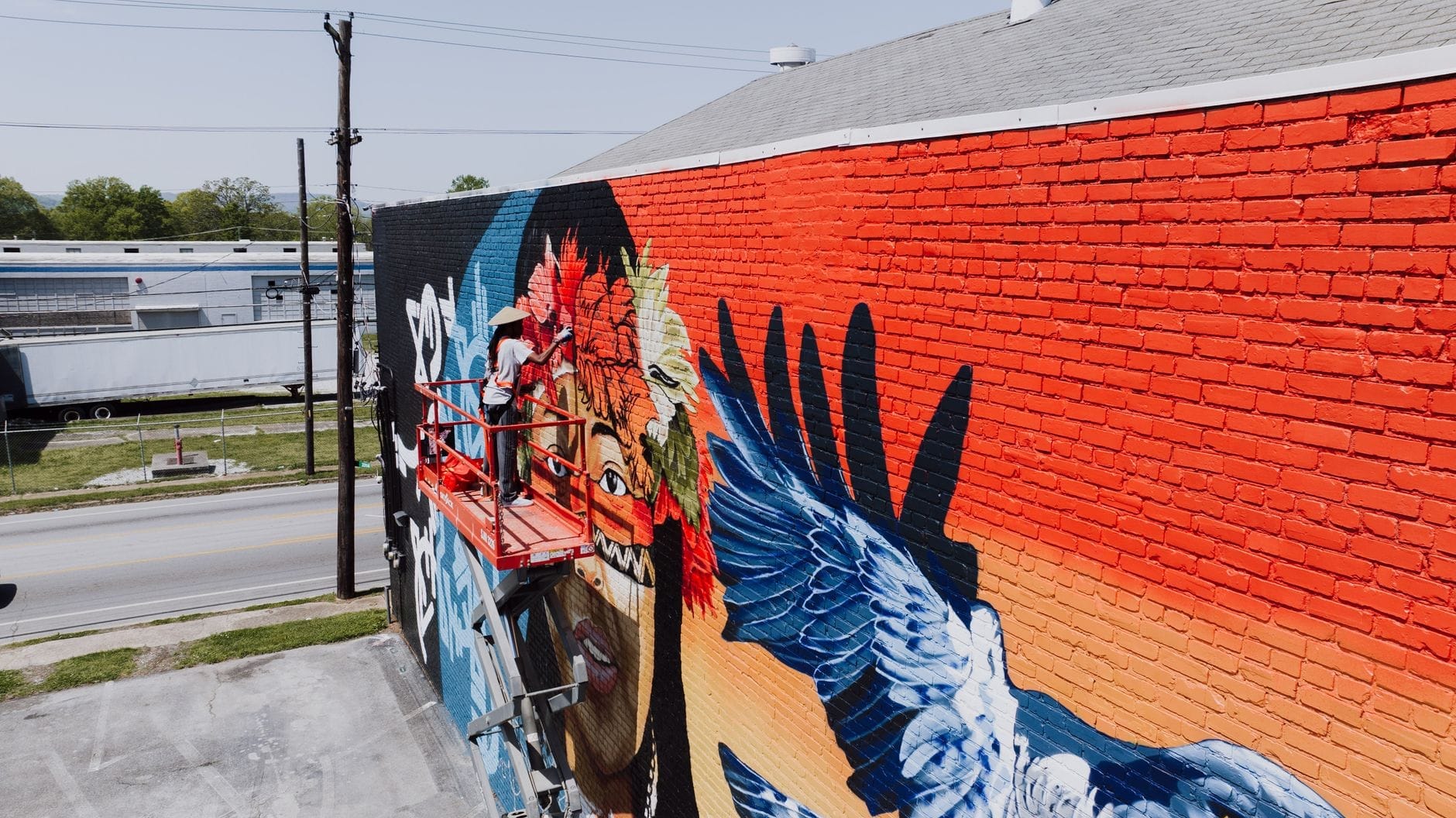
The country music narrative is real and important, but it crowds out an equally significant story. Nashville's African American musical traditions run parallel to the country music timeline and predate it. The Fisk Jubilee Singers established gospel and spiritual music as a Nashville export in the 1870s. Jefferson Street, the city's historic African American commercial corridor, was a thriving jazz and R&B circuit from the 1940s through the early 1960s, with artists like Jimi Hendrix, Etta James, and Little Richard performing at venues like Club Baron and the Del Morocco. The construction of Interstate 40 through the Jefferson Street corridor in the mid-1960s physically destroyed much of this district, a loss that took decades to acknowledge publicly.
The National Museum of African American Music opened in downtown Nashville in 2021 and directly addresses this history. It covers blues, gospel, jazz, R&B, soul, hip-hop, and their connections to country and rock, situating Nashville within the broader story of Black American music. The museum is thorough, well-designed, and genuinely different from anything else in the city. It belongs on any serious music history itinerary alongside the Country Music Hall of Fame, not as an afterthought.
⚠️ What to skip
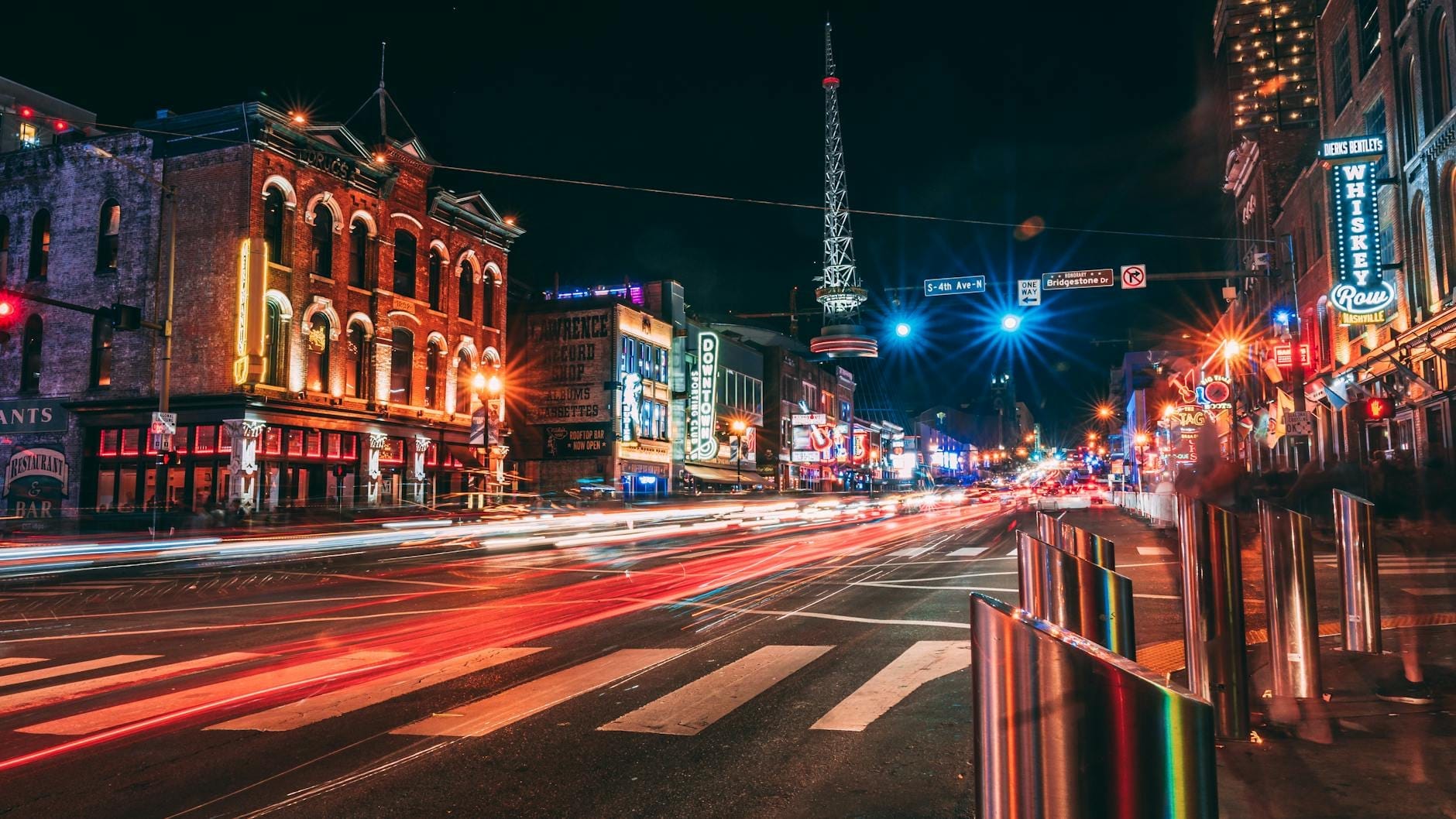
Broadway's honky-tonks are an entertaining introduction to Nashville's live music scene, but they are entertainment venues, not history museums. The bands playing cover songs on Lower Broadway are skilled professionals, but if you want to understand how Nashville music actually developed, the museums and historic venues off Broadway tell a far more complete story.
Where to Experience Nashville Music History in Person
The most historically significant live venue that still operates as it did decades ago is the Station Inn in the Gulch neighborhood. This no-frills bluegrass club has been running since 1974 and books serious musicians playing traditional and progressive bluegrass in an environment that hasn't been softened for tourists. Shows typically start around 9pm, there's no advance ticketing system for most nights, and the cover charge runs around $10-15 cash. It's worth knowing that the room is small and fills up, so arrive at least 30 minutes before showtime.
For original songwriting in an intimate setting, the Bluebird Cafe in Green Hills has no equal in Nashville. The venue seats roughly 90 people and enforces strict silence during performances. Its 'in the round' format, where four songwriters sit together and take turns performing their own compositions, creates a format you won't find replicated elsewhere. Reservations are essential and open one month in advance on the official website. This is where Garth Brooks was discovered in 1987, and where that tradition of discovery continues tonight with someone most people haven't heard of yet.
- Country Music Hall of Fame and Museum The most comprehensive collection of country music history in the world. Budget 2-3 hours minimum. Includes Studio B tours (separate ticket required).
- National Museum of African American Music Covers gospel, jazz, blues, R&B, soul, and hip-hop alongside country. Interactive exhibits and a strong permanent collection. Downtown location makes it easy to combine with other stops.
- Ryman Auditorium Daytime tours and evening concerts. The acoustics alone justify a visit. Check the evening calendar first as tours are not available on all days.
- Historic RCA Studio B The actual room where the Nashville Sound was recorded. Tour-only access through the Country Music Hall of Fame. The original equipment is still in place.
- Hatch Show Print Letterpress print shop operating since 1879. Produces concert posters using original carved wooden blocks. Guided tours available; the shop also sells prints.
- Third Man Records Jack White's Nashville label and shop in Germantown. Houses a vinyl pressing plant, retail shop, and a small performance space. Not strictly historical but represents the ongoing vitality of Nashville's music industry.
For a broader orientation to the city's layout and how music history connects to specific neighborhoods, a Nashville walking tour is the most efficient way to connect the physical geography to the historical narrative. The stretch from the Ryman south through downtown, past the Country Music Hall of Fame and into Music Row, covers most of the essential ground in a walkable route. Allow a full day if you plan to go inside the major museums.
Planning Your Nashville Music History Visit
Nashville's live music operates year-round, which is one of the city's genuine advantages over festival-dependent destinations. Indoor venues including the Ryman, the Opry, and the Station Inn run full calendars in January and February. The major outdoor venues, including Ascend Amphitheater at Riverfront ParkRiverfront Park, shift to full programming from April through October. Nashville summers run hot, with average highs around 88-90°F (31-32°C), which makes outdoor events in June through August genuinely uncomfortable without shade. April, May, September, and October offer the most comfortable combination of weather and a full event calendar.
The CMA Fest, held each June, is the largest country music festival in Nashville and draws over 100,000 attendees annually. It takes over multiple stages across the city for four days and significantly increases hotel rates and crowds. If you want to experience Nashville music history without the festival intensity, avoid early June. Conversely, if the festival itself is the draw, check the CMA Fest Nashville guide for logistics. The timing question matters more than most visitors realize: Nashville in a normal week and Nashville during CMA Fest are functionally different destinations.
Getting between the key music history sites does not require a car. The Country Music Hall of Fame, Ryman Auditorium, and National Museum of African American Music are all within a short walk of each other in downtown Nashville. Music Row is about a mile and a half southwest, walkable in 25-30 minutes or a short rideshare. The Station Inn in the Gulch is about a mile south of downtown. The Bluebird Cafe and Historic RCA Studio B are in different parts of the city and require a car or rideshare. For a full overview of how to move around the city, see the guide to getting around Nashville.
FAQ
Why is Nashville called Music City?
The nickname is most often traced to the Fisk Jubilee Singers, a choir from Fisk University who toured the U.S. and Europe in 1871-1873 to raise funds for their historically Black university. When they performed for Queen Victoria, she reportedly referred to them as coming from 'the music city.' This predates the Grand Ole Opry, which launched in 1925, by more than fifty years.
What is the Nashville Sound and where can I learn about it?
The Nashville Sound is a production style developed in the late 1950s and early 1960s by producers including Chet Atkins and Owen Bradley. It replaced the rougher textures of honky-tonk country with orchestral strings, smooth background vocals, and polished studio technique. The Country Music Hall of Fame covers this era in depth, and Historic RCA Studio B, where much of this music was recorded, offers guided tours.
Is Nashville music history only about country music?
No. Nashville has significant roots in gospel, jazz, R&B, and blues that predate and run parallel to the country music story. The Fisk Jubilee Singers established Nashville's international musical reputation through gospel and spirituals in the 1870s. The Jefferson Street corridor was a major jazz and R&B circuit through the early 1960s. The National Museum of African American Music, which opened in 2021, covers this history comprehensively.
What is the best time of year to visit Nashville for live music?
Live music happens year-round in Nashville, so there is no wrong season from a programming perspective. April, May, September, and October offer the most comfortable weather for combining indoor and outdoor venues. June brings CMA Fest, which is the city's largest music festival but also its most crowded and expensive week. December through February is quieter, prices drop, and indoor venues like the Ryman and the Opry continue full schedules.
Do I need to book Ryman and Grand Ole Opry tickets in advance?
Yes, especially for weekend evenings and for any show featuring a well-known artist. The Ryman seats around 2,362 and popular shows sell out weeks in advance. Daytime tours are generally easier to access without advance booking but availability is not guaranteed on busy days. Grand Ole Opry shows on Friday and Saturday nights are in demand year-round; booking several weeks ahead is recommended.
Tickets & tours
Live prices and dates from our booking partner. If you book, we may earn a commission at no extra cost to you.
Planning a trip? Discover personalized activities with the Nomado app.