Nashville on a Budget: How to Visit Without Breaking the Bank
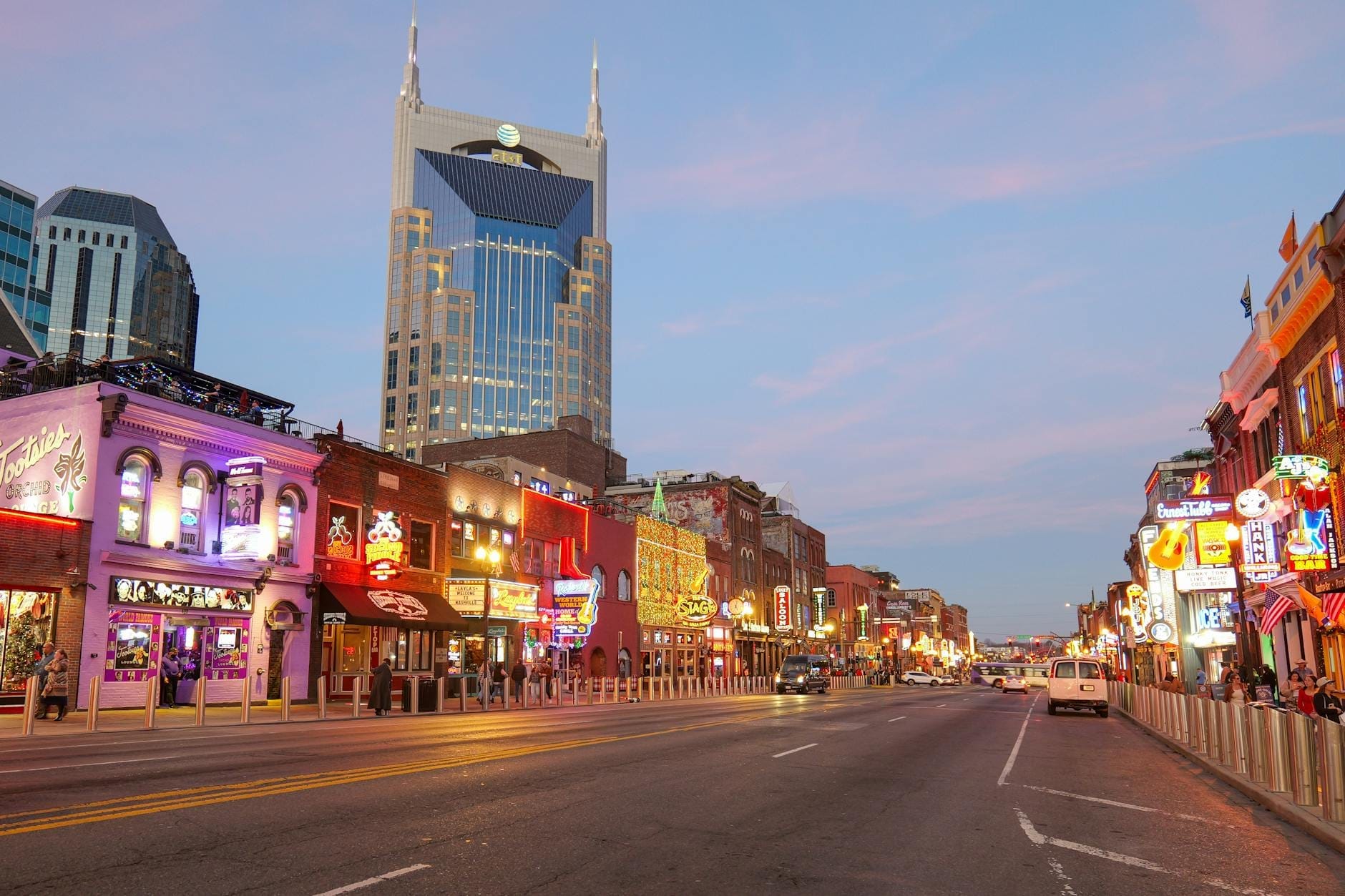
Nashville has a reputation as a party city with party-city prices, but that reputation is only half true. With free live music on Broadway every night, several genuinely free museums, a bus that runs from the airport to downtown for around $2, and walkable neighborhoods full of no-cost attractions, a trip to Music City can be remarkably affordable if you know what to skip and what to prioritize.
Tickets & tours
Live prices and dates from our booking partner. If you book, we may earn a commission at no extra cost to you.
TL;DR
- Live music on Broadway is free every day, no cover charge, just buy a drink and tip the band.
- The Tennessee State Museum, Tennessee State Capitol, and Bicentennial Capitol Mall State Park all have free admission.
- WeGo Route 18 connects Nashville International Airport (BNA) to downtown for around $2, far cheaper than a rideshare.
- Avoid visit during CMA Fest and major conventions — hotel rates can triple compared to a midweek visit in January or February.
- Most of downtown Nashville is walkable, making a car unnecessary for most budget travelers.
Getting to and Around Nashville Without Overspending
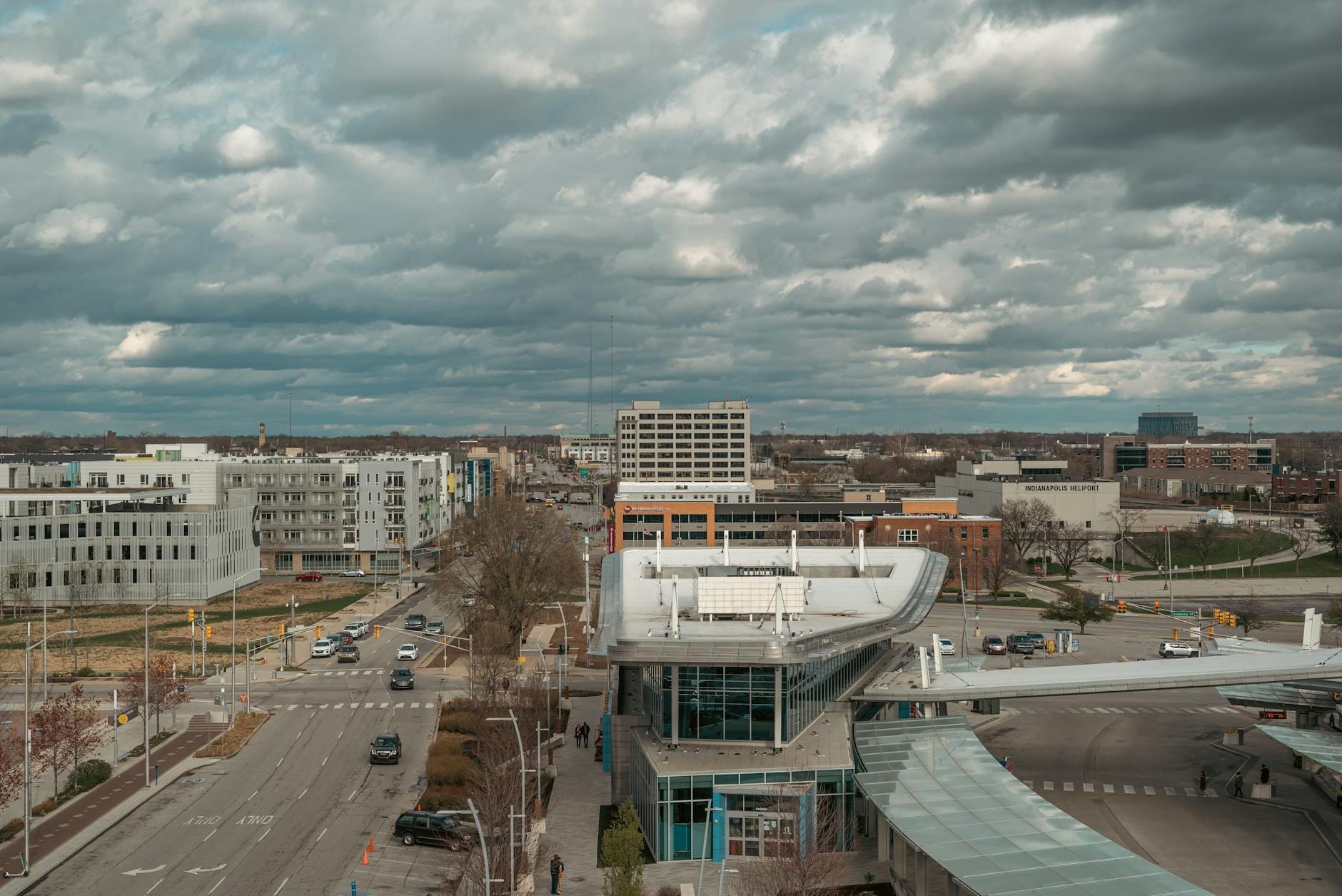
Nashville International Airport (BNA) sits about 8 miles southeast of downtown, which is close enough that transport costs are easy to control. The cheapest option is WeGo Public Transit Route 18, which connects the airport directly to Music City Central (the main downtown bus terminal) for $2 per ride (2-hour pass). The express trip takes about 20 minutes; local service runs 35–45 minutes. A 1-day WeGo pass costs $4 and a 7-day pass $20, both covering unlimited rides across the network. For more details on navigating the city, the getting around Nashville guide covers every option in depth.
Rideshare from BNA to downtown typically runs $20-35 depending on demand and time of day, with surge pricing common during evening arrivals and after major events. Taxis use metered or flat rates in a similar range. Neither is a bad choice for groups splitting the cost, but solo travelers who pack light will find Route 18 perfectly adequate.
💡 Local tip
Nashville's former BCycle bike-share program shut down in 2022 and has not been replaced citywide. For short hops between downtown, Germantown, Midtown, and East Nashville, walking or WeGo buses are the most reliable low-cost options; rideshare fills the gap when you need a faster connection.
Once downtown, most of the city's top free attractions are within a compact walkable area. The Ryman Auditorium, Country Music Hall of Fame, Broadway honky-tonks, the Walk of Fame, and the pedestrian bridge over the Cumberland River are all reachable on foot from most downtown hotels. A car is genuinely unnecessary for a budget-focused itinerary built around central Nashville.
Free Live Music: The Best Deal in the City
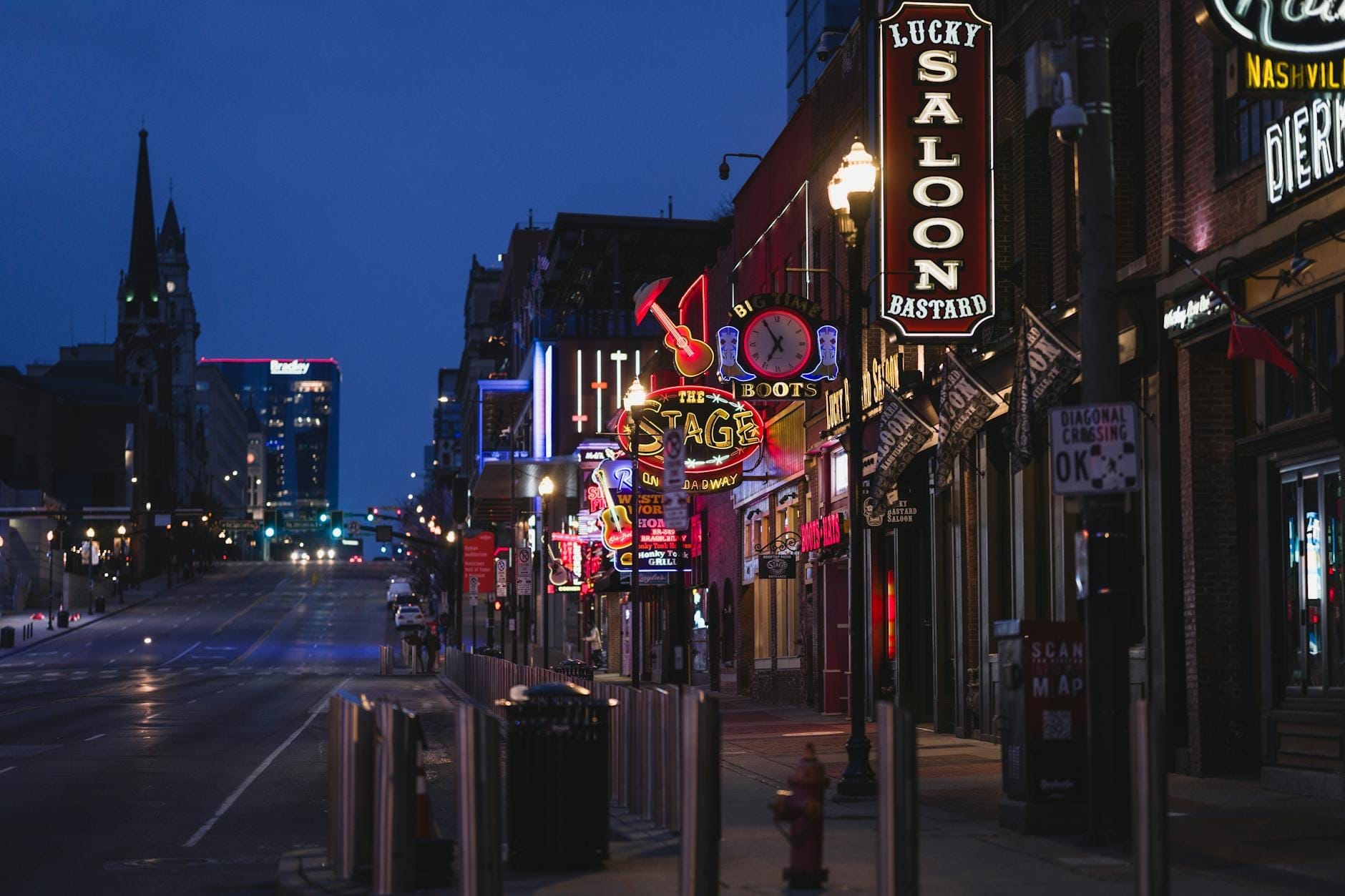
The single biggest money-saving fact about Nashville is this: the honky-tonks on Broadway run live music roughly 12–16 hours a day, and none of them charge a cover. Broadway Honky-Tonk Highway stretches from 2nd Avenue to about 5th Avenue and is lined with two-story bars that have bands playing simultaneously on multiple floors. You can walk in, listen for as long as you like, and leave without spending anything beyond a drink or two.
The trade-off: Broadway on a Friday or Saturday night gets extremely crowded, drinks are priced at tourist-bar rates (expect $8-12 for a beer), and the atmosphere skews toward bachelorette parties rather than serious music appreciation. For a more grounded honky-tonk experience, Robert's Western World is frequently cited as the most authentic option on the strip — still free, still on Broadway, but with a different crowd and a focus on traditional country.
✨ Pro tip
Tipping musicians on Broadway is not optional in spirit, even if it is in practice. Bands on Broadway earn most of their income from tips. A dollar or two per song is a reasonable standard if you're staying for a set. Budget $10-15 for a full evening of live music across multiple bars and you'll have tipped appropriately without spending much.
Beyond Broadway, Station Inn in the Gulch charges a small cover (usually $10-15) but is considered one of the best bluegrass venues in the country. The Bluebird Cafe in Green Hills has a cover for ticketed shows but also runs free open-mic nights. Check the Nashville live music guide for a full breakdown of venues by genre and price.
Free and Low-Cost Attractions Worth Your Time
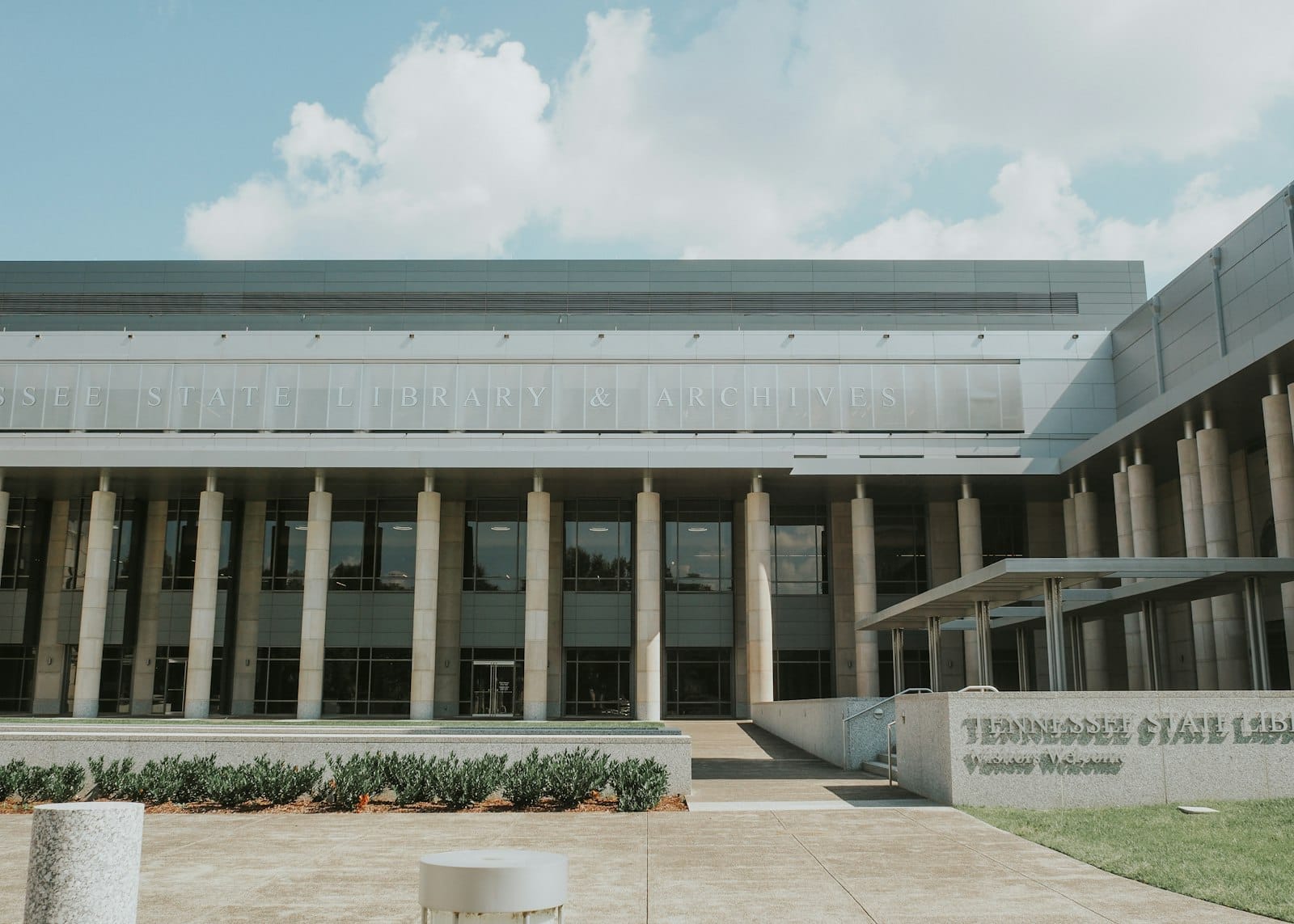
Nashville has a surprising number of genuinely worthwhile free attractions, not just token filler to pad a budget list. The Tennessee State Museum is the standout: it covers state history from Indigenous peoples through the Civil War and the 20th century in detail, with well-produced exhibits and no admission fee. Current hours run Tuesday through Saturday 10 a.m. to 5 p.m. and Sunday 1 to 5:30 p.m., though confirming before your visit is wise since hours can shift.
- Tennessee State Museum Free admission, comprehensive state history exhibits, open Tuesday-Sunday. One of the most undervisited quality museums in the South.
- Bicentennial Capitol Mall State Park Free outdoor park behind the State Capitol with a 200-foot granite map of Tennessee, World War II memorial, and fountains. Good for a 30-45 minute walk.
- Tennessee State Capitol Free guided tours available on weekdays. The building dates to 1859 and the grounds include the graves of President James K. Polk and his wife.
- Music City Walk of Fame Park Free, open daily, located near the Country Music Hall of Fame on Rep. John Lewis Way. Bronze stars honoring inductees across all music genres, not just country.
- John Seigenthaler Pedestrian Bridge Free crossing over the Cumberland River with strong downtown skyline views. About a half-mile long, connects downtown to East Nashville.
- Centennial Park and the Parthenon exterior Free to walk around. The Parthenon replica is one of Nashville's most distinctive landmarks. The interior museum charges admission; the exterior is free to photograph.
- Nashville Farmers' Market Free admission and parking, open daily around 8 a.m.-6 p.m. The food court has affordable options from multiple vendors. Located near Bicentennial Mall.
For music history without the major museum price tags, Music Row is free to walk. The stretch of 16th and 17th Avenues South is still home to active recording studios and music business offices. The exterior of Historic RCA Studio B can be seen from the street (tours are ticketed), and the neighborhood itself tells the story of Nashville's commercial music industry better than any exhibit panel.
ℹ️ Good to know
The Country Music Hall of Fame, Johnny Cash Museum, and Ryman Auditorium all charge admission in the $20-35 range per person. If you plan to visit multiple paid attractions, the Visit Music City Total Access Pass may reduce your per-attraction cost. Check the official Visit Music City website for current pricing and included venues before buying.
When to Visit to Get the Best Prices
Timing is probably the single most impactful budget decision you'll make. Nashville's hotel prices are driven almost entirely by events, and the city hosts a near-constant rotation of concerts, conferences, and festivals. During CMA Fest in June, downtown hotel rates can reach $300-500 per night for properties that cost $120-150 in a slow week. The same applies to major football weekends at Nissan Stadium, large conventions at Music City Center, and New Year's Eve.
The cheapest windows are typically January through early March, and mid-November through early December. Midweek stays (Sunday through Thursday) cost significantly less than Friday-Saturday rates almost year-round. For a detailed breakdown of what each month looks and costs like, the best time to visit Nashville guide breaks down crowd levels, weather, and pricing by month.
- January-February: Lowest hotel prices, cold but manageable, minimal crowds.
- March-May: Rising prices as spring events ramp up, but still moderate outside major weekends.
- June (CMA Fest week): Peak pricing, book months ahead or avoid entirely if budget is tight.
- July-August: Hot and humid, slightly lower prices than June but still busy weekends.
- September-October: Great weather, moderate prices except during specific large events.
- November-December: Prices drop after Thanksgiving; the holiday season brings some free events and light crowds on weekdays.
Budget Eating: Where to Spend Less Without Eating Badly
Broadway bars and the tourist corridor around Lower Broadway are the most expensive places to eat in Nashville. A sit-down meal with drinks at a Broadway bar can easily cost $30-50 per person. The better strategy is to eat in the neighborhoods. Germantown, East Nashville, and the 12 South area all have restaurants serving serious food at more reasonable prices.
For the cheapest substantial meal in the city, the Nashville Farmers' Market food court is hard to beat. Multiple vendors sell plates of Southern food, international cuisine, and snacks in the $8-15 range. It's located next to Bicentennial Capitol Mall, which makes it an easy lunch stop after visiting the free museums and Capitol grounds.
Hot chicken is Nashville's signature dish and ranges from cheap to expensive depending on where you get it. Several spots in East Nashville and the Nolensville Pike corridor offer better prices than the downtown tourist versions. For a broader guide to what and where to eat, the Nashville food guide covers the full landscape from cheap eats to splurge-worthy dinners.
Practical Money Tips for Nashville Visitors
Tennessee has a state sales tax of 7%, plus additional local taxes that push the combined rate in Nashville to about 9.25% on most purchases. Hotel stays carry an occupancy tax on top of that, which can add $20-40 per night to what looks like a reasonable room rate. Factor this in when comparing hotel prices online, as the listed rate rarely reflects what you'll actually pay at checkout.
Tipping is standard in Nashville as in all U.S. cities. At sit-down restaurants, 18-20% on the pre-tax total is the norm. For bars where you order at the counter, $1-2 per drink is customary. Rideshare tips are expected (usually 10-15%). Budget travelers should build tipping into their daily spending estimates rather than treating it as optional.
- Book hotels directly or through comparison sites well in advance for event weekends; last-minute rates are punishing.
- Stay in neighborhoods like Germantown or East Nashville instead of Broadway-adjacent hotels, which charge a premium for location.
- Use WeGo day or week passes instead of buying single-ride tickets if you plan to take more than two bus trips in a day.
- Drink water at bars between rounds — Nashville in summer is genuinely hot, and staying hydrated reduces both discomfort and the temptation to overspend on drinks.
- Check the Visit Music City events calendar before your trip to identify any large conventions or concerts that will inflate local prices during your dates.
⚠️ What to skip
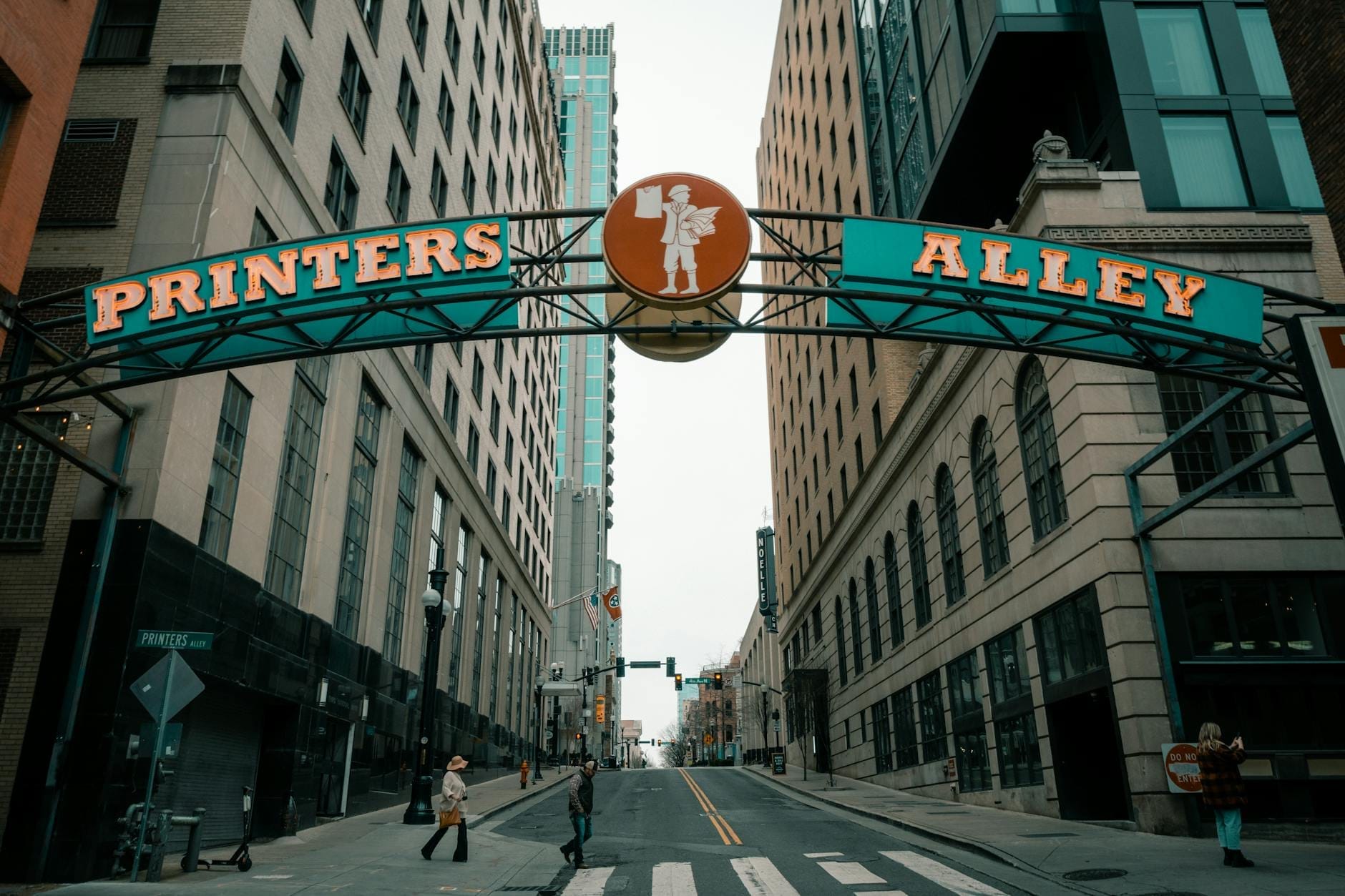
Printers Alley and some Broadway side streets have cover charges at certain venues, especially late at night. Always check before entering. What looks like a free bar from outside may charge $10-20 at the door after 10 p.m. on weekends.
If you're building a full itinerary and want to make sure you're not missing free or cheap options, the free things to do in Nashville guide is the most complete resource available. For a structured day-by-day plan that accounts for budget, the 2-day Nashville itinerary is a good starting framework to adapt.
FAQ
How much does it cost to get from Nashville Airport (BNA) to downtown on a budget?
WeGo Public Transit Route 18 runs between BNA and Music City Central downtown for $2 per ride (2-hour pass). The express trip takes about 20 minutes. A 1-day unlimited pass is $4 if you plan to take other buses. This is by far the cheapest airport transfer option compared to rideshare ($20-35) or taxis.
Is Nashville expensive to visit compared to other U.S. cities?
It depends heavily on timing and choices. If you visit during CMA Fest, major football weekends, or large conventions, Nashville can be expensive. A midweek visit in January or November will feel relatively affordable. The city's core appeal — live music on Broadway — is free, which gives budget travelers a strong foundation to build from.
Can you enjoy Nashville's music scene without spending much money?
Yes. Broadway honky-tonks have no cover charge and run live music up to 17 hours a day. Your main costs are drinks (budget $8-12 per beer at Broadway bars) and tips for the musicians ($1-2 per song is a reasonable standard). A full evening of live music across multiple venues can be done for $20-30 total if you're disciplined.
What are the best free museums and attractions in Nashville?
The Tennessee State Museum is the top free cultural attraction — well-produced exhibits covering state history with no admission fee. Bicentennial Capitol Mall State Park, the Tennessee State Capitol (free weekday tours), the Music City Walk of Fame, Centennial Park, and the John Seigenthaler Pedestrian Bridge are all free. The Nashville Farmers' Market is free to enter with affordable food options.
Do you need a car to visit Nashville on a budget?
Not if your itinerary focuses on downtown and the adjacent neighborhoods. Most major free attractions, Broadway, the museums, and the pedestrian bridge are all walkable from downtown hotels. WeGo buses cover Germantown, East Nashville, Midtown, and other neighborhoods at low cost. A car becomes useful for day trips outside the city, but it's not necessary for a central Nashville visit.
Tickets & tours
Live prices and dates from our booking partner. If you book, we may earn a commission at no extra cost to you.
Planning a trip? Discover personalized activities with the Nomado app.