Historic RCA Studio B: Inside the Room Where the Nashville Sound Was Born
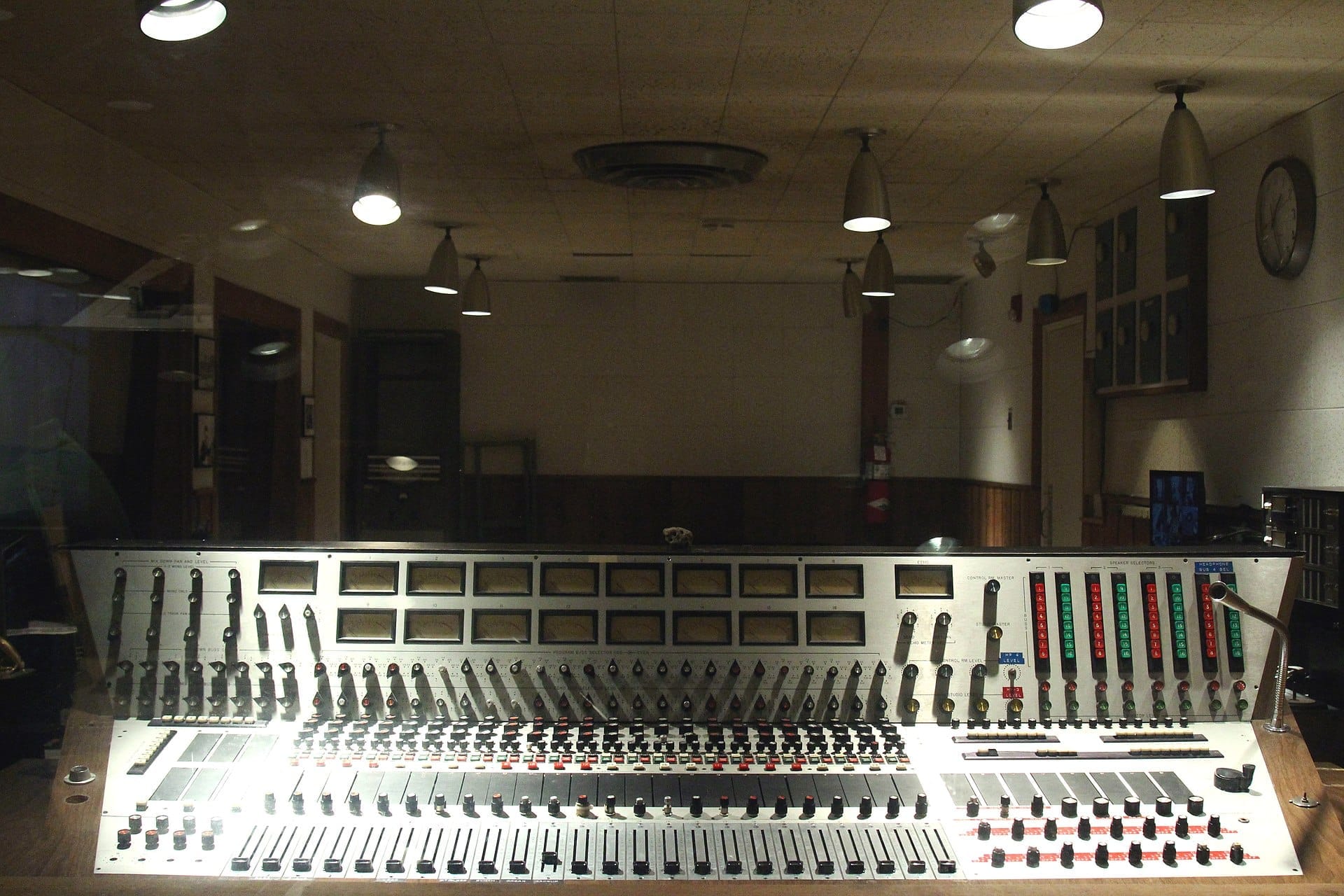
Historic RCA Studio B is the most significant recording space in Nashville's history, a modest room on Music Row where Elvis Presley, Dolly Parton, and Chet Atkins helped define American popular music between 1957 and 1977. Today it operates as a guided museum experience organized by the Country Music Hall of Fame and Museum, transporting visitors into a space that still holds the acoustic character, the original console design context, and the quiet gravity of thousands of recording sessions.
Quick Facts
- Location
- 1611 Roy Acuff Place, Music Row, Nashville, TN 37203
- Getting There
- Tour transportation provided from Country Music Hall of Fame and Museum; rideshare and WeGo bus also serve the area
- Time Needed
- Allow 2–3 hours including museum time and the Studio B tour
- Cost
- Included in the Country Music Hall of Fame Platinum ticket; prices vary by current admission tier — verify current pricing at countrymusichalloffame.org
- Best for
- Music history enthusiasts, Elvis fans, country music lovers, and anyone serious about American cultural heritage
- Official website
- www.countrymusichalloffame.org/experiences/studio-b
What Is Historic RCA Studio B?
Historic RCA Studio B is a recording studio built in 1957 on Nashville's Music Row, at what is now 1611 Roy Acuff Place. For two decades, from 1957 to 1977, it served as one of RCA Records' primary recording facilities in the South, drawing a roster of artists that would reshape American music. Dozens of country and pop stars made recordings here, primarily from 1957 to 1977, when the studio was operated by RCA Records. Chet Atkins helped shape the smooth, orchestrated style that became known worldwide as the Nashville Sound.
The studio is not a recreation or a themed exhibit. It is the original room, largely intact, with the same floor plan, acoustic treatment philosophy, and physical atmosphere that working musicians experienced during those sessions. That distinction matters. There is no shortage of music-themed attractions in Nashville, but very few offer the specific, verifiable weight of being inside the actual place where a genre changed.
The Country Music Hall of Fame and Museum acquired Studio B in 1992 and has operated it as a public historic site ever since. Tours run from the museum's main downtown building, with transportation included as part of the visit. For context on the broader Music Row neighborhood and Nashville's recording industry geography, the Music Row district is worth exploring before or after your tour.
The Tour Experience: What Actually Happens
💡 Local tip
Tours depart hourly from the Country Music Hall of Fame and Museum, typically between approximately 10:30 AM and 2:30 PM daily. Transportation to Studio B is provided as part of the tour package — you do not drive yourself. Confirm the current schedule and book your combo ticket directly at countrymusichalloffame.org before your visit, as tour slots can fill up, especially on weekends.
The experience begins at the Country Music Hall of Fame and Museum downtown, where the tour group assembles before being transported to Music Row. The ride itself is brief, passing through the kind of low-rise, industry-facing streets that have housed Nashville's music business infrastructure for decades.
Once inside Studio B, the tour is guided. You enter the main recording space, which is smaller than most first-time visitors expect. The room has an acoustic intimacy that larger modern studios deliberately avoid. The floor is hardwood, slightly worn in the patterns that years of use leave behind. The ceiling reflects the design priorities of late-1950s studio engineering: controlling reverb, managing sound diffusion in a space where microphone placement was everything. Your guide will walk through specific sessions, specific artists, and specific production decisions that shaped what was recorded here.
Most tours include a demonstration at the studio's piano, the same type of upright used across dozens of sessions, giving visitors a tangible sense of the acoustic relationship between instruments and the room. The experience is not passive. Guides tend to engage with the group, drawing connections between the music visitors already know and the physical decisions made in that room decades ago.
Tickets & tours
Live prices and dates from our booking partner. If you book, we may earn a commission at no extra cost to you.
Country Hall of Fame, RCA studio B and Hatch Show Print tour
From 41 €Instant confirmationFree cancellationCountry Hall of Fame with museum and RCA Studio B guided tour
From 50 €Instant confirmationFree cancellationOld Town trolley tour of Nashville
From 54 €Instant confirmationFree cancellationHatch Show Print guided tour
From 21 €Instant confirmationFree cancellation
The Nashville Sound: Historical Context
To understand why Studio B matters, it helps to understand what the Nashville Sound actually was and why it emerged when it did. By the mid-1950s, rock and roll was pulling younger audiences away from traditional country music. Record labels and producers needed a response. Chet Atkins and producer Owen Bradley began stripping the fiddles and steel guitars from country arrangements, replacing them with smooth vocal choruses, lush string sections, and relaxed rhythm sections. The result was polished, radio-friendly, and built for crossover appeal.
Studio B became the primary physical environment for this transformation. The room's acoustics suited the new approach. Its size encouraged close microphone techniques that captured the kind of intimacy the style demanded. Artists who recorded here during the peak era include Dolly Parton, Waylon Jennings, Roy Orbison, Charley Pride, and Floyd Cramer, whose piano style became one of the sonic signatures of the period. The commercial success of these recordings established Nashville as a serious recording center beyond the country music world, attracting pop and rock acts who wanted access to the musicians and production style the city had developed.
Elvis Presley's relationship with Studio B deserves its own paragraph. He recorded here extensively from the late 1950s through the 1970s, producing hits across country, gospel, and pop categories. Understanding the Elvis connection here adds depth to a visit to the Country Music Hall of Fame, which holds significant Presley archives and artifacts.
Practical Details for Your Visit
Studio B is only accessible via the organized tour from the Country Music Hall of Fame and Museum. You cannot walk up independently. The combo ticket that includes Studio B access (often marketed as the Platinum package) is available as part of the museum’s Platinum ticket package, though pricing tiers and inclusions can change. Children's rates and membership discounts may apply. Verify current pricing directly at countrymusichalloffame.org before booking.
ℹ️ Good to know
Photography policies inside Studio B may be restricted during portions of the tour. Confirm current rules when you book. The studio's acoustic and physical integrity is actively maintained, so guides take care to manage group behavior inside the recording space itself.
For visitors with mobility requirements, the Country Music Hall of Fame and Museum states it provides accessible experiences and organizes the Studio B tours as part of its historic site program. Contact the museum directly before your visit to confirm step-free access details, seating availability, and any specific accommodation needs for the tour transport.
The museum itself is located in downtown Nashville, making it straightforward to combine a Studio B tour with time at other nearby attractions. If you are building a full day around Nashville's music history, pairing Studio B with the Musicians Hall of Fame or the National Museum of African American Music creates a genuinely comprehensive picture of how this city shaped American popular music.
Best Time to Go and Who Should Consider Skipping It
Weekday morning tours, particularly on Tuesday through Thursday, tend to draw smaller groups. Weekend tours, especially from late spring through early fall, fill quickly and the experience can feel rushed when group sizes are larger. If you are visiting Nashville between April and October, booking your combo ticket in advance is strongly recommended.
Nashville's summer heat (highs in the upper 80s to low 90s Fahrenheit, roughly 31 to 32 Celsius) means that waiting outside the museum or during loading for the Studio B transport can be uncomfortable. Dress accordingly, and bring water for the overall downtown portion of your day.
Studio B is not the right experience for visitors who want a primarily interactive or hands-on attraction. The tour is guided and informational, and while the demonstration element adds engagement, it is not a studio session or a performance. Visitors with no particular interest in music production history, recording technology, or the artists who worked here will likely find the tour underwhelming compared to the cost. For families with young children who are not already curious about music history, other Nashville attractions may hold their attention more reliably.
If Studio B sparks a broader interest in live Nashville music culture, the Nashville live music guide covers the full range of venues and formats available across the city, from intimate listening rooms to the Grand Ole Opry.
Photography and Sensory Notes
The studio's interior has a specific quality of light that comes from its functional design rather than any staged presentation. The overhead lighting is practical, the colors are muted, and the visual character of the room comes from the details: the microphone positions, the acoustic panels, the wear patterns on the floor, the presence of instruments that belong to the working history of the space. Wide-angle shots capturing the full room give a sense of scale. Detail shots of the original fixtures and floor surface reward closer attention.
Acoustically, the room has a noticeable dryness compared to a standard interior space. If the guide plays or demonstrates anything during your tour, pay attention to how the sound behaves. That acoustic character, the way the room absorbs and controls sound, is exactly what the producers of the Nashville Sound were working with on every session. Noticing it connects the physical experience of being there to the recordings you already know.
Insider Tips
- Book the combo ticket that includes Studio B access in advance through the Country Music Hall of Fame website, not at the door. Weekend tour slots can sell out, particularly during busy festival and peak travel periods.
- Spend at least an hour in the Country Music Hall of Fame exhibits before your Studio B tour departs. The museum's galleries on the development of the Nashville Sound and the RCA era give the tour context that makes the physical experience of being in the studio significantly richer.
- Ask your guide specifically about the session musicians known as the A-Team, the small group of studio players who appeared on the majority of Studio B recordings across multiple genres and artists. Their role is one of the least-known and most fascinating parts of the room's history.
- The surrounding Music Row streets are worth a short walk after your tour. Many of the original studio and industry buildings from the same era as Studio B still stand in various states of preservation, giving a street-level sense of how Nashville's music industry was physically organized.
- If you are visiting with a serious interest in recording history, the Country Music Hall of Fame's research library, which requires a separate appointment, holds session logs and production records from the Studio B era that go well beyond what the tour covers.
Who Is Historic RCA Studio B For?
- Music history enthusiasts who want to stand inside a space where American popular music was genuinely shaped
- Elvis Presley fans with an interest in the full arc of his recording career beyond Sun Studio
- Country music listeners curious about how the genre's mainstream sound was deliberately engineered in the late 1950s and 1960s
- Travelers combining Nashville's major cultural institutions into a single focused day
- Adults and older teenagers with an existing curiosity about music production, studio acoustics, or the business of the recording industry
Nearby Attractions
Other things to see while in Midtown & Hillsboro Village:
- Belcourt Theatre
Operating since 1925 in Hillsboro Village, the Belcourt Theatre is Nashville's only nonprofit cinema, screening independent releases, documentaries, foreign films, and repertory classics. It's the city's counterweight to the multiplex, and for a certain kind of traveler, it's the best seat in town.
- Music Row
Music Row is the working heart of Nashville's music industry, centered on 16th and 17th Avenues South in Midtown. The district is free to explore on foot, packed with recording studios, publishing houses, and music history, and anchored by the legendary RCA Studio B. It rewards curious visitors who know what to look for.
- Vanderbilt University Campus
Founded in 1873 and designated a national arboretum in 1988, Vanderbilt University's campus offers one of Nashville's most rewarding free walks. Historic architecture, ancient trees, and a peaceful atmosphere make it a genuine counterweight to the city's louder attractions.
Planning a trip? Discover personalized activities with the Nomado app.