Vanderbilt University Campus: Nashville's Green Heart in Midtown
Founded in 1873 and designated a national arboretum in 1988, Vanderbilt University's campus offers one of Nashville's most rewarding free walks. Historic architecture, ancient trees, and a peaceful atmosphere make it a genuine counterweight to the city's louder attractions.
Quick Facts
- Location
- 2201 West End Ave, Nashville, TN 37235 (Midtown)
- Getting There
- WeGo Public Transit routes along West End Ave and 21st Ave; rideshare from downtown in under 10 minutes
- Time Needed
- 1 to 3 hours depending on pace
- Cost
- Free to walk the outdoor campus
- Best for
- Architecture lovers, nature walkers, history readers, and anyone needing a break from Broadway
- Official website
- www.vanderbilt.edu
What Vanderbilt Campus Actually Is
Vanderbilt University is a private research university founded in 1873 with a $1 million endowment from Cornelius Vanderbilt, the shipping and railroad magnate who never set foot on the campus he funded. That origin story says something about the place: it has always been shaped by ambition and distance, at once connected to Nashville's story and operating on its own quiet terms.
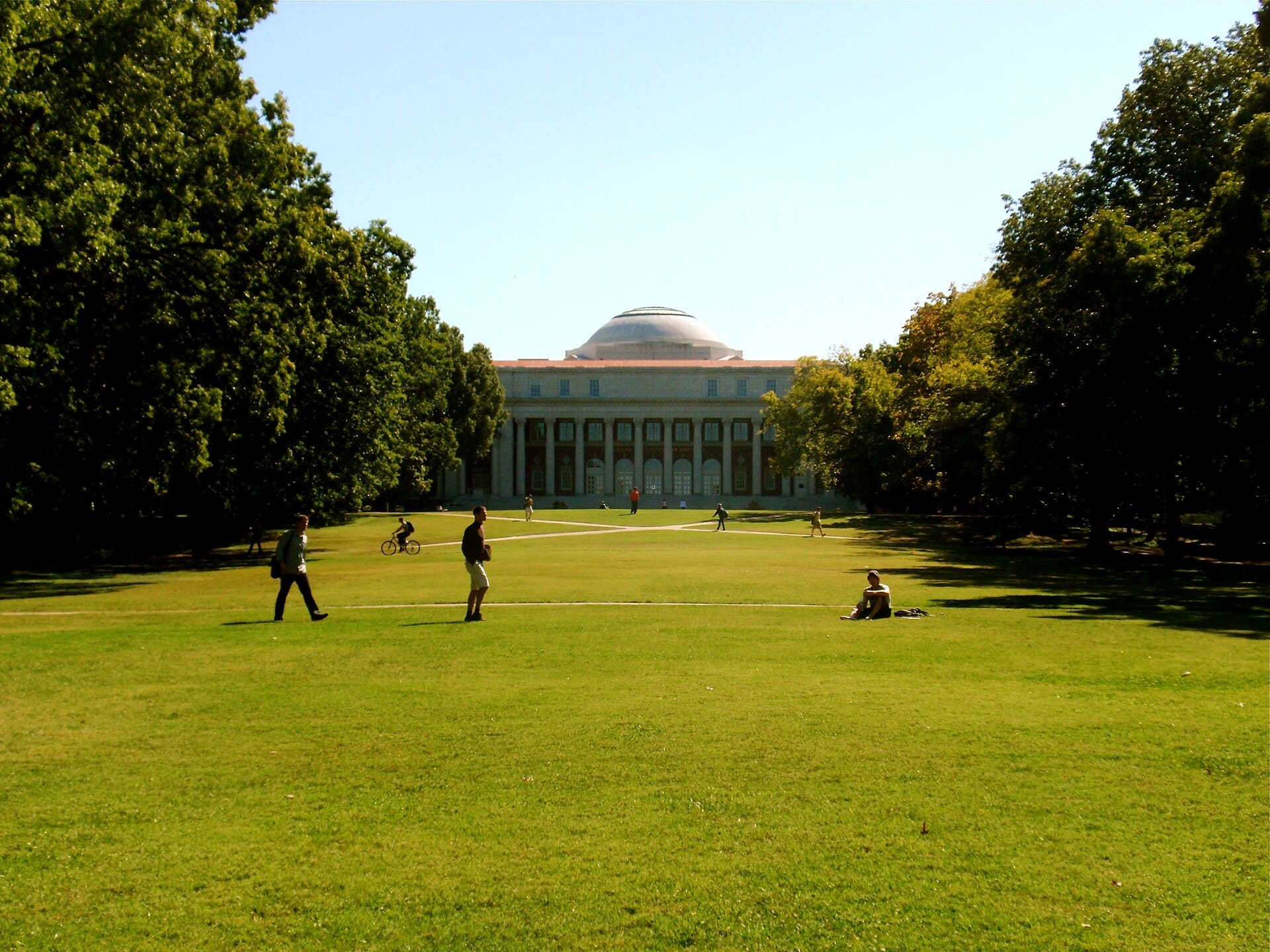
The campus sits roughly 1.5 to 2 miles southwest of downtown Nashville along West End Avenue and 21st Avenue South, in the Midtown neighborhood. Its roughly 330 acres feel genuinely removed from the city noise, which is remarkable given how central the location is. The grounds are designated a national arboretum, and the tree canopy is thick enough that on a warm afternoon in spring or early fall, walking through the inner campus feels like stepping into a botanical garden that happens to have neoclassical brick buildings in it.
💡 Local tip
The outdoor campus is freely accessible to visitors with no ticket or registration required. You can simply walk in from West End Avenue or 21st Avenue South. No need to check in at any office unless you are visiting a specific building.
The Arboretum and the Trees
Vanderbilt's designation as a national arboretum is not honorary. The campus contains hundreds of labeled tree and shrub species, and several individual specimens are genuinely extraordinary. The Bicentennial Oak, located near the center of campus, is estimated to predate the American Revolutionary War, meaning it was already standing when the university was founded in 1873. Standing under it reframes the rest of the walk.
In late March and April, flowering trees across campus bloom in overlapping waves: redbuds go first, then dogwoods, then a range of ornamental cherries and magnolias. The fragrance near the main quadrangle on a still morning is distinctive, a mix of grass, damp stone, and something floral that shifts depending on which path you take. By midsummer, the canopy closes in and the campus becomes noticeably cooler than the surrounding streets, which makes it a practical refuge during Nashville's hot months when temperatures regularly reach the upper 80s and low 90s Fahrenheit.
Autumn is perhaps the most visually rewarding season. From mid-October through early November, the tree canopy turns across a wide color spectrum, and the combination of golden light and red-brick buildings makes the campus feel almost deliberately composed. If you are visiting Nashville in fall, the campus walk pairs naturally with a broader Midtown afternoon.
Tickets & tours
Live prices and dates from our booking partner. If you book, we may earn a commission at no extra cost to you.
Old Town trolley tour of Nashville
From 54 €Instant confirmationFree cancellationHatch Show Print guided tour
From 21 €Instant confirmationFree cancellationDowntown walking tour of Nashville
From 21 €Instant confirmationFree cancellationNashville Downtown Underground Donut Tour
From 46 €Instant confirmationFree cancellation
Architecture and Historic Buildings
Several campus buildings are listed on the National Register of Historic Places, including Alumni Hall, the Old Gymnasium, and the Old Mechanical Engineering Building. The older section of campus, sometimes called the Historic Core, follows a late-Victorian collegiate Gothic and Romanesque Revival vocabulary: red brick, stone trim, arched windows, and covered walkways. Walking through it, especially in the early morning before students fill the paths, the scale feels human and the materials feel permanent in a way that a lot of American institutional architecture does not.
The newer parts of campus introduce contemporary and modern buildings, some more successful than others. The contrast between the Historic Core and the more recent science and medical buildings on the western edges of campus is pronounced. Most visitors will gravitate toward the older central quad, which is the most photogenic and most cohesive part of the grounds. The Stevenson Science and Engineering complex and the Peabody College section offer their own architectural interest for those willing to walk further.
Vanderbilt is geographically close to Music Row and the Midtown Nashville corridor, making it easy to combine a campus walk with a broader afternoon in the neighborhood.
How the Campus Changes Through the Day
Early morning, roughly 7 to 9 a.m., is the quietest window. Groundskeeping crews are often at work, and you will hear birdsong from the tree canopy before the student foot traffic picks up. The light is low and directional at this hour, which is the best condition for photographing the brick facades of the Historic Core. Shadows are long, textures are clear, and you can take wide shots of the main quadrangle without anyone walking through the frame.
Midday on a weekday during the academic year (roughly September through April) brings the campus to life. Students move between classes, outdoor seating areas fill up, and the campus feels like what it actually is: a working university. This is a good time to visit if you want atmosphere and people-watching, but a less ideal time if you want peaceful photography or unhurried exploration.
Late afternoon, from around 4 p.m. onward, offers a middle ground. Classes have let out but the grounds have not emptied completely. The light turns warm and golden, particularly flattering on the red brick of Alumni Hall. Summer and holiday periods, when students are largely gone, give the campus an almost park-like stillness that is pleasant in its own way.
ℹ️ Good to know
Campus buildings including libraries, galleries, and the admissions office have their own individual operating hours, which are published on the Vanderbilt University website. If you plan to visit a specific interior space, check hours in advance at vanderbilt.edu.
Practical Walkthrough: What to Actually Do
A sensible route for a first-time visitor starts at the West End Avenue entrance near 21st Avenue South. From there, the Historic Core is immediately accessible: walk toward Alumni Hall and the main quadrangle, then work your way toward the Peabody College section to the south, which has its own distinct architectural character and several pleasant open spaces. The Bicentennial Oak is worth seeking out specifically; university maps available at the admissions office or via the Vanderbilt website can help orient you.
The campus is largely flat and walkable, with paved paths throughout the core areas. Visitors with mobility limitations should be aware that some historic buildings may have limited accessibility due to their age and preservation status. The newer buildings and outdoor paths generally meet ADA standards, but it is worth confirming specific building access through the university if needed.
There is no parking specifically designated for casual visitors, and street parking on West End Avenue is limited. Arriving by rideshare, dropped off on West End Avenue or 21st Avenue South, is the most straightforward approach. WeGo Public Transit routes serve this corridor and connect to downtown Nashville, so a bus return is feasible if you want to avoid rideshare costs.
If you are building a walking itinerary around Midtown, the campus connects well with Centennial Park just to the west, which contains Nashville's full-scale replica of the Parthenon. The two attractions together make a satisfying two to three hour afternoon loop.
Photography Tips
The main quadrangle area near Alumni Hall photographs best in the early morning or late afternoon golden hour. Wide-angle lenses suit the open quad, while a moderate telephoto compresses the tree canopy nicely in autumn. The covered walkways along the Historic Core buildings create repeating archways that work well for leading-line compositions. During midday, the overhead light flattens textures on the brick and creates harsh shadows in the archways; this is the least favorable light for architectural photography.
The Bicentennial Oak, with its enormous canopy spread, photographs best with a wide-angle lens and a low camera position that emphasizes the scale of the trunk. Autumn light filtering through the leaves of this tree produces images that look almost artificially golden.
⚠️ What to skip
Commercial photography and drone use on campus require prior university approval. Casual personal photography is fine, but if you are shooting for commercial or professional publication, contact Vanderbilt's media relations office before your visit.
Is It Worth Your Time?
For travelers whose Nashville itinerary is entirely focused on live music and honky-tonks, the campus may not register as a priority, and that is fair. But for anyone who appreciates green urban spaces, historic architecture, or simply wants somewhere quiet to walk during the middle of a busy city trip, Vanderbilt's campus delivers something that almost no other Nashville attraction offers: genuine stillness, for free, in the middle of the city.
It is also worth noting that the campus is directly adjacent to West End Avenue, one of Nashville's main corridors, which means it can be easily folded into a broader Midtown afternoon alongside the Parthenon at Centennial Park and the dining and coffee options clustered around 21st Avenue South. For those planning a longer Nashville stay, the Nashville walking tour guide covers how to connect these Midtown landmarks efficiently.
Travelers who prefer high-energy experiences, who are visiting specifically for the nightlife or music scene, or who have very limited time downtown will likely find the campus a lower priority than the main attractions on Broadway or in East Nashville. It is not the most immediately exciting thing in the city. But it is one of the most genuinely pleasant.
Insider Tips
- Pick up a campus tree map from the Vanderbilt admissions office or download one from vanderbilt.edu before your walk. Without it, many of the most remarkable labeled specimens are easy to walk past without realizing what you are looking at.
- The Peabody College section, on the southern side of campus, has a distinct Beaux-Arts character quite different from the Victorian Gothic of the Historic Core. It gets far fewer casual visitors and is worth the extra ten-minute walk.
- If you visit during the academic year, the campus coffee shops and cafes inside some of the student centers are open to the public and tend to be less crowded and better priced than the commercial options on West End Avenue.
- The campus boundary along 21st Avenue South puts you within a short walk of several well-regarded independent restaurants. Finishing a campus walk with lunch or dinner in this area is a natural combination that most tourist itineraries do not suggest.
- During CMA Fest and other peak Nashville events in summer, the campus is notably quieter than the rest of the city because most students are away. If you are visiting during a festival weekend and need a break from the crowds, this is one of the best escapes in Midtown.
Who Is Vanderbilt University Campus For?
- Architecture and history enthusiasts who want to see buildings on the National Register of Historic Places
- Nature walkers and tree lovers, especially during spring bloom or autumn color
- Travelers who want a free, low-key activity that contrasts with Nashville's music-heavy itinerary
- Families with children who need open outdoor space to move around
- Photographers looking for golden-hour architectural and landscape shots away from the main tourist circuit
Nearby Attractions
Other things to see while in Midtown & Hillsboro Village:
- Belcourt Theatre
Operating since 1925 in Hillsboro Village, the Belcourt Theatre is Nashville's only nonprofit cinema, screening independent releases, documentaries, foreign films, and repertory classics. It's the city's counterweight to the multiplex, and for a certain kind of traveler, it's the best seat in town.
- Historic RCA Studio B
Historic RCA Studio B is the most significant recording space in Nashville's history, a modest room on Music Row where Elvis Presley, Dolly Parton, and Chet Atkins helped define American popular music between 1957 and 1977. Today it operates as a guided museum experience organized by the Country Music Hall of Fame and Museum, transporting visitors into a space that still holds the acoustic character, the original console design context, and the quiet gravity of thousands of recording sessions.
- Music Row
Music Row is the working heart of Nashville's music industry, centered on 16th and 17th Avenues South in Midtown. The district is free to explore on foot, packed with recording studios, publishing houses, and music history, and anchored by the legendary RCA Studio B. It rewards curious visitors who know what to look for.
Planning a trip? Discover personalized activities with the Nomado app.