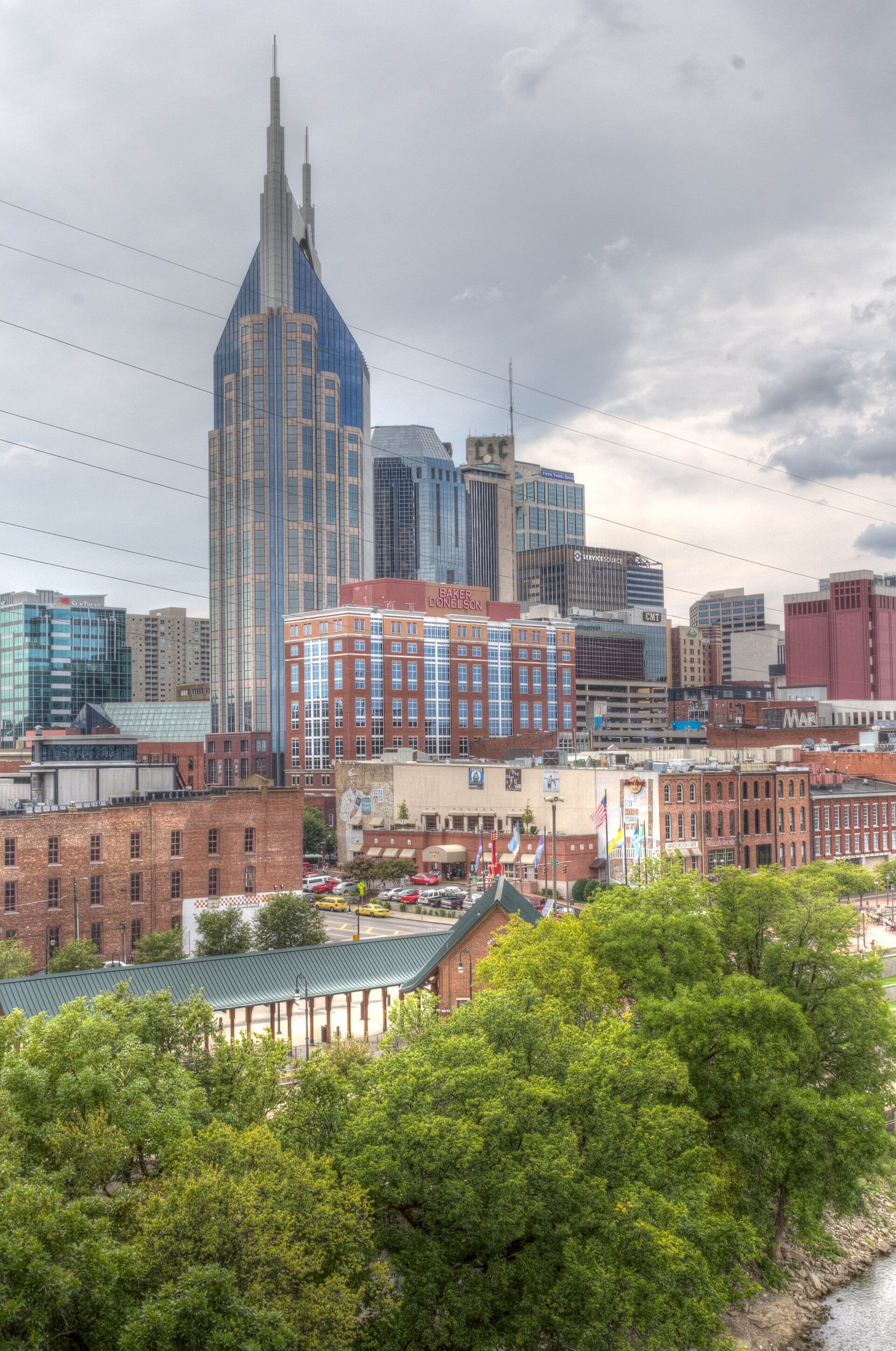
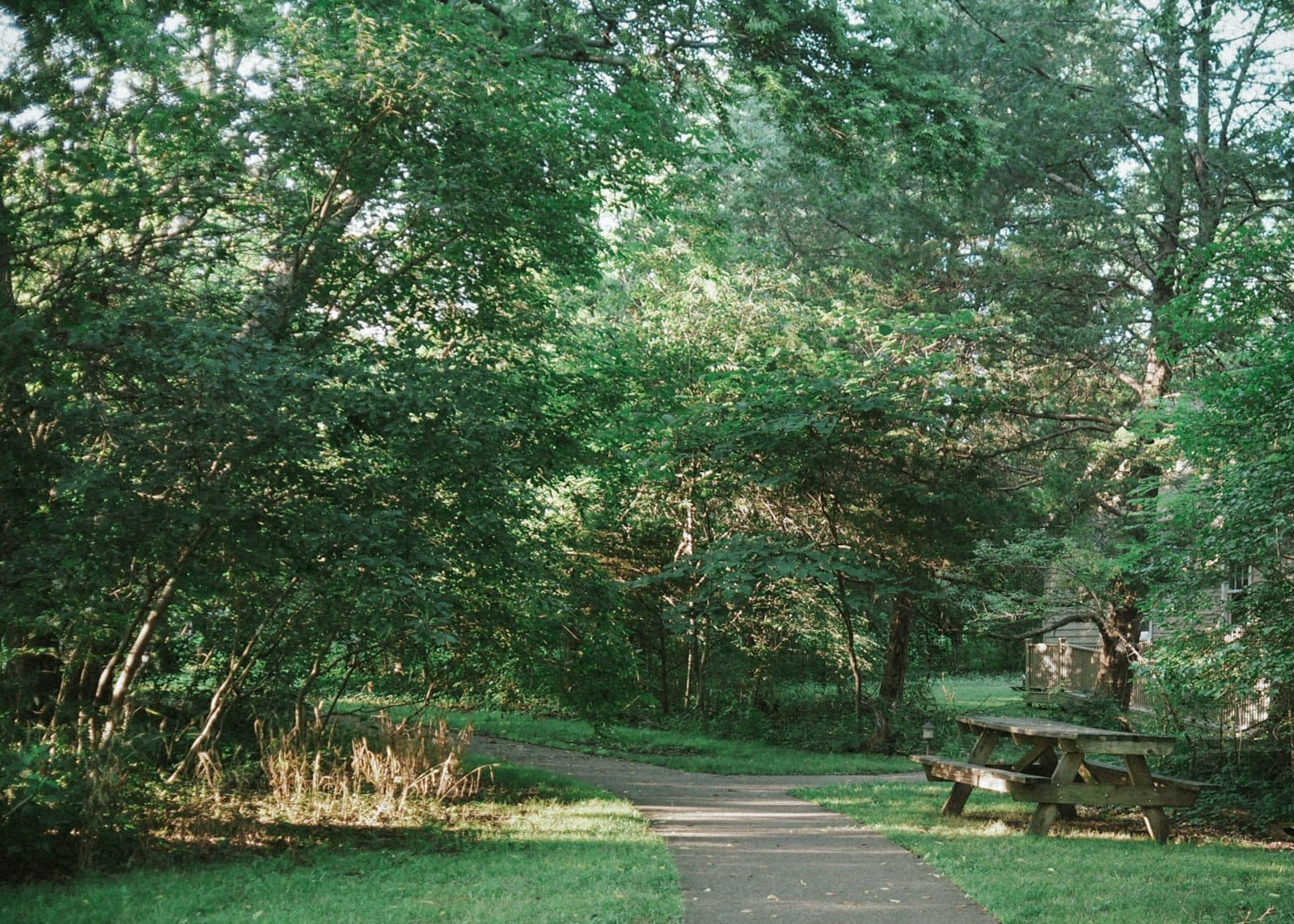
East Nashville sits across the Cumberland River from downtown, spreading through early-20th-century residential streets and commercial corridors like Five Points and Gallatin Avenue. It trades Broadway's neon for independent restaurants, record stores, vintage shops, and low-key live music venues. For travelers who want to see how Nashville actually lives, this is the neighborhood to explore.
East Nashville is the part of the city that locals point to when they want to explain that Nashville is more than honky-tonks and bachelorette parties. Spread across a grid of early-20th-century residential streets east of the Cumberland River, it centers on the Five Points intersection and Gallatin Avenue, where independent restaurants, coffee shops, record stores, and live music venues coexist with craftsman bungalows and Victorian-era homes.
Orientation
East Nashville is not a single street or a tight commercial strip. It is a large, mostly residential area that covers several distinct sub-neighborhoods east of the Cumberland River in Nashville, Tennessee. The broadest definition stretches from the riverbank east along Woodland Street and Gallatin Avenue toward Inglewood, and from the Ellington Parkway corridor in the northwest down to the neighborhoods of Lockeland Springs and Edgefield in the south.
The most useful mental anchor for visitors is Five Points, the intersection where Woodland Street, 11th Street, and Holly Street converge. This is the commercial and social heart of the area, the place where most restaurants, bars, and shops concentrate. Gallatin Avenue runs northeast from Five Points and carries the neighborhood's secondary commercial energy, with more businesses strung along it as you move deeper into East Nashville.
Getting oriented is easier once you cross the river. From downtown Nashville, you can walk across the John Seigenthaler Pedestrian Bridge on Shelby Avenue, which deposits you directly into the southeastern edge of East Nashville, or drive east on Woodland Street through the historic Edgefield district. The Ellington Parkway forms a loose northwestern boundary, while Cahal Avenue and Porter Road mark the northern reaches. South of Woodland Street, the Lockeland Springs neighborhood contains some of the most intact historic residential architecture in the city.
ℹ️ Good to know
East Nashville is not one neighborhood in the strict planning sense — it is an umbrella term covering Edgefield, Lockeland Springs, Inglewood, Cleveland Park, and other sub-districts. Most visitors use 'East Nashville' to mean the area around Five Points and the Gallatin Avenue corridor.
Character and Atmosphere
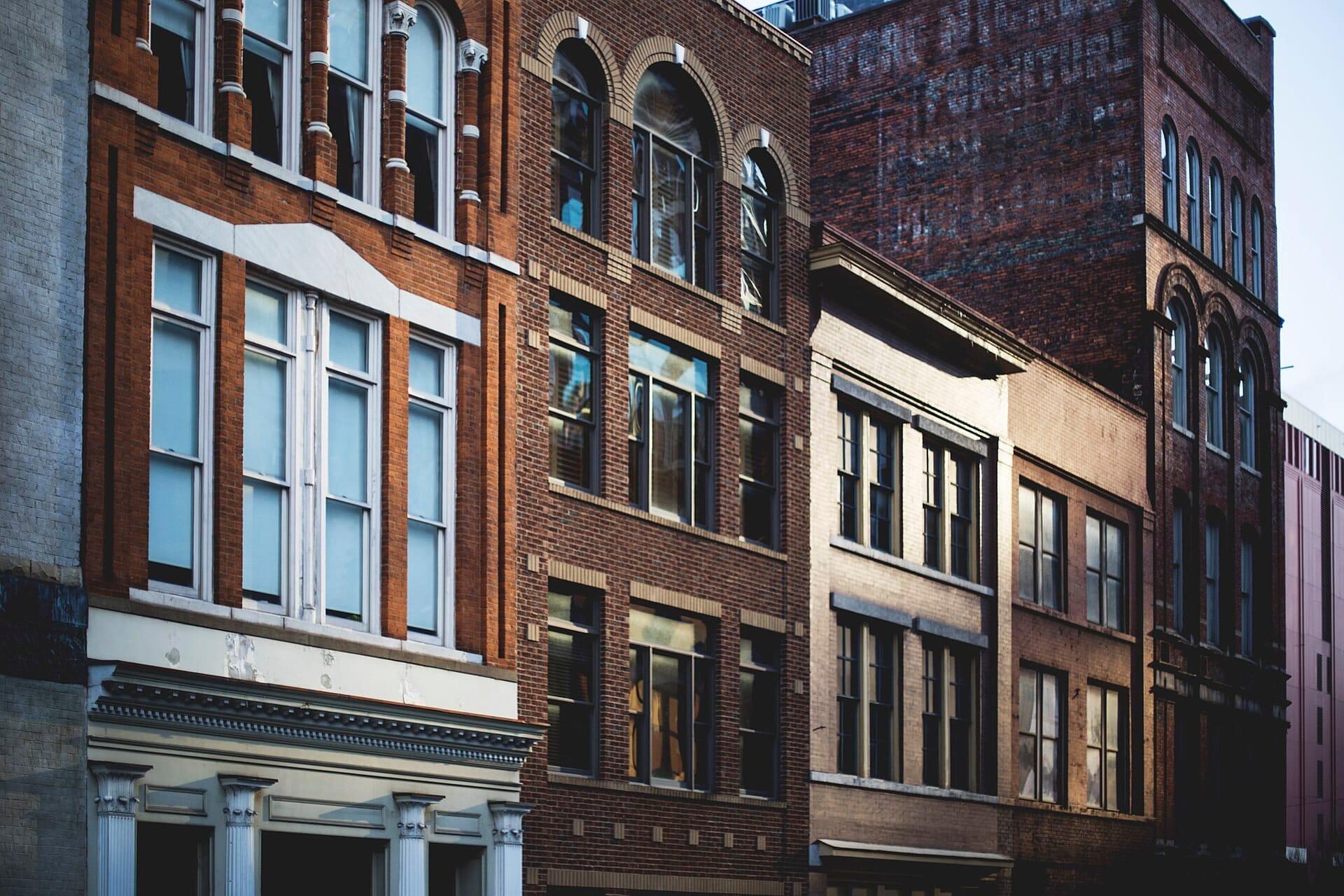
The rhythm of East Nashville is unhurried in a way that downtown Nashville is not. On a weekday morning, Gallatin Avenue moves with people picking up coffee before work, dog walkers passing craftsman bungalows, and delivery trucks idling outside restaurants prepping for lunch. The streets are narrow enough that you notice the architecture: deep front porches, painted Victorian trim, brick cottages from the 1910s and 1920s. It feels like a neighborhood first and a destination second.
By afternoon, especially on weekends, the Five Points intersection picks up noticeably. Tables spill onto sidewalks outside brunch spots, and the stretch of Woodland Street near 11th Street fills with a mix of locals running errands and out-of-towners exploring. The light in the late afternoon falls warmly across the low-slung storefronts, and the pace has a loose, Saturday-afternoon quality that downtown rarely achieves. Vintage stores and record shops keep irregular hours but are reliably open by midday.
After dark, East Nashville does not transform into something unrecognizable the way Broadway does. The energy stays grounded. Bars along Gallatin Avenue and the Five Points cluster fill with a mix of residents and visitors, but the music is generally lower in volume, the crowds more conversational. This is where you find smaller live music venues where the emphasis is on the performance rather than the party around it. That said, the area around Five Points can get genuinely loud on weekend nights, particularly in summer.
East Nashville has changed substantially over the past two decades. A neighborhood that was working-class and largely overlooked in the 1990s has been reshaped by investment, rising rents, and an influx of creative professionals. The result is a place that still has texture and local character, but where that character is increasingly expensive to maintain. Longtime residents and newer arrivals coexist, but the conversation about displacement and affordability is real and ongoing here.
What to See and Do
The most straightforward introduction to East Nashville is a walk from the John Seigenthaler Pedestrian Bridge east along Shelby Avenue to Five Points. This walk takes about 20 minutes at a relaxed pace and passes through Edgefield, giving you a clear sense of the residential scale of the neighborhood before the commercial corridor opens up.
At Five Points, the intersection itself is the attraction as much as any specific venue. Spend time on the street, look at the shop fronts, and let the neighborhood announce itself. From there, walking north along Gallatin Avenue or east along Woodland Street opens up more of the commercial strip.
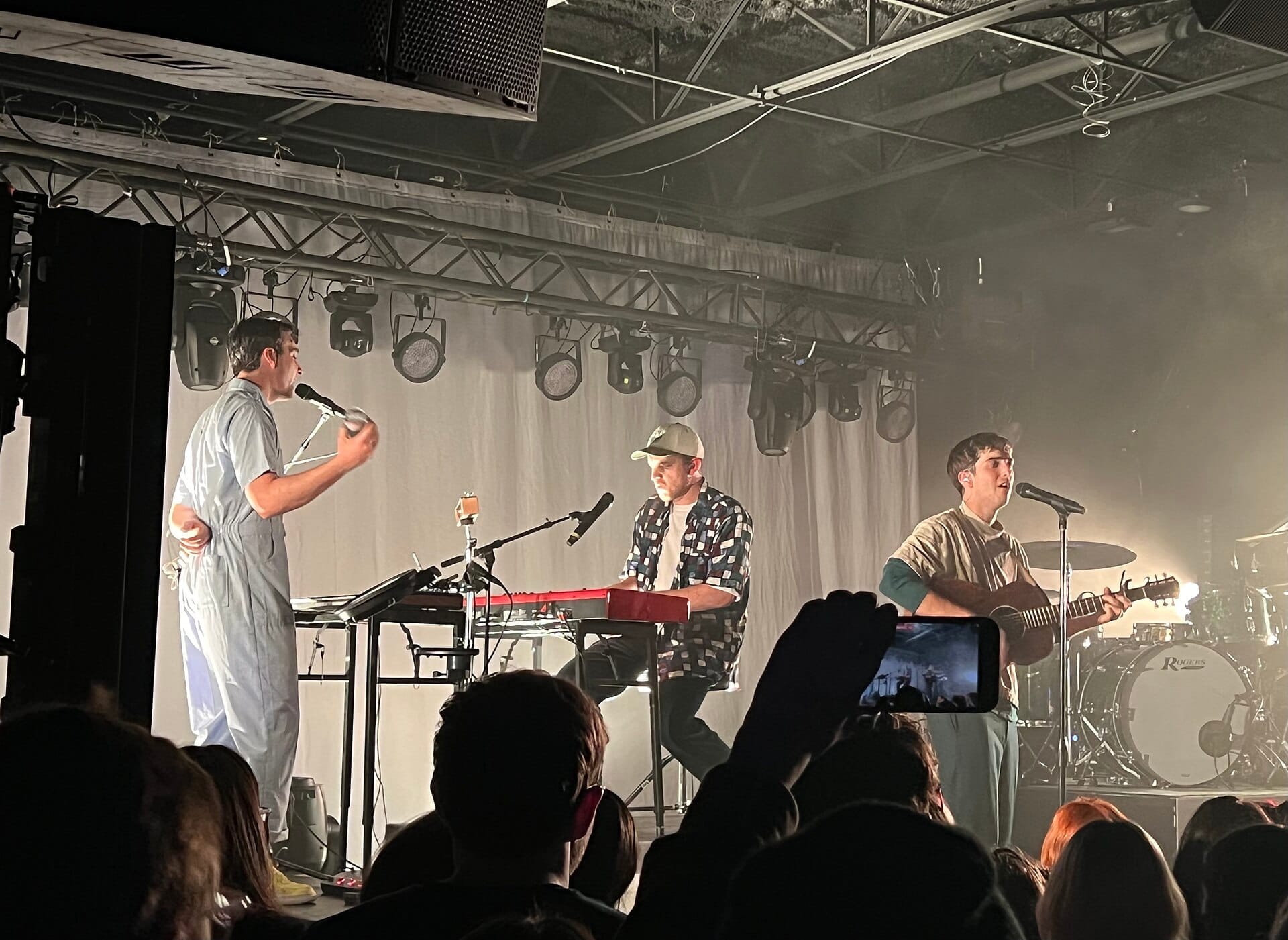
For live music, East Nashville is home to Basement East, one of Nashville's most respected mid-size music venues, located on Woodland Street. It hosts a mix of local and touring acts across rock, Americana, and country-adjacent sounds. The venue's outdoor stage area gives it a different character from the downtown clubs.
History is layered into the streets here. The Edgefield Historic District, immediately east of the river, contains some of Nashville's oldest surviving residential architecture. The Shelby Bottoms Greenway runs along the Cumberland River's eastern bank and offers several miles of paved trails through floodplain forest, connecting East Nashville to the river in a way that feels removed from the city.
Walk the John Seigenthaler Pedestrian Bridge at dusk for views back toward downtown
Browse the vintage and record stores along Five Points and Gallatin Avenue on weekend afternoons
Check the schedule at Basement East for touring acts and local showcases
Walk or cycle the Shelby Bottoms Greenway along the Cumberland River
Explore the residential streets of Lockeland Springs to see the intact early-20th-century architecture
💡 Local tip
If you are combining East Nashville with a visit to downtown, the John Seigenthaler Pedestrian Bridge is the most satisfying way to make the crossing on foot. The walk takes about 10 minutes and the bridge is well-lit at night. Check the Nashville murals along Shelby Avenue on the east side of the bridge — the wall art here changes periodically and is among the better street art in the city.
Eating and Drinking
East Nashville's food scene is among the strongest in the city for independent restaurants, and it skews toward genuine neighborhood spots rather than tourist-facing operations. The concentration around Five Points and along Gallatin Avenue gives you a lot of options within a short walk of each other, ranging from weekend brunch spots with lines out the door to quieter dinner places that book up mid-week.
Brunch is a serious commitment in East Nashville. On Saturday and Sunday mornings, several spots along Woodland Street and Gallatin Avenue draw queues from mid-morning onward. If you want to eat without waiting, arrive before 10 a.m. or plan for a weekday. The neighborhood has a strong coffee culture as well, with independent cafes concentrated near Five Points that are busy from early morning through early afternoon.
For dinner, the range of cuisines in East Nashville is broader than the neighborhood's relatively compact footprint suggests. You will find American and Southern cooking, wood-fired pizza, Mexican, Japanese-influenced spots, and vegetarian-focused menus within a few blocks of Five Points. Price points sit in the mid-range for Nashville: most dinner entrees run between $15 and $30, with higher-end options available. Reservations are strongly recommended for dinner on weekends.
The bar scene is anchored around Five Points and Gallatin Avenue. Bars here tend toward the smaller and more local end of the spectrum, in contrast to the large honky-tonk bars on Broadway. Several have small stages for live music, and the sound quality in these rooms is generally better than the downtown strip. Beer-focused bars and cocktail bars both have representation here.
⚠️ What to skip
Parking around Five Points is genuinely limited on weekend nights, and the streets near the main intersection can be congested. If you are coming for dinner and drinks, consider using a rideshare service rather than driving. Walking from downtown via the pedestrian bridge is a practical and pleasant alternative if your hotel is on that side of the river.
Getting There and Around
Nashville does not have a metro or subway system, so getting to East Nashville from other parts of the city means driving, rideshare, or walking. From downtown, the most direct pedestrian route is across the John Seigenthaler Pedestrian Bridge on Shelby Avenue, which puts you at the edge of the Edgefield district about a 15- to 20-minute walk from Five Points. This is the recommended approach if you are staying downtown and want to explore without a car.
WeGo Public Transit, Nashville's bus network, serves East Nashville via several routes running along Gallatin Avenue and Woodland Street. The system connects to Music City Central, the main downtown transit hub, but frequency and coverage are limited compared to transit systems in larger U.S. cities. For visitors, rideshare services (Uber and Lyft both operate widely in Nashville) are generally more practical than the bus for getting between East Nashville and other parts of the city. For more detail on navigating Nashville without a car, see the getting around Nashville guide.
Within East Nashville itself, the neighborhood is walkable between its main commercial nodes. From the pedestrian bridge to Five Points is about a 20-minute walk. Five Points to the Shelby Bottoms Greenway entrance is another 10 to 15 minutes on foot heading east. A bicycle is useful here, and the area has some bike infrastructure, though it is inconsistent. Parking is available on residential streets farther from Five Points if you are driving.
Where to Stay
East Nashville is not a hotel-heavy neighborhood. Large chain hotels and major branded properties are concentrated downtown, in the Gulch, and in the Music Valley area near the Grand Ole Opry. In East Nashville, accommodation options run more toward short-term rentals, boutique guesthouses, and smaller inns spread through the residential streets.
For travelers who want to stay in East Nashville specifically, short-term rental platforms offer properties in the craftsman and Victorian homes that define the neighborhood. This is a reasonable option for visitors who want a more residential experience and plan to cook some meals rather than eating out for every meal. For a broader overview of where to stay across Nashville and which neighborhoods suit different travel styles, the where to stay in Nashville guide covers the full range of options.
Staying in East Nashville puts you slightly removed from the main tourist circuit, which is the point for some visitors and a drawback for others. You are a 20-minute walk or a short rideshare ride from downtown, close to some of the city's best independent restaurants, and in a genuinely residential area where you get a different sense of Nashville than the Broadway corridor provides. The tradeoff is that you will need to travel to reach most major attractions, and the neighborhood itself is quieter in the early morning.
ℹ️ Good to know
East Nashville works particularly well as a base for travelers visiting Nashville for music-focused or food-focused trips rather than the mainstream honky-tonk experience. If your priority is catching shows at the Ryman or spending evenings on Broadway, staying downtown or in Midtown will save you time and transport friction.
Honest Assessment: Who East Nashville Is For
East Nashville rewards visitors who want to explore beyond the tourist infrastructure. If your Nashville itinerary is built around the Country Music Hall of Fame, the Ryman, and Broadway honky-tonks, East Nashville works well as a half-day excursion or a dinner destination rather than a base. But for travelers interested in the city's food culture, its residential character, and its live music beyond the mainstream circuit, this is where Nashville has the most to offer.
The neighborhood is not without its rough edges. Some blocks along Gallatin Avenue transition quickly from dense commercial activity to quieter, more residential stretches where the foot traffic drops off. At night, staying aware of your surroundings is sensible, as it would be in any urban neighborhood. The area has gentrified considerably, but it is not a sanitized tourist zone, and it does not pretend to be.
For first-time visitors to Nashville, a half-day in East Nashville pairs well with time in Germantown to the northwest. Together, they sketch out a picture of the city's neighborhood life that the downtown core does not provide on its own. If you are building a multi-day itinerary, the 3 days in Nashville guide suggests how to sequence East Nashville alongside the major attractions.
TL;DR
East Nashville is the city's most developed independent neighborhood, centered on the Five Points intersection and Gallatin Avenue corridor east of the Cumberland River.
Best suited for travelers who want independent restaurants, low-key live music venues, and a residential, non-touristy atmosphere.
Walking from downtown via the John Seigenthaler Pedestrian Bridge is the most practical and enjoyable way to arrive; the crossing takes about 10 minutes.
Accommodation is limited to short-term rentals and small guesthouses; most visitors stay downtown and make day trips or evening excursions to East Nashville.
Weekend brunch lines, limited parking near Five Points, and rising prices are real considerations; the neighborhood rewards an early-afternoon visit on a weekday if you have flexibility.
Two days in Nashville is enough time to hit the music landmarks, eat well, explore distinct neighborhoods, and catch live music at night — if you plan smartly. This guide lays out a realistic, hour-by-hour framework with current prices, crowd warnings, and the honest trade-offs.
Three days is enough time to cover Nashville's best music landmarks, eat your way through the food scene, and catch a live show worth remembering. This itinerary is built around practical logistics, honest recommendations, and enough flexibility to make it your own.
Nashville's music museums go far beyond country. Whether you're tracing Johnny Cash's life through personal artifacts, standing in Elvis's recording booth, or learning how African American musicians shaped every genre we know, these institutions tell the full story of American music. Here are the best.
Nashville rewards visitors year-round, but the best time to visit depends on your priorities: mild weather, major events, budget, or avoiding crowds. This guide breaks down every season with honest assessments so you can plan the perfect trip.
CMA Fest is four days of country music taking over downtown Nashville every June, with free outdoor stages, nightly stadium shows, and thousands of fans from around the world. This guide covers tickets, venues, logistics, what to wear, and how to get the most out of the festival without wasting money or time.
Nashville sits within easy reach of historic small towns, national battlefields, scenic parkways, and legendary distilleries. These are the best day trips from Nashville, organized by distance and theme, so you can plan the perfect escape from the city.
Nashville delivers serious value for budget travelers. Between free world-class museums, no-cover live music on Broadway, scenic parks, and iconic street art, you can fill multiple days in Music City without opening your wallet. Here are the best free things to do in Nashville.
Nashville is a car-friendly city with limited public transit, but visitors have more options than they might expect. This guide covers everything from arriving at BNA to navigating neighborhoods by bus, bike, rideshare, or on foot, with honest advice on what actually works.
The Grand Ole Opry is one of the longest-running live radio shows in American history, and buying tickets is easier than most visitors expect. This guide covers pricing, seating, show formats, and practical logistics so you arrive prepared.
Nashville sits within easy reach of some of Tennessee's finest hiking. Whether you want a quick trail before dinner or a full-day escape into forest and river scenery, these are the best hikes near Nashville for every skill level.
Nashville International Airport (BNA) is the busiest airport in Tennessee, handling 24.7 million passengers in 2024. This guide covers the terminal layout, parking costs, lounge access, ground transportation options, airline routes, and practical tips to help you navigate BNA with confidence.
Nashville has become the undisputed capital of bachelorette weekends in the U.S., and for good reason. From Lower Broadway honky-tonks to Cumberland River party cruises and rooftop pools, this guide covers every activity, neighborhood, and practical detail you need to plan a weekend that actually delivers.
Nashville played a pivotal role in the Civil War as the first Confederate state capital captured by Union forces, and the site of one of the war's most decisive battles. This guide covers every major site, self-guided tour routes, seasonal tips, and the historical context you need to make sense of what you're standing on.
Nashville's craft spirits scene has grown into one of the most exciting in the South, with urban tasting rooms, multi-stop guided tours, and day trips to legendary Tennessee whiskey producers. This guide covers every option, from walk-in flights to full barrel-pick experiences, so you can plan the right visit for your group.
Lower Broadway is just the start. This guide covers Nashville's best honky-tonks and live music venues, from the neon-lit bars of Honky Tonk Highway to intimate songwriter rooms, bluegrass clubs, and music history landmarks that define the city's sound.
Nashville transforms in December with sprawling light displays, live holiday concerts, outdoor markets, and seasonal shows running from mid-November through early January. This guide covers the top events, what to book in advance, and how to make the most of the holiday season in Music City.
October is widely considered the best month to visit Nashville. Temperatures drop to a comfortable range, the city's event calendar fills up with fall festivals and live music, and the usual summer crowds thin out. This guide covers exactly what to expect, what to book ahead, and what to skip.
Nashville, Tennessee earns its Music City nickname with over 250 live music venues spanning free honky-tonks, songwriter showcases, bluegrass clubs, and major concert halls. This guide breaks down exactly where to go, what to expect, and how to plan your nights around live music in Nashville.
Nashville has evolved into a serious luxury destination. From Five-star hotels along the Cumberland River to farm-to-table fine dining and private honky-tonk experiences, this guide covers every high-end option, what it actually costs, and when to book for the best value.
Nashville earned the 'Music City' nickname long before country music dominated the airwaves. This guide traces the city's musical roots from 19th-century folk traditions and the Fisk Jubilee Singers through the Grand Ole Opry, the Nashville Sound, and today's sprawling live music scene across more than 100 live music venues.
Nashville's nightlife runs much deeper than the neon strip of Lower Broadway. This guide breaks down every major nightlife zone, from the honky-tonk highway to rooftop bars in The Gulch and intimate listening rooms in East Nashville, with practical details on hours, cover charges, and what to expect each night of the week.
Nashville has a reputation as a party city with party-city prices, but that reputation is only half true. With free live music on Broadway every night, several genuinely free museums, a bus that runs from the airport to downtown for around $2, and walkable neighborhoods full of no-cost attractions, a trip to Music City can be remarkably affordable if you know what to skip and what to prioritize.
Nashville draws millions of visitors every year, and for good reason. But is Nashville safe for tourists? This guide breaks down crime statistics by area, identifies which neighborhoods to know, and gives you concrete, practical advice for staying safe during your trip.
Nashville shopping is neighborhood-driven, not centered on one district. This guide breaks down every major shopping area — from the upscale Mall at Green Hills to the indie boutiques of 12 South and the monthly Flea Market at The Fairgrounds — so you spend less time wandering and more time buying.
Nashville is one of the most approachable solo travel destinations in the American South. This guide covers getting around, the best neighborhoods to base yourself in, where to find live music without a group, safety considerations, and how to budget your trip from airport to honky-tonk.
Nashville sits within easy reach of some of Tennessee's finest outdoor spaces. These state parks and natural areas offer everything from serene lakeside hikes to swimming beaches, scenic river paddles, and wildlife-rich forests — all within a short drive of the city.
The drive from Nashville to Knoxville covers roughly 180–190 miles along I-40 East and takes about 2.5 to 3 hours without stops. This guide covers the best detours, state parks, historic sites, and seasonal advice to help you get more out of one of Tennessee's most rewarding road trips.
Nashville's downtown core is compact enough to cover on foot in a single morning or afternoon. This guide maps out the best self-guided walking routes from Riverfront Park to the Tennessee State Capitol, with honest notes on timing, audio tools, and which detours are actually worth your steps.
Nashville is far more than a party destination. From hands-on science museums and wildlife encounters to free parks and live country music, the city offers a full week of family-friendly activities. This guide breaks down the best things to do in Nashville with kids, organized by type, age, and budget.
Nashville delivers a surprisingly rich mix of romantic experiences for couples: iconic music venues, candlelit listening rooms, lakeside parks, and skyline walks along the Cumberland River. This guide covers the best options by category, with honest advice on what's worth your time and what to skip.
Nashville is far more than a country music backdrop. This guide covers the best things to do in Nashville across music, history, outdoors, and food — with honest takes on what's worth your time, what to skip, and how to plan around crowds and seasons.
Nashville has far more to offer than neon-lit honky-tonks and country radio hits. From a full-scale ancient Greek temple in a public park to a record store that cuts vinyl of your voice, these are the experiences that make Nashville genuinely unlike any other American city.
Nashville's food scene runs deeper than hot chicken. This guide covers the city's essential dishes, the neighborhoods where you'll find them, practical ordering tips, and honest takes on what lives up to the hype and what doesn't.
Choosing where to stay in Nashville shapes your entire trip. This guide breaks down every major neighborhood by walkability, price, vibe, and who it suits best — so you spend less time researching and more time on Broadway.