Where to Stay in Nashville: The Complete Neighborhood Guide
Choosing where to stay in Nashville shapes your entire trip. This guide breaks down every major neighborhood by walkability, price, vibe, and who it suits best — so you spend less time researching and more time on Broadway.
Tickets & tours
Live prices and dates from our booking partner. If you book, we may earn a commission at no extra cost to you.
TL;DR
- Downtown and SoBro are the best base for first-timers: walkable to the Broadway honky-tonks, the Ryman, and Bridgestone Arena.
- Expect to pay $250–$500+ per night at full-service downtown hotels on busy weekends; rates drop significantly midweek and off-season.
- Nashville is not walkable city-wide. Only Downtown, SoBro, The Gulch, and Midtown let you reach major attractions on foot.
- The Opryland area is roughly 20 minutes from downtown — great for families or Grand Ole Opry fans, but not for bar-hopping. See our Nashville transportation guide before you commit to a location far from the core.
- Book early for weekends, CMA Fest, SEC football weekends, and any major arena concert — rates spike fast and inventory dries up weeks in advance.
How to Think About Nashville's Neighborhoods Before You Book
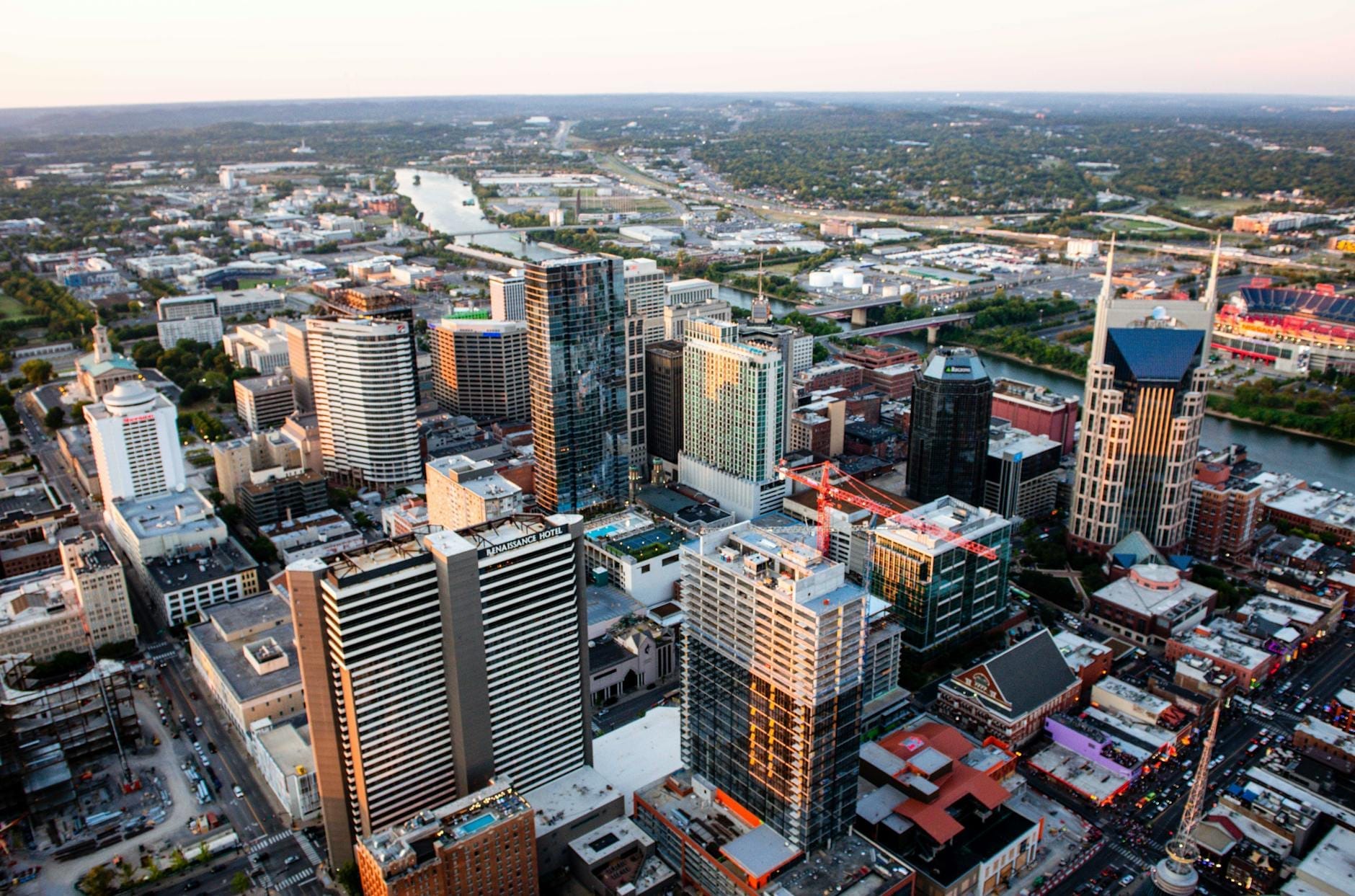
Nashville is the capital of Tennessee and seat of Davidson County, officially governed as the Metropolitan Government of Nashville and Davidson County. The consolidated city-county covers just over 500 square miles, which matters enormously when picking a hotel. What looks like a short distance on a map can translate to a 20-minute rideshare in traffic, and rideshare costs add up quickly over a long weekend.
The city's walkable core is compact: Downtown Nashville and SoBro sit along the Cumberland River and contain the highest concentration of nashville hotels downtown. Beyond that core, you're largely dependent on a car or Uber. This is the single most important factor most visitors underestimate when searching for nashville downtown hotels.
⚠️ What to skip
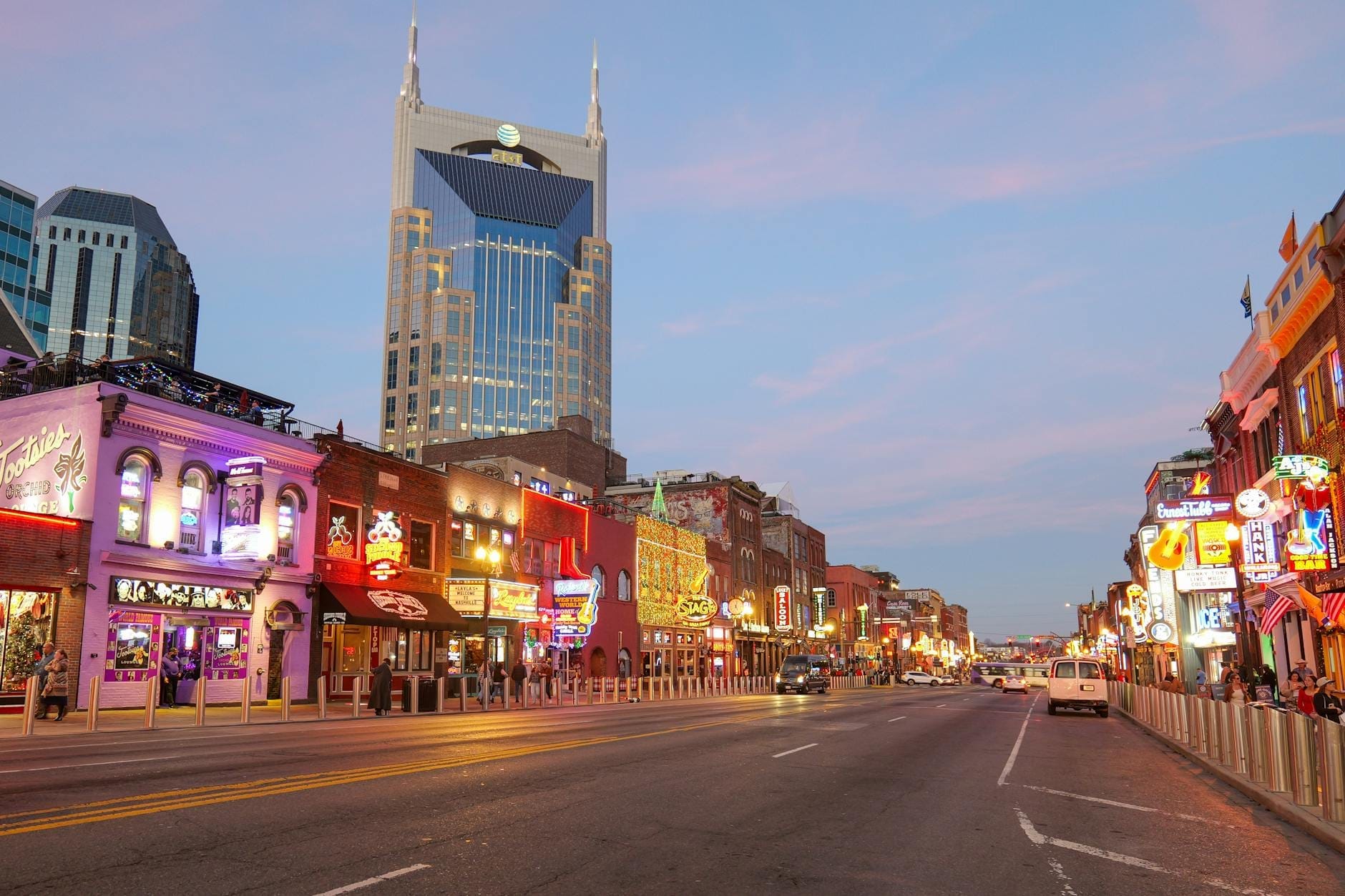
Don't assume that any Nashville hotel is 'close to Broadway.' Only Downtown, SoBro, and The Gulch put you within a 10-minute walk of Lower Broadway. East Nashville, Midtown, and the Opryland area all require a rideshare or car — factor that into your total trip cost.
Downtown and SoBro: The Core, With Trade-Offs
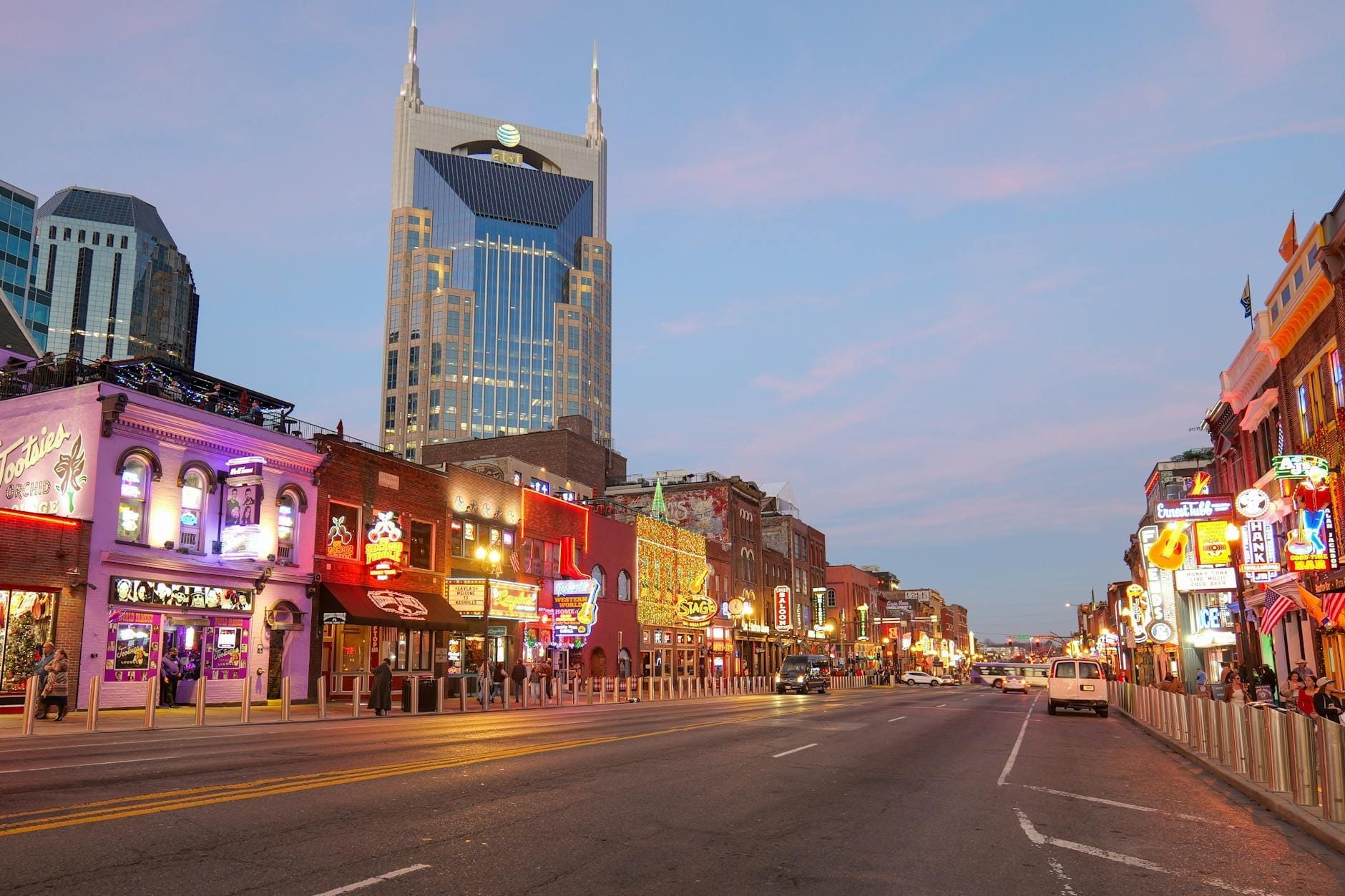
For most visitors, staying downtown is the obvious choice — and for good reason. You can walk to the Ryman Auditorium, the Country Music Hall of Fame, Bridgestone Arena, and the entire stretch of honky-tonks on Lower Broadway without needing a single rideshare. That convenience has a price: this is Nashville's loudest, most heavily visited zone, and weekend nights on Broadway are genuinely rowdy until 3 a.m.
Major full-service properties here include the JW Marriott, Grand Hyatt Nashville, Omni Nashville Hotel, and the historic Union Station Hotel — a Romanesque railway terminal converted into a Marriott Autograph Collection property. Budget-conscious travelers should look at The Capitol Hotel, which is consistently positioned as one of the more affordable downtown options, though 'affordable downtown' in Nashville still typically means $150–$200+ on a weekday.
- Best for First-time visitors, bachelorette parties, concert-goers, anyone whose primary goal is Lower Broadway and live music venues
- Price range Roughly $250–$500+ per night at full-service hotels on busy weekends; midweek rates in the off-season can fall below $150
- Noise level High. Street noise from Broadway is audible in many properties Friday–Sunday nights. Ask for a higher floor or a room facing away from Broadway if you're a light sleeper.
- Walkability Excellent within the core. The John Seigenthaler Pedestrian Bridge to East Nashville, Bicentennial Mall, and the Farmers Market are all reachable on foot.
💡 Local tip
If you're attending a show at Bridgestone Arena or the Ryman, staying within a 5-minute walk saves you $30–$40 in rideshare fees and eliminates post-show surge pricing headaches. The math often makes a pricier downtown hotel the better overall value.
The Gulch and Midtown: Downtown's Quieter Neighbors
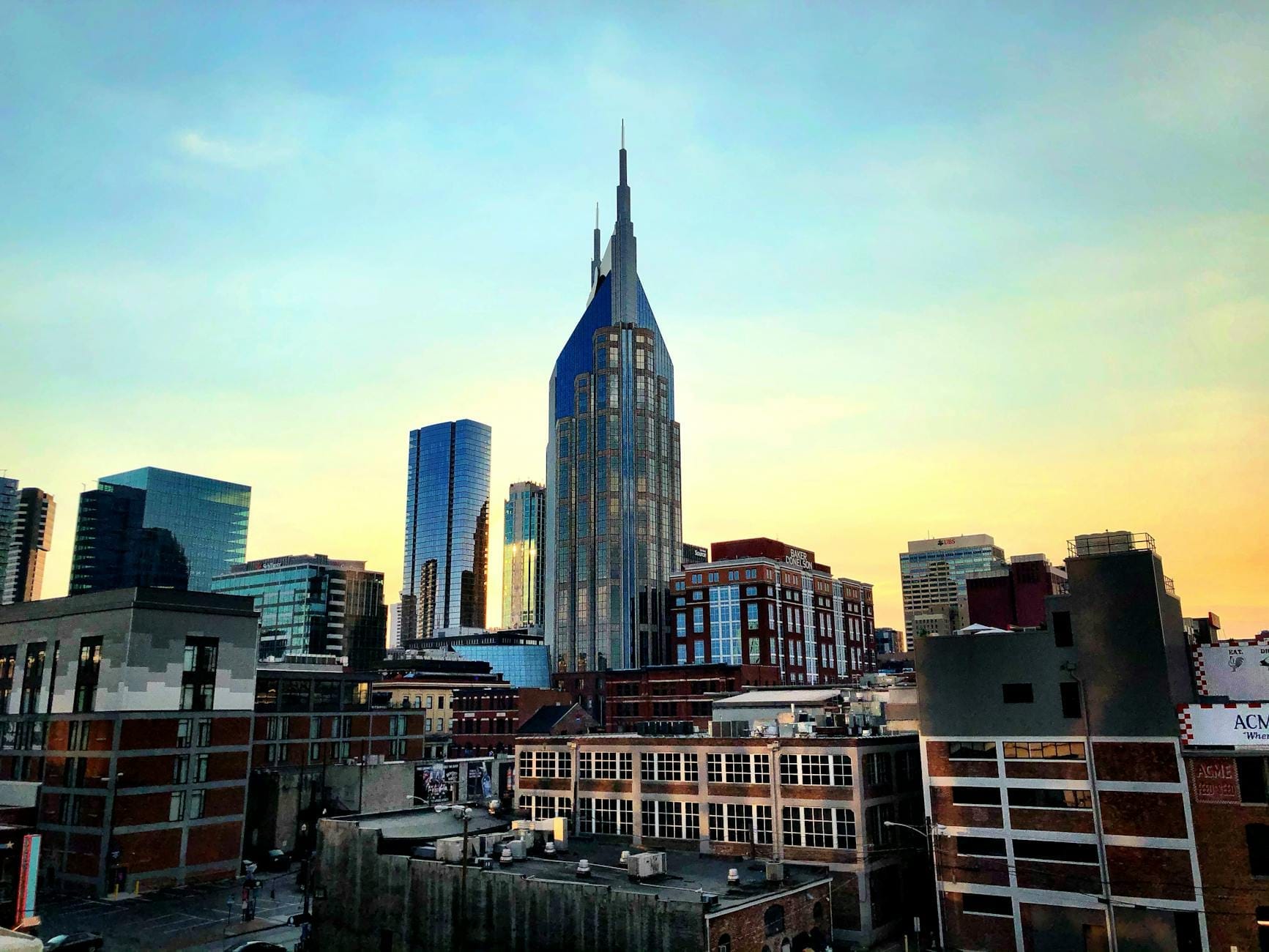
The Gulch sits just south of downtown — a former rail yard redeveloped into a sleek mixed-use district with upscale restaurants, boutique retail, and several hotels. It's a 10–15 minute walk from Broadway, but far enough to avoid the most intense late-night noise. If you want walkable access to downtown attractions without being in the thick of bachelorette party central, this is a smart middle ground.
Midtown, centered around Music Row and Vanderbilt University, is another solid option. It trades some Broadway walkability for a more residential, less frantic atmosphere. You'll find mid-range hotels here alongside independent restaurants and bars that draw more locals than tourists. Midtown Nashville is also the most practical base if your trip includes Centennial Park, Vanderbilt campus, or the West End dining corridor.
Germantown and East Nashville: For a More Local Experience
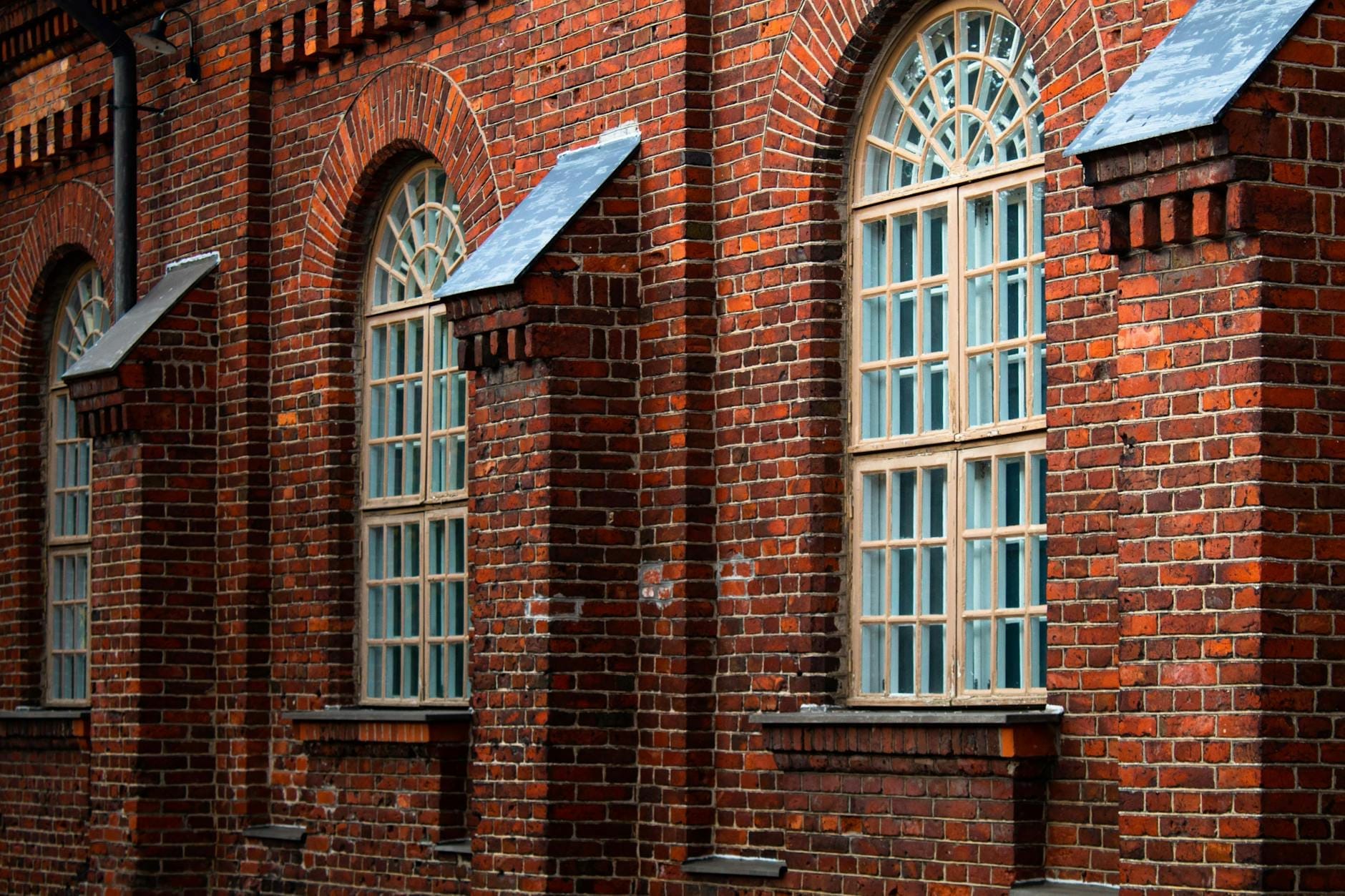
Germantown is Nashville's oldest historic district, sitting just north of downtown across the rail lines. Its 19th-century brick architecture, acclaimed restaurants, and boutique hotel options give it a genuinely different character from the Broadway corridor. You're still close to downtown — a 10–15 minute walk or short rideshare — but the neighborhood feels like a city rather than an entertainment zone.
Across the Cumberland River, East Nashville has a strong local identity built around independent coffee shops, craft bars, and early-20th-century residential streets. It's popular with repeat visitors who've already done the downtown circuit and want something less scripted. The trade-off: you'll need a rideshare to reach most major downtown attractions, and that $12–$20 round trip adds up over a multi-day stay. East Nashville is genuinely rewarding, but it's not the right base if your priority is seeing the Ryman or the Country Music Hall of Fame without logistical friction.
✨ Pro tip
East Nashville works best if you're staying 4+ nights, have already experienced downtown Nashville on a previous trip, and want to eat at places locals actually go. For a 2-night bachelorette weekend, it's the wrong call.
The Opryland Area: A Resort Unto Itself
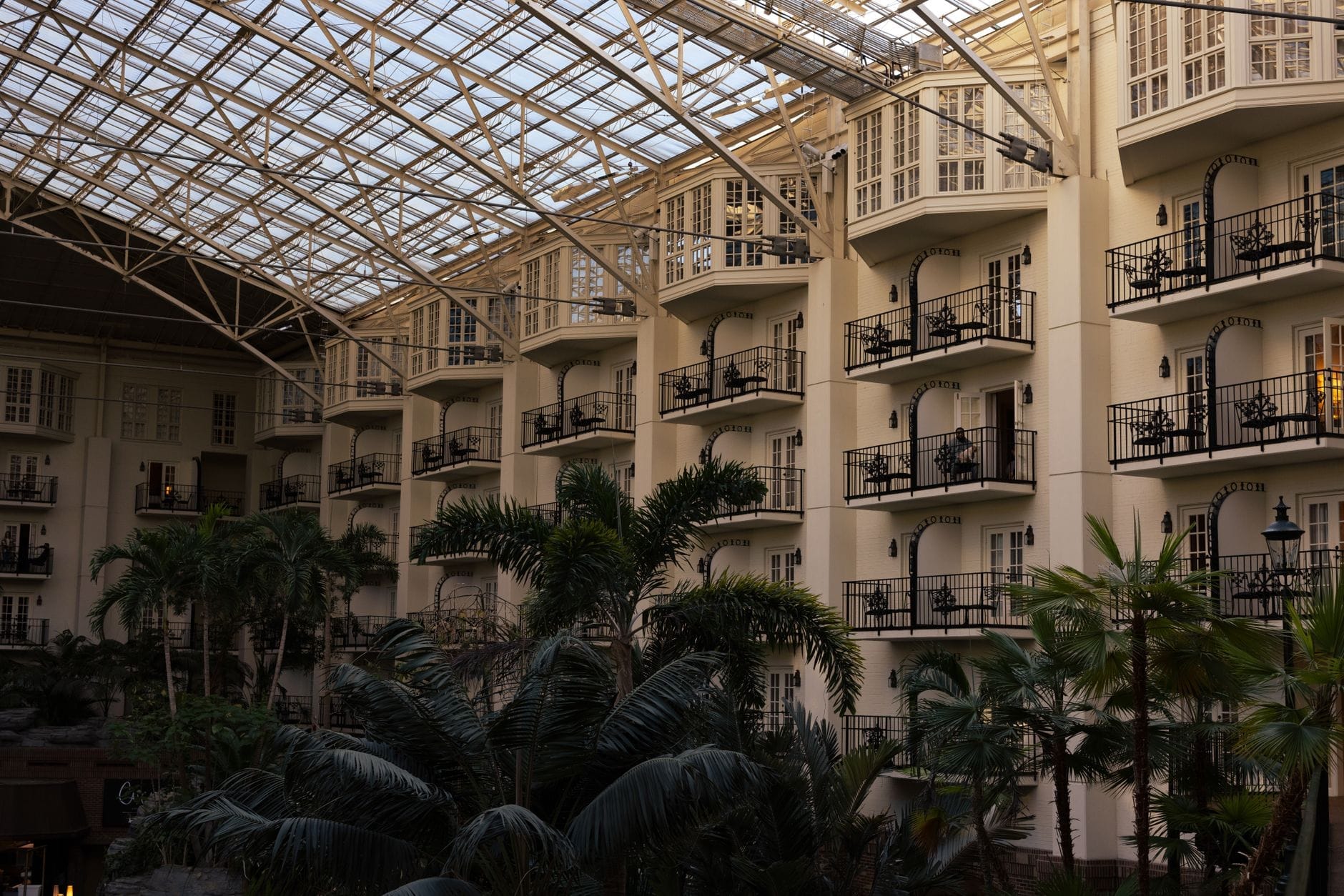
The Gaylord Opryland Resort is a destination in its own right: a 2,700-plus-room property with indoor atriums, multiple pools, restaurants, and a riverboat experience, all adjacent to the Grand Ole Opry House and the Opry Mills shopping mall. It's located in the Music Valley area, roughly 15–20 minutes northeast of downtown Nashville — and that distance is not trivial.
Staying at Gaylord Opryland makes sense if: you're attending multiple Grand Ole Opry shows, you're traveling with family and want a self-contained resort, or you're visiting for a convention (it's one of the country's largest non-Las Vegas convention hotels). It makes less sense if downtown Nashville restaurants and nightlife are your main interest. The resort runs shuttles to downtown, but you're still dependent on scheduling and adding travel time to every outing.
- Opryland area: Best for Families, Grand Ole Opry attendees, convention guests, visitors who want a resort experience over a city experience
- Opryland area: Not ideal for Visitors whose main interest is downtown Nashville bars, restaurants, and music venues — the commute will wear on you by day 2
- Price range at Gaylord Opryland Typically $200–$400+ per night; holiday periods like Christmas can exceed $500 due to the resort's signature holiday programming
Pricing, Seasonal Timing, and When to Book
Nashville hotel pricing is highly event-driven. A midweek night in January might cost $120 at a solid downtown hotel. That same room on a CMA Fest weekend in June can exceed $400. The city draws massive weekend crowds year-round, amplified by bachelorette parties, SEC football games, arena concerts, and conventions at the Music City Center.
The practical implication: book as early as possible for any Friday or Saturday night stay. For high-demand events like CMA Fest (typically held in June) or major stadium shows at Nissan Stadium, hotels within walking distance sell out weeks in advance. If you're planning around a specific event, check our guide to the best time to visit Nashville before you lock in dates.
Shoulder seasons, specifically April through mid-May and late September through October, tend to offer the best combination of mild weather and slightly lower hotel rates compared to peak summer. That said, Nashville's spring event calendar is packed, so 'lower rates' is relative. October in particular is busy with football and fall events. Truly quiet periods are hard to find, which is part of what makes Nashville's hotel market so consistently expensive relative to other mid-sized American cities.
- Book 6–8 weeks ahead minimum for any downtown Nashville hotel on a summer weekend
- CMA Fest, major arena concerts, and SEC football weekends can require 3–4 months advance booking for good downtown options
- Midweek stays (Sunday–Thursday) regularly cost 30–50% less than weekend rates at the same property
- Vacation rentals on Airbnb and VRBO can offer better value for groups of 4+, especially in East Nashville and Germantown
- Always check the hotel's own website against third-party booking sites — direct booking occasionally unlocks perks or better cancellation policies
Practical Details: Getting Around From Your Hotel
Nashville International Airport (BNA) sits about 8 miles southeast of downtown. A rideshare to a downtown hotel typically runs $25–$40 depending on traffic and surge pricing; taxis are also available from the Ground Transportation Center at BNA. The WeGo Public Transit Route 18 connects the airport to Music City Central downtown — the express run takes about 20 minutes, though local service with multiple stops can run 35–45 minutes versus 15–25 minutes by car.
Once you're in Nashville, walkability depends almost entirely on where you're staying. Downtown, SoBro, The Gulch, and Midtown are the only areas where you can realistically get through a full day on foot. Everywhere else requires Uber, Lyft, or a rental car. Nashville has no metro system; the WeGo bus network covers the city but isn't designed for tourist itineraries. For a full breakdown of your options, read the complete guide to getting around Nashville.
ℹ️ Good to know
Nashville runs on Central Time (CST, UTC−6 in winter; CDT, UTC−5 in summer). The city uses standard US 120V/60Hz electricity with Type A and B plugs. Tap water meets all federal and state safety standards. Tipping 18–20% at sit-down restaurants is the local norm.
FAQ
What is the best area to stay in Nashville for first-time visitors?
Downtown Nashville and SoBro are the strongest choices for a first visit. You'll be within walking distance of the main attractions — Lower Broadway honky-tonks, the Ryman Auditorium, the Country Music Hall of Fame, and Bridgestone Arena — without needing to plan transportation for every outing. The trade-off is noise and price, but the convenience is hard to beat on a short trip.
How much do Nashville downtown hotels cost per night?
Full-service downtown Nashville hotels typically range from $250–$500+ per night on busy weekends. Midweek rates and off-peak periods can drop below $150 at mid-range properties. Budget options exist (The Capitol Hotel is often cited as among the more affordable downtown choices), but truly cheap downtown rooms are rare. Always check rates directly on booking platforms since prices swing dramatically based on events.
Is it worth staying at Gaylord Opryland Resort instead of downtown?
It depends on your priorities. Gaylord Opryland is a remarkable self-contained resort, ideal for families, Grand Ole Opry fans, or convention attendees. But it's roughly 20 minutes from downtown Nashville — and if your main goal is bars, restaurants, and live music on Broadway, you'll feel that distance every day. Most first-time visitors are better served by a downtown hotel.
When should I book a Nashville hotel to get the best rate?
For weekend stays, book at least 6–8 weeks in advance. During high-demand events like CMA Fest (June), major arena concerts, or SEC football weekends, book 3–4 months ahead if you want a good downtown option at a reasonable rate. Midweek stays are consistently cheaper — sometimes 30–50% less than the same room on a Friday or Saturday.
Are there good hotel options in Nashville outside downtown?
Yes. Germantown offers boutique hotels in a historic, walkable neighborhood just north of downtown. The Gulch has upscale properties in a slightly quieter setting than Broadway. East Nashville suits repeat visitors who want a more local experience. Midtown works well if you're visiting Vanderbilt or Centennial Park. Each area requires more rideshare use than downtown, so factor that cost into your decision.
Tickets & tours
Live prices and dates from our booking partner. If you book, we may earn a commission at no extra cost to you.
Planning a trip? Discover personalized activities with the Nomado app.