Nashville Civil War History Guide: Battlefields, Forts, and the Decisive 1864 Campaign
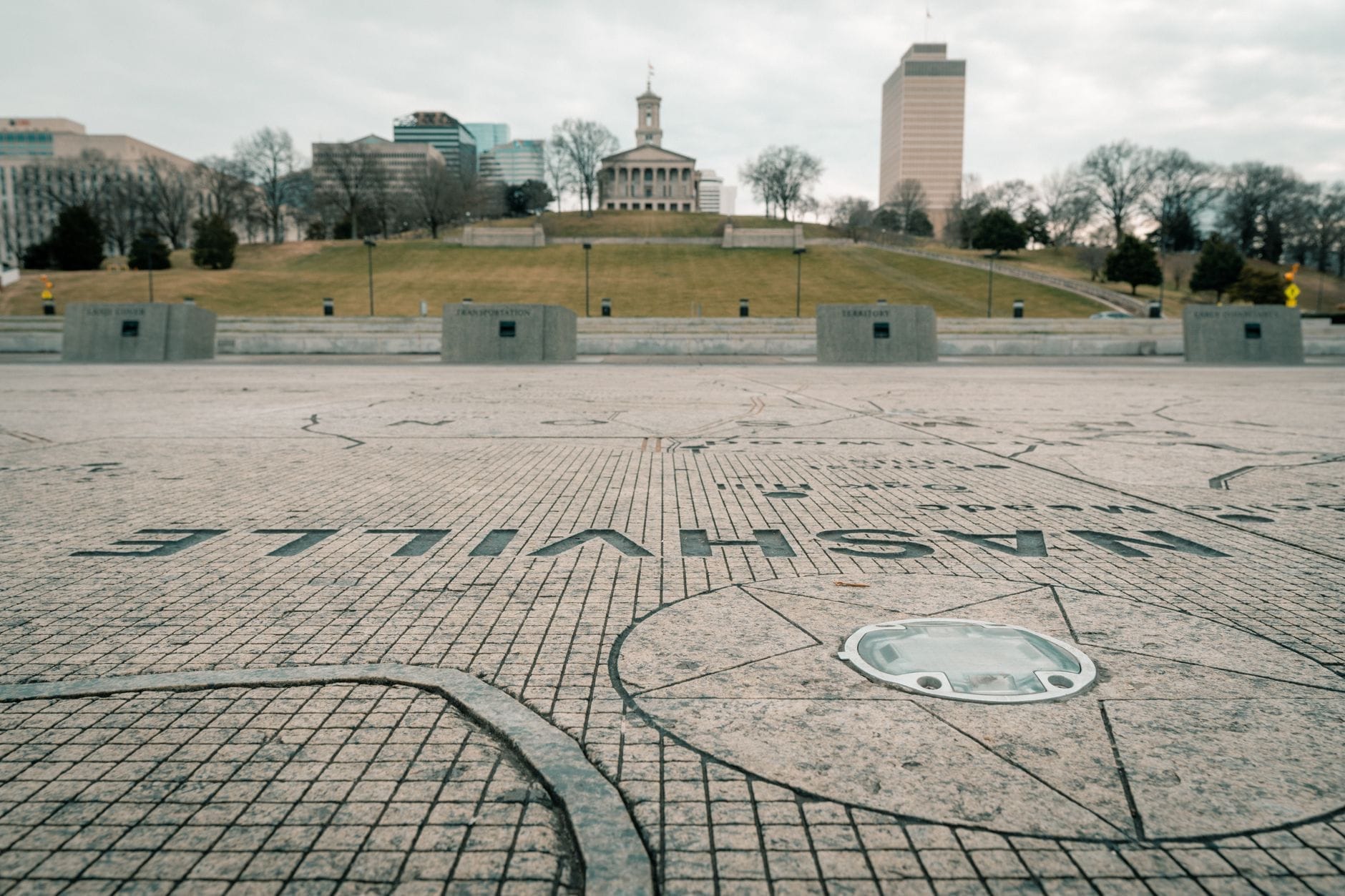
Nashville played a pivotal role in the Civil War as the first Confederate state capital captured by Union forces, and the site of one of the war's most decisive battles. This guide covers every major site, self-guided tour routes, seasonal tips, and the historical context you need to make sense of what you're standing on.
Tickets & tours
Live prices and dates from our booking partner. If you book, we may earn a commission at no extra cost to you.
TL;DR
- Nashville fell to Union forces on February 25, 1862, and remained a fortified Union supply hub for the entire Western Theater campaign.
- The Battle of Nashville (December 15–16, 1864) was one of the most decisive Union victories of the war, effectively destroying the Confederate Army of Tennessee.
- Fort Negley, Shy's Hill, and the Battle of Nashville Monument Park are the anchor sites for any Civil War visit — pair them with the Tennessee State Museum for historical context before you drive the battlefield.
- A self-guided driving tour takes 3–5 hours and covers 10+ sites spread across the city's south and southwest neighborhoods.
- Spring and fall offer the best outdoor conditions; many sites are free to visit, though hours vary seasonally. See the best time to visit Nashville for full seasonal breakdowns.
Why Nashville Was So Critical to the Civil War
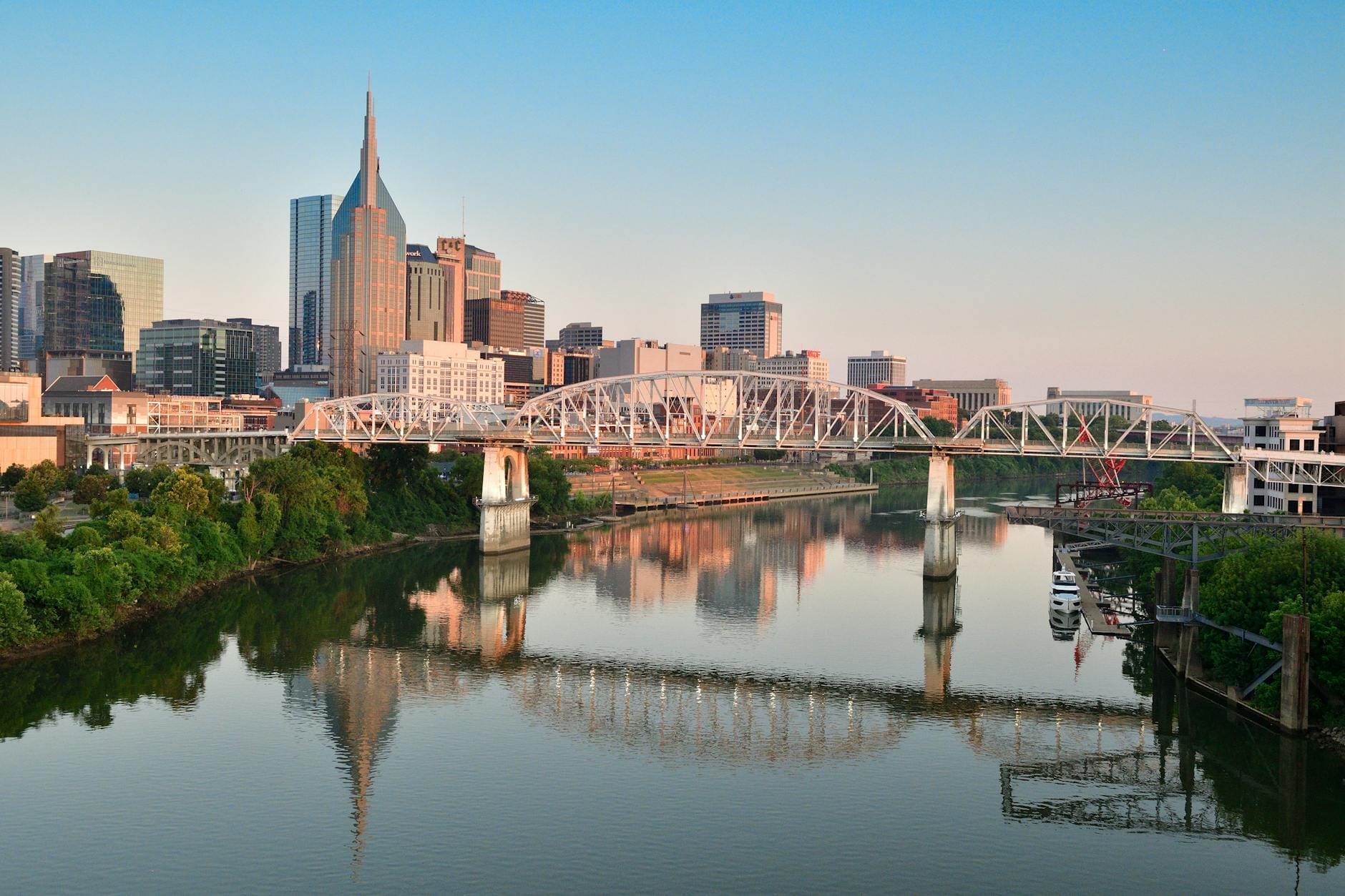
Nashville's importance in the Civil War is routinely underestimated by casual visitors who associate the city almost exclusively with country music. But in 1862, Nashville became the first Confederate state capital to fall to Union forces, and that single event reshaped the entire Western Theater of the war. Located on the Cumberland River in north-central Tennessee, Nashville was a railroad hub connecting the Deep South to the upper Confederacy. Whoever controlled it controlled supply lines, troop movements, and the economic backbone of Tennessee.
Union forces captured the city on February 25, 1862, following the fall of Fort Donelson. From that point forward, Nashville functioned as a fortified Union base and logistics center for the remainder of the war. Confederate forces never retook it. By late 1864, when General John Bell Hood marched his Army of Tennessee north in a last-ditch attempt to reclaim the state, he was advancing on one of the most heavily fortified cities in North America.
ℹ️ Good to know
A common misconception: Nashville was not a Confederate stronghold for most of the war. Union forces held it continuously from February 1862 onward. By the time of the 1864 battle, it was a Union fortress, not a contested city.
The Battle of Nashville: December 15–16, 1864
The Battle of Nashville ranks among the most tactically decisive engagements of the entire Civil War, yet it receives far less attention than Gettysburg or Antietam. Major General George H. Thomas, commanding Union forces, faced General John Bell Hood's battered Confederate Army of Tennessee. Hood had already suffered catastrophic losses at the Battle of Franklin just two weeks earlier, losing six Confederate generals killed in a single afternoon. Advancing on Nashville anyway was, by most military assessments, an act of desperation.
Thomas delayed his attack for two weeks due to an ice storm that made cavalry operations impossible — a delay that drew criticism from Ulysses S. Grant and even Abraham Lincoln. When Thomas finally struck on December 15, the results were overwhelming. The two-day battle saw Union forces systematically collapse the Confederate left flank, then the right. On December 16, the assault on Shy's Hill broke the Confederate line entirely, triggering a rout. Estimated total casualties reached around 9,061: roughly 3,061 Union and approximately 6,000 Confederate, including prisoners. The Confederate Army of Tennessee, as an effective fighting force, ceased to exist.
- Key battle locations Shy's Hill, Peach Orchard Hill, Montgomery Hill, and Overton Hill were the primary points of action across December 15–16, 1864.
- Union commander Major General George H. Thomas, known as 'The Rock of Chickamauga,' commanded roughly 55,000 Union troops.
- Confederate commander General John Bell Hood led the Army of Tennessee, already severely depleted after the Battle of Franklin on November 30, 1864.
- Battle outcome One of the most complete Union victories of the war. Hood's army retreated south and was never reconstituted as a major fighting force.
The Must-Visit Civil War Sites in Nashville
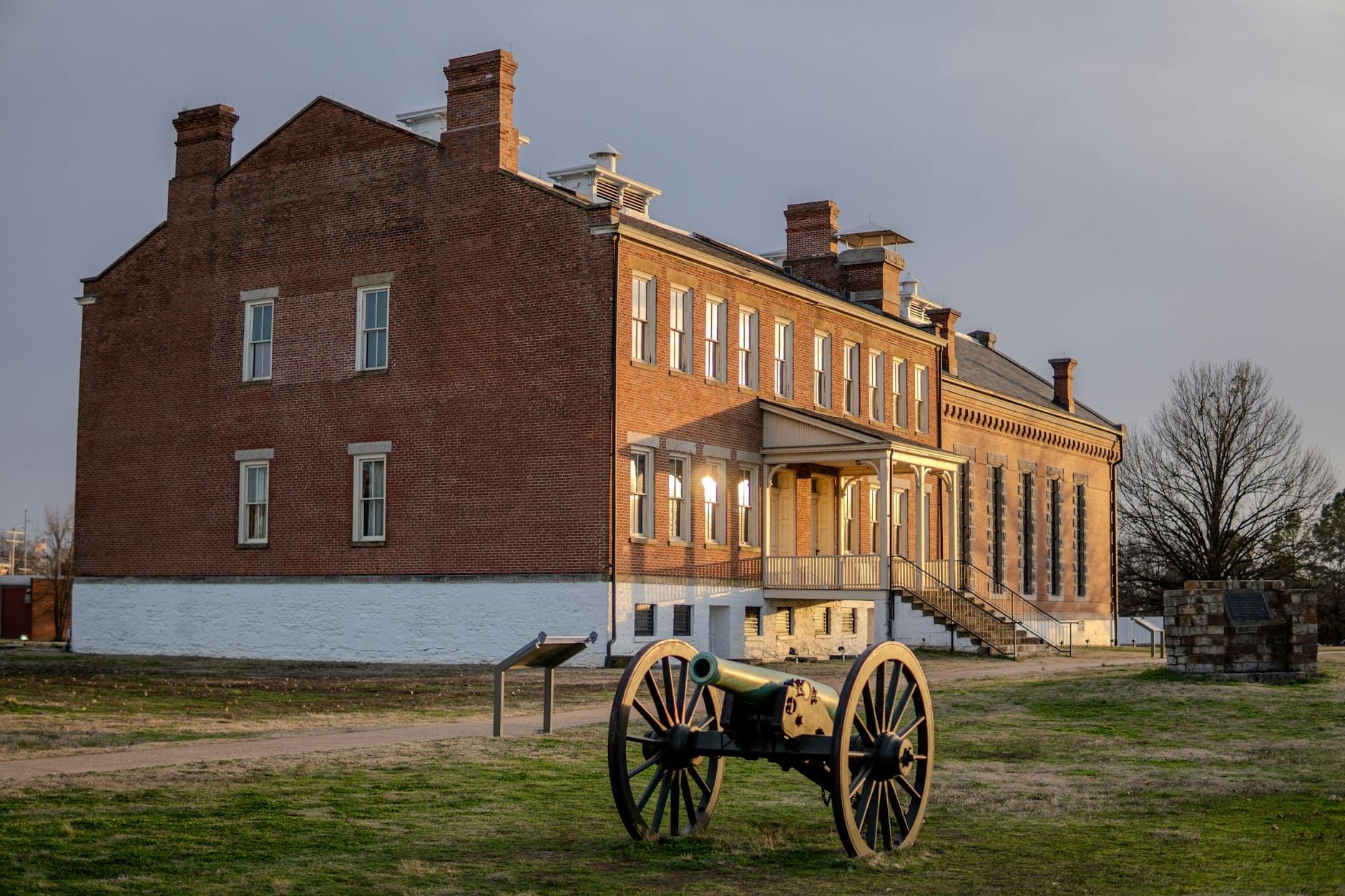
Start any Civil War itinerary at Fort Negley, located about 2 miles south of downtown on a rise above the city. Built beginning in August 1862 by Union engineers using both free and enslaved Black laborers, it was one of the largest inland stone fortifications constructed during the war. The irony that enslaved people were compelled to build a Union fort is part of the site's interpretive programming, and the visitor center handles this history honestly. The stone walls are largely intact, and the hilltop views over Nashville help you understand why this position was strategically irreplaceable.
The Tennessee State Museum on Rosa L. Parks Boulevard is the logical starting point before driving to battlefield sites. Its Civil War galleries cover Tennessee's divided loyalties — the state voted against secession in February 1861, then reversed course after Fort Sumter — and provide the political and military context that makes the outdoor sites legible. Admission is free, and the museum is open Tuesday through Saturday, with reduced hours on Sunday. Budget 1–2 hours here before heading out to the battlefield.
Shy's Hill, located in a residential neighborhood in southwest Nashville, is where the Confederate line broke on December 16, 1864. The site is preserved and marked, but it sits amid suburban streets rather than open battlefield land. Most of the actual ground where the fighting occurred is now under residential development, which is both historically sobering and a practical planning note: don't expect sweeping open fields like Gettysburg. What you get instead is a quiet hillside with interpretive markers that require you to use your imagination alongside the historical record.
The Battle of Nashville Monument Park near Granny White Pike provides the clearest outdoor interpretation of the battle's final phase, with monuments, markers, and landscaping that acknowledge both Union and Confederate participants. The Nashville National Cemetery, established in 1867, holds the remains of thousands of Union soldiers and is maintained by the U.S. Department of Veterans Affairs. The Peace Monument nearby, erected in 1927, is an early 20th‑century Nashville monument that explicitly honors both Union and Confederate soldiers.
💡 Local tip
The American Battlefield Trust (battlefields.org) maintains a free, detailed battle map and visitor guide for Nashville that is more accurate and comprehensive than most paid tour materials. Download it before you go.
Self-Guided Civil War Driving Tour: Logistics and Route

A widely used self-guided Civil War driving tour begins at the Tennessee State Museum and covers 10 or more sites spread across the city's south and southwest quadrants. Total driving time is roughly 1.5–2 hours, but plan for 3–5 hours with stops, reading markers, and walking short distances at key sites. Downtown Nashville is where you'll start, and the route generally heads south and southwest from there. Print or download the route map from nashvillesites.org before departing, as cell service can be inconsistent near some suburban marker sites.
- Start: Tennessee State Museum, 1000 Rosa L. Parks Blvd (free parking available)
- Fort Negley Visitors Center: typically open Tuesday–Saturday (closed Sunday–Monday); check the Metro Nashville Parks website for current hours before visiting
- Belmont Mansion: served as a Union headquarters during occupation; guided tours available, admission charged
- City Cemetery: Nashville's oldest public cemetery, with Civil War-era graves and free access
- Shy's Hill: free, outdoor, marked site in a residential neighborhood off Shy's Hill Road
- Battle of Nashville Monument Park: free, outdoor, on Granny White Pike
- Nashville National Cemetery: free to visit, maintained by the U.S. Department of Veterans Affairs
- End point: the Peace Monument, which serves as a quiet capstone to the route
⚠️ What to skip
Several battlefield sites are embedded in residential suburbs with limited or no parking. A few markers are accessible only from sidewalks along busy roads. Do not plan to walk between major sites — this tour requires a car or rideshare.
Civil War History at Nashville's Museums
Beyond the outdoor sites, Nashville has museum resources that give serious depth to the history. The Tennessee State Museum is the best free resource in the city for understanding Civil War Tennessee, covering both military history and the experiences of enslaved people, Unionists, and Confederate sympathizers within the same state. The galleries are well-curated and free of charge, which puts this well above comparable institutions in other Southern cities.
For a different angle on the city's wartime history, the Civil Rights Room at the Nashville Public Library contextualizes the longer arc of Black Nashvillians' history, which is inseparable from the Civil War era. The war accelerated the collapse of slavery in Tennessee: Lincoln's Emancipation Proclamation of 1863 did not apply to Tennessee as a whole (Union-occupied states were exempted), but Tennessee abolished slavery by state action in January 1865, before the 13th Amendment was ratified. That sequence of events matters for understanding what the occupation of Nashville actually meant for the city's Black population.
Day trips can add significant Civil War depth to a Nashville visit. CarntonCarnton in Franklin, about 20 miles south of Nashville, was a plantation house that became a Confederate field hospital after the Battle of Franklin on November 30, 1864. The blood stains are still visible on the floors. The nearby Carter House, also in Franklin, was at the center of the fighting that day. The Stones River National Battlefield in Murfreesboro, roughly 30 miles southeast, preserves one of the bloodiest battles of the Western Theater from December 1862–January 1863, with a national cemetery and excellent interpretive trails.
Practical Tips for Visiting Nashville's Civil War Sites
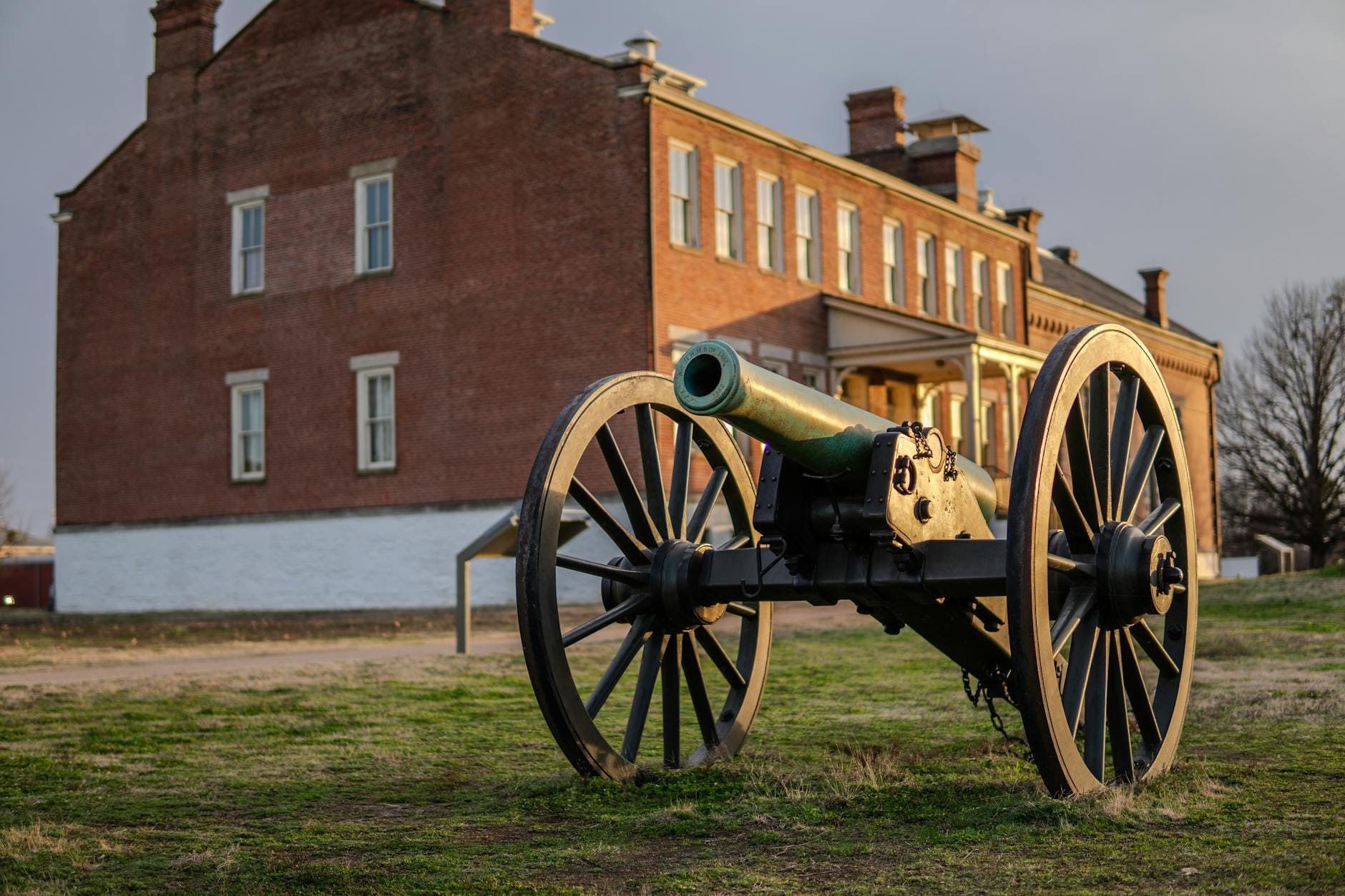
The outdoor battlefield sites are best visited in spring (March–May) or fall (September–October), when temperatures are mild and vegetation is manageable. Summer in Nashville means heat and humidity regularly pushing into the upper 80s to low 90s Fahrenheit, which makes walking between markers and standing on exposed hillsides genuinely uncomfortable. Winter visits are feasible but some smaller house museums operate on reduced hours, and the ice storm conditions that delayed Thomas's attack in December 1864 are not historically rare for Nashville winters.
Costs are generally low. Fort Negley, the national cemetery, Shy's Hill, and the monument parks are all free. The Tennessee State Museum is free. Belmont Mansion and Carnton charge admission (verify current pricing on their official websites before visiting). If you're combining Civil War history with broader Nashville sightseeing, check out free things to do in Nashville for a fuller picture of no-cost options across the city.
- Best season for outdoor sites April–May and September–October for comfortable temperatures and clear sightlines before summer foliage fully obscures hillside views.
- What to bring Water, sunscreen, comfortable walking shoes. Some marker sites have no shade. A printed or downloaded tour map is more reliable than relying on mobile data in residential neighborhoods.
- Photography Fort Negley's stone walls photograph well in morning light. Shy's Hill and Monument Park are best mid-morning before suburban traffic picks up.
- Accessibility Fort Negley has paved paths to the main fortification but some interior sections involve uneven terrain. The Tennessee State Museum is fully accessible. Outdoor marker sites vary significantly — check individual site pages.
If you want structured context before exploring independently, Nashville's walking tours occasionally include Civil War stops in the downtown core, and the Nashville music history guide shows how postwar Reconstruction shaped the city's cultural institutions, including the historically Black universities that gave Nashville its reputation as the 'Athens of the South.'
✨ Pro tip
The Nashville.gov historic preservation office publishes a detailed map of Civil War historical markers across the city, including sites that don't appear on most tourist itineraries. It's one of the best free planning resources for serious history visitors and is available at the city's official website.
FAQ
Was Nashville a Confederate city during the Civil War?
No. Nashville fell to Union forces on February 25, 1862, and remained under Union occupation for the rest of the war. It was one of the most heavily fortified Union cities in the South and served as a major supply hub for the Western Theater. The Confederate Army's attempt to recapture it in December 1864 ended in total defeat.
How long does the Civil War driving tour take in Nashville?
Budget 3–5 hours for a thorough self-guided driving tour covering the main sites: Tennessee State Museum, Fort Negley, Belmont Mansion, City Cemetery, Shy's Hill, Battle of Nashville Monument Park, and the Nashville National Cemetery. Pure driving time between sites is about 1.5–2 hours, but each stop adds time.
Is Fort Negley worth visiting?
Yes, especially if you have any interest in Civil War engineering or the experiences of Black laborers during the Union occupation. The stone fortification is largely intact, the hilltop views are excellent, and the interpretive center addresses the complicated history of who built it and under what conditions. It's free to enter.
Are there good Civil War day trips from Nashville?
Two of the best are Carnton and the Carter House in Franklin (about 20 miles south), which were central to the devastating Battle of Franklin on November 30, 1864, and Stones River National Battlefield in Murfreesboro (about 30 miles southeast), which preserves one of the Western Theater's bloodiest engagements from December 1862–January 1863.
What is the best time of year to visit Nashville's Civil War sites?
Spring (April–May) and fall (September–October) are ideal for outdoor battlefield sites. Summer heat and humidity make walking between markers unpleasant. Some smaller house museums operate on reduced winter schedules, so verify hours before visiting between November and February.
Tickets & tours
Live prices and dates from our booking partner. If you book, we may earn a commission at no extra cost to you.
Planning a trip? Discover personalized activities with the Nomado app.