Stones River National Battlefield: Where the Civil War's Western Theater Turned
Stones River National Battlefield protects the ground where Union and Confederate forces clashed from December 31, 1862 through January 2, 1863, in one of the war's most costly engagements. Located about 3 miles northwest of Murfreesboro, Tennessee, this free National Park Service site combines walking trails, a driving tour, a visitor center, and a sobering national cemetery containing more than 6,100 Union burials.
Quick Facts
- Location
- 3501 Old Nashville Highway, Murfreesboro, TN 37129 — approx. 28 miles southeast of downtown Nashville
- Getting There
- By car via I-24 East to Murfreesboro, then local roads to Old Nashville Highway. No direct public transit from Nashville; ride-hailing or rental car recommended.
- Time Needed
- 2 to 4 hours for visitor center, driving tour, and key trail sections; a full day if you walk all preserved acreage
- Cost
- Free — no entrance fee (National Park Service site)
- Best for
- Civil War history enthusiasts, families with older children, quiet outdoor walks, photography
- Official website
- www.nps.gov/stri/index.htm
What Is Stones River National Battlefield?
Stones River National Battlefield is a unit of the U.S. National Park Service preserving part of the ground where one of the American Civil War's most destructive engagements took place. The Battle of Stones River was fought between December 31, 1862, and January 2, 1863, in and around what is now Murfreesboro, Tennessee. Over three days, Union Major General William S. Rosecrans and Confederate General Braxton Bragg committed about 76,400 men engaged to a struggle that produced catastrophic casualties on both sides and left the Union Army of the Cumberland in control of middle Tennessee.
Congress established the park in 1927 to protect the most intense fighting ground. Today, about 600 acres of the historic battlefield and the 12-acre Stones River National Cemetery are preserved and open to the public. The cemetery, established in 1865, holds more than 6,100 Union soldiers. Walking its ordered rows of white markers on a cool morning produces a very different feeling than reading casualty figures in a book.
ℹ️ Good to know
Admission is completely free. There is no entrance fee to visit Stones River National Battlefield or the national cemetery. Budget zero dollars for admission — your only costs are fuel and time.
The Historical Stakes: Why This Battle Mattered
By late 1862, the Union war effort was under severe political pressure. The Emancipation Proclamation had just been announced, and a decisive Confederate victory in Tennessee could have emboldened European powers to recognize the Confederacy as a legitimate nation. When the Army of the Cumberland and the Army of Tennessee collided along Stones River on New Year's Eve 1862, both sides launched bold offensives that collapsed into a grinding, bloody stalemate.
The Confederate attack on the morning of December 31 nearly shattered the Union right flank. But a determined Union stand along a limestone outcropping that soldiers called the Round Forest — also known as Hell's Half Acre — held the line until Rosecrans could stabilize his position. Two days later, a Confederate assault across McFadden's Ford on January 2 was repulsed. Bragg retreated south, and the Union retained control of middle Tennessee, securing a logistical corridor crucial to the later campaigns toward Chattanooga and Atlanta.
For deeper context on how this battle fits into Nashville's broader Civil War history, the Nashville Civil War history guide covers the region's role from the fall of Fort Donelson through the Battle of Nashville in 1864.
Tickets & tours
Live prices and dates from our booking partner. If you book, we may earn a commission at no extra cost to you.
Old Town trolley tour of Nashville
From 54 €Instant confirmationFree cancellationHatch Show Print guided tour
From 21 €Instant confirmationFree cancellationDowntown walking tour of Nashville
From 21 €Instant confirmationFree cancellationNashville Downtown Underground Donut Tour
From 46 €Instant confirmationFree cancellation
What to Expect When You Arrive
The main visitor center sits at 3501 Old Nashville Highway, about 3 miles northwest of downtown Murfreesboro. It is the right place to start: NPS rangers staff the center, interpretive exhibits explain the battle's sequence and significance, and maps of the driving tour and walking trails are available. The exhibits are well-organized and genuinely informative, not just a row of artifact cases. Spend 20 to 30 minutes here before heading outside, especially if you are visiting with anyone who has limited Civil War background.
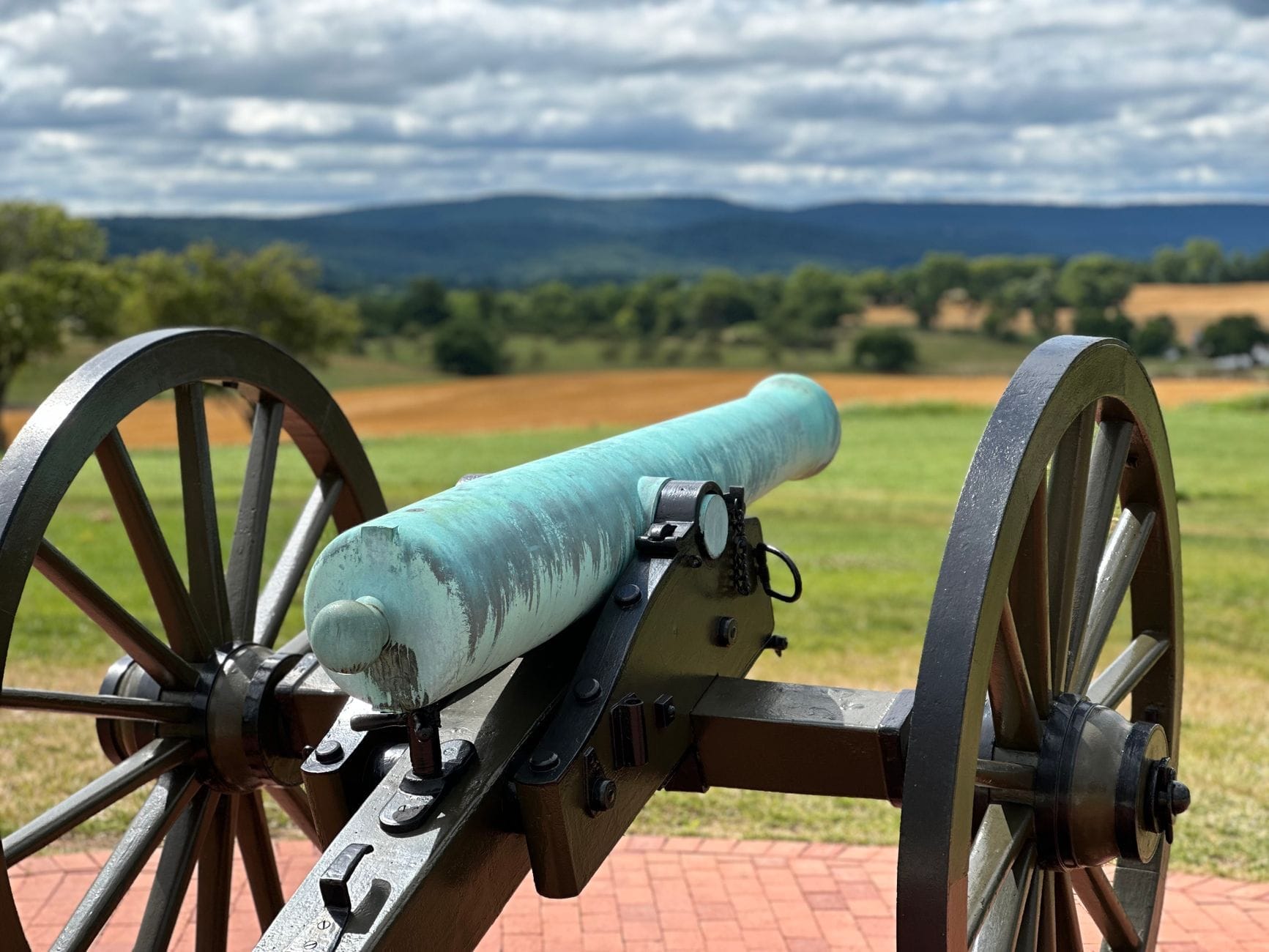
The park is primarily a driving and walking site. A self-guided driving tour loops through key battlefield positions, with numbered stops where interpretive markers explain what happened at each location. Most stops include short walking paths to specific features — artillery positions, the cotton field where intense fighting occurred, and the approaches to the Round Forest. If you drive the full loop without stopping, you can complete it in under 30 minutes, but that would miss the point. Plan to get out of the car at every stop.
The trails through open fields and cedar groves are generally flat and manageable for most visitors. The ground itself is part of the experience: the shallow, rocky soil explains why cedar trees dominate, and why 19th-century farmers found the land difficult to cultivate. The landscape looks closer to the 1860s than most Civil War sites in the region, which have been more heavily altered by suburban development.
💡 Local tip
Wear sturdy footwear. The trails cross uneven ground, and after rain the grass along field paths becomes slippery. In summer, the open fields offer little shade — bring water, sunscreen, and a hat. Temperatures in Nashville and middle Tennessee regularly reach the upper 80s Fahrenheit (around 31°C) from June through August.
The National Cemetery: A Separate, Quieter Experience
Stones River National Cemetery is physically connected to the battlefield but carries a completely different atmosphere. The cemetery was established in 1865 to consolidate Union burials that had been scattered across the surrounding area after the battle. More than 6,100 Union soldiers are interred here, along with veterans from subsequent wars. The cemetery is immaculately maintained, and visiting it — particularly in early morning light when shadows stretch long across the markers — is one of the more sobering experiences available anywhere near Nashville.
Note that because this was a Union cemetery, no Confederate soldiers are interred here. The Confederate dead were buried separately; many were later moved to the Confederate Circle at Evergreen Cemetery in Murfreesboro. This distinction matters historically and is worth explaining to younger visitors. Gate opening times at the cemetery entrance differ slightly from the main battlefield entrance — check the NPS website for current hours before visiting.
Time of Day and Seasonal Considerations
The battlefield changes noticeably across the day. Early morning visits in spring and fall are exceptional: mist sometimes sits low over the fields, bird activity is high, and the absence of other visitors allows for genuine quiet. The cedar forests that border the open fields create a soft, muffled acoustics that amplifies the sense of isolation. Afternoon visits in summer are the least comfortable — the open terrain provides almost no shade, and the heat index across Tennessee can be punishing from June through August.
October is arguably the best month to visit. Temperatures are mild (highs typically in the low 70s Fahrenheit, around 22°C), the foliage adds color to the cedar-and-hardwood mix, and the late afternoon light is particularly good for photography of the monuments and markers. Spring visits in April and May offer similar temperatures, though the fields can be wet from heavier seasonal rainfall.
If you are planning a trip around ideal weather conditions, the best time to visit Nashville guide provides a month-by-month breakdown of temperatures, rainfall, and event activity across the region.
Getting There from Nashville
Stones River National Battlefield is approximately 30 miles southeast of downtown Nashville, a drive of roughly 30 to 40 minutes in normal traffic via Interstate 24 East. From I-24, take exit 78B toward Murfreesboro and follow local roads to Old Nashville Highway and the park entrance. Parking at the visitor center is free and typically adequate, though the lot is small and can fill on popular weekend afternoons.
There is no direct public transit connection between Nashville and the battlefield. WeGo Public Transit serves Nashville and Davidson County but does not run routes to Murfreesboro. Visitors without a car should use a ride-hailing service such as Uber or Lyft, keeping in mind that the return trip from a suburban battlefield site may require advance booking. A rental car is the most practical option if you plan to combine this visit with other sites around Murfreesboro or nearby Franklin.
Stones River pairs well with a day focused on Civil War and military history. Consider combining it with Fort Negley in Nashville and the historic sites in Franklin's historic downtown, which sits between Nashville and Murfreesboro along a logical driving route.
Photography Notes and Practical Details
The battlefield is an excellent photography location for those interested in landscape or historical documentation. The open fields, lone monument silhouettes, and rows of cemetery markers all photograph well. Golden hour — the first 30 to 45 minutes after sunrise — produces the best light for wide field shots. The Hazen Brigade Monument, believed to be the oldest, intact Civil War monument still standing in its original location (erected by Union veterans in 1863, during the war itself), is a specific landmark worth seeking out. Its weathered limestone surface and inscribed names read clearly in morning side-light.
Photography is permitted throughout the park for personal use. Drone use at National Park Service sites is regulated and generally restricted without a special use permit — check with the visitor center before flying.
⚠️ What to skip
Verify current opening hours on the NPS website before your visit. Gate times at the two main entrances (North Thompson Lane and Stones River National Cemetery) have specific opening windows that differ from each other and are subject to seasonal adjustment.
Insider Tips
- The Hazen Brigade Monument, erected in 1863 while the Civil War was still being fought, is one of the oldest Civil War monuments in the United States. It is easy to walk past without realizing its significance — read the inscriptions and note that the soldiers who built it expected it to outlast memory itself.
- Download the NPS Stones River app or pick up a paper driving tour map at the visitor center before heading out. Cell service on parts of the battlefield loop is unreliable, and the interpretive markers are more meaningful with the full narrative context the map provides.
- The site anchors a broader Civil War corridor in Rutherford County. If you have a full day, combine the battlefield with a drive through the Murfreesboro town square, where several antebellum buildings survived the war, for a more complete picture of what the region looked like in the 1860s.
- Weekdays are significantly quieter than weekends. If your schedule allows a Tuesday or Wednesday visit, you may have entire sections of the trail loop to yourself, which changes the experience considerably.
- The Round Forest (Hell's Half Acre) stop on the driving tour is the single most important position to understand the battle's outcome. Spend extra time here rather than distributing your attention equally across all stops.
Who Is Stones River National Battlefield For?
- Civil War and military history enthusiasts who want an authentic, uncommercialized battlefield experience
- Families with older children or teenagers studying American history — the free admission and outdoor setting make it a practical educational stop
- Photographers seeking open landscapes, historic monuments, and cemetery subjects with minimal visual clutter
- Nashville visitors looking for a half-day or full-day excursion that differs completely from the city's music and nightlife offerings
- Walkers and quiet-seekers who appreciate well-maintained outdoor spaces without the crowds of major urban parks
Nearby Attractions
Combine your visit with:
- Arrington Vineyards
Arrington Vineyards is a working winery set on 95 acres of rolling Tennessee countryside about 25 miles south of Nashville. With 16 acres of estate vines, five tasting rooms, and a calendar full of live music events, it offers a genuinely relaxed alternative to the city's usual attractions.
- Carnton
Built in 1826 and thrust into Civil War history on a single November night in 1864, Carnton in Franklin, Tennessee stands as one of the most significant and sobering historic sites near Nashville. The mansion served as the principal Confederate field hospital after the Battle of Franklin, and four Confederate generals killed in action were laid on its back porch. Today it operates as a museum alongside the McGavock Confederate Cemetery, one of the largest privately owned Confederate cemeteries in the United States.
- Downtown Franklin Historic District
About 21 miles south of Nashville, the Downtown Franklin Historic District packs genuine 19th-century architecture, Civil War history, and an independently owned Main Street into a walkable few blocks. Entry is free, the streets are open all day, and it rewards slower travelers who actually stop to look up.
- GEODIS Park
Opened in May 2022, GEODIS Park is one of the largest soccer-specific stadiums in the United States, seating over 30,000 fans. Home to Nashville SC and a growing concert calendar, it brings serious sports infrastructure to a city better known for music.
Planning a trip? Discover personalized activities with the Nomado app.