Nashville Nightlife Guide: Live Music, Honky-Tonks, and Beyond Broadway
Nashville's nightlife runs much deeper than the neon strip of Lower Broadway. This guide breaks down every major nightlife zone, from the honky-tonk highway to rooftop bars in The Gulch and intimate listening rooms in East Nashville, with practical details on hours, cover charges, and what to expect each night of the week.
Tickets & tours
Live prices and dates from our booking partner. If you book, we may earn a commission at no extra cost to you.
TL;DR
- Nashville has 180+ live entertainment venues spanning country, rock, jazz, pop, and more across the city.
- Lower Broadway's honky-tonk strip offers free live music from mid-morning until 3 a.m., seven days a week.
- Major nightlife zones beyond Broadway include The Gulch, Midtown, East Nashville, Germantown, and Wedgewood-Houston.
- Most Broadway bars charge no cover, but rooftop venues and ticketed shows are a different story.
- For a full picture of the city before you go out, start with the complete Nashville travel guide.
Lower Broadway: The Honky-Tonk Strip
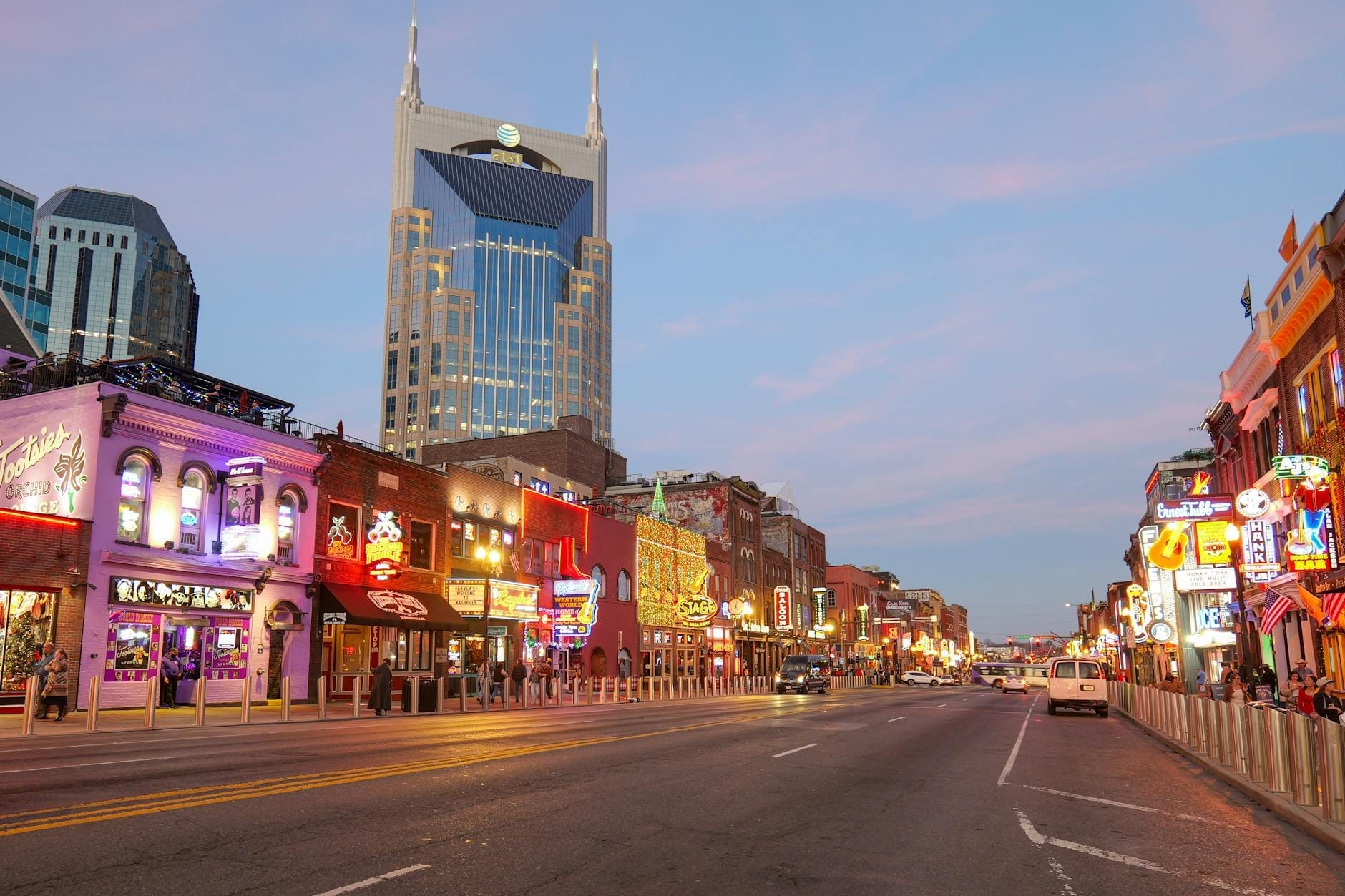
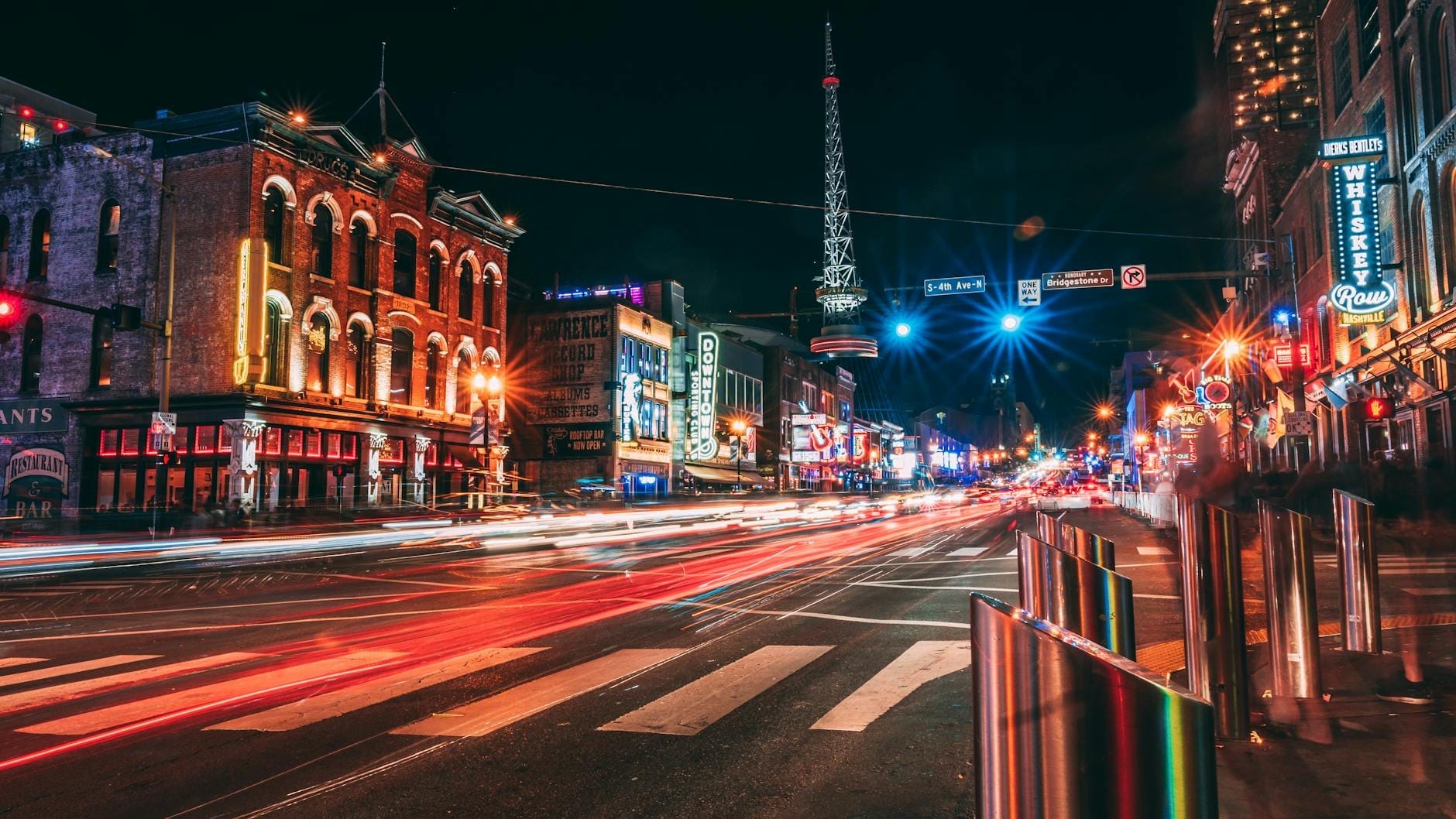
If there is one stretch of street that defines Nashville nightlife for the outside world, it is Lower Broadway between 1st and 5th Avenues. The Broadway honky-tonk highway is lined with multi-story bars that run live bands from around 10 a.m. straight through to last call at 3 a.m. The setup is unlike almost anything else in American nightlife: no cover charges at most venues, bands rotating every hour or two, cold beer at every floor, and enough neon to read by. It is loud, it is crowded on weekends, and it is genuinely fun if you know what you are getting into.
The anchor institutions here are worth knowing by name. Tootsie's Orchid Lounge has been a songwriter's refuge since 1960 and sits directly behind the Ryman Auditorium, which means its back alley has hosted more country music history than most places dare to claim. Robert's Western World is the serious honky-tonk of the strip: the decor is no-frills, the music skews traditional country, and the free show is as good as anywhere in town. If you want one Broadway bar that feels earned rather than built for Instagram, this is it.
⚠️ What to skip
Friday and Saturday nights on Broadway between 9 p.m. and 2 a.m. are genuinely packed, especially during bachelorette season (peak: spring and fall). If crowds are not your thing, go Sunday through Thursday, or arrive before 7 p.m. The music is just as good and the bars are half as full.
A few practical notes on Broadway bars: drink prices vary by venue but expect to pay around $7-12 for a domestic beer and $12-18 for a cocktail. Tips matter here, as the staff works long shifts in high-volume environments. Some of the multi-story venues like Nashville Underground (105 Broadway) operate as family-friendly spaces during the day and shift to 21+ after 9 p.m., so if you are bringing kids or younger companions, the afternoon window is your option. Always verify current age policies directly with the venue before visiting.
Beyond Broadway: Nashville's Neighborhood Nightlife Zones
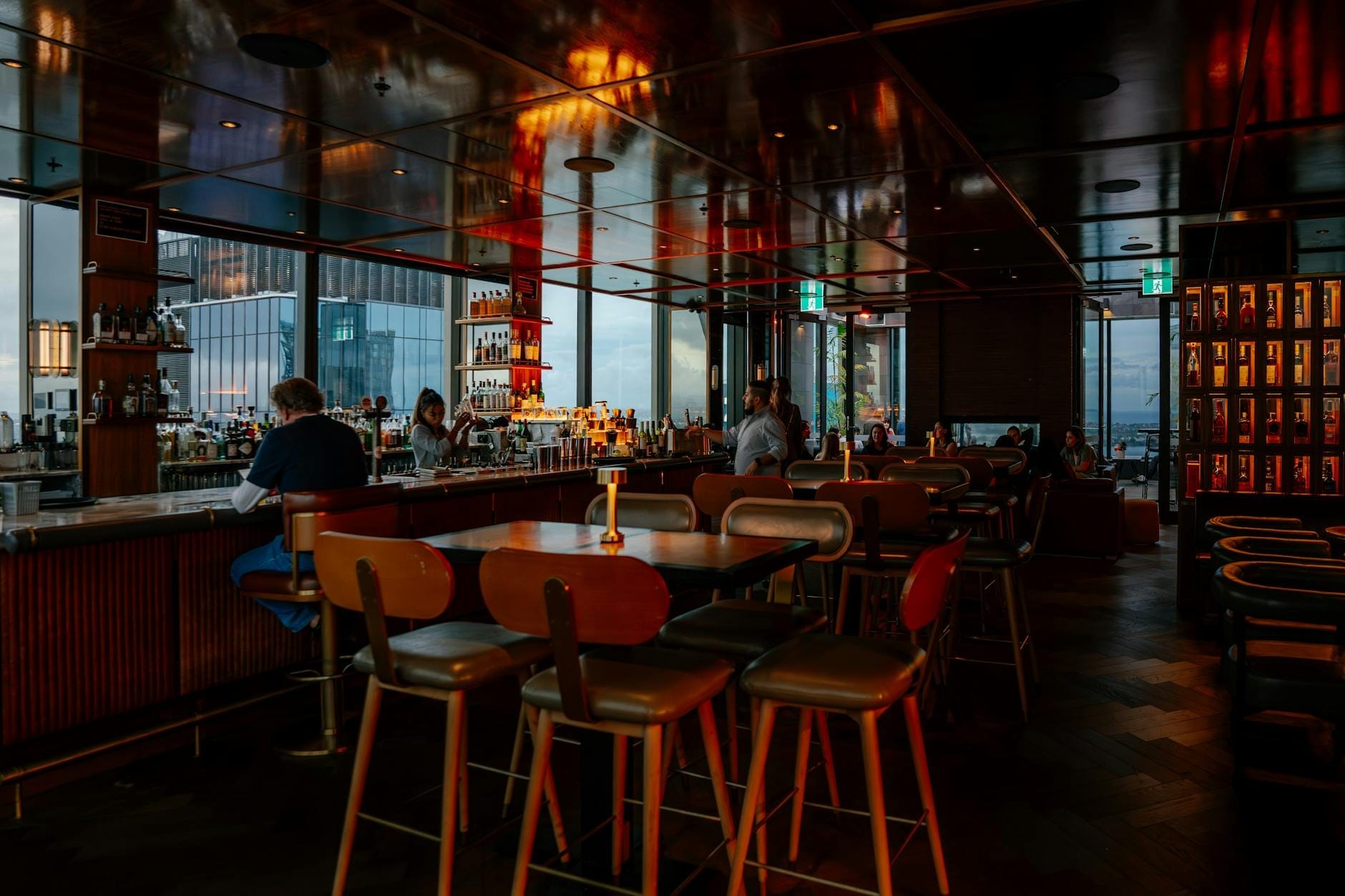
The Broadway strip gets the headlines, but Nashville locals tend to spend their nights elsewhere. The Gulch, a redeveloped industrial district just south of downtown, has built a dense collection of cocktail bars and rooftop venues that skew upscale. This is where you go when you want a crafted drink in a space that does not smell like spilled beer. Rooftop spots here are most enjoyable from April through October when the weather cooperates, though most have heaters or enclosed areas for cooler months.
East Nashville operates on a different frequency entirely. The Five Points intersection anchors a cluster of dive bars, independent music venues, and neighborhood restaurants that turn into late-night spots. The crowd skews local, the prices are lower than downtown, and the music runs across more genres. Venues like Basement East book national acts in an intimate setting, and the area's bars generally stay open until 2-3 a.m. on weekends.
- Lower Broadway Honky-tonks, free live music all day, no cover at most spots. Best for first-timers and visitors who want classic Nashville. Crowded on weekends.
- The Gulch Upscale cocktail bars, rooftop terraces, and restaurant-bar hybrids. Quieter than Broadway, better for conversation. Higher prices.
- East Nashville (Five Points area) Local dive bars, independent music venues, and neighborhood spots. Most affordable, most diverse genre lineup. Best for music fans who want something beyond country.
- Midtown / Music Row Mix of college bars near Vanderbilt, industry hangouts, and a few live music spots. Younger crowd on weekends, more casual energy.
- Germantown Quieter, more upscale bar scene with a focus on craft cocktails and wine. Good for an earlier evening out before the rest of the city gets loud.
- Wedgewood-Houston (WeHo) Emerging creative district with a growing bar and live music scene. Less touristy than downtown, increasingly popular with locals.
Live Music: What to Know Before You Go
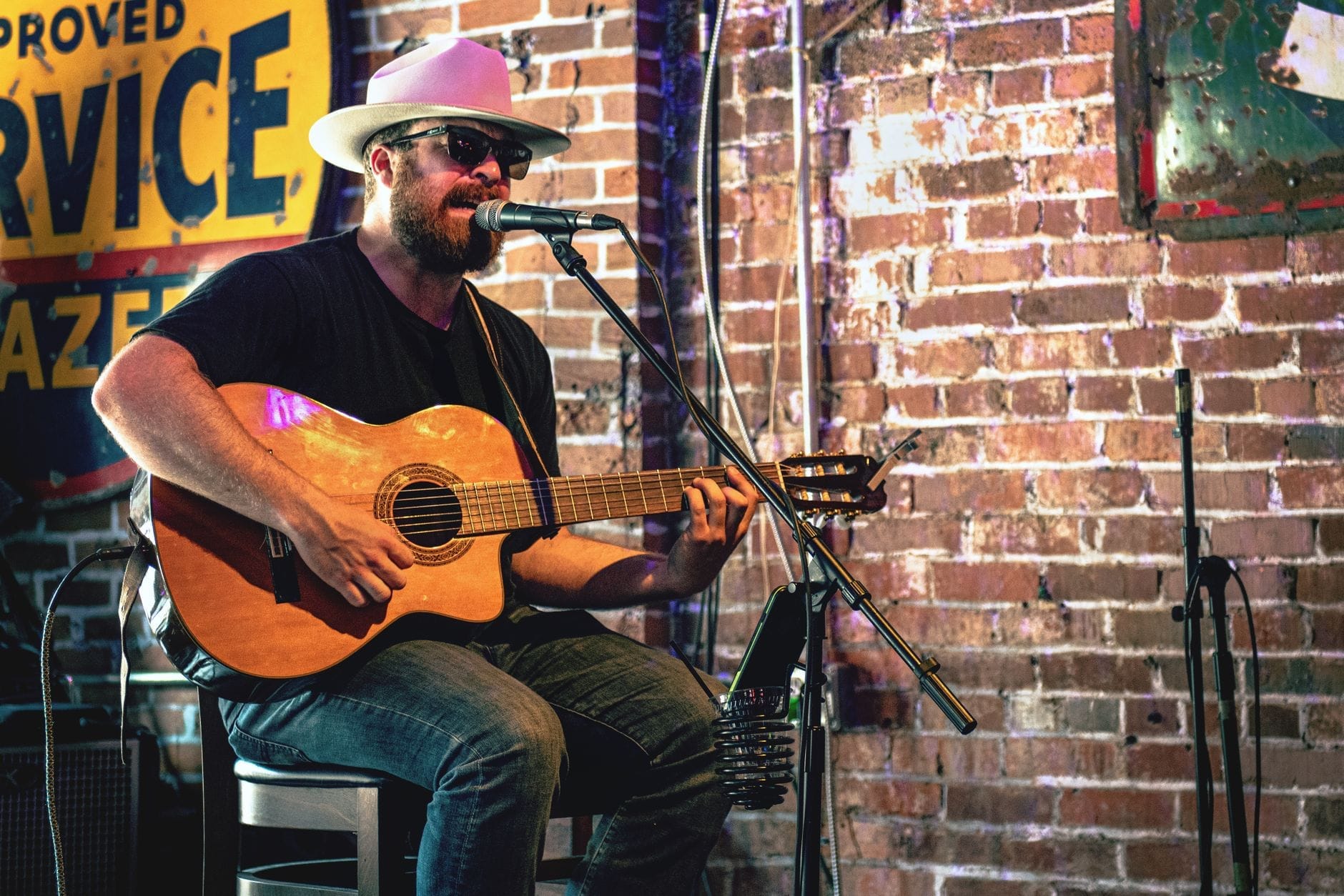
Nashville carries the title of Country Music Capital of the World, but its live music ecosystem is far wider than that label suggests. Yes, the honky-tonks on Broadway play country. But the Bluebird Cafe in Green Hills runs songwriter-in-the-round shows where you might hear a song before it becomes a major hit. The Station Inn in the Gulch is the city's premier bluegrass venue, and it operates as a no-frills listening room where the music is the only point. Ryman Auditorium hosts ticketed concerts ranging from country legends to indie rock, and the acoustics in that building are among the best in the country.
For jazz, Rudy's Jazz Room in SoBro books serious talent in a supper-club format with tickets and table reservations. City Winery Nashville offers ticketed shows in a winery-venue hybrid. If you want rock and alternative, 3rd and Lindsley in SoBro and Basement East in East Nashville are the workhorses of that scene. The practical upshot: Nashville's live music calendar is packed every night of the week, but the format and price structure vary dramatically by venue. Some shows are free with a drink minimum, others require $20-50 tickets booked in advance.
✨ Pro tip
The Bluebird Cafe only holds around 90 people and sells out consistently. Reservations open online about a month in advance for most shows. Do not show up hoping for a walk-in spot on a Friday or Saturday. Weeknight shows sometimes have more availability.
Printers Alley, Speakeasies, and Cocktail Culture
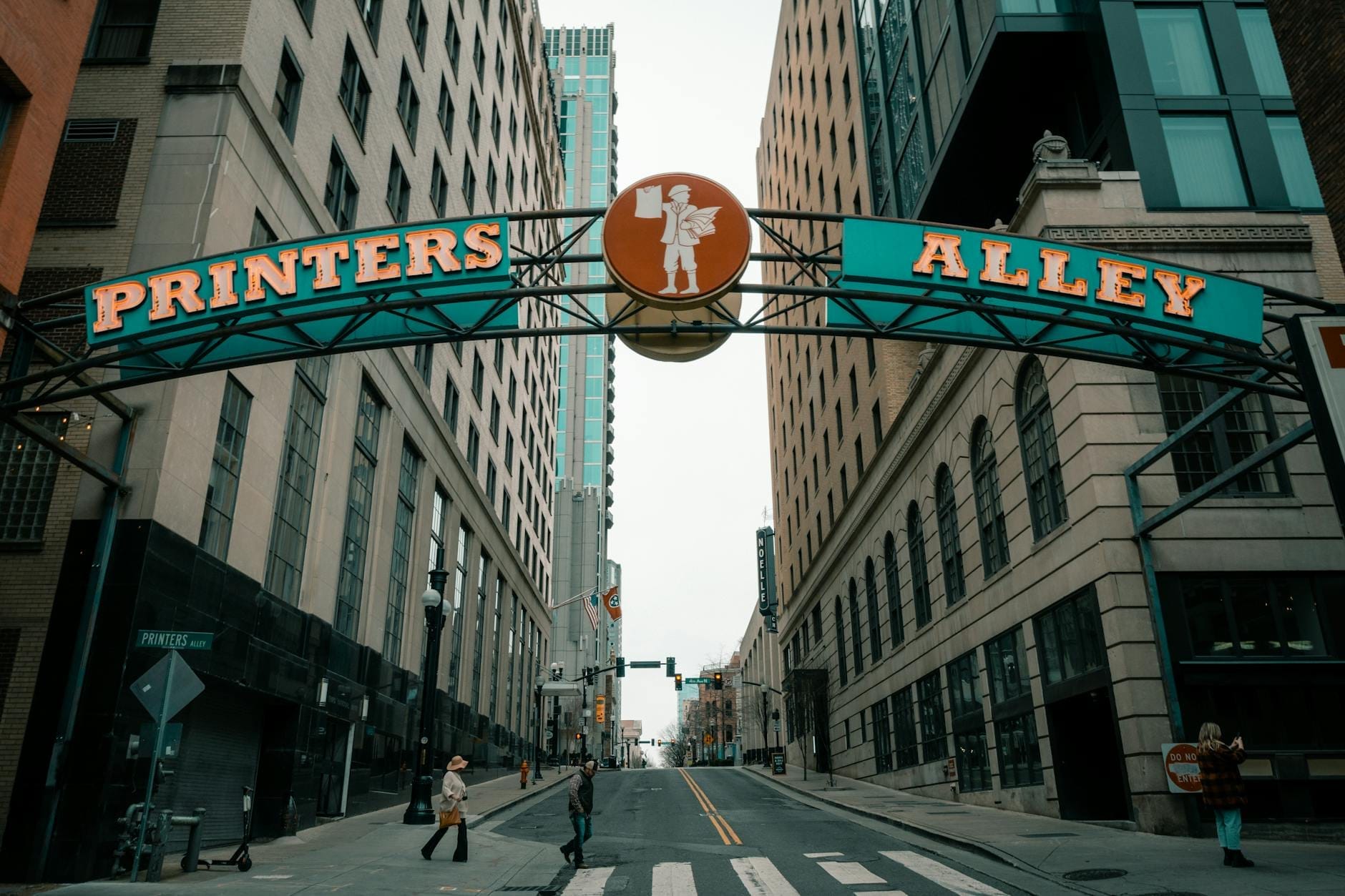
Printers Alley sits one block north of Broadway and represents an older layer of Nashville nightlife history. This narrow alley was the center of the city's entertainment district through much of the mid-20th century and still operates as a bar corridor today. It is quieter than Broadway, worth a short detour if you want to understand a bit of the city's history before the honky-tonk era took over.
Nashville's cocktail bar scene has matured significantly in the last decade. The Gulch, Germantown, and parts of East Nashville now have bars where bartenders approach the craft with genuine seriousness. Many of these spaces do not advertise loudly, operate in smaller footprints, and close earlier than the Broadway bars. Prices run $13-18 for a well-made cocktail. If you are doing a distillery-focused night, the city also has a strong spirits trail built around local producers.
Nashville's local distillery scene gives nightlife a productive starting point. Nelson's Green Brier Distillery in Marathon Village offers tours and a tasting room. For a deeper dive into the distillery trail around Nashville and beyond, the Nashville distillery tour guide covers the full picture including day-trip options to nearby operations.
Practical Nightlife Logistics: Hours, Safety, and Getting Around
Tennessee law permits bars in Nashville/Davidson County to serve alcohol until 3 a.m., and many Nashville venues run right up to that limit on weekends. The practical consequence: downtown can be congested with pedestrians and vehicles between midnight and 3:30 a.m. on Friday and Saturday. Plan your exit strategy before you need it.
- Uber and Lyft operate in Nashville and are the most practical way to get back to your hotel from downtown after midnight. Surge pricing kicks in heavily around last call (2:30-3 a.m.), so either leave slightly before or wait 20-30 minutes after bars close.
- WeGo Public Transit bus service has limited late-night coverage; most local routes wind down before midnight, though a small number of routes and the WeGo Star schedule can run later on specific days. Do not count on a bus home after around 11 p.m. unless you have checked a specific route’s timetable.
- Metered parking exists downtown, but driving to Broadway is not recommended for a full night out. Park at your hotel and ride-share.
- Downtown Nashville is generally well-policed in the core nightlife areas, but Lower Broadway gets chaotic late at night. Keep an eye on your belongings in crowded bars and on the street.
- Tipping is standard in Nashville bars and venues: $1-2 per drink at a casual bar, 20% for table service. Many venues add an automatic gratuity for large groups.
- The legal drinking age in Tennessee is 21. Most bars will check ID at the door, particularly after 9 p.m. Bring a government-issued photo ID.
💡 Local tip
If you are planning a bachelorette party or group trip, book dinner reservations and any ticketed shows well in advance, especially for spring and fall weekends. Nashville is one of the top bachelorette destinations in the country and popular venues fill months ahead during peak season.
Seasonal Patterns and When to Visit
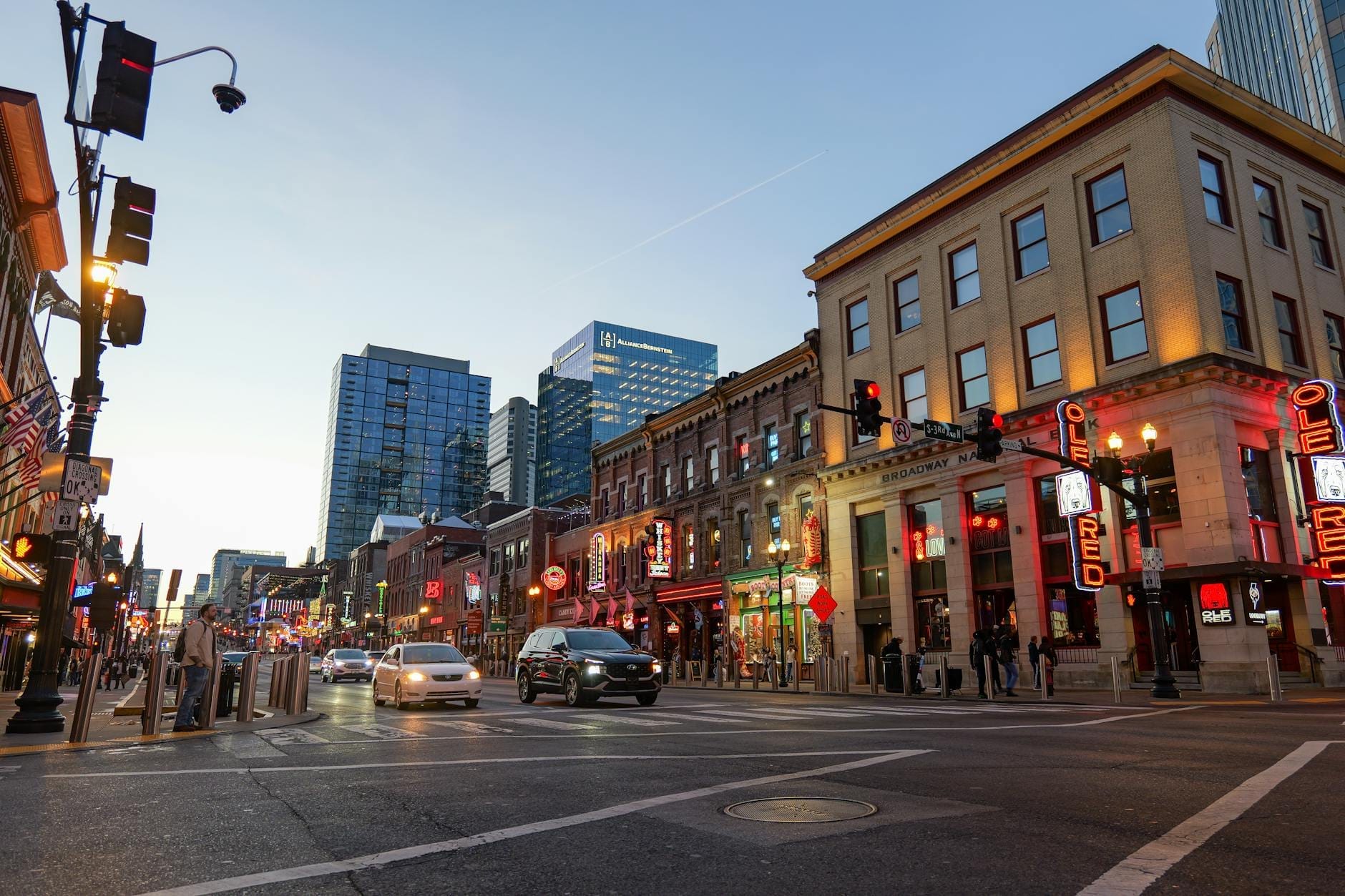
Nashville nightlife operates year-round, but the experience shifts by season. Spring (April-May) and fall (September-October) bring the largest crowds and the most bachelorette and group traffic downtown. Summer weekends, particularly around events like CMA Fest in June, make Lower Broadway nearly impenetrable on Friday and Saturday nights. For CMA Fest specifics, the CMA Fest Nashville guide is the right starting point.
Winter is genuinely the easiest time to experience Nashville nightlife at a manageable pace. December through February sees fewer tourists, shorter waits at the popular honky-tonks, and easier access to the Bluebird Cafe and other reservation-dependent venues. The weather is cold by Nashville standards (average highs in the upper 40s to mid 50s Fahrenheit), but the indoor bar scene is unaffected. Rooftop bars thin out, though most have enclosed sections. If you want the nightlife experience without the bachelorette swarm, a weeknight in February delivers.
For a full breakdown of how the seasons affect the overall Nashville experience, the best time to visit Nashville guide covers crowds, weather, pricing, and major events across the calendar year.
FAQ
Is there a cover charge at Nashville honky-tonks on Broadway?
Most of the classic honky-tonks on Lower Broadway, including Tootsie's, Robert's Western World, and The Stage, charge no cover for their live music. However, some multi-level venues may charge for rooftop access or special events, and a small number of bars have introduced cover charges in recent years. Always check the venue's website or social media before visiting, as policies change.
What time do Nashville bars close?
Tennessee state law allows alcohol service until 3 a.m., and many Nashville nightlife venues, especially in the downtown/Lower Broadway area, operate until that cutoff on Fridays and Saturdays. Weeknight closing times vary, with some bars closing as early as midnight on slower nights. The Broadway honky-tonks generally run until 3 a.m. every night of the week.
Is Nashville nightlife only country music?
No. While country music is the dominant brand, Nashville has active scenes in bluegrass, Americana, rock, jazz, and indie. Venues like Basement East (rock/indie), Station Inn (bluegrass), Rudy's Jazz Room (jazz), and 3rd and Lindsley (rock/soul/blues) offer strong alternatives to the country-focused Broadway strip.
What is the best neighborhood for Nashville nightlife if I want to avoid the tourist crowd?
East Nashville, particularly around the Five Points intersection, is the most local-leaning nightlife zone. Germantown has a quieter, upscale bar scene. Wedgewood-Houston (WeHo) is an emerging area with a creative, less tourist-heavy atmosphere. All three are a short ride-share trip from downtown.
Do I need to book Nashville bars and music venues in advance?
For the Broadway honky-tonks, no reservation is needed. Walk-in is the norm. However, the Bluebird Cafe, Ryman Auditorium shows, City Winery, and Rudy's Jazz Room all require advance booking and sell out regularly, especially on weekends. Check each venue's website directly for ticketing. During major events like CMA Fest, even some Broadway venues can have wait times.
Tickets & tours
Live prices and dates from our booking partner. If you book, we may earn a commission at no extra cost to you.
Planning a trip? Discover personalized activities with the Nomado app.