Nelson's Green Brier Distillery: Nashville's Whiskey Revival, Explained
Nelson's Green Brier Distillery brings a 160-year-old Tennessee whiskey legacy back to life inside Nashville's atmospheric Marathon Village. Expect guided tours, hands-on tastings, and a story that stretches from pre-Prohibition Greenbrier to a modern craft revival run by two brothers.
Quick Facts
- Location
- 1414 Clinton St, Marathon Village, Nashville, TN 37203
- Getting There
- Best reached by rideshare or car from downtown Nashville; no direct subway service
- Time Needed
- 45 minutes to an hour for a tour and tasting
- Cost
- Adults 21+: $25; verify current pricing when booking
- Best for
- Whiskey enthusiasts, history buffs, date nights, and curious food-and-drink travelers
- Official website
- greenbrierdistillery.com
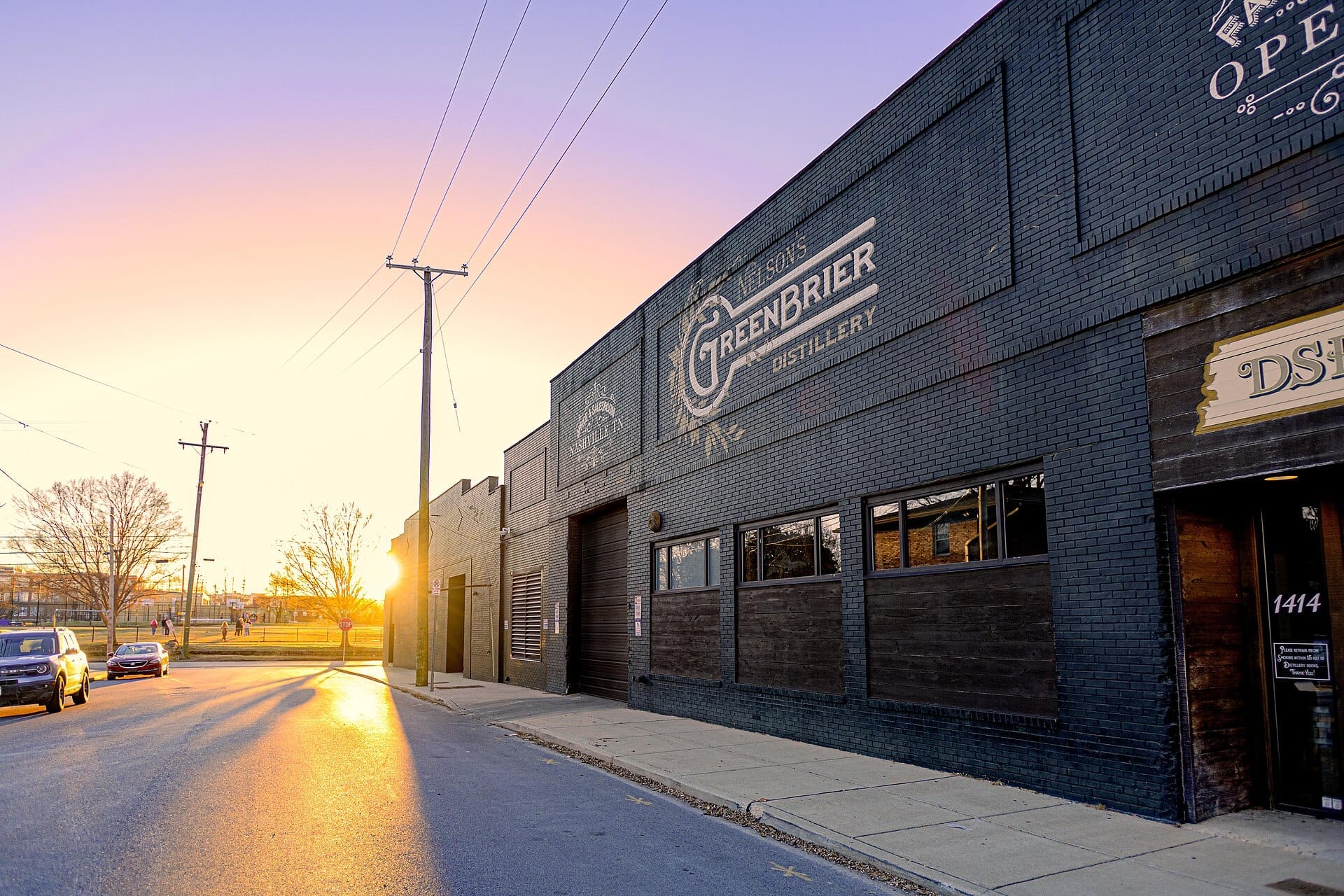
What Nelson's Green Brier Distillery Actually Is
Nelson's Green Brier Distillery is a working craft whiskey distillery, tasting room, bar, and restaurant occupying a brick building inside Marathon Village, a complex of repurposed early-20th-century industrial warehouses about a mile west of downtown Nashville. The distillery produces Tennessee whiskey and brandy under the Green Brier label, reviving a family name that went silent for over a century.
The Nelson brand traces directly to Charles Nelson, a German immigrant who founded the original Green Brier Distillery in 1860 in Greenbrier, Tennessee. By the late 19th century, his operation had grown into one of the largest whiskey producers in the country, before statewide Prohibition in Tennessee forced its closure in 1909. The modern chapter began in 2011, when brothers Andy and Charlie Nelson, great-great-great-grandsons of Charles, revived the brand as a Nashville craft distillery. Tennessee whiskey under the revived label returned to the market in 2019. The full story is woven into every part of the tour. For a broader look at Nashville's place in American music and cultural history, the Tennessee State Museum is worth pairing with a visit here.
💡 Local tip
Book your tour in advance, especially on weekends. Walk-in availability exists during the week, but tasting experiences sell out on Saturdays. Check greenbrierdistillery.com for current session times and pricing.
The Tour: What You'll Actually See and Do
Tours typically last around 45 to 60 minutes and move through the production floor, barrel storage areas, and bottling space before finishing with a tasting. Guides are knowledgeable about both the technical side of distillation and the family history, and the narrative rarely feels scripted. You'll see the copper pot stills up close, hear how charcoal mellowing distinguishes Tennessee whiskey from Kentucky bourbon, and get a clear explanation of the Lincoln County Process, the filtering method central to Tennessee whiskey identity.
The tasting portion typically includes several pours, covering core expressions. The Belle Meade Bourbon label, which the Nelson family also produces, often appears alongside the Green Brier Tennessee Whiskey and other seasonal or limited offerings. Guides are generally happy to talk through the differences in production and flavor profile if you ask.
If you're planning a deeper dive into Nashville's distillery scene, this Nashville distillery tour guide outlines how to combine multiple stops in a single day.
Tickets & tours
Live prices and dates from our booking partner. If you book, we may earn a commission at no extra cost to you.
Old Town trolley tour of Nashville
From 54 €Instant confirmationFree cancellationHatch Show Print guided tour
From 21 €Instant confirmationFree cancellationDowntown walking tour of Nashville
From 21 €Instant confirmationFree cancellationNashville Downtown Underground Donut Tour
From 46 €Instant confirmationFree cancellation
The Space: Marathon Village and the Building Itself
The physical setting adds real texture to the experience. Marathon Village was originally built between 1881 and 1916 as the home of the Marathon Motor Works, which produced Marathon automobiles. The brick walls are thick, the ceilings are high, and the wooden floors carry obvious age. On cooler days, the interior smells faintly of aged oak and grain, which sharpens once you step onto the production floor near the working stills.
The complex around the distillery houses other small businesses, a vintage market, and studios, giving it the feel of a creative industrial district rather than a tourist attraction. Early to mid-morning on weekdays, the area is quiet and unhurried. By Saturday afternoon, it draws a mix of Nashville locals and visitors, and the distillery's bar area fills steadily.
Marathon Village sits in a corridor that connects loosely to the broader character of Germantown, Nashville's oldest historic neighborhood, which is a short drive or rideshare away and worth exploring before or after your distillery visit.
The Bar and Restaurant
Beyond the tour, Nelson's Green Brier operates a full bar and a restaurant on-site. The bar is open most days and serves cocktails built around the house spirits, including old-fashioneds and whiskey sours made with Green Brier Tennessee Whiskey. The cocktail program leans toward approachable classics rather than experimental mixology, which suits the setting.
The restaurant operates on a more limited schedule: Wednesday through Saturday for lunch, and Sunday brunch. The menu is not extensive, but it pairs reasonably well with the tasting experience if you arrive hungry. Hours vary and are worth confirming before you plan a meal around the visit. The bar typically runs later than the kitchen.
ℹ️ Good to know
Current operating hours: Distillery tours Sun–Thu 11:00–17:00, Fri–Sat 11:00–18:00; distillery bar Sun–Thu 11:00–17:00, Fri–Sat 11:00–18:00. Hours are subject to change; confirm at greenbrierdistillery.com before visiting.
When to Visit and What to Expect at Different Times
Weekday mornings are the quietest time to visit. Tour groups are smaller, the guides have more room to engage with individual questions, and the tasting room doesn't feel crowded. If you're primarily interested in the history and production side rather than the social atmosphere, a Tuesday or Thursday midday visit is a noticeably different experience from a Saturday afternoon.
Friday and Saturday evenings draw the largest crowds for tours and tastings. The distillery bar stays open until 18:00 on those nights, which makes it a practical option for travelers who want an evening activity that doesn't involve the Broadway honky-tonk circuit. The bar atmosphere shifts in the later hours, with more Nashville regulars than tourists.
Nashville's climate is humid subtropical, meaning summer visits (June through August) will feel warm once you step back outside. The brick building interior stays reasonably cool, but wear breathable clothing if you're visiting in July or August. Spring and fall, particularly April through May and September through October, offer the most comfortable weather for walking between Marathon Village's outdoor spaces.
⚠️ What to skip
Parking at Marathon Village is generally available in the surrounding lot, but Saturday afternoons can fill up. Rideshare drop-off is straightforward; ask your driver to use the Clinton Street entrance.
Photography, Accessibility, and Practical Notes
The distillery is photogenic in the way that old industrial brick spaces tend to be: copper stills against aged wood, soft light coming through industrial windows, rows of barrels in the storage area. Natural light is best in late morning before noon. Flash photography on the production floor is generally permitted, but check with your guide during the tour.
Accessibility details are not comprehensively listed on the official site. Visitors with mobility concerns or specific accessibility needs should contact the distillery directly before booking to confirm step-free access, restroom facilities, and any other requirements. The building's age means some areas may not be fully accessible without prior arrangement.
Getting to Marathon Village without a car is possible using Uber or Lyft, which both operate throughout Nashville. The city's WeGo bus network covers the broader area but may not put you directly at the entrance. If you're building a full day of Nashville exploration around food, drink, and history, the Nashville distillery guide and the guide to getting around Nashville are worth reading before you go.
Is It Worth Your Time? An Honest Assessment
Nelson's Green Brier delivers a genuine craft distillery experience with a family narrative that stands on its own historical merits. The pre-Prohibition backstory is not manufactured for tourism — Charles Nelson's original operation is a documented part of Tennessee whiskey history, and the brothers' revival adds a contemporary chapter that feels earned rather than branded.
That said, visitors expecting the scale or spectacle of the Jack Daniel's distillery in Lynchburg will find this smaller and more intimate. That's a feature for some travelers and a limitation for others. If you want production volumes, celebrity history, and a large gift shop, this is not that. If you want a thoughtfully guided tour in a distinctive space with genuinely good whiskey at the end, it delivers.
Travelers who have already visited the Country Music Hall of Fame or Ryman Auditorium and want something off the main tourist circuit will find Nelson's Green Brier a satisfying contrast — quieter, more specific, and with something tangible to sip at the end.
Insider Tips
- Ask your guide specifically about the Belle Meade Bourbon side of the operation — it's produced here but marketed separately, and the story of how the two brands coexist under the same roof adds an interesting layer to the visit.
- Friday and Saturday evening bar hours are a genuine local secret. By 7pm, the bar fills with Nashville residents rather than tourists, and the atmosphere shifts considerably from weekday afternoon tours.
- If you're interested in limited or single-barrel releases, ask at the tasting room counter rather than browsing the standard retail shelf. Staff can often point you toward bottles not displayed on the main floor.
- Combine the visit with a walk through the rest of Marathon Village. Several small studios and a vintage market occupy adjacent units, and the architecture of the complex is worth ten minutes of exploration before or after your tour.
- The Sunday brunch option is underused by visitors who assume distilleries are a strictly afternoon activity. The Sunday hours open at 10:00, and a late-morning tour followed by brunch on-site makes for an efficient half-day without competing for attention with Nashville's downtown lunch crowds.
Who Is Nelson's Green Brier Distillery For?
- Whiskey enthusiasts who want production context alongside their tasting
- History travelers drawn to pre-Prohibition American food and drink culture
- Couples looking for an evening activity beyond the Broadway bar strip
- Nashville visitors who have covered the main downtown sites and want something more local-feeling
- Small groups who prefer an intimate, guided experience over large-scale attractions
Nearby Attractions
Other things to see while in Germantown:
- City Winery Nashville
City Winery Nashville is one of the few places in Music City where you can sip house-made wine while watching a nationally touring act in an intimate seated venue. Located at 609 Lafayette Street, this 36,000-square-foot facility blends a working urban winery, full-service restaurant, wine bar, and concert hall into one destination worth planning around.
- Marathon Music Works
Housed in a repurposed early-1900s automobile factory in Nashville's Marathon Village, Marathon Music Works is a 1,500-capacity live music venue with serious sound, industrial bones, and a programming range that stretches from indie rock to country to electronic. Here is everything you need to decide if a show here is worth your night.
- Marathon Village
Marathon Village occupies the century-old brick factory buildings where one of the earliest Southern automobile manufacturers once operated. Today the four-city-block complex in Nashville houses distilleries, independent retailers, creative studios, and preserved automotive history — all free to enter.
- Nashville Farmers' Market
The Nashville Farmers' Market is a 16-acre, year-round public market on Rosa L. Parks Boulevard, steps from Bicentennial Capitol Mall State Park. It combines open-air farm sheds selling Tennessee-grown produce with a Market House food hall housing nearly 30 restaurants and shops spanning cuisines from across the globe. Admission is free.
Planning a trip? Discover personalized activities with the Nomado app.