3 Days in Nashville: The Ultimate Itinerary
Three days is enough time to cover Nashville's best music landmarks, eat your way through the food scene, and catch a live show worth remembering. This itinerary is built around practical logistics, honest recommendations, and enough flexibility to make it your own.
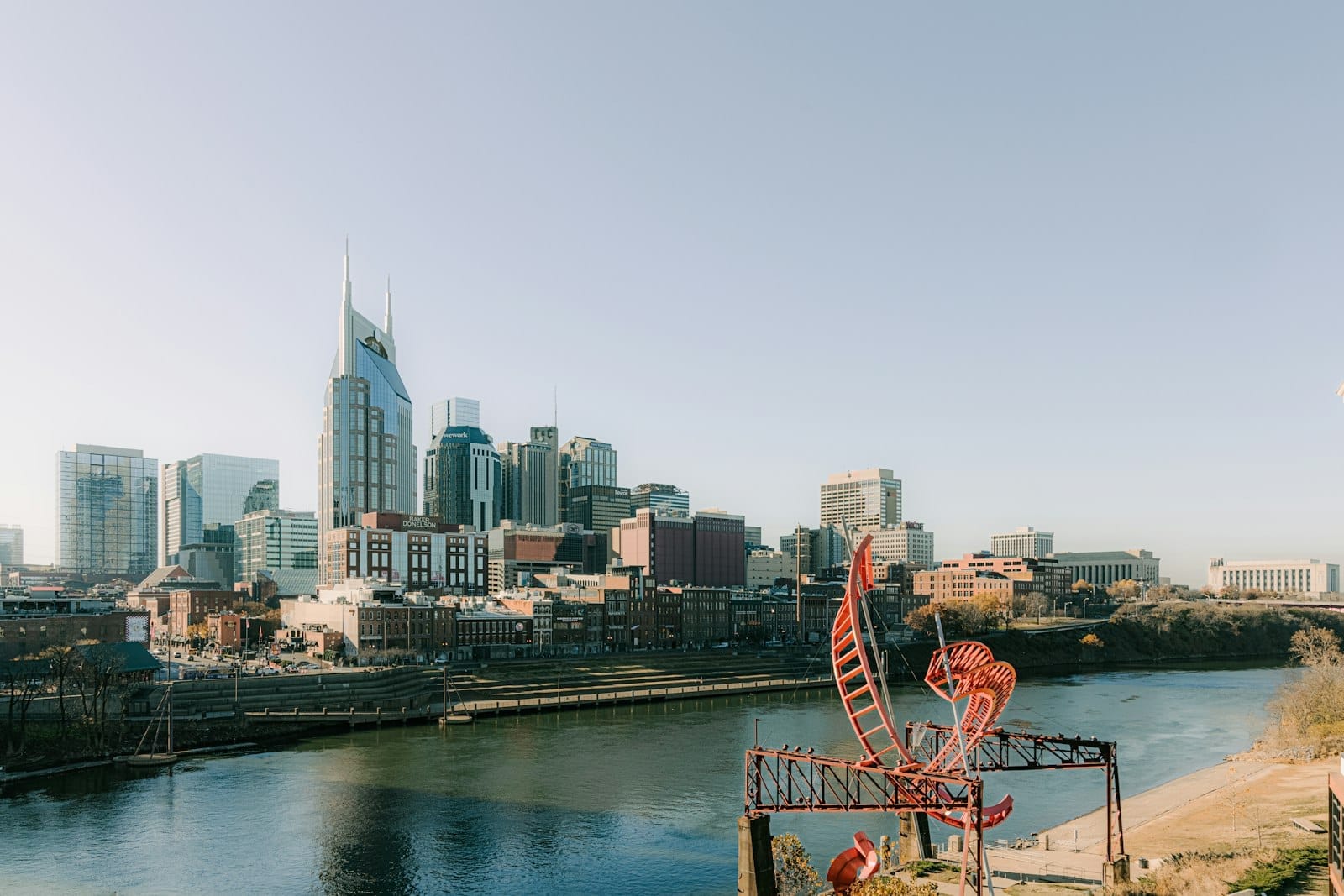
Tickets & tours
Live prices and dates from our booking partner. If you book, we may earn a commission at no extra cost to you.
TL;DR
- Three days covers the core of Nashville: Lower Broadway, the music museums, a live show, and at least one great neighborhood beyond downtown.
- Book the Country Music Hall of Fame and Ryman Auditorium tickets in advance — same-day lines are long and combo deals save money.
- Nashville does not have a metro system. Rideshare is the most practical way to move between neighborhoods; some areas are walkable but not connected to each other.
- April to May and September to October are the best months to visit. Summer highs regularly top 90°F (32°C) with heavy humidity — check our best time to visit Nashville guide before finalizing dates.
- Lower Broadway is not the only nightlife district. The Gulch, East Nashville, and Germantown are all worth an evening.
Before You Arrive: Logistics That Shape Your Trip
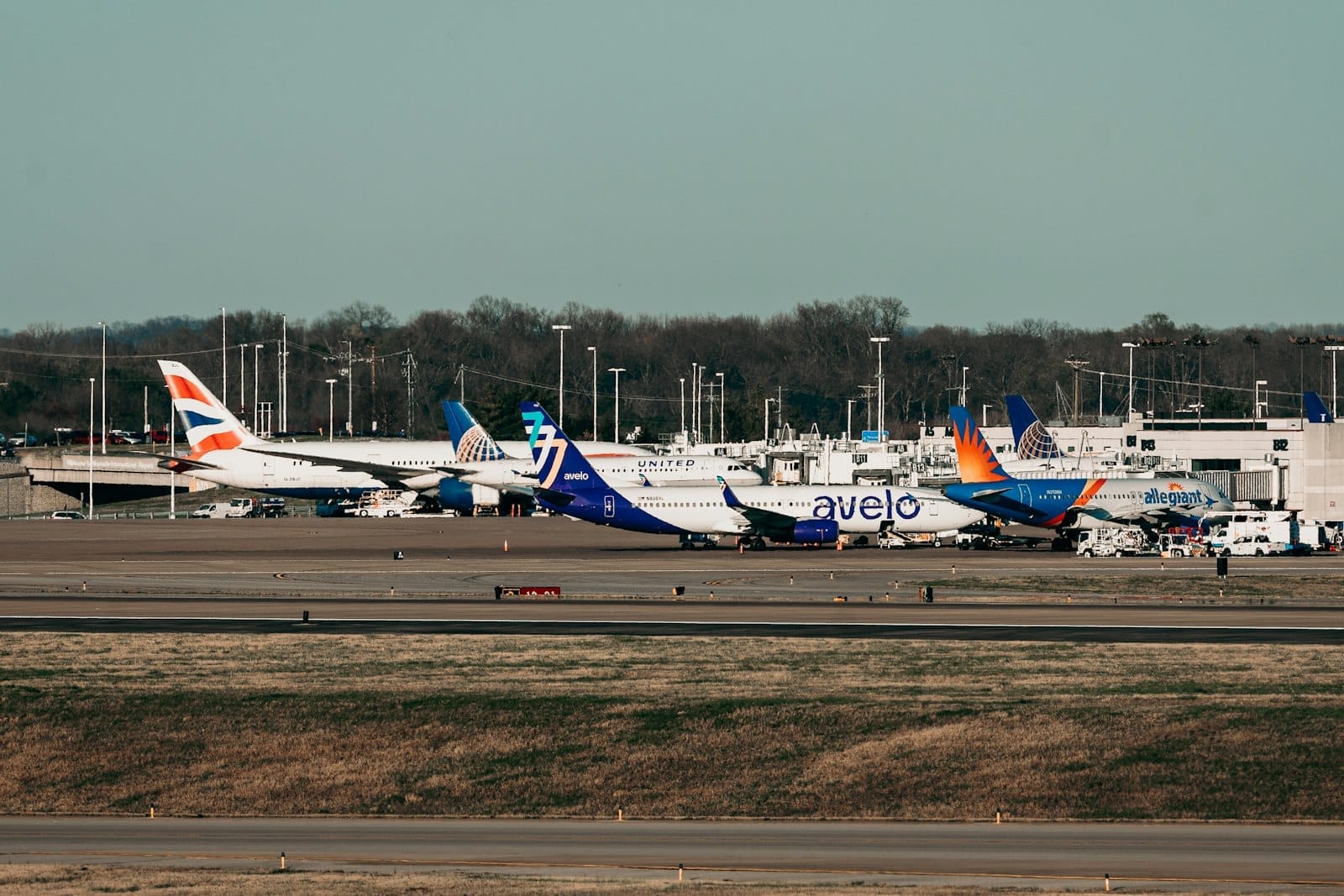
Nashville International Airport (BNA) sits about 8 miles southeast of downtown, roughly 15 to 20 minutes by rideshare in normal traffic. Uber and Lyft both operate at BNA with designated pickup zones in the Ground Transportation Center. Taxis are available too, with historical flat fares to downtown in the $25 to $30 range, though you should confirm current rates at the airport. WeGo Public Transit Route 18 connects BNA to downtown (WeGo Central) if you want to save money, but frequency is generally every 30 minutes during the day. For most visitors, rideshare is the right call. See our Nashville airport guide for a full breakdown of ground transport options.
Nashville has no subway system. Getting around relies on walking (effective within individual neighborhoods), rideshare, or renting a car. Downtown, The Gulch, and SoBro are walkable to each other. East Nashville and Germantown require a short rideshare ride. If you plan to visit the Grand Ole Opry House or spend time in the Opry Mills area, a car or rideshare is essential — that area is not pedestrian-friendly. Parking downtown is available but can run $20 to $30 per day in garages near Broadway.
💡 Local tip
Book your Country Music Hall of Fame tickets online before you arrive. Adult admission starts around $29.95 (plus tax and fees), and combo tickets that include a tour of Historic RCA Studio B must be purchased through the museum. Walk-up availability for the studio tour is not guaranteed.
Day 1: Lower Broadway, Music Row, and an Evening Show
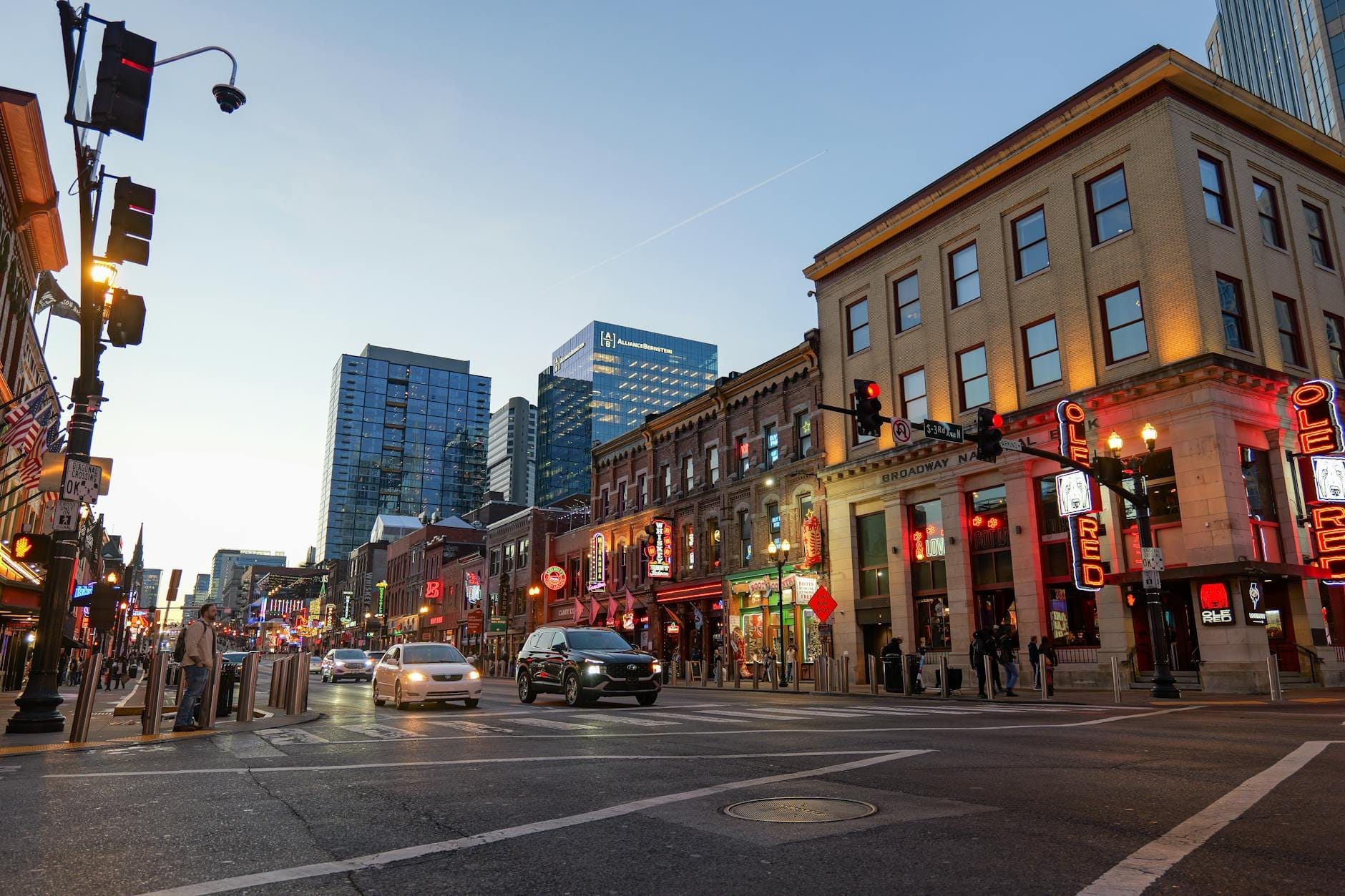
Start at the Country Music Hall of Fame and Museum when it opens at 9:00. Budget at least two hours here — the permanent collection covers country music from its Appalachian roots through the present day, and the rotating exhibits tend to be exhibition-quality. The building itself, designed to resemble a bass clef when viewed from above, is worth noting. From there, walk a few blocks to Hatch Show Print, a historic letterpress print shop whose origins trace back to 1879. Tours and prints are available, and the craft here is genuinely impressive rather than a tourist facsimile.
After lunch — hot chicken is the correct choice for day one, and Hattie B's and Prince's both charge roughly $10 to $15 for most plates — head to Music Row on 16th and 17th Avenues South. This is where the commercial infrastructure of American country music lives: recording studios, publishing houses, and management offices in compact buildings along tree-lined streets. Most are not open to visitors, but walking the row gives real context to the music history you just absorbed at the Hall of Fame. The Historic RCA Studio B offers guided tours for those with combo tickets purchased from the Country Music Hall of Fame — Elvis Presley and Dolly Parton both recorded here, and the original recording console is intact.
End the evening at the Ryman Auditorium. If there is a show on — check the calendar before you go — buy tickets and attend it. The Ryman's acoustics and intimacy make almost any performance here better than it would be elsewhere. Self-guided daytime tours typically run from 9:00 to late afternoon and start around $36 including taxes and fees (verify at ryman.com), but a live evening show is the point. Note: the Grand Ole Opry no longer runs year-round at the Ryman. Regular Opry shows are now held at the Grand Ole Opry House in the Opry Mills area. The Ryman hosts a limited seasonal run, usually in winter. Check both venues' schedules before assuming which one has Opry programming during your visit.
⚠️ What to skip
Lower Broadway's honky-tonks are free to enter during the day and most evenings, with performers playing for tips. Some venues add a cover charge late at night or for special acts. The music quality and atmosphere on Broadway peak in the late afternoon — crowds get very dense after 9 PM on weekends, and the experience shifts toward a bar scene rather than a listening room. If you want to actually hear music, arrive by 6 PM.
Day 2: Music History Deep Dive and East Nashville

Day two is for the museums that most itineraries undervalue. Start at the National Museum of African American Music in SoBro. Opened in 2021, this is a museum dedicated to the many music genres that grew from African American cultural traditions: blues, gospel, R&B, hip-hop, and country. Nashville's reputation as an exclusively country-music city misrepresents its history, and this museum corrects that. Plan at least 90 minutes. From there, walk to the Johnny Cash Museum on Third Avenue. Adult admission runs about $27.95 at the door. The collection is extensive and the curation is thoughtful — artifacts, personal items, and recordings from across Cash's career.
After lunch, cross the Cumberland River into East Nashville. The Five Points area around Five Points is where local Nashville actually shops and eats. The neighborhood is full of early 20th-century residential architecture, independent boutiques, and restaurants that are not catering primarily to out-of-towners. This is a good afternoon for walking, browsing, and eating somewhere without a two-hour wait. If you want live music in a non-tourist context, the Basement East on Porter Road is a serious venue with a real booking calendar — mostly independent and alternative acts, not country — and tickets are generally under $25 for most shows.
- National Museum of African American Music Opens at 9:00 AM; plan 90 minutes minimum. Covers blues, gospel, R&B, hip-hop, and country roots — contextualizes Nashville's full musical identity.
- Johnny Cash Museum Daily hours typically 9:00 to 17:00 (confirm on site). About $28 at the door. Buy online to skip lines.
- Third Man Records Jack White's record label and pressing plant on 7th Avenue South. The retail shop is open to the public and stocks vinyl, merchandise, and oddities. Free to browse.
- Basement East East Nashville's best independent music venue. Check the calendar at basementeast.com — most shows are $15 to $25. Not a tourist attraction; a real concert hall.
Day 3: Germantown, the Grand Ole Opry, and What to Skip
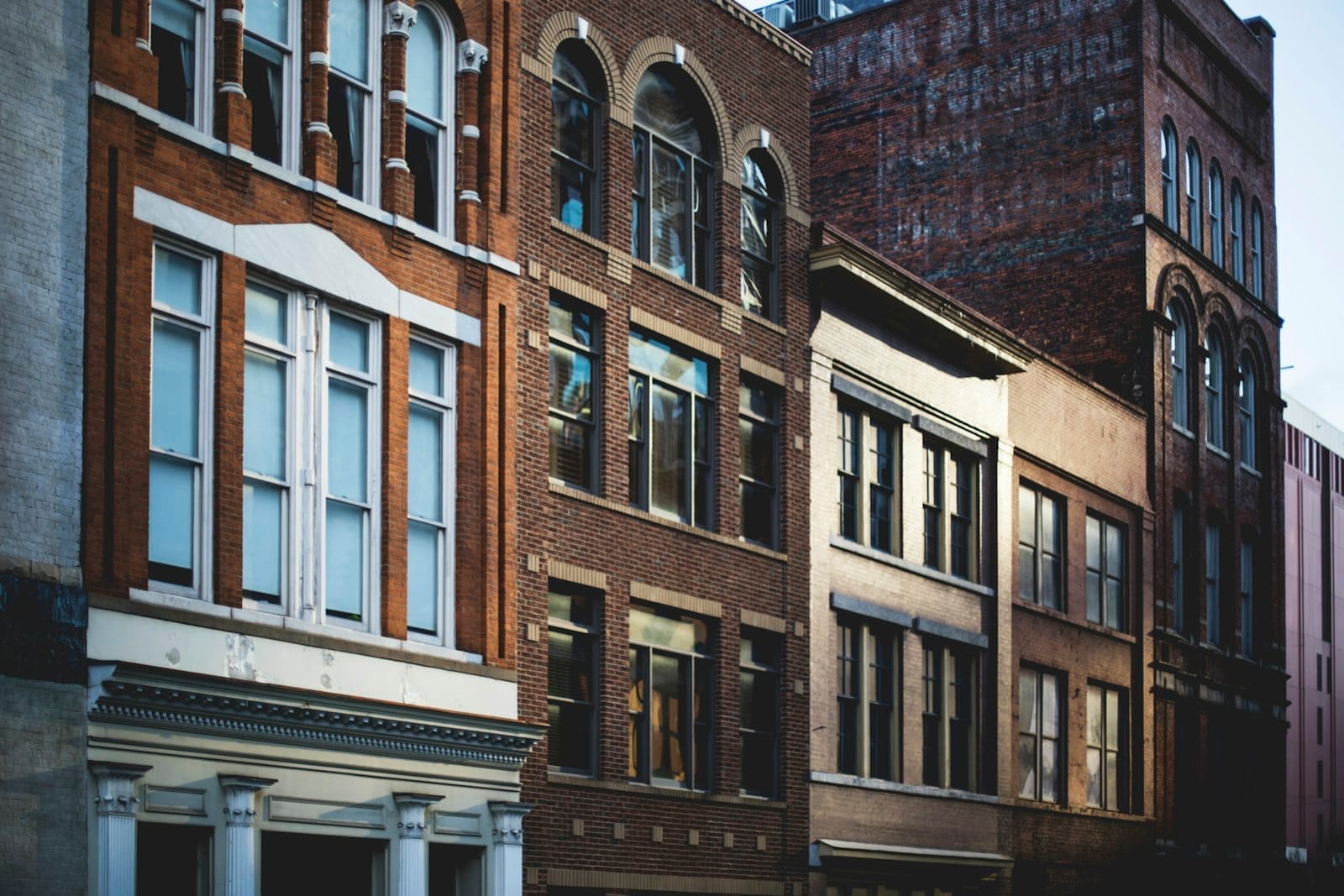
Spend your last morning in Germantown, Nashville's oldest historic neighborhood, just north of downtown. The 19th-century brick architecture here is intact in a way that downtown is not, and the breakfast and brunch options are among the city's best. The Nashville Farmers Market is nearby and worth a stop if you visit during market hours — it is open year-round with a mix of produce vendors, food stalls, and artisan goods. After breakfast, walk the neighborhood or take a rideshare to the Bicentennial Capitol Mall State Park for a short, free outdoor detour before the afternoon.
For your final afternoon and evening, the Grand Ole Opry House is the destination — if a show aligns with your dates. Shows are scheduled most Tuesdays, Fridays, and Saturdays, with additional dates in peak season. Tickets generally start around $60 plus fees (verify at opry.com). The Opry is a genuine institution: the format has barely changed since 1925, performers still introduce each other on stage, and the mix of veterans and newcomers in a single evening is unlike any other music show. Backstage tours run on select days, often starting in the late morning, and are worth booking if you have interest in the behind-the-scenes logistics of a live radio broadcast that has been running for a century. Our Grand Ole Opry tickets guide covers seating, pricing tiers, and how to get the best value.
✨ Pro tip
If you are visiting in September or October, the weather is ideal and the city's event calendar is full without the extreme crowds of summer festival season. CMA Fest in June draws massive crowds to Lower Broadway and causes hotel prices to spike significantly. Check festival dates before booking — a random summer weekend can be surprisingly expensive and congested.
One honest note on things to skip: Printers Alley, once Nashville's jazz and nightclub district, is now a minor tourist draw with limited authentic appeal. The Nashville Parthenon in Centennial Park is a full-scale replica of the Athenian Parthenon in its current reconstructed form and worth a quick look if you are in Midtown, but it does not justify a dedicated trip on a three-day schedule unless classical antiquity and architecture are a specific interest. Opry Mills mall is a large outlet shopping center adjacent to the Grand Ole Opry House — skip it unless you need to shop.
Eating and Drinking: What Actually Matters

Nashville hot chicken is the dish the city is most known for, and it deserves the reputation. Prince's Hot Chicken, whose roots trace back to the 1940s, is considered the original hot chicken restaurant in Nashville. Hattie B's is newer, more accessible, and has multiple locations. Both charge around $10 to $15 for a plate. Expect a wait at both during peak hours, especially on weekends. The heat levels are literal — 'shut the cluck up' at Hattie B's is not a joke order.
Beyond hot chicken, Nashville's food scene has expanded significantly. The Gulch and SoBro have the densest concentration of new restaurants. Germantown has quieter, often better options. For a structured food and drink experience, the Nashville distillery tour scene is worth exploring — Nelson's Green Brier Distillery in Marathon Village is the most historically interesting, connected to a whiskey brand that operated before Prohibition and was revived by the founding family. Tours run most days and cost around $22 to $25. For more on the full food landscape, the what to eat in Nashville guide covers everything from meat-and-three diners to the fine dining options in the Gulch.
- Hot chicken: Prince's (original, cash-friendly, no frills) vs. Hattie B's (multiple locations, cards accepted, consistent). Both are worth trying.
- Meat-and-three: A Nashville tradition — choose a protein and three sides from a daily menu. Arnold's Country Kitchen on 8th Avenue South is the standard reference point.
- Breakfast: Germantown's cafe options are the best in the city for a relaxed morning. The neighborhood is quiet compared to downtown.
- Drinks: Tennessee whiskey is the local spirit. Straight bourbon bars and distillery tasting rooms are common. Beer options have expanded with several local craft breweries in East Nashville and The Gulch.
- Budget tip: Food trucks and the Nashville Farmers Market stalls offer solid meals for under $12. Lower Broadway restaurants near the honky-tonks tend to be overpriced for average food.
Practical Details: Money, Timing, and What to Expect
Nashville operates on Central Time (UTC-6 in winter, UTC-5 in summer). The currency is the US dollar. Tipping is expected at sit-down restaurants (15 to 20 percent of the pre-tax bill is standard), in taxis and rideshares, and at hotel front desks and with porters. Tap water in Nashville meets all federal and state drinking water standards — no need to buy bottled water. The US standard electricity is 120V/60Hz with Type A and B plugs; international travelers from most of Europe, Asia, and Australia will need an adapter.
Spring and fall are the most comfortable seasons for a three-day visit. April to May brings mild temperatures (highs in the 60s to low 80s°F / 16 to 27°C) and the city's outdoor spaces are at their best. September to October is similarly pleasant with less humidity than summer. July and August regularly exceed 90°F (32°C) with high humidity, which makes outdoor walking uncomfortable by mid-morning. Winter is mild by northern standards but can bring occasional ice storms that disrupt driving. For a full seasonal breakdown, see our best time to visit Nashville guide.
FAQ
Is 3 days enough time to see Nashville?
Three days is enough to cover the core attractions: the Country Music Hall of Fame, Ryman Auditorium, a Grand Ole Opry show, the music history museums, and at least two neighborhoods beyond downtown. You will not exhaust the city, but you will leave with a solid, layered understanding of it. A fourth day would let you add a day trip to Franklin or more time in East Nashville.
How do I get around Nashville without a car?
Rideshare (Uber and Lyft) is the most practical option. Downtown, The Gulch, and SoBro are walkable to each other. East Nashville, Germantown, and the Grand Ole Opry area each require a short ride. Nashville has no metro or subway system. WeGo Public Transit buses cover the city but run infrequently (every 30 to 60 minutes on many routes) and are better suited to budget travelers with flexible schedules than to visitors trying to maximize a 3-day itinerary.
What is the best way to see live music in Nashville?
It depends on what kind of music you want. For country and Americana in a historic setting, the Ryman Auditorium or the Grand Ole Opry House is the answer. For free, casual honky-tonk performances, Lower Broadway runs live music all day. For genuine listening-room experiences with up-and-coming singer-songwriters, the Bluebird Cafe in Green Hills hosts original-music rounds most nights — tickets are required and sell fast. For non-country live music, check Basement East or 3rd and Lindsley.
Do I need to book Nashville attractions in advance?
Yes, for the most important ones. Country Music Hall of Fame tickets can sell out for combo tours (with RCA Studio B) and should be booked online. Grand Ole Opry tickets for peak-season shows go quickly, especially floor seats. The Bluebird Cafe has a ticketed reservation system that fills up weeks in advance. The Ryman Auditorium self-guided tours are generally easier to get walk-up, but an evening show requires tickets bought in advance. For a full weekend or holiday visit, book everything before you travel.
What neighborhood should I stay in for a 3-day Nashville visit?
Downtown or The Gulch puts you within walking distance of Lower Broadway, the music museums, and SoBro restaurants. It is the most convenient base for a short trip and also the most expensive. Midtown is slightly cheaper and a short rideshare from the main attractions. East Nashville is a good choice if you want a more local feel and lower hotel rates, but you will be paying for rideshares back and forth. Avoid committing to the Opryland/Music Valley area unless you are specifically staying at Gaylord Opryland Resort — it is isolated from the rest of the city.
Tickets & tours
Live prices and dates from our booking partner. If you book, we may earn a commission at no extra cost to you.
Planning a trip? Discover personalized activities with the Nomado app.