Is Nashville Safe? A Practical Safety Guide for Visitors
Nashville draws millions of visitors every year, and for good reason. But is Nashville safe for tourists? This guide breaks down crime statistics by area, identifies which neighborhoods to know, and gives you concrete, practical advice for staying safe during your trip.
Tickets & tours
Live prices and dates from our booking partner. If you book, we may earn a commission at no extra cost to you.
TL;DR
- Nashville's overall crime rate is higher than the U.S. average, but major tourist corridors like Broadway, The Gulch, and Midtown are generally safe with heavy police presence and foot traffic.
- Crime is concentrated in specific residential neighborhoods far from where most visitors spend their time. The areas flagged for caution are not on any typical tourist itinerary.
- Property crime, especially theft from vehicles, is the most common risk for visitors. Keep valuables out of sight and lock your car.
- Spring and early fall are the safest and most comfortable times to visit weather-wise. Check our best time to visit Nashville guide for a full seasonal breakdown.
- Standard big-city awareness, not paranoia, is all most visitors need.
Nashville Crime Statistics: The Real Picture
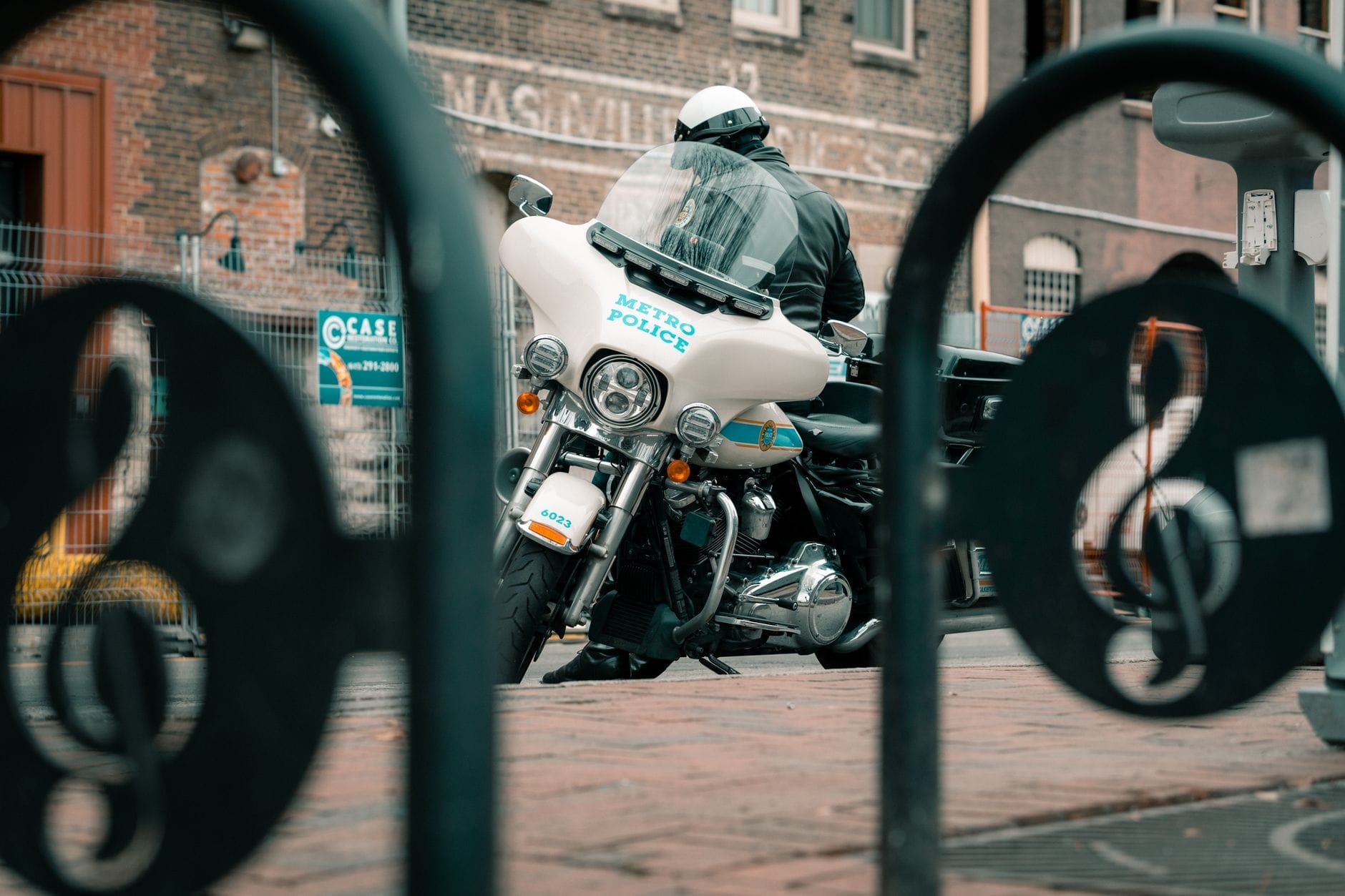
The short answer to whether Nashville is safe: it depends heavily on where you are and what you're comparing it to. Nashville's citywide crime rate is higher than the U.S. national average. In 2023, Metro Nashville recorded 30,774 Part I offenses, including 7,122 violent crimes and 23,652 property crimes. Based on 2022 data, that works out to roughly 44 crimes per 1,000 residents, with violent crime running at about 10 per 1,000, roughly double the national average.
Those numbers sound alarming until you consider context. Nashville is a large consolidated city-county government covering 497 square miles, so the statistics include everything from dense downtown blocks to sprawling outer suburbs. Crime is not evenly distributed across that footprint. The Metro Nashville Police Department has reported recent year-over-year decreases of roughly 10% in violent crime and 8% in property crime, which is a meaningful positive trend. Nashville also draws tens of millions of visitors annually, and serious crimes against tourists in the main entertainment districts are genuinely uncommon.
ℹ️ Good to know
Metro Nashville's crime data is publicly available through the MNPD Crime Data Dashboard at nashville.gov. If you want to look up a specific neighborhood or street before booking accommodation, it is one of the most transparent municipal crime tools in the country.
Safety by Neighborhood: Where Visitors Spend Their Time
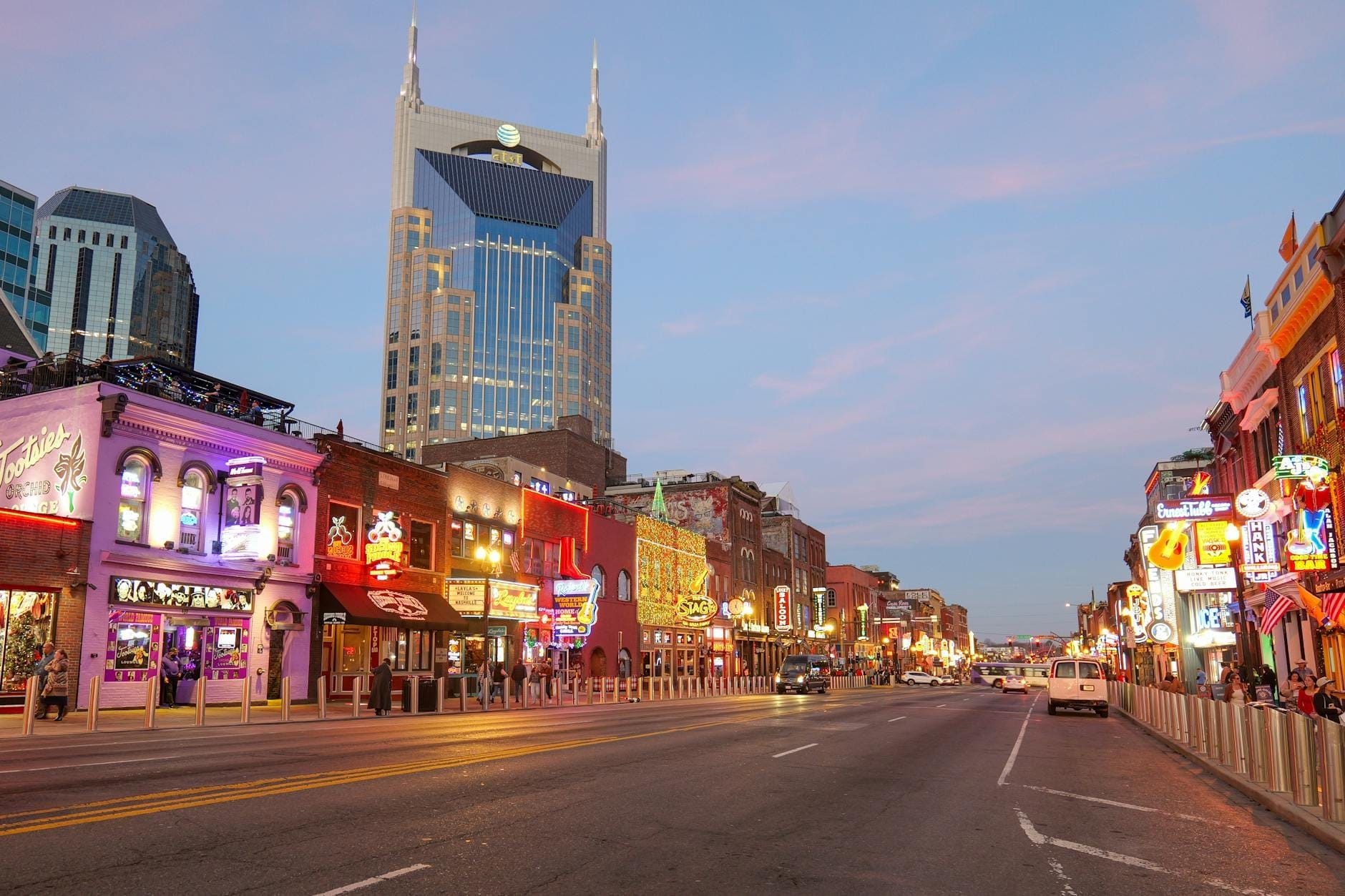
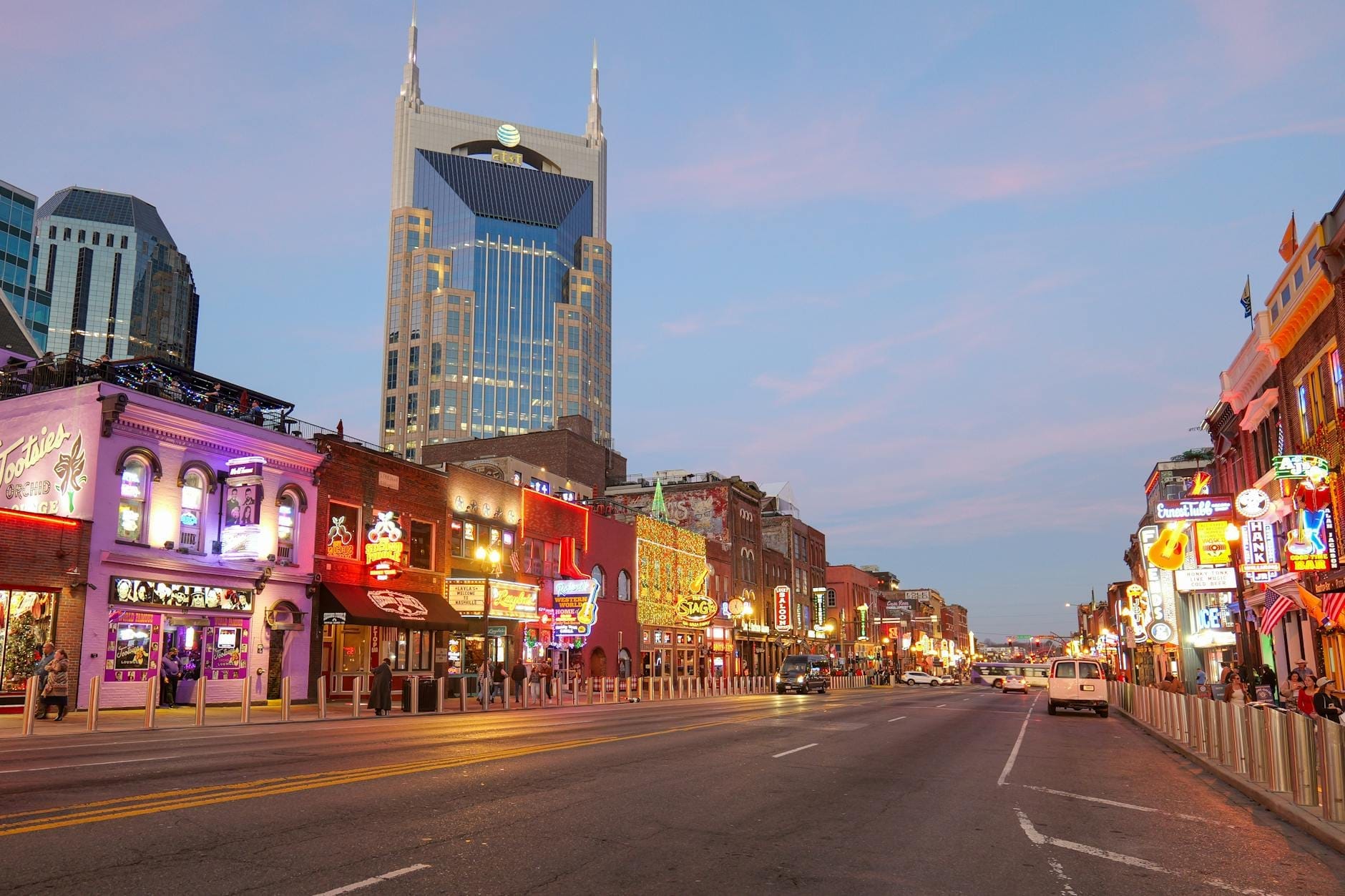
The areas where tourists spend most of their time, Downtown Nashville, The Gulch, Midtown, and the Broadway honky-tonk strip, are among the more heavily policed parts of the city. The MNPD maintains a visible presence along Lower Broadway on weekends, particularly during evening and late-night hours when bar crowds peak. Foot traffic on these blocks is dense enough that the street-level environment feels similar to major entertainment districts in any large American city.
East Nashville and Germantown, two popular residential neighborhoods with strong restaurant and bar scenes, have seen significant investment and are generally comfortable for visitors. East Nashville in particular has a laid-back, local feel that differs sharply from the Broadway tourist corridor. As with any neighborhood in transition, use the same awareness you would in any urban area at night.
- Generally safe for visitors Downtown/Broadway, The Gulch, Midtown/West End, Germantown, East Nashville (Five Points corridor), Green Hills, Belle Meade, 12 South, Hillsboro-Belmont
- Exercise standard urban caution Parts of North Nashville away from Germantown, some blocks north of the Farmers Market, outer areas of East Nashville beyond the main commercial strips
- Not on the typical tourist map, use extra caution Antioch (far southeast), Bordeaux (north), Glencliff (south), parts of the Talbot's Corner area. These neighborhoods have higher crime concentrations and offer no attractions that would bring visitors there anyway.
⚠️ What to skip
The single biggest risk for visitors in tourist areas is property crime, specifically theft from rental cars. Never leave bags, cameras, luggage, or anything visible in a parked vehicle. Smash-and-grab thefts happen in parking lots near popular attractions, including near Lower Broadway and Nissan Stadium on game days.
Downtown and Broadway: Separating Myth from Reality
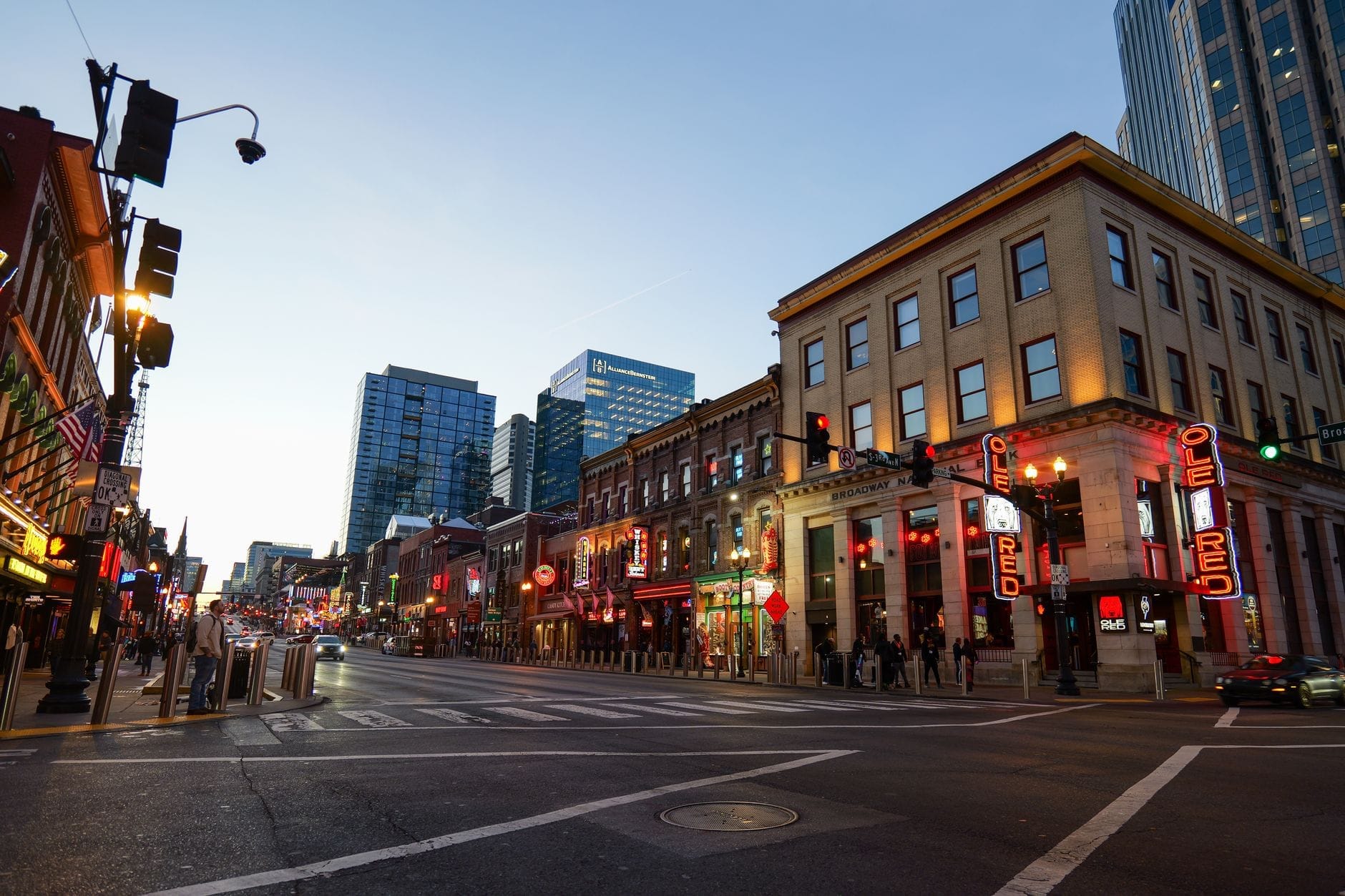
There is a persistent misconception that downtown Nashville is dangerous at night. The reality is more nuanced. The Broadway honky-tonk strip is one of the most heavily monitored entertainment districts in Tennessee, with MNPD officers on foot patrol every weekend and surveillance infrastructure throughout the corridor. The crowds are large and the energy is high, but serious violence targeting random tourists is rare.
What does happen on Broadway is the predictable output of tens of thousands of people drinking in a concentrated area: occasional fights between bar patrons, petty theft, and the kind of aggressive panhandling you find near any major U.S. entertainment district. None of that is unique to Nashville, and none of it requires avoiding the area. It does require you to watch your phone and wallet, especially in dense bar crowds, and to know your limit. The majority of visitor incidents on Broadway are alcohol-related and self-inflicted.
Late-night hours after 2 a.m. (when Tennessee bars legally close) can see heightened tension as large numbers of people leave simultaneously. If you are planning a late night out, have your rideshare app ready before you need it rather than hailing from the street. Our Nashville nightlife guide includes practical tips on navigating the bar scene safely and efficiently.
Practical Safety Tips for Every Type of Visitor
Most of what makes a Nashville trip safe or unsafe comes down to standard travel habits rather than anything specific to the city. The MNPD's own tourist safety guidance covers the basics: stay aware of your surroundings, stick to well-lit areas at night, lock your hotel room and vehicle, avoid leaving valuables visible in cars, and use cards rather than carrying large amounts of cash. That list applies to virtually every major U.S. city.
- Use Uber or Lyft instead of street hails, especially late at night. Verify the driver's name and license plate before getting in.
- Keep your phone in a front pocket or bag in dense crowds on Broadway and at large events like CMA Fest. Opportunistic phone grabs happen in any packed venue.
- Book accommodation in or near downtown, The Gulch, or Midtown if safety proximity to tourist areas matters to you. You will pay more, but you reduce the need for late-night travel.
- The emergency number in the U.S. is 911. For non-urgent police issues, Metro Nashville's non-emergency line is (615) 862-8600; 311 connects you with the city's general services line.
- Tap water in Nashville meets or exceeds all federal and state drinking water standards according to Metro Water Services. No need to buy bottled water.
- Nashville area codes are 615 and 629. The U.S. country calling code is +1 if you are calling from abroad.
- U.S. electrical outlets run on 120V/60Hz with Type A and B plugs. International travelers will likely need an adapter.
✨ Pro tip
If you are renting a car and parking near Broadway or any major venue, use a covered garage rather than street parking. Surface lots near entertainment districts are higher-risk for break-ins, and the cost difference between street and garage is minimal.
Seasonal Safety Considerations and Weather Risks
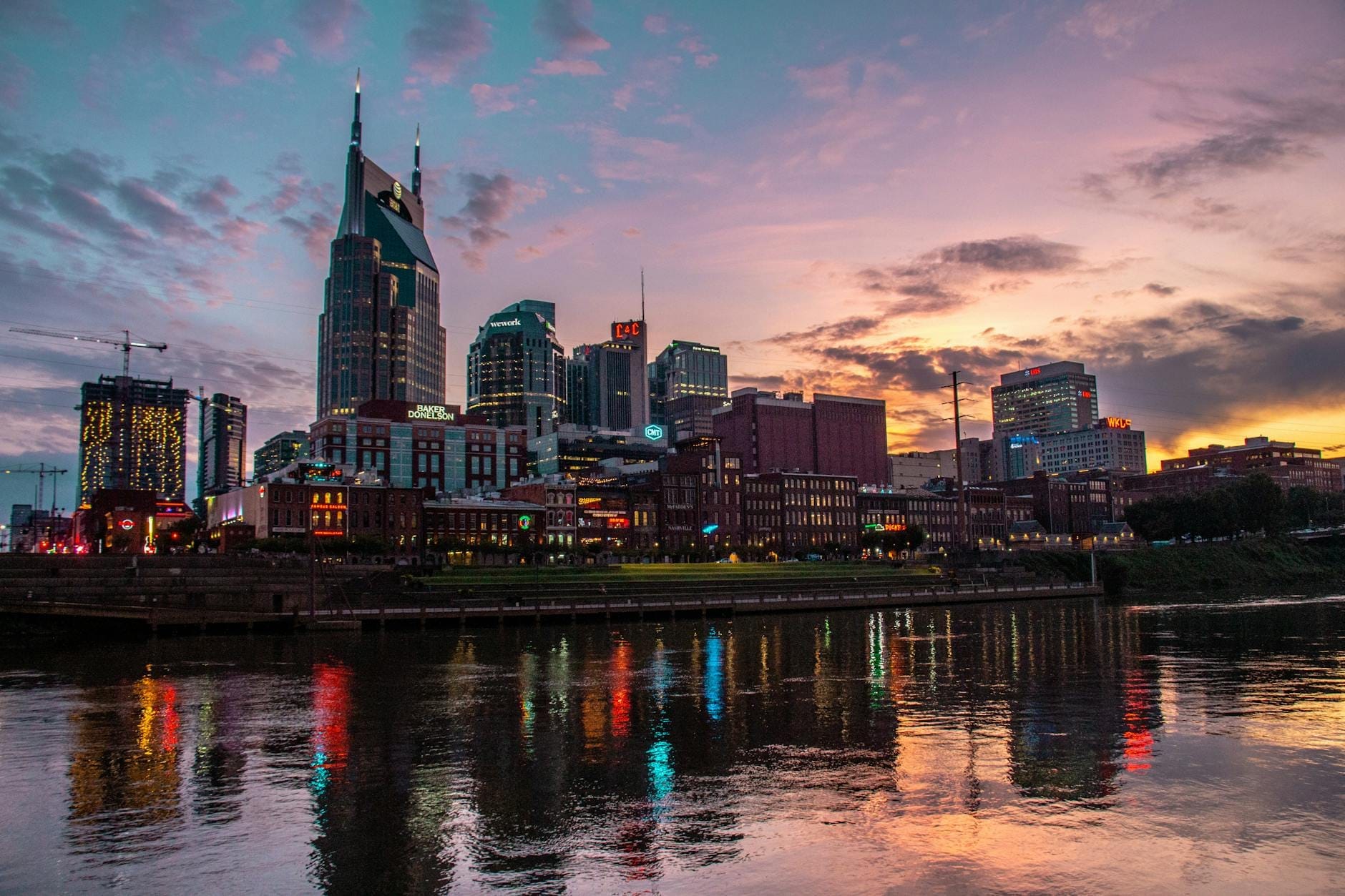
Nashville has a humid subtropical climate, which means hot and humid summers with highs around 87-90°F (31-32°C), mild springs and falls, and generally cool winters with occasional ice events. The practical safety implications of this for visitors are real but manageable.
Spring, particularly March through May, is tornado season in Middle Tennessee. Severe weather can develop quickly, and Nashville has experienced significant tornado events in recent memory. If you are visiting in spring, know what tornado warnings sound like, identify the shelter areas in your hotel or venue, and keep a weather alert app installed on your phone. This is not alarmist advice; it is standard practice for anyone living in or visiting the region.
Summer is when Nashville gets crowded and hot. Events like CMA Fest bring enormous crowds downtown in June, which concentrates both the fun and the risk of petty theft. If you are planning a visit around a major event, our CMA Fest guide covers what to expect crowd-wise. October is arguably the most comfortable month to visit, with mild temperatures and lower humidity. See our Nashville in October guide for a full breakdown.
💡 Local tip
Download a reliable weather alert app (such as the free FEMA app or a local TV station app) before arriving in spring or early summer. Nashville's severe weather events can escalate quickly, and having warnings pushed to your phone beats relying on outdoor sirens.
Solo Travel, Bachelorette Groups, and Other Specific Situations
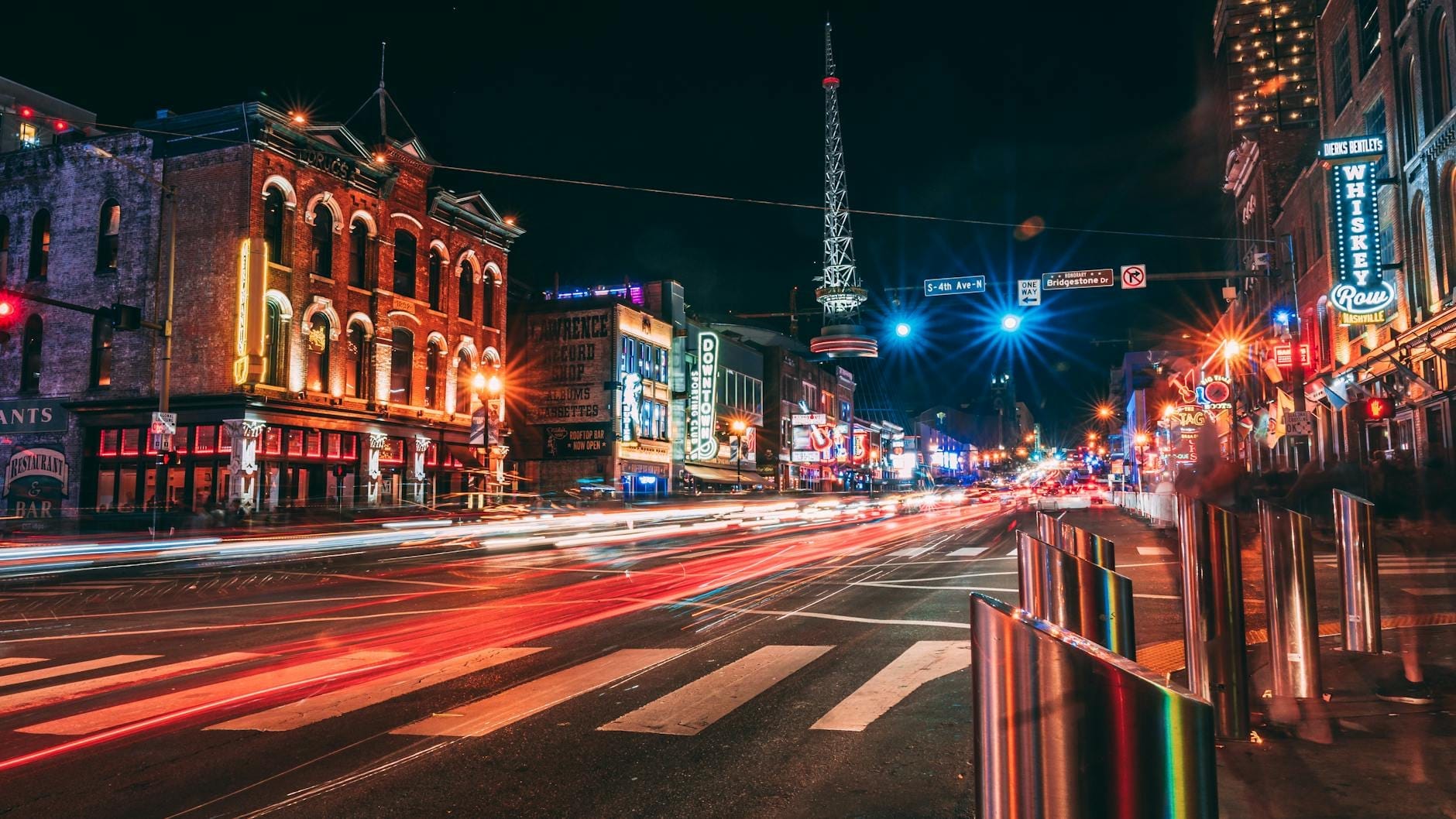
Nashville is a top destination for bachelorette parties and group celebrations, and this shapes the downtown atmosphere considerably on Friday and Saturday nights. If you are traveling solo or in a small group, the Broadway strip on a peak weekend can feel overwhelming. Explore solo travel in Nashville for a realistic picture of navigating the city alone, including quieter areas worth prioritizing.
Solo women travelers generally report feeling safe in Nashville's main tourist areas, particularly during daylight hours and in busy evening venues. The standard precautions apply: share your location with someone, avoid walking alone in unfamiliar blocks after midnight, and use rideshare for late-night returns to your hotel. For group trips, our Nashville bachelorette party guide includes practical logistics that keep celebrations both fun and safe.
Getting Around Safely
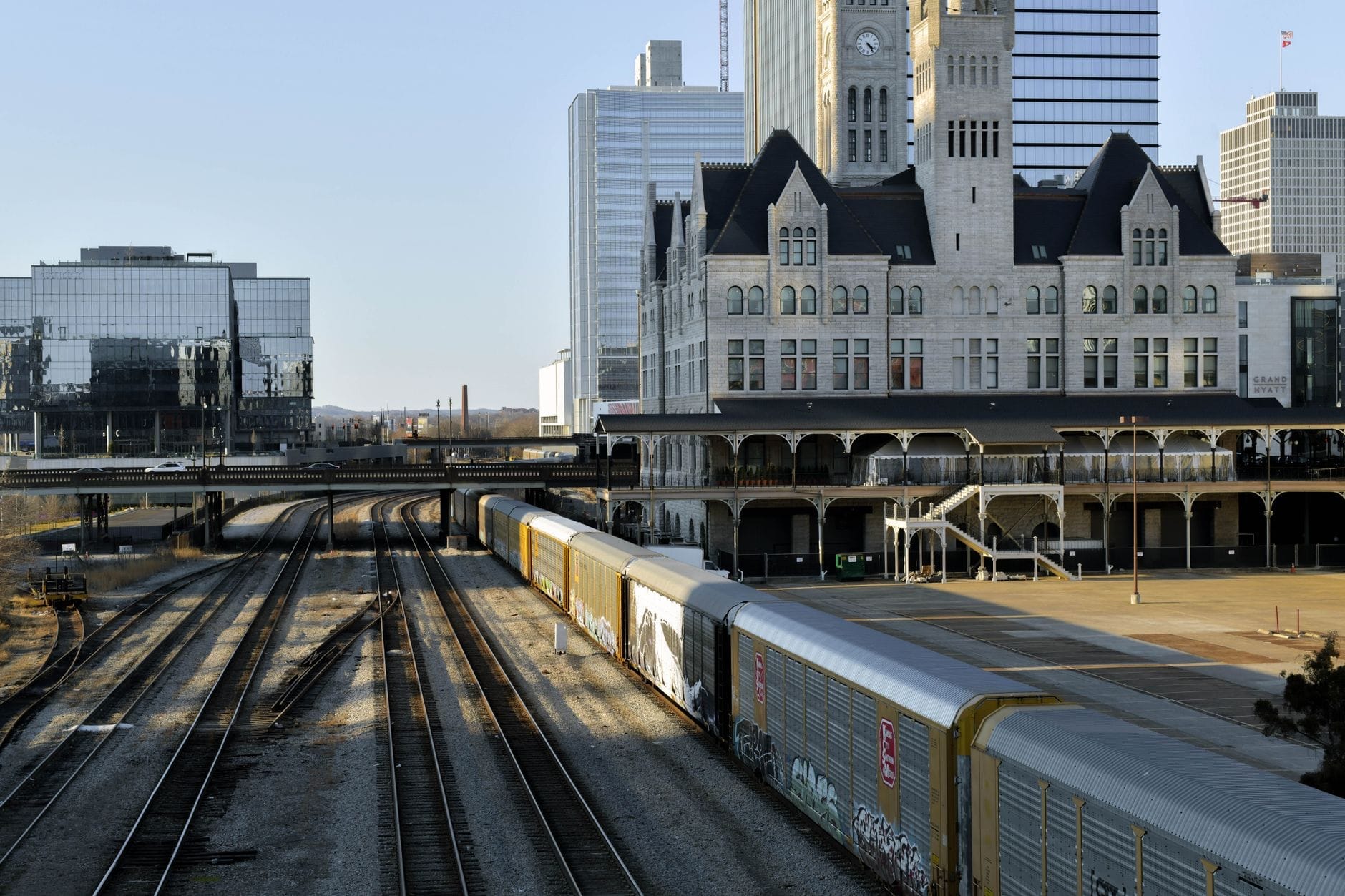
Nashville's public transit is limited. WeGo Public Transit operates local bus routes and a commuter rail line (WeGo Star) running to Lebanon, but there is no metro or subway system. For most visitors, getting around means rideshare, rental car, or walking in the immediate downtown area. Our guide to getting around Nashville covers all the options with honest pros and cons.
Nashville International Airport (BNA) is about 8 miles southeast of downtown. Rideshare pickup is available at the Ground Transportation Center. A taxi or rideshare to downtown typically runs in the $25-35 range depending on traffic and demand, though surge pricing during events can push that higher. WeGo Route 18 connects the airport to downtown Music City Central at a fraction of the cost if you are traveling light and not in a rush.
FAQ
Is Nashville safe for tourists?
Yes, the main tourist areas of Nashville (Downtown, Broadway, The Gulch, Midtown) are generally safe for visitors. Nashville's citywide crime rate is higher than the U.S. average, but crime is concentrated in specific residential neighborhoods that are not on any typical tourist itinerary. The usual big-city precautions apply: watch your phone and wallet in crowds, lock your car, and use rideshare at night.
Is Broadway in Nashville safe at night?
Broadway is heavily policed, especially on weekends, and is one of the more monitored entertainment strips in the state. It is generally safe, but the combination of large crowds and heavy drinking means you should keep valuables secure and avoid confrontations. Late-night hours after 2 a.m. when bars close can be chaotic. Have your rideshare ready before you need it.
What parts of Nashville should tourists avoid?
The neighborhoods with higher crime concentrations include parts of Antioch in the southeast, Bordeaux in the north, Glencliff in the south, and some areas of North Nashville beyond Germantown. Practically speaking, none of these areas are destinations that visitors would have any reason to visit. Stick to the main tourist corridors and you are unlikely to encounter these areas at all.
Is Nashville safe for solo female travelers?
Solo women generally report Nashville as a comfortable destination in tourist areas during the day and in busy evening venues. Standard precautions apply at night: share your location with a contact, use rideshare rather than walking alone in unfamiliar areas after midnight, and be aware that the Broadway bar scene can get loud and crowded on peak weekends. Many solo travelers actively prefer the friendly, social culture Nashville's music scene creates.
What is the biggest safety risk for visitors in Nashville?
Property crime, specifically theft from vehicles, is the most common risk for visitors. Never leave bags, cameras, luggage, or anything of value visible in a parked rental car. This applies in parking areas near Lower Broadway, Nissan Stadium, and other popular venues. Pickpocketing in crowded bars and street theft of phones are secondary concerns, both preventable with basic awareness.
Tickets & tours
Live prices and dates from our booking partner. If you book, we may earn a commission at no extra cost to you.
Planning a trip? Discover personalized activities with the Nomado app.