Nashville to Knoxville: Road Trip Guide and Best Stops Along the Way
The drive from Nashville to Knoxville covers roughly 180–190 miles along I-40 East and takes about 2.5 to 3 hours without stops. This guide covers the best detours, state parks, historic sites, and seasonal advice to help you get more out of one of Tennessee's most rewarding road trips.
Tickets & tours
Live prices and dates from our booking partner. If you book, we may earn a commission at no extra cost to you.
TL;DR
- The Nashville to Knoxville drive is about 180–190 miles via I-40 East, taking 2.5–3 hours without stops.
- This is a comfortable same-day drive, not a multi-day journey. Most travelers do it in one shot.
- Top stops include The Hermitage near Nashville, Cookeville as a midpoint break, and Rock Island or Frozen Head State Park for nature detours. See more on day trips from Nashville for nearby options.
- Great Smoky Mountains National Park is NOT on the direct route. It is an extension beyond Knoxville, about 30–40 minutes southeast.
- Spring (April–May) and fall (September–October) offer the best conditions: moderate temperatures, good hiking, and minimal weather disruptions.
The Route: What to Expect on I-40 East
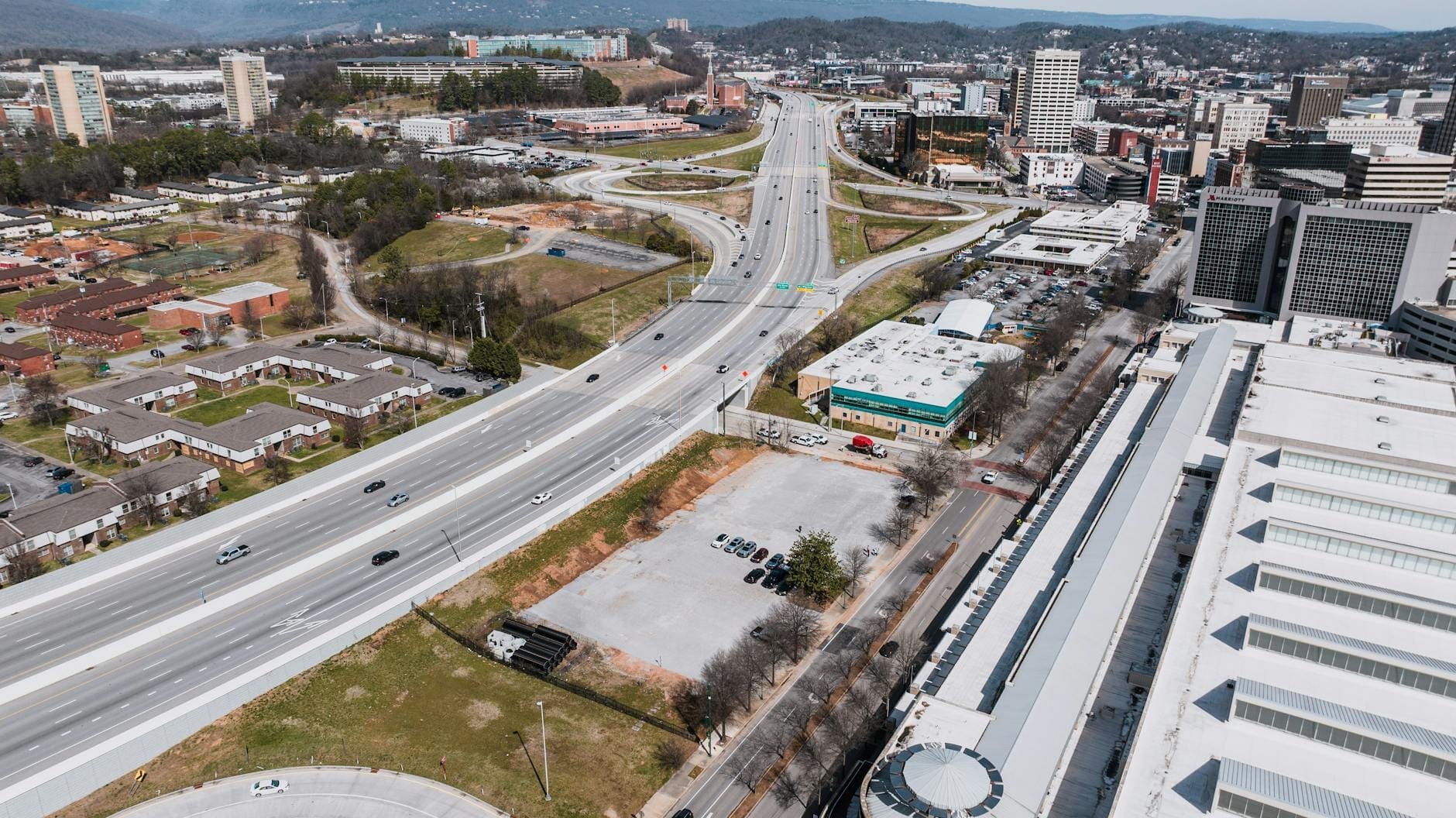
Interstate 40 East is the backbone of the Nashville to Knoxville corridor. You pick it up near downtown Nashville and follow it almost uninterrupted into central Knoxville. The route is well-maintained, four to six lanes wide for most of its length, and straightforward to navigate. There are no tolls on this stretch.
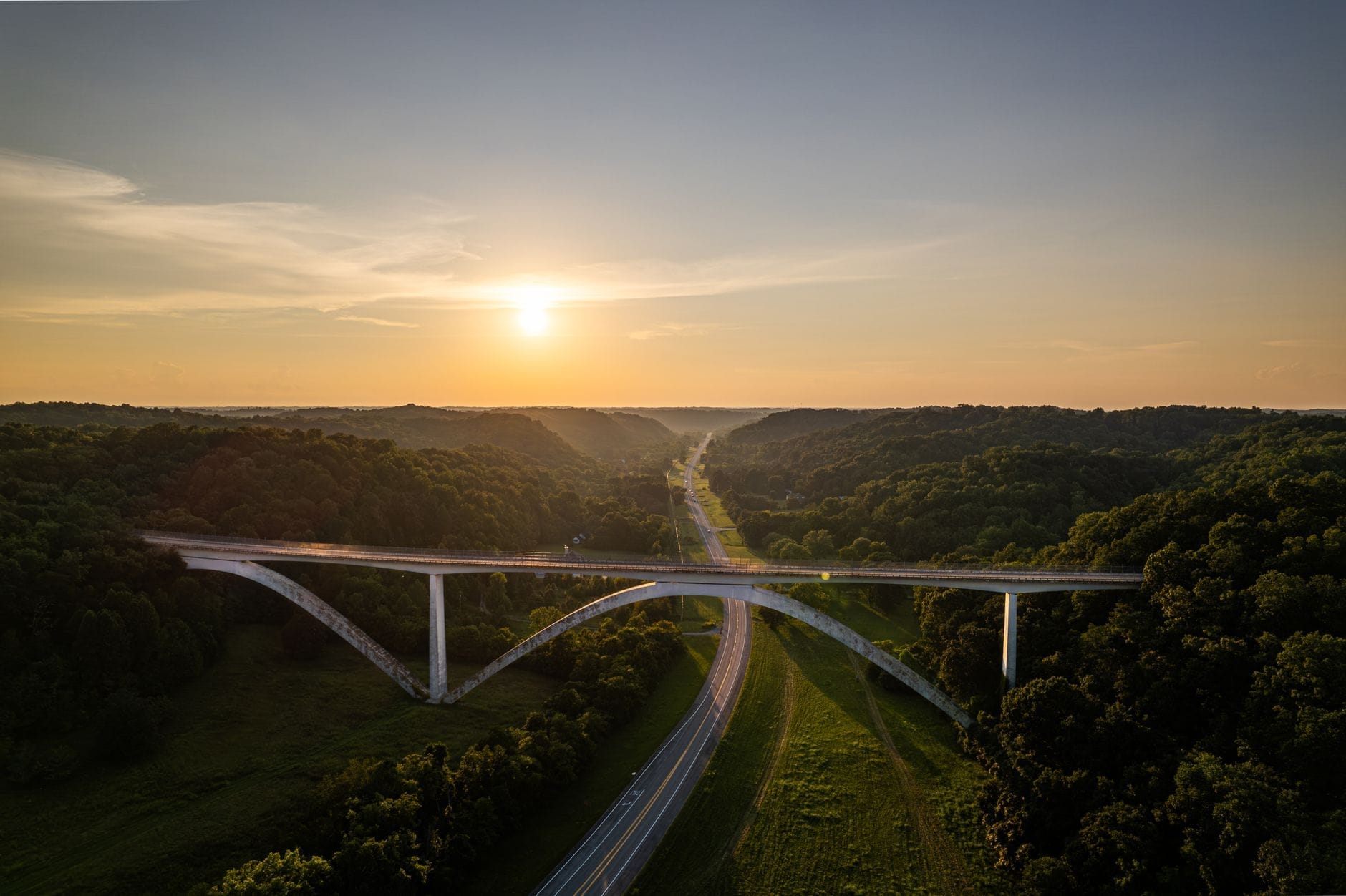
The landscape shifts noticeably as you drive. The first hour takes you through rolling Middle Tennessee farmland and suburbs east of Nashville. By the time you pass Cookeville (roughly the halfway point between the two cities, near I-40 exit 287), the terrain starts to feel more topographically interesting. The final stretch approaching Knoxville brings you into the Ridge and Valley region of East Tennessee, with forested ridgelines rising on either side of the highway.
ℹ️ Good to know
Nashville sits in the Central Time Zone, while Knoxville is in the Eastern Time Zone. You lose one hour when you arrive. Account for this when planning meals, reservations, or check-in times.
If you are starting your trip from downtown Nashville, expect to add 20–30 minutes to your total travel time depending on traffic around the I-40/I-24 interchange, particularly on Friday afternoons when weekend road traffic peaks.
Best Stops Between Nashville and Knoxville
The most common misconception about this drive is that there is nothing worth stopping for between the two cities. That is wrong. Several worthwhile stops sit within easy reach of I-40, and none requires a major detour. For a deeper look at what Nashville itself offers before you set out, the things to do in Nashville guide covers the essentials.
- The Hermitage (Andrew Jackson's Historic Home) Located about 12 miles east of downtown Nashville, off exit 221A on I-40. This is the preserved plantation home of the 7th U.S. president, now a National Historic Landmark with a museum, guided tours, and expansive grounds. Allow 2–3 hours if you plan a full visit. Admission fees apply; check the official Hermitage site for current hours and pricing before you go.
- Cookeville, TN (Midpoint Break) Roughly 80 miles from Nashville and 100 miles from Knoxville, Cookeville sits just off I-40 near exit 287. It is a genuine Tennessee college town (Tennessee Technological University is headquartered here) with local coffee shops, diners, and a walkable historic downtown. A good 30-minute coffee stop or lunch break.
- Rock Island State Park About 12 miles south of Cookeville off US-70S, Rock Island features dramatic waterfalls where the Caney Fork River cascades through a rocky gorge. Swimming is permitted in designated areas when water levels are safe. Tennessee State Parks charge no general admission fee, though camping requires a reservation through the state parks booking system.
- Frozen Head State Park Located near Wartburg, about 40 miles west of Knoxville, Frozen Head offers serious hiking with over 70 miles of trails, including routes to a fire tower with panoramic ridge views. This park is less crowded than the Smokies and is worth knowing about if you want backcountry-style terrain without the crowds.
- Norris Dam State Park A short detour north on I-75 before reaching Knoxville, Norris Dam was the first dam built by the Tennessee Valley Authority (completed 1936). The state park around it offers fishing, cabin rentals, a small museum, and access to Norris Lake. Free entry; camping and cabins are bookable through Tennessee State Parks reservations.
✨ Pro tip
If you want to visit both Rock Island State Park and Frozen Head in one trip, map them before you leave. They sit on opposite sides of Cookeville and require backtracking if you try to do both without a planned route. Build in at least half a day extra if you want more than a quick look at either.
What to Know About Adding the Smokies to Your Trip
Great Smoky Mountains National Park is not on the direct Nashville to Knoxville route. This is one of the most common misconceptions about this corridor. The park entrance at Gatlinburg is approximately 40–45 miles southeast of downtown Knoxville, adding about 1 to 1.25 hours each way to your drive under normal traffic conditions. If you want to include the Smokies, treat it as a separate leg rather than an incidental stop.
Great Smoky Mountains National Park is the most visited national park in the United States, receiving over 13 million visitors annually. That means real logistical challenges during peak periods. In October, the fall foliage brings enormous crowds. The Newfound Gap Road can back up for miles on autumn weekends. Summer is similarly congested, especially at Clingmans Dome and Laurel Falls trailheads. If you are going, weekday mornings before 9 a.m. are substantially less crowded than weekend afternoons.
⚠️ What to skip
Great Smoky Mountains National Park began requiring parking tags for most vehicles stopping in the park, and some areas may have additional access restrictions. Check the National Park Service website for current requirements before visiting, as these rules can change.
Seasonal Advice: When to Make This Drive
Spring and fall are the most rewarding seasons for this road trip. April and May bring wildflower blooms along the ridge corridors and pleasant hiking temperatures in the 60s and 70s Fahrenheit. Fall, particularly mid-October, delivers strong foliage color through the Cumberland Plateau and into the Knoxville area. Both seasons sit outside the hottest summer months when afternoon high temperatures in Nashville commonly reach the upper 80s°F (around 31°C).
Summer driving is perfectly manageable on I-40, but state park day use areas and Smoky Mountain trailheads will be packed. If you are traveling in summer, get an early start and plan outdoor stops for morning hours. Winter driving is generally fine on I-40, but Tennessee does see occasional ice and snow from December through February, particularly at higher elevations near Cookeville and approaching Knoxville. Check the Tennessee Department of Transportation road conditions tool before setting out if weather is uncertain. For more on Nashville's seasonal patterns, the best time to visit Nashville guide has detailed climate breakdowns.
- Spring (April–May): Best overall. Mild temperatures, wildflowers, lower crowd levels than summer.
- Summer (June–August): Hot but driveable. State parks and the Smokies are at peak crowding.
- Fall (September–October): Peak foliage in mid-October. Beautiful but very busy near the Smokies.
- Winter (December–February): Quiet, fewer crowds, but ice risk on elevated sections. Check road conditions.
Before You Leave Nashville: What to Prioritize
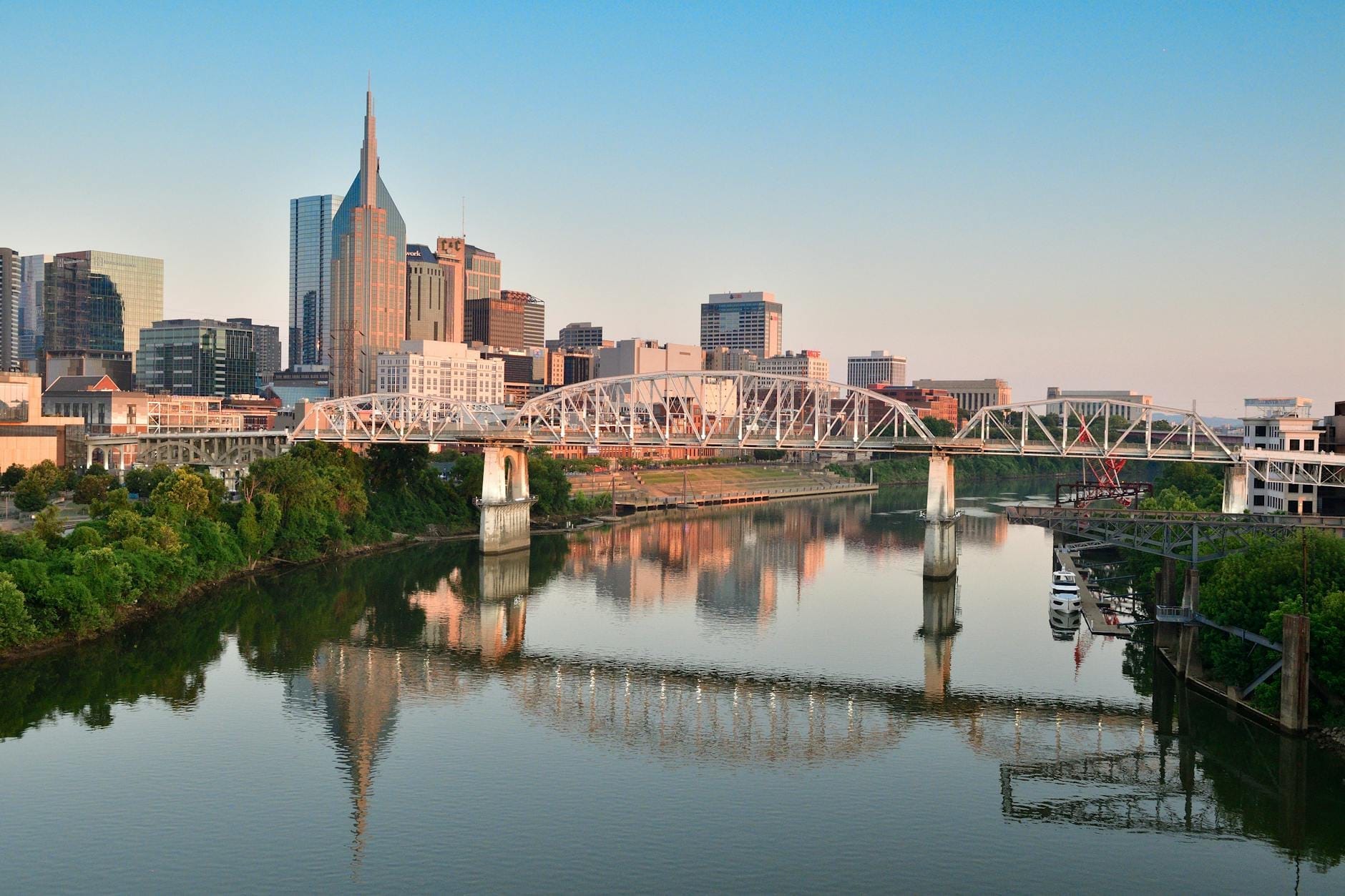
If you are spending time in Nashville before heading east, a few experiences are genuinely worth prioritizing. The Ryman Auditorium offers daytime self-guided tours and evening concerts that give real context to Nashville's music history. The Country Music Hall of Fame is the most substantive music museum in the city, with rotating exhibits and a permanent collection covering over a century of American popular music.
For travelers with a specific interest in Tennessee history before hitting the road, The Hermitage makes an especially logical first stop since it sits directly on I-40 east of the city. You can tour the grounds and then continue east without backtracking. If you are spending two days in Nashville first, the 2 days in Nashville guide lays out a practical itinerary that works well before a road trip east.
Practical Logistics: Gas, Food, and Overnight Options
Gas stations are plentiful along I-40 at virtually every exit from the Nashville metro area through to Knoxville. You will not face any stretches where fuel availability is a concern on the main route. Prices in Tennessee tend to run slightly below the national average, but this varies with market conditions.
For food, Cookeville is the most practical midpoint stop with actual sit-down restaurant options beyond fast food chains. If you want a full meal rather than a snack stop, exit there rather than relying on interstate service plazas. Alternatively, several small towns along US-70 (which roughly parallels I-40 through this corridor) have locally owned diners that are worth the minor detour if you are not in a hurry.
Overnight options along the route include chain hotels in Cookeville and Lebanon (east of Nashville), plus cabin and lodge options at state parks including Norris Dam. If you want a more immersive stop, booking a cabin at Rock Island or Norris Dam State Park turns the drive into a two-day itinerary with outdoor activities built in. Reservations through the Tennessee State Parks system are required and should be made well in advance for peak season weekends.
💡 Local tip
If you are driving an electric vehicle, check charging infrastructure in Cookeville before departing. The I-40 corridor has improved significantly for EV infrastructure, but coverage between Nashville and Knoxville is thinner than in major metro areas. Plan your charging stops rather than assuming availability.
FAQ
How long does the drive from Nashville to Knoxville take?
The drive is approximately 180–190 miles via I-40 East and takes around 2.5 to 3 hours without stops under normal traffic conditions. Add time for stops and account for Nashville metro traffic, which can be slow during Friday afternoon rush hour.
Do I need to drive through the Smokies to get from Nashville to Knoxville?
No. The direct route via I-40 East does not pass through Great Smoky Mountains National Park. The park is about 35–40 miles southeast of Knoxville. It is an optional extension, not part of the standard route.
What is the best stop between Nashville and Knoxville?
That depends on your interests. For history, The Hermitage near Nashville is the most significant stop. For outdoor scenery, Rock Island State Park near Cookeville offers dramatic waterfall views with minimal crowds compared to the Smokies. Frozen Head State Park is the pick for serious hikers.
Is there a time zone change between Nashville and Knoxville?
Yes. Nashville is in the Central Time Zone and Knoxville is in the Eastern Time Zone. You lose one hour driving from Nashville to Knoxville. Factor this into restaurant reservations, hotel check-ins, and any timed activities in Knoxville.
Are there any tolls on the Nashville to Knoxville drive via I-40?
No. Interstate 40 between Nashville and Knoxville is toll-free for its entire length. You will not need a toll transponder or cash for the main route.
Tickets & tours
Live prices and dates from our booking partner. If you book, we may earn a commission at no extra cost to you.
Planning a trip? Discover personalized activities with the Nomado app.