Shelby Bottoms Greenway and Natural Area: Nashville's Best Free Escape
Shelby Bottoms Greenway and Natural Area stretches across 960 acres of Cumberland River floodplain in East Nashville, offering over 5 miles of paved trails and over 5 miles of unpaved woodland paths, and serious birdwatching without spending a dollar. It is one of the larger urban natural areas in Middle Tennessee, and it feels nothing like the Broadway corridor three miles to the west.
Quick Facts
- Location
- 1900 Davidson St., Nashville, TN 37206 (East Nashville)
- Getting There
- Car: I-24 Exit 49 (Shelby Ave), then follow signs. Rideshare drops at main trailhead. No direct WeGo bus to the trailhead — verify current routes at wegotransit.com
- Time Needed
- 1.5 to 3 hours for a full loop; 45 minutes for a casual riverside stroll
- Cost
- Free, open dawn until dusk daily
- Best for
- Trail runners, cyclists, birdwatchers, families, and anyone needing green space away from downtown
What Shelby Bottoms Actually Is
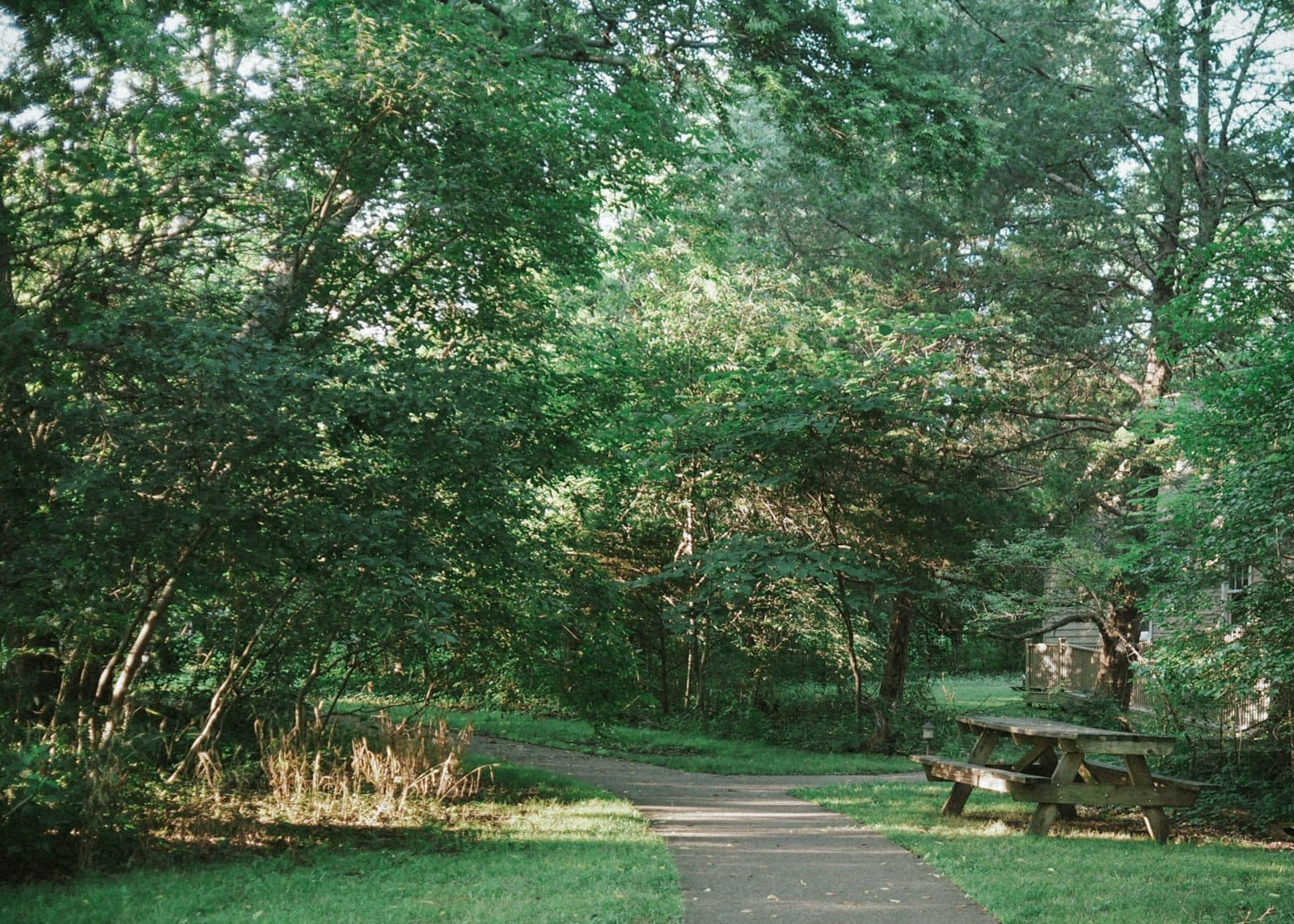
Shelby Bottoms Greenway and Natural Area is a 960-acre Metro Nashville natural area park hugging approximately 3 miles of the Cumberland River's eastern bank in East Nashville. It is not a manicured city park with fountains and benches every fifty feet. It is genuine lowland forest, with cottonwood and silver maple growing thick over muddy banks, open meadows that hold morning mist in cooler months, and wetland corridors that attract an impressive list of bird species.
Shelby Park was dedicated to the city on July 4, 1912, and Shelby Bottoms was later added as a connected natural area within the same park system. Over a century later, the Metro Nashville Parks department manages it as a Natural Area, meaning ecological preservation takes priority over recreation infrastructure. That distinction matters: trails here are quieter, surfaces vary, and the experience is closer to a state park than an urban greenway.
For context on how this fits into the broader outdoor landscape around Nashville, the hiking near Nashville guide covers comparable options including Radnor Lake and Percy Warner Park, which offer hillier terrain if the flat river bottomland here isn't your preference.
ℹ️ Good to know
The park has two trailhead parking areas: the main one at 1900 Davidson St. and a secondary lot at 2032 Forrest Green Dr. The Davidson St. entrance is better for first-time visitors and has more parking space.
The Trail System: Paved and Unpaved
The most visited section is the paved multi-use loop, over 5 miles of ADA-accessible asphalt that circuits the meadows and river corridor, with an additional 5+ miles of primitive trails branching off. It is wide enough for cyclists and pedestrians to pass comfortably, and the surface is generally smooth. On weekday mornings it fills with joggers and dog walkers from the surrounding East Nashville neighborhoods. On weekend afternoons, family cyclists and stroller-pushing parents arrive in greater numbers, particularly in spring and fall.
Beyond the paved loop, unpaved nature trails branch into the wooded interior, where the ground is softer, roots cross the path, and the canopy closes overhead. These trails are significantly less crowded even on busy days. Footwear matters here: after rain, the bottomland soil becomes genuinely muddy, and trail shoes or waterproof boots are worth considering from November through April. Sandals are a poor choice on the unpaved sections at any time of year.
⚠️ What to skip
After significant rainfall, portions of the unpaved trails and occasionally the paved loop near the river can flood. The Cumberland River's water level affects trail conditions directly. Check Metro Nashville Parks social channels or call ahead after heavy rain before planning a long outing.
Tickets & tours
Live prices and dates from our booking partner. If you book, we may earn a commission at no extra cost to you.
Old Town trolley tour of Nashville
From 54 €Instant confirmationFree cancellationHatch Show Print guided tour
From 21 €Instant confirmationFree cancellationDowntown walking tour of Nashville
From 21 €Instant confirmationFree cancellationNashville Downtown Underground Donut Tour
From 46 €Instant confirmationFree cancellation
Wildlife and Birdwatching
Shelby Bottoms has a legitimate reputation among Nashville birders. The combination of river access, open meadow, and mature floodplain forest creates habitat variety that draws both resident and migratory species. Spring migration, roughly late April through May, brings warblers through in numbers that serious birders travel specifically to see. Fall migration offers a second wave, with shorebirds occasionally appearing on exposed mudflats when river levels are right.
Year-round, great blue herons are common along the river banks, and belted kingfishers patrol the water with the specific rattling call that identifies them before you see them. White-tailed deer move through the meadow edges at dawn and dusk. Eastern box turtles cross the unpaved trails in warmer months. The park is not sanitized wildlife theater, it is actual habitat, which means sightings depend on timing and patience.
For birdwatching, arrive early. The first two hours after sunrise produce the most activity and the least foot traffic. Bring binoculars if you have them. The open meadow sections offer the widest sight lines, while the woodland trails near the river are better for woodland species that stay concealed in foliage.
How the Experience Changes by Time of Day and Season
Early morning visits, particularly on weekdays, offer the closest thing to solitude available at a free urban park this accessible. The light through the cottonwoods at sunrise is genuinely worth the early alarm. By mid-morning on weekends, the paved loop becomes a social scene: cyclists in clusters, families, and groups from the surrounding neighborhoods. It never becomes overcrowded in the way a downtown attraction does, but the quiet of dawn gives way to ordinary park noise.
Summer visits require some planning. Nashville's humid subtropical climate means July and August mornings are already warm by 8 a.m. and oppressively humid by 10 a.m. Shade is available on the woodland trails, but the open meadow sections have little cover. Carry water, and plan to finish before noon if visiting in summer. The park is open until dusk, and evening visits in summer can be pleasant once the temperature drops, though mosquitoes near the river are a real consideration.
Autumn, specifically October and early November, is when Shelby Bottoms is at its most visually striking. The cottonwood and maple canopy turns yellow and orange against the river, the temperatures are mild, and the trail surfaces are usually dry. Spring brings wildflowers to the meadow edges and the largest bird activity but also the highest chance of muddy trails after spring rains.
If you are planning a broader East Nashville day that includes outdoor time alongside food and neighborhood exploration, the Nashville activities guide has practical itinerary context.
Practical Walkthrough: Arriving and Getting Oriented
From Interstate 24, take Exit 49 for Shelby Ave, turn away from downtown, then right on S 5th St. and left on Davidson St. Signage for the park appears before the lot. The parking area at the Davidson St. trailhead is free. On busy weekend mornings in spring and fall it can fill up, but overflow parking exists nearby and the park is accessible from multiple entry points on foot or bike.
From the Davidson St. trailhead, the paved loop extends in both directions. Turning left generally takes you toward the meadow and river more quickly. The Shelby Bottoms Nature Center building sits within the park and can serve as an orientation point, though hours and programming there should be verified directly with Metro Nashville Parks before planning around it.
There are restroom facilities at Shelby Bottoms Nature Center and other Shelby Park buildings, but there are no permanent restrooms on the interior trails of Shelby Bottoms. Water fountains exist at park facilities but their seasonal operation varies. Carrying your own water is the reliable approach, especially for visits longer than an hour.
💡 Local tip
The park connects via the greenway system to other parts of East Nashville. Cyclists can string together a longer ride by linking Shelby Bottoms to the broader Shelby Park trail network immediately adjacent. The two parks share a boundary and the transition is seamless on bike.
Who Will Enjoy This and Who Might Not
Shelby Bottoms works well for trail runners looking for flat, consistent mileage; cyclists wanting a car-free loop; families with kids who need room to move; dog owners, as dogs are welcome on leash; and anyone who needs a mental reset from the compressed energy of downtown Nashville.
Visitors whose Nashville itinerary is primarily focused on music history, live venues, and the Broadway corridor may find the park a useful counterbalance rather than a primary destination. If you are in Nashville for two days and every hour is allocated, Shelby Bottoms is worth knowing about but may not compete with the Ryman Auditorium, the Country Music Hall of Fame, or similar anchor attractions for limited time slots.
Visitors with significant mobility limitations should note that the paved ADA-accessible trail is legitimate and flat, but the unpaved sections are not accessible. The paved loop alone still offers substantial mileage and river views. Those looking for dramatic elevation changes, ridge views, or rocky terrain will find Percy Warner Park or the hills west of Nashville more satisfying than these flat river bottomlands.
Insider Tips
- The secondary trailhead on Forrest Green Dr. at the park's north end sees far less traffic than the Davidson St. entrance. If the main lot is full or you want a quieter start, this entrance puts you into the woodland trail section faster.
- Bring a field guide app like Merlin Bird ID on your phone. Shelby Bottoms is one of the better urban birdwatching sites in Middle Tennessee and the app will dramatically improve what you notice, especially during spring migration.
- The paved loop is popular with cyclists but trail etiquette is relaxed compared to a dedicated bike path. If you are running or walking, keep to the right. If cycling, expect pedestrians in the lane, particularly on weekend afternoons near the main trailhead.
- After the Cumberland River experiences high water events, check the riverbank trail sections before committing to a full loop. Flood debris on the trail and temporarily muddy surfaces are common following significant rainfall upstream.
- East Nashville's food scene is minutes away by car or rideshare. Five Points and the Gallatin Ave corridor both have strong breakfast and coffee options that pair well with an early morning Shelby Bottoms visit. Plan the park first, eat after.
Who Is Shelby Bottoms Greenway & Nature Park For?
- Trail runners and cyclists wanting flat, paved mileage in a natural setting
- Birdwatchers, especially during spring and fall migration periods
- Families with children who need open space and unpaved paths to explore
- Dog owners looking for a leash-friendly natural area with real habitat
- Nashville visitors who want a genuine outdoor experience without driving to the state parks
Nearby Attractions
Other things to see while in East Nashville:
- The Basement East (The BEast)
Known to locals as The BEast, The Basement East at 917 Woodland St is East Nashville's independent music venue. From emerging indie acts to touring headliners, it delivers an intimate concert experience that Nashville's more commercial stages simply can't match.
- Five Points
Five Points is the beating heart of East Nashville, where five streets converge into an unpretentious crossroads of independent restaurants, dive bars, vintage shops, and street murals. Free to explore and genuinely local in character, it rewards slow wandering at any hour of the day.
- Lane Motor Museum
Tucked into a 132,000-square-foot former bakery on Murfreesboro Pike, Lane Motor Museum houses the largest European vehicle collection of cars and motorcycles in the United States. Expect rare micro cars, amphibious vehicles, and prototypes you won't find anywhere else in the country.
Planning a trip? Discover personalized activities with the Nomado app.