Belle Meade and West Nashville offer a quieter counterpoint to the city's famous entertainment corridors. This affluent, leafy stretch along Harding Pike and Highway 100 is home to historic plantation estates, the Cheekwood Estate & Gardens, and the sweeping trails of Percy Warner Park, all within easy reach of downtown Nashville.
Belle Meade is one of the wealthiest small municipalities in Tennessee, an independent city of grand estates and canopied boulevards that sits entirely within Nashville's western flank. Together with the adjacent residential zones of West Meade and the broader West Nashville corridor, it forms a pocket of the city where the pace slows, the lots are large, and the attractions tend toward the cultural and the natural rather than the commercial.
Orientation
Belle Meade is a self-governing city of 3.1 square miles in Davidson County, Tennessee. It sits about 7 to 8 miles west of downtown Nashville along Harding Pike (US-70S), which serves as the neighborhood's primary east-west spine. The city of Belle Meade itself is bordered by Belle Meade Boulevard, Jackson Boulevard, Tyne Boulevard, and Chickering Lane, with Harding Pike cutting through its center. It is not a neighborhood of Nashville in the administrative sense but an incorporated municipality surrounded by Metro Nashville on all sides.
West Meade lies immediately west of Belle Meade, framed by Highway 100 to the south, Harding Pike to the north, and Old Harding Pike on its southwestern edge. It borders Hillwood and Charlotte Park to the north and dissolves into the parkland of Percy Warner Park and the Natchez Trace Parkway corridor to the south and southwest. The broader West Nashville zone extends northward from these corridors toward Charlotte Avenue and Sylvan Park, though the character shifts noticeably as you move away from the Belle Meade core.
Travelers building a mental map of Nashville should place Belle Meade and West Nashville as the westernmost settled wedge of the city proper, beyond Midtown Nashville and the Vanderbilt University area. It is not walkable to downtown, but the drive via West End Avenue or Harding Pike is straightforward and takes about 15 to 25 minutes outside of rush hour.
Character & Atmosphere
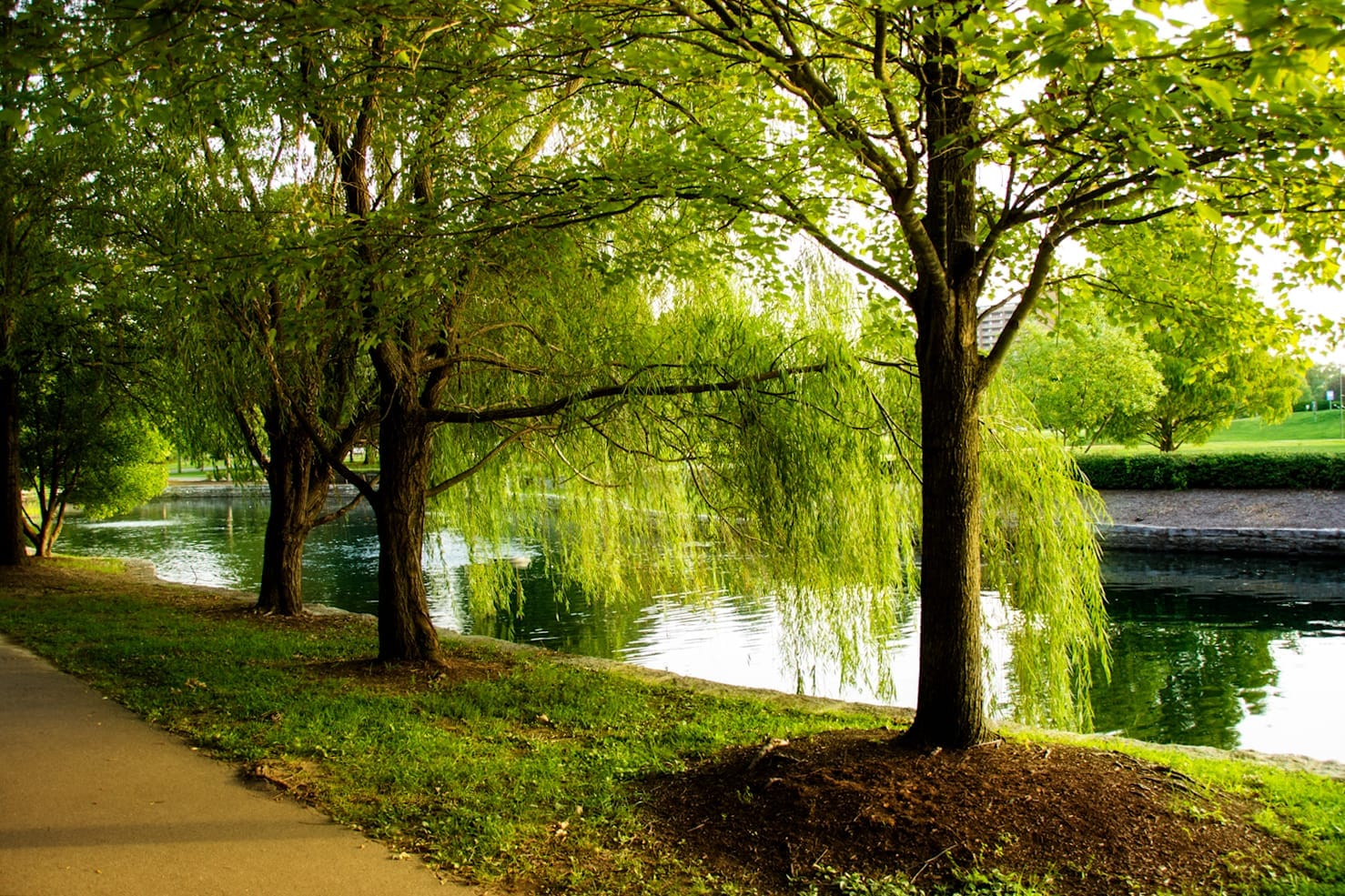
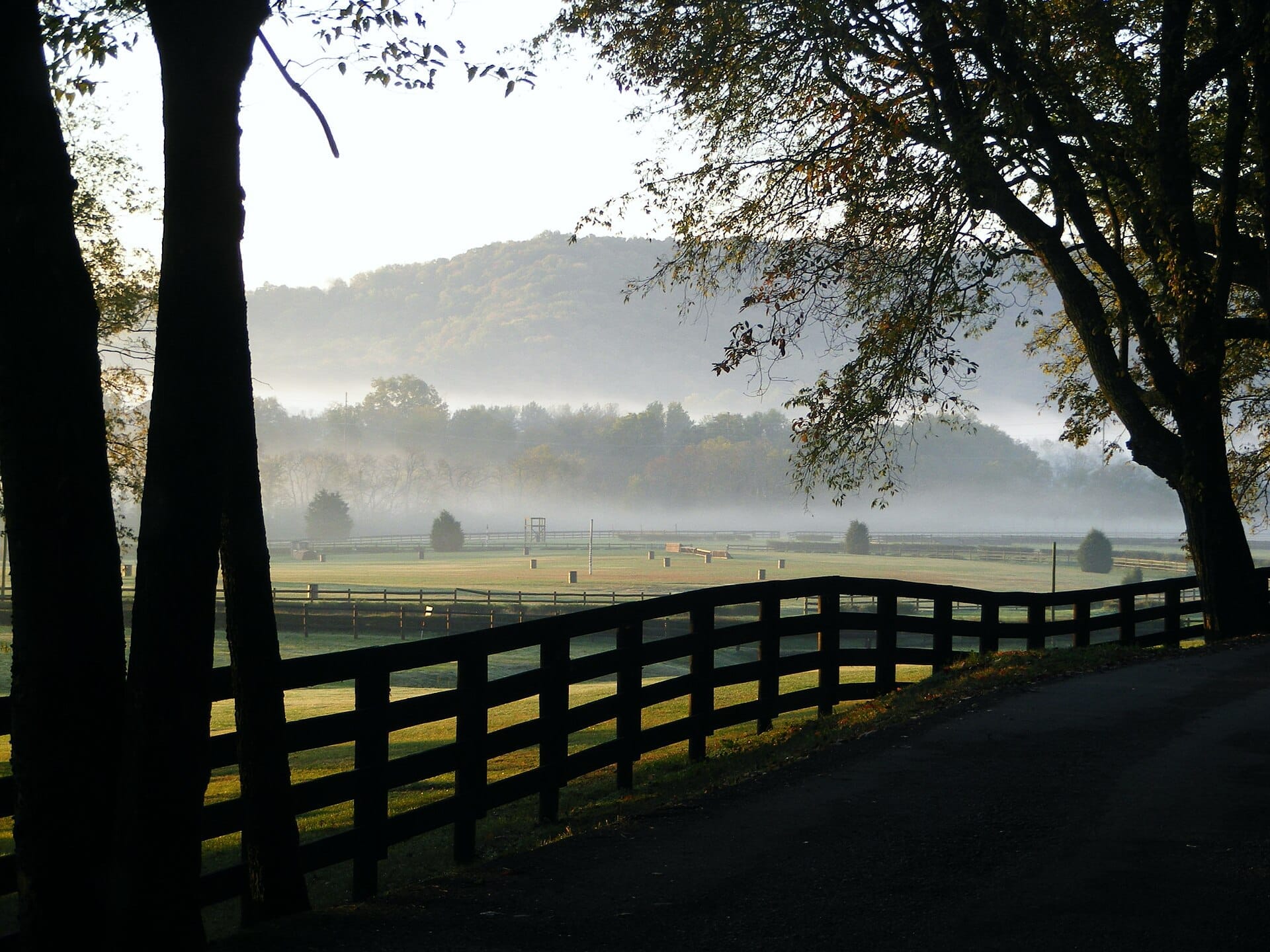
Belle Meade reads differently from almost every other part of Nashville. The streets are wide and quiet, lined with mature hardwoods whose canopies meet overhead in summer. The homes are set well back from the road behind stone walls and manicured hedges. There are no honky-tonks here, no neon signs, no rooftop bars. The loudest sound on a weekday morning along Belle Meade Boulevard is birdsong and the occasional distant lawnmower.
That said, this is not a place that is closed to visitors. Harding Pike is a functioning commercial corridor with local restaurants, specialty grocers, and a few upscale retail anchors. On weekend mornings, the stretch near the Belle Meade Historic Site sees a steady flow of visitors heading to the plantation grounds and winery. By mid-afternoon, the Cheekwood parking lot fills with families and garden enthusiasts, and in summer the grounds stay open into the evening for seasonal events. The residential streets remain calm throughout.
West Meade has an even lower commercial profile. Ranch-style homes on large lots dominate the landscape, and most of the activity here involves residents heading to Percy Warner Park for trail runs, dog walks, and weekend picnics. The mood is suburban in the classic American sense: spacious, green, and quiet. It appeals to travelers who want to decompress rather than explore an urban grid.
ℹ️ Good to know
Belle Meade is an independent city with its own police department, separate from Metro Nashville's. It is one of the wealthiest municipalities in Tennessee and functions with a distinctly residential, low-traffic character that differs sharply from other Nashville neighborhoods.
What to See & Do
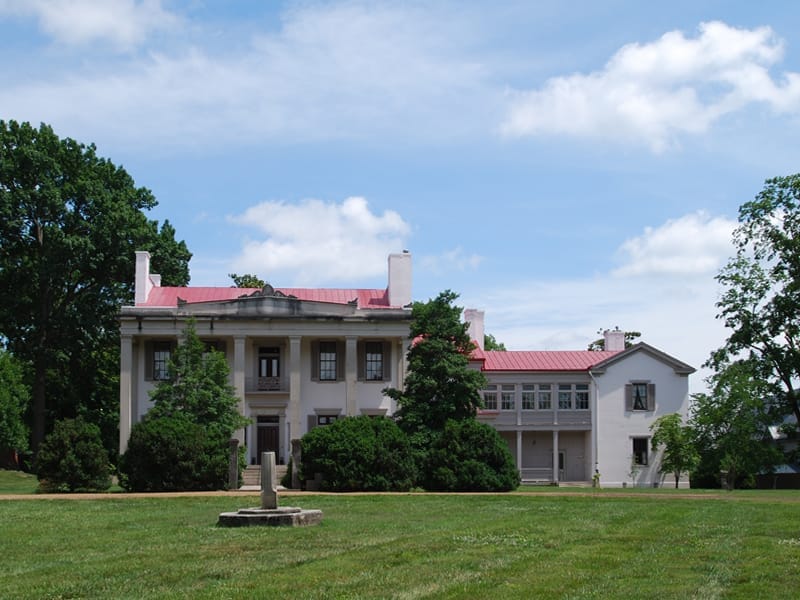
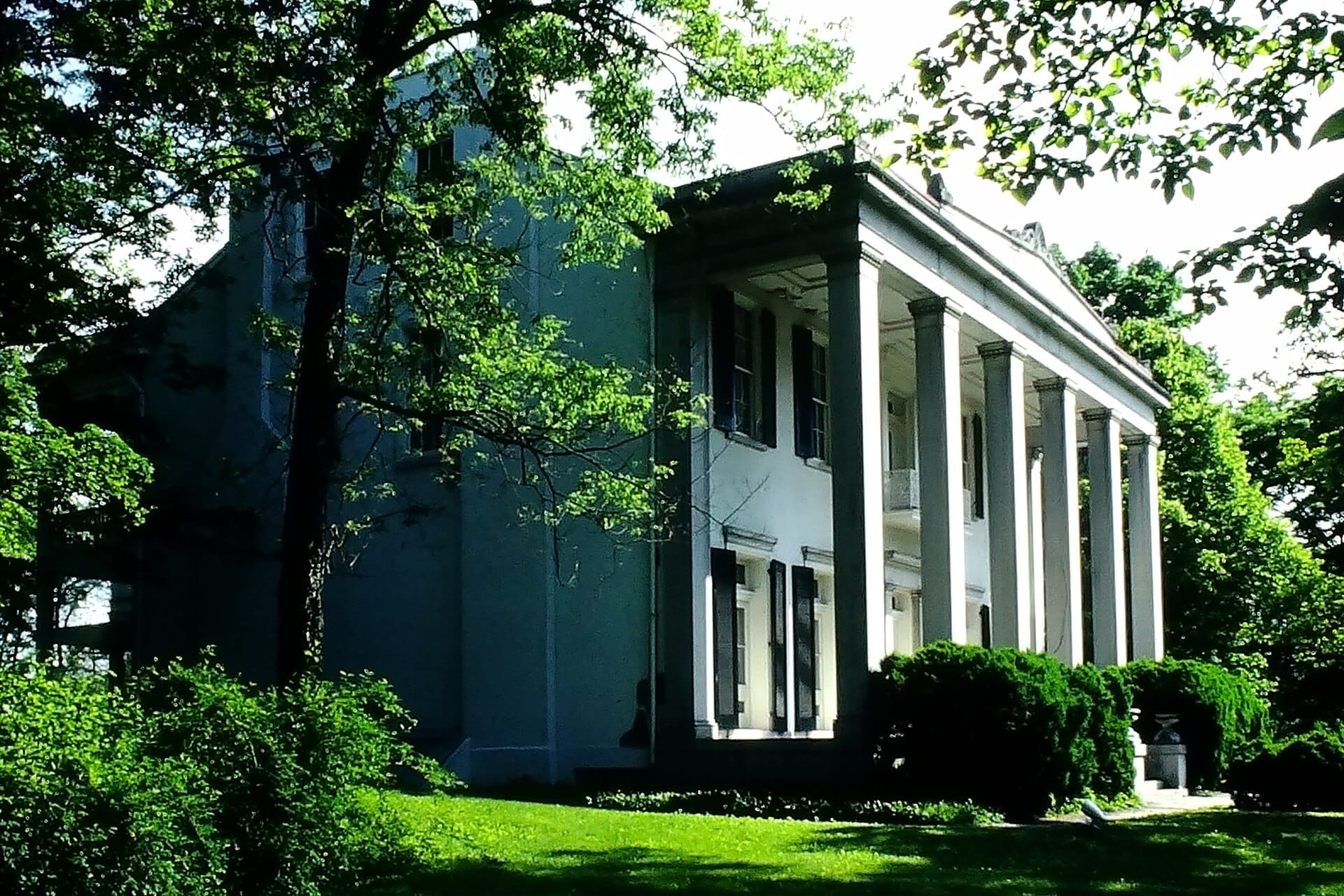
The Belle Meade Historic Site is the area's signature attraction. The antebellum mansion and surrounding grounds tell the story of a 19th-century horse-breeding estate and its enslaved workforce. The site includes a winery offering tastings, guided mansion tours, and regular events. It sits directly on Harding Pike and is clearly signposted. History-focused visitors should plan at least two hours here.
About a mile south off Forrest Park Drive, Cheekwood Estate & Gardens is a 55-acre botanical garden and art museum set on the grounds of a 1930s Georgian Revival mansion. The gardens are designed with year-round interest, and the collection of American art inside the mansion is substantial. Cheekwood is one of Nashville's most underrated cultural institutions. Spring tulip season and the winter lights installation draw the largest crowds, but the gardens are worth visiting at almost any time of year.
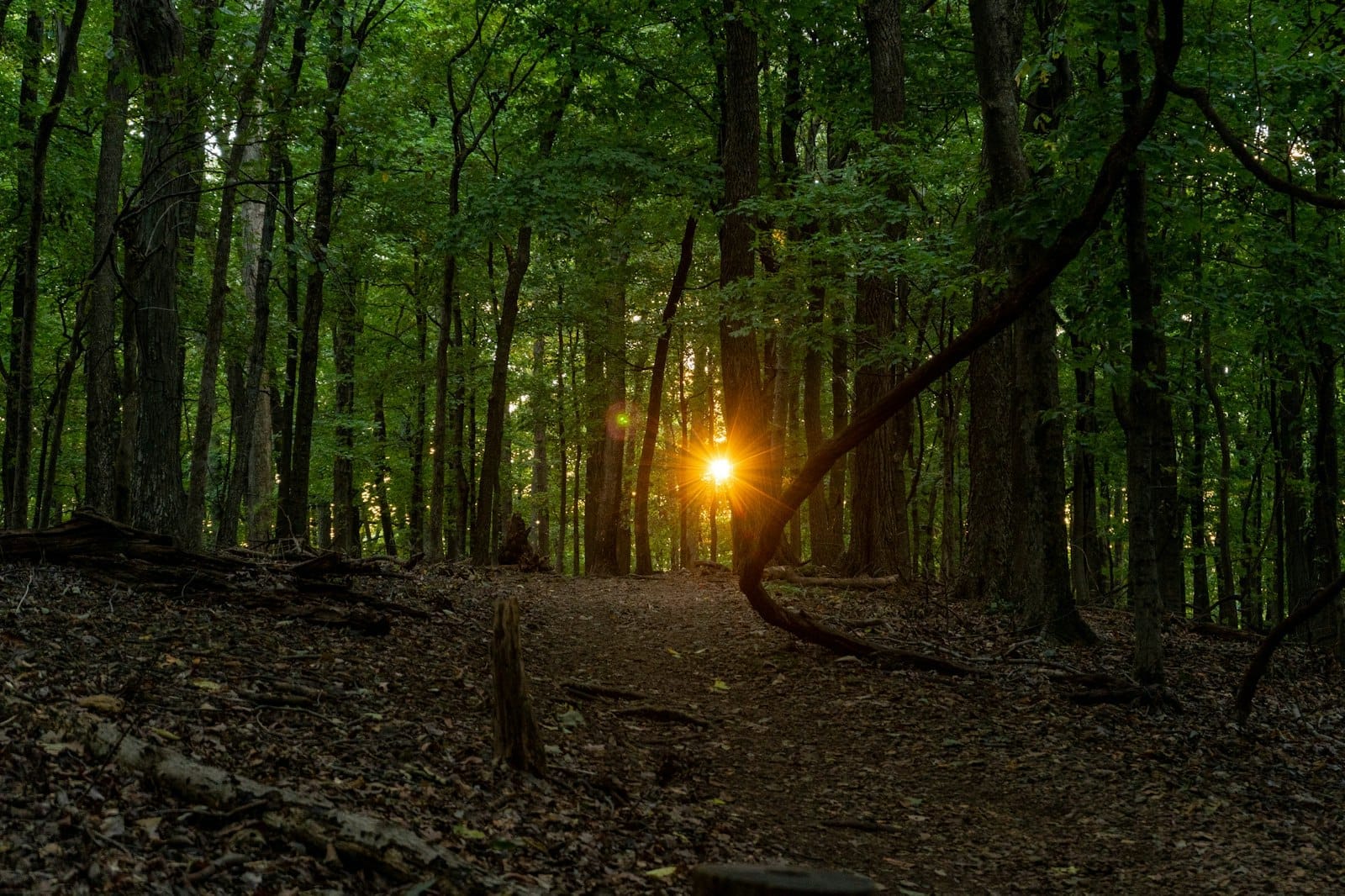
On the southwestern edge of West Meade, Percy Warner Park and Edwin Warner Park together form one of the largest municipal park systems in Tennessee. Together, Percy Warner and Edwin Warner Parks cover over 3,000 acres, with a network of hiking and bridle trails, steep ridgelines, and quiet hollows. The steeplechase track at the park hosts the Iroquois Steeplechase each May. For hiking options across the broader Nashville area, the hiking near Nashville guide covers the Warner Parks trails in detail alongside other regional options.
Belle Meade Historic Site & Winery: mansion tours, winery tastings, and seasonal events on Harding Pike
Cheekwood Estate & Gardens: botanical garden and American art museum off Forrest Park Drive
Percy Warner Park: part of a 3,000-plus-acre trail network of ridgelines and bridle paths on Nashville’s west side
Edwin Warner Park: adjacent to Percy Warner, more accessible trails and picnic facilities
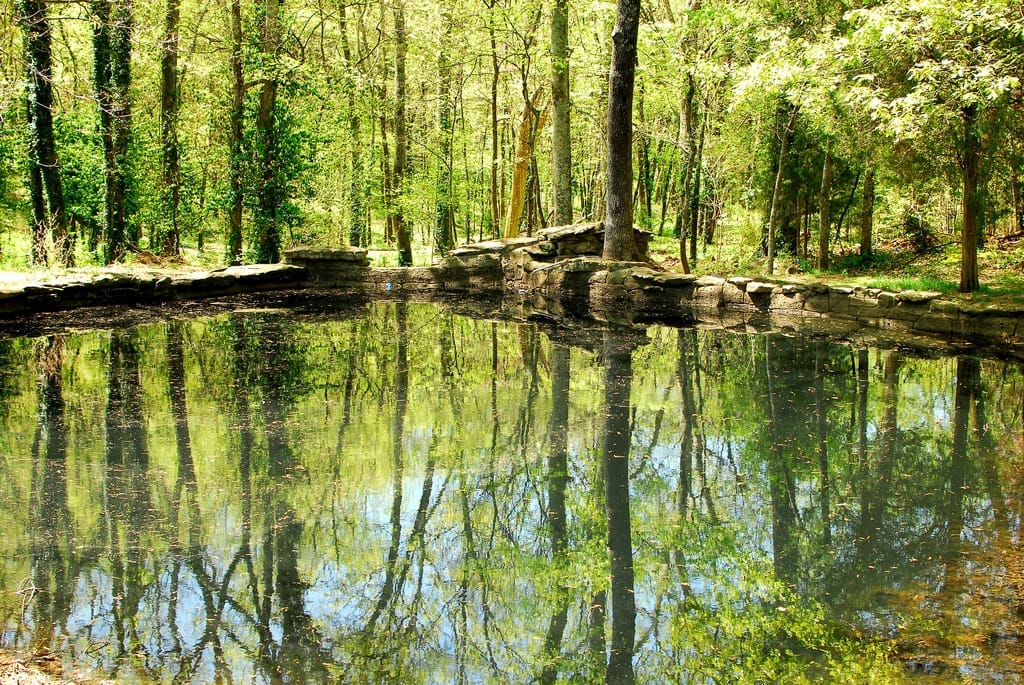
West Meade Waterfall: a small natural cascade within the West Meade residential area, worth a short detour
💡 Local tip
Cheekwood and the Belle Meade Historic Site are both ticketed attractions. Cheekwood in particular benefits from advance booking during spring and during its holiday lights season in November and December. Check their respective websites before visiting.
Eating & Drinking
The dining scene along Harding Pike and the surrounding Belle Meade area skews toward upscale casual and white-tablecloth Southern. This is not the part of Nashville to look for cheap hot chicken counters or dive bar happy hours. The commercial strip on Harding Pike includes a well-stocked specialty grocery and a handful of local restaurants serving a largely residential clientele, which means food is generally good quality and priced to reflect the neighborhood's affluence.
The Belle Meade Historic Site winery offers wine tastings paired with light food, and the Cheekwood estate has an on-site café serving lunch and seasonal menus. Both are reliable options if you're already visiting those attractions and don't want to drive elsewhere mid-visit.
For a wider dining selection, most visitors head east along Harding Pike toward Green Hills, where the Mall at Green Hills area supports a broader range of restaurants across multiple price points. Alternatively, Midtown Nashville and the 12 South corridor are a 10 to 15-minute drive away and offer significantly more variety. The Nashville food guide covers the city's broader culinary landscape, including Nashville hot chicken, meat-and-three diners, and the current restaurant scene.
⚠️ What to skip
If you're visiting Percy Warner Park or West Meade for a long outdoor session, bring food and water from elsewhere. There are no convenience stores or casual eateries near the park trailheads, and the nearest commercial options are several miles away on Harding Pike or Highway 100.
Getting There & Around
Belle Meade and West Nashville are car-oriented. Most visitors drive here, and that is genuinely the most practical approach. From downtown Nashville, the most direct routes are West End Avenue transitioning into Harding Pike (US-70S) heading west, or Charlotte Avenue heading northwest and then cutting south. Both routes typically take around 15 to 25 minutes in normal traffic conditions. The Percy Warner Park entrance on Old Hickory Boulevard is accessible from Highway 100 to the south.
Nashville does not have a metro or subway system. WeGo Public Transit operates bus service along West End Avenue and Harding Pike corridors, but route frequency is limited and the area is not well served for the kind of park-to-historic-site day trip most visitors make here. Ride-hailing via Uber or Lyft is reliable, though in West Meade specifically, wait times can be longer than in more central neighborhoods. For a broader overview of how to move around the city, see the getting around Nashville guide.
Nashville International Airport (BNA) is approximately 13 to 16 miles southeast of Belle Meade via I-40. The drive typically takes 25 to 35 minutes, longer during morning or evening peak hours. There is no direct transit connection from the airport to this area.
Once you're in Belle Meade, the residential streets are pleasant to drive and the signage to major attractions is clear. Parking is free and plentiful at both Cheekwood and the Belle Meade Historic Site. Within Percy Warner Park, several parking areas are accessible from Old Hickory Boulevard and the Chickering Road entrance, and trailheads are marked.
Where to Stay
Belle Meade and West Meade themselves have almost no hotel infrastructure. The area is residential by design, and short-term accommodation options within the Belle Meade city limits are minimal. Travelers who want to stay in the area typically book hotels in nearby Green Hills, in Midtown Nashville near Vanderbilt, or in downtown Nashville itself.
For visitors whose primary interest is in Cheekwood, the historic site, and the Warner Parks, a Midtown or West End hotel is a practical base. It puts you 10 minutes or less from Belle Meade's main attractions while keeping downtown Nashville accessible for evenings. The Nashville accommodation guide breaks down the city's neighborhoods and hotel options in detail. Visitors looking for a more luxurious Nashville experience may also want to cross-reference the Nashville luxury travel guide, as this corner of the city aligns well with upscale itineraries.
Short-term rental platforms do list some properties in the West Meade and West Nashville residential zones, and these can be an appealing option for families or small groups who want space, quieter streets, and easy access to the parks. This approach trades walkability to nightlife for comfort and a more local residential feel.
How Belle Meade Fits Into a Nashville Itinerary
Most visitors to Nashville spend the majority of their time in downtown Nashville and the surrounding entertainment districts. Belle Meade and West Nashville serve as a half-day or full-day excursion from that base, best suited to travelers who want something different from the Broadway corridor. A well-structured day here might combine a morning at Cheekwood, lunch at the Belle Meade Historic Site winery, and an afternoon on the trails at Percy Warner Park.
This area pairs naturally with other culturally and historically oriented parts of a Nashville trip. Visitors interested in the city's deeper history might combine a Belle Meade visit with the Country Music Hall of Fame downtown or with day trips to sites like The Hermitage or the Natchez Trace Parkway, both of which are easily reached from the West Nashville side of the city. The Nashville Civil War history guide provides useful context for understanding why Belle Meade's plantation history sits at such a complicated intersection of Tennessee heritage.
If you're working out a broader itinerary, the 3 days in Nashville itinerary allocates a half-day to the Belle Meade and Cheekwood area as a counterweight to the more music-focused days downtown.
TL;DR
Belle Meade is an independent incorporated city within Nashville's western edge, known for grand estates, tree-lined streets, and a quiet residential character entirely unlike downtown Nashville.
The area's two headline attractions are the Belle Meade Historic Site and Winery on Harding Pike and Cheekwood Estate & Gardens off Forrest Park Drive, both ticketed and worth 2-plus hours each.
Percy Warner Park on the southwestern edge of West Meade is part of the more than 3,000-acre Warner Parks system and is one of the standout urban green spaces in Tennessee.
The area is car-dependent: no metro or subway reaches here, and WeGo bus service is limited. A rental car or ride-hail is the practical way to visit.
Best suited to travelers who want a cultural and nature-oriented half-day away from Nashville's entertainment core, particularly those interested in Southern history, botanic gardens, or trail hiking.
Two days in Nashville is enough time to hit the music landmarks, eat well, explore distinct neighborhoods, and catch live music at night — if you plan smartly. This guide lays out a realistic, hour-by-hour framework with current prices, crowd warnings, and the honest trade-offs.
Three days is enough time to cover Nashville's best music landmarks, eat your way through the food scene, and catch a live show worth remembering. This itinerary is built around practical logistics, honest recommendations, and enough flexibility to make it your own.
Nashville's music museums go far beyond country. Whether you're tracing Johnny Cash's life through personal artifacts, standing in Elvis's recording booth, or learning how African American musicians shaped every genre we know, these institutions tell the full story of American music. Here are the best.
Nashville rewards visitors year-round, but the best time to visit depends on your priorities: mild weather, major events, budget, or avoiding crowds. This guide breaks down every season with honest assessments so you can plan the perfect trip.
CMA Fest is four days of country music taking over downtown Nashville every June, with free outdoor stages, nightly stadium shows, and thousands of fans from around the world. This guide covers tickets, venues, logistics, what to wear, and how to get the most out of the festival without wasting money or time.
Nashville sits within easy reach of historic small towns, national battlefields, scenic parkways, and legendary distilleries. These are the best day trips from Nashville, organized by distance and theme, so you can plan the perfect escape from the city.
Nashville delivers serious value for budget travelers. Between free world-class museums, no-cover live music on Broadway, scenic parks, and iconic street art, you can fill multiple days in Music City without opening your wallet. Here are the best free things to do in Nashville.
Nashville is a car-friendly city with limited public transit, but visitors have more options than they might expect. This guide covers everything from arriving at BNA to navigating neighborhoods by bus, bike, rideshare, or on foot, with honest advice on what actually works.
The Grand Ole Opry is one of the longest-running live radio shows in American history, and buying tickets is easier than most visitors expect. This guide covers pricing, seating, show formats, and practical logistics so you arrive prepared.
Nashville sits within easy reach of some of Tennessee's finest hiking. Whether you want a quick trail before dinner or a full-day escape into forest and river scenery, these are the best hikes near Nashville for every skill level.
Nashville International Airport (BNA) is the busiest airport in Tennessee, handling 24.7 million passengers in 2024. This guide covers the terminal layout, parking costs, lounge access, ground transportation options, airline routes, and practical tips to help you navigate BNA with confidence.
Nashville has become the undisputed capital of bachelorette weekends in the U.S., and for good reason. From Lower Broadway honky-tonks to Cumberland River party cruises and rooftop pools, this guide covers every activity, neighborhood, and practical detail you need to plan a weekend that actually delivers.
Nashville played a pivotal role in the Civil War as the first Confederate state capital captured by Union forces, and the site of one of the war's most decisive battles. This guide covers every major site, self-guided tour routes, seasonal tips, and the historical context you need to make sense of what you're standing on.
Nashville's craft spirits scene has grown into one of the most exciting in the South, with urban tasting rooms, multi-stop guided tours, and day trips to legendary Tennessee whiskey producers. This guide covers every option, from walk-in flights to full barrel-pick experiences, so you can plan the right visit for your group.
Lower Broadway is just the start. This guide covers Nashville's best honky-tonks and live music venues, from the neon-lit bars of Honky Tonk Highway to intimate songwriter rooms, bluegrass clubs, and music history landmarks that define the city's sound.
Nashville transforms in December with sprawling light displays, live holiday concerts, outdoor markets, and seasonal shows running from mid-November through early January. This guide covers the top events, what to book in advance, and how to make the most of the holiday season in Music City.
October is widely considered the best month to visit Nashville. Temperatures drop to a comfortable range, the city's event calendar fills up with fall festivals and live music, and the usual summer crowds thin out. This guide covers exactly what to expect, what to book ahead, and what to skip.
Nashville, Tennessee earns its Music City nickname with over 250 live music venues spanning free honky-tonks, songwriter showcases, bluegrass clubs, and major concert halls. This guide breaks down exactly where to go, what to expect, and how to plan your nights around live music in Nashville.
Nashville has evolved into a serious luxury destination. From Five-star hotels along the Cumberland River to farm-to-table fine dining and private honky-tonk experiences, this guide covers every high-end option, what it actually costs, and when to book for the best value.
Nashville earned the 'Music City' nickname long before country music dominated the airwaves. This guide traces the city's musical roots from 19th-century folk traditions and the Fisk Jubilee Singers through the Grand Ole Opry, the Nashville Sound, and today's sprawling live music scene across more than 100 live music venues.
Nashville's nightlife runs much deeper than the neon strip of Lower Broadway. This guide breaks down every major nightlife zone, from the honky-tonk highway to rooftop bars in The Gulch and intimate listening rooms in East Nashville, with practical details on hours, cover charges, and what to expect each night of the week.
Nashville has a reputation as a party city with party-city prices, but that reputation is only half true. With free live music on Broadway every night, several genuinely free museums, a bus that runs from the airport to downtown for around $2, and walkable neighborhoods full of no-cost attractions, a trip to Music City can be remarkably affordable if you know what to skip and what to prioritize.
Nashville draws millions of visitors every year, and for good reason. But is Nashville safe for tourists? This guide breaks down crime statistics by area, identifies which neighborhoods to know, and gives you concrete, practical advice for staying safe during your trip.
Nashville shopping is neighborhood-driven, not centered on one district. This guide breaks down every major shopping area — from the upscale Mall at Green Hills to the indie boutiques of 12 South and the monthly Flea Market at The Fairgrounds — so you spend less time wandering and more time buying.
Nashville is one of the most approachable solo travel destinations in the American South. This guide covers getting around, the best neighborhoods to base yourself in, where to find live music without a group, safety considerations, and how to budget your trip from airport to honky-tonk.
Nashville sits within easy reach of some of Tennessee's finest outdoor spaces. These state parks and natural areas offer everything from serene lakeside hikes to swimming beaches, scenic river paddles, and wildlife-rich forests — all within a short drive of the city.
The drive from Nashville to Knoxville covers roughly 180–190 miles along I-40 East and takes about 2.5 to 3 hours without stops. This guide covers the best detours, state parks, historic sites, and seasonal advice to help you get more out of one of Tennessee's most rewarding road trips.
Nashville's downtown core is compact enough to cover on foot in a single morning or afternoon. This guide maps out the best self-guided walking routes from Riverfront Park to the Tennessee State Capitol, with honest notes on timing, audio tools, and which detours are actually worth your steps.
Nashville is far more than a party destination. From hands-on science museums and wildlife encounters to free parks and live country music, the city offers a full week of family-friendly activities. This guide breaks down the best things to do in Nashville with kids, organized by type, age, and budget.
Nashville delivers a surprisingly rich mix of romantic experiences for couples: iconic music venues, candlelit listening rooms, lakeside parks, and skyline walks along the Cumberland River. This guide covers the best options by category, with honest advice on what's worth your time and what to skip.
Nashville is far more than a country music backdrop. This guide covers the best things to do in Nashville across music, history, outdoors, and food — with honest takes on what's worth your time, what to skip, and how to plan around crowds and seasons.
Nashville has far more to offer than neon-lit honky-tonks and country radio hits. From a full-scale ancient Greek temple in a public park to a record store that cuts vinyl of your voice, these are the experiences that make Nashville genuinely unlike any other American city.
Nashville's food scene runs deeper than hot chicken. This guide covers the city's essential dishes, the neighborhoods where you'll find them, practical ordering tips, and honest takes on what lives up to the hype and what doesn't.
Choosing where to stay in Nashville shapes your entire trip. This guide breaks down every major neighborhood by walkability, price, vibe, and who it suits best — so you spend less time researching and more time on Broadway.