Cheekwood Estate & Gardens: Nashville's Most Rewarding Half-Day Escape
Cheekwood Estate & Gardens combines a National Register-listed 1930s mansion, 55 acres of cultivated gardens, a 1.5-mile woodland sculpture trail, and a serious art museum under one admission. Located about 8.5 miles southwest of downtown Nashville in the Belle Meade area, it rewards slow exploration across multiple seasons.
Quick Facts
- Location
- 1200 Forrest Park Drive, Nashville, TN 37205 — approx. 8.5 miles southwest of downtown, Belle Meade area
- Getting There
- Best reached by car or rideshare via I-40/I-440 toward Belle Meade; on-site parking available. No direct WeGo bus route serves the property; the nearest WeGo stops are over a mile away and still require a walk or rideshare connection.
- Time Needed
- 2.5 to 4 hours for a full visit; plan more during seasonal festivals
- Cost
- Dynamic dated pricing in USD; discounts for members, children, seniors, and military. Check cheekwood.org/tickets for current rates before visiting.
- Best for
- Garden lovers, art enthusiasts, families, couples, and anyone wanting a quieter counterpoint to downtown Nashville
- Official website
- cheekwood.org
What Cheekwood Actually Is
Cheekwood Estate & Gardens is a 55-acre botanical garden, arboretum, and art museum built around the former home of Leslie and Mabel Cheek, who began developing the property in 1929. The roughly 30,000-square-foot Georgian Revival mansion sits at the heart of the estate, surrounded by a series of formally designed outdoor rooms: a Japanese garden, a herb garden, color trial beds, and a shaded woodland garden that bleeds into a 1.5-mile sculpture trail threading through the tree canopy.
The Cheeks made their fortune through Maxwell House Coffee, and the scale of what they built reflects that wealth, without feeling ostentatious today. After Mabel Cheek's death, the property transitioned to public use: Cheekwood opened as a museum of art and botanical garden in 1960 and has operated continuously since. It is listed on the National Register of Historic Places.
Visitors expecting a typical city park will be surprised. Cheekwood functions more like a country estate that happens to be accessible, and it occupies very different mental space from Nashville's Centennial Park or the downtown greenways. There's a real curatorial hand at work in both the gardens and the galleries, and the combination of architecture, horticulture, and fine art in one admission is genuinely unusual.
💡 Local tip
Cheekwood uses dated, dynamic ticket pricing, meaning the cost varies by the day you visit and which event is running. Buy tickets in advance at cheekwood.org/tickets to lock in your date and avoid the walk-up queue.
The Gardens: What's Where and When It Peaks
The estate is organized into distinct garden areas, each with its own character and seasonal high point. The formal color trial gardens near the mansion's terraces are at their most photogenic in late spring and early summer, when the annuals are fully established and the geometry of the beds reads clearly from the upper terraces. The Japanese garden, tucked into a lower slope, operates on a different rhythm: it's worth visiting in late October or early November when the maples shift color, and again in early spring before the crowds arrive.
The woodland garden and sculpture trail are the estate's most underappreciated feature. Tall hardwoods create a canopy overhead, and the light filtering through on a clear morning is genuinely different from anything else you'll find in the Nashville area. Sculptures appear at irregular intervals along the path, some large-scale commissions, some rotating loans. The terrain involves gentle slopes and some uneven footing, particularly after rain, so trail shoes or flat-soled walking shoes are more practical than sandals.
Spring is the peak season at Cheekwood. The tulip display, one of the largest in the Southeast, draws significant crowds in March and April, and the Cheekwood in Bloom festival brings additional programming and heavier foot traffic. If you're visiting specifically for the tulips, arrive at opening time on a weekday to avoid congestion on the main garden paths.
ℹ️ Good to know
Seasonal conditions significantly affect the experience. Summer visits (June-August) mean heat and humidity, with highs regularly around 88-90°F. The woodland trail provides shade and is noticeably cooler than the open terrace gardens. Bring water, and consider a morning start.
Tickets & tours
Live prices and dates from our booking partner. If you book, we may earn a commission at no extra cost to you.
Old Town trolley tour of Nashville
From 54 €Instant confirmationFree cancellationHatch Show Print guided tour
From 21 €Instant confirmationFree cancellationDowntown walking tour of Nashville
From 21 €Instant confirmationFree cancellationNashville Downtown Underground Donut Tour
From 46 €Instant confirmationFree cancellation
The Mansion and Art Museum
The mansion itself houses rotating and permanent art exhibitions across several gallery spaces. The permanent collection has a concentration in American art, with particular depth in early 20th-century works, alongside decorative arts displayed in the context of how the Cheeks actually used the rooms. Walking through the domestic spaces, with their original scale and detailing intact, gives the art a different context than a white-cube gallery would.
The house reads as formal but not cold. The entry hall, dining room, and library have all been preserved with enough period furnishings to communicate how the space was lived in, while the upper gallery wings function more conventionally as exhibition space. Plan roughly 45 to 60 minutes inside the mansion if you engage seriously with both the house and the art. Rushing through to get back outside is a common mistake.
If art museums are your primary focus in Nashville, Cheekwood pairs well with a visit to the Frist Art Museum downtown, which has a stronger contemporary program and a different architectural sensibility. The two institutions cover different ground.
Seasonal Events and Evening Programming
Cheekwood's calendar runs well beyond standard daytime visits. The Cheekwood in Bloom festival in spring and the Harvest Nights event in autumn attract visitors who might not otherwise think of a botanical garden as an evening destination. During Harvest Nights, the grounds are lit with thousands of individual displays, and the estate takes on a completely different character after dark: the familiar garden paths feel less familiar, the light plays against the stonework of the mansion differently, and the combination of cool air and warm lighting is genuinely pleasant.
Evening events require separate tickets and often sell out in advance, particularly on weekends. Check the official calendar at cheekwood.org well before your travel dates if you have a specific event in mind. Hours during special events extend beyond the standard daily 9:00 AM to 5:00 PM schedule.
⚠️ What to skip
Cheekwood may adjust its schedule seasonally; check current hours before planning a Monday visit. If your Nashville itinerary only allows one full free day and it falls on a Monday, plan accordingly. Hours also vary for special events, so verify at cheekwood.org/visit before you go.
Practical Walkthrough: Getting There and Getting Around
Cheekwood is not accessible by direct public transit from downtown Nashville. The most practical options are a personal vehicle or rideshare via Uber or Lyft. From downtown, the drive takes roughly 20 to 25 minutes via I-440 West toward Belle Meade, with on-site parking available at the property. The parking area is adjacent to the main entry building.
The Belle Meade and West Nashville area where Cheekwood sits is the same general corridor as the Belle Meade Historic Site, another 19th-century estate about 10 minutes away by car. Combining the two makes a logical full-day itinerary focused on Nashville's estate history.
Within the grounds, the main visitor path covers about 1.5 miles along the sculpture trail, with additional garden areas branching off near the mansion. The terrain includes paved paths near the mansion and terraces, gravel paths through the formal gardens, and natural surface trail in the woodland section. Wheelchairs and strollers are manageable in most of the paved and gravel areas; the woodland trail presents more of a challenge. Contact Cheekwood directly for specific accessibility accommodations.
There is an on-site cafe and a museum shop at the visitor center. The cafe is a practical option for a mid-visit break, though it's not a destination restaurant. If you're planning a full afternoon and want a proper meal, the Green Hills and Belle Meade neighborhoods nearby have several good options within a short drive.
Photography and What to Expect at Different Hours
The gardens photograph best in the two hours after opening (9:00 to 11:00 AM), when the light is angled and crowds haven't yet peaked. The formal terraces below the mansion's south facade get direct morning sun and reflect well off the stone balustrades. The woodland sculpture trail is better for photography on overcast days, when the diffused light reduces harsh shadows under the tree canopy.
Midday on clear days, particularly in summer, produces flat light and visible heat haze on the open garden areas. If you arrive at midday, start with the mansion interior and the shaded woodland trail, then return to the open terraces in the late afternoon when the light softens. The estate gets quieter again after 3:30 PM on most non-event days, and the late-afternoon angle on the mansion's red brick is warmer and more photogenic than high noon.
Cheekwood's setting within Nashville's broader park system is worth noting. Percy Warner Park is a short drive west, offering a completely different kind of outdoor experience. If you're building a nature-focused day, see the Percy Warner Park guide for trail and terrain details.
Insider Tips
- Cheekwood's membership pays for itself in roughly two visits and includes free general admission throughout the year. If you're in Nashville for a week or plan to return, it's worth considering at the ticket desk.
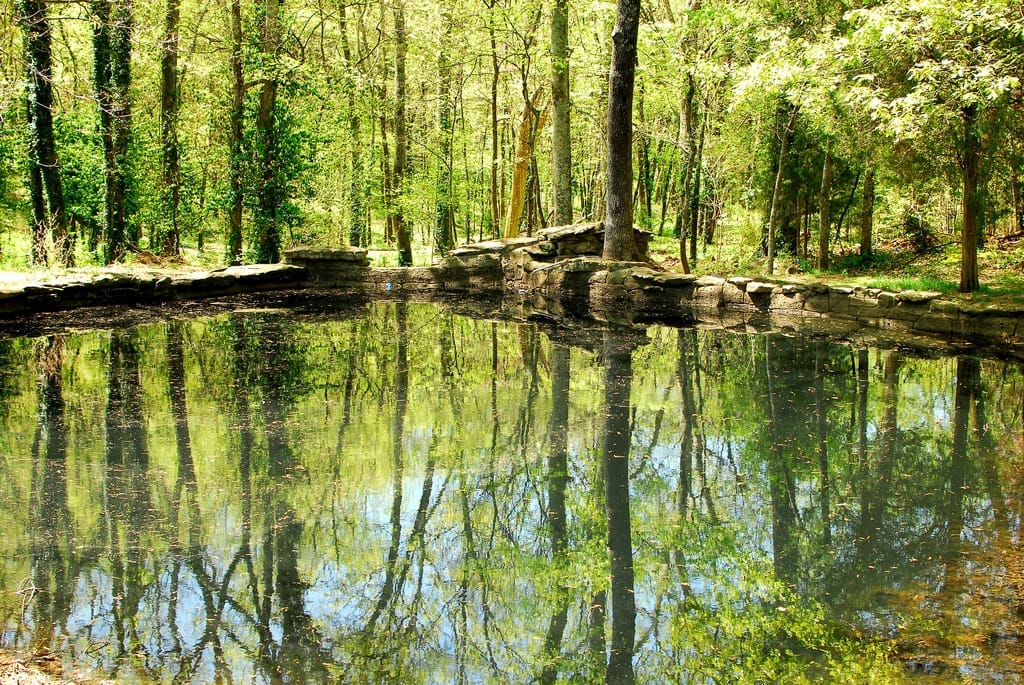
- The Japanese garden's lower pond is easy to miss if you follow the main path without looking for the side turn near the woodland trail junction. It's worth the detour, especially in early morning when the water is still and the reflection is clear.
- During the Cheekwood in Bloom tulip festival, go straight to the color trial beds near the upper terraces first, before the main garden paths fill up. The beds closest to the mansion entrance see the most foot traffic; the beds further along the terrace are often quieter and equally photogenic.
- The mansion's upper gallery rooms are frequently overlooked by visitors focused on the ground-floor historic rooms. The upper-level exhibition spaces often hold the more interesting rotating shows, and they're rarely crowded even when the ground floor is busy.
- Rideshare drop-off and pickup works well at the main entrance, but during popular evening events the pickup wait can be 10 to 20 minutes. Order your ride before you reach the exit rather than waiting at the gate.
Who Is Cheekwood Estate & Gardens For?
- Garden and horticulture enthusiasts who want seasonal variety across multiple visits
- Couples looking for a quieter, more relaxed alternative to Nashville's downtown scene
- Families with children old enough to walk the trails (roughly age 5 and up)
- Art museum visitors who want architectural and landscape context alongside the collection
- Photographers working in natural light who want strong subjects across both open and woodland settings
Nearby Attractions
Other things to see while in Belle Meade & West Nashville:
- Belle Meade Historic Site & Winery
Belle Meade Historic Site & Winery sits on 30 acres in west Nashville, preserving a Greek Revival mansion that once anchored one of America's most celebrated Thoroughbred breeding farms. Guided tours cover the full arc of the site's history, including the lives of the enslaved people who built and ran it, followed by wine tastings in a setting that is equal parts educational and scenic.
- The Bluebird Cafe
Since 1982, the Bluebird Cafe has operated as a 90-seat listening room in Nashville's Green Hills neighborhood, roughly 10 miles south of downtown. It's where professional songwriters perform in the round, face to face with the audience, in a format that has no equivalent on Broadway.
- Centennial Park
A 132-acre public park listed on the National Register of Historic Places, Centennial Park sits approximately two miles west of downtown Nashville across from Vanderbilt University. It is free to enter, open daily until 11 PM, and home to the only full-scale replica of the ancient Parthenon in the world.
- Nashville Zoo at Grassmere
Spread across 188 acres of former farmland just six miles southeast of downtown Nashville, the Nashville Zoo at Grassmere combines wildlife exhibits with a preserved 19th-century homestead. It is one of the most substantive family attractions in Middle Tennessee, and worth more than a quick morning stop.
Planning a trip? Discover personalized activities with the Nomado app.