Percy Warner Park: Nashville's Best Urban Wilderness
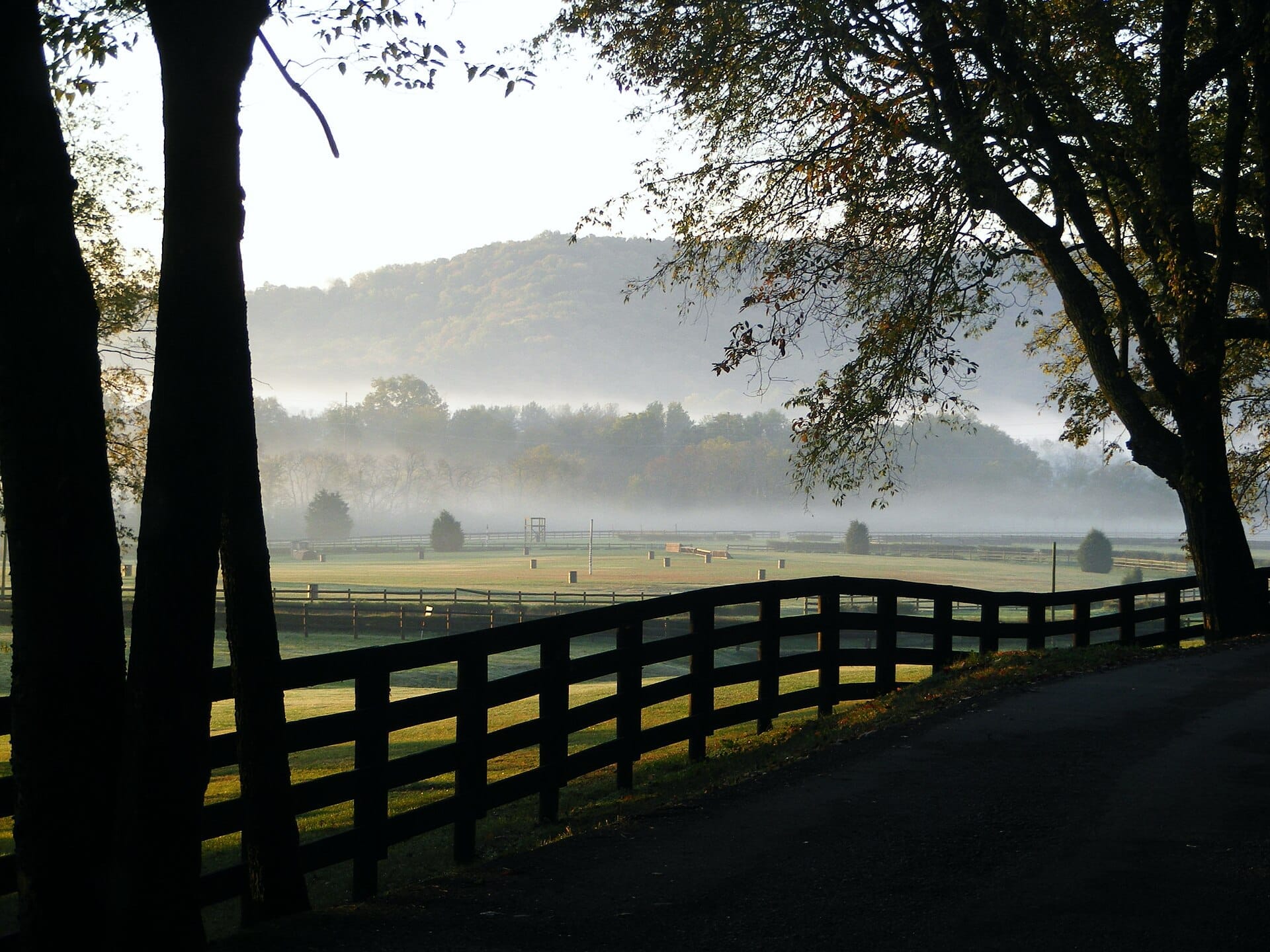
Percy Warner Park is a large municipal forest on Nashville's western edge, part of the 3,100-acre Warner Parks system shared with Edwin Warner Park. It offers free hiking trails, equestrian paths, and one of the most dramatic stone entrances in any American city park. It rewards early mornings and autumn weekdays equally.
Quick Facts
- Location
- 50 Vaughn Rd, Nashville, TN 37221 — Belle Meade, approx. 9 miles west of downtown
- Getting There
- No direct bus service; car, rideshare (Uber/Lyft), or bike via Belle Meade Blvd recommended
- Time Needed
- 1.5 to 4 hours depending on trail length; full-day possible for equestrians or trail runners
- Cost
- Free admission; no entry fee
- Best for
- Hikers, trail runners, equestrians, families seeking green space, early-morning walkers
- Official website
- warnerparks.org
What Percy Warner Park Actually Is
Percy Warner Park is a free, municipally managed natural area in the Belle Meade section of west Nashville, operated by Metro Nashville Parks and Recreation alongside the adjacent Edwin Warner Park. Together, the two parks form a contiguous green corridor covering more than 3,100 acres, placing them among the largest municipal natural parks in the United States. Percy Warner is the wilder, more topographically dramatic of the pair, with ravines, ridgelines, and a dense second-growth hardwood forest that feels genuinely remote for a park inside a major American city.
The park's trail network accommodates hikers of multiple skill levels, and approximately 10 miles of the route system are designated equestrian paths. On any given weekday morning, you will share the trailheads with dog walkers, trail runners logging serious mileage, and the occasional horse and rider. On weekend afternoons, particularly in spring and October, parking lots fill early and the first mile of popular loops can feel crowded near the entrances.
💡 Local tip
Arrive before 9:00 am on weekends to secure parking near the Vaughn Road entrance. By 10:30 am on pleasant fall or spring days, lots can fill completely.
The Allee: An Entrance Worth the Drive Alone
The most photographed feature of Percy Warner Park is the formal stone staircase known as The Allee, located at the end of Belle Meade Boulevard. Constructed with hand-laid limestone in a style that recalls European landscape formalism, the stairway descends through a double row of cedars and marks the historic ceremonial entrance to the park. The scale of it catches most first-time visitors off guard: this is not a modest park path but a grand civic gesture, the kind of infrastructure that signals a serious commitment to public green space.
The Allee dates to the park's development period following its 1927 establishment as a public park, which traces back to 1926 when Luke Lea donated 868 acres to the City of Nashville from former Belle Meade Plantation lands. The land was eventually donated and shaped into what became the Warner Parks, named for prominent Nashville families who were instrumental in the park's creation. The stone construction, the grade of the steps, and the cedar alignment all reflect the influence of landscape design principles popular in American civic parks of that era.
Practically speaking: The Allee involves a significant number of stone steps and no step-free alternative on that specific route. Visitors with mobility limitations should use other park access points and consult Metro Nashville Parks directly about accessible routes. The staircase is also slick after rain, so approach it with appropriate footwear on wet days.
Tickets & tours
Live prices and dates from our booking partner. If you book, we may earn a commission at no extra cost to you.
Old Town trolley tour of Nashville
From 54 €Instant confirmationFree cancellationHatch Show Print guided tour
From 21 €Instant confirmationFree cancellationDowntown walking tour of Nashville
From 21 €Instant confirmationFree cancellationNashville Downtown Underground Donut Tour
From 46 €Instant confirmationFree cancellation
Trails: What the Park Looks and Feels Like on Foot
Most trails in Percy Warner Park are natural-surface paths, meaning packed earth, exposed roots, loose rock on descents, and creek crossings on some routes. The terrain is genuinely hilly. This is not a flat greenway stroll; even the shorter loops involve noticeable elevation change as the park's ravines cut through the ridgeline. In summer, the forest canopy provides significant shade, and the trails stay noticeably cooler than the surrounding city streets, though the humidity is inescapable from June through August.
Early mornings in autumn are the park's peak sensory experience. By late October, the canopy shifts to amber and rust, filtered light comes through at low angles, and the leaf litter softens footsteps on the trail surface. Birdsong is most active in the first hour after sunrise. By contrast, a midsummer midday visit is a quieter, more private experience, since most locals have either come and gone or stay away during peak heat.
Trail runners use Percy Warner year-round, and the park has become part of Nashville's serious running community, connecting to the culture of endurance sports that has grown alongside the city's population. If you are exploring Nashville's outdoor scene beyond urban greenways, the hiking near Nashville guide covers Percy Warner alongside several other strong options within driving distance of the city.
⚠️ What to skip
Natural-surface trails become muddy and slippery after significant rain. Several sections cross drainage areas that pool after storms. Waterproof shoes or trail runners are recommended from November through March.
Practical Walkthrough: How to Plan Your Visit
The main entrance at 50 Vaughn Road provides the most practical access point for first-time visitors, with parking and direct trail access. The park is open daily from 6:00 am to 8:00 pm. There is no entry fee. Restroom facilities are available at various points in the park, though availability in remote trail sections is limited, so plan accordingly before heading out on longer routes.
Percy Warner Park sits about 9 miles west of downtown Nashville in the Belle Meade area. There is no convenient public bus route that serves the park directly, making a car or rideshare the practical choice for most visitors. If you are relying on Uber or Lyft, note that return pickups from inside the park require a cell signal, which is generally available but can drop in deep ravine sections.
The surrounding Belle Meade area is worth noting for context. This is one of Nashville's wealthier residential corridors, with large estates and the nearby Belle Meade Historic Site, a 19th-century plantation turned museum that adds historical depth to a visit to this part of the city. The two sites pair well on a half-day itinerary if you are making the drive from downtown.
What to bring: A trail map downloaded offline before you arrive (cell coverage is inconsistent in the park's interior). Water, more than you think you need in summer. Layers in shoulder seasons since temperatures in the ravines can be several degrees cooler than the parking lot. Dogs are welcome on leash.
Photography and the Best Conditions by Season
The park's visual appeal peaks twice a year. Spring brings wildflower bloom along creek drainages in April and May, with redbud and dogwood visible near the forest edges. Fall color typically peaks in Nashville between mid-October and early November, and Percy Warner's mature hardwoods, including oaks, hickories, and maples, produce reliable color. The Allee entrance with its cedar-lined stairway photographs best in early morning light when the angle is low and the shadows are long.
Summer offers the most dramatic green density if you are shooting forest interiors, but the light is flat and harsh through the canopy for most of the day. Winter strips the deciduous trees bare, revealing the actual topography of the park's ridgelines more clearly than any other season, and it is genuinely uncrowded from January through February.
If you are building a broader Nashville outdoor itinerary, Nashville in October outlines why the fall window is particularly strong for this part of Tennessee, both for parks and for the city's wider calendar.
Who Should Skip Percy Warner Park
Percy Warner Park is a nature park with minimal infrastructure. Visitors expecting manicured grounds, interpretive signage throughout, on-site food vendors, or paved paths across the entire system will be disappointed. It is not a destination park with a central attraction; it is a forest you walk through. Travelers on a short city trip who have only one or two days and are primarily interested in Nashville's music, food, or cultural history will get more return from time spent in other parts of the city.
Visitors with significant mobility limitations should approach with caution. The natural-surface trails and the stone staircase at The Allee are not accessible by wheelchair or for those with limited stability on uneven ground. Metro Nashville Parks can advise on which specific areas of the combined Warner Parks system offer more accessible options. For a different kind of outdoor green space that is more centrally located and easily navigable, Centennial Park in Midtown offers flat paved paths and is within walking distance of multiple other attractions.
Travelers visiting Nashville primarily for the music scene, Broadway, or nightlife should note that Percy Warner Park requires a deliberate 20-minute drive from downtown. It does not fit easily into a packed urban itinerary unless outdoor time is a genuine priority.
Insider Tips
- The steeplechase course inside Percy Warner Park hosts an annual equestrian event each spring that draws large crowds and creates significant parking congestion. If you are visiting in late April, check whether the event is scheduled before planning a trail run.
- The Allee stone staircase looks completely different descending versus ascending. Most visitors walk down it from the Belle Meade Boulevard end. Try walking up it instead for a better sense of its original ceremonial function and scale.
- Mile marker signs on the trail loops are not uniformly installed. Download a GPS trail map from AllTrails or a similar app before entering the park, especially if you plan to explore beyond the first loop near the entrance.
- Equestrian trail sections and hiking trails overlap in some areas. If you encounter horses on a narrow trail section, step to the downhill side, stop moving, and speak calmly so the horse can identify you as a person.
- The park's interior roads are open to cyclists at certain hours. Road cyclists use the loop roads for hill training early on weekend mornings, so stay to the right on park roads and expect fast-moving bikes on the descents.
Who Is Percy Warner Park For?
- Trail runners and hikers wanting serious mileage inside city limits
- Families with older children looking for genuine forest hiking without driving far from Nashville
- Equestrians needing maintained riding paths in an urban area
- Visitors who want autumn foliage without leaving the city
- Photographers seeking dramatic stone architecture in a natural setting
Nearby Attractions
Other things to see while in Belle Meade & West Nashville:
- Belle Meade Historic Site & Winery
Belle Meade Historic Site & Winery sits on 30 acres in west Nashville, preserving a Greek Revival mansion that once anchored one of America's most celebrated Thoroughbred breeding farms. Guided tours cover the full arc of the site's history, including the lives of the enslaved people who built and ran it, followed by wine tastings in a setting that is equal parts educational and scenic.
- The Bluebird Cafe
Since 1982, the Bluebird Cafe has operated as a 90-seat listening room in Nashville's Green Hills neighborhood, roughly 10 miles south of downtown. It's where professional songwriters perform in the round, face to face with the audience, in a format that has no equivalent on Broadway.
- Centennial Park
A 132-acre public park listed on the National Register of Historic Places, Centennial Park sits approximately two miles west of downtown Nashville across from Vanderbilt University. It is free to enter, open daily until 11 PM, and home to the only full-scale replica of the ancient Parthenon in the world.
- Cheekwood Estate & Gardens
Cheekwood Estate & Gardens combines a National Register-listed 1930s mansion, 55 acres of cultivated gardens, a 1.5-mile woodland sculpture trail, and a serious art museum under one admission. Located about 8.5 miles southwest of downtown Nashville in the Belle Meade area, it rewards slow exploration across multiple seasons.
Planning a trip? Discover personalized activities with the Nomado app.