Nashville Zoo at Grassmere: What to Expect Before You Go
Spread across 188 acres of former farmland just six miles southeast of downtown Nashville, the Nashville Zoo at Grassmere combines wildlife exhibits with a preserved 19th-century homestead. It is one of the most substantive family attractions in Middle Tennessee, and worth more than a quick morning stop.
Quick Facts
- Location
- 3777 Nolensville Pike, Nashville, TN 37211 — about 6 miles southeast of downtown
- Getting There
- By car via I-440 or I-65 to Nolensville Pike. WeGo bus routes serve Nolensville Pike; confirm current schedules at wegotransit.com. Rideshare (Uber/Lyft) is reliable from downtown.
- Time Needed
- 3–5 hours for a thorough visit; 2 hours minimum to cover main exhibits
- Cost
- Adults (13–64): ~$16–$28; Children (2–12): ~$12–$24; Under 2: free. Parking: $10/vehicle. Prices vary by date under anytime pricing — confirm at nashvillezoo.org/tickets
- Best for
- Families with young children, animal enthusiasts, visitors interested in Nashville's natural and agricultural history
- Official website
- www.nashvillezoo.org
What Nashville Zoo at Grassmere Actually Is
The Nashville Zoo at Grassmere is a full-scale zoological garden built on land that was once a working family farm. The zoo opened at this Nolensville Pike location in 1997, and the site carries a history that stretches back much further: the Grassmere Historic Home on the property dates to the early 19th century, making this one of the few zoo visits in the country where you walk past a genuinely old farmhouse on your way to the clouded leopard exhibit.
The grounds cover approximately 188 acres, though only a portion is currently developed for visitor use. That undeveloped buffer gives the zoo a quieter, less compressed feel than many urban counterparts. The terrain has gentle elevation changes and wide paved paths lined with mature trees, which provides meaningful shade during Nashville's hot summers.
ℹ️ Good to know
The zoo uses an 'anytime pricing' model, meaning admission costs vary by date. Weekend and holiday rates are higher than weekday rates. Buying tickets online in advance is the standard way to get the lower end of the price range and skip the entrance line.
How the Visit Unfolds: A Walk Through the Zoo
The main entrance opens onto a broad central corridor that branches into distinct habitat areas. The layout is roughly circular, which means most visitors can navigate it without backtracking significantly. That said, the zoo is large enough that a casual pace will take a full half-day, and families with small children who want to use the playground areas should plan for closer to four or five hours.
Flamingo Walk is typically one of the first areas encountered after entry, and the birds tend to be active and close to the path in the morning. The smell here is distinctly coastal and marshy, which surprises some visitors in a landlocked city like Nashville. The color of the flock shifts depending on the light: flat and pink under cloud cover, almost orange in the direct afternoon sun.
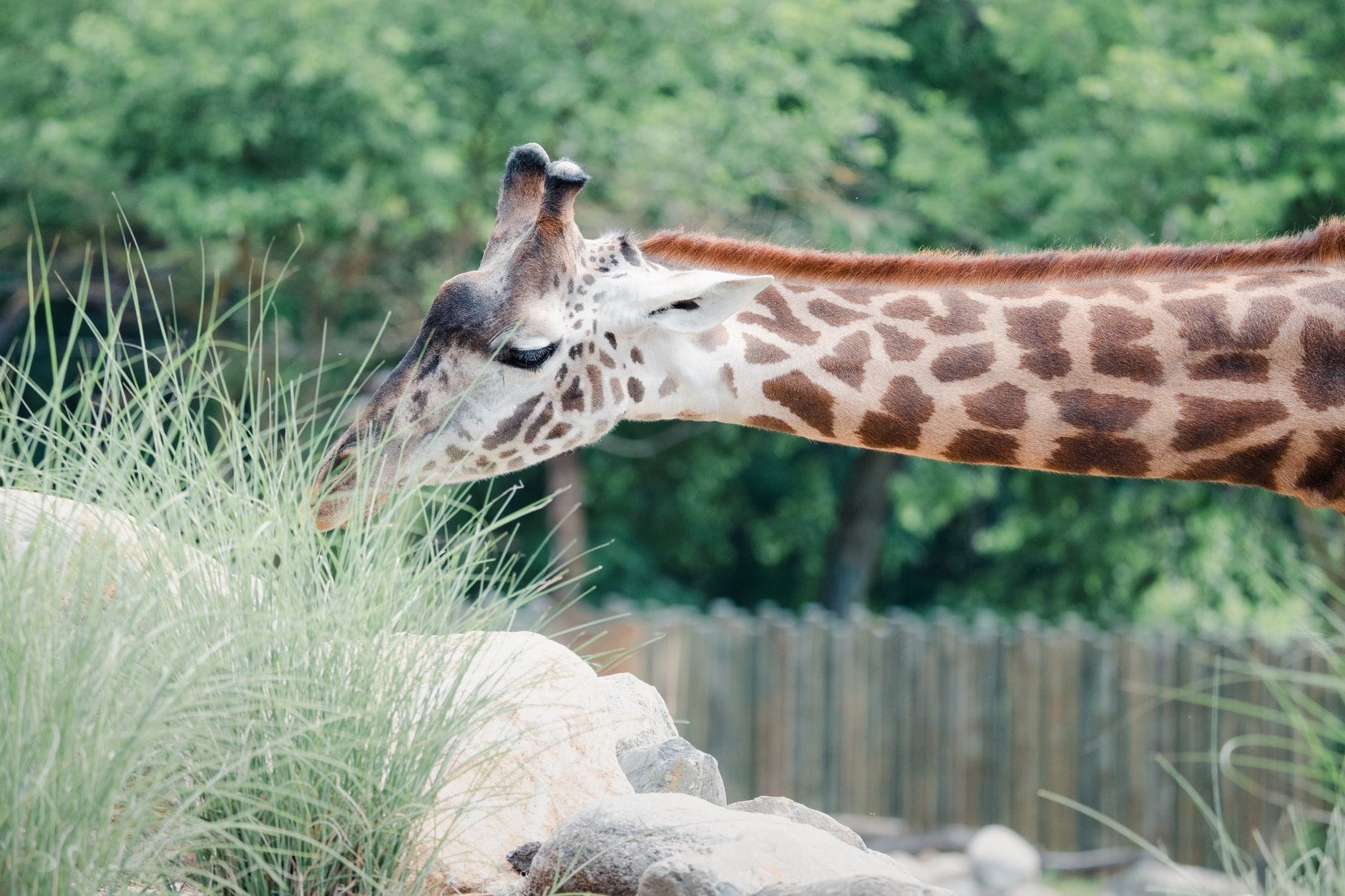
Moving deeper into the zoo, the African savanna section gives the most visual payoff for first-time visitors. Giraffes, zebras, and other large animals occupy a sizable open habitat that allows for observation at distance, which more closely resembles how these animals actually move and behave than cramped enclosures do. Mornings are the best time to see most large mammals active; by early afternoon in summer, many retreat to shaded areas and become far less visible.
The Unseen New World exhibit focuses on smaller and nocturnal Latin American species, including giant anteaters and several bat species. This indoor area is notably cooler in summer and worth lingering in, both for the animals and for the temperature relief. Children who are interested in animals beyond the obvious lions-and-giraffes catalog often find this section the most memorable part of the visit.
Tickets & tours
Live prices and dates from our booking partner. If you book, we may earn a commission at no extra cost to you.
Old Town trolley tour of Nashville
From 54 €Instant confirmationFree cancellationDowntown walking tour of Nashville
From 21 €Instant confirmationFree cancellationNashville Downtown Underground Donut Tour
From 46 €Instant confirmationFree cancellationNashville City Center audio-guided walking tour
From 9 €Instant confirmation
Time of Day Makes a Real Difference
The zoo opens at 9:00 a.m. most days, and arriving within the first hour is genuinely the best move in any season. In summer, temperatures in Nashville regularly reach the high 80s to low 90s Fahrenheit by late morning, and the zoo has limited natural shade in its open-air sections. The animals are also simply more active in cooler morning air, so you get more behavioral interest per exhibit. The entrance area and main paths are notably quiet in the first 45 minutes after opening.
Midday on weekends, especially during summer school holidays, brings the highest crowd density. The playground areas and food concessions see the longest waits between roughly 11:30 a.m. and 2:00 p.m. If you arrive at midday, work the outdoor large-mammal areas first and save the indoor exhibits for the peak heat window. By 3:30 p.m. on weekdays, the zoo thins out considerably, though you sacrifice morning animal activity.
💡 Local tip
In October and November, the zoo hosts seasonal events that extend hours and change the atmosphere significantly. If you are visiting Nashville in autumn, check the events calendar before booking general admission, since event nights have different pricing and access.
Nashville's climate is humid subtropical, meaning spring and fall visits (April–May and September–October) offer the most comfortable outdoor conditions. Summer visits are entirely workable but demand early arrival and sun protection. Winter visits are quieter and some outdoor animals are less visible, but it is a reasonable option for local families. For a broader look at how seasons affect Nashville tourism, the best time to visit Nashville guide breaks down the tradeoffs month by month.
The Grassmere Historic Home: Worth Your Attention
The Grassmere Historic Home sits within the zoo grounds and represents one of Nashville's better-preserved examples of early rural domestic life. The property was owned by the Croft sisters, who bequeathed the land with the condition that it be used for conservation and wildlife purposes, which is how the zoo came to exist here at all. That back-story gives the site a coherence that purpose-built zoos often lack.
The home itself is a modest two-story structure that reads as authentically plain rather than restored-for-effect. Interpretive materials connect the agricultural history of the land to its current conservation mission, which makes it relevant rather than tangential to the zoo visit. Many adults find this section more engaging than expected; many children move through it quickly. If you have limited time or limited interest in 19th-century farm history, it is skippable without missing the core zoo experience.
Practical Details: Getting In, Getting Around, Getting Out
The zoo is located at 3777 Nolensville Pike, roughly 6 miles southeast of downtown Nashville. Driving is the most common approach: I-440 East to Nolensville Pike South or I-65 South to Harding Place to Nolensville Pike both work well. On-site parking is $10 per vehicle and is generally plentiful except on peak summer weekends and during special events.
WeGo Public Transit bus routes serve the Nolensville Pike corridor, but schedules and stop locations should be verified directly with WeGo before relying on them. Rideshare via Uber or Lyft is a straightforward option from downtown or Midtown Nashville, and the drop-off area at the entrance handles this without issues. Budget roughly 15–20 minutes from downtown by car under normal traffic conditions.
Most paved paths through the zoo are wheelchair and stroller accessible. Wheelchair and electric scooter rentals are available at the entrance on a first-come, first-served basis, so arriving early is advisable if you need one. Service animals are permitted in most public areas in compliance with ADA requirements, with some restricted zones near animal habitats for safety reasons.
If you are structuring a broader Nashville itinerary that includes the zoo, the Nashville with kids guide identifies other family-oriented attractions and helps sequence a multi-day visit without unnecessary backtracking. The zoo pairs logistically with other south and southwest Nashville stops rather than with the downtown honky-tonk corridor.
Photography at the Zoo
The zoo allows personal photography throughout, and the habitat designs in several areas create reasonable sightlines without the visual clutter of chain-link fencing that plagues older zoos. The giraffe area in the morning, with light coming from the east, tends to produce the cleanest shots of large animals. The flamingo area offers strong color contrast at midday when the sky is blue, though harsh overhead sun flattens the detail.
Indoor exhibits like Unseen New World are dimly lit by design to simulate natural environments for the animals, which means smartphone cameras without good low-light capability will struggle. A phone with a dedicated night mode or a mirrorless camera with a fast lens will do far better. Flash photography is typically prohibited in indoor animal areas.
Who Should Think Twice
Visitors who prioritize large or rare animal collections over experience breadth may find the Nashville Zoo's catalog modest compared to major metropolitan zoos. It covers the expected range of species competently, but it does not have the depth or scale of facilities like the San Diego Zoo or the Bronx Zoo. For adults visiting Nashville without children, the zoo is a reasonable half-day option but not the city's most compelling attraction. Nashville has a strong lineup of music history and cultural institutions that may compete more directly for your limited time.
If your primary interest is Nashville's cultural and historical identity, the Country Music Hall of Fame and the Tennessee State Museum offer denser, more distinctive experiences per hour spent.
Insider Tips
- Buy tickets online before you arrive. The zoo uses date-based pricing, and online purchases typically land at the lower end of the range. Weekday tickets are cheaper than weekend tickets, and the entrance queue for online ticket holders moves significantly faster.
- The zoo has a dedicated nursing room near the main entrance building. It is a small but practical detail that the official map does not always make obvious — ask staff at the entrance gate if you need to locate it quickly.
- Concession food inside the zoo is priced at theme-park rates. Packing snacks and water in a small backpack is permitted and will save money, especially for families. The zoo allows outside food and non-alcoholic beverages in personal containers for individual guests and families, but large group meals and glass containers are restricted.
- The WildTown children's play area has a water splash zone that operates seasonally. Children who play in it will be wet for the rest of the visit. Pack a change of clothes if you have kids under ten and do not want a soggy car ride home.
- Seasonal events, including a popular Halloween-themed event in October, significantly change the atmosphere and access times. These evenings often sell out in advance and use separate ticketing from standard daytime admission. Check the zoo's events calendar at nashvillezoo.org if your visit falls in the September–November window.
Who Is Nashville Zoo at Grassmere For?
- Families with children aged 3–12 looking for a half-day or full-day outdoor activity
- Visitors with a specific interest in conservation and zoo design who appreciate the historic land use context
- Travelers visiting Nashville in spring or fall who want a lower-key outdoor experience outside the downtown entertainment corridor
- Groups with mixed ages, including grandparents, where flat accessible paths and rest areas make extended visits comfortable
- Nashville locals during weekday off-peak hours who want an affordable outdoor option without heavy crowds
Nearby Attractions
Other things to see while in Belle Meade & West Nashville:
- Belle Meade Historic Site & Winery
Belle Meade Historic Site & Winery sits on 30 acres in west Nashville, preserving a Greek Revival mansion that once anchored one of America's most celebrated Thoroughbred breeding farms. Guided tours cover the full arc of the site's history, including the lives of the enslaved people who built and ran it, followed by wine tastings in a setting that is equal parts educational and scenic.
- The Bluebird Cafe
Since 1982, the Bluebird Cafe has operated as a 90-seat listening room in Nashville's Green Hills neighborhood, roughly 10 miles south of downtown. It's where professional songwriters perform in the round, face to face with the audience, in a format that has no equivalent on Broadway.
- Centennial Park
A 132-acre public park listed on the National Register of Historic Places, Centennial Park sits approximately two miles west of downtown Nashville across from Vanderbilt University. It is free to enter, open daily until 11 PM, and home to the only full-scale replica of the ancient Parthenon in the world.
- Cheekwood Estate & Gardens
Cheekwood Estate & Gardens combines a National Register-listed 1930s mansion, 55 acres of cultivated gardens, a 1.5-mile woodland sculpture trail, and a serious art museum under one admission. Located about 8.5 miles southwest of downtown Nashville in the Belle Meade area, it rewards slow exploration across multiple seasons.
Planning a trip? Discover personalized activities with the Nomado app.