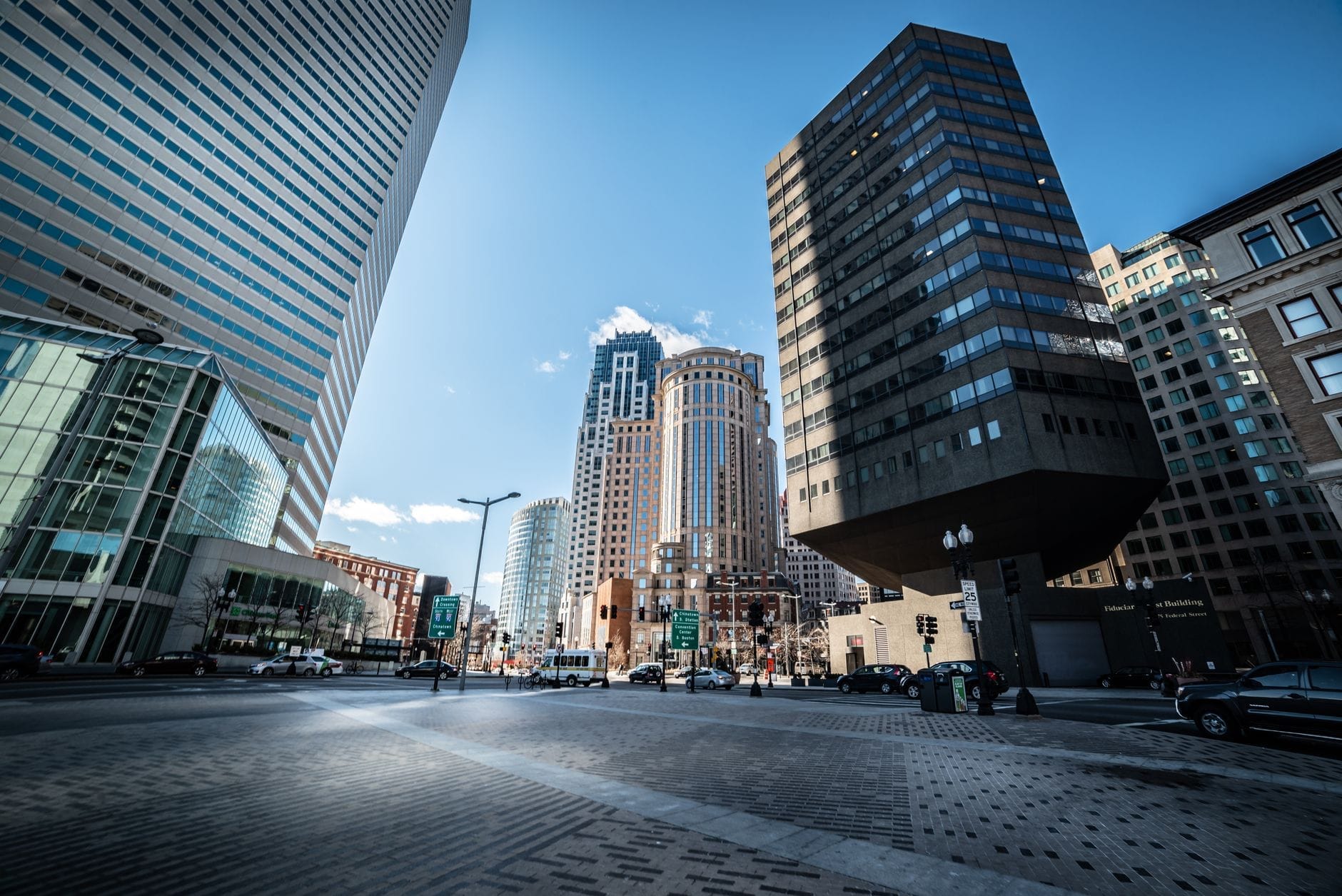
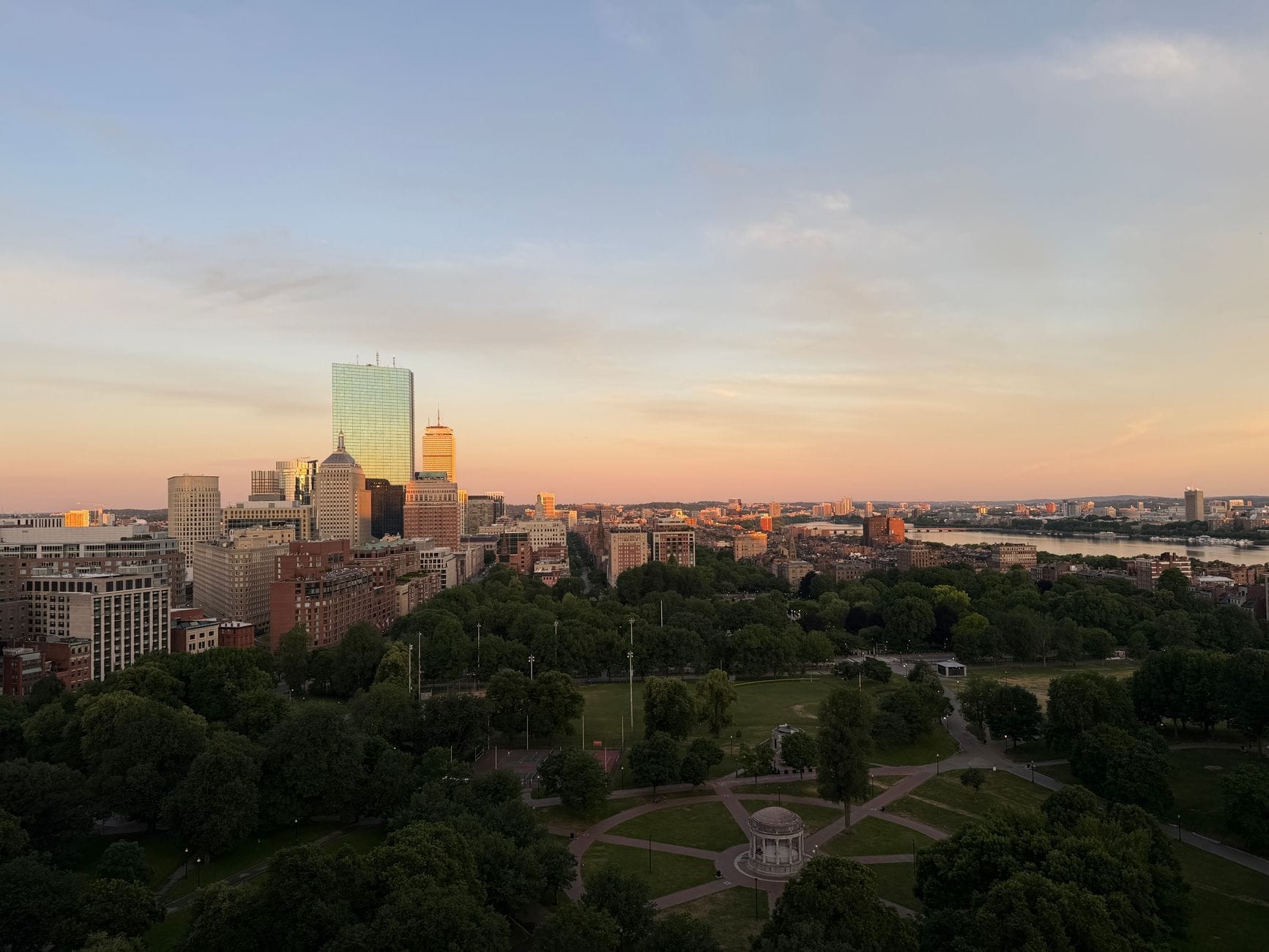
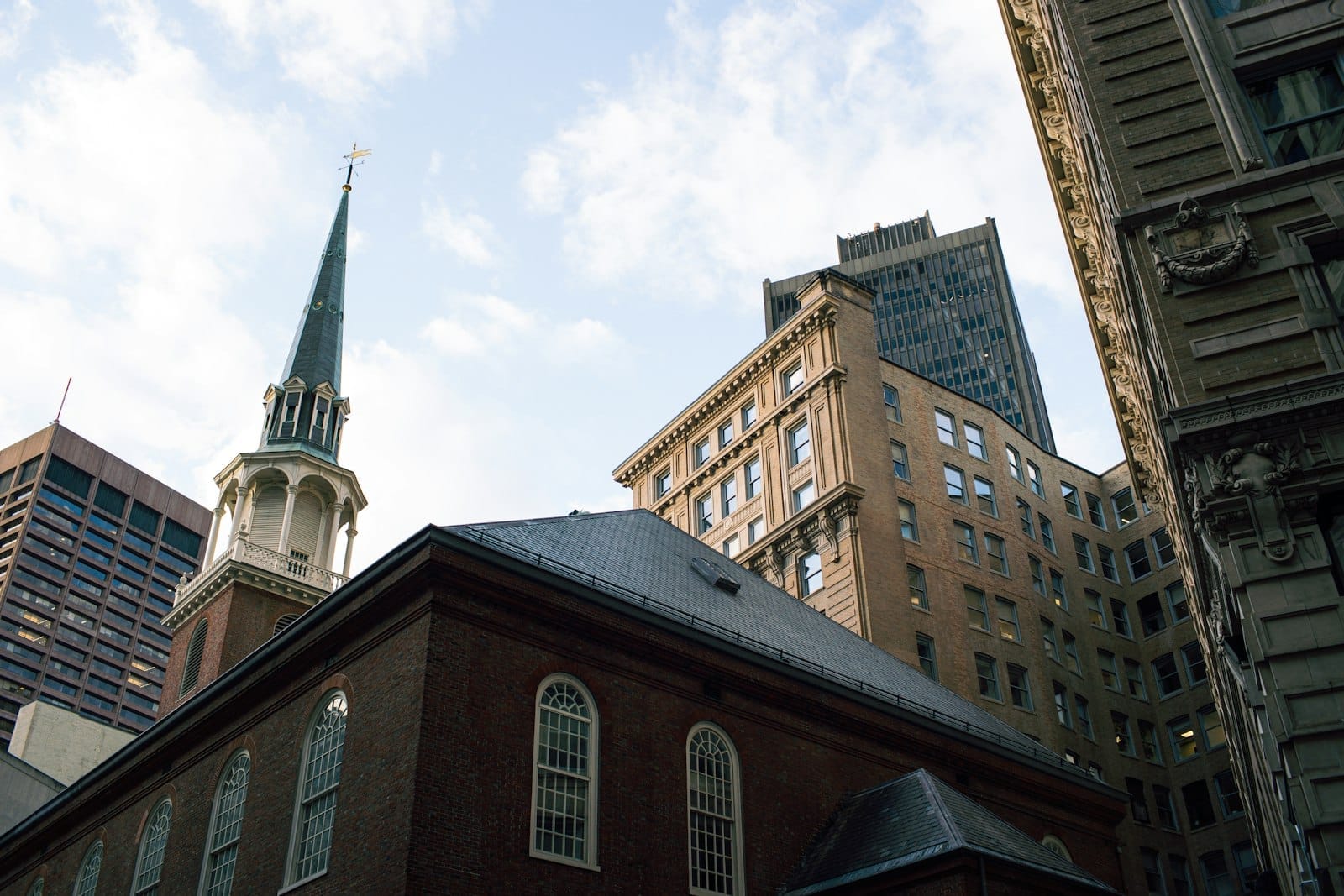
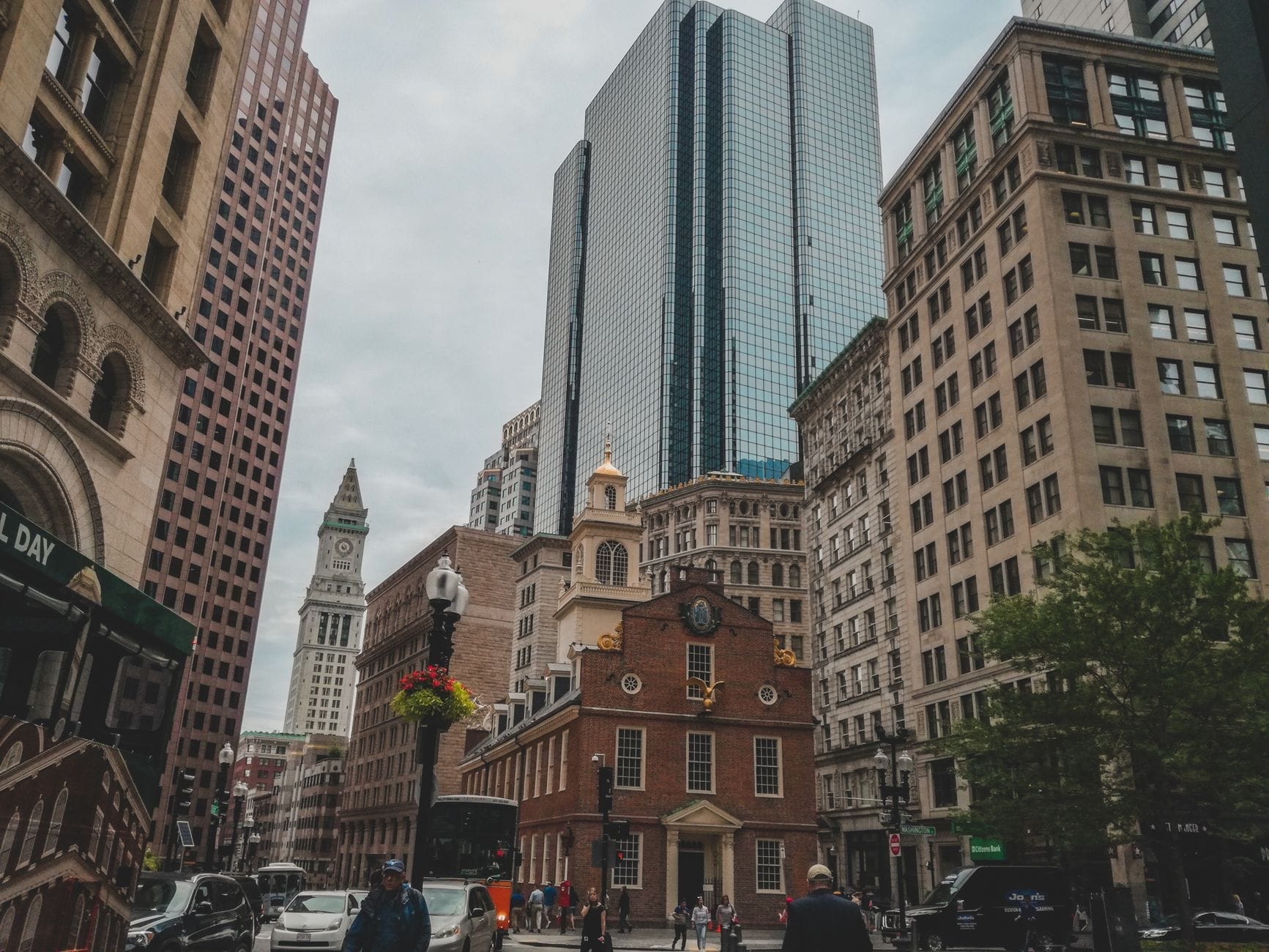
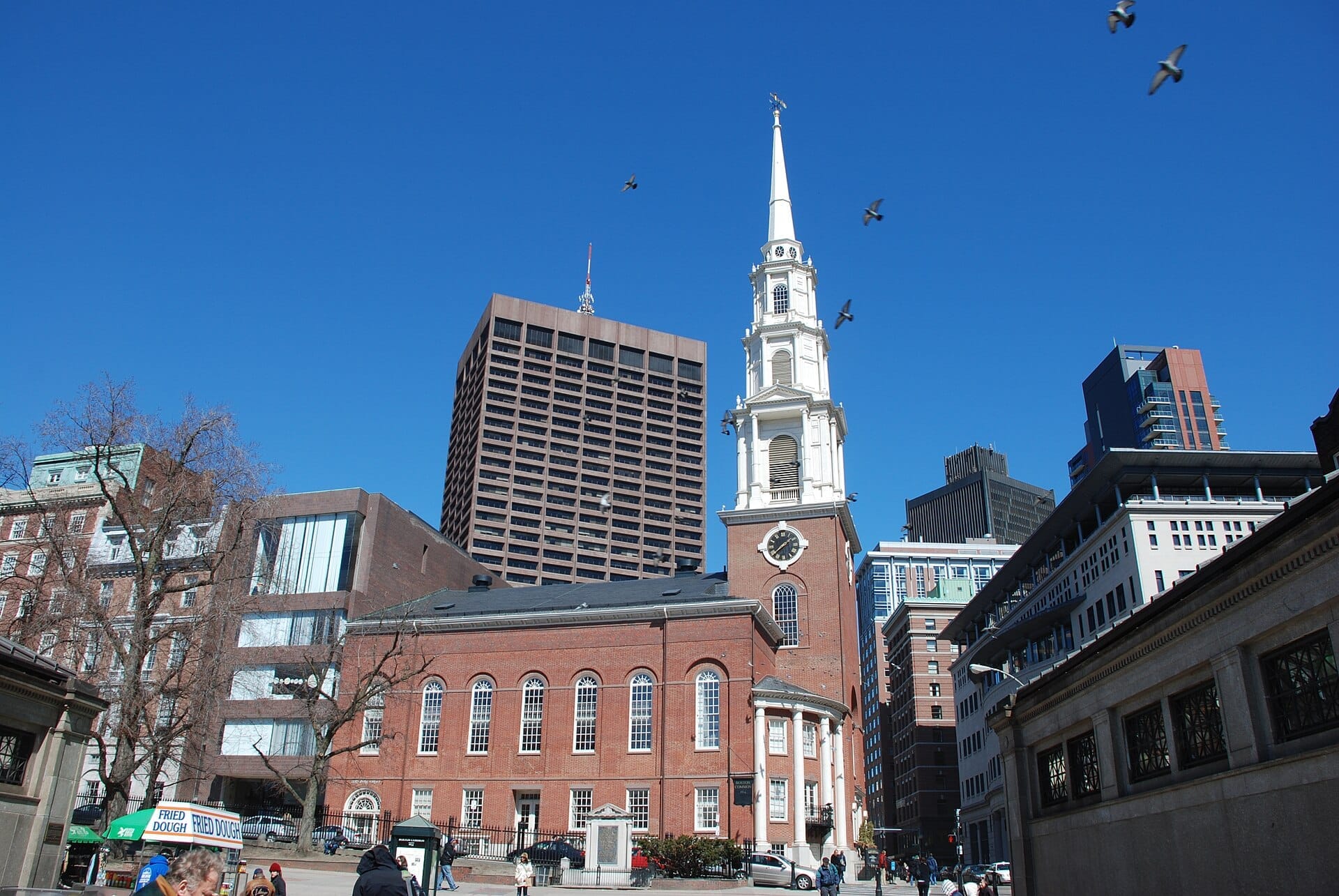
Downtown Boston is the city's historic commercial core, where 18th-century landmarks stand shoulder to shoulder with glass-and-steel office towers. From the Freedom Trail to Faneuil Hall Marketplace, this is where Boston's past and present collide most visibly. It's a neighborhood that works hard by day, quiets sharply after dark, and rewards visitors who know where to look.
Downtown Boston and the Financial District form the gravitational center of the city: a dense, walkable grid where the Freedom Trail threads past corporate headquarters, ferry terminals face centuries-old wharves, and the entire MBTA subway system converges at a handful of stations. It's not the most residential or relaxed part of Boston, but it's arguably the most essential.
Orientation
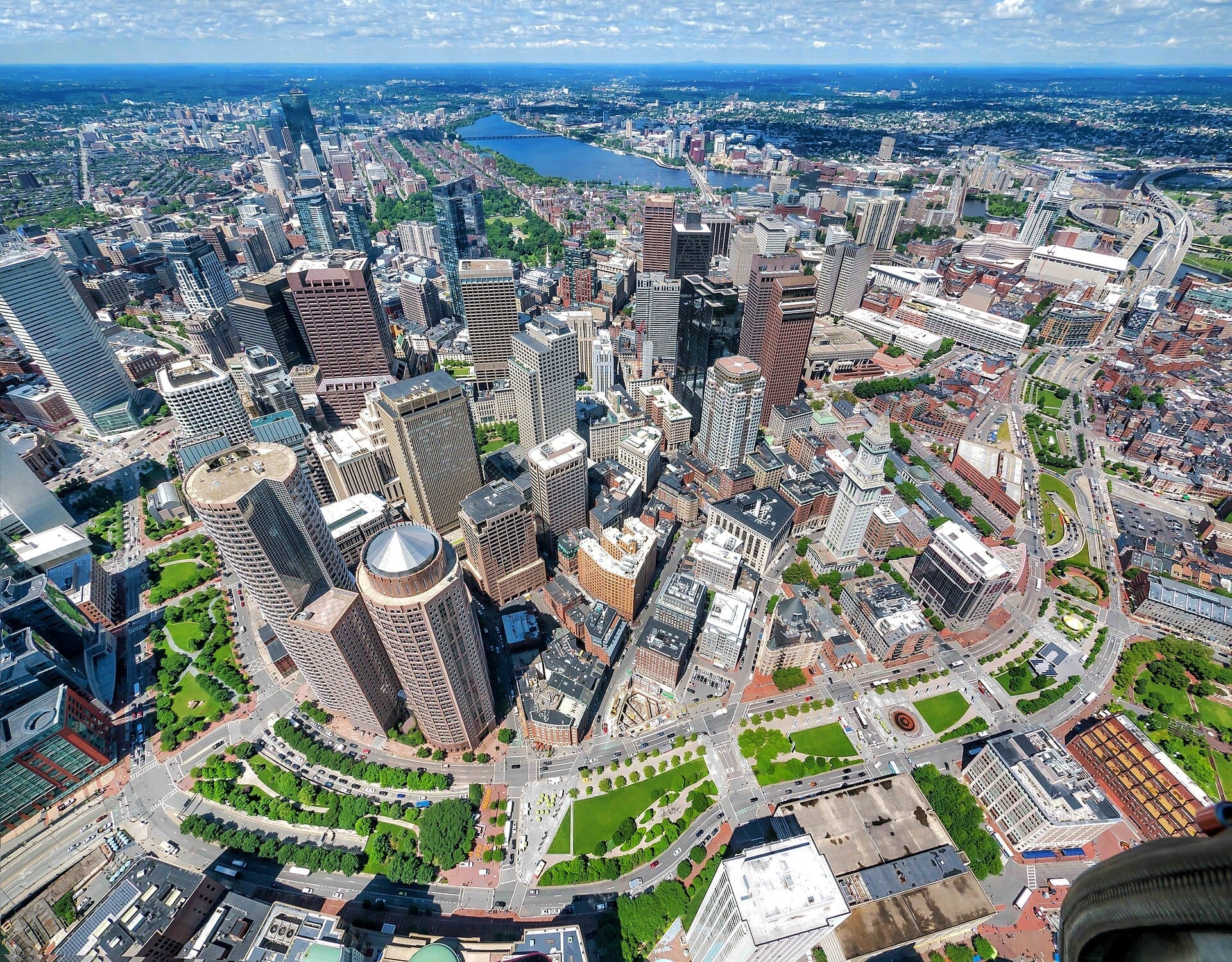
Downtown Boston occupies the eastern core of the Shawmut Peninsula, the original landmass on which the city was founded in 1630 The neighborhood as officially defined by the City of Boston encompasses Downtown Crossing, the Financial District, and Government Center, making it one of the most functionally layered districts in New England.
The boundaries are relatively easy to read on foot. To the west, Tremont Street marks the edge where Downtown yields to Beacon Hill and the Boston Common. To the south, Surface Road and Chinatown Gate signal the start of Chinatown and the Leather District. To the east, Atlantic Avenue runs along the waterfront, separating the office core from the wharves. To the north, Congress Street and City Hall Plaza bleed into Government Center, with the elevated Expressway corridor historically separating the area from the North End (the Rose Kennedy Greenway now occupies that corridor as public green space).
The Financial District clusters tightly around Federal Street, State Street, Congress Street, and Franklin Street, while retail and pedestrian activity concentrate along Washington Street through Downtown Crossing. The Rose Kennedy Greenway provides a linear green corridor connecting the neighborhood to the North End and the Seaport beyond.
Neighboring areas are all within a short walk. Beacon Hill begins just west of the Boston Common, while Back Bay is reachable in under ten minutes by foot via Boylston Street. The Seaport District lies across Fort Point Channel to the southeast.
Character & Atmosphere
The rhythm of Downtown Boston is defined almost entirely by the workweek. On weekday mornings, the Financial District hums with purpose: coffee cups in hand, commuters pour out of Park Street, Downtown Crossing, and State Street stations, filling the narrow one-way streets around Federal and Franklin with foot traffic that peaks between 8 and 9 a.m. The smell of pretzels and coffee from corner carts competes with exhaust from delivery trucks navigating streets that were, frankly, not designed for them.
By midday, the energy shifts. Lunchtime crowds fill the tables around Faneuil Hall Marketplace, and the Freedom Trail brings a steady stream of tourists through the Old State House and down to State Street. There's a particular quality of light in the late morning here, when the narrow canyon of Federal Street opens briefly at intersections and winter sunlight cuts low between glass towers and brick facades that have stood for two centuries or more.
After 6 p.m. on weekdays, and for much of the weekend, the Financial District empties with remarkable speed. Streets that were packed an hour earlier become eerily quiet. This is one of the trade-offs of staying in or near the core: it's efficient and centrally located, but it lacks the evening street life of Back Bay or the North End. The exceptions are the Faneuil Hall area, which draws tourists and locals through dinner, and the few surviving bars on Broad Street and around Quincy Market that cater to the after-work crowd.
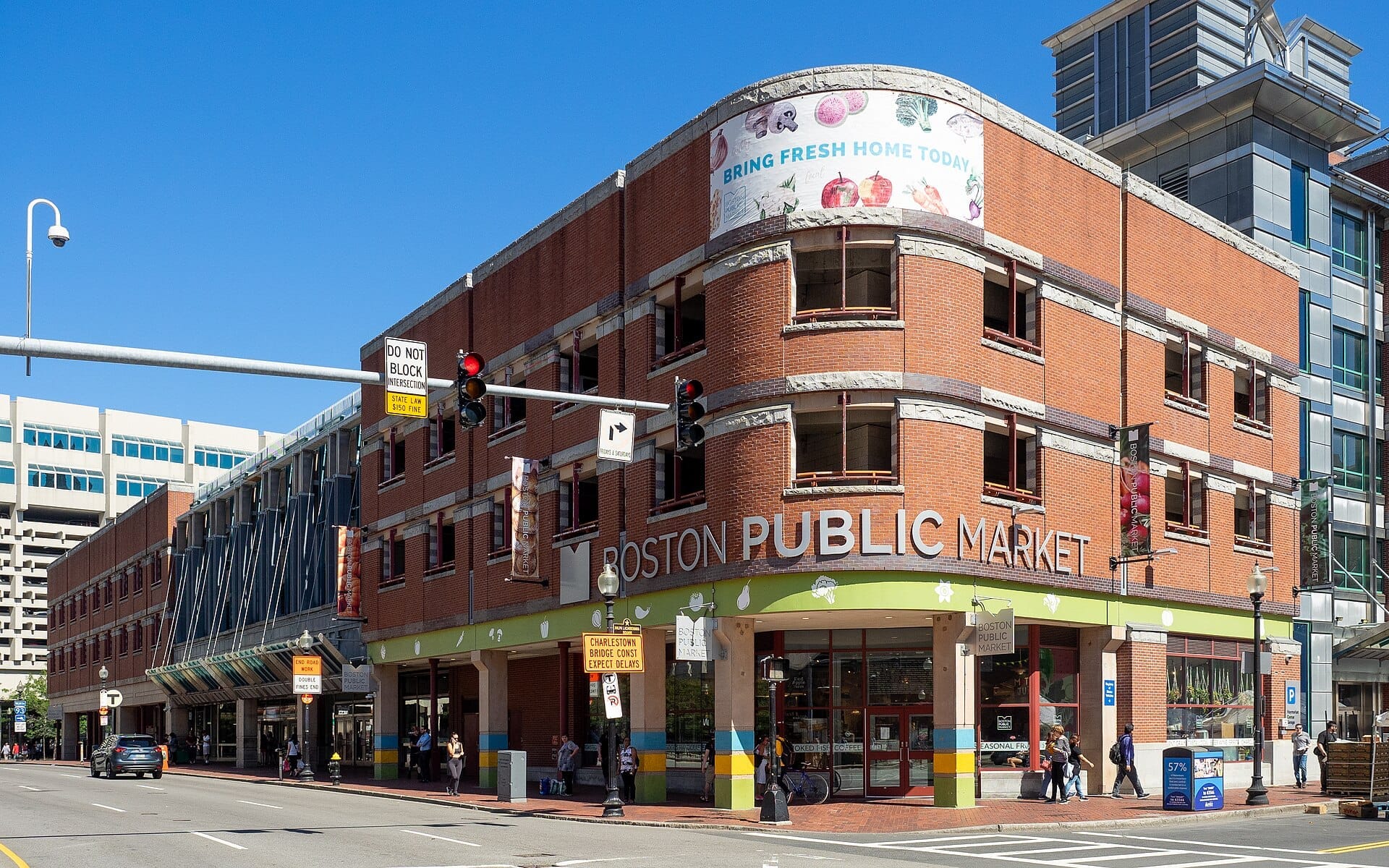
Weekends feel different again. Tourists dominate during the day, especially along the Freedom Trail, and the Boston Public Market near Haymarket draws a lively local crowd on Saturdays. The streets feel more relaxed without the commuter tide, and Government Center Plaza, often gray and windswept on weekday mornings, occasionally hosts events and food trucks that give it a more human scale.
ℹ️ Good to know
Downtown Boston is compact enough that most of its major attractions are within a 15-minute walk of each other. The grid is irregular by design, following colonial-era cow paths and land-fill boundaries, so a street map is useful even for experienced city navigators.
What to See & Do
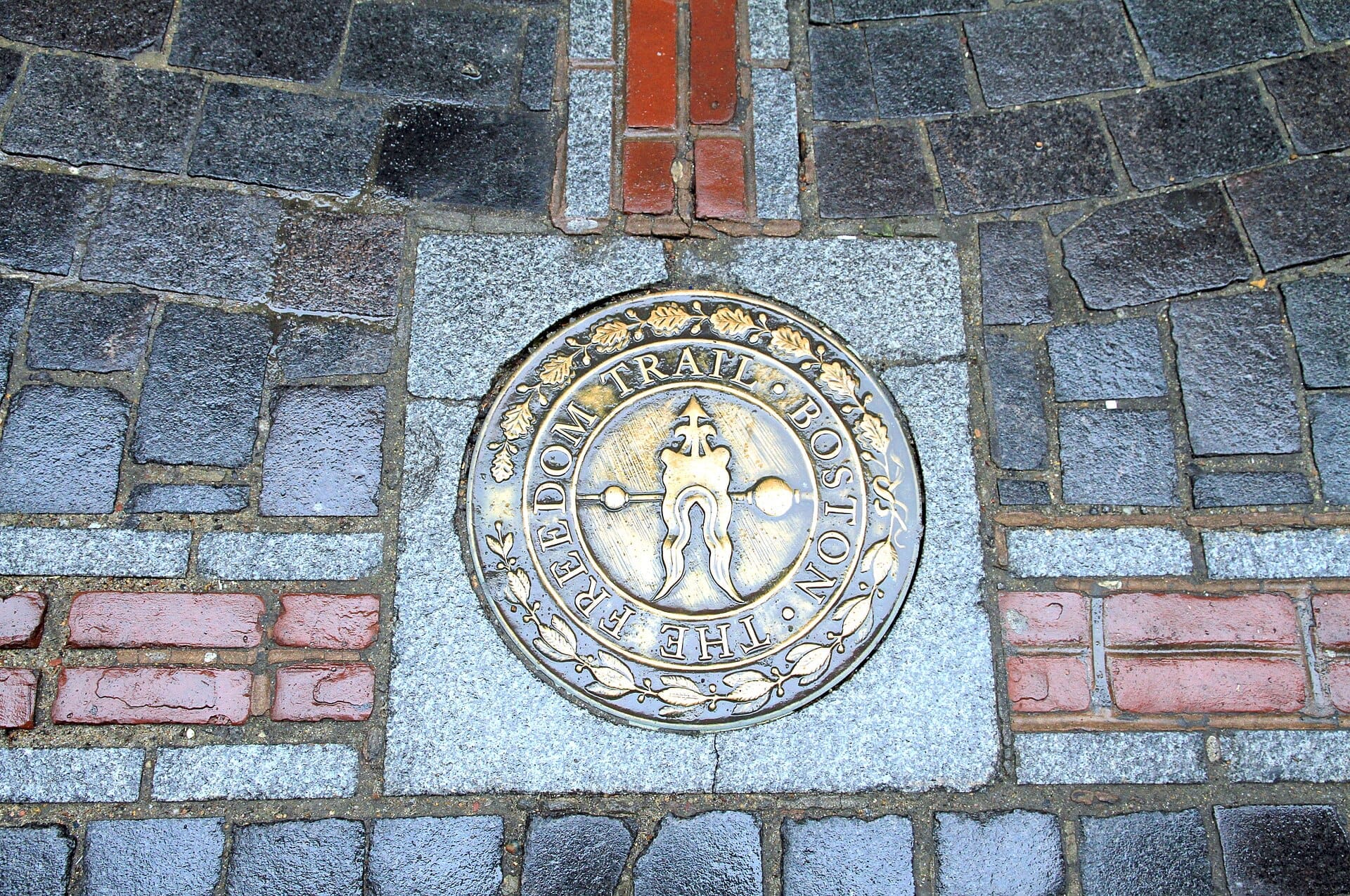
The single most important route through Downtown is the Freedom Trail, a 2.5-mile red-brick path that connects 16 historic sites from Boston Common to Charlestown. In Downtown and the Financial District, the trail passes through some of its most significant stops: the Old State House on Washington and State Streets, the site of the Boston Massacre directly outside it, and Faneuil Hall Marketplace on Congress Street.
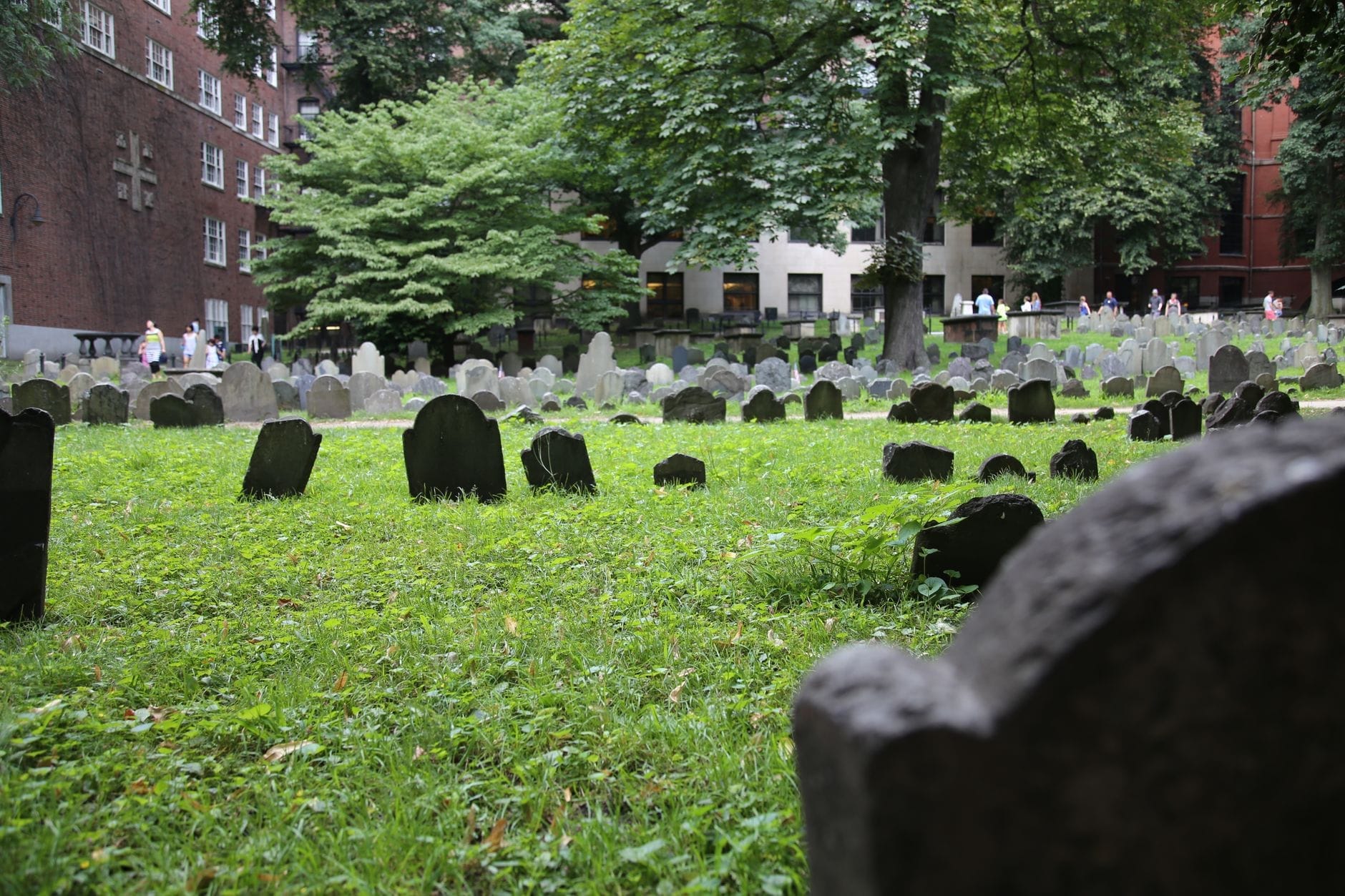
The Old South Meeting House on Washington Street is where the events leading to the Boston Tea Party began in 1773. The building still stands, operating as a museum, and it's one of the more atmospheric historic sites in the neighborhood: a functional Puritan meeting hall that once held the largest protest gathering in colonial Boston's history. A few blocks away, Granary Burying Ground on Tremont Street holds the graves of Paul Revere, Samuel Adams, and the victims of the Boston Massacre.
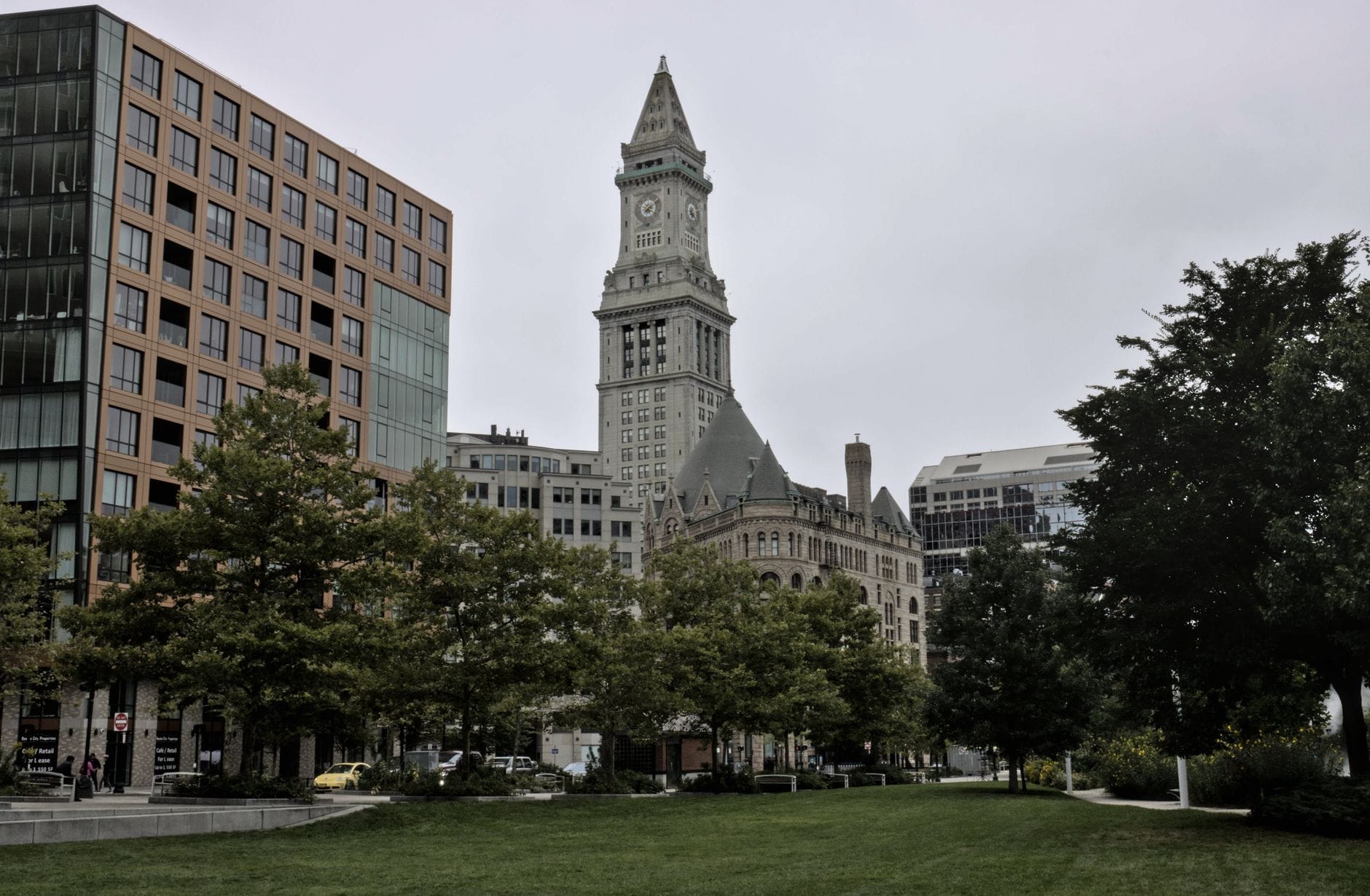
For a panoramic view of the city, the View Boston Observatory sits atop the Prudential Tower in Back Bay, accessible from Downtown in under 15 minutes by foot or a single T stop. Closer to the waterfront, the Custom House Tower on McKinley Square is one of Boston's most recognizable skyline elements, a Greek Revival customs building topped with a clock tower that was the city's tallest structure for decades.
Old State House and Boston Massacre Site (State and Washington Streets)
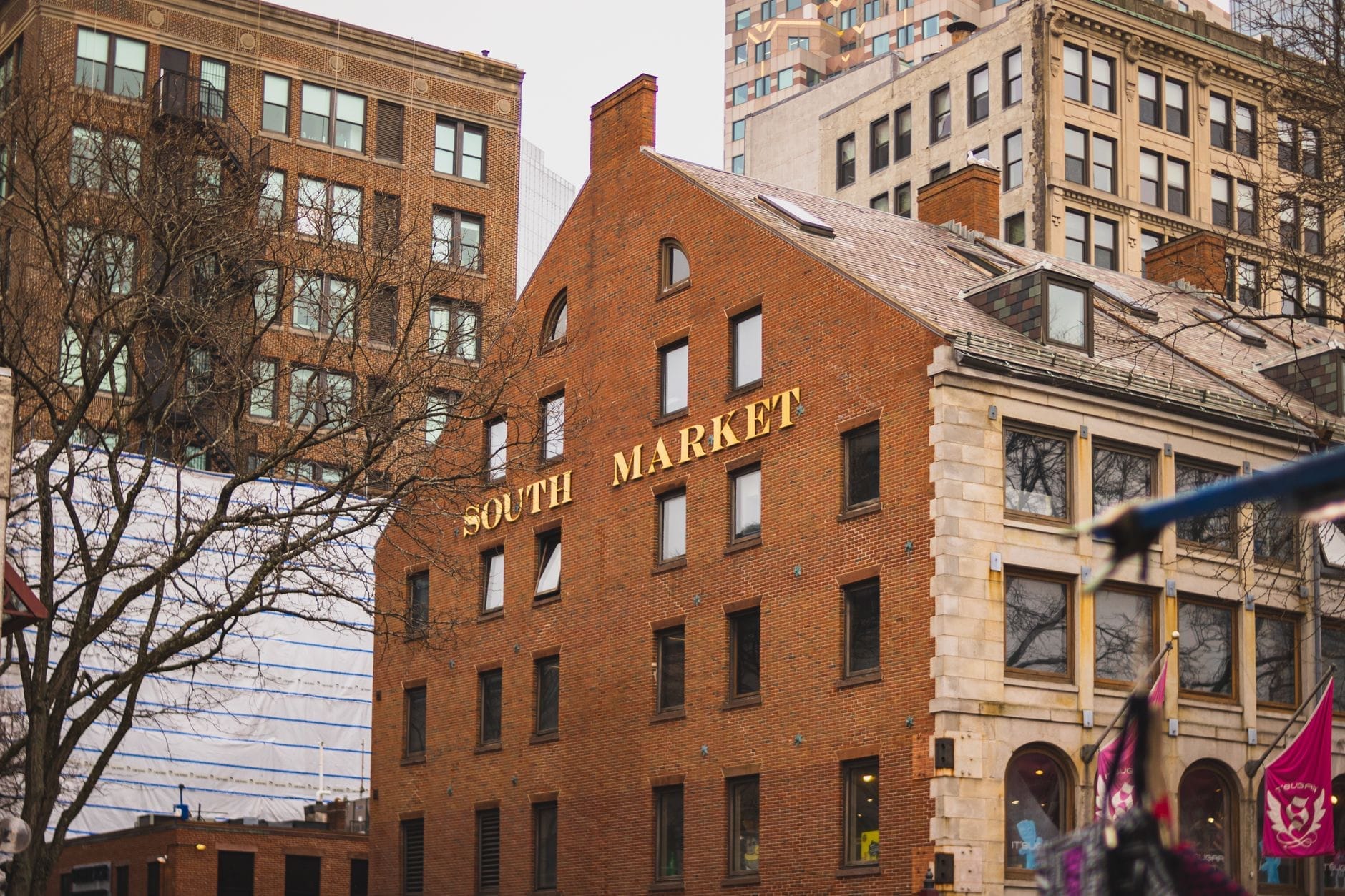
Faneuil Hall Marketplace and Quincy Market (Congress Street)
Old South Meeting House (310 Washington Street)
Granary Burying Ground (Tremont Street, adjacent to Park Street Church)
Custom House Tower (McKinley Square, India Street)
Rose Kennedy Greenway (linear park along Atlantic Avenue corridor)
Boston Public Market (100 Hanover Street, near Haymarket Station)
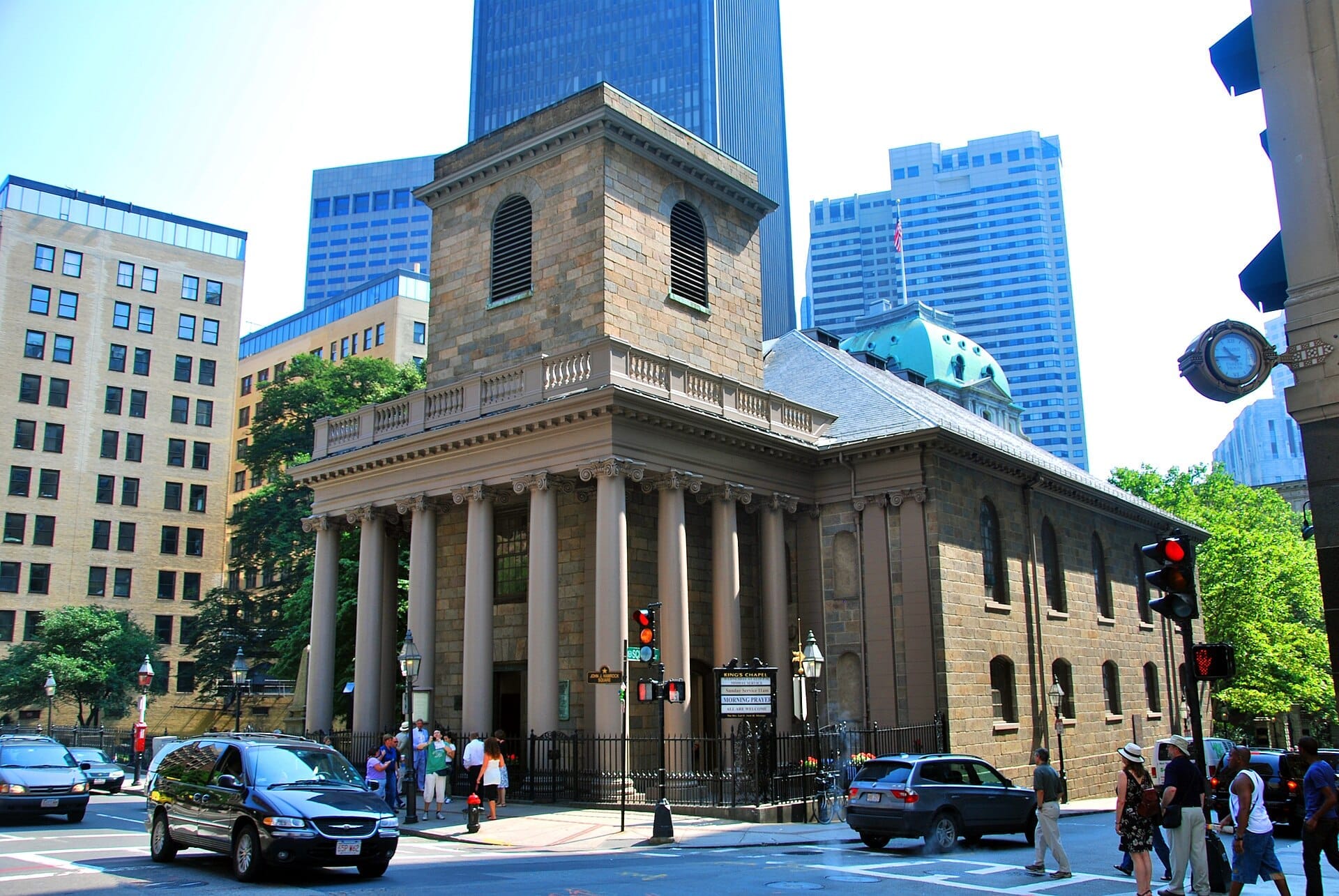
King's Chapel and Burying Ground (Tremont and School Streets)
The King's Chapel on Tremont Street deserves more attention than it typically gets. Built in 1754, it was the first Anglican church in Boston and still holds regular services. The adjacent burying ground is the oldest in Boston, predating even the colonial church that now stands beside it.
Eating & Drinking
The food scene in Downtown Boston is primarily built around weekday lunch and the tourist trade around Faneuil Hall. This shapes the landscape considerably: there's a high density of quick-service spots, sandwich counters, and chain restaurants, with a thinner selection of destinations worth going out of your way for at dinner.
The area around Faneuil Hall Marketplace and Quincy Market is the most visited food destination in the neighborhood, and it operates accordingly. Quincy Market's central food hall offers a circular range of stalls serving clam chowder, lobster rolls, cannoli, and other New England staples. It's convenient and the quality is consistent, though prices reflect the location. For a more genuine introduction to Boston's food culture, the Boston Public Market at 100 Hanover Street, near Haymarket Station, is a year-round indoor market with local Massachusetts producers offering cheese, bread, charcuterie, and produce.
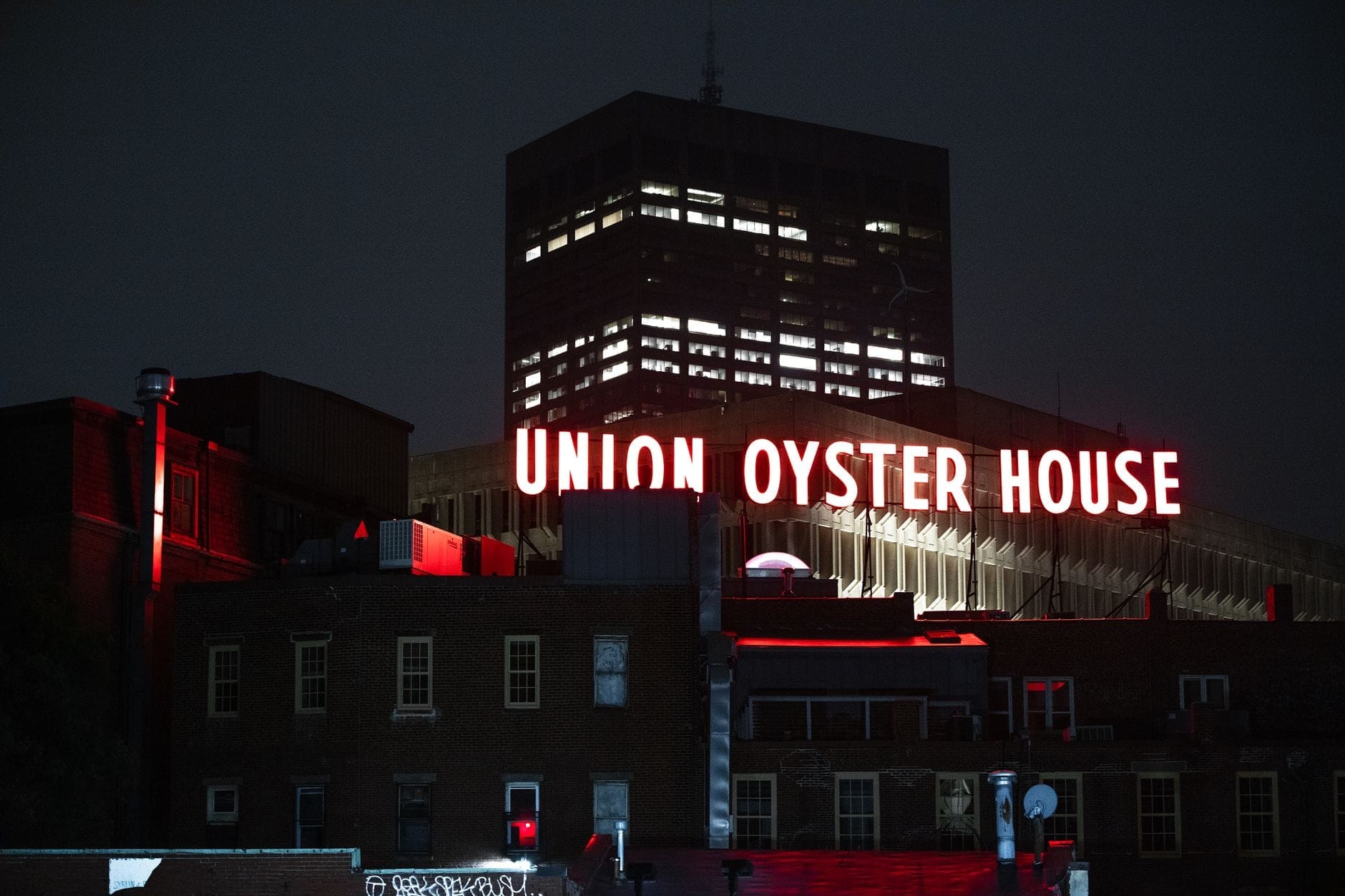
The Union Oyster House on Union Street, just off the Freedom Trail route, holds the distinction of being the oldest continuously operating restaurant in the United States, open since 1826. The oysters at the raw bar are the draw here, not the menu overall. It's worth a visit for the history and a half-dozen oysters at the curved wooden bar, but it's been a tourist institution long enough that the experience varies accordingly.
For drinks after work, the stretch of Broad Street near the Financial District has historically supported a cluster of bars serving the banking and law crowd. The area quiets sharply on weekends, but Thursday and Friday evenings draw a genuine local after-work crowd. For something more atmospheric, the bars in the Faneuil Hall area stay busier longer and cater to a broader mix of visitors and locals.
💡 Local tip
For the best clam chowder in the immediate area, look for it in a bread bowl at Quincy Market or at one of the seafood counters near the waterfront. New England-style clam chowder is cream-based, not tomato-based (which is Manhattan-style), and the distinction matters to Bostonians.
Getting There & Around
Downtown Boston is the hub of the entire MBTA subway system, which locals call the T. All four rapid transit lines converge here, making this the easiest neighborhood in Boston to reach from anywhere in the city or its suburbs.
The key stations are Park Street (Red and Green Lines), Downtown Crossing (Red and Orange Lines), State Street (Blue and Orange Lines), Government Center (Blue and Green Lines), and South Station (Red Line, plus commuter rail and the Silver Line bus rapid transit). The concentration of stops means you'll almost certainly pass through Downtown even when traveling between other neighborhoods.
From Logan International Airport, the simplest option is the MBTA Silver Line SL1, which runs directly from all airport terminals to South Station and is free from Logan Airport to South Station. From South Station, it's a short walk to the Financial District or a single Red Line stop to Downtown Crossing. The Blue Line is the other airport option, connecting Airport Station (reached via free Massport shuttle) to Government Center and State Street. For full airport transit details, see the Boston airport guide.
Walking is the most practical way to move within Downtown itself. The neighborhood is compact enough that walking from South Station to Faneuil Hall takes about 10 minutes, and from Park Street to the Old State House takes under five. For a broader picture of getting around the city, the Boston transit guide covers MBTA fares, CharlieCard logistics, and neighborhood-to-neighborhood connections in detail.
⚠️ What to skip
Driving into Downtown Boston is generally not recommended for visitors. Parking is expensive, street layout is confusing (Boston's streets follow colonial-era paths, not a grid), and traffic congestion around Government Center and the waterfront can be significant at peak hours. Use the T.
Where to Stay
Hotels in Downtown Boston and the Financial District tend to occupy two categories: large business hotels that dominate the Government Center and Waterfront area, and a smaller number of boutique and historic properties along the Freedom Trail corridor. Both serve a very different kind of guest from, say, the boutique options in Back Bay or Beacon Hill.
The main argument for staying Downtown is pure logistics. You're at the center of the T network, within walking distance of the Freedom Trail, Faneuil Hall, and the harbor, and you can reach Back Bay, the North End, or Charlestown without ever needing a taxi. Business travelers benefit from proximity to the Financial District office towers, and families making their way through the Freedom Trail on a two-day schedule will find the location efficient.
The trade-off is atmosphere. The streets outside most Downtown hotels are quiet to empty by 9 p.m. on weekdays and through much of the weekend, with the exception of the Faneuil Hall zone. If evening street life, neighborhood restaurants within walking distance, and a sense of local character matter to you, consider staying in Back Bay or Beacon Hill and treating Downtown as a daytime destination. For a full breakdown of where to base yourself across the city, the Boston neighborhood hotels guide covers each area's trade-offs in detail.
Practical Tips for Visiting
If this is your first time in Boston, a good starting plan is to arrive at Park Street Station and walk the Freedom Trail east through Downtown before continuing to the North End for lunch. The trail is free to walk independently, or you can join a guided tour from the Visitor Information Center near Boston Common. For more on Boston's historical context, the Boston history guide provides essential background that makes the sites along the trail significantly more meaningful.
Downtown is also the most logical base for day trips. South Station serves MBTA commuter rail lines and intercity Amtrak trains, making Providence reachable without a car. For ideas beyond the immediate city, the day trips from Boston guide lists options by travel time and interest.
On weekends, the Haymarket outdoor market operates on Fridays and Saturdays near the Government Center end of the Greenway, selling produce and fish at prices well below retail. It's been running in roughly the same location since the 1800s and remains one of the most distinctly local experiences in an otherwise tourist-heavy part of the city.
ℹ️ Good to know
Many of the Freedom Trail sites charge separate admission: the Old South Meeting House, Old State House, and Paul Revere House all have entry fees. The trail itself, and several sites including Faneuil Hall, are free. Budget about half a day if you plan to go inside multiple stops between Downtown Crossing and the North End.
TL;DR
Downtown Boston is Boston's historic and commercial core, with the highest concentration of Freedom Trail sites, MBTA connections, and civic landmarks in the city.
Best for: first-time visitors focused on history and landmarks, business travelers, anyone using Boston as a base for day trips via South Station.
Not ideal for: travelers seeking neighborhood character, evening dining variety, or a quiet residential feel. The Financial District empties fast after business hours.
Transit: the strongest transit access in the city, with five major MBTA stations (Park Street, Downtown Crossing, State, Government Center, South Station) covering the subway lines.
Walk times: Beacon Hill is 5 minutes west, the North End is 10 minutes north via the Greenway, the Seaport is 15 minutes southeast. Almost nothing requires a train ride from here.
Three days is enough time to cover Boston's historic core, world-class museums, and distinct neighborhoods without feeling rushed. This itinerary groups sights by geography, saves you backtracking, and flags what to skip based on the season.
Boston is one of the great museum cities in America, with world-class collections spread across every neighborhood. Whether you have one afternoon or a full week, this guide covers the best museums in Boston — from encyclopedic art institutions to immersive history experiences — with practical tips on saving money along the way.
Boston rewards visitors year-round, but the timing of your trip shapes everything from hotel rates to what you can actually do outside. This guide breaks down each season honestly, flags the crowd spikes most travelers miss, and helps you match your travel style to the right window.
Boston Logan International Airport is one of the most conveniently located major airports in the United States, sitting just 3 miles from downtown. This guide covers every terminal, every transport option, seasonal travel patterns, and the practical details that make the difference between a smooth arrival and a stressful one.
Boston sits on Massachusetts Bay, and the beaches that surround it range from easy MBTA rides to rewarding day trips up the North Shore. This guide covers every option worth knowing, from historic Revere Beach to the pristine dunes at Crane Beach.
Harvard and MIT sit just across the Charles River from Boston, connected by the MBTA Red Line and packed with free things to see. This guide covers how to get there, what to book in advance, the best spots on each campus, and what most visitors get wrong.
Boston throws one of the most celebrated Fourth of July events in the United States, anchored by the free Boston Pops Fireworks Spectacular on the Charles River Esplanade. This guide covers the fireworks schedule, best viewing spots, Harborfest events, weather expectations, and practical logistics to help you plan every detail.
Boston rewards those who look beyond the Freedom Trail. This guide uncovers the city's overlooked museums, quiet green spaces, architectural surprises, and neighborhood experiences that locals return to again and again.
Boston is where the American Revolution was born. This guide covers every major colonial and Revolutionary War site in the city, from the Freedom Trail's 16 landmarks to day trips to Lexington and Concord, with practical advice on pricing, crowds, and what's actually worth your time.
Fall is widely considered the best season to visit Boston. Temperatures drop to comfortable levels, the city's parks and tree-lined streets turn brilliant shades of red and gold, and a packed events calendar keeps things interesting well into November. This guide covers when to go, where to see color, what to do, and how to plan it all without overpaying.
Summer transforms Boston into one of the most active cities on the East Coast, with outdoor concerts, harbor cruises, Red Sox baseball, and a packed events calendar. This guide covers the best things to do in June, July, and August, plus practical advice on heat, crowds, and booking ahead.
Boston in winter is colder and snowier than most visitors expect, but that's exactly what makes it compelling. Shorter queues, lower hotel rates, festive neighborhoods, and some of the city's best indoor experiences await those willing to bundle up. This guide covers everything you need to know before you go.
Boston's luxury scene is more layered than most visitors expect. From the only Forbes Five-Star waterfront hotel in New England to Michelin-caliber dining in Back Bay, this guide covers where to stay, what to eat, and how to spend your time at the upper end of the city's offerings.
Boston's after-dark scene is denser and more diverse than its early-closing reputation suggests. This guide breaks down the best bars, live music venues, and clubs by neighborhood, with practical advice on cover charges, crowd patterns, and where to go based on what you actually want to do.
Boston has a reputation for being expensive, but the reality is more nuanced. The city's most iconic experiences, from the Freedom Trail to the Public Garden, cost nothing. This guide breaks down exactly where to spend, where to save, and how to see the best of Boston without the financial hangover.
Boston packs nearly 300 parks, 7 miles of linked greenway, a harbor with 34 islands, and a paddleable river into a city of under 50 square miles. This guide covers the best outdoor activities in Boston across every season, from free trail walks to whale-watching excursions and Harbor Islands camping.
Boston's shopping scene is more diverse and spread out than most visitors expect. This guide breaks down every major retail district, indoor mall, and open-air market, with straightforward notes on what's worth your time and money across every budget level.
Boston is one of the most solo-friendly cities in the United States: compact, walkable, transit-connected, and loaded with free and low-cost experiences. This guide covers everything from neighborhood safety and budget planning to the best solo activities and seasonal timing.
On the night of December 16, 1773, a group of colonists boarded three ships in Boston Harbor and dumped 342 chests of British tea into the water. It was one of the most consequential acts of political protest in American history. This guide covers what actually happened, what gets the story wrong, and the best ways to experience it when you visit Boston.
Two days in Boston is enough to walk the Freedom Trail, eat your way through the North End, stand in the shadow of Fenway Park, and still catch a harbor sunset. This guide breaks down exactly how to spend your time, what it will cost, and what the tourist traps are worth skipping.
Boston is one of the most rewarding cities in the U.S. for families. Compact enough to walk, rich in hands-on science and history, and generous with free outdoor spaces, it rewards kids of nearly every age. This guide cuts through the hype with real prices, seasonal advice, and straightforward notes on what's worth your time.
Boston sits at the center of one of New England's richest regions for day tripping. Within two hours, you can walk Revolutionary War battlefields, swim on pristine barrier beaches, explore world-class museums, or wander a storybook fishing village. This guide covers the best day trips from Boston, with practical advice on how to get there.
Boston rewards budget travelers more than almost any other major American city. From the 2.5-mile Freedom Trail to free museum days, public parks, and historic naval vessels, here are free experiences that capture the best of Boston.
Boston is compact enough to walk between many of its most famous neighborhoods, but knowing how to use the MBTA subway, buses, ferries, and ride-hailing services will save you time and money. This guide covers every way to move around the city, from Logan Airport transfers to day-to-day transit passes.
Boston rewards couples with a surprisingly diverse mix of romantic experiences: peaceful garden strolls, candlelit Italian dinners in the North End, sunset cruises on the harbor, and world-class art museums. This guide covers the best options by season, with real prices and practical advice to help you plan a memorable trip.
Salem is one of the most rewarding day trips from Boston, but it rewards those who go in prepared. This guide covers exactly how to get there, what to see beyond the witch trial sites, and how to avoid the October chaos that catches most visitors off guard.
Boston packs Revolutionary history, world-class museums, a legendary baseball stadium, and a working waterfront into one of America's most walkable cities. This guide covers the best things to do in Boston across every neighborhood, season, and budget — with practical details on pricing, timing, and how to get around.
Boston is one of America's great walking cities, compact enough to cover on foot yet dense with 400 years of history around every corner. This guide covers the best self-guided routes, iconic landmarks, and neighborhood walks across the city.
Boston's food identity runs deep: centuries of seafood tradition, immigrant-shaped neighborhoods, and a handful of dishes that define New England eating. This guide covers what to order, where to find it, what it should cost, and what to skip.
Choosing where to stay in Boston shapes your entire trip. This guide breaks down every major neighborhood by location, transit access, price range, and who it suits best, so you can book with confidence instead of guessing.