Boston Nightlife Guide: Bars, Live Music & After-Dark
Boston's after-dark scene is denser and more diverse than its early-closing reputation suggests. This guide breaks down the best bars, live music venues, and clubs by neighborhood, with practical advice on cover charges, crowd patterns, and where to go based on what you actually want to do.
Plan and book this trip
Tools from our partner Travelpayouts help you compare flights and hotels. If you book through them, we may earn a commission at no extra cost to you.
Flights
Hotels map
TL;DR
- Massachusetts law means last call is around 2 a.m. citywide — plan accordingly and front-load your night.
- Live music is the real strength here: jazz, indie rock, Irish sessions, hip-hop, and R&B all have dedicated venues across multiple neighborhoods.
- Allston, Cambridge, Fenway, and Jamaica Plain rival Downtown for nightlife depth — see things to do in Boston for daytime context before your night out.
- Cover charges at smaller live music bars typically run $5–$15; major concert venues charge $25–$100+ depending on the act.
- The T stops running around 12:30 a.m. on most lines — budget for a rideshare or cab if you're out past midnight.
What to Expect: Closing Times, Alcohol Laws & the 2 A.M. Reality
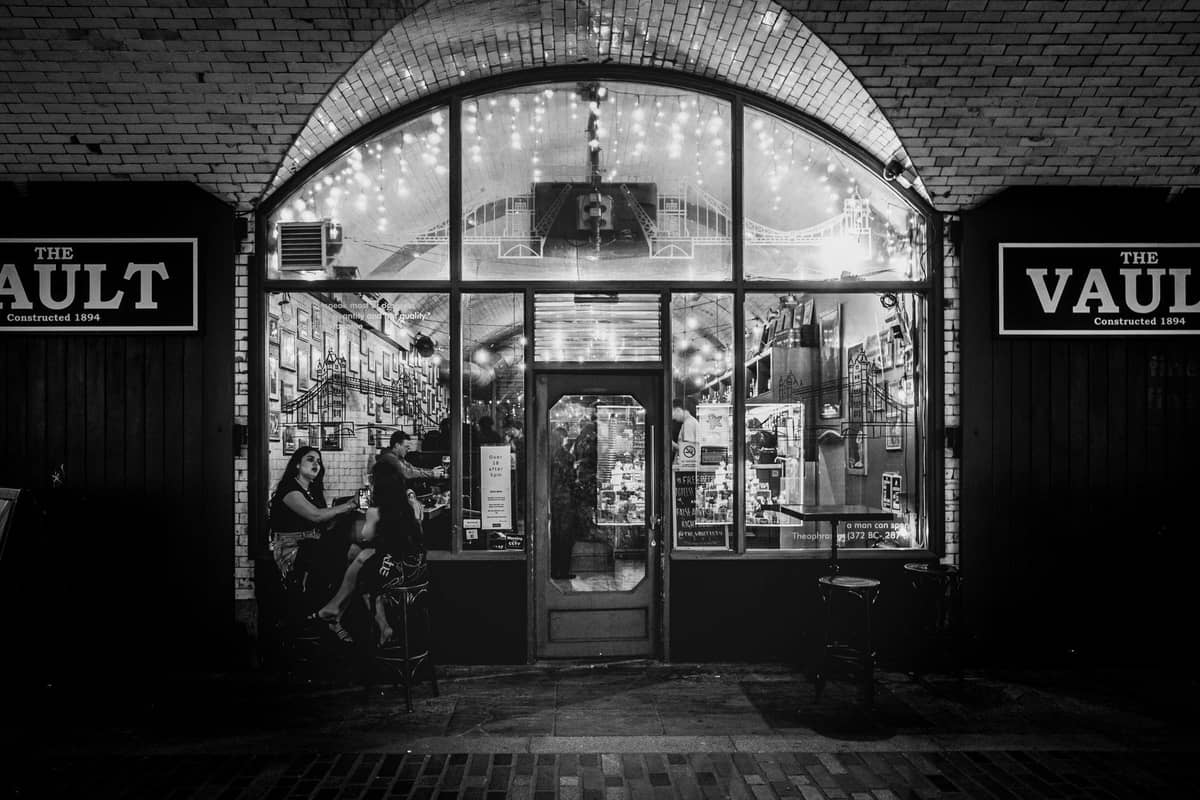
Boston's nightlife is lively, but it operates under tighter constraints than New York or Chicago. Massachusetts licensing rules mean bars and clubs must stop serving alcohol by 2 a.m., and many smaller venues call it closer to 1 a.m. on weeknights. Alcohol sales at stores cut off at 11 p.m. under state law, so pre-gaming from a corner store is not an option after that point. These aren't obscure rules — they shape the rhythm of a Boston night out in a fundamental way.
In practice, this means crowds hit bars earlier than in cities with 4 a.m. licenses. On weekends, popular venues like Royale on Tremont Street (typically open Friday and Saturday 10 p.m. to 2 a.m.) fill up by 11 p.m. and are at capacity well before midnight. The smart move is to treat 9–10 p.m. as your arrival window for any venue you actually want to get into, especially for ticketed club nights.
⚠️ What to skip
The MBTA subway (the T) runs until roughly 12:30 a.m. on most lines. If you're out until last call at 2 a.m., you will need a rideshare or taxi to get home. Uber and Lyft are widely available, but surge pricing after bar close can push fares significantly higher. Plan for it.
The Best Nightlife Neighborhoods in Boston
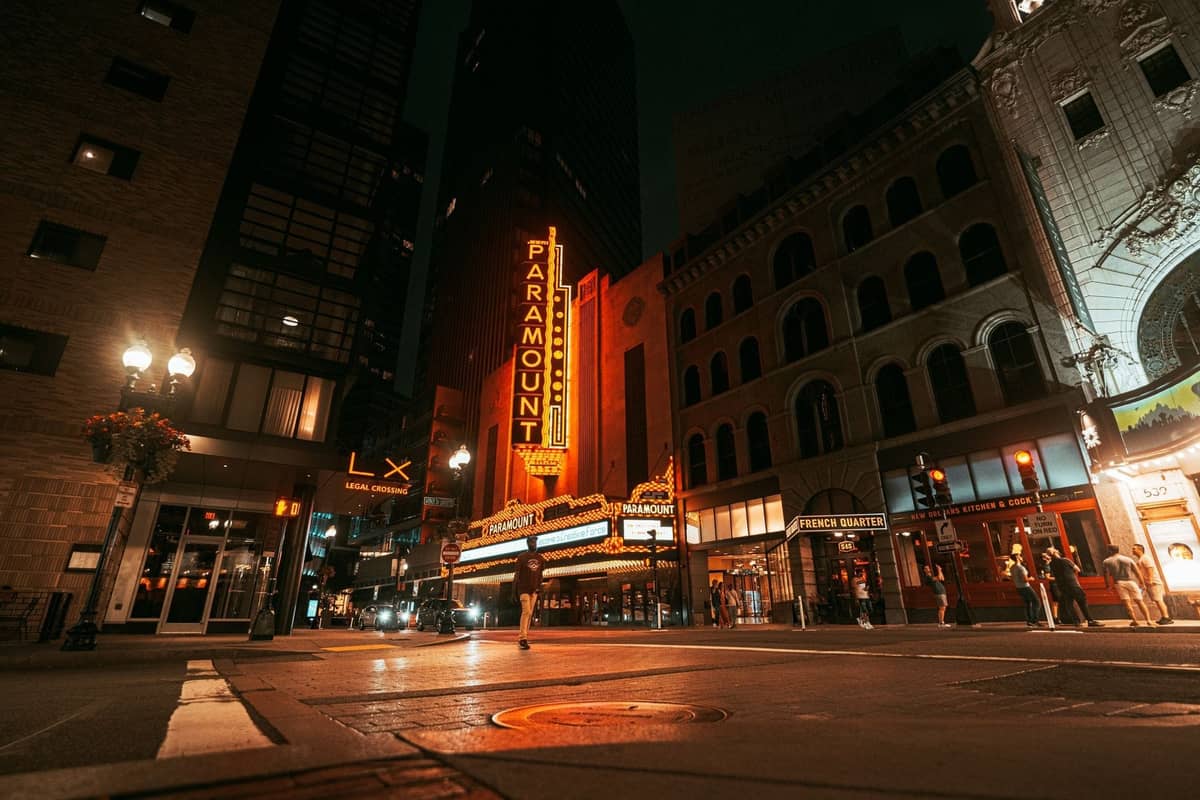
The single biggest misconception about Boston nightlife is that it's all downtown. In reality, the most interesting bars and live music venues are spread across six or seven distinct neighborhoods, each with a different character. Downtown has the larger clubs; the outer neighborhoods have the personality.
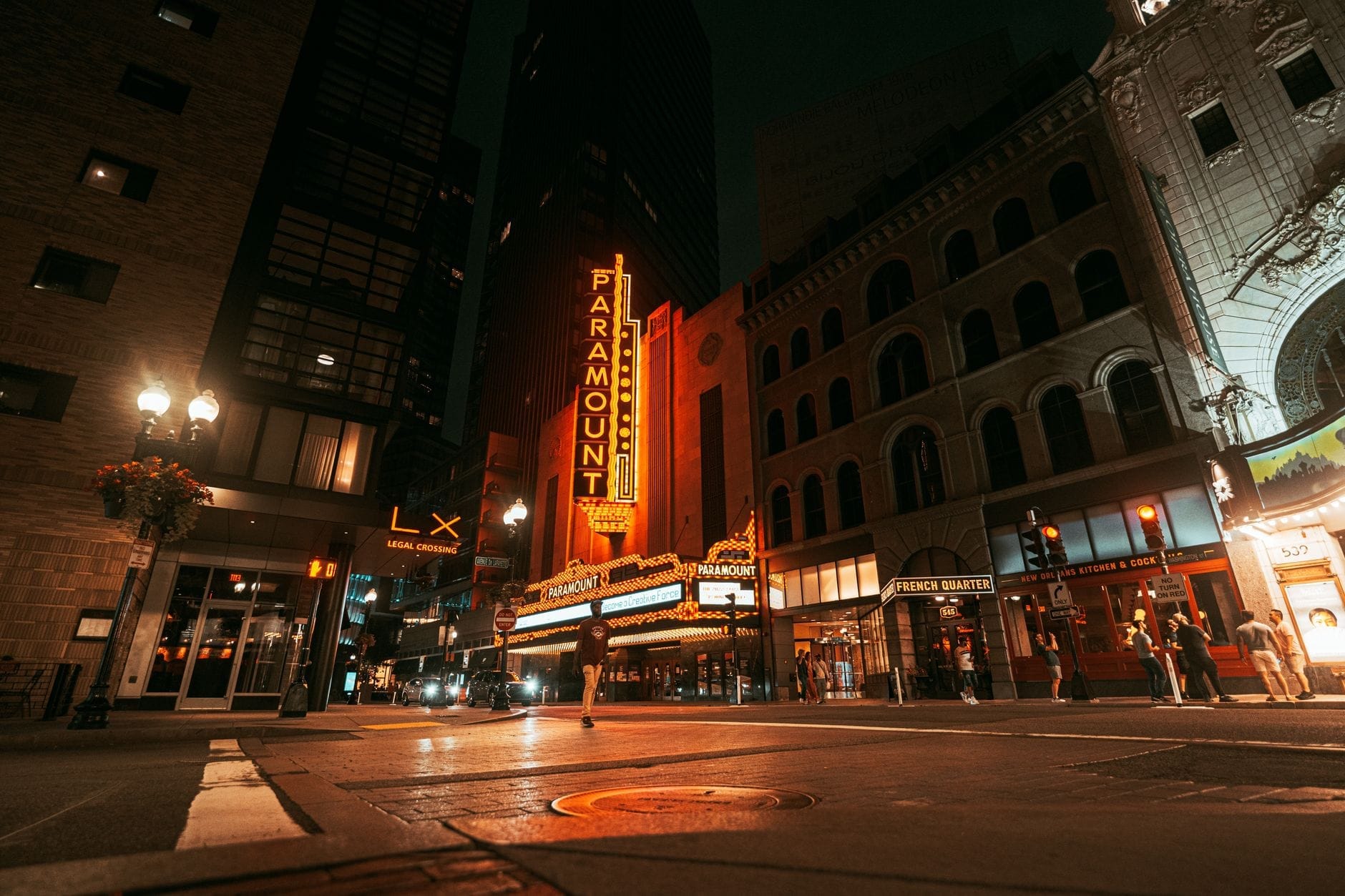
- Theatre District / Downtown (Tremont & Stuart Streets) Home to the larger clubs and ticketed DJ nights. Royale is the flagship — a converted theater that hosts touring DJs and occasional live acts on Friday and Saturday nights. The Grand operates Thursday through Saturday with a similar format. Expect cover charges in the $15–$30 range on weekends and dress codes that are enforced.
- Fenway-Kenmore MGM Music Hall at Fenway, a 5,000-capacity indoor venue that opened in 2022, has become a major stop for national touring artists. It sits adjacent to Fenway Park, which itself hosts major stadium concerts in summer. The surrounding bars along Lansdowne Street are heavily Red Sox-oriented but lively on any given weekend.
- Allston / Brighton The spiritual home of Boston's indie and rock scene. Paradise Rock Club (967 Commonwealth Ave) is the anchor — it's a 933-capacity room with a long history of hosting acts before they break. Roadrunner (115 Alcorn St) is a larger, 5,000-capacity venue that opened in 2021. The surrounding bars skew young and cheap, reflecting the dense student population.
- Cambridge & Somerville The Middle East Restaurant and Club (472-480 Massachusetts Ave) has two stages and books indie, metal, and experimental acts almost nightly. The Sinclair (52 Church St) near Harvard Square handles the 500-capacity mid-size bracket. In Davis Square, The Burren is the go-to for Irish traditional music sessions, often running free every night of the week.
- Jamaica Plain Midway Café (3496 Washington St) is a small, no-frills room with an outsized live-music calendar — punk, hip-hop, R&B, and rock shows most nights, with low cover charges ($5–$10 is typical) and a distinctly local crowd. It opens at noon and runs to 2 a.m., making it one of the few venues that works as both an afternoon bar and a late-night spot.
- Seaport District Newer and more polished than the other neighborhoods. Grace by Nia hosts jazz, soul, and R&B Wednesday through Saturday (roughly 7–11 p.m., to midnight on weekends) and Sunday brunch. The neighborhood skews upscale and the bar tabs reflect it, but the quality of the music programming is consistently high.
Live Music in Boston: Venues by Size and Genre
Boston has a genuine claim to being one of the better live music cities in the Northeast, partly because of its university ecosystem and partly because of a dense network of small venues that have survived for decades. For jazz specifically, the Fenway-Kenmore area and Cambridge are the twin centers — Wally's Cafe Jazz Club (427 Massachusetts Ave) runs nightly jazz sets in a tiny room with a low or suggested cover, which makes it exceptional value. The Regattabar inside the Charles Hotel in Cambridge is the more formal option, with ticketed shows and a proper seated room.
For rock and indie, the pyramid runs from 300-capacity clubs (Great Scott in Allston, though check current status as it has closed in its original location and future plans have been uncertain) up through Paradise Rock Club at 933, Royale at around 1,300, The Sinclair at 500, Roadrunner at 5,000, and MGM Music Hall at Fenway at 5,000. Tickets for mid-size shows at Paradise or Sinclair typically run $20–$45. National acts at MGM or Roadrunner range from $35 to $100+, with fees.
Bostonia Public House (131 State St, Downtown Boston) is worth mentioning for its everyday accessibility: live music Monday through Friday from 5 p.m., plus late-night sets on Wednesday and Thursday. It's a reliable option if you want music without committing to a full club night or a ticketed concert.
✨ Pro tip
For smaller shows, buy tickets in advance even if the venue seems low-key. Boston's student population means mid-week shows at 500-capacity rooms can sell out faster than you'd expect, especially when a well-known local or regional act is playing.
Bars Worth Seeking Out: By What You're Looking For
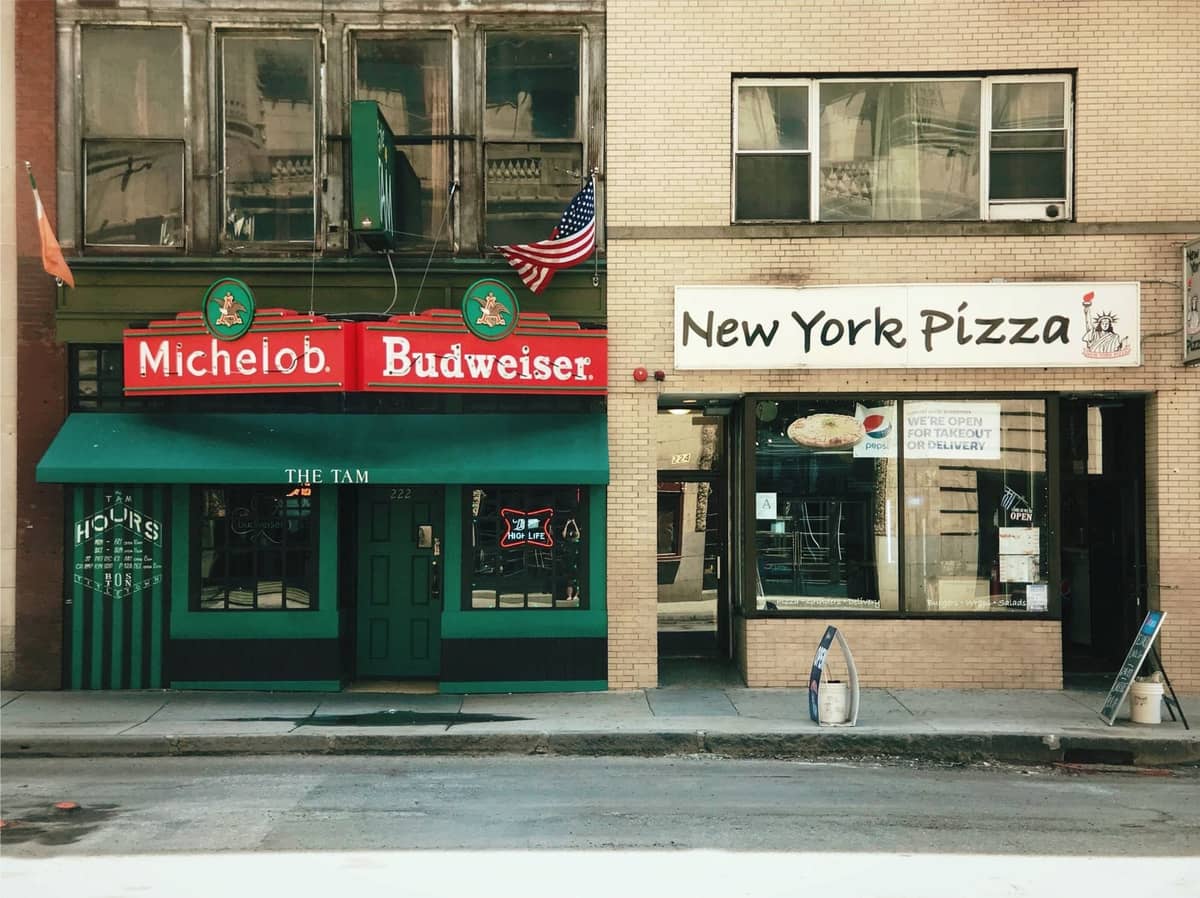
The bar scene in Back Bay and Beacon Hill leans toward wine bars, cocktail lounges, and upscale gastropubs. These are good choices if you want a quieter evening or a pre-dinner drink — not the right call if you're looking for live music or a late-night crowd. The bar along Newbury Street is photogenic but tourist-facing; the better local spots are a few blocks off the main drag.
The North End is better for aperitivo-style drinking before dinner than late-night bar-hopping — most places wind down early and the neighborhood is small. The Seaport District has newer, higher-end rooftop bars and cocktail lounges that suit corporate crowds and bachelorette parties more than a casual night out. Prices reflect that positioning, with cocktails frequently running $18–$24.
- For craft beer: Harpoon Brewery (306 Northern Ave) has a large taproom in the Seaport with rotating drafts and a food hall setup. Samuel Adams Brewery in Jamaica Plain runs tours and a taproom.
- For cocktails: The bar programs in newer Seaport hotels and along Boylston Street in Back Bay tend to be technically accomplished but expensive. Expect $16–$22 per cocktail at upper-tier spots.
- For dive bars and cheap pints: Allston and Somerville consistently deliver on price. Cash-only bars with $4–$6 draft beers are still findable in both neighborhoods, though they are becoming less common.
- For Irish pubs: The Burren in Davis Square and Brendan Behan Pub in Jamaica Plain are the most authentic. Both run regular traditional music sessions without a cover charge.
- For rooftop or views: Several hotels in Downtown and Back Bay have rooftop bars with skyline views, though most close earlier than street-level bars and carry premium pricing.
Seasonal Patterns and What Changes When
Boston's nightlife has a clear seasonal rhythm. The academic year (September through May) is peak season for live music and bar culture, driven by the city's enormous student and young professional population. When universities empty out in June and July, the college-bar scene softens noticeably — but the concert programming at larger venues continues year-round, and summer brings outdoor events. The summer in Boston guide covers this in more detail, including outdoor concerts at Hatch Memorial Shell on the Esplanade.
Boston Calling Music Festival, held annually at the Harvard Athletic Complex in late May, is the city's highest-profile outdoor music event. It draws tens of thousands of attendees over a weekend and has featured headliners across rock, hip-hop, and pop. Hotel prices spike during that weekend and transit gets congested — book accommodations well in advance if your visit overlaps with it. Check official Boston Calling channels for lineup and dates, as they vary year to year.
Winter is underrated for live music. Fewer tourists mean easier access to venues, and the programming calendar stays full. The winter in Boston guide covers the full picture, but from a nightlife standpoint, January and February often have the best value: lower covers, shorter lines, and the same quality of music.
💡 Local tip
Red Sox home games at Fenway Park (April through October) significantly impact Kenmore Square and the surrounding bars. Expect large crowds, higher prices, and slower service in the two to three hours after a game ends. If you're not going to the game, consider scheduling Fenway-area bar visits on off-game nights.
Practical Logistics: Getting Around After Dark
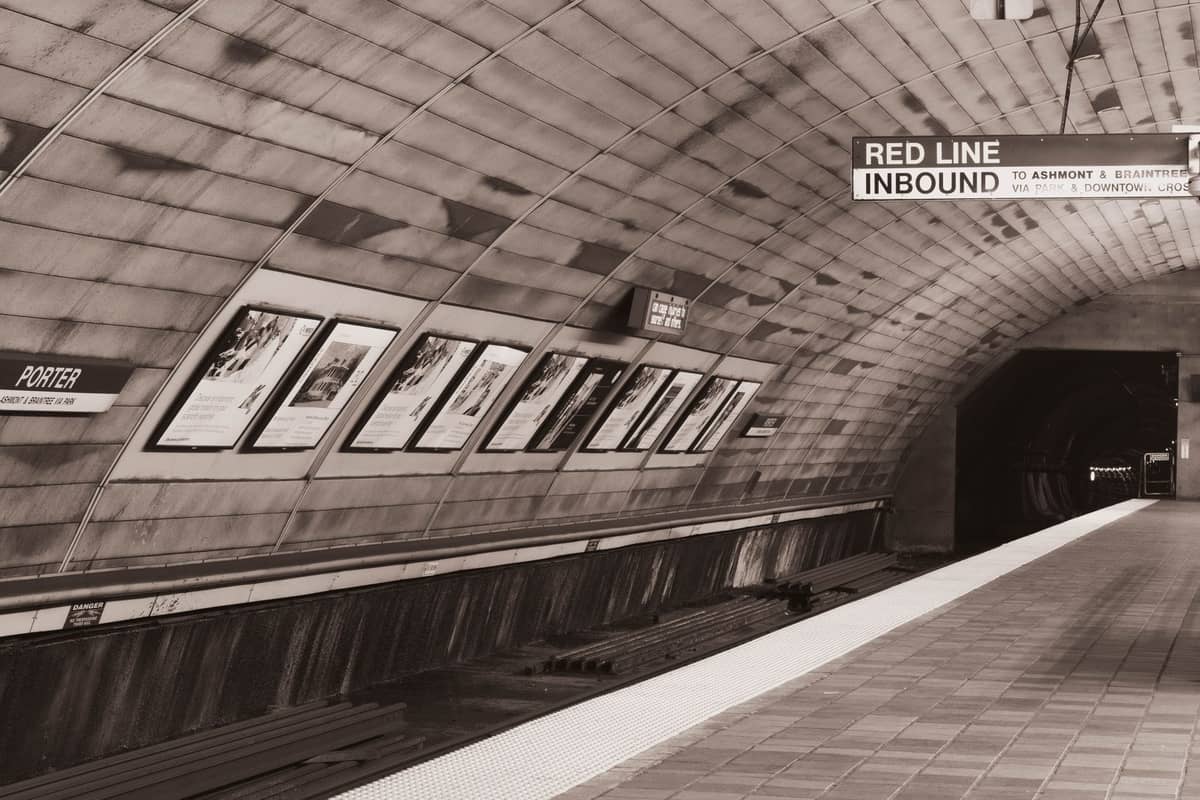
The MBTA subway is your best option before midnight. The Red, Orange, Blue, and Green Lines cover most nightlife neighborhoods, and a single ride costs around $2.40–$2.50 with a CharlieCard (verify current fares with MBTA directly, as they adjust periodically). After 12:30 a.m., when most lines stop running, you're relying on rideshare or taxis. Both Uber and Lyft operate citywide and pickup is generally fast, though post-bar-close surge pricing is real and can push a short trip from $8 to $25 or more.
If you're planning a neighborhood-hopping night, the most efficient circuits tend to be: Downtown/Theatre District to Fenway (15-minute Uber), or Cambridge/Somerville as a self-contained circuit since the venues there are clustered closely. Getting around Boston covers the full transit picture, including the Blue Bike share system which some locals use for short hops between bars, though cycling after drinking is not advisable.
Tipping at bars follows standard U.S. norms: $1–$2 per drink for beer or basic orders, 18–20% for table service or more complex cocktails. Bartenders at busier venues will remember good tippers, which matters at spots that get crowded. Cash is increasingly less common but still accepted at most dive bars and smaller live music venues — carry some for cover charges, which are occasionally cash-only.
FAQ
What time do bars close in Boston?
Most bars and clubs in Boston stop serving alcohol by 2 a.m. due to Massachusetts state licensing law. Many smaller venues or weeknight operations call last call closer to 1 a.m. There is no 4 a.m. bar culture in Boston — plan your night accordingly and arrange transport before the T stops running around 12:30 a.m.
What are the best live music venues in Boston?
For large concerts, MGM Music Hall at Fenway (5,000 capacity) and Roadrunner in Allston (5,000 capacity) book national touring acts. For mid-size indie and rock shows, Paradise Rock Club in Allston and The Sinclair in Cambridge are the go-to rooms. For jazz, Wally's Cafe in the South End runs free nightly sets, and the Regattabar in Cambridge is the more formal ticketed option. The Middle East in Cambridge covers indie, metal, and experimental across two stages.
Is Boston's nightlife worth it compared to New York?
The 2 a.m. closing time means Boston can't match New York for late-night stamina, but the live music scene is legitimately strong relative to the city's size. The cost of going out is also generally lower — cover charges and drink prices at smaller venues are more reasonable than comparable New York rooms. If live music is the priority, Boston holds up very well.
Which neighborhood in Boston has the best nightlife?
It depends on what you're after. Allston has the best concentration of indie and rock venues plus cheap bars. Cambridge (especially around Central Square and Harvard Square) has diverse live music and a slightly older crowd. The Theatre District has the largest clubs. Jamaica Plain has the most local, low-key feel. The Seaport is the most upscale and expensive option.
How do I get home after bars close in Boston?
The MBTA subway stops running around 12:30 a.m. on most lines, so if you're out until 2 a.m., you'll need Uber, Lyft, or a traditional taxi. Both rideshare apps are widely available citywide. Expect surge pricing in the 30–60 minutes after bars close, particularly on Friday and Saturday nights. Agreeing on a plan before going out will save you stress at 2 a.m.